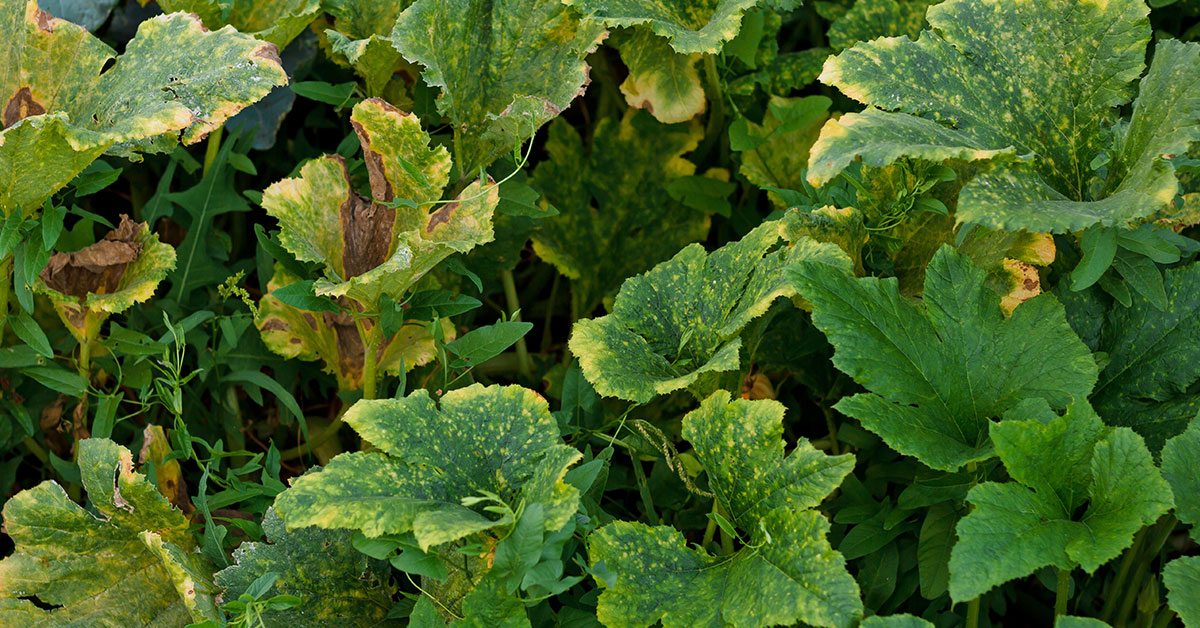

I’m so glad you’re looking to troubleshoot those yellowing zucchini leaves—nobody wants their vibrant green vines to look tired and pale! Zucchini (Cucurbita pepo), native to Central America, is a delight in summer gardens, producing prolific fruits that beckon bees and even small ground-nesting wasps seeking shelter in the leaf litter. It’s generally a well-behaved annual, not invasive unless you let volunteers sprout unchecked, but when leaves start turning yellow, it’s a clear SOS signal. I know how frustrating it is to see your plants slump after you’ve nurtured them from seed or seedling, so let’s dive into the twelve most common culprits and get your garden back to peak performance.
From irrigation missteps to nutrient imbalances, each cause has its own telltale signs and remedies. Whether you’re battling hidden root rot from soggy soil or iron chlorosis in high-pH beds, understanding the why behind the yellow helps you take action swiftly. I’ve had seasons when late blight snuck up on me or when my own transplant timing backfired—trust me, I feel your pain! But armed with these tips, you’ll be ready to diagnose and treat the issue, ensuring your zucchini leaves stay lush and green all season long.
Natural Aging of Lower Leaves
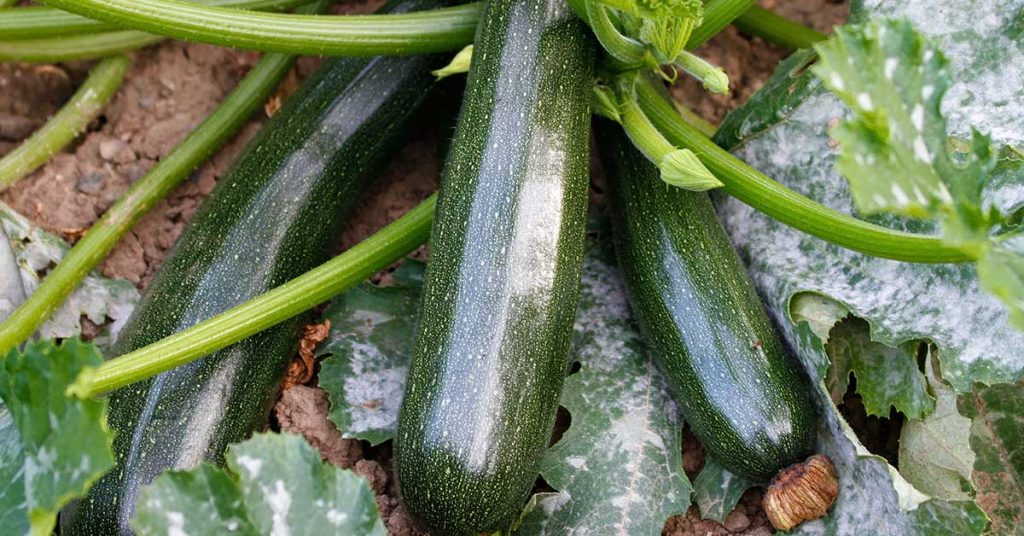
As your zucchini vines stretch and fruit, it’s normal for the oldest, lowest leaves to yellow and die back. These basal leaves transfer nutrients upward to support new growth and fruit development, acting much like mulch as they decompose and enrich the soil—benefiting ground beetles and beneficial fungus gnats that nest in the leaf litter.
If only those lower leaves yellowed in isolation, you’ll know it’s part of the plant’s life cycle and not an alarm bell. Simply trim them away cleanly to improve airflow and reduce hiding spots for pests, and let the decomposing foliage nourish the soil ecosystem beneath your vines!
Overwatering and Root Rot
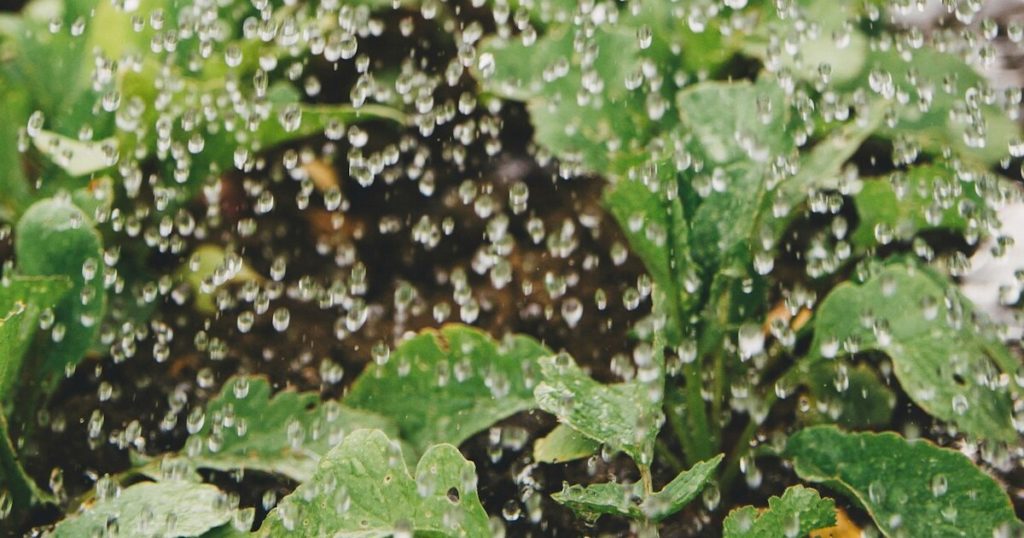
Zucchini roots need oxygen as much as moisture; waterlogged soil can suffocate roots and invite Phytophthora or Pythium pathogens, leading to root rot. When roots are compromised, the plant can’t uptake nutrients properly, and leaves turn yellow from the tips inward—an unsettling sight after you thought you were being diligent with watering!
I once overcorrected drought stress with daily drips and ended up with wilting plants and yellow patches. To recover, I improved drainage by amending the bed with coarse sand and compost, then scaled back to deep, infrequent watering—a regimen that restored my vines to their former glory!
Soil pH Imbalance

If your garden soil is too alkaline (pH above 7.5), certain nutrients like iron, manganese, and phosphorus become less available, causing interveinal yellowing or stunted growth. Zucchini prefers slightly acidic to neutral soil (pH 6.0–7.0), so testing your bed early can save you headaches down the road!
When I first moved to a high-lime area, my zucchini stunted and yellowed within days of transplanting. A simple soil test kit revealed pH woes—I corrected it with elemental sulfur and pine-needle mulch, and within two weeks, the leaves regained their rich green hue!
Pest Infestations Like Squash Bugs
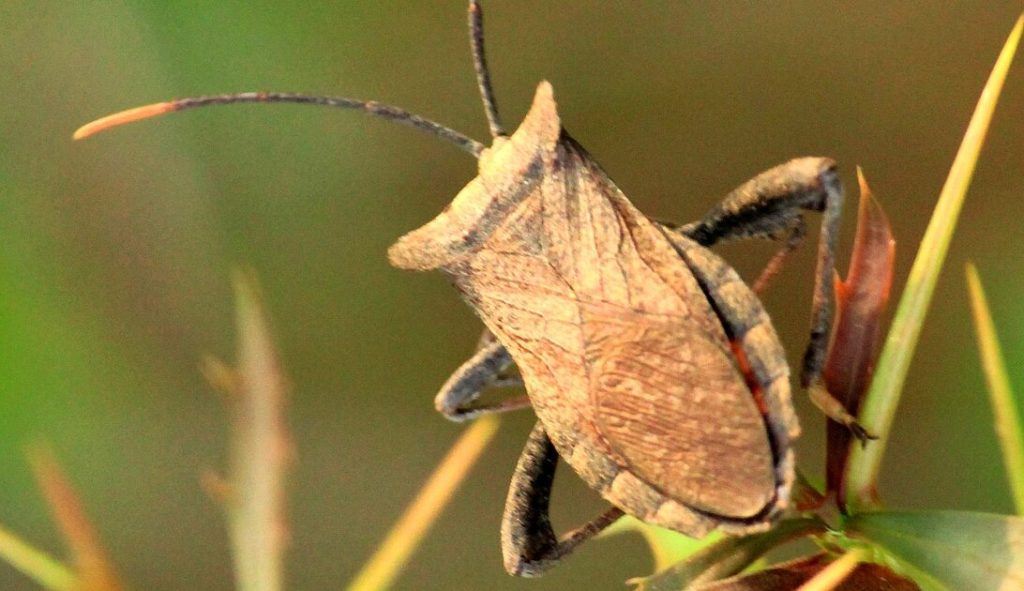
Squash bugs and cucumber beetles are notorious zucchini villains. They pierce leaves to sip sap, causing yellow spots that expand into large blotches as feeding continues. Eggs often hide on the leaf undersides; if you see clusters of bronze oval eggs, it’s time for immediate intervention!
Handpicking adults and nymphs into soapy water early in the morning can curb their populations. I also interplant nasturtiums and marigolds to attract predatory insects like ladybugs and lacewings, which prey on eggs and young larvae—turning your bed into a little predator-prey sanctuary!
Iron Chlorosis
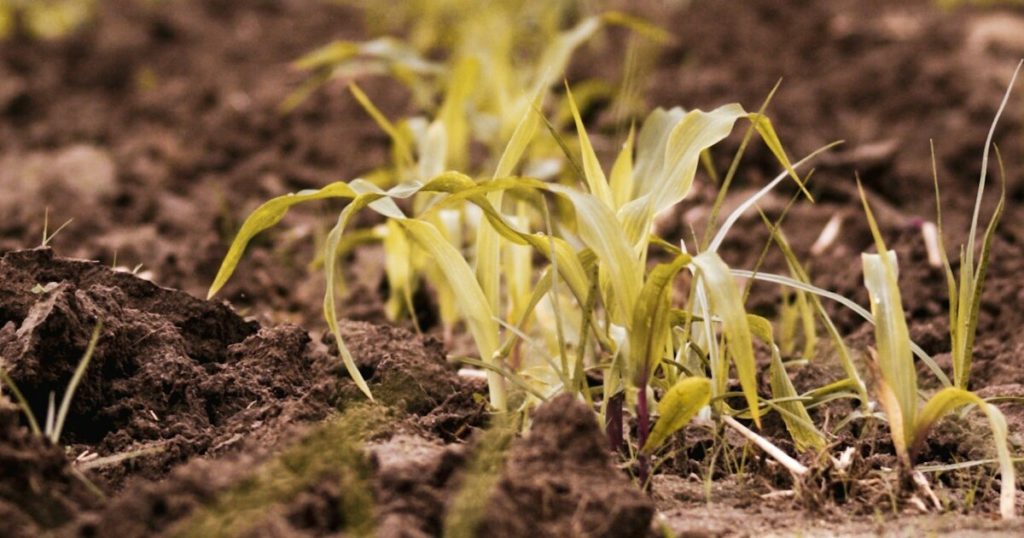
In high-pH or compacted soils, iron becomes unavailable to roots, resulting in yellow leaves with green veins (interveinal chlorosis). Unlike nitrogen deficiency, which yellows the entire leaf uniformly, iron chlorosis shows a distinct pattern—an important clue for diagnosis!
I once saw new leaves robbed of their emerald color despite rich compost and steady irrigation. A foliar spray of chelated iron every ten days revived the younger growth, and gradually the vines thrived once the iron issue was addressed at the root zone!
Compacted, Poorly Draining Soil
Heavy clay or compacted beds resist water infiltration and aeration, leaving roots stressed and leading to yellowed foliage. Soil compaction also deters earthworms and ground-nesting bees, which ordinarily would help loosen the earth and improve drainage naturally.
To remedy this, I double-dug my zucchini bed one season, adding generous compost and coarse sand to break up the clay. The resulting friable soil supported robust root systems—and the yellowing issue vanished as plants reveled in their newfound freedom!
Nitrogen Deficiency
Nitrogen fuels leafy growth; when levels dip, older leaves turn pale yellow first while new growth remains greener. If you notice the yellowing starting at the base and moving up, it’s a strong sign your vines need a boost of nitrogen for those luscious, broad leaves.
A side-dressing of blood meal or a well-balanced organic fertilizer can halt the yellow trend. I scatter composted chicken manure around the drip line mid-season, and within a week, those leaves pop back to dark green—a vivid reminder of nitrogen’s critical role!
Transplant Shock
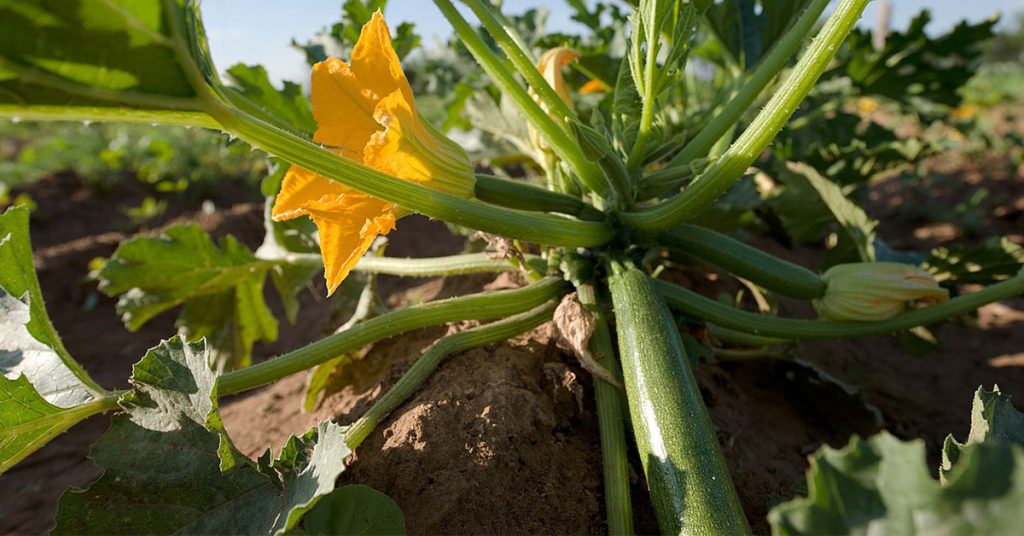
Moving zucchini seedlings from indoors or another bed can cause temporary wilting and yellowing as roots adjust. If leaves turn yellow but the stem remains firm, it’s often just the plant acclimating to its new surroundings.
When I switched my squash to larger root cells too late, the shock set me back two weeks! Now, I harden off seedlings gradually—introducing them to outdoor conditions over a week—and water gently in the evening to ease the transition, preventing that worrisome yellowing spurt.
Underwatering Stress
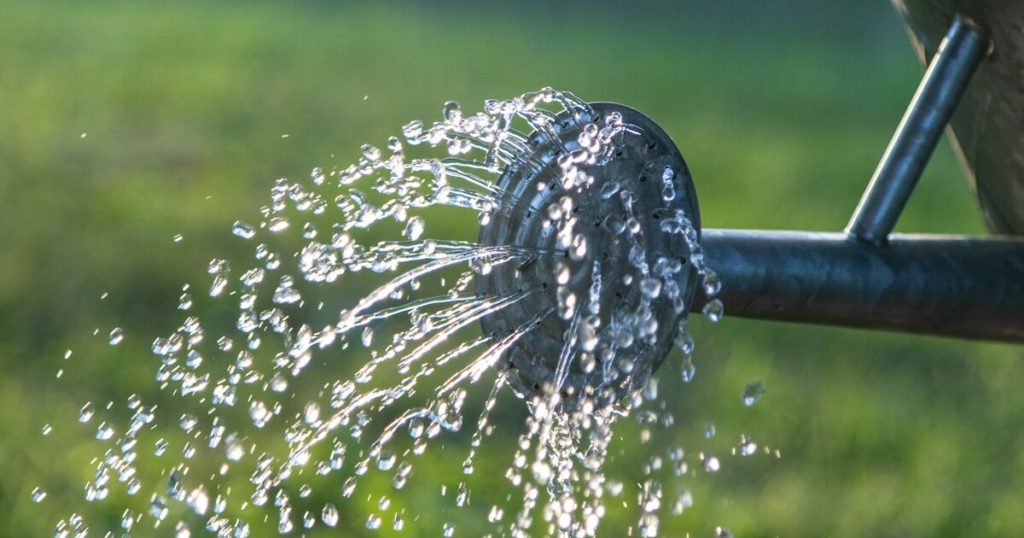
Zucchini thrives on consistent moisture—about an inch per week—and sudden drought spells can cause leaf edges to yellow and curl. These stress signals are your plant’s plea for water before more severe wilting and fruit drop occur!
I admit I sometimes forget to turn on the drip hose, and my vines let me know within days. A thorough deep watering that soaks the root zone, followed by a layer of mulch to lock in moisture, always restores turgor and green vibrancy to those drooping leaves!
Powdery Mildew
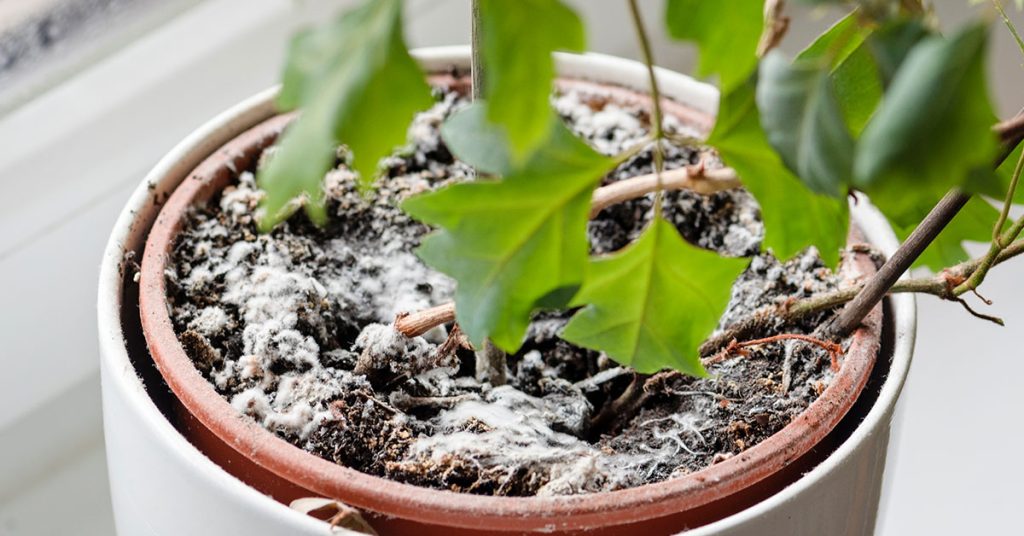
While powdery mildew often starts as white, dusty patches on leaves, it can progress to yellowing and early leaf drop. It thrives in warm days and cool nights, common in zucchini’s native regions of Central America, and can weaken the plant’s ability to photosynthesize.
Removing severely affected leaves and applying milk-spray treatments (one part milk to nine parts water) can suppress the fungus. I also space plants for better airflow and avoid overhead irrigation—steps that keep the foliage drier and less hospitable to mildew!
Heat Stress and Sunscald

Zucchini leaves can scorch and yellow when temperatures soar above 95°F, especially in full afternoon sun. Tiny yellow or brown spots often appear where the leaf surface has been sunburned—an alarming sight when you’re striving for lush greenery!
To protect your vines, I set up shade cloth that blocks 20–30% of midday sun, giving the plants a reprieve during peak heat. Paired with consistent morning watering, this keeps leaves cool and photosynthesizing optimally without the harsh midday glare!
Potassium Deficiency
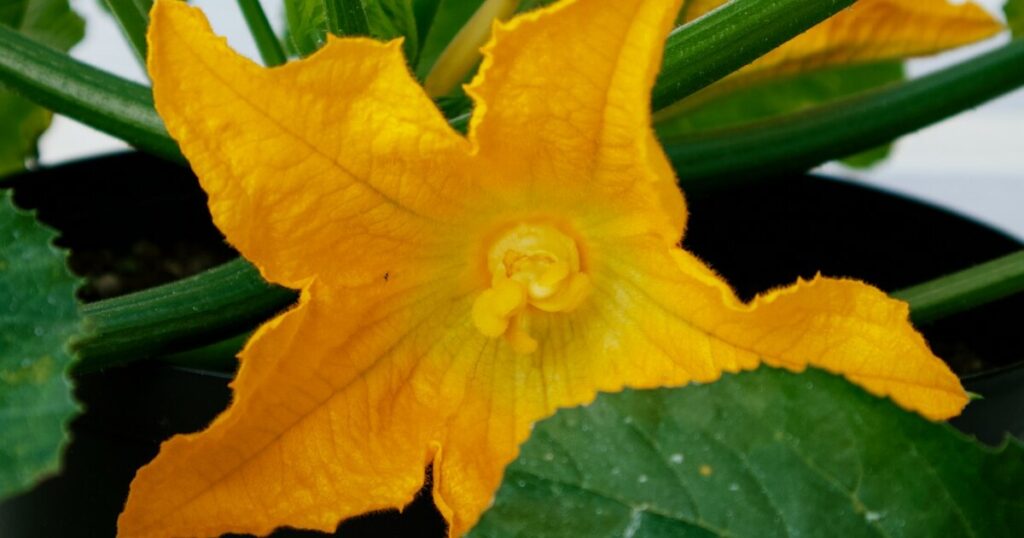
Potassium regulates water movement and enzyme activity; when it’s low, leaf margins may yellow or brown before the rest of the leaf, and growth slows. These marginal discolorations often signal you need a potash-rich amendment.
I’ve corrected potassium shortfalls with wood ash or kelp meal sprinkled around the base—these raise potassium without upsetting pH too much. Within a fortnight, the leaf edges regained their healthy coloration, and fruit set improved dramatically!