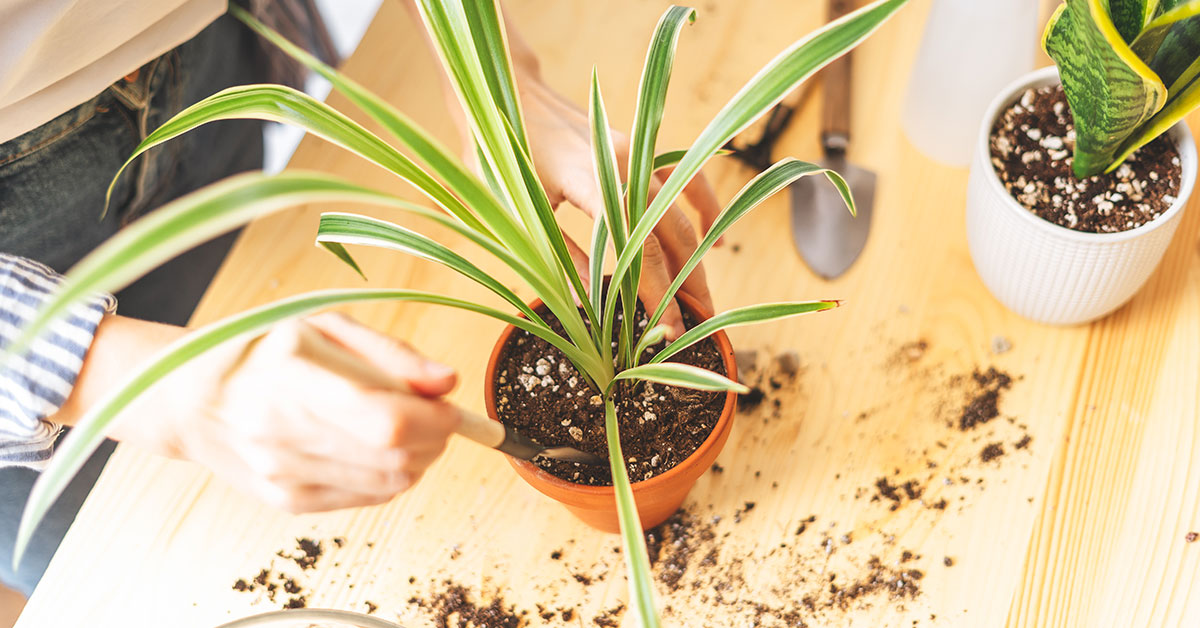

It’s such a thrill when your spider plant’s elegant arching leaves suddenly bear tiny “spiderettes” at their tips—each one a miniature version of its parent! As a devoted gardener, I know how empowering it feels to turn those delicate runners into brand-new plants. Propagating spider plants not only multiplies your green companions but also refreshes your space, promotes plant health, and spreads leafy joy far and wide!
I also understand the frustration of seeing a once-vibrant spider plant become root-bound or sluggish over time. By taking a few simple cuttings or dividing offsets, you overcome overcrowding, reinvigorate foliage, and sidestep pest or disease build-ups in tired soil. Ready to discover why propagation is a game-changer? Let’s dive into a dozen fabulous benefits!
Sustainable Gardening Practice

Propagating spider plants embodies eco-friendly gardening. Instead of purchasing peat-based plug seedlings shipped across the globe, you reuse your own plant material to cultivate fresh babies. This circular approach slashes waste, reduces carbon emissions from transport, and aligns beautifully with permaculture principles.
These hardy houseplants are native to tropical and southern Africa, where they naturally spread via vegetative runners. Mimicking that strategy in our homes honors their evolutionary heritage and ensures that you’re nurturing plants in the most authentic, resource-efficient way!
Helps Control Pests and Diseases

One of the greatest surprises you’ll have is how propagation acts as a built-in health check. By dividing overcrowded clumps and refreshing the growing medium, you discard any soil harboring scale, mealybugs, or fungal spores. I once rescued a stubborn mealybug-infested spider plant by propagating every offset, tossing the old soil, and potting the clones fresh—no pests in sight!
Moreover, those clean cuttings get to start in sterile or well-aerated substrates that beneficial springtails and predatory mites adore. This nesting of harmless microfauna sets up a natural pest-control squad right around the new roots, keeping potential invaders at bay.
Encourages Blooming of Spiderettes
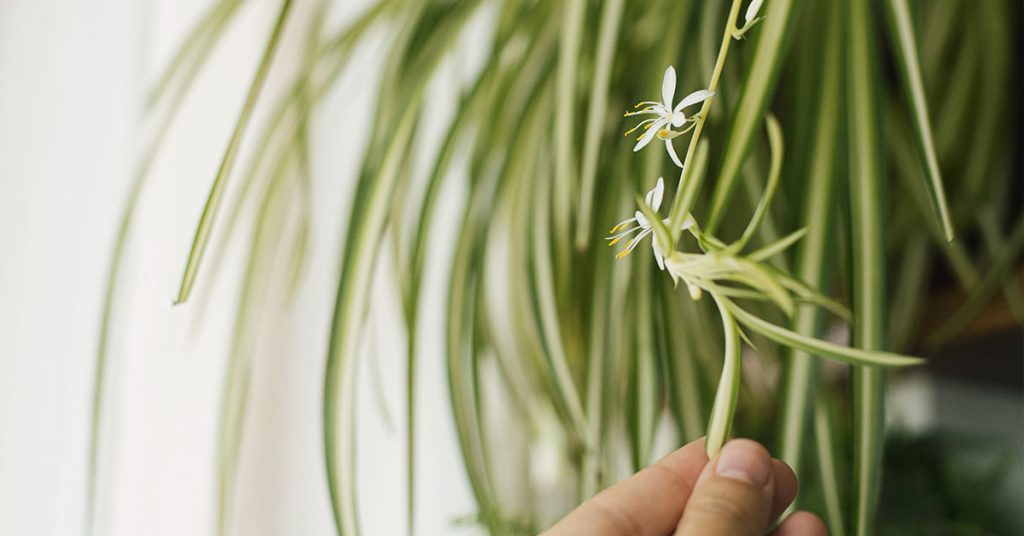
Every time you snip and replant a runner, the mother plant seems to burst forth with renewed vigor, producing even more offshoots! Removing a mature spiderette alleviates crowding, and the parent plant responds by funneling energy into additional bud formation—a cycle of generosity that’s as rewarding as it sounds.
Beyond their visual charm, those tangled root nests at the base of each baby act as microhabitats for beneficial soil organisms. Earthworms, beneficial nematodes, and microbes flock to that fibrous network, improving aeration and nutrient availability for both parent and progeny.
Natural Air Purification Boost
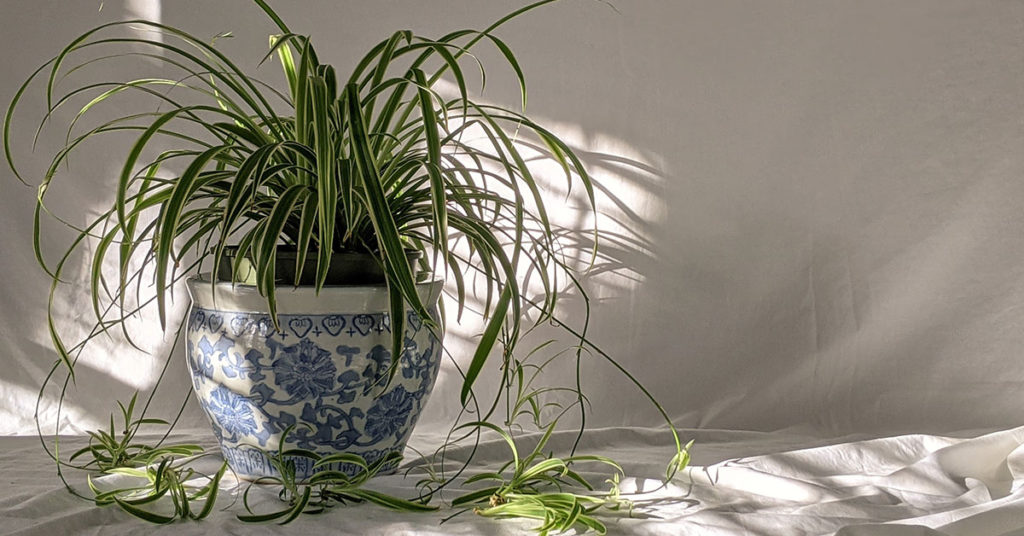
Spider plants are celebrated for their ability to filter common indoor pollutants like formaldehyde and xylene. By propagating and increasing your collection, you effectively install a team of green “air purifiers” throughout your home—a leafy army battling off VOCs!
Their dense foliage also moderates humidity, which in turn fosters healthy microbial communities on leaf surfaces. These benign biofilms further break down airborne chemicals, creating a synergistic air-cleaning effect beyond what a single plant could achieve.
Develop Propagation Skills and Confidence
If you’ve ever hesitated to try propagating other houseplants, spider plants are the perfect “gateway”—they root within days in water or soil, even on a sunny windowsill! That rapid success builds confidence and hones your cutting-and-potting technique for more challenging species down the road.
Moreover, observing the subtle nesting behavior of roots—how they coil, branch, and seek out moisture pockets—gives you valuable insights into optimal substrate blends and moisture regimes. Each new baby is a living classroom in propagation mastery!
A Cost-Effective Way to Expand Your Collection
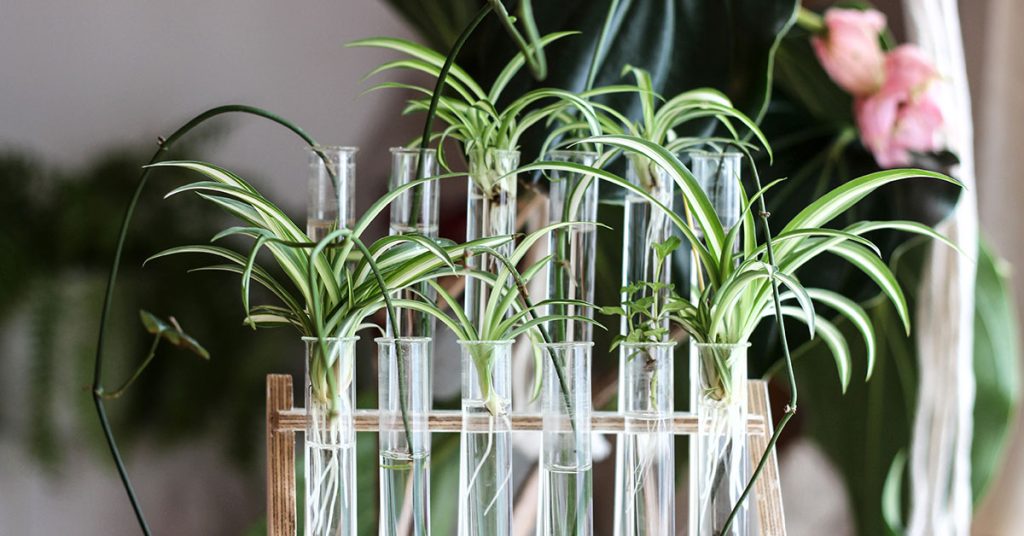
Let’s be honest: plant shopping can add up fast. Yet each spiderette you rescue and root is essentially a free addition to your indoor jungle. I remember turning a single mother plant into an entire hanging basket of lush babies, spending only a handful of dollars on potting medium—what a bargain!
Those offsets come pre-equipped with budding roots and leaves, so you’re not starting from scratch. It’s hard to beat a propagation project that costs less than the price of a single nursery-bought seedling!
Share Joy with Friends and Family
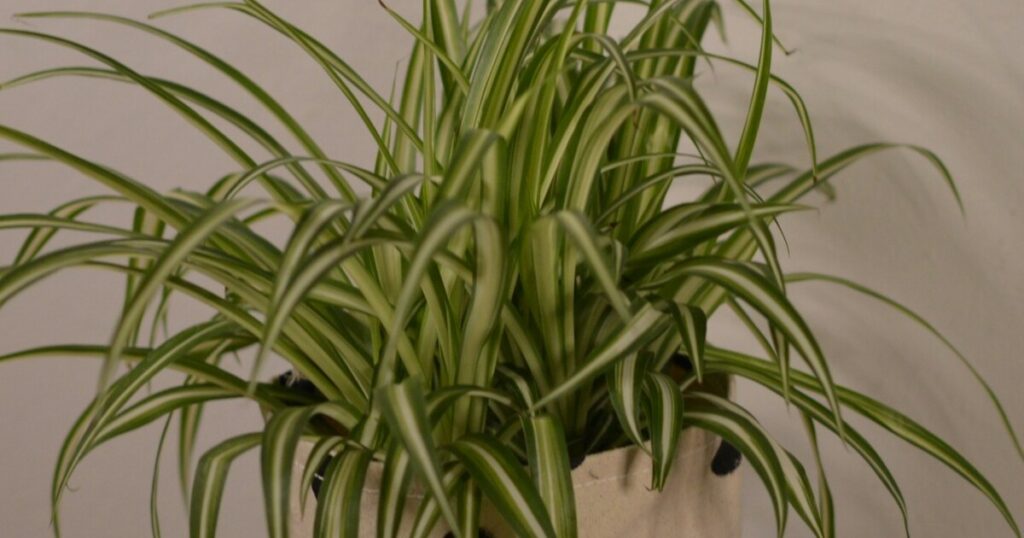
I can’t count how many times someone’s face lights up when I hand over a little spider plant baby—complete with its own root nest! These cheerful offshoots make thoughtful, living gifts that brighten homes and spark conversations about plant care.
Each gifted baby also carries a piece of African botanical history. Though Chlorophytum comosum rarely escapes cultivation to become invasive, it’s fascinating to share how these resilient perennials once carpeted forest floors, supporting local soil ecosystems without causing harm.
Quick and Easy Propagation Method
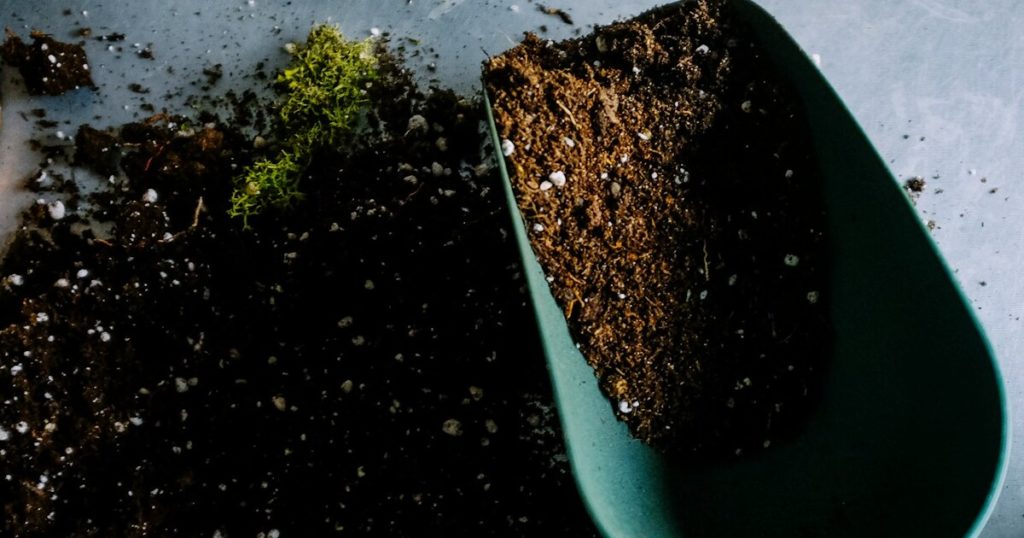
Unlike finicky succulents or temperamental cuttings, spider plants demand almost no special equipment—just a pair of clean scissors and a jar of water or potting mix. Within a week or two, you’ll see robust roots and new leaf growth!
That speed not only thrills but also reduces vulnerability to pests like spider mites or fungus gnats. A quick rooting cycle means you spend less time worrying about infestations and more time enjoying your new green darlings.
Preserves Unique Varieties and Mutations

Eye-catching variegated or “baby-tooth” spider plants are true collector’s items. Propagating these cultivars ensures you preserve their exact stripe patterns and genetic quirks. I once rescued a rare white-striped sport, and now clones of that one plant adorn every corner of my home!
Since each runner is a genetic copy of its parent, you avoid the unpredictability of seed-grown offspring. Your propagation practice becomes a living archive of every beloved cultivar in your collection.
Opportunity to Experiment with Different Media
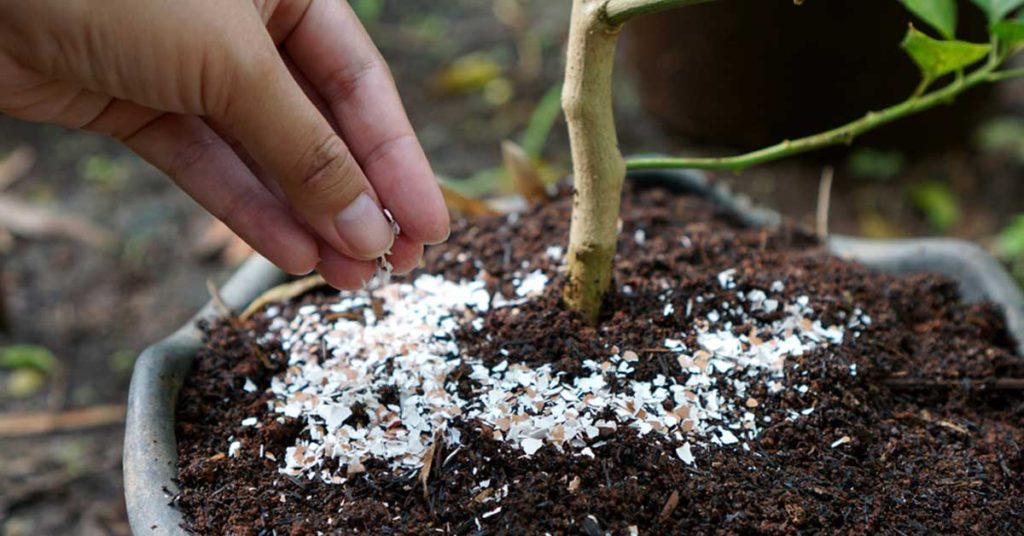
Spider plant offsets tolerate a delightful range of substrates—from plain water to chunky orchid bark to sandy cactus mixes. I’ve rooted spiderettes in hydroponic setups and even moss-filled terrariums, each time observing slight differences in root morphology and growth rate!
These experiments teach you about the delicate balance between moisture retention and aeration. Plus, varying potting mixes invites different assemblages of beneficial microbes—peat-based blends encourage springtails, while bark chips favor mycorrhizal fungi.
Prevent Overcrowding and Root-Bound Stress
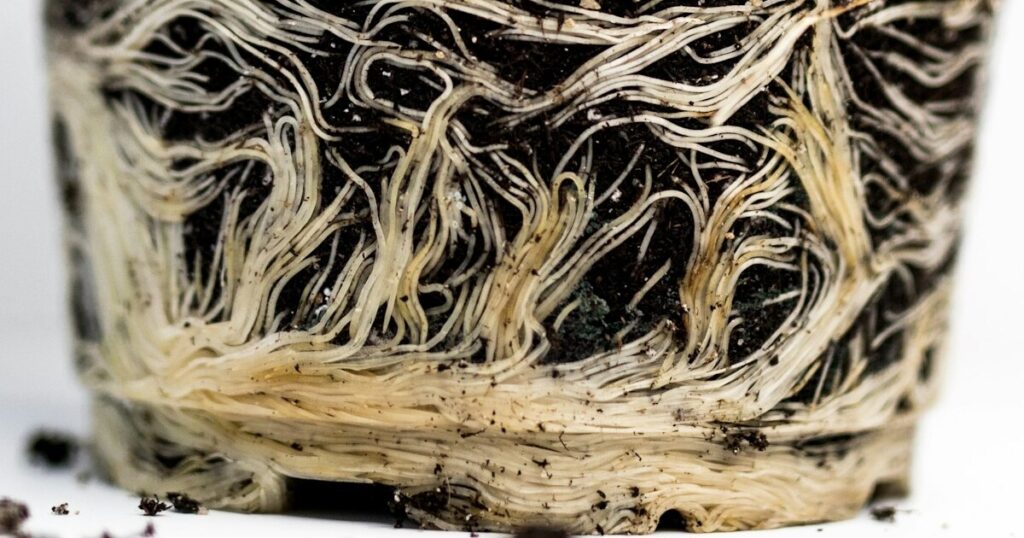
Spider plants thrive when their roots have space to spread. Left unchecked, tight, tangled root masses can choke off water and nutrients, leading to yellowing leaves or stunted growth. By dividing clumps or removing runners, you give each plant the breathing room it craves.
Those refreshed root zones also deter soil-borne pathogens. A bit of pruning and repotting every season prevents disease build-up and ensures every spider plant in your collection stays vibrant and vigorous!
Aesthetic Appeal with More Offshoots
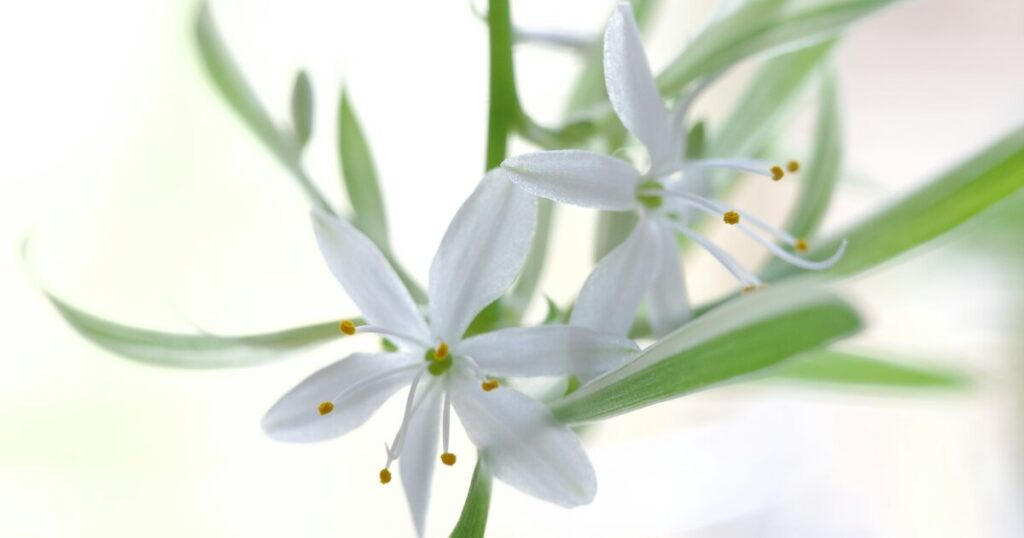
There’s nothing quite like a profusion of cascading spiderettes dancing over the edges of a hanging basket. The interplay of arching foliage adds depth and kinetic movement, transforming any room into a verdant sanctuary!
Those massed runners also create shaded pockets where beneficial insects—like tiny pollinators or predatory mites—can nest undisturbed. You’re not just crafting a stunning visual display; you’re nurturing a dynamic micro-ecosystem in your living space!