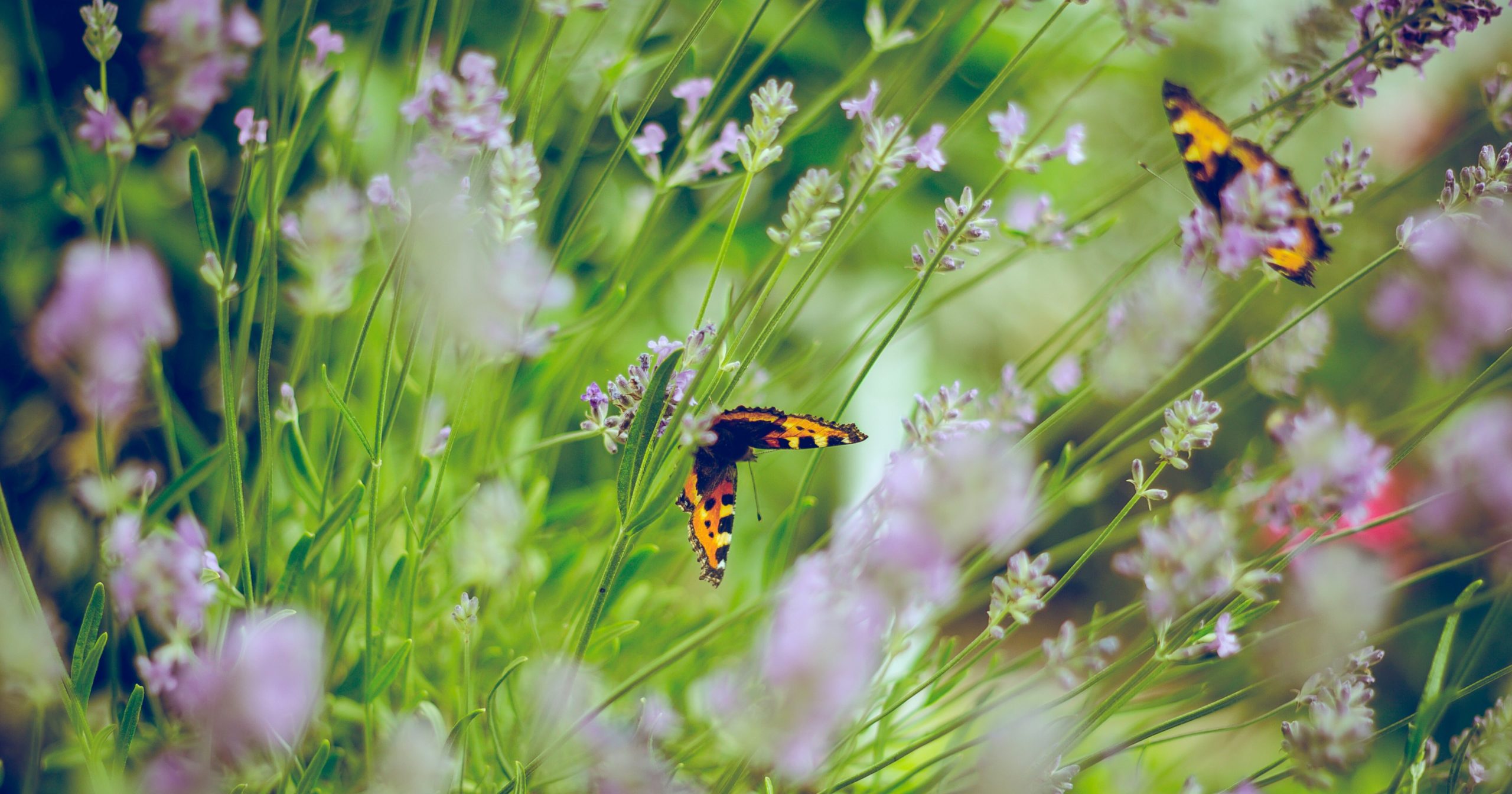

Spring’s arrival always fills me with hope—and that includes the promise of hearing a garden come alive with buzzing wings! It’s such a bummer when your beds of bright blooms draw no visitors, or when you spot wilted seedlings because pollinators never showed up. In this guide, I’ll share twelve hands-on strategies to transform your yard into a sanctuary buzzing with native bees, butterflies, and other vital pollinators.
Each tip is drawn from seasons of trial and error in my own garden. I’ll describe why it works, how to implement it, and—even better—highlight the wildlife behaviors you’ll invite, from ground-nesting bees tunneling beneath bare patches to mason bees gathering mud for their brood cells. Let’s roll up our sleeves and welcome spring’s sweetest guests!
Provide Bare, Undisturbed Soil for Ground-Nesting Bees

Many native bees—including Andrena and Halictus species—nest directly in bare, sandy-loam soil, digging tunnels up to a foot deep. By setting aside a small patch (even just one square foot), you’re offering prime real estate for their underground condo construction. These bees are pivotal spring pollinators, emerging just as early wildflowers open.
I once watched a female miner bee painstakingly excavate her tunnel, carrying pollen back to stock her brood chambers—nature’s own version of room service! Most ground-nesting bees thrive in well-drained sites; they’re generally native to your region and won’t spread beyond their chosen turf, so letting that small area remain undisturbed is a small trade-off for big pollination rewards.
Create Shallow Water Features
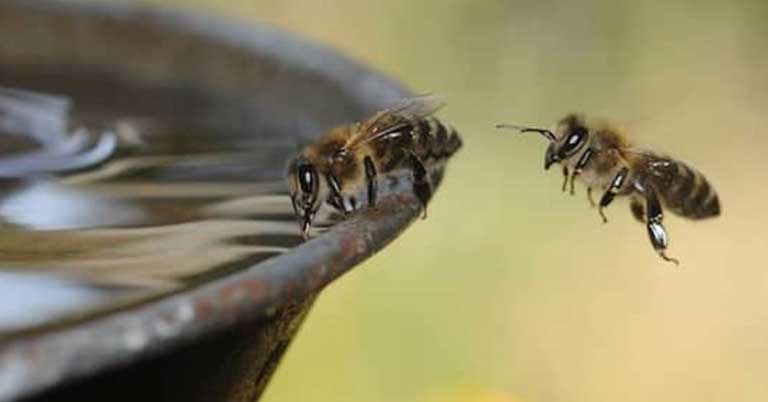
Even tiny puddling stations can be a lifeline when rain is scarce. A shallow dish with pebbles or gravel allows bees and butterflies to sip water without drowning. I like to top off a saucer near sunny flowers and watch bumblebees pause for a quick drink between foraging flights.
Adding a pinch of sand or fine soil mimics natural mud puddles, which is especially attractive to species like the mining bee or the American mud dauber wasp. These features demand almost no maintenance—just a quick refill on hot afternoons—and they become gathering spots where wildlife establishes consistent watering routines.
Replace Lawn with Pollinator-Friendly Beds

Vast swaths of turf grass offer little in the way of nectar or nesting habitat. Converting a portion of your lawn into mixed native plantings—think Echinacea purpurea (purple coneflower), native to the Midwest, and grasses like Schizachyrium scoparium (little bluestem), native to the central U.S.—creates a year-round buffet. These species aren’t invasive, and their deep roots improve soil structure.
One of my favorite transformations was turning a grass triangle into a wildflower meadow: by year two, monarch caterpillars and bumblebee queens had made themselves at home! Reduced mowing also leaves space for ground-nesting bees and shield bugs to flourish, turning what was once a silent green carpet into a vibrant ecosystem.
Plant Early-Blooming Trees and Shrubs
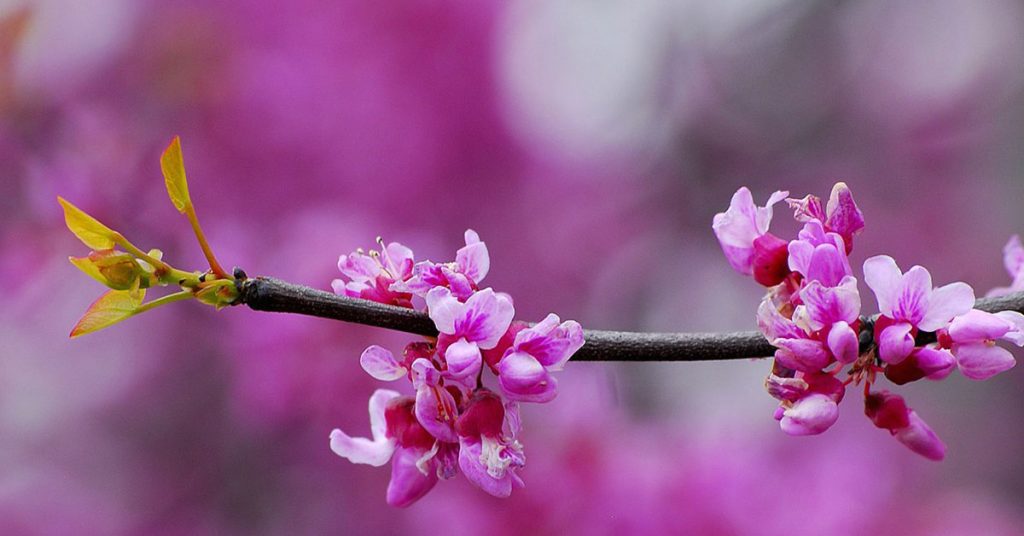
Trees and shrubs are the first food source each spring. Consider Cercis canadensis (Eastern redbud), native to eastern North America and not invasive, whose magenta blooms lure in honeybees and native Andrena bees. Amelanchier alnifolia (serviceberry), another eastern native, offers sweet nectar and pollen even before most perennials emerge.
One spring, I was delighted to see dozens of mason bees (Osmia lignaria) buzzing around my serviceberry blooms, using nearby hollow stems for nesting. Providing these woody natives ensures pollinators don’t starve during that critical frost-to-flower window, giving your garden an early season jumpstart!
Offer Mud Patches for Mason and Mud-Dauber Bees

Certain bees—like Osmia spp. (mason bees) and mud-daubers—use damp clay or mud to construct brood cells. Create a small “mud bar” by filling a shallow container with equal parts soil and water; as it dries, refill to maintain that perfect dampness. These species are native, rarely invasive, and efficient pollinators of fruit trees and spring flowers.
I love watching mason bees sculpt perfect cells from the clay, each one stocked with pollen for their larvae. With a mud patch in place, you’ll see more second and third generations emerging in summer—proof that this simple feature pays dividends throughout the season!
Establish a Succession of Blooms Throughout the Season

To keep native pollinators fed from early spring through late fall, plant a timeline of flowering species. Start with bloodroot (Sanguinaria canadensis), native to eastern woodlands, then transition to Rudbeckia hirta (black-eyed Susan), a North American prairie native, and finish with Symphyotrichum novae-angliae (New England aster) for fall nectar. None of these tend to escape cultivation aggressively.
By watching bees flit from one species to the next, you’ll witness a living timeline of garden life—emerging miner bees on bloodroot, followed weeks later by monarch butterflies on asters. I know how frustrating it can be when a garden has a feast of blooms one week and emptiness the next—staggered planting solves that, ensuring no pollinator goes hungry!
Install Bee Hotels for Cavity-Nesting Pollinators
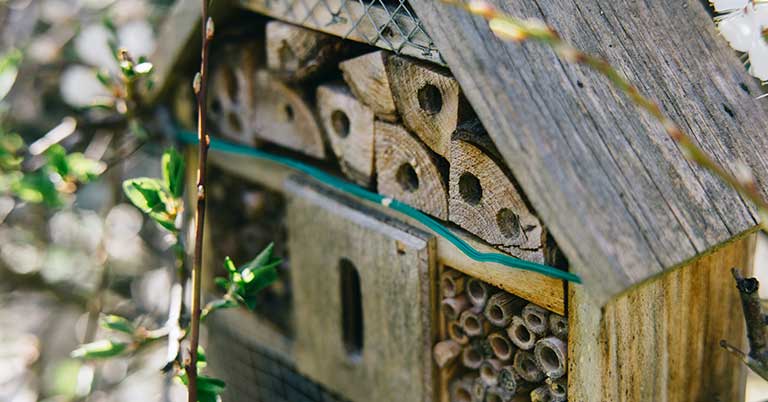
Osmia bees, leafcutter bees, and certain wasps seek out hollow tubes or wood cavities for nesting. Bundle native cane segments—Arundinaria gigantea (river cane), native to the southeastern U.S.—or drill ⅛ to ¼-inch holes in untreated blocks of oak. Avoid bamboo or non-native reed varieties that can rot and harbor parasites.
One spring, I built a hotel from river cane and watched as dozens of gold-faced bees claimed their tubes. Over the season, each cell became sealed with a mud or leaf lining—an everyday marvel! When caterpillars and flies invade, these nesting sites also attract parasitic wasps that help keep pest populations in check.
Leave Seed Heads and Hollow Stems for Overwintering
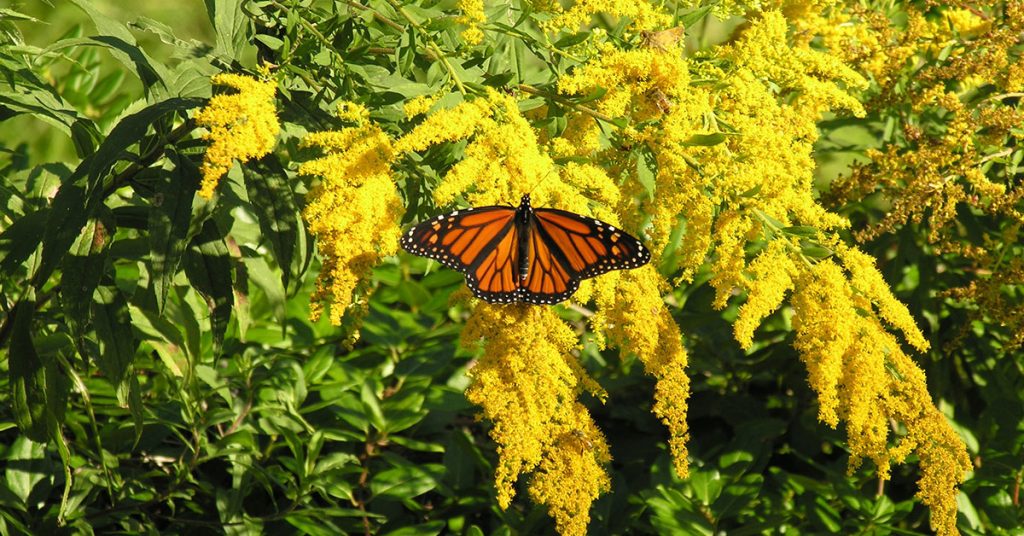
Winter stems of goldenrod (Solidago spp.), native to North America but sometimes aggressive—so deadhead in wild areas—serve as vertical perches for emerging pollinators in spring. Likewise, leaving seed heads of Echinacea or Rudbeckia provides shelter and food for small insects and birds during colder months.
The following spring, you’ll spot Andrena bees carving galleries in hollow stems and lady beetles overwintering in seed-head clusters. I used to tidy up my borders too zealously, only to wonder why my garden seemed quiet come March—leaving these structures preserves essential overwintering sites!
Provide Sunlit, Sheltered Areas

Many native pollinators need both warmth and wind protection before they take flight each morning. A south-facing patch bordered by a low stone wall or a hedgerow of Cornus sericea (red osier dogwood), native to North America and non-invasive, creates an ideal sun trap. Pollinators like bumblebees often rest in these nooks until the day warms enough for foraging.
I’ve watched queen bumblebees tucked under sun-warmed stones, unfolding stinger first as the sun climbed! By offering both heat and shelter, you ensure early foragers survive chilly nights and breezy mornings—boosting their energy reserves and your garden’s pollination rates!
Select a Diverse Array of Native Flowering Plants

Diversity is key: bees, butterflies, and flies each have unique tongue lengths, body sizes, and nesting habits. By planting varied shapes and sizes—Campanula americana (American bellflower), native to woodlands, alongside Monarda fistulosa (wild bergamot), a Midwestern prairie native—you cater to a broad pollinator cast. Neither species is known to be invasive when planted in suitable regions.
One of my favorite discoveries was how long-tongued bumblebees dominated the bergamot blossoms, while shorter-tongued sweat bees darted into the bellflowers. By offering a menu of bloom shapes and colors, you create a pollinator carnival—everyone finds something catered to their needs!
Reduce Pesticide Use and Opt for Organic Pest Control
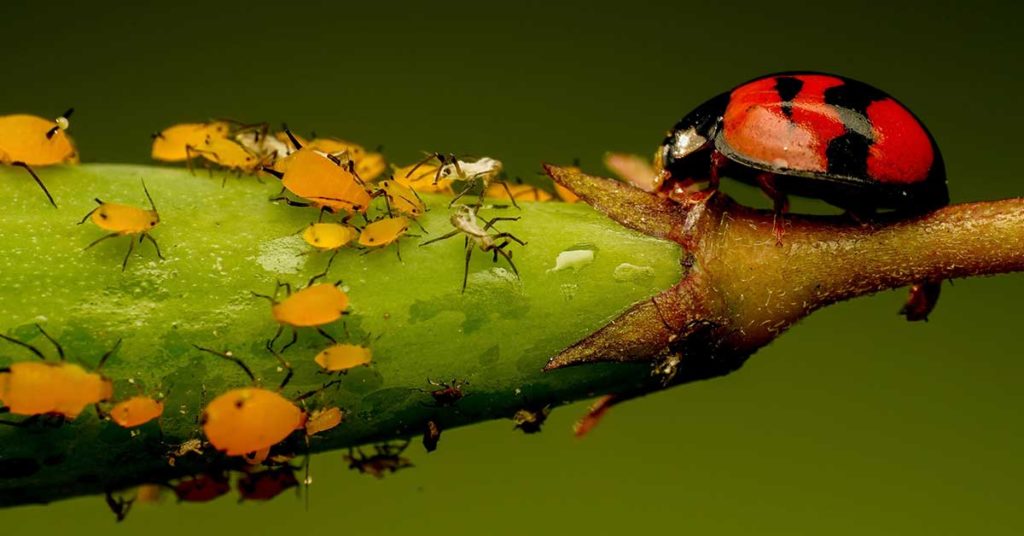
Broad-spectrum insecticides can wipe out beneficial pollinators as well as pests. Instead, monitor for early signs of aphids, caterpillars, or beetles and hand-remove them, or introduce biological controls like ladybugs and lacewings. Neem oil and insecticidal soaps target soft-bodied pests while sparing bees when applied in the evening after pollinator activity has ceased.
I know how frustrating it is to spot wilted leaves and suspect you’ll need a chemical fix—but often, a few nimble fingers or a jar of predatory beetles does the job without collateral damage. When you choose targeted, organic methods, you’re safeguarding not just your prize blooms, but the entire web of life that depends on them!
Educate and Engage Your Community

Pollinators don’t respect property lines—by sharing tips and native seedlings with neighbors, you expand safe havens across your block. Host a spring planting party or a pollinator-walk, pointing out nesting sites and flower features. The more folks who understand the needs of native bees and butterflies, the healthier the collective ecosystem.
Last spring, I swapped seed packets with a neighbor and watched our adjacent gardens become a corridor of continuous blooms—pollinators zipped effortlessly between yards! Community engagement turns solitary efforts into a neighborhood movement, ensuring these vital creatures thrive far beyond your own fences.