

Weeding can be such a frustrating, never-ending battle—especially when those pesky intruders seem to pop up faster than you can pull them out! As a dedicated gardener who’s spent countless hours wrestling with unruly weeds, I know the relief that comes from discovering plants that naturally choke out unwanted growth. Over the years, I’ve learned that the secret to a low-maintenance garden lies in choosing the right ground covers and shrubs that not only add beauty but also work hard to prevent weeds from taking over. In this article, I’m excited to share 12 exceptional plants that act as natural weed suppressants, saving you time and effort while enhancing the look of your garden.
Each plant on this list comes with its own unique story—where it’s native to, its growth behavior, and even its tendency to attract beneficial insects that may use its dense foliage as temporary nesting sites! I’ve carefully selected these plants based on their proven ability to create thick, competitive covers that leave little room for weeds to thrive. Whether you’re battling a garden overrun by invaders or simply seeking to simplify your landscape maintenance, these natural allies are sure to help you reclaim your space with style and ease!
Ajuga reptans

Ajuga reptans, commonly known as Bugleweed, is a low-growing perennial native to Europe that forms a dense, carpet-like ground cover—perfect for outcompeting weeds! Its vibrant purple flower spikes emerge in early spring, attracting pollinators such as bees and small butterflies that sometimes take refuge in its lush foliage. I’ve found that once established, Ajuga spreads rapidly, creating a natural barrier that prevents weeds from gaining a foothold while adding a splash of color to garden borders.
Despite its beauty and effectiveness in weed suppression, Bugleweed can be somewhat aggressive in moist, fertile soils. It tends to form thick mats that are both a blessing and a curse—great for controlling weeds, yet sometimes requiring periodic thinning to prevent overgrowth. With a bit of mindful management, however, Ajuga reptans is a true ally in the garden, offering both aesthetic appeal and practical benefits for reducing maintenance time!
White Clover (Trifolium repens)

White Clover is a charming, nitrogen-fixing ground cover native to Europe that works wonders at smothering weeds while naturally enriching the soil. Its lush, trifoliate leaves create a dense mat that suppresses weed emergence by outcompeting them for light and nutrients. I’ve often marveled at how this humble plant not only adds a soft, green carpet to my garden beds but also attracts small pollinators, such as bees, which sometimes use its compact clusters as a temporary nesting ground!
Although White Clover is considered a beneficial plant in many sustainable gardening practices, it can sometimes spread vigorously in mild climates. Fortunately, its non-invasive nature in most well-managed gardens means you can reap the benefits of its soil-improving properties without letting it take over entirely. With its low-growing habit and dual role as a natural fertilizer and weed suppressor, White Clover is a must-have for anyone looking to simplify their gardening routine and reduce maintenance time!
Pachysandra terminalis

Pachysandra terminalis, or Japanese spurge, is an evergreen ground cover native to Japan that creates a dense, attractive carpet perfect for suppressing weeds in shaded areas. Its glossy, dark green leaves form a thick mat that effectively crowds out weeds while providing a serene, low-maintenance base for garden borders. I’ve been impressed by how reliably it covers large areas with minimal care, allowing you to enjoy a tidy landscape without constant weeding!
While Pachysandra is excellent at outcompeting undesirable growth, it’s worth noting that in some regions it can become invasive if not contained properly. Its rapid, spreading habit makes regular monitoring essential to ensure it doesn’t overrun adjoining areas. Nonetheless, with proper management and strategic placement in shaded spots, Pachysandra terminalis offers a durable, elegant solution for weed control and is an invaluable asset to any low-maintenance garden!
Creeping Thyme (Thymus serpyllum)

Creeping Thyme is a delightful, aromatic ground cover native to the Mediterranean that is perfect for filling in gaps and outcompeting weeds with its dense, mat-forming habit. Its tiny, fragrant leaves and bursts of purple or pink flowers not only add a burst of color to garden paths but also attract bees and other beneficial insects that sometimes use its low-growing clumps as cozy nesting spots. I’ve found that once established, Creeping Thyme creates an impenetrable barrier against weeds while releasing a lovely scent with every step!
This low-maintenance plant is non-invasive and thrives in full sun and well-drained soil, making it ideal for those hot, dry conditions where many weeds struggle to compete. Its drought tolerance and resilience mean that it requires minimal watering and care—a true time-saver for busy gardeners. With its natural ability to suppress weeds while providing visual and sensory delight, Creeping Thyme is a real gem for any garden looking to reduce maintenance efforts and boost curb appeal!
Dichondra repens

Dichondra repens, often known as kidney weed, is a charming, low-growing ground cover native to warm regions of the Americas that forms a dense, cushion-like mat ideal for smothering weeds. Its small, round leaves create a soft, uniform carpet that prevents weed seeds from germinating by blocking sunlight and reducing soil disturbance. I love how Dichondra adds a touch of lush, green simplicity to garden beds, providing a neat and tidy appearance that requires minimal upkeep!
This plant is non-invasive when grown in containers or well-managed garden areas, and it thrives in sunny conditions with well-drained soil. Its compact growth habit makes it an excellent choice for areas where a delicate, continuous cover is desired, and its natural behavior encourages beneficial insects to occasionally take refuge in the gentle foliage. With Dichondra repens, you get a beautiful, low-maintenance solution that helps keep weeds at bay while adding a serene, natural touch to your landscape!
English Ivy (Hedera helix)

English Ivy, native to Europe, is a vigorous ground cover that can effectively suppress weeds by forming thick, clinging mats on walls, lawns, and garden beds. Its evergreen, lobed leaves create a dense barrier that outcompetes many weeds for light and space, making it a popular choice for gardeners seeking low-maintenance weed control. I’ve observed that, despite its reputation, when managed properly in containers or on designated structures, English Ivy can provide significant ecological benefits without overrunning your entire yard!
However, English Ivy is notorious for its invasive tendencies in many regions, so it must be used with caution and proper control measures. Its dense growth can attract beneficial insects and provide nesting areas for small creatures, yet it requires regular pruning to prevent it from encroaching on other desirable plants. With mindful management, English Ivy can serve as an effective, evergreen ground cover that keeps weeds in check while adding a classic, lush aesthetic to your garden!
Creeping Jenny (Lysimachia nummularia)
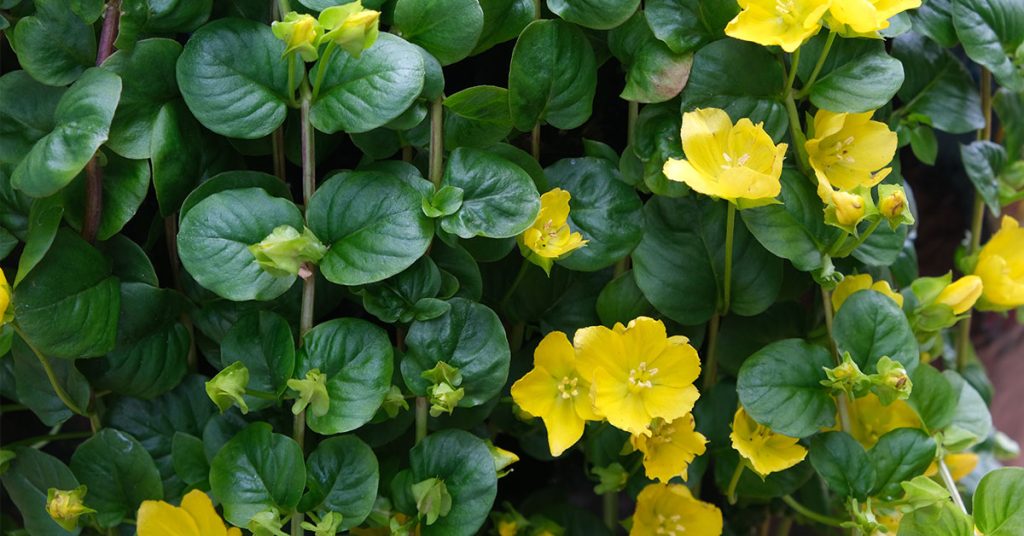
Creeping Jenny, native to Europe, is a vibrant, trailing ground cover known for its bright, golden-green foliage that rapidly spreads to suppress weed growth. Its low, creeping habit forms a dense mat that covers soil quickly, leaving little room for weeds to take root. I’ve always been captivated by the way this plant brightens up garden edges and pathways, while also attracting small pollinators that appreciate its sunny, open leaves for temporary shelter or nesting!
While Creeping Jenny is highly effective at weed suppression, it can be somewhat invasive if not contained in a controlled area. Regular maintenance, such as trimming and edge-setting, is essential to keep its growth in check and ensure it doesn’t overwhelm neighboring plantings. Despite its vigorous nature, when used strategically in containers or defined garden beds, Creeping Jenny is a fantastic option for reducing weed pressure and adding a burst of lively color to your landscape!
Liriope muscari
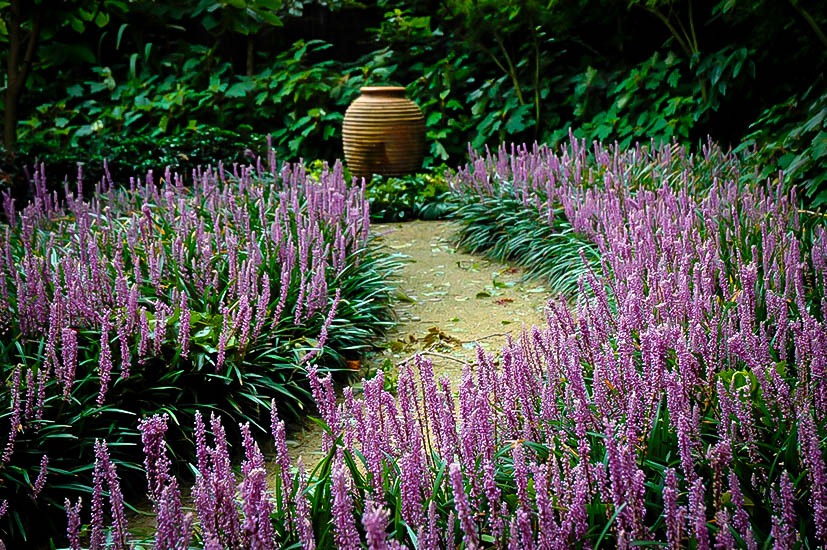
Liriope muscari, often referred to as lilyturf, is a hardy, grass-like perennial native to East Asia that excels at forming dense clumps to keep weeds at bay. Its arching, strap-like leaves create a natural border that effectively suppresses weed growth by shading the soil and reducing available space for invasive species to germinate. I’ve always admired how Liriope brings a touch of understated elegance to garden fronts while doing the heavy lifting of weed control in a low-maintenance fashion!
Not considered invasive when properly managed, Liriope muscari thrives in both sun and partial shade, adapting well to a variety of soil types. Its gentle, clumping habit also provides a modest habitat for small beneficial insects, which can contribute to a more balanced garden ecosystem. With its consistent performance and natural ability to crowd out weeds, Liriope is an excellent choice for gardeners looking to simplify maintenance without sacrificing beauty!
Creeping Juniper (Juniperus horizontalis)
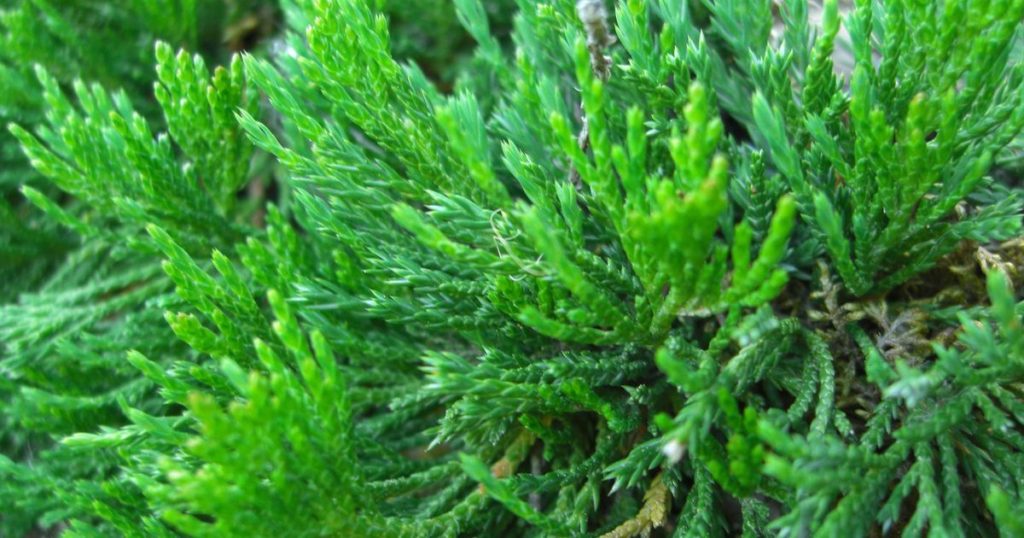
Creeping Juniper is a versatile, ground-hugging shrub native to North America that serves as a natural weed suppressant by forming a sprawling, evergreen carpet. Its needle-like foliage creates a thick, resilient mat that not only deters weed growth but also adds a rugged, textured beauty to garden landscapes. I’ve found that this juniper’s robust nature makes it ideal for areas that require both ornamental appeal and functional ground cover—especially in regions where water conservation is key!
While Creeping Juniper is generally non-invasive in the right conditions, its aggressive spreading habit in moist, well-drained soils can sometimes necessitate periodic trimming. Its natural ability to attract small beneficial insects and even provide nesting sites for tiny birds makes it a practical addition to outdoor spaces where ecological balance is desired. With its hardy performance and distinctive charm, Creeping Juniper is a reliable choice for anyone looking to reduce weeding time and add lasting structure to their garden!
Sedum (Sedum spp.)
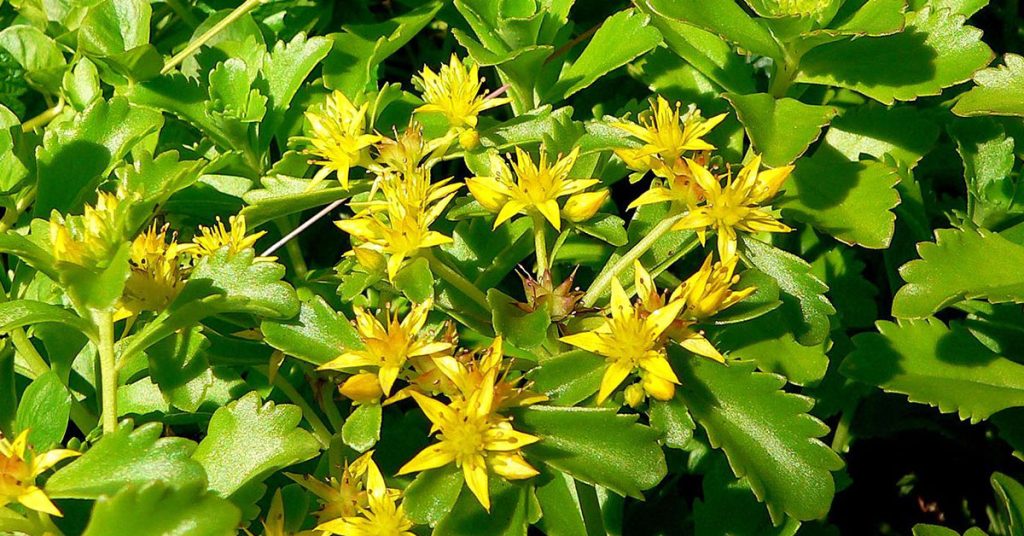
Sedums, commonly known as stonecrops, are a diverse group of succulent plants native to Europe, Asia, and North America that excel at forming dense, low-growing mats to suppress weed growth. Their fleshy, water-storing leaves not only add a unique, textured look to garden beds but also enable these plants to thrive in poor, rocky soils where many weeds struggle to compete. I’m always impressed by how Sedum varieties, with their vibrant colors and architectural forms, create a natural barrier that keeps invasive species at bay while adding a touch of rugged beauty to the landscape!
These hardy succulents are typically non-invasive and require minimal watering, making them perfect for dry, sunny spots where maintenance time is precious. Their resilient nature attracts a modest array of beneficial insects that appreciate the succulent foliage for brief nesting or foraging, contributing to an overall healthier garden ecosystem. With their effortless charm and practical benefits, Sedum is a true time-saver for gardeners seeking effective weed suppression without sacrificing style!
Vinca minor (Periwinkle)
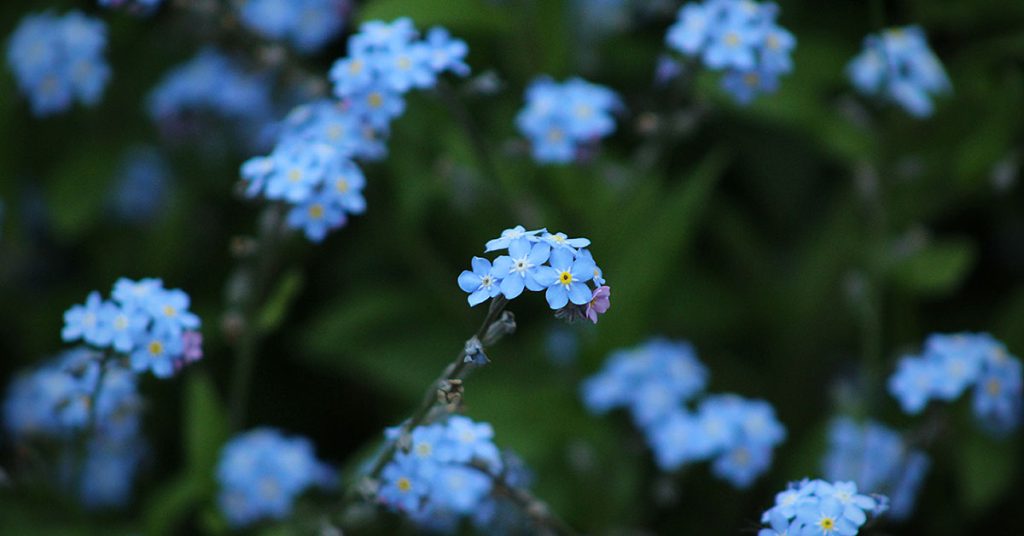
Vinca minor, commonly known as periwinkle, is a charming evergreen ground cover native to Europe that quickly establishes a dense, sprawling mat to suppress weeds. Its glossy, dark green leaves and small, star-shaped flowers in shades of blue or violet create an attractive, uniform carpet that effectively denies weeds the light and space they need to grow. I’ve observed how Vinca minor attracts a variety of beneficial insects, some of which even use its intricate foliage as temporary nesting sites, thereby contributing to a balanced garden ecosystem!
However, it’s important to note that Vinca minor can be invasive in certain climates if left unchecked, so careful management and containment are key to harnessing its weed-suppressing benefits. When grown in well-defined garden beds or containers, it offers a low-maintenance, aesthetically pleasing solution that keeps weed pressure to a minimum. Its vigorous, spreading nature, when properly controlled, makes Vinca minor an excellent choice for gardeners looking to save time on weeding while enjoying a vibrant, year-round display!
Sweet Woodruff (Galium odoratum)
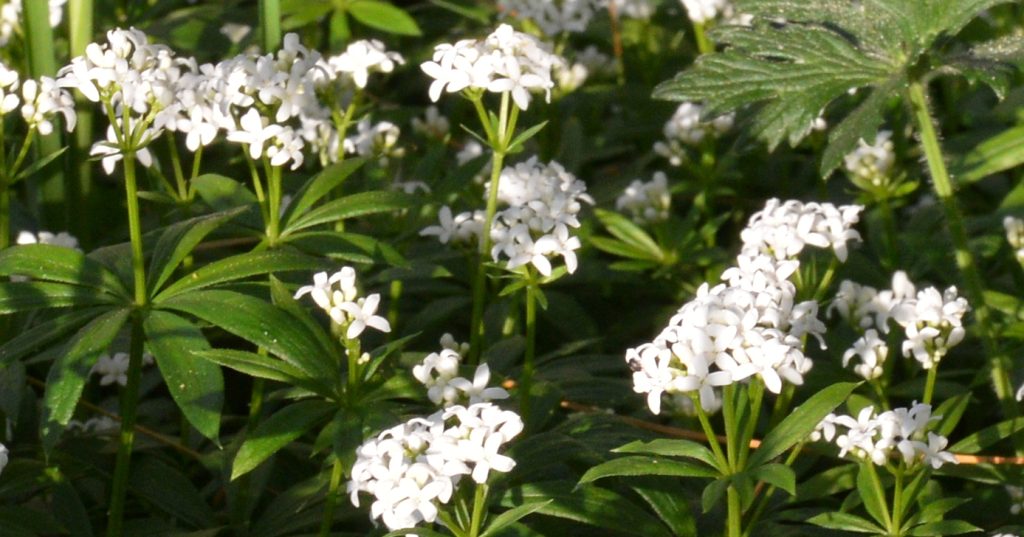
Sweet Woodruff, native to the woodlands of Europe, is a delicate perennial that forms a dense, carpet-like ground cover, making it an effective natural weed suppressant. Its small, star-shaped white flowers and aromatic, finely divided leaves create a soft, enchanting layer on garden floors, which not only prevents weed growth but also exudes a subtle, sweet fragrance that delights the senses. I’ve always been enchanted by how Sweet Woodruff transforms shaded areas into serene, weed-free sanctuaries while attracting tiny beneficial insects that occasionally seek refuge among its gentle foliage!
Non-invasive and low-maintenance, Sweet Woodruff thrives in partial shade and moist, well-drained soils that mimic its native forest understory. Its natural behavior of forming thick, interlocking mats leaves little room for weeds to germinate, making it a perfect, time-saving ally for busy gardeners. With its understated beauty, calming scent, and practical weed-suppressing abilities, Sweet Woodruff is a delightful choice for anyone looking to create a harmonious, low-maintenance garden that saves both time and energy!