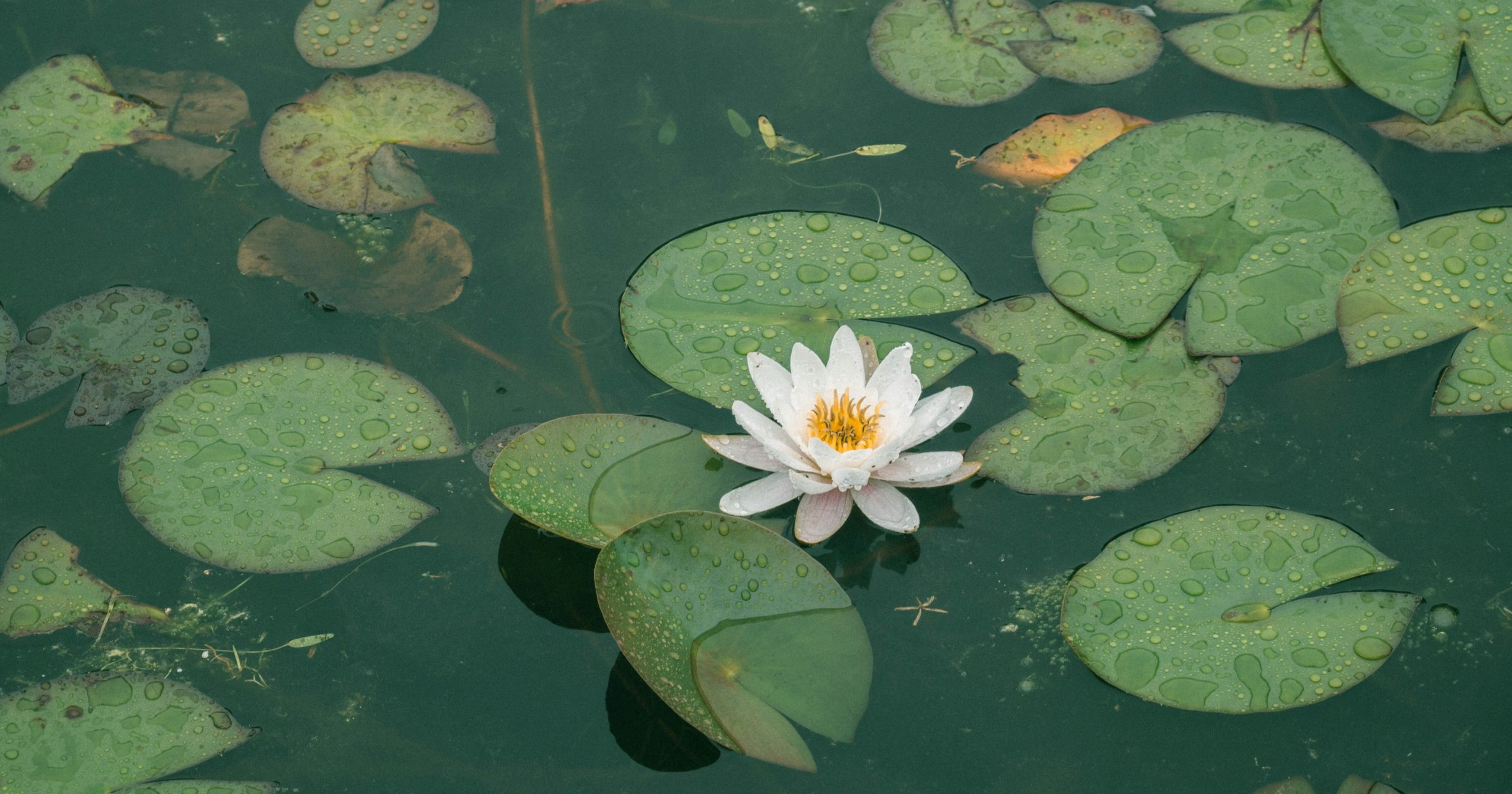

Growing plants in water isn’t just a fun experiment—it can turn your home or patio into a lush, low‑maintenance oasis. Whether you’re a busy gardener or someone who’s just starting, you’ll love how these water‑loving species adapt their roots to aquatic life, forming silvery tangles that bring a hint of wilderness indoors. It’s such a bummer when soil pots demand constant watering and repotting—water culture frees you from that cycle and lets you watch roots flourish like little underwater forests!
From tropical houseplants to true aquatic beauties, each of these twelve picks hails from distinct native habitats—from the rainforests of Southeast Asia to the marshes of North America—and most aren’t considered invasive when contained in a vase or pond. I still remember peeking at tiny dragonfly nymphs skittering among my water hyacinth roots—nature’s little roommates! Let’s dive into these adaptable favorites and learn why they’ll brighten your space for years to come.
Peace Lily (Spathiphyllum wallisii)
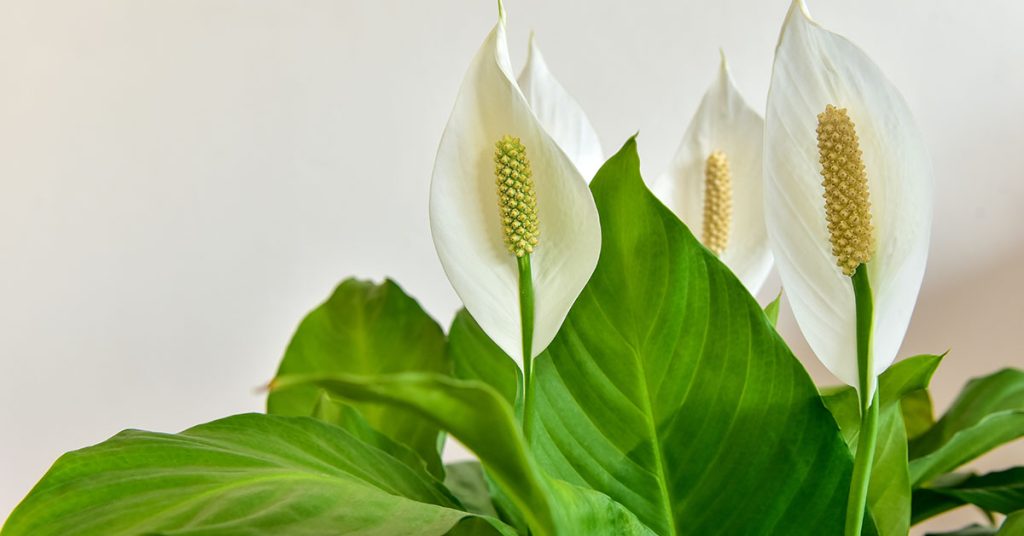
Native to the tropical rainforests of Central and South America, peace lilies thrive in low light and warm, humid conditions. Their glossy leaves benefit from the constant moisture water culture provides, and their creamy white spathes seem to float above the surface! Although not truly aquatic, they adapt remarkably well to hydroponic growth, developing strong roots that filter and clean the water.
In a water-filled vase, peace lily roots create a mini‑ecosystem, attracting springtails and beneficial microbes that help break down organic debris. I’ve often spotted tiny water beetles zooming among the roots in my indoor arrangements—living proof that even houseplants can support fascinating micro‑life!
Lotus (Nelumbo nucifera)

The sacred lotus hails from shallow ponds across Asia and is famed for its ability to rise above murky waters into pristine blooms. When grown in a large, sunlit container with rich aquatic soil partly submerged, lotus tubers spread and produce magnificent flowers year after year. They’re not invasive in controlled settings, but in open waterways, they can naturalize if unchecked.
Lotus leaves provide shelter for frogs and dragonfly larvae, which sometimes nest on the undersides or among submerged stems. I love hearing the soft rustle of tadpoles feeding below the pad—nature’s gentle reminder of flourishing life!
Pothos (Epipremnum aureum)
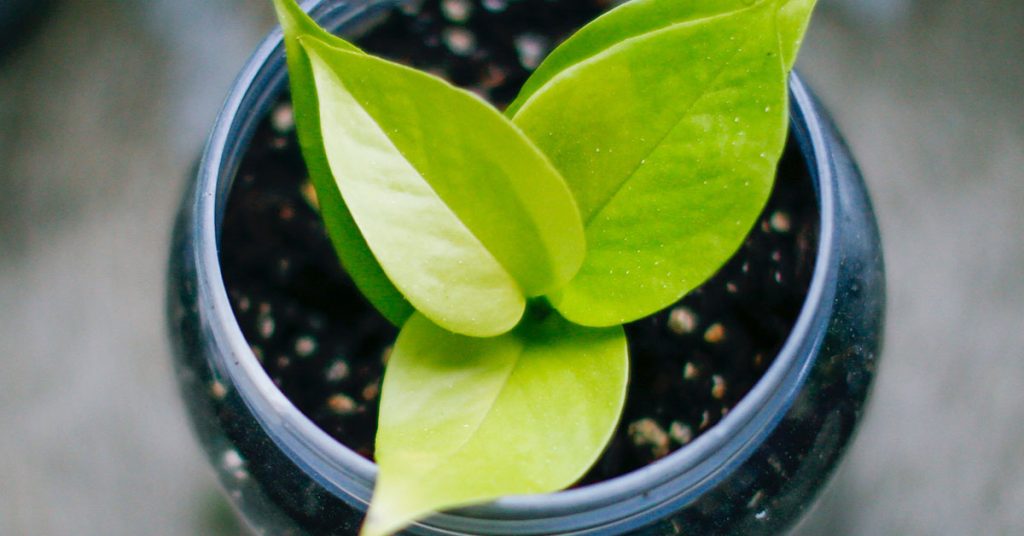
Pothos, native to Southeast Asia’s tropical forests, is one of my all‑time favorites for water culture. Slip a cutting into water and watch dusty green vines develop thick, silvery roots in days! It’s non‑invasive in indoor environments and stays perfectly contained in a bottle.
Those tangled roots attract tiny springtails and beneficial protozoa that help keep water clear. I remember finding small clusters of harmless hoverfly larvae feeding among the roots—nature’s clean‑up crew doing their job right in my living room!
Water Lettuce (Pistia stratiotes)

Originating in the tropical Americas, water lettuce forms rosettes of velvety leaves that hover atop ponds and aquariums. It’s prized for its ease of growth and rapid root development, though you’ll want to trim runners regularly—else it can become invasive in open waterways.
Underneath, ribbon‑like roots offer refuge for mosquito fish or guppies, which nest and hunt algae feeders among the strands. I once dropped a handful of guppy fry into a container of water lettuce, and they immediately darted into the roots for safety—proof these plants foster lively micro‑habitats!
Hyacinth (Hyacinthus orientalis)
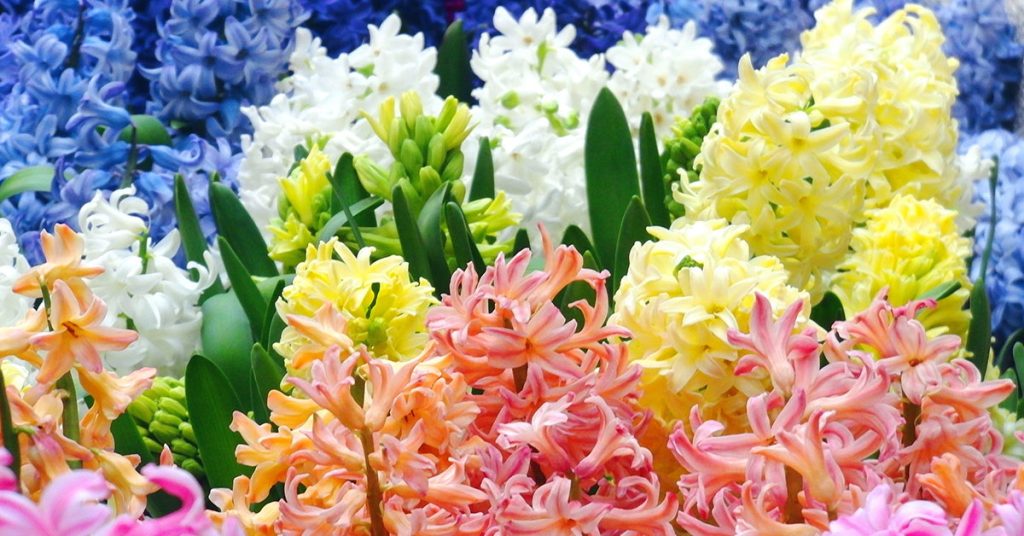
Native to the Eastern Mediterranean, hyacinths can be forced to bloom in water by resting their bulb halfway in a vase. After flowering, the bulb can stay in water to develop strong roots—though for subsequent blooms you’d typically return it to soil. They aren’t invasive when grown indoors as forced specimens.
Those fleshy roots secrete natural compounds that attract beneficial microbes, clarifying the water. I’ve watched small detritivore crustaceans graze on decaying hairs around hyacinth roots in my decorative bowls—a small but thriving underwater community!
Spider Plant (Chlorophytum comosum)
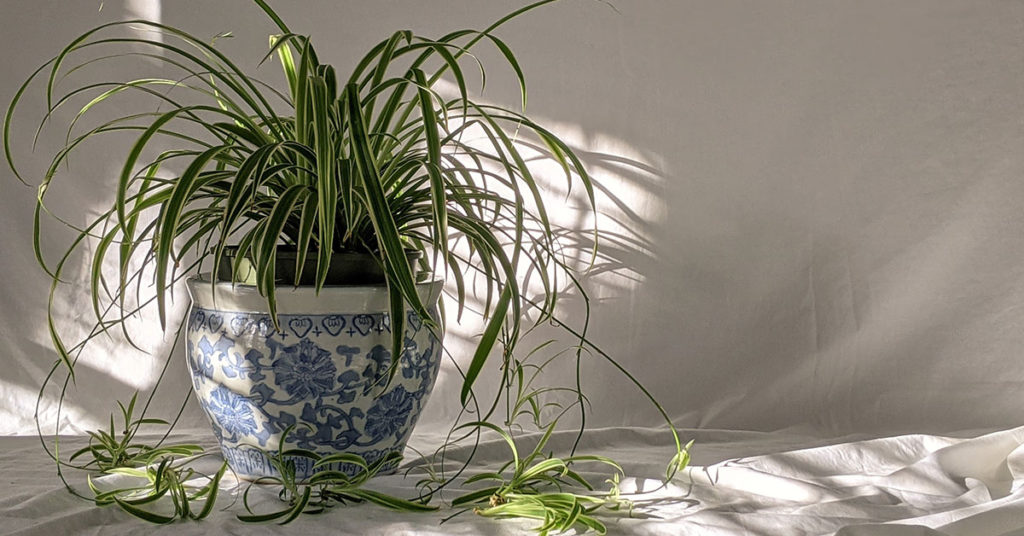
Spider plants come from the tropical regions of southern Africa and are legendary for water propagation. I adore how baby plantlets dangle into the vase, their roots searching for nutrients like eager little explorers! They’re non‑invasive in containers, making them ideal candidates for long‑term water displays.
Those fibrous roots offer attachment points for tiny aquatic snails and beneficial bacteria, which help keep the water balanced. One spring, I found a clutch of harmless snail eggs tucked into a root knot—an unexpected sign that my spider plant had become a miniature wetland!
Tradescantia Zebrina

Hailing from Mexico and Central America, Tradescantia zebrina sports striped, purple‑green foliage that brightens any water arrangement. Snip a stem and place it in water—the roots will form quickly, and the plant thrives for months. It doesn’t tend to escape confinement, provided you harvest infrequent cuttings.
Beneath the surface, those roots create cozy shelters for copepods and other micro‑critters. Observing them scuttle amid the root network always reminds me of the bustling life that even a simple cutting can sustain!
English Ivy (Hedera helix)

English ivy, native to Europe and Western Asia, is a classic houseplant that adapts well to water. Cut a healthy vine and submerge the base—roots will appear in days, thriving in clear vases. While it can be invasive in garden beds, it remains tame when grown hydroponically indoors.
Those vigorous roots create a haven for biofilm‑eating insect larvae, helping to keep water clear. I once noticed tiny midges skimming the surface and thought how ivy roots had re‑created a miniature pond ecosystem in my sunroom!
Arrowhead Vine (Syngonium podophyllum)
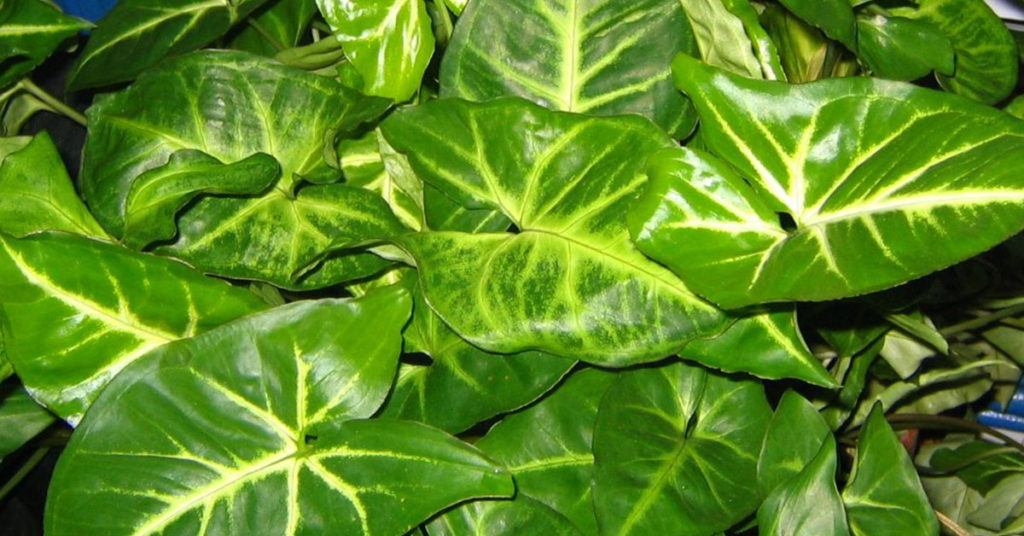
Syngonium, originally from tropical rainforests of Central and South America, forms charming arrow‑shaped leaves that contrast beautifully against glass containers. Place a cutting in water, and robust roots develop quickly, keeping the plant happy for seasons on end.
Underwater, the roots foster populations of beneficial microbes and small filter feeders that keep algae at bay. I’ve delighted in spotting tiny amphipods nibbling on detritus, turning my Arrowhead vase into a miniature eco‑tank!
Water Iris (Iris pseudacorus)
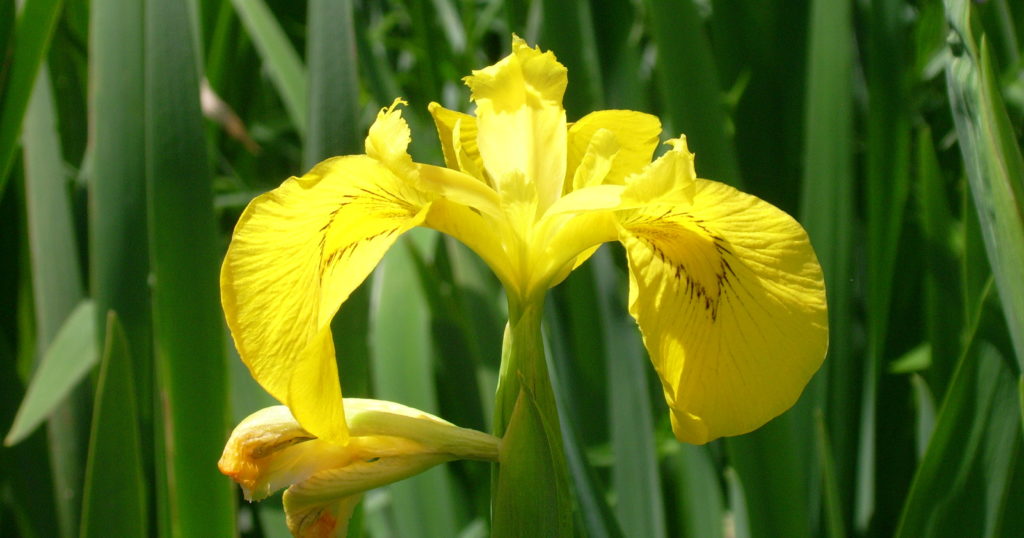
The yellow flag iris is native to Europe and parts of Asia, thriving along pond margins and marshes. In garden tubs, it can flourish with its rhizomes partly submerged, producing bold sword‑like leaves and bright yellow blooms. If released to open waterways, it can spread aggressively—so keep it contained!
Its extensive root network attracts snails and aquatic insects, which sometimes lay eggs among the fibrous strands. Watching little snails glide along water iris roots always reminds me how plants and critters co‑evolve in wetland habitats!
Lucky Bamboo (Dracaena sanderiana)

Lucky bamboo hails from West Africa, though it’s commonly associated with hydroponic displays in Asia. Its bamboo‑like stalks root readily in water and maintain their form for years. It isn’t invasive indoors, even though it spreads rapidly in its native range.
Roots form dense mats that draw in beneficial microbes, and I’ve even seen tiny springtails grazing near the base—micro‑helpers that break down leaf debris and keep the water fresh. It’s like a self‑cleaning display right on your desk!
Chinese Evergreen (Aglaonema modestum)
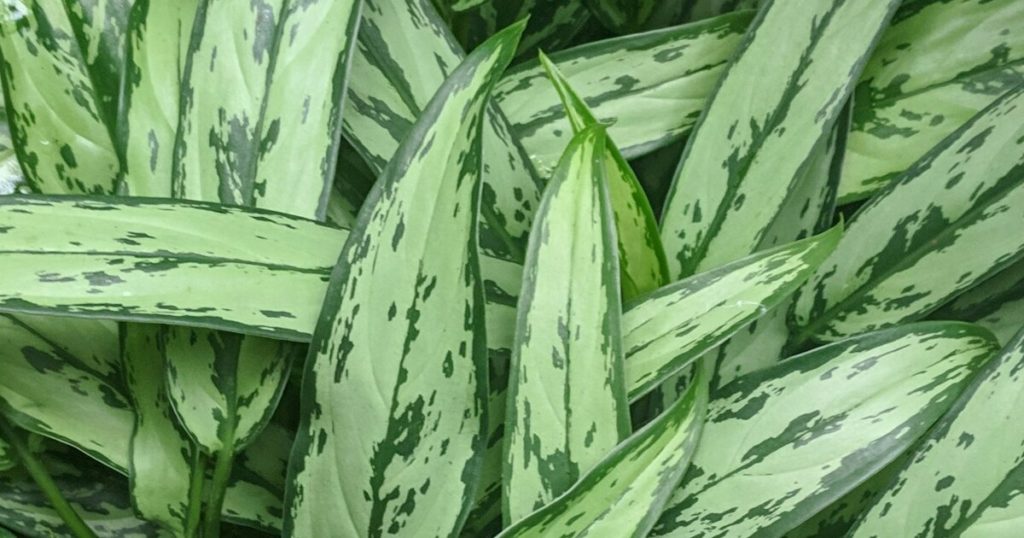
Native to the rainforests of Southeast Asia, Chinese evergreens adapt superbly to water culture. Shiny leaves perch atop slender stems, with roots that expand into thick, filtering masses. They aren’t invasive in containers, making them safe for long‑term growth.
Those substantial roots attract tiny copepods and beneficial protozoa that nibble on organic particles—nature’s little vacuum cleaners! I often find the water in my Aglaonema vase as clear after months as the day I set it up—proof of a thriving mini‑ecosystem!