
Transforming a small space into a lush, productive garden is a challenge I know all too well—especially when you’re dreaming of vibrant, nutritious vegetables in a setting where every square inch counts! I’ve been there, facing the bummer of limited yard space and vexing pests that seem to claim every inch of opportunity. Fortunately, vertical gardening offers a creative solution, allowing you to grow an abundance of edible treasures while maximizing your living area. With a few clever, space-saving techniques, you can harvest everything from crisp leafy greens to juicy fruits in a system that’s as sustainable as it is breathtaking!
Over the years, I’ve experimented with a variety of vegetables that not only flourish on vertical structures but also attract beneficial pollinators and even provide cozy nesting spots for tiny garden critters. Each of the 12 vegetables in this article has a unique story—from its native heritage and growth habits to its ability to resist invasiveness and disease. If you’re ready to reinvent your small space into an edible oasis brimming with fresh, nutritious produce, join me as we explore these botanical gems that promise to elevate your vertical gardening game with vibrant success!
Cherry Tomatoes
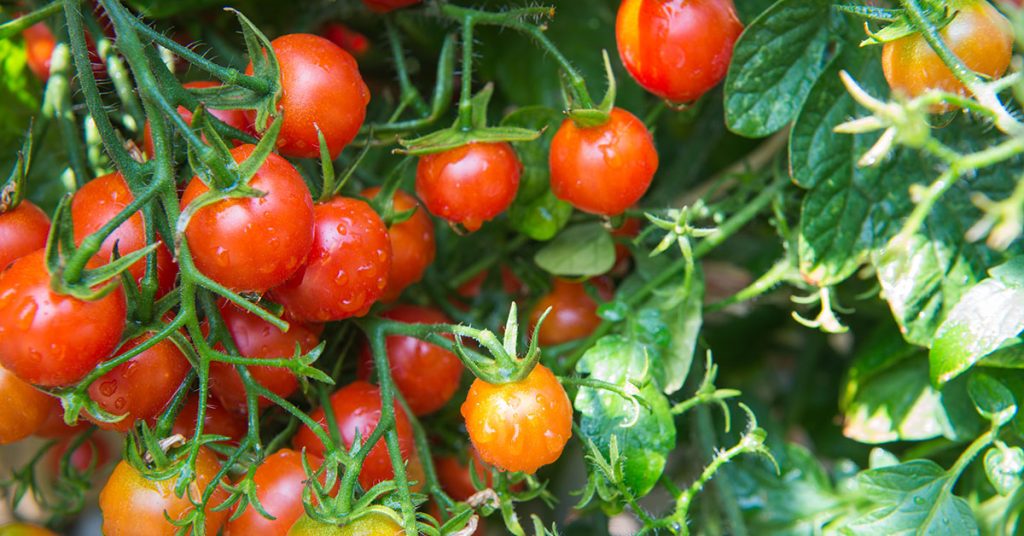
Cherry Tomatoes are a compact, prolific fruit that thrives in vertical gardens, adding a burst of summer sunshine wherever they grow. Native to the Andean regions of South America, these small, sweet tomatoes have been cultivated for centuries and perform exceptionally well in container settings. They are non-invasive when grown in controlled environments, making them perfect for balcony planters or wall-mounted baskets. Their delicate, cascading vines flourish when provided with adequate sunlight and support, delivering a bountiful harvest that can be enjoyed fresh or added to salads and pastas!
In my own vertical garden, Cherry Tomatoes serve as a focal point with their vibrant red fruits and charming blossoms that attract bees and butterflies throughout the season. I love watching these little powerhouses transform a narrow space into a flourishing mini-orchard, complete with a natural buzz of pollinators dancing among the blooms. Their ability to hang gracefully from vertical planters and produce delicious, nutrient-rich fruit makes Cherry Tomatoes an absolute must-have for anyone looking to embrace vertical gardening with a touch of summer magic!
Swiss Chard
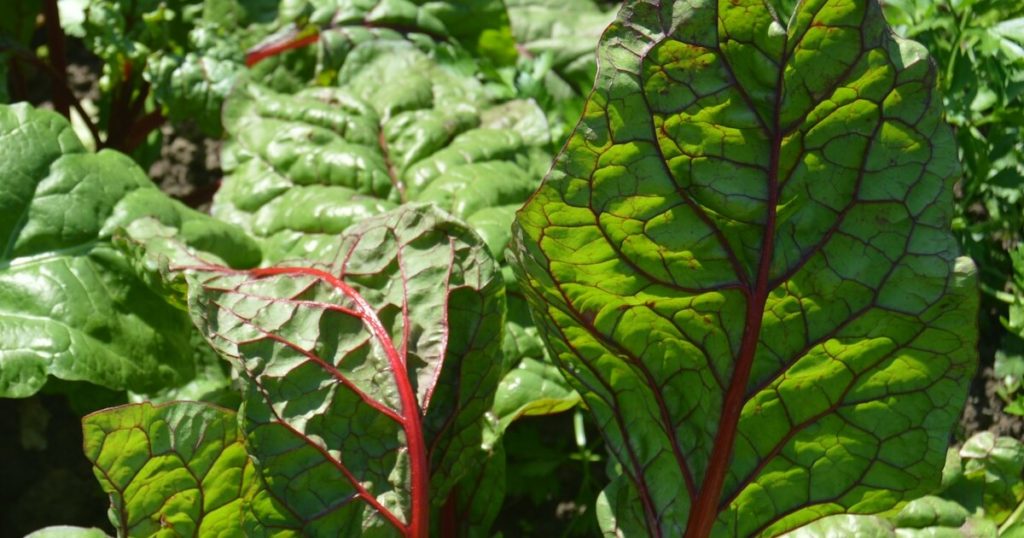
Swiss Chard is a versatile, colorful leafy vegetable that is perfectly suited for vertical gardens thanks to its compact growth and impressive, continuous harvest. Native to the Mediterranean region, Swiss Chard thrives in well-drained, nutrient-rich soil and is non-invasive, making it ideal for container gardens or stacked planters. Its vibrant stems, which can range from deep red to sunny yellow, add striking visual interest while providing a rich source of vitamins A, C, and K—essential for a balanced diet.
In my own garden, Swiss Chard brings a burst of color that not only enlivens the space but also attracts beneficial insects such as bees and small butterflies who visit the occasional blooms. The plant’s robust, tender leaves create a natural, flowing texture that complements the vertical design and encourages a balanced micro-ecosystem. Its ease of care and ability to yield an abundant crop with minimal space make Swiss Chard a top pick for any urban gardener looking to combine beauty with nutrition!
Sugar Snap Peas

Sugar Snap Peas are a delightful and quick-growing vegetable that naturally lend themselves to vertical garden systems, thanks to their climbing nature and compact vines. Native to parts of Asia, these peas thrive in cool, sunny conditions and are non-invasive when grown in controlled containers with a trellis or support structure. Their edible pods are sweet and crisp, offering a nutritious treat that is perfect for salads, stir-fries, or just snacking on straight from the garden!
In my own vertical garden setup, Sugar Snap Peas create a cascading display of fresh green tendrils that attract an array of beneficial pollinators—especially bees and tiny butterflies that flit about among the blossoms. I appreciate how their climbing vines add a dynamic, three-dimensional element to the garden while simultaneously providing natural shade and a mini-habitat for small insects. Their rapid growth and delightful flavor make them an indispensable asset in any space-conscious, healthy garden!
Microgreens

Microgreens are a fantastic, nutrient-packed option that can turn even the smallest vertical setups into a powerhouse of flavor and vitamins. Although they are not a single vegetable but a collection of young greens from various plants, microgreens are native to multiple regions and remain non-invasive when grown in shallow, vertical trays or towers. Harvested at their early, tender stage, these miniature greens are rich in antioxidants and flavor, making them ideal for boosting your daily nutrition and adding a burst of freshness to your dishes.
In my indoor vertical garden, microgreens are a true delight—each tray becomes a vibrant mosaic that attracts tiny beneficial insects like minuscule bees and even small ants, which help to create a balanced micro-ecosystem. The rapid growth of microgreens means that you can enjoy fresh, crisp produce in mere weeks, with every harvest transforming your space into a dynamic, living display of color and health. Their versatility and fast turnaround truly make microgreens a must-try for any garden enthusiast looking for a quick win!
Dwarf Eggplant
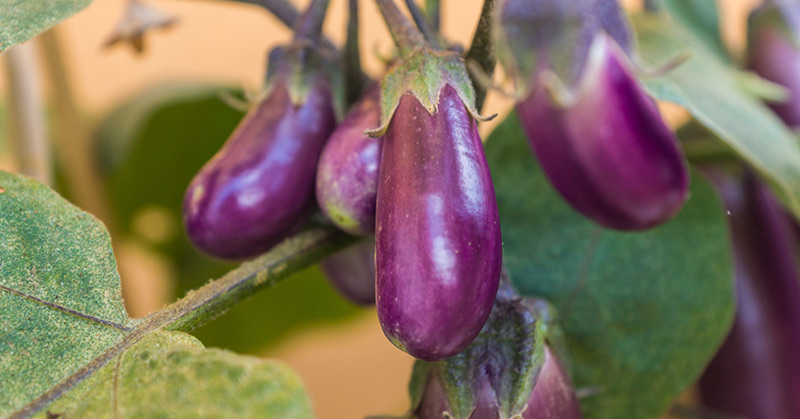
Dwarf Eggplant is a charming, compact vegetable that fits perfectly into the vertical gardening niche while producing glossy, deep-purple fruits that are both ornamental and nutritious. Native to India and Southeast Asia, eggplant varieties have been refined to thrive in container settings, and the dwarf cultivars are non-invasive, making them ideal for small balconies or wall-mounted planters. Their vigorous growth and striking foliage ensure that even a modest vertical garden can yield a surprising bounty of flavorful produce.
In my own gardening adventures, Dwarf Eggplant has impressed me with its ability to attract beneficial pollinators like bees to its occasional, subtle blossoms. Its rich, purple fruits not only serve as an edible delight but also add an exotic flair to the garden décor. The combination of aesthetic appeal, compact growth, and practical yield makes Dwarf Eggplant a standout option for urban gardeners who dream of cultivating a mini-farm in their limited space!
Leaf Lettuce
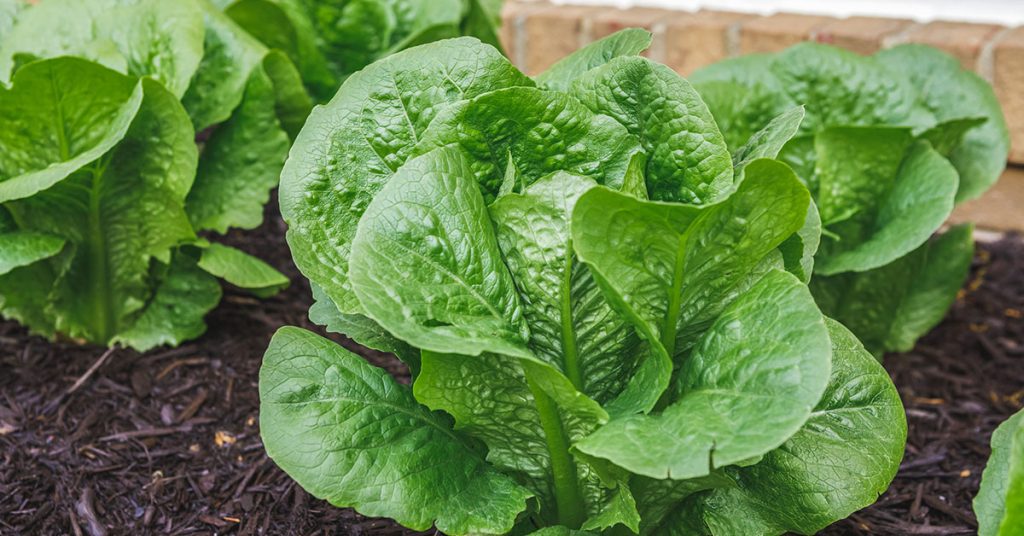
Leaf Lettuce is a lightweight, fast-growing vegetable that thrives in vertical gardens where space is at a premium. Native to the Mediterranean region, lettuce adapts exceptionally well to container gardening and remains non-invasive, ensuring that every inch of your vertical setup is efficiently utilized. Its tender, crisp leaves provide a refreshing crunch and are packed with vitamins, perfect for fresh salads or wraps that bring a touch of homegrown nutrition to your table.
In my indoor vertical garden, Leaf Lettuce not only adds a vibrant splash of green but also attracts small pollinators such as bees, who sometimes visit the occasional flower stalk. I delight in how its continuous, controlled harvest allows me to enjoy a steady supply of fresh produce without the need for extensive space. Its adaptability and mild care requirements make Leaf Lettuce an invaluable addition to any urban kitchen garden—ensuring that healthy eating and beautiful spaces go hand in hand!
Spinach
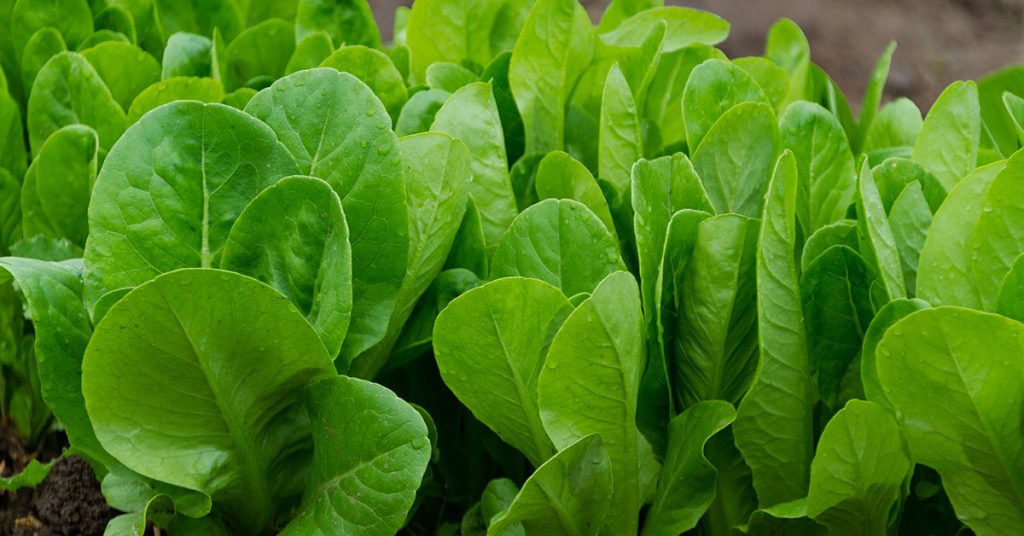
Spinach is a nutrient-dense green that’s well-suited for vertical gardening, offering tender leaves rich in vitamins and iron that are perfect for a quick, healthy meal. Native to central and southwestern Asia, Spinach thrives in moist, well-drained soil and is non-invasive in container setups, making it an excellent choice for small spaces where conditions can be carefully controlled. Its lush, dark green leaves not only taste delicious in salads and smoothies but also bring a bold dash of color to your garden.
In my own vertical garden, Spinach provides a steady harvest that attracts tiny bees and other pollinators during its fleeting bloom periods. I’ve observed how the undisturbed microenvironment of my container setup encourages a natural ecosystem where every leaf is a small haven for beneficial critters. The ease with which Spinach adapts to confined conditions and its rapid growth make it a favorite among indoor gardeners seeking both nutritional value and dynamic visual appeal!
Miniature Bell Peppers
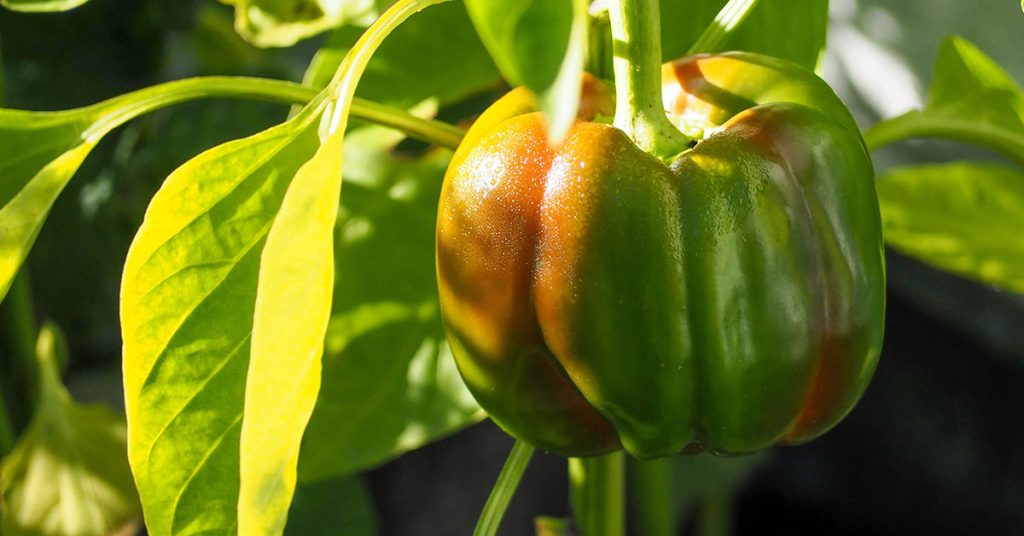
Miniature Bell Peppers bring a pop of color and a burst of tangy flavor to indoor vertical gardens while staying perfectly compact and non-invasive. Native to Central and South America, these petite peppers thrive in warm, sunny conditions and can be grown effectively in containers or vertical towers. Their small, vibrant fruits come in a variety of colors—red, yellow, green—and are not only delicious but also high in vitamins and antioxidants, making them a practical and ornamental choice.
In my own garden, Miniature Bell Peppers create a mini edible rainbow that attracts pollinators such as bees and butterflies to their subtle, fragrant blossoms. I love watching as these peppers cascade down trellises, adding an energetic touch to my vertical setup while offering a delightful culinary harvest. Their compact growth and bountiful production make them an outstanding choice for anyone looking to maximize space without sacrificing taste or beauty!
Green Onions

Green Onions, also known as scallions, are an essential addition to vertical gardens, thanks to their easy growth, continual harvest, and minimal space requirements. Native to central Asia and now cultivated across the world, Green Onions thrive in small containers with loose, well-drained soil, ensuring that they stay non-invasive and manageable. Their slender, edible stalks add a fresh, mildly pungent flavor to your meals, proving that you don’t need a sprawling garden to enjoy homegrown produce!
In my indoor vertical garden, Green Onions are a little beacon of efficiency—each harvest provides a crisp, green nibble that enhances a range of dishes, from salads to stir-fries. Their subtle, delicate flowers sometimes bloom, drawing tiny beneficial insects like small bees, which help maintain a balanced micro-ecosystem. The ease of cultivation and the reliable, continuous harvest of Green Onions truly make them an indispensable component of a space-conscious, nutritious kitchen garden!
Arugula
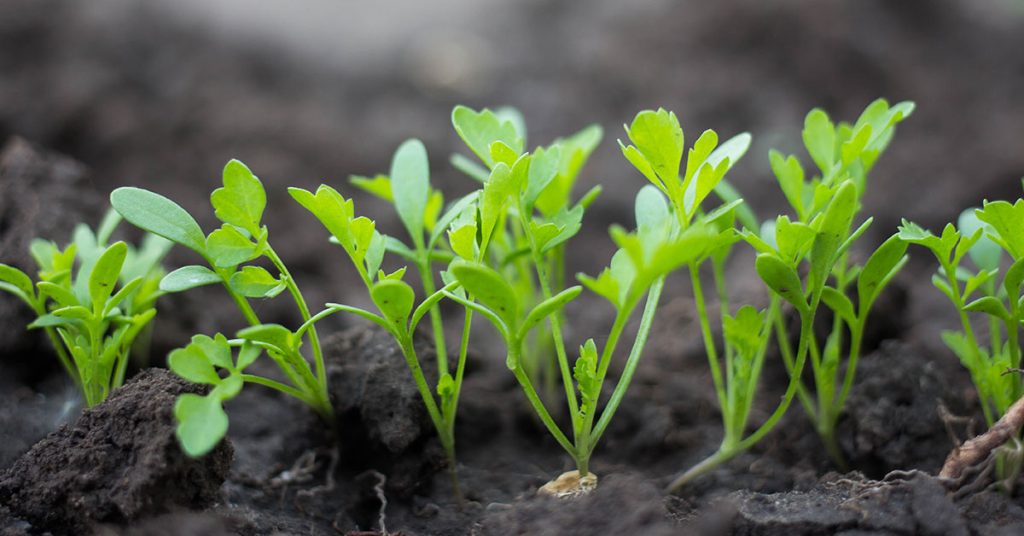
Arugula is a zesty, peppery green that effortlessly thrives in the confined spaces of vertical gardens, providing a burst of flavor that’s perfect for salads and garnishes. Native to the Mediterranean region, Arugula flourishes in container environments with ample light and well-drained soil, and it remains non-invasive, making it an ideal crop for urban gardeners. Its fast growth and tender leaves create a lively, spicy kick that transforms any dish into a gourmet delight!
In my own vertical garden, Arugula’s crisp, leafy texture and distinctive flavor are complemented by its ability to attract beneficial insects like bees and butterflies to its occasional, small white flowers. I love how its vibrant leaves not only enhance the visual appeal of my garden but also contribute to a natural microhabitat that supports local wildlife. The rapid growth and culinary versatility of Arugula make it a top pick for gardeners seeking a dynamic, flavorful addition to their indoor vegetable repertoire!
Cucumbers
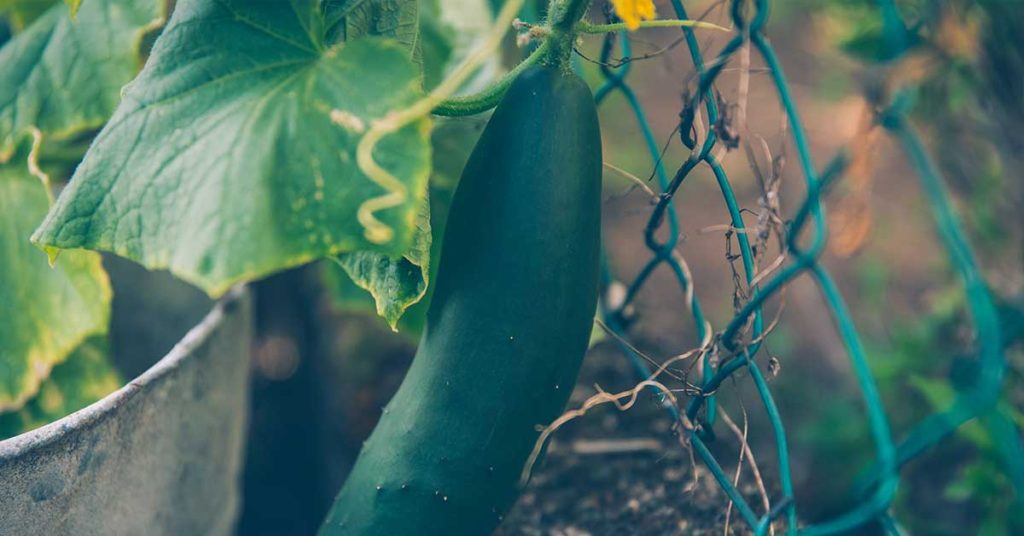
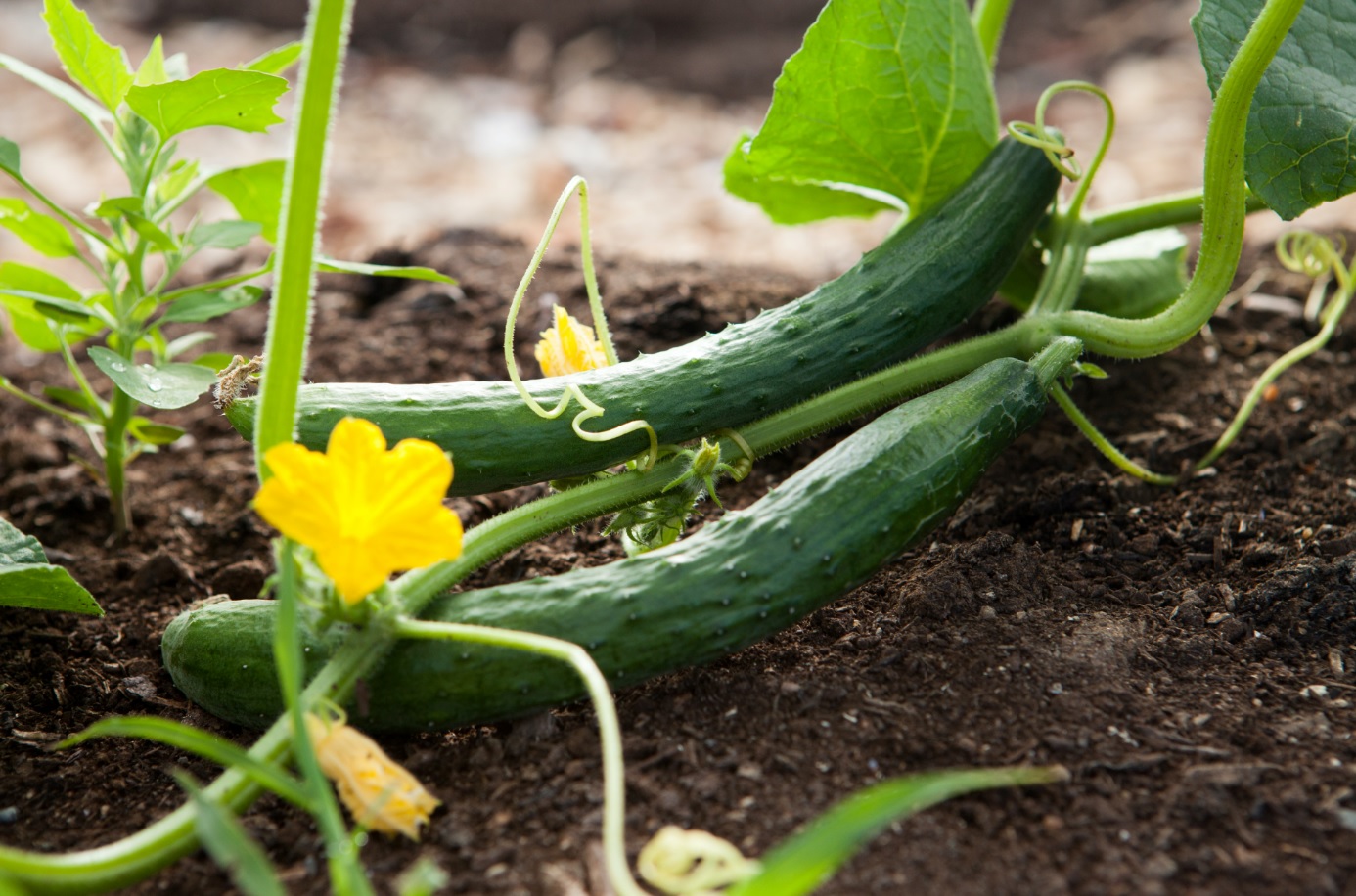
Cucumbers bring a refreshing crunch to vertical gardens with their vining habit and crisp, hydrating fruits, making them a perfect candidate for innovative space-saving systems. Native to South Asia, Cucumis sativus thrives in warm, sunny conditions and can be grown vertically using trellises or hanging planters, ensuring that they remain non-invasive and well-contained. Their long, trailing vines and lush foliage add a natural elegance to any compact garden design while delivering a bountiful harvest of cool, crisp cucumbers.
In my own garden, Cucumbers are an absolute delight—each vine gracefully climbs, spilling over support structures and attracting a host of beneficial insects like bees that feast on the delicate, yellow flowers. I often marvel at how these refreshing fruits enhance both the flavor of my salads and the aesthetic of my indoor space. The combination of space-saving growth and nutritious yield makes Cucumbers a standout choice for any vertical garden enthusiast looking to bring a taste of summer indoors all year long!
Pole Beans
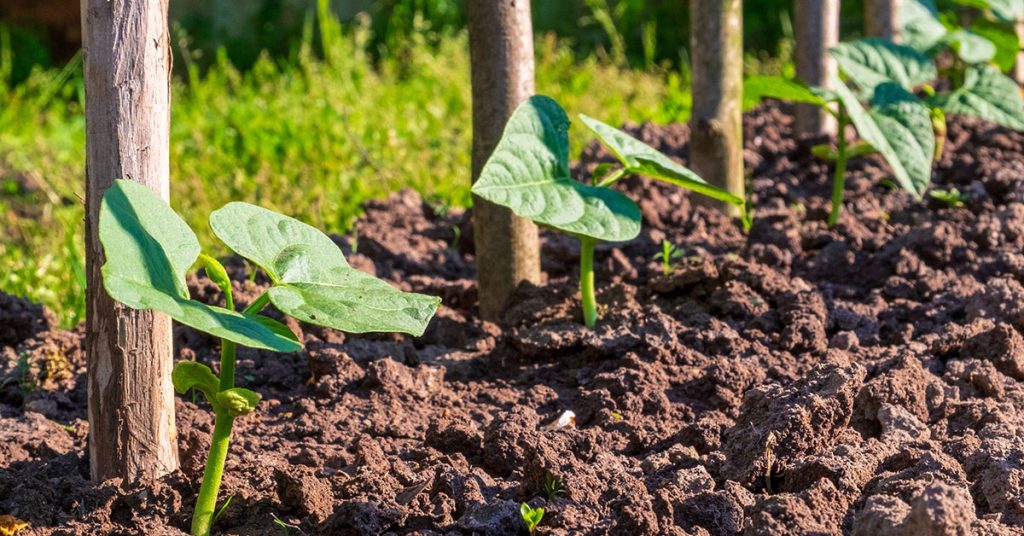
Pole Beans are a versatile and hearty vegetable that thrive when grown vertically, making them perfect for compact spaces where climbing is a must. Native to Central and South America, these beans are non-invasive and do exceptionally well in containers with a trellis or support system. Their vigorous, climbing vines produce an abundance of tender, protein-packed pods that are as delicious as they are nutritious, proving that you don’t need vast ground space to enjoy a bountiful harvest!
In my own vertical gardening setup, Pole Beans create a natural, cascading effect as their vines twist and turn upward, inviting a plethora of beneficial insects like bees to their delicate flowers. I relish watching these dynamic climbers transform a narrow space into an edible, living tapestry, and small birds occasionally find comfort in the sheltered nooks the vines create. With their rapid growth and high yield, Pole Beans are a remarkable way to maximize both space and taste in any urban garden!