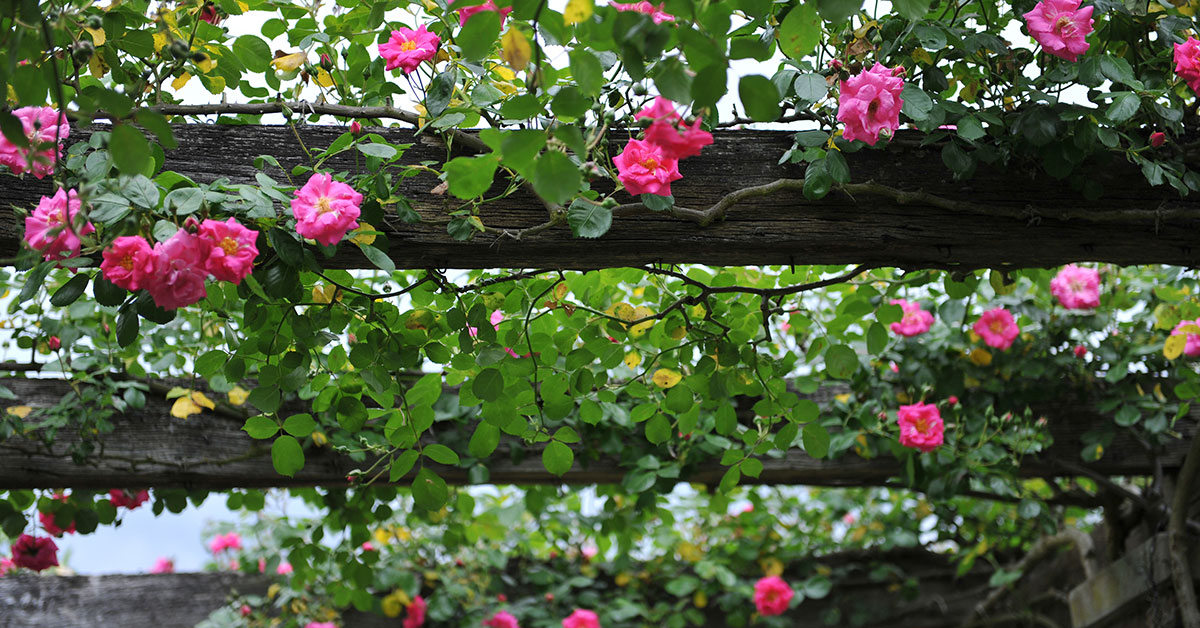

Spring fills my heart with hope and energy as I tend to my garden, and one of the most delightful adventures is creating a vine garden that drapes walls, fences, or trellises in cascades of color and fragrance. Over the years, I’ve discovered that selecting the right vine plants transforms an ordinary space into a lively, enchanting retreat. Many of these vines have traveled far from their native lands—ranging from the temperate regions of Europe and Asia to the sunlit landscapes of North America—bringing unique charm and natural beauty with them. Their lush foliage and show-stopping blooms not only enhance aesthetics but also attract beneficial insects and even provide nesting sites for small garden critters!
I know how frustrating it is when your favorite plants fail to thrive due to improper selections or maintenance mishaps. It’s such a bummer when pests or invasive growth habits upset the balance of your garden! That’s why I’m excited to share my top 12 perfect vines that bring both ornamental appeal and practical gardening benefits. Each vine on this list has been carefully chosen for its easy growth habits, vibrant display, and the ability to complement a variety of landscapes while being relatively well-behaved. Whether you’re looking to hide an unsightly wall or add a burst of color to a trellis, these vines will help you create a breathtaking, sustainable vine garden that you’ll be proud to nurture!
Star Jasmine

Star Jasmine (Trachelospermum jasminoides) is a fragrant, evergreen vine celebrated for its delicate white, star-shaped blooms. Native to tropical Asia, it thrives in full sun to partial shade and in well-drained soils, adding a touch of exotic elegance to any garden. In my experience, Star Jasmine releases an intoxicating aroma that attracts bees and butterflies, creating a dynamic, sensory garden environment. Its graceful, twining stems can easily cover walls or trellises while providing natural nesting spots for beneficial insects that help maintain ecological balance.
I’ve found that, despite its vigorous growth habit, Star Jasmine is relatively non-invasive when properly managed with regular pruning. Its dense foliage not only offers privacy and visual interest but also enhances air circulation around your garden, reducing the risk of fungal diseases. The vine’s adaptability to both container and ground plantings makes it a versatile choice for urban balconies or sprawling backyards alike. Every time I see Star Jasmine in full bloom, I feel as though a piece of the tropics has been brought into my garden!
Wisteria
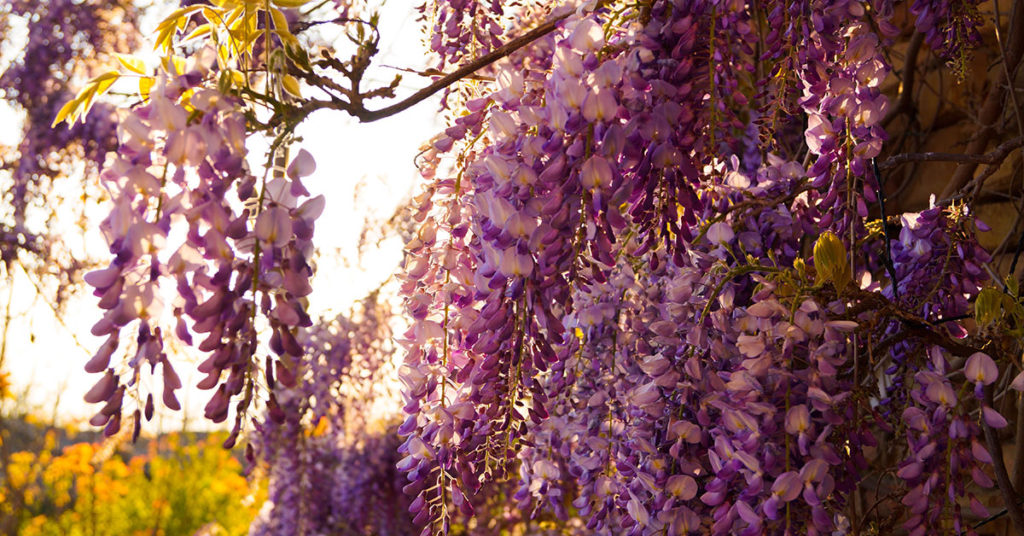
Wisteria is a show-stopping vine that cascades down in glorious clusters of purple or white blooms, creating a stunning visual display. Native to East Asia, Wisteria thrives in full sun and well-drained soils and is known for its dramatic flowering and robust growth. In my garden, its luxuriant hanging clusters attract a flurry of bees and butterflies, turning the area into a captivating, living work of art. Its vigorous, twining habit makes it a fantastic choice for covering pergolas, arbors, or even old fences, adding a romantic touch to any outdoor space!
Despite its breathtaking beauty, Wisteria can become invasive if not kept in check with regular pruning and proper support structures. I always ensure to provide sturdy trellises or pergolas to guide its growth and prevent unwanted sprawl. This vine’s mesmerizing display and its ability to transform a plain structure into a flowering marvel never cease to amaze me. With a little attentive care, Wisteria offers the perfect balance between wild elegance and managed beauty—a true crown jewel for any vine garden!
Trumpet Vine
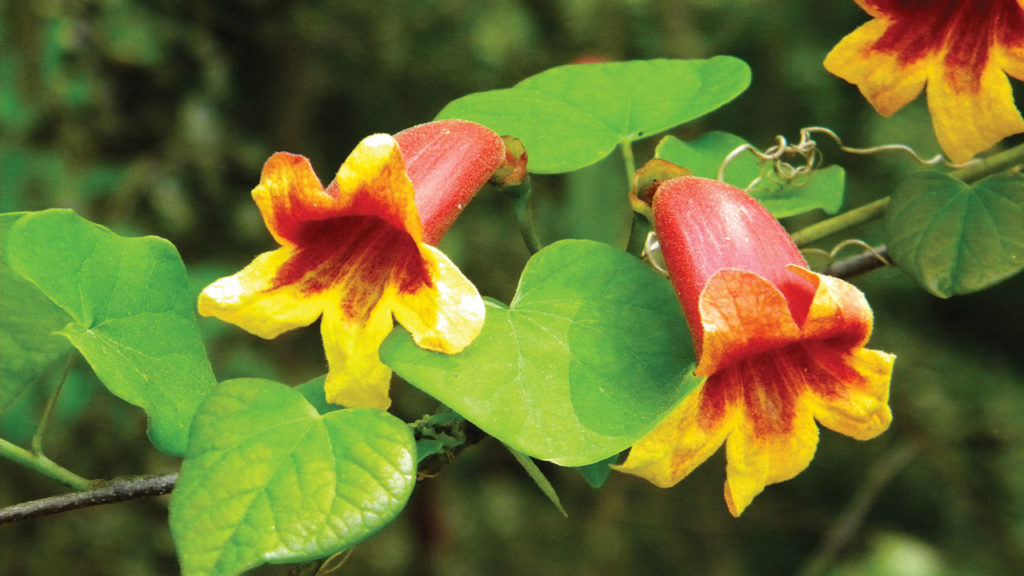
Trumpet Vine (Campsis radicans) is a vigorous climber that lights up any garden with its bold, trumpet-shaped orange-red flowers. Native to the southeastern United States, this vine thrives in full sun and well-drained soil, drawing in hummingbirds, bees, and butterflies with its generous nectar production. I’ve always admired how its robust, sprawling habit creates a natural curtain of vibrant blossoms that can quickly envelop fences or trellises. Its distinctive, fiery blooms are a constant magnet for wildlife, adding both visual drama and ecological vitality to your garden.
While Trumpet Vine is celebrated for its dynamic flowering, it does have a reputation for aggressive growth and can become invasive if left unchecked. In my own garden, I manage its expansion by regular trimming and training on a sturdy support, which keeps its exuberant energy under control while still allowing it to shine. The balance between its wild, unbridled spirit and responsible cultivation is what makes Trumpet Vine both challenging and incredibly rewarding to grow. This vine reminds me that with a little care, nature’s brilliance can be harnessed to create a flourishing, artistic landscape!
Virginia Creeper

Virginia Creeper (Parthenocissus quinquefolia) is a classic vine admired for its brilliant fall color and effortless climbing ability. Native to eastern North America, this deciduous vine thrives on a variety of soils and can scale walls, fences, and arbors with its adhesive tendrils. I love how Virginia Creeper transforms an ordinary vertical surface into an explosion of red and burgundy hues in the autumn, providing an ever-changing canvas that delights both humans and wildlife. Its dense foliage also offers natural cover and nesting sites for small birds and beneficial insects.
Although Virginia Creeper is robust and low-maintenance, it can sometimes exhibit invasive tendencies if not properly managed. I always recommend installing a trellis or pruning back its vigorous growth to maintain balance in the garden. The vine’s ability to adapt to different growing conditions and its seasonal visual impact make it a prized choice for gardeners seeking dramatic, natural accents. For me, watching Virginia Creeper put on its autumn show is like witnessing a master class in nature’s artistry—a true highlight of any vine garden!
Climbing Hydrangea

Climbing Hydrangea (Hydrangea anomala petiolaris) offers a touch of elegance with its lacy foliage and delicate white clusters of flowers that bloom in summer. Native to parts of Asia, it thrives in cooler, shaded areas and clings to walls or trellises with aerial roots. In my garden, I love how Climbing Hydrangea gradually transforms a bare wall into a work of art, its cascades of blooms attracting a host of pollinators—especially butterflies that flutter gently among the intricate leaves. Its lush, green tendrils provide both visual texture and a natural habitat for small insects seeking refuge.
This graceful vine is relatively slow-growing compared to other climbers, but its beauty and resilience make every moment of patience worthwhile. Climbing Hydrangea is non-invasive and self-contained, which is ideal for gardeners who prefer a more controlled, mature look without the risk of runaway growth. The plant’s ability to soften hard surfaces and blend seamlessly into a shady garden setting is truly inspiring. With proper care, it becomes a testament to the power of understated beauty and natural charm in creating a serene, vine-covered retreat!
Passionflower

Passionflower (Passiflora incarnata) is a uniquely enchanting vine known for its intricate, exotic blossoms and remarkable medicinal properties. Native to the southeastern United States and parts of South America, this vine thrives in full sun with well-drained soil, offering an ethereal display of purple and white blooms that captivate the eye. I’ve seen how Passionflower not only provides a striking visual contrast but also attracts butterflies and hummingbirds that help maintain a balanced ecosystem. Its complex, almost otherworldly floral structure invites exploration and serves as a natural sanctuary for beneficial insects.
Despite its spectacular beauty and natural allure, Passionflower is known for its vigorous growth and can sometimes spread extensively if not controlled. In my garden, I manage its exuberance by providing a designated trellis and regular pruning, which keeps its growth in check while still allowing it to decorate and enliven a focal space. The delicate dance of its filaments and corona truly makes it a conversation piece—a symbol of nature’s creativity that bridges the gap between art and botanical science. Passionflower is a wonderful reminder that even the most intricate blooms can be cultivated with care and enthusiasm!
Black-Eyed Susan Vine
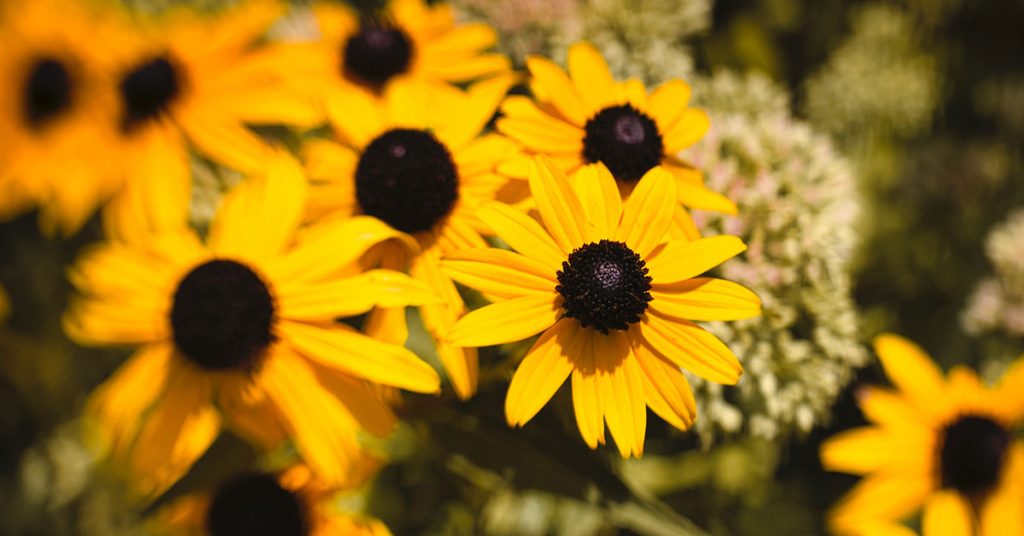
Black-Eyed Susan Vine (Thunbergia alata) is a charming trailing vine recognized for its vibrant, cheerful blooms that bring a playful touch to any garden border or container. Native to tropical Africa, it adapts well to warmer climates and creates a cascade of bright, orange-yellow blossoms with a distinctive dark center. In my garden, this vine’s exuberant display attracts butterflies and bees, making it an excellent addition to a mixed planting that promotes ecological balance. Its long, winding stems serve as a natural carpet that can beautify patios, pergolas, or window boxes, adding an element of whimsy and continuity to your outdoor space.
Although Black-Eyed Susan Vine tends to behave as an annual in cooler regions, it is an exuberant grower that benefits from regular deadheading to prolong its blooming period. I find that managing its spread is easy enough, provided it is planted in a contained space or a hanging basket. This vine’s playful vigor not only infuses your garden with joyful color but also invites beneficial insects to forage and occasionally nest in the soft, trailing foliage. It’s a delightful reminder that sometimes the simplest, most eye-catching plants can energize your landscape with minimal effort!
Clematis

Clematis is a classic vine cherished for its stunning array of blooms that range from pastel to bold hues, making it an ever-popular choice for elevating garden aesthetics. Native to regions in Europe, Asia, and North America, these versatile climbers flourish in sunny spots with cool root zones and can be trained to gracefully cover trellises, fences, or archways. I’m always impressed by how Clematis transforms a bare wall into a living, colorful canvas that attracts pollinators such as bees and butterflies. The interplay of its delicate blossoms with the lush green foliage creates a truly sophisticated garden display that captivates onlookers!
While Clematis is highly admired for its visual impact, it requires proper support and occasional pruning to ensure that it doesn’t become unwieldy. In my experience, providing a well-structured trellis and leaving space for air to circulate helps prevent fungal issues and keeps the vine’s growth in check. This careful balance of beauty and practical management makes Clematis a joy to cultivate and a timeless addition to any vine garden. Its enchanting blossoms and sprawling habit remind me that nature’s artistry can be both intricate and effortlessly elegant!
Kiwi Vine
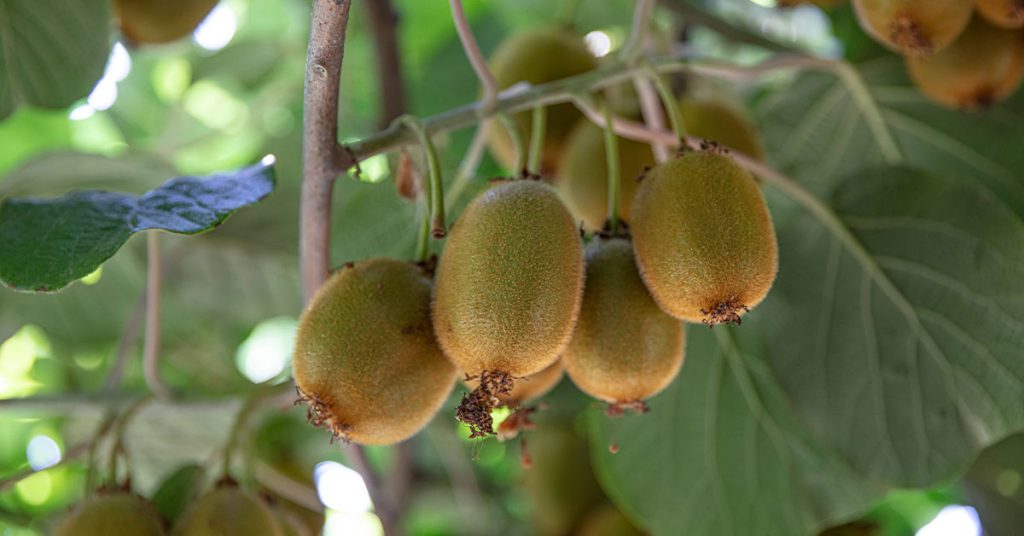
The Hardy Kiwi Vine (Actinidia arguta) is a delightful climbing plant that offers not only an ornamental appeal but also the bonus of delicious, bite-sized fruit. Native to East Asia, these vigorous vines thrive in sunny, sheltered spots with well-drained soil and provide a lush, verdant backdrop as they wind along trellises or fences. I’ve witnessed the magic of kiwi vines as they develop dense foliage that attracts pollinators and even provides nesting cover for small birds, adding an extra layer of charm to the garden. Their unique, fuzzy fruits are a real treat, making them a favorite for gardeners who delight in both beauty and bounty!
Although Hardy Kiwi can be somewhat vigorous in growth, it is generally non-invasive when properly pruned and maintained in a contained area. I find that managing its spread with routine trimming allows the vine to focus on producing a richer harvest without overwhelming nearby plantings. This vine not only adds a tropical flair to your garden but also creates an inviting habitat for beneficial insects that contribute to a healthy ecosystem. The fusion of ornamental beauty with practical fruit production makes the Kiwi Vine a truly remarkable addition to any vine garden!
Honeysuckle

Honeysuckle (Lonicera spp.) is a wonderfully fragrant vine that captivates with its tubular, nectar-rich blossoms and their natural ability to attract both hummingbirds and bees. Native to various regions across Europe and Asia, many species of honeysuckle thrive in full sun with well-drained soils and add an irresistible charm to garden arches and fences. I’ve always been enchanted by how its sweet scent fills the air, drawing beneficial insects and even small birds that sometimes stop to nest among its dense clusters. Its vigorous growth and vibrant display make it a reliable and delightful choice for any vine garden!
While some honeysuckle species can become invasive, careful selection of non-invasive varieties and regular pruning help keep their expansion in check. I’ve learned that maintaining a balanced honeysuckle vine not only enhances its ornamental appeal but also preserves the ecological harmony of my garden. The interplay between its lush, twisting vines and the vibrant bursts of bloom creates a dynamic natural tapestry that elevates the overall landscape. For any gardener seeking both beauty and practical benefits, honeysuckle offers a sweet, sensory experience that is hard to resist!
Morning Glory
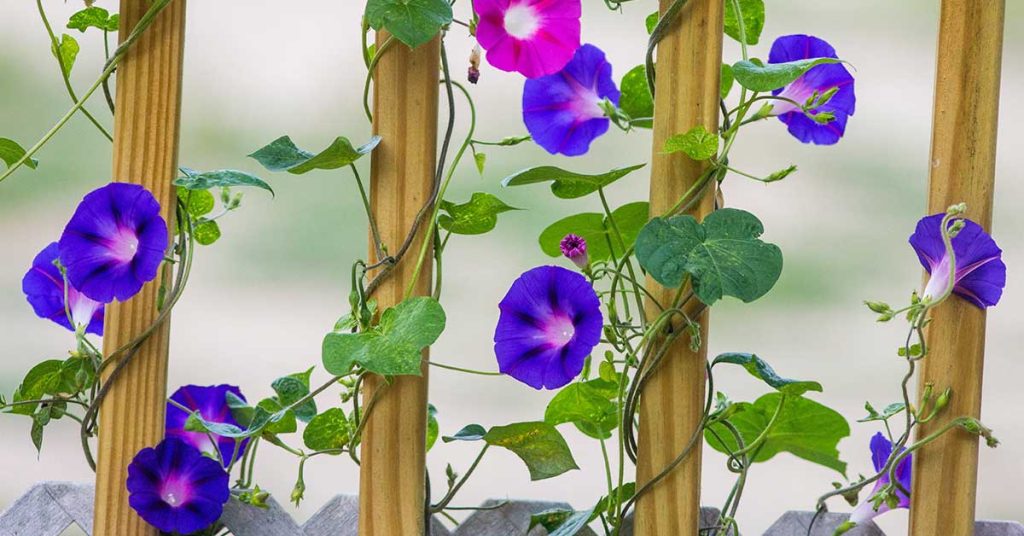
Morning Glory is an exuberant annual vine known for its fast, vigorous growth and brilliant, funnel-shaped flowers that unfurl with the sunrise. Native to tropical and subtropical regions, Morning Glory thrives in full sun and well-drained soil, adorning trellises and fences with bursts of blue, purple, or even pink blooms. In my garden, these cheerful climbers create a dynamic, ever-changing display that draws butterflies and bees while providing a playful, natural screen. Their ephemeral beauty and rapid flowering make them perfect for gardeners who crave instant color and a lively atmosphere!
Although Morning Glory is typically grown as an annual, its tendency to self-seed can sometimes lead to unexpected surges in growth in the right conditions. I enjoy the spontaneity of its appearance, while carefully managing its spread to prevent overcrowding. This vine’s ability to enliven any space with its vibrant, early-morning charm makes it a true crowd-pleaser. Watching those blossoms unfurl at dawn is one of my favorite garden moments—each flower a reminder that nature’s exuberance can transform your outdoor space into a cheerful, welcoming haven!
Bougainvillea
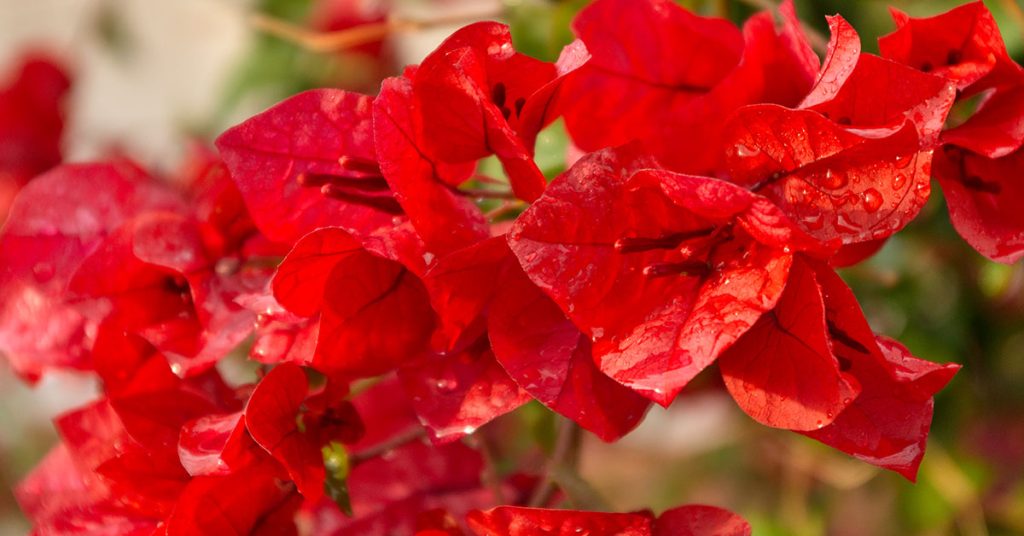
Bougainvillea is a tropical vine renowned for its stunning, papery bracts that burst forth in an array of vibrant colors, instantly transforming any garden into a festive paradise. Native to South America, Bougainvillea thrives in warm, sunny conditions with minimal water, making it a popular choice for creating dramatic, decorative screens on patios or walls. I’ve often marveled at how its vigorous growth and vivid display can completely redefine an outdoor space, drawing in butterflies and even small birds that delight in the dense canopy of blooms. Its bold color and resilient nature make it an exciting challenge and a joy to cultivate!
While Bougainvillea can be somewhat unruly if left to its own devices, proper pruning and support keep its growth controlled and its impact spectacular. In my garden, regular maintenance ensures that this exotic climber remains a disciplined yet stunning work of art on my trellis. The interplay between its fiery hues and the surrounding greenery creates a tropical ambiance that is both mesmerizing and uplifting. For those looking to inject a burst of vibrant color and dynamic structure into their vine garden, Bougainvillea is an inspiring choice that truly captivates the senses!