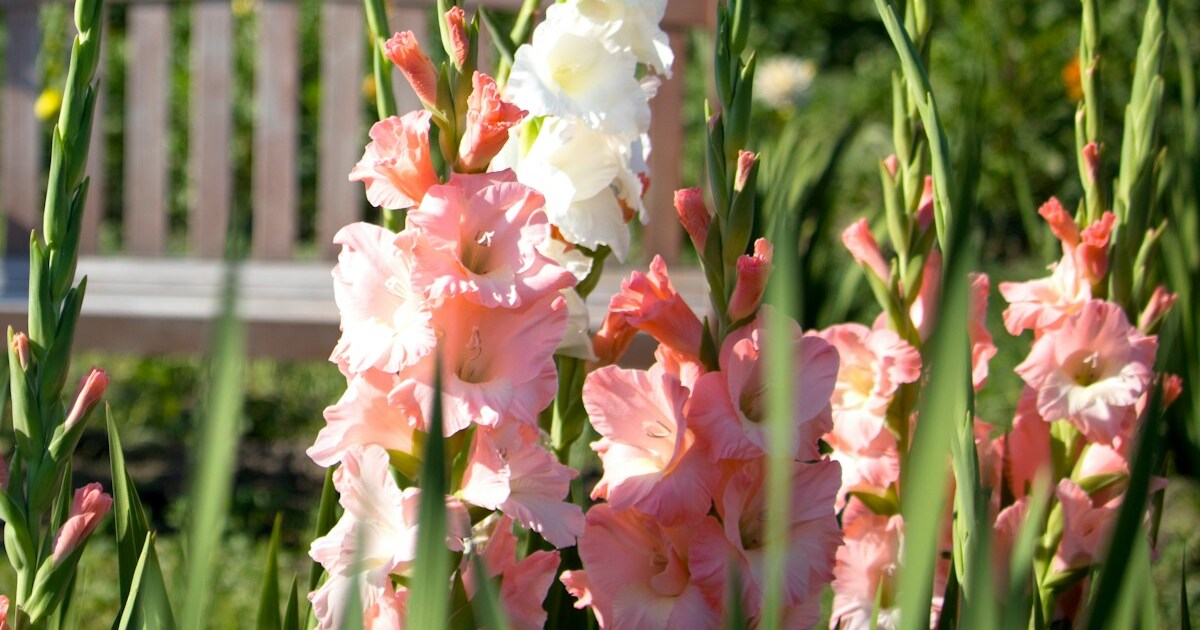

Gladiolus are like the fireworks of the garden—dramatic spikes of colorful blooms that turn any border into a masterpiece! Native to Africa and parts of Eurasia, these corm-bearing beauties have dazzled gardeners for centuries, and with the right care, you’ll be rewarded with a symphony of blossoms all summer long. Whether you’re cutting stems for vibrant bouquets or creating a fairytale aisle through your yard, gladiolus bring bold vertical interest and a flurry of pollinator activity each season.
I know how it feels to anticipate that first show of gladiolus blooms—only to have corms rot, spikes flop, or pests steal the spotlight. In this guide, I’ll share twelve essential tips—gleaned from seasons of trial, error, and delight—to help you plant strong, healthy corms; nurture vigorous spikes; and prevent invasiveness or disease. Let’s dive in and set the stage for gladiolus glory!
Ensure Consistent Watering
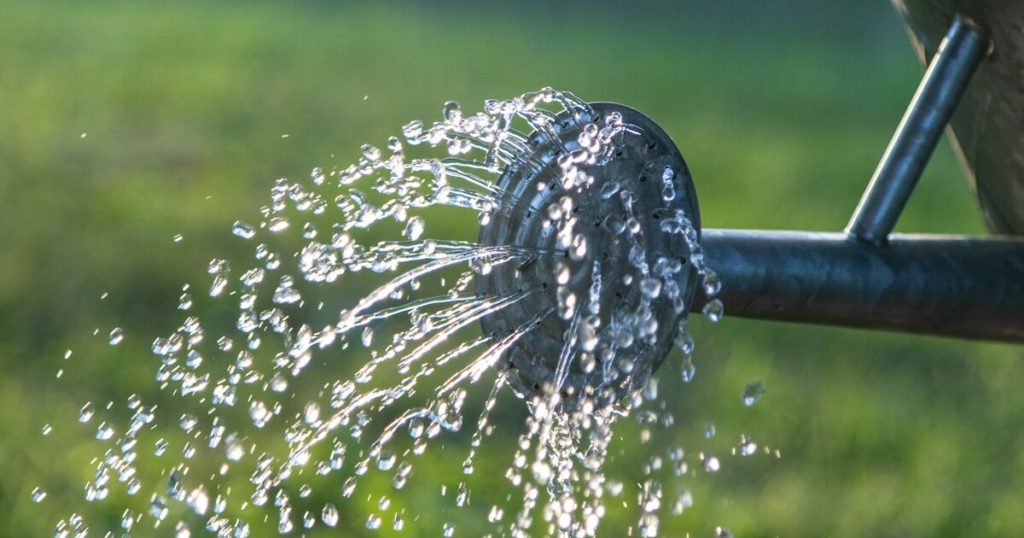
Gladiolus develop their best blooms when soil moisture is steady—too little water early on leads to stunted spikes, while overwatering can rot corms. I aim to give my beds about an inch of water per week, delivered in deep soaks rather than shallow drips. This practice encourages roots to grow downward, anchoring tall flower spikes firmly in place!
In their native African grasslands, gladiolus often experience periodic rains followed by dry spells, so mimicking that cycle in your garden helps them thrive. Mulching between rows not only conserves moisture but also deters weeds that compete for hydration—no one wants thirsty gladiolus battling unruly intruders.
Prepare Well-Drained Soil

Nothing sours gladiolus prospects faster than soggy ground. These corms demand loose, loamy soil rich in organic matter yet free-draining enough to prevent waterlogging. I mix aged compost and coarse sand into my planting bed, replicating the gritty substrates they evolved in back in their native habitats!
If you’re dealing with heavy clay, consider planting in raised beds or augmenting existing soil with leaf mold and bark fines. Good drainage also reduces fungal threats, giving you healthier foliage and crisper flower spikes throughout the season.
Watch for Pests and Diseases

Gladiolus can attract thrips, spider mites, and fungal foes like botrytis. I walk my rows weekly, checking undersides of leaves for telltale speckles or webbing. Early detection means I can use insecticidal soap or neem oil before infestations turn into garden-wide meltdowns!
Removing spent foliage in autumn and ensuring proper air circulation cuts off disease life cycles. In their native ranges, gladiolus are spaced widely by chance—mimicking that natural spacing in your garden keeps leaves drier and pathogens at bay.
Deadhead Spent Flowers
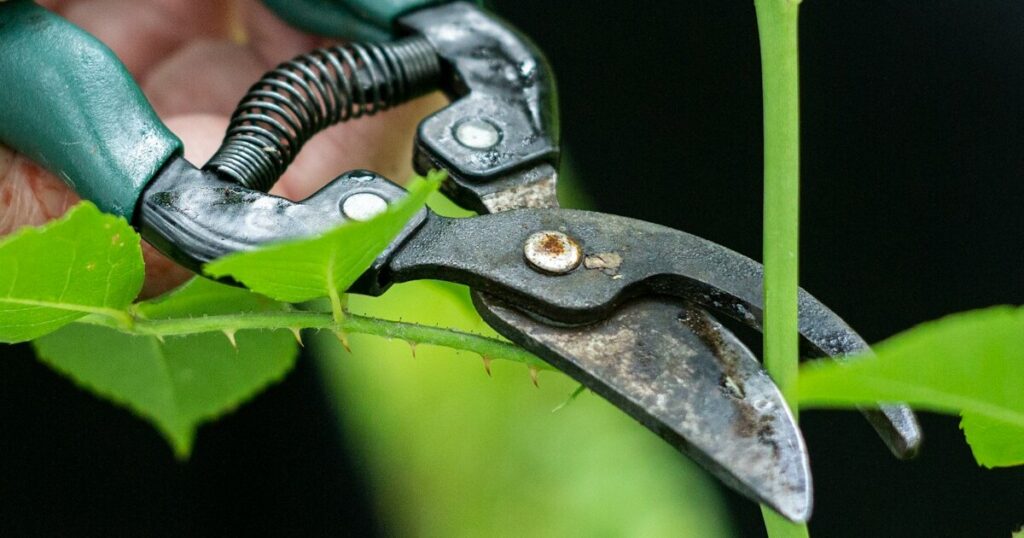
Cutting off spent blooms not only keeps your gladiolus display tidy but also redirects energy into forming robust corms for next year. After the last flower on a spike fades, I snip the stem just above the nearest leaf whorl—this gentle approach honors the plant’s natural growth habit.
Deadheading also prevents self-seeding; while cultivated gladiolus aren’t typically invasive, species relatives can naturalize if left unchecked. By removing old blooms promptly, you maintain a neat bed and “train” the plant to focus on underground energy storage.
Choose High-Quality Corms

Healthy gladiolus starts with plump, firm corms free of blemishes or mold. I source mine from reputable suppliers, inspecting each one for shriveled spots or soft patches that signal rot. A little investment in quality corms goes a long way toward spectacular summer blooms!
Many favorite hybrids trace their lineage to South African species, so you’re tapping into generations of selective breeding when you pick modern varieties. Properly cured, disease-free corms minimize the need for drenching treatments and help prevent pathogen carryover.
Companion Plant for Pollinators
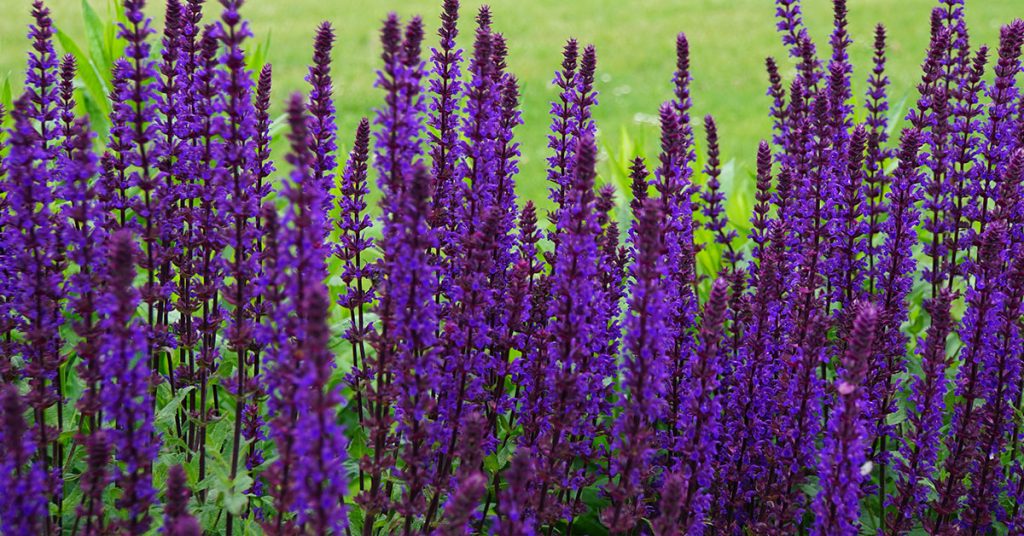
While gladiolus aren’t bee magnets like some other flowers, their tall spikes attract hummingbirds and long-tongued bees that nest in nearby ground crevices. I interplant lavender and salvia at the base—both native to Mediterranean regions like some gladiolus ancestors—to create a pollinator-friendly corridor that boosts overall garden health.
These companions also provide visual contrast and help shade the lower leaves of gladiolus, reducing weed pressure and retaining soil moisture. Plus, the hum of insect activity among the blooms is a delightful reminder of your garden’s vibrant ecosystem!
Provide Full Sun Exposure

To coax those towering spikes of buds, gladiolus absolutely crave at least six to eight hours of direct sun. I learned the hard way that half-shade plantings lead to floppy stems and sparse flowering. In sunny beds, plants develop strong, upright growth—no staking required!
Full sun also warms the soil quickly in spring, jump-starting corms out of dormancy. If your site is exceptionally hot, a bit of dappled afternoon shade—like what they’d get under open woodlands in their native lands—can help prevent blooms from scorching on peak-summer afternoons.
Divide and Store Corms Annually

After the foliage dies back each fall, I gently lift corms, brush off excess soil, and let them cure in a dry, airy spot. This ritual deters corm rot and gives me a chance to remove any that didn’t mature properly. Every year I discard shriveled corms and replant the healthiest offsets, ensuring vigorous blooms next season!
In milder climates, some gardeners leave corms in the ground, but rodents and rot can be merciless. Annual lifting and proper storage in peat moss keeps them safe—and it’s a fun reminder of the season’s successes as you admire those newly formed baby corms.
Plant at Proper Depth and Spacing

I plant my gladiolus corms about 4–6 inches deep and space them 6–8 inches apart, based on their mature size. This depth mimics how they grow in their native African slopes, where underground storage organs nest just beneath the surface.
If corms sit too shallow, frost or critters can easily damage them; too deep, and shoots struggle to reach the light. Consistent spacing ensures each plant has elbow room, reducing competition for water and nutrients and allowing blossoms to shine without crowding.
Fertilize Appropriately

Gladiolus are moderate feeders. I apply a balanced, low-nitrogen fertilizer—think 5-10-10—at planting time and again when the first flower spike reaches six inches tall. This regimen supports lush foliage and abundant blooms without encouraging overly succulent growth that pests love to nest in!
Too much nitrogen can delay flowering, while phosphorus and potassium promote root and flower development. By emulating the nutrient profile of their native soils—usually lean and well-draining—you set the stage for those regal spikes to unfurl in all their glory.
Mulch to Retain Moisture and Suppress Weeds

A light mulch of straw or shredded bark helps stabilize soil temperature and moisture around gladiolus corms, echoing their natural mulch of grass detritus. I apply a two-inch layer after planting; come spring, I remove it slightly around emerging shoots to let them stretch upward unimpeded.
Mulching also keeps weeds at bay, preventing them from nesting among your gladiolus and stealing valuable resources. In the hot months, that mulch reduces evaporation—no more frantic morning watering sessions!
Stake or Support Tall Spikes
Even the sturdiest gladiolus can flop under heavy rain or strong winds when their flower spikes reach two feet or more. I drive bamboo stakes beside each clump and gently tie stems with soft twine, supporting blooms without girdling them.
This practice respects the gladiolus’s natural climbing habit—though they don’t twine like vines, their tall spikes evolved to rise above surrounding grasses in African meadows. A little extra support ensures your cut flowers look impeccable in bouquets and your garden remains tidy.