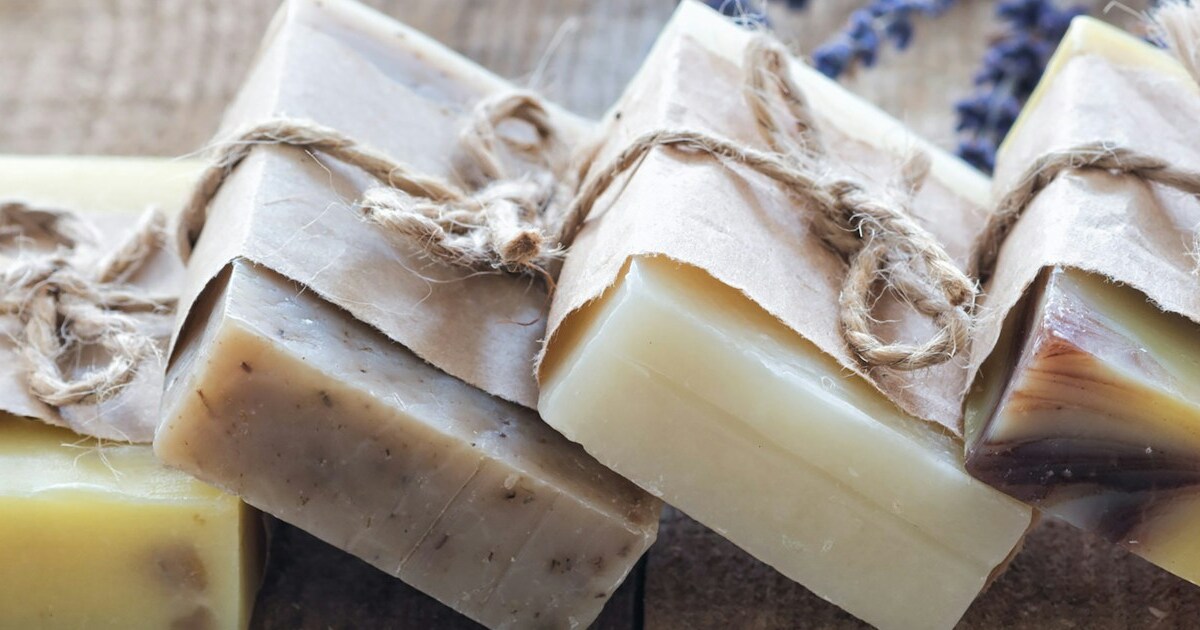

Creating your own natural scented soaps isn’t just a craft—it’s a way to capture the healing essence of flowers you’ve grown with care. I know how frustrating it can be to find shop‑bought soaps loaded with synthetic fragrances that irritate sensitive skin. By incorporating medicinal blooms from your garden into soap bars, you’re infusing every lather with gentle aromatherapy and skin‑loving compounds. Let’s dive into twelve floral powerhouses that will elevate your homemade soaps from ordinary to extraordinary!
Each of these flowers hails from distinct corners of the globe—whether it’s the sun‑baked Mediterranean hills or the misty meadows of Europe—and while most stay tame when cultivated in pots or beds, a few can naturalize if you’re not vigilant. Alongside soap‑making benefits, many of these blooms attract buzzing pollinators or even offer tiny nesting pockets for beneficial insects. As a gardener who adores marrying blooms with bath-time rituals, I can’t wait to share the secrets of these twelve medicinal marvels!
Hibiscus (Hibiscus rosa‑sinensis)

Hibiscus thrives in tropical and subtropical regions, adorning gardens with its large, trumpet‑shaped flowers in fiery reds, pinks, and yellows. Known for its smoothing and moisturizing properties, hibiscus petals add a delicate slip to soaps, leaving skin soft and supple. While hibiscus isn’t considered invasive in most home gardens, it can self‑seed in warm climates, so remove spent blooms if you’re near wild habitats!
In their native ranges, hummingbirds and butterflies flock to hibiscus blooms, drawn by their nectar-rich centers. Although indoor soap bars won’t host a hummingbird visit, cultivating hibiscus in your yard invites these pollinators to your garden, ensuring a balanced ecosystem and a steady supply of fresh petals for your next soap batch.
Chamomile (Matricaria chamomilla)
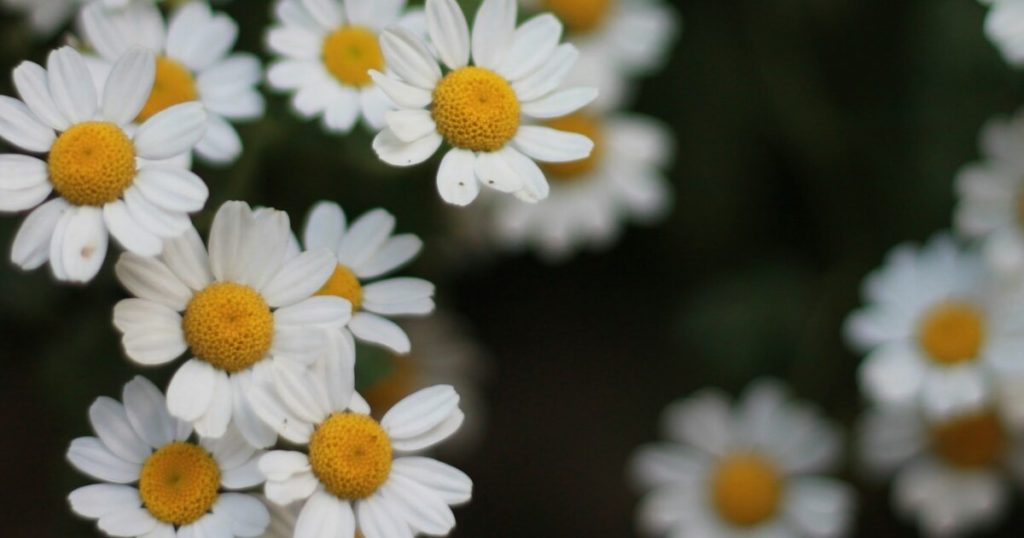
Chamomile, with its daisy‑like white petals and golden centers, hails from the fields of southern Europe. This gentle herb is famed for its anti‑inflammatory and soothing qualities—perfect for sensitive or irritated skin. Harvest the flowers when they’re fully open and dry them for later infusion into soap bases, creating a creamy, calming lather that echoes a warm cup of chamomile tea!
While chamomile rarely becomes invasive, it can self‑sow prolifically in well‑drained soil, so deadheading spent blooms keeps it in check. In the garden, these flowers attract hoverflies and small solitary bees, which may nest nearby in bare patches of earth—nature’s own pest control supporting your soap‑making sanctuary.
Calendula (Calendula officinalis)

Bright and cheery, calendula’s golden petals shine in cottage gardens worldwide. Native to the Mediterranean, these blooms boast antifungal and antiseptic properties, making them ideal for soothing dry or cracked skin in soap formulations. Calendula isn’t invasive when grown in rows or containers, though it readily self‑seeds—so let a few go to seed for next year’s crop, and thin seedlings as needed!
Bees adore calendula, and you’ll often find them crawling deep into the flower heads. While your soap bars won’t host buzzing honeybees, growing calendula supports pollinators that help secure the next season’s flowers. Incorporating calendula petals into soap also creates natural marigold swirls that look as fabulous as they feel!
Echinacea (Echinacea purpurea)

Echinacea, or purple coneflower, is a staple of North American prairies, where its spiny coneflower heads and violet petals attract pollinators en masse. Renowned for its immune‑boosting compounds, echinacea petals and powdered roots can lend mild astringent properties to soaps, tightening pores and refreshing skin. Cultivation in home gardens is non‑invasive, though it does self‑seed in favorable conditions—deadheading spent heads prevents unwanted volunteers!
Butterflies, bees, and even hummingbirds flock to echinacea’s sturdy blooms, and occasionally small solitary bees nest in the bare earth beneath clumps. Harvest mature petals before seed set to maintain your patch, and enjoy knowing each soap bar carries the vitality of those pollinator‑friendly blossoms.
Lavender (Lavandula angustifolia)

Hailing from the sun‑baked slopes of the Mediterranean, lavender is beloved for its calming scent and gentle antiseptic qualities. Adding dried lavender buds to soap creates a textured bar that exfoliates while infusing every wash with lavender’s signature, soothing aroma. True lavender isn’t invasive, thriving in well‑drained, alkaline soils—avoid heavy clay to keep your plants happy and blooming!
Lavender fields act like wildlife magnets in France and England, drawing bees by the thousands. While your soap won’t host swarms, growing lavender ensures a steady harvest of fragrant buds and supports beneficial pollinators. I love how the memory of those buzzing afternoons carries into every fragrant lather!
Cornflower (Centaurea cyanus)
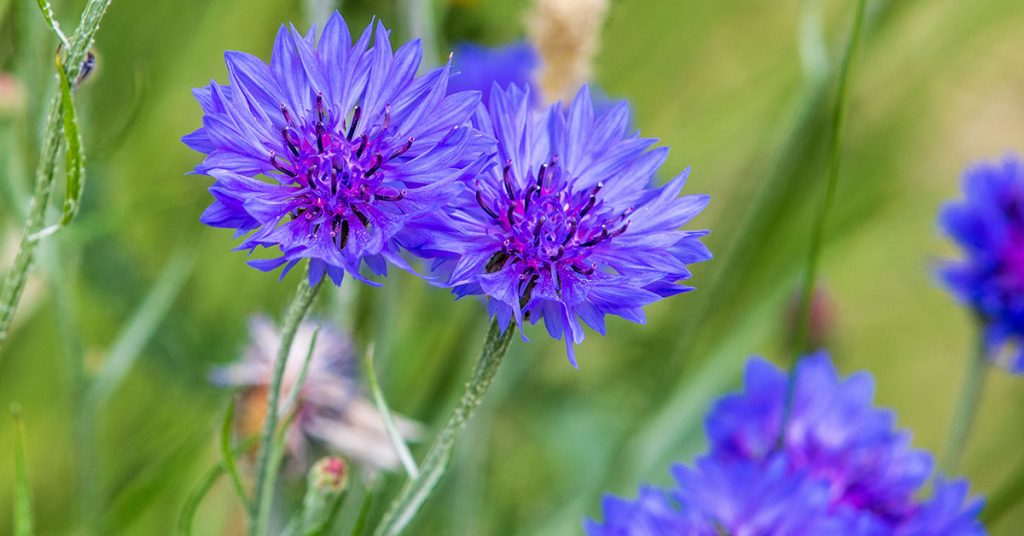
Also called bachelor’s button, cornflower sports vivid blue blossoms native to European grain fields. Known for its anti‑inflammatory properties, dried cornflower petals imbue soaps with a gentle, cooling effect—perfect for tired or sun‑exposed skin. Though it can self‑seed in disturbed soils, cornflower rarely becomes aggressive, making it a safe addition to flower borders.
In the wild, cornflowers attract bees and butterflies, which often nest in nearby bare ground or tussock grasses. Cultivating them near your medicinal soap garden encourages a thriving insect neighborhood, ensuring you always have fresh, pigment‑rich petals to ripple through your homemade bars.
Rose (Rosa damascena & cultivars)

Roses have graced gardens since antiquity, with Damask and Centifolia varieties prized for their intense fragrance and skin‑toning abilities. Rose petals and rosehip powder lend luxurious texture and natural astringency to soap, helping to balance oily or mature skin. While roses themselves aren’t invasive, some species can spread via suckers—contain roots in pots or maintain regular pruning!
In summer, rose blooms host tiny bees and occasionally provide nesting sites for solitary bees in old canes. By harvesting petals carefully and encouraging beneficial pollinators, you sustain a cycle of floral abundance. Each soap enriched with rose feels like bottling a meadow’s essence in every wash!
Elderflower (Sambucus nigra)
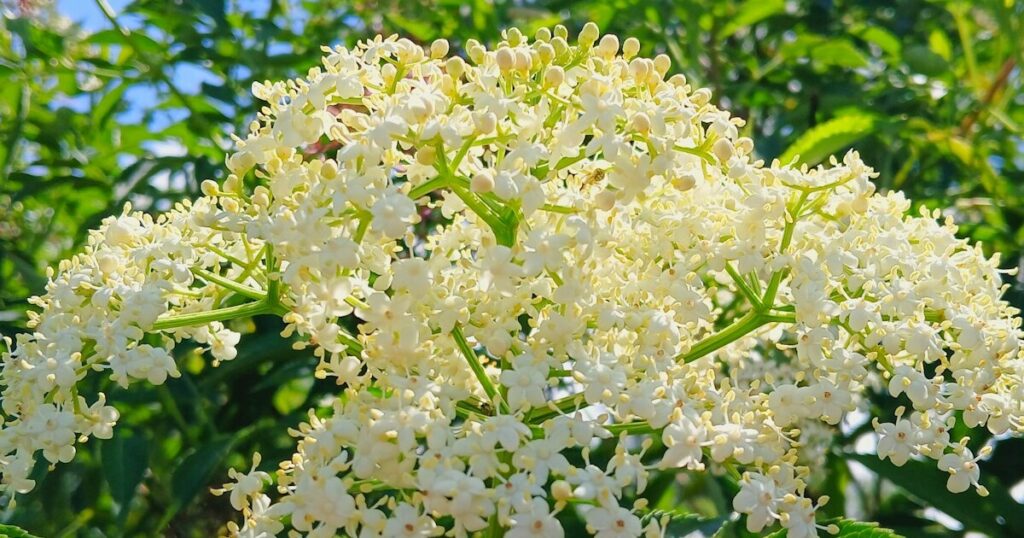
Elderflower’s delicate white umbels come from European elder trees that grow along wood edges and hedgerows. These flowers offer mild anti‑inflammatory and antibacterial benefits—ideal for gentle cleansing soaps. While elder can naturalize in fertile soils, pruning suckers and deadheading flowers prevents unwanted spread.
Elderflower nectar attracts hoverflies and small bees, which may nest in hollow stems or nearby ground. Incorporating elderflower extract in soap adds a soft floral scent reminiscent of early summer walks, and supports the local insect population that keeps your garden balanced.
Yarrow (Achillea millefolium)
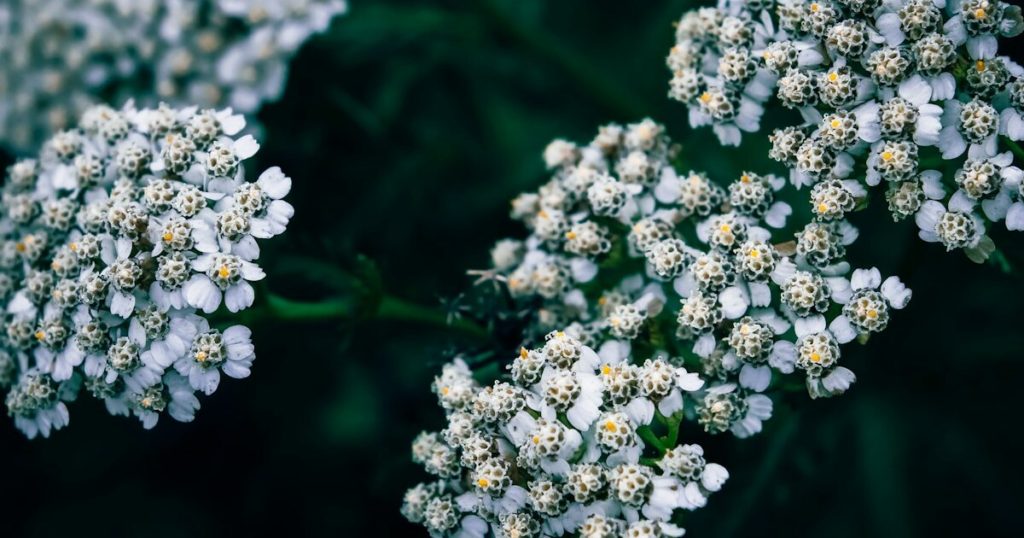
Yarrow’s flat clusters of tiny white or pastel blooms are native to temperate meadows across Europe and Asia. Known for its skin‑healing and anti‑inflammatory properties, crushed yarrow flowers add both gentle color and soothing benefits to soap formulations. Yarrow can spread via rhizomes, so planting it in containers or dedicated patches helps control its vigorous habit.
In the wild, butterflies and beneficial predatory insects like ladybugs are drawn to yarrow’s nectar—all welcomed allies in my garden. Using yarrow in soap reminds me of buzzing summer days, and its subtle herbal scent rounds out any floral blend beautifully!
Helichrysum (Helichrysum italicum)
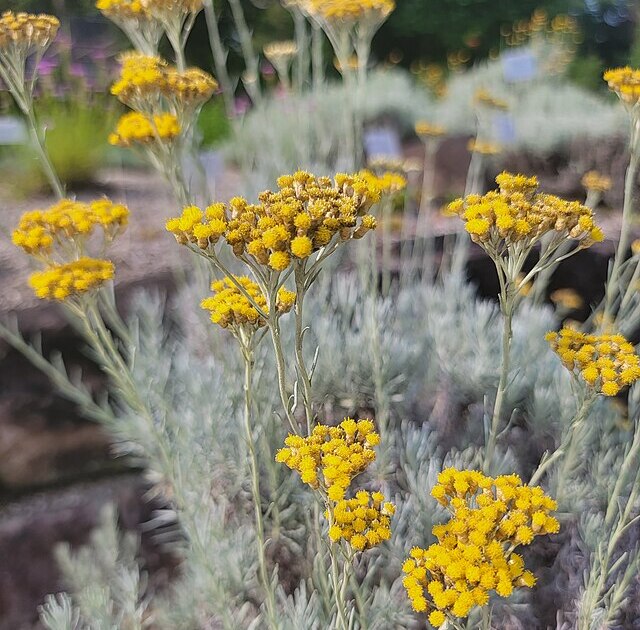
Also called curry plant or immortelle, Helichrysum italicum hails from Mediterranean scrublands. Its silver foliage and golden button flowers carry potent antioxidant and anti‑scar compounds—perfect for soaps aimed at rejuvenating skin. Helichrysum stays well‑behaved in containers but avoids overly rich soil to prevent leggy growth.
In its native range, bees and small beetles explore its tight blooms, and the plant’s aromatic oils ward off herbivores. Peeling off a handful of everlastings for soap infuses each bar with a warm, honey‑like fragrance that feels like a sun‑kissed hillside in every use!
Jasmine (Jasminum officinale)

Jasmine’s starry white blossoms, native to the Himalayas and China, are famous for their intoxicating perfume and mild antibacterial properties. While more commonly distilled into absolute, small jasmine petals in soap add a whisper of its heady scent and creamy lather. Most jasmine vines aren’t invasive when trained on trellises, though vigorous growers like J. polyanthemum may self‑sow—monitor seedlings accordingly!
Moths and small nectar‑feeding insects visit jasmine blooms at dusk, and while you won’t host an evening pollinator party indoors, growing jasmine in your soap garden brings that nighttime magic into your creations. Each bar carries a sense of floral mystery that lingers long after the suds fade!