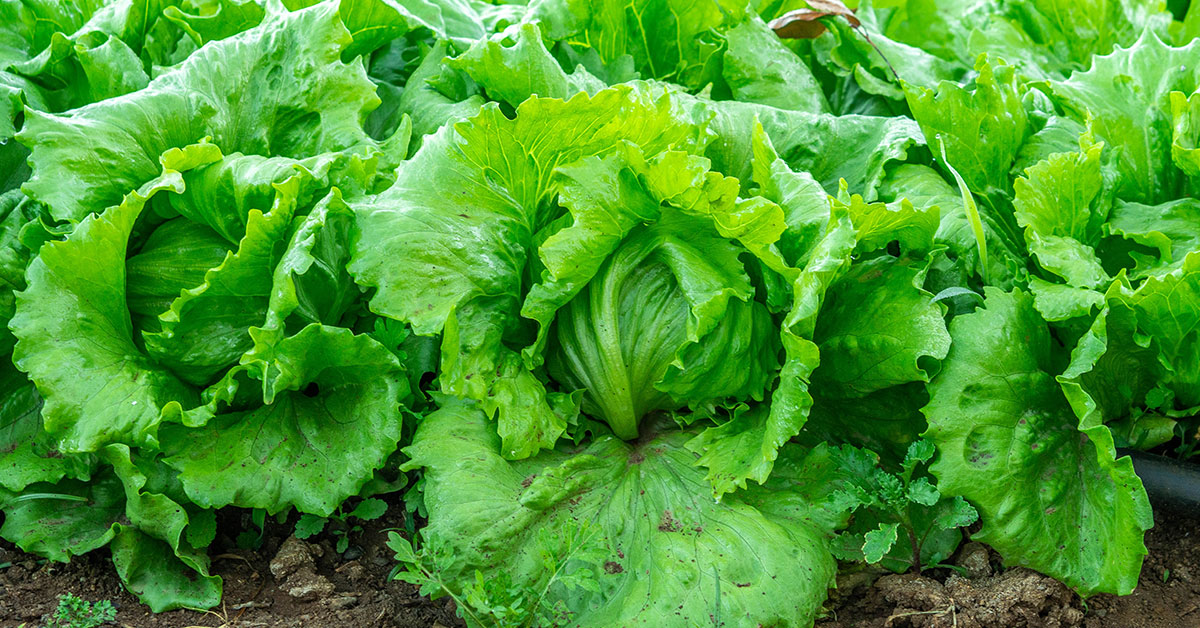

Growing your own leafy greens means stepping into a world of vibrant flavors, textures, and colors right in your backyard (or on your windowsill)! From peppery arugula to delicate mache, each leaf brings something special to the salad bowl—and knowing exactly where they come from and how to care for them only deepens the joy. As a gardener, I love anticipating that first crisp bite of homegrown greens, and I know how heartbreaking it can be when pests nibble away at your tender leaves. Let’s explore twelve gorgeous greens that will transform your salads and invite helpful pollinators and beneficial insects into your garden.
These greens span continents and climates, from cool-season classics like spinach, native to southwestern Asia, to tropical baby bok choy from China. Most aren’t invasive in temperate gardens, though some—like mustard greens—can self-seed if you let those seed pods ripen. Along the way, I’ll share tips on attracting bees, hoverflies, and ground-nesting predatory wasps that help keep aphids, slugs, and flea beetles at bay. Ready to sow seeds for salads that burst with flavor and life? Let’s dive in!
Swiss Chard
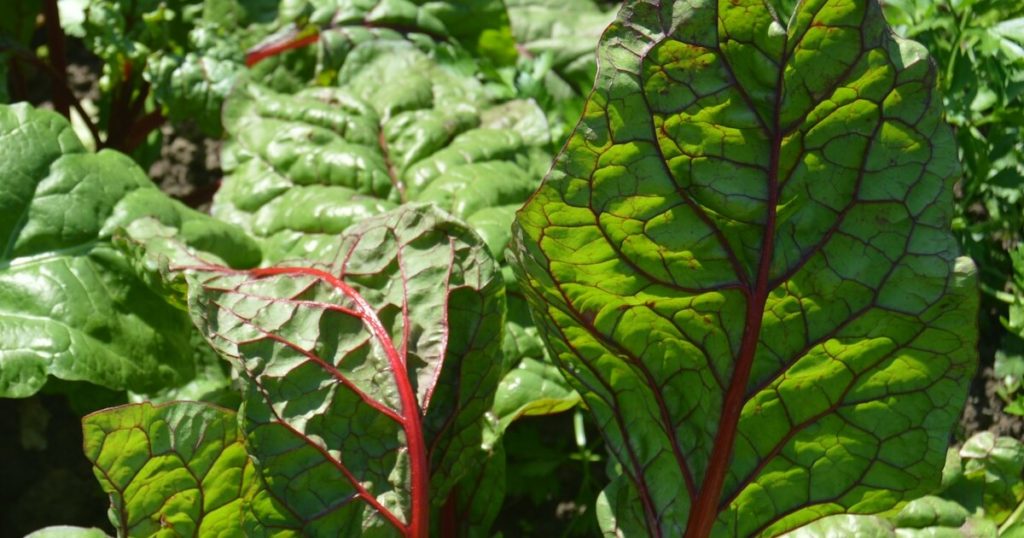
Swiss chard (Beta vulgaris subsp. vulgaris) originates from the Mediterranean region and, unlike its weedy beet cousin, rarely becomes invasive in home gardens. Its broad, crinkly leaves and colorful stems come in brilliant reds, yellows, and whites—adding visual interest to both beds and bowls! The lush foliage also provides shaded nesting spots for solitary bees, who appreciate the nearby bare patches of soil where they burrow.
Chard thrives in fertile, well-draining soil enriched with compost; over time, its deep roots help loosen compacted earth, benefitting surrounding plants. I once tucked a chard patch near my tomatoes, and beneficial ground-dwelling beetles nested happily underneath the large leaves. With regular harvesting of outer leaves, you’ll encourage continuous regrowth and keep those vibrant stems popping all season long!
Watercress
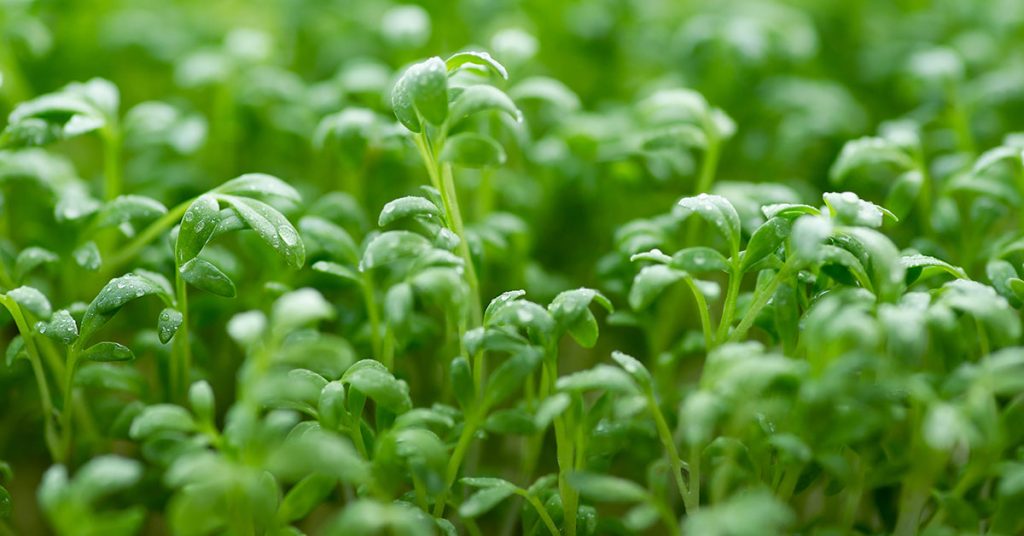
Native to Europe and Asia, watercress (Nasturtium officinale) naturally grows along streambanks and shallow water, so it thrives in consistently moist to wet soils. Though it can self-seed in watery areas, it seldom spreads aggressively in a typical garden. Its peppery, crisp leaves make a refreshing contrast in salads, and I’ve seen hoverflies and tiny predatory wasps nesting in damp edges nearby.
To grow watercress, provide it with filtered sunlight and an always-moist medium—think shallow containers or a boggy border. I once grew it in a half-wine barrel with a constant trickle of water, and the plants flourished, producing lush leaves that I harvested weekly. Keep pinching off flower stalks to prevent excessive seeding, and you’ll enjoy fresh, zesty greens all summer!
Arugula
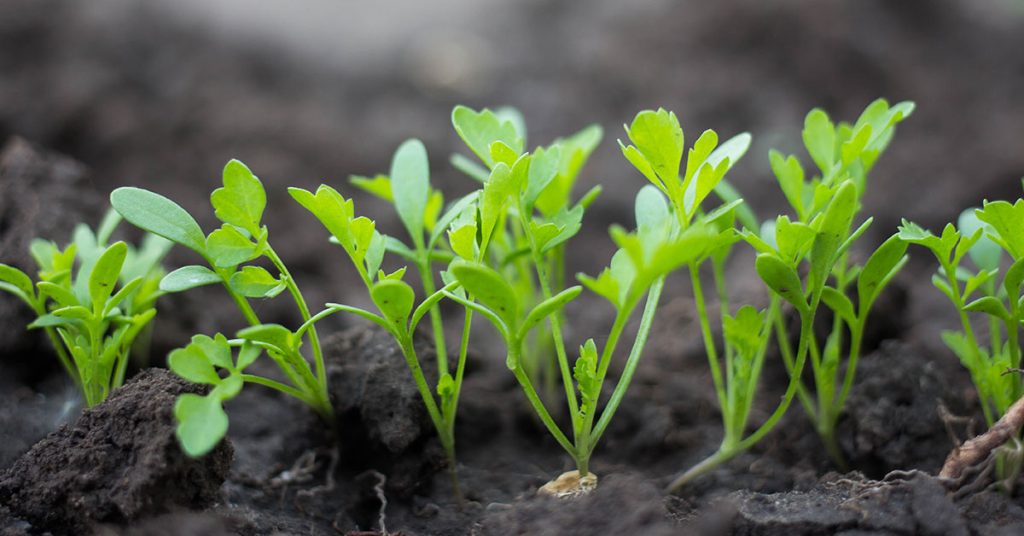
Arugula (Eruca sativa), originally from the Mediterranean, brings a delightful peppery kick to salads and sandwiches. While it self-seeds freely if left to bolt, its seedlings are easy enough to thin or transplant. Those delicate rosettes of leaves also attract tiny ground-nesting bees, and you might spot ladybugs patrolling for aphids on the tender foliage!
For the fullest harvest, sow arugula in cool weather—spring or fall—so it grows rapidly without bitter bolting. I scatter seeds directly into loose, well-draining soil amended with compost, thinning to 4–6 inches apart once seedlings appear. Regular picking of outer leaves encourages new growth and prevents flowers from diverting energy, giving you continuous peppery goodness!
Kale
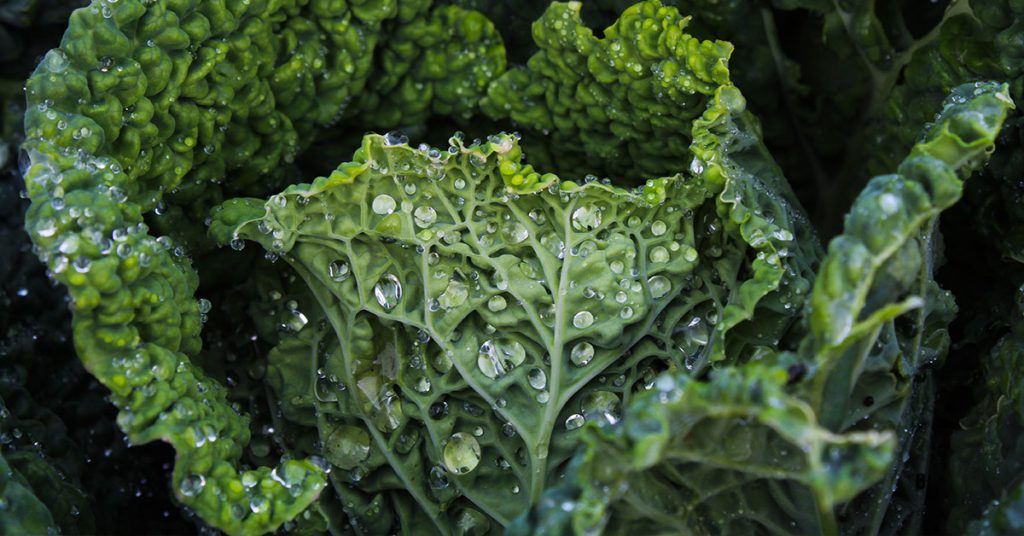
Kale (Brassica oleracea var. sabellica), a sturdy member of the cabbage family native to the eastern Mediterranean, comes in curly, flat, or dinosaur (lacinato) leaf forms. Though it can self-seed if left to flower, it typically stays tame in a vegetable plot. Kale’s thick foliage offers excellent hiding and nesting spots for predatory wasps and ground-beetles—natural defenders against caterpillars!
To cultivate big, tender leaves, plant kale in full sun to light shade, spacing 12–18 inches apart in rich soil amended with compost. I love harvesting mature outer leaves while younger inner leaves keep growing, giving me a continuous supply for salads and smoothies. Regular feeding with balanced organic fertilizer helps maintain strong, dark green growth!
Tatsoi

Tatsoi (Brassica rapa var. rosularis), sometimes called spoon mustard, is native to Southeast Asia and forms compact rosettes of spoon-shaped leaves. It rarely escapes into the wild, making it a friendly garden resident. Its glossy leaves attract tiny hoverflies, whose larvae prey on aphids, reducing pest damage naturally.
Grow tatsoi in fertile, well-draining soil with consistent moisture to prevent bitterness. I sow seeds in spring and again in late summer for a fall crop; spacing at 6–8 inches ensures each rosette develops fully. Snipping the outer leaves encourages inner shoots to expand, resulting in uniformly tender, mild-flavored greens perfect for fresh salads!
Romaine Lettuce
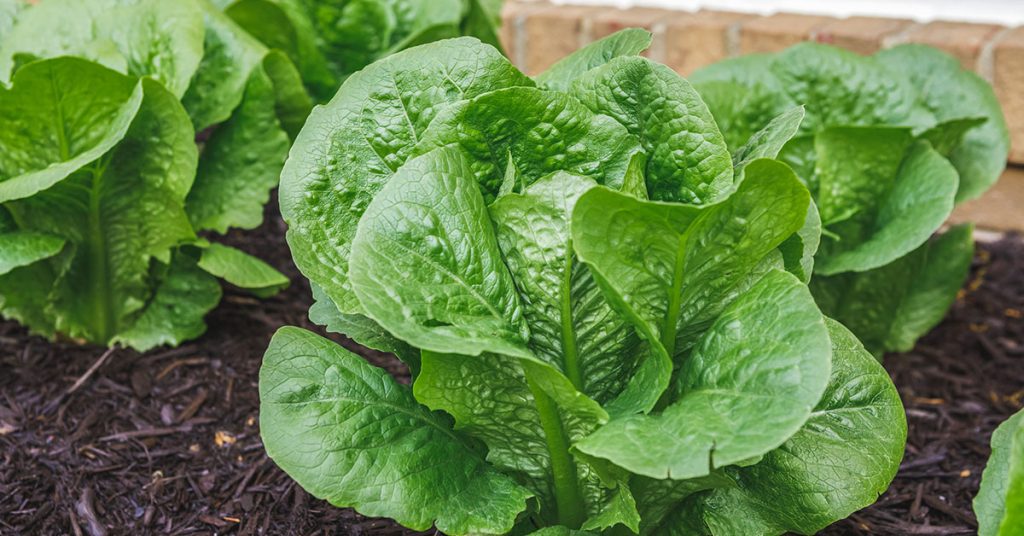
Romaine lettuce (Lactuca sativa var. longifolia), believed to have origins in ancient Egypt, produces tall, crisp heads renowned for Caesar salads. Though some wild lettuce species can be weedy, cultivated romaine rarely becomes invasive. The dense, erect leaves offer perching sites for small bees and wasps that pollinate nearby flowers.
For sweet, crunchy hearts, sow romaine in fertile, well-draining soil and mulch to conserve moisture. I once grew a succession—every two weeks—so I had fresh heads from early spring through summer. Harvest by cutting entire heads at the base or pick individual inner leaves for continuous salad additions!
Sorrel
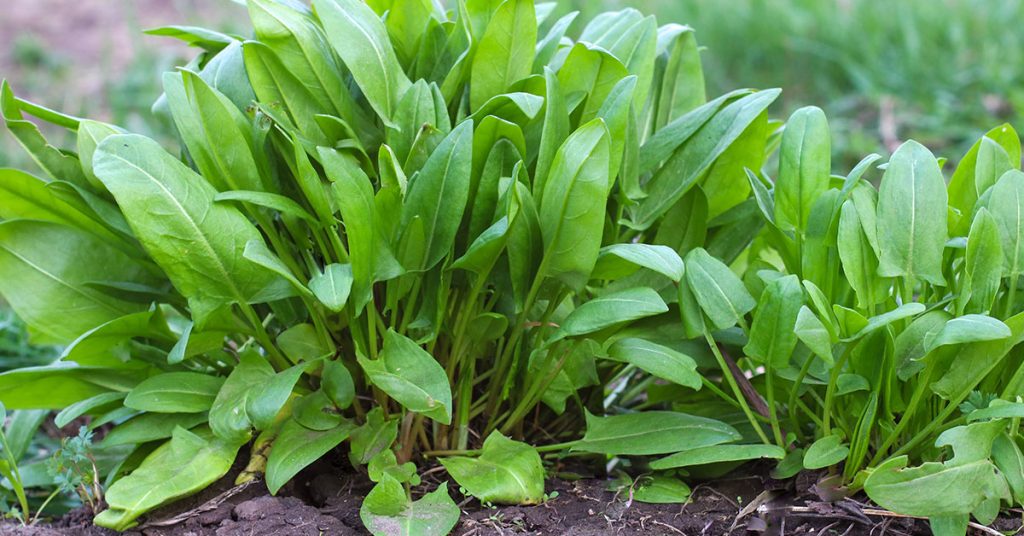
Garden sorrel (Rumex acetosa), native to Europe and parts of Asia, offers tangy, lemony leaves that enliven any salad. It can spread via underground rhizomes if not managed, so keep it confined in a bed or container. Its large leaves also create cool, shaded soil pockets where predatory ground beetles and spiders nest, helping control garden pests.
Plant sorrel in partial shade with moist, fertile soil; full sun can scorch leaves in hot climates. I once divided a crowded patch, giving me extra plants to share while revitalizing my sowing. Young leaves are best for salads—older leaves get tougher—so pick frequently to encourage tender, sour-bright foliage all season!
Mustard Greens
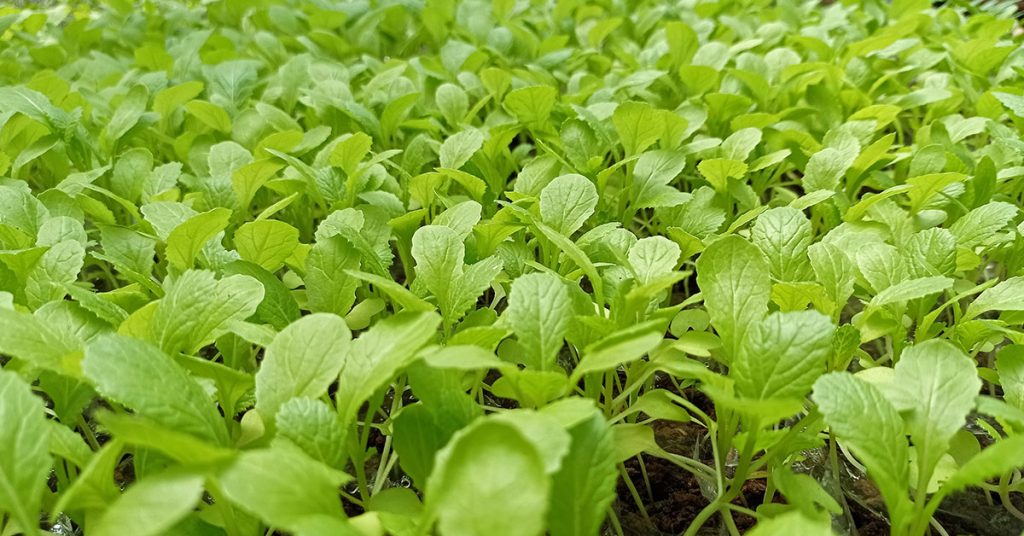
Mustard greens (Brassica juncea), native to temperate Asia, bring spicy, radish-like heat to salads and stir-fries. They self-seed readily if you let seed pods dry, but the volunteers are easy to thin. The vibrant green rosettes also shelter beneficial minute pirate bugs, which prey on thrips and aphids in nearby beds.
Sow mustard greens in spring or fall for mild flavor; summer plantings may bolt quickly in heat. I scatter seeds densely and thin to 6–8 inches apart, harvesting outer leaves before they get too large. Regular picking also delays flowering, extending your window for those zesty, tender greens!
Spinach
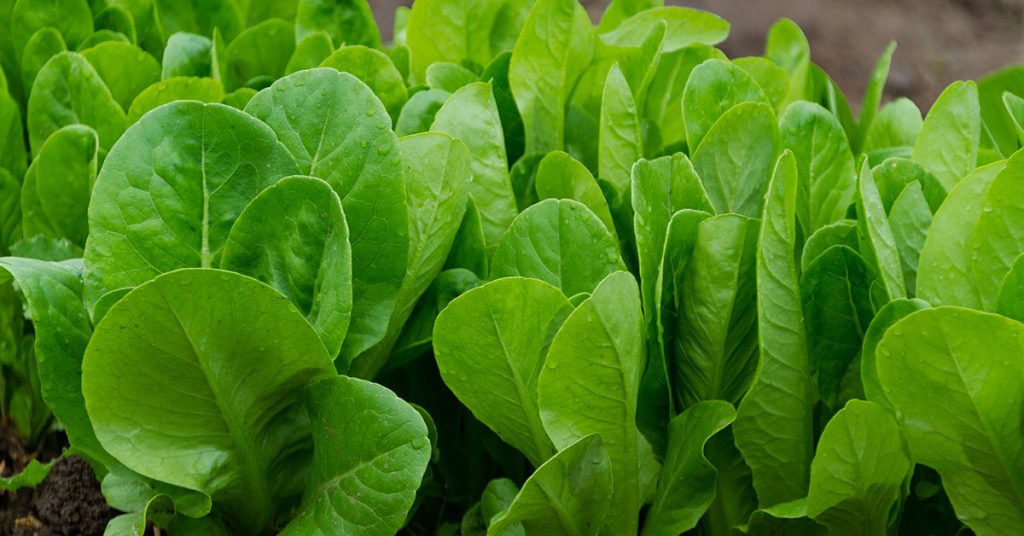
Spinach (Spinacia oleracea) originated in Persia (modern-day Iran) and delivers tender, nutrient-rich leaves in both smooth and savoyed varieties. It rarely escapes cultivation in temperate gardens. Its low, spreading habit offers ground cover that keeps soil cool and moist, attracting earthworms and springtails that improve soil structure.
For crisp, mild leaves, sow spinach in early spring or late summer for fall crops, spacing at 4–6 inches in fertile, well-draining soil. I once shaded my spring sowing with a light row cover to protect from late frosts and saw a robust stand of greens ready for harvest! Pick outer leaves and let inner shoots regrow for a continuous supply of tender, dark foliage.
Mizuna

Mizuna (Brassica rapa var. niposinica), a Japanese mustard green, boasts deeply serrated leaves and a mild, peppery flavor. It seldom becomes invasive, and its feathery foliage provides excellent shelter for tiny beneficial wasps and hoverflies. I love how these insects dart in and out of the frilly leaves, patrolling for pests!
Grow mizuna in fertile, moist soil with partial shade to avoid bitterness in hot weather. Sow seeds directly or start indoors for transplanting, spacing at 4–6 inches so each plant can unfurl fully. Frequent harvesting of outer leaves keeps the center growing, giving you soft-textured greens perfect for mixed salads and stir-fries alike!
Butterhead Lettuce
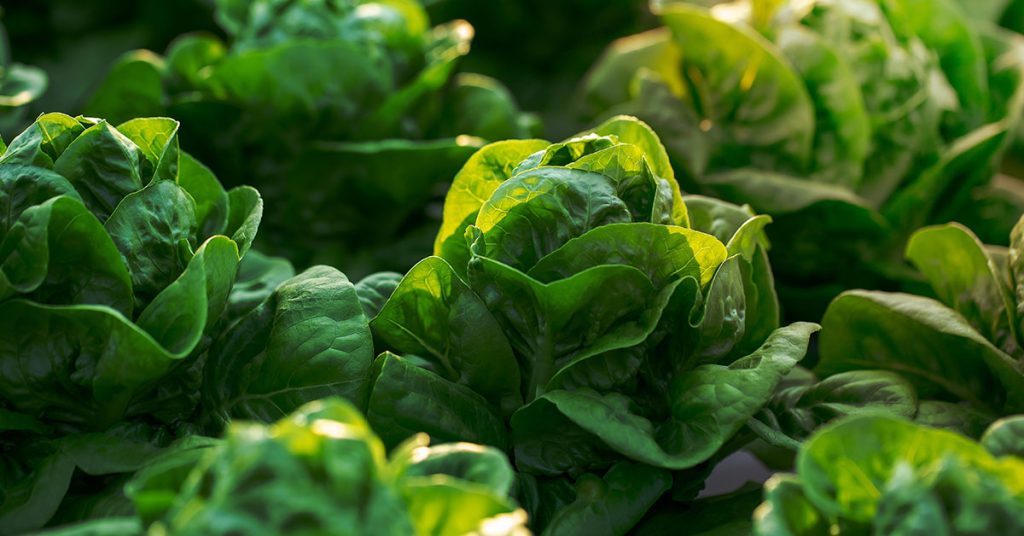
Butterhead lettuce (Lactuca sativa var. capitata) includes Boston and Bibb types, known for silky, loosely-formed heads and sweet flavor. Thought to have originated in ancient Mediterranean gardens, it rarely spreads beyond your intended rows. The cushiony leaves create a microhabitat for tiny garden spiders that help control aphid populations.
Plant butterhead in rich, well-draining soil with consistent moisture and partial shade in hot climates to preserve tenderness. I stagger my sowings every three weeks in spring, ensuring I always have tender, buttery hearts ready for lunch. Harvest whole heads or pick outer leaves, and watch them regrow into perfect baby-leaf salads!
Baby Bok Choy
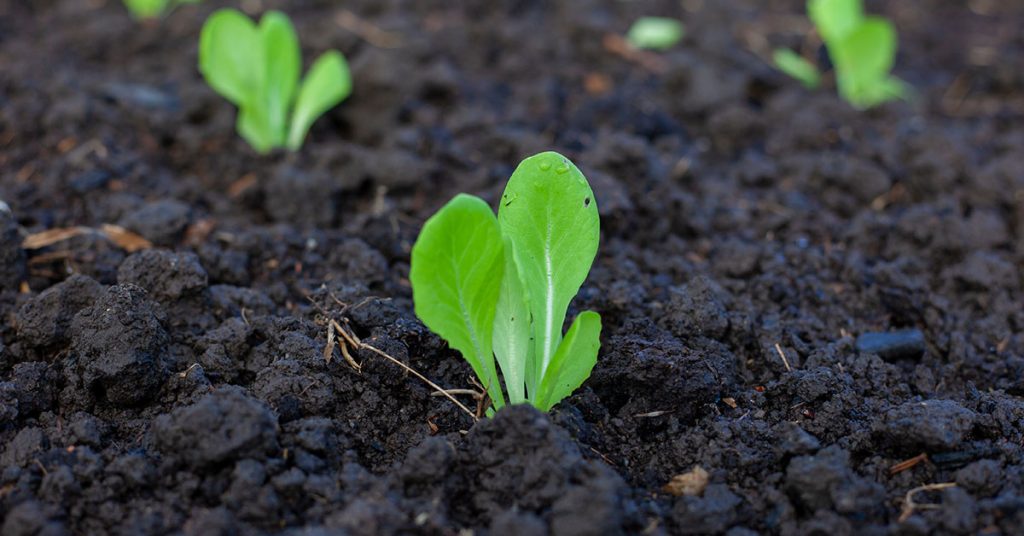
Baby bok choy (Brassica rapa subsp. chinensis) hails from China and forms small, spoon-shaped leaves atop thick, white petioles. It’s not invasive in home gardens and its compact form makes it ideal for container cultivation. The smooth foliage also invites beneficial lacewings that lay eggs nearby—those larvae then help keep aphids in check!
Sow seeds in fertile soil, spacing at 6–8 inches, and provide regular water to keep leaves crisp. I’ve found that baby bok choy matures in just 4–6 weeks, making it perfect for quick succession planting. Harvest entire plants or cut outer leaves, and enjoy their mild, cabbage-like crunch in every salad bowl!