
Late August can feel like the calm before the autumn burst, yet pesky aphids, whiteflies, and squash vine borers can still threaten your hard-won blooms and veggies! I know how frustrating it is to see chewed petals and ragged leaves just when your garden should be wowing its final encore. The good news? A strategic selection of pest-repellent flowers can add color while keeping those unwelcome guests at bay.
In this guide, I’m thrilled to share a dozen of my favorite late-summer bloomers that do double duty—brightening borders and naturally discouraging common garden pests. We’ll explore each plant’s native origins, any tendencies to wander beyond their plot, and the beneficial insects or wildlife they invite—everything from hoverflies nesting nearby to bees cruising for nectar. Let’s bolster your garden’s defenses and make August its most vibrant month yet!
Chrysanthemum (Chrysanthemum × morifolium)

Chrysanthemums, native to East Asia, release pyrethrins—natural compounds used in many organic insecticides—that deter aphids, mites, and whiteflies. Planted among tomatoes and peppers in late August, their frothy blooms create a barrier that pests avoid. Mums are generally noninvasive in garden beds and offer reliable color until frost.
Beyond pest control, their composite flower heads attract ladybird beetles and lacewings—beneficial predators that prey on soft-bodied pests. You might even notice small solitary bees nesting in bare soil at the plant’s base, drawn by the abundant late-season nectar!
Marigold (Tagetes erecta & Tagetes patula)

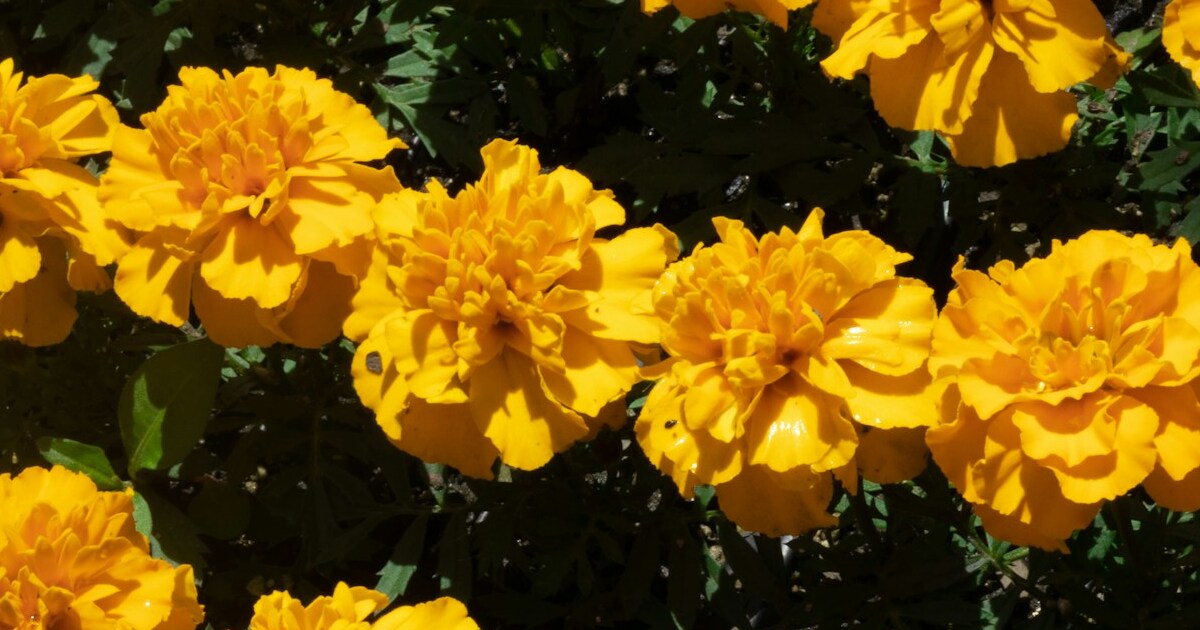
Marigolds hail from Mexico and Central America and are famed for thiophene compounds in their roots and foliage that repel nematodes and deter whiteflies and Mexican bean beetles. Plant them around the edges of veggie beds in August to form a living moat—slugs, root-knot nematodes, and leaf miners tend to steer clear of their pungent scent.
Their bright orange and yellow heads also lure syrphid flies whose larvae gorge on aphids. Ground-nesting bees may tunnel near marigold clusters, taking advantage of the warm, open soil—and you’ll love the cheerful color they sprinkle throughout your borders!
Catnip (Nepeta cataria)
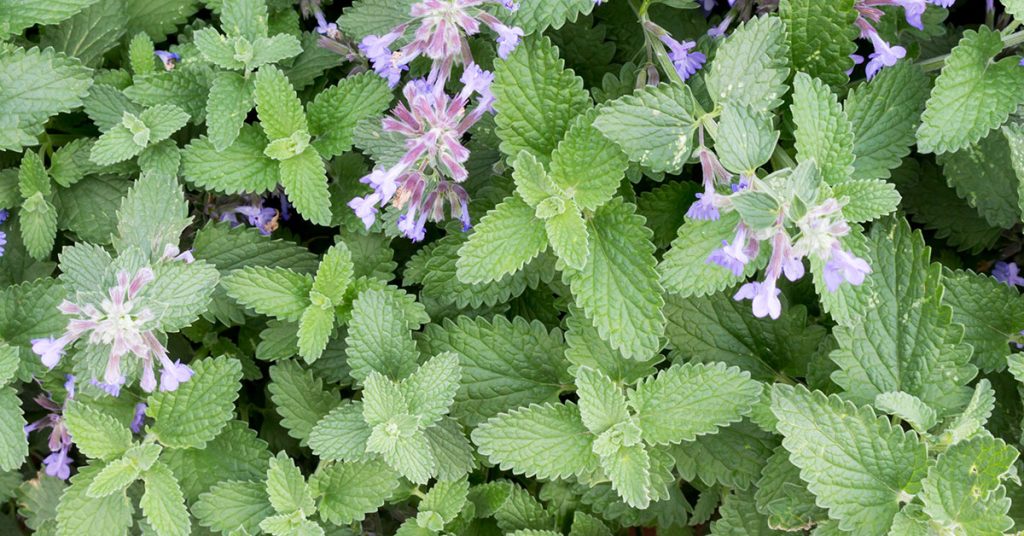
Originally from Europe and Asia, catnip emits nepetalactone, which repels flea beetles, squash bugs, and cockroaches. When planted alongside brassicas and cucurbits in late August, it forms a fragrant shield that deters chewing insects. Catnip can self-seed moderately, so watch for volunteers in your beds if you’re not aiming for a colony.
On the flip side, its lavender-blue flowers are irresistible to bees and hoverflies that prey on aphids. I’ve spotted tiny leafcutter bees nesting in nearby soil, drawn by both the blooms and the shelter provided by catnip’s low mounds!
Lavender (Lavandula angustifolia)

Lavender hails from the Mediterranean and repels moths, fleas, and mosquitoes with its volatile lavender oil. In August, when its purple spikes are at peak bloom, planting lavender near doors, patios, and flower beds can keep those biting pests at bay. It’s noninvasive in most temperate gardens and thrives in well-drained soil.
Moreover, its nectar-rich flowers attract mason bees and bumblebees looking for late-season forage. You might spot small solitary bees nesting in rock crevices or bare ground at the plant’s edge, enjoying both shelter and sustenance!
Calendula (Calendula officinalis)
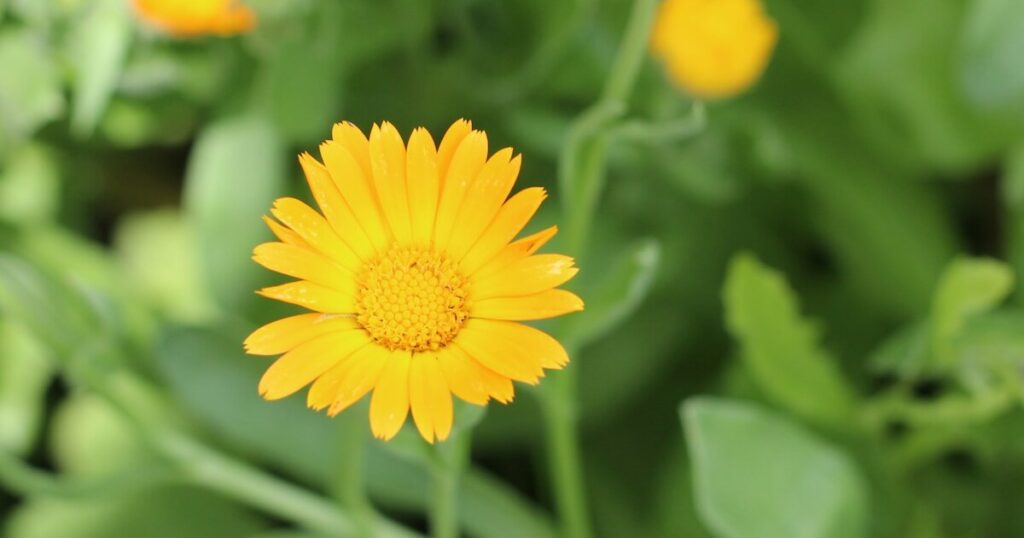
Calendula, native to southern Europe, contains faradiol esters that repel aphids and whiteflies when interplanted with your veggie rows. August blooms shine in shades of orange and gold, forming living insectary strips that protect nearby crops. Calendula self-seeds modestly but rarely becomes weedy if you deadhead spent blooms.
Their daisy-like flowers draw in lacewings—whose larvae devour aphids—and hoverflies that deposit eggs near pest colonies. Ground-nesting bees also find refuge under the plant’s foliage, turning your calendula patch into a thriving mini-ecosystem!
Petunia (Petunia × atkinsiana)
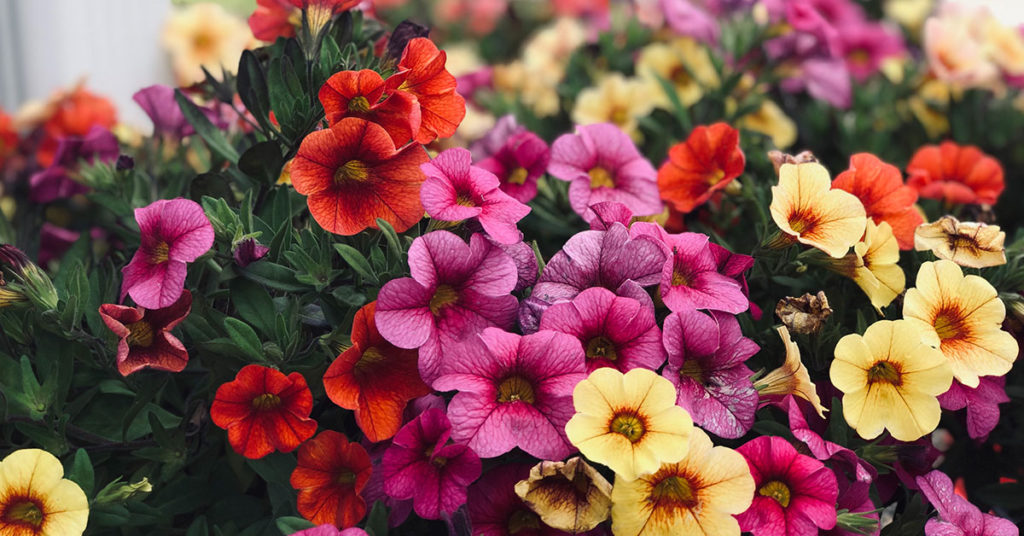
Petunias, descendants of South American species, exude volatile oils that repel tomato worms, aphids, and leafhoppers. Late-August plantings along tomato cages or in hanging baskets act as sentinels, keeping caterpillars and sucking insects at arm’s length. Petunias seldom self-seed in temperate gardens, so they stay right where you place them.
Their trumpet-shaped blooms attract hummingbird moths and hummingbirds—nature’s pest controllers that also help pollinate nearby veggies. I adore the gentle hum they bring to my evening garden strolls!
Cosmos (Cosmos bipinnatus)
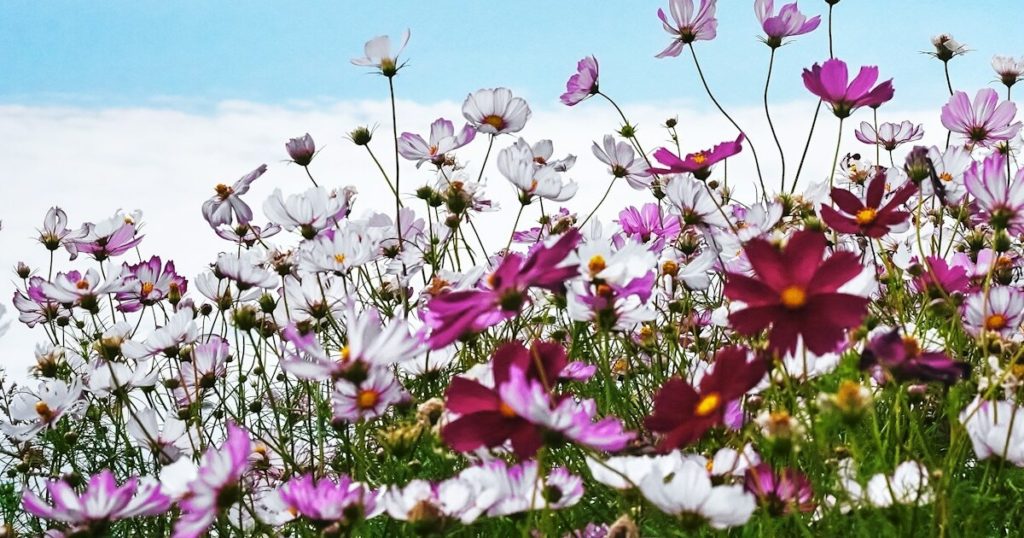
Native to Mexico, cosmos produces volatile oils that deter thrips and Japanese beetles. When sown or transplanted in August, their airy foliage and daisy-like flowers form screens that pests avoid. Cosmos self-seeds if left uncut, so trim spent blooms if you want to manage volunteers.
At the same time, cosmos is a magnet for beneficial insects—ladybugs, lacewings, and parasitic wasps that keep caterpillars and aphids in check. You might even find ladybird beetle larvae nesting in the feathery foliage, quietly patrolling for pests!
Yarrow (Achillea millefolium)
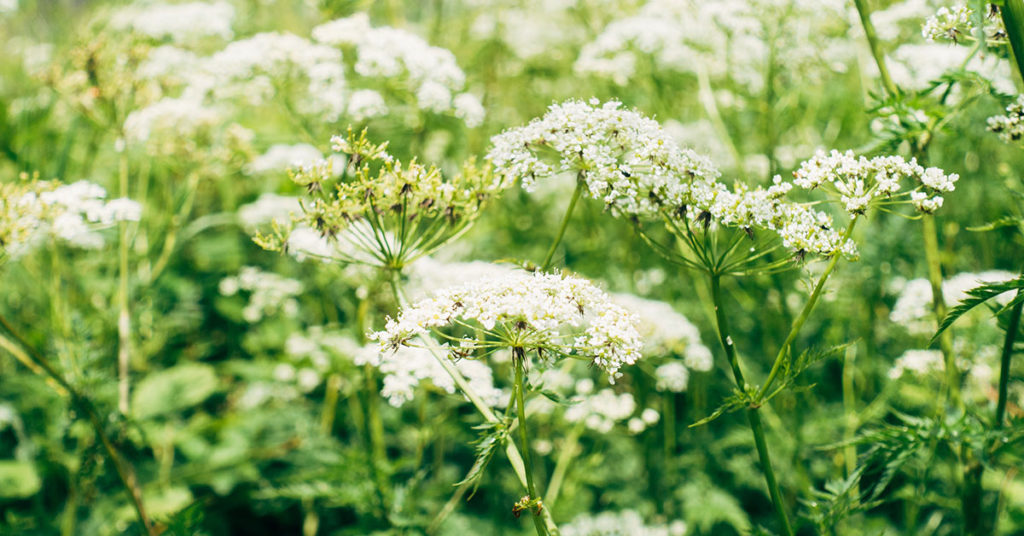
Yarrow, native across the Northern Hemisphere, emits compounds like camphor and eucalyptol that discourage Japanese beetles and aphids. In August, its flat umbels of white, pink, or coral blooms make excellent edging plants that pests tend to avoid. Yarrow is noninvasive in most garden settings and tolerates dry, poor soils.
Its blooms, however, beckon predatory wasps and hoverflies—especially Aphidius wasps, which target aphids. Ground-nesting bumblebees often establish nests in the warm, open soil around yarrow clumps, creating a bustling pest-control hub!
Tansy (Tanacetum vulgare)
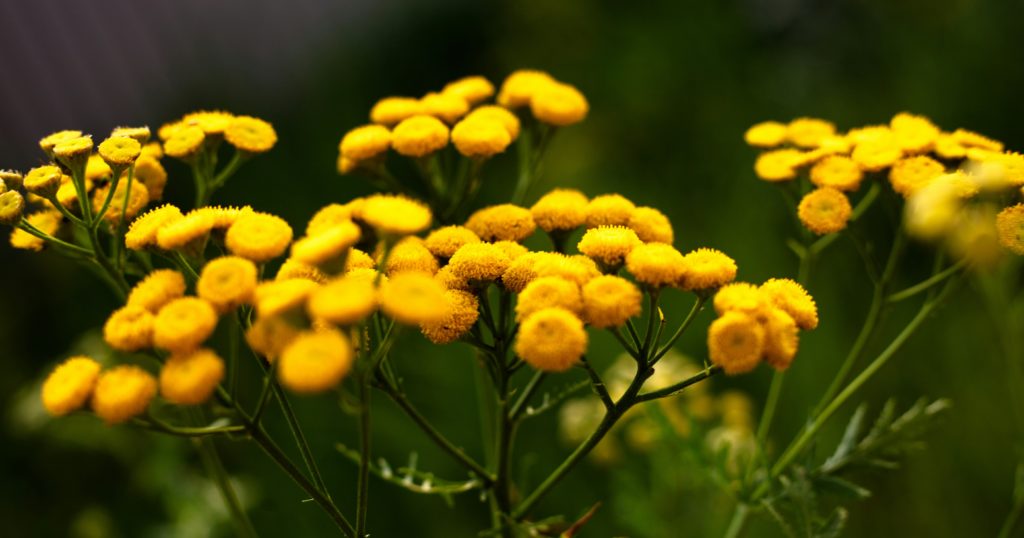
Originally from Europe and Asia, tansy’s bitter essential oils repel ants, Japanese beetles, and cabbage moths. By August, its button-like yellow blooms form tight clusters that release a pungent aroma pests dislike. Be aware—tansy can be invasive in moist soils, so container culture or vigilant deadheading keeps it contained.
Beneficial insects such as predatory mites and ladybird beetles are drawn to tansy’s blooms, finding both nectar and aphid prey among the stems. I’ve even spotted predatory spiders weaving webs at the edges, capitalizing on the insect traffic!
Sweet Alyssum (Lobularia maritima)
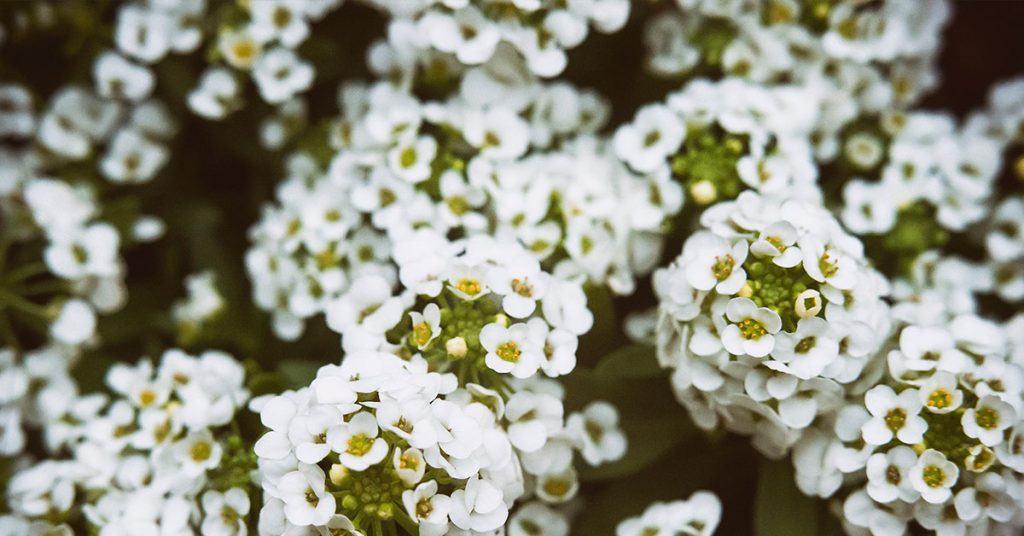
Native to the Mediterranean, sweet alyssum emits mustard-like volatiles that repel aphids and beetles. Plant it en masse in late August to create low-growing mats that pests avoid when crawling toward your veggies. It self-seeds lightly but seldom overtakes beds in cooler climates.
Meanwhile, its tiny white clusters attract hoverflies—whose larvae feast on greenfly—and solitary bees that nest in bare soil patches nearby. The delicate honey scent also draws beneficial predatory wasps to patrol your garden!
Salvia (Salvia officinalis & Salvia nemorosa)
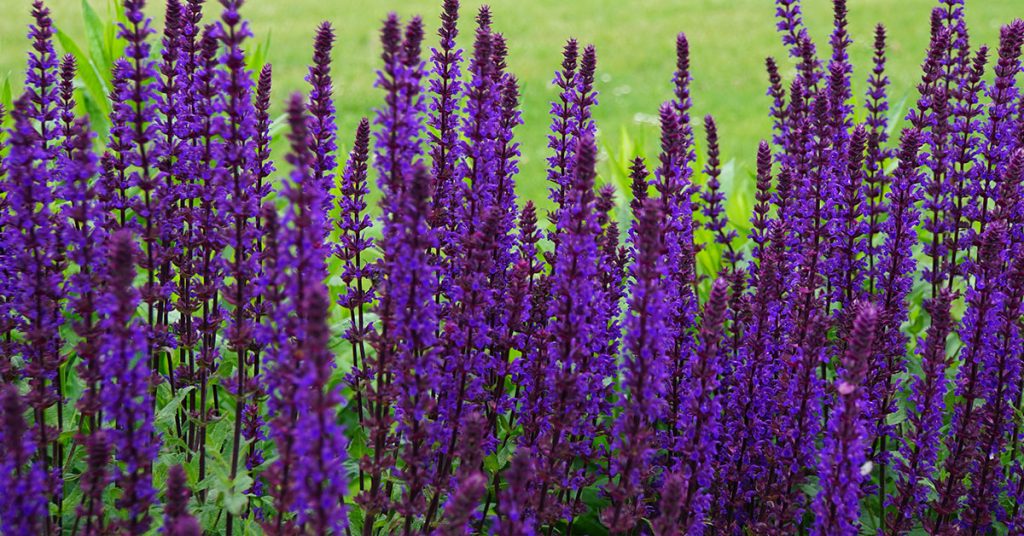
Sages, native to the Mediterranean and Eurasia, emit strong aromatic oils—thujone and camphor—that fend off cabbage worms, squash vine borers, and whiteflies. In late August, both culinary sage and ornamental salvias bloom in purples and blues, forming protective hedgerows around vegetable plots. They’re noninvasive in most gardens.
Their tubular flowers are a beacon for hummingbirds and bumblebees, and you might observe mason bees nesting in cracks between paving stones adjoining salvia beds. The influx of these pollinators helps keep your garden balanced and pest levels low!