
As someone who has journeyed from wilted leaves to a thriving green sanctuary, I understand how daunting it can be when your very first indoor plant doesn’t behave as expected. It’s such a bummer when pests take over or when a plant seems too needy in a space that feels less than ideal. In this article, I’m excited to introduce you to 12 fantastic indoor plants that are perfect for beginners—each with unique traits, fascinating native origins, and a few tips on whether they’re known to be invasive. I promise that with a little care, these plants will not only brighten up your home but also attract beneficial insects and even offer tiny microhabitats for nature’s helpers!
Throughout my years of trial and error (and a few hilarious mishaps along the way), I’ve learned that the secret to a successful indoor garden is selecting plants that match your lifestyle and environment. Whether you’re battling low light, overenthusiastic watering habits, or simply feeling overwhelmed by your new responsibilities, these 12 indoor plants are forgiving, attractive, and wonderfully low-maintenance.
Spider Plant (Chlorophytum comosum)
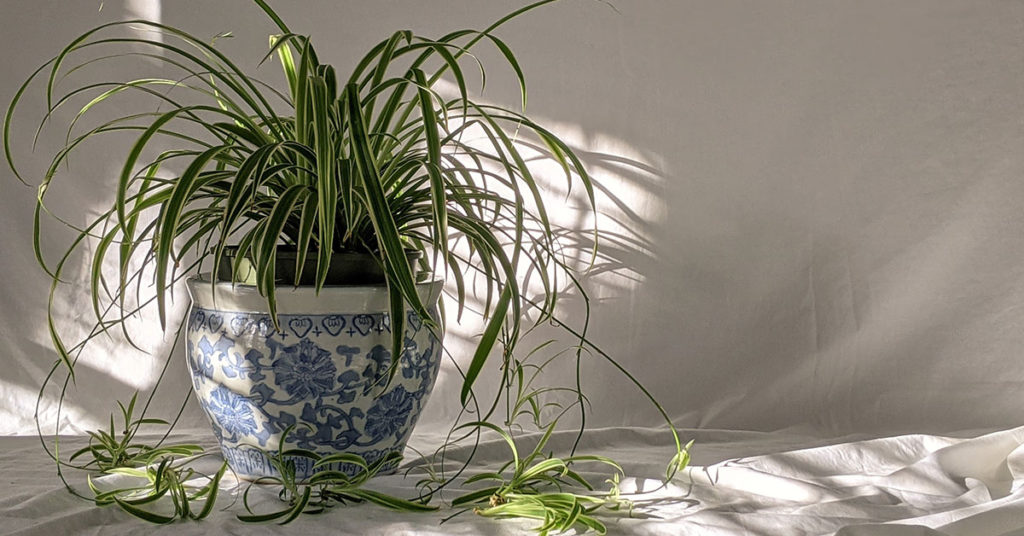
Spider Plant is a wonderful beginner’s choice, renowned for its arching, striped leaves and air-purifying qualities. Native to South Africa, this resilient plant thrives in bright, indirect light and is remarkably tolerant of occasional neglect—a perfect match for first-time plant parents! I’ve noticed that its cascading plantlets sometimes dangle like little spiders on long stems, which not only add charm but also attract beneficial insects that help maintain a balanced indoor environment.
Its non-invasive nature means you can easily propagate Spider Plants by simply snipping off a baby plant and placing it in water or soil. I always enjoy watching these offshoots develop, as they remind me that even small green miracles can multiply when cared for properly. For anyone looking to ease into indoor gardening with minimal fuss, Spider Plant offers a playful yet hardy option that brightens up any room!
Cast Iron Plant (Aspidistra elatior)
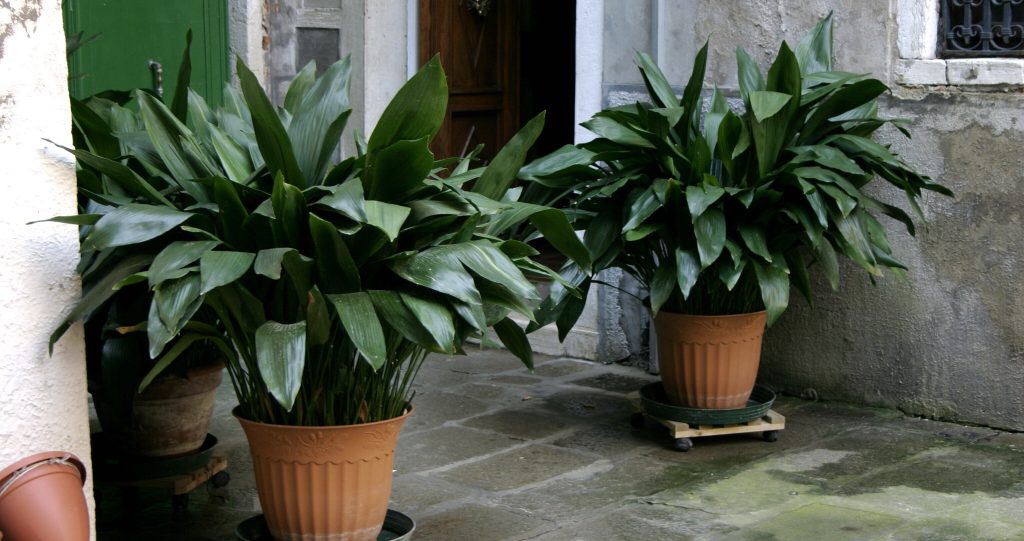
The Cast Iron Plant is aptly named for its almost indestructible nature, making it a superb choice for those just starting out with indoor gardening. Native to the eastern regions of Asia, this plant thrives in low-light conditions and tolerates irregular watering—a blessing for beginners who sometimes forget to water on schedule! I appreciate how its broad, dark green leaves create a lush, elegant backdrop that can attract small beneficial insects, subtly contributing to your indoor ecosystem.
Despite its robust appearance, the Cast Iron Plant grows slowly and non-invasively, ensuring it won’t overrun your space. Its forgiving nature means that even if your indoor environment isn’t perfect, this plant will continue to provide beauty and structure. For new plant parents who might be a bit clumsy with care, the Cast Iron Plant is a reliable and stylish addition that never fails to impress.
ZZ Plant (Zamioculcas zamiifolia)
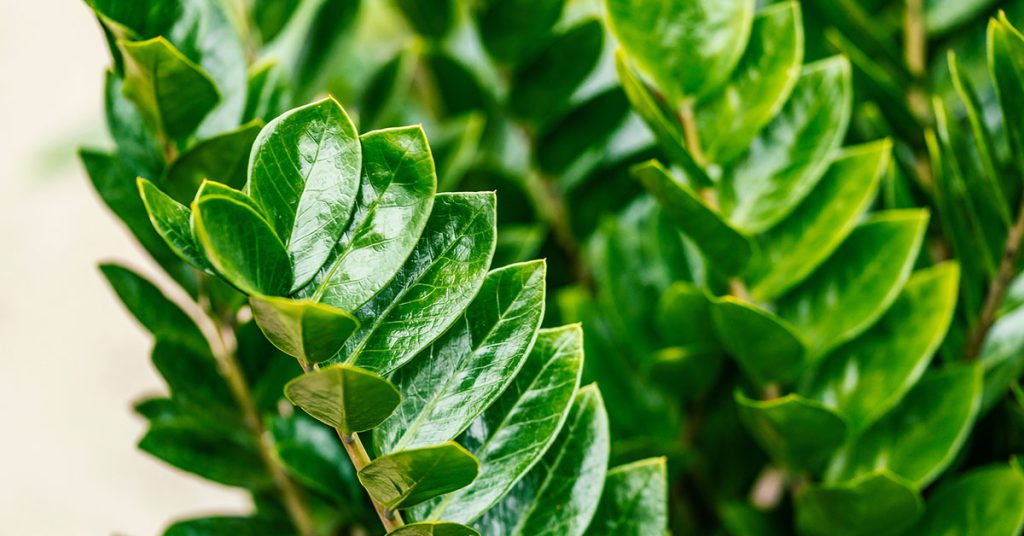
ZZ Plant is a modern marvel among indoor greens, celebrated for its glossy, hearty leaves and remarkable tolerance of low light and infrequent watering. Native to Eastern Africa, this plant exudes a subtle, almost mystical charm that makes it a perfect fit for urban dwellers venturing into indoor gardening! I’m always impressed by how the ZZ Plant’s waxy foliage seems to capture every ray of available light, creating a natural haven for tiny beneficial insects that sometimes explore its sturdy structure.
Its slow, non-invasive growth habit ensures that it remains a manageable and low-maintenance companion even in small apartments. The ZZ Plant’s forgiving nature is a huge bonus for first-time plant parents who might be adjusting to new care routines. For those who want a resilient, stylish plant that exudes quiet elegance, the ZZ Plant is a top pick that proves beauty can indeed be effortless!
Philodendron (Heartleaf)
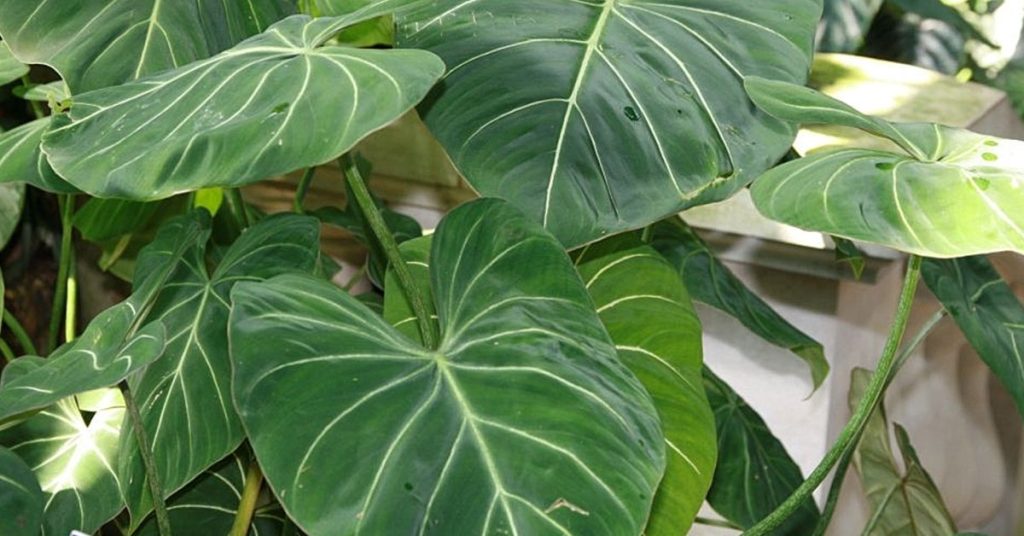
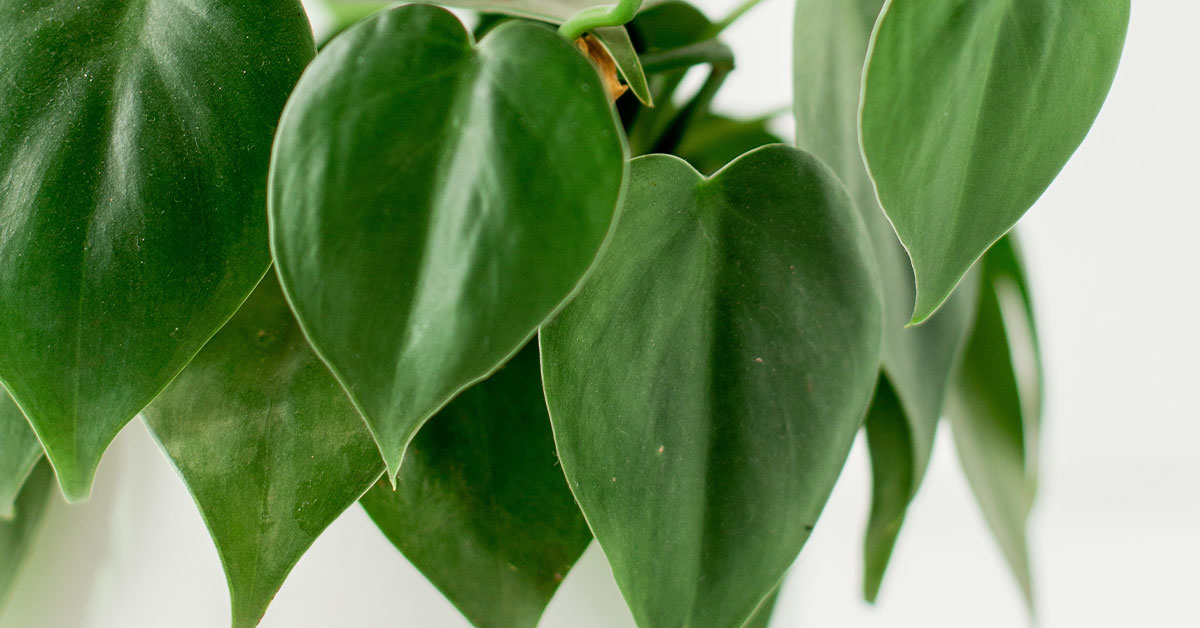
The Heartleaf Philodendron is a classic indoor plant that brings a sense of tropical lushness with its trailing, heart-shaped leaves. Native to the tropical rainforests of the Americas, it thrives in low to bright indirect light and adapts well to varying indoor conditions. I find it fascinating how its vines not only add natural beauty to your space but also attract beneficial insects—some of which even use the airy gaps in the foliage as a temporary nesting site during quiet moments!
Its fast yet non-invasive growth makes the Heartleaf Philodendron perfect for adding a cascade of green to shelves or hanging baskets. I’ve learned that a little occasional pruning goes a long way in keeping its growth in check while encouraging a fuller, bushier habit. For anyone starting their indoor gardening journey, this philodendron is a forgiving, attractive option that transforms any room into a mini tropical paradise!
Pothos (Epipremnum aureum)
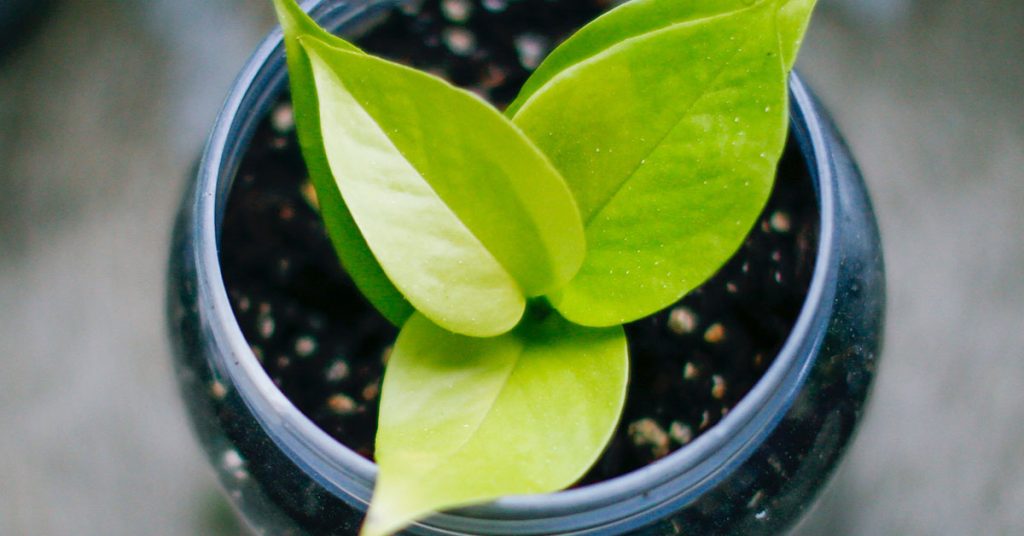
Pothos, often known as Devil’s Ivy, is a popular and nearly indestructible indoor plant that is ideal for first-time plant parents. Native to the Solomon Islands in the South Pacific, Pothos thrives in a variety of light conditions, from low to bright indirect light, and is famed for its trailing, variegated leaves. I always marvel at how effortlessly it adapts to different environments and even attracts tiny pollinators that sometimes perch on its long, cascading vines—a delightful bonus for creating a balanced indoor habitat!
Its non-invasive nature makes Pothos a low-maintenance superstar that can be trained along shelves, walls, or hanging baskets without worry. Whether you’re new to plant care or a seasoned enthusiast looking for a resilient green friend, Pothos provides an easy entry into the world of indoor gardening. With its elegant trailing habit and minimal care requirements, it’s a plant that rewards you with lush growth and a natural boost to your room’s atmosphere!
Snake Plant (Sansevieria trifasciata)
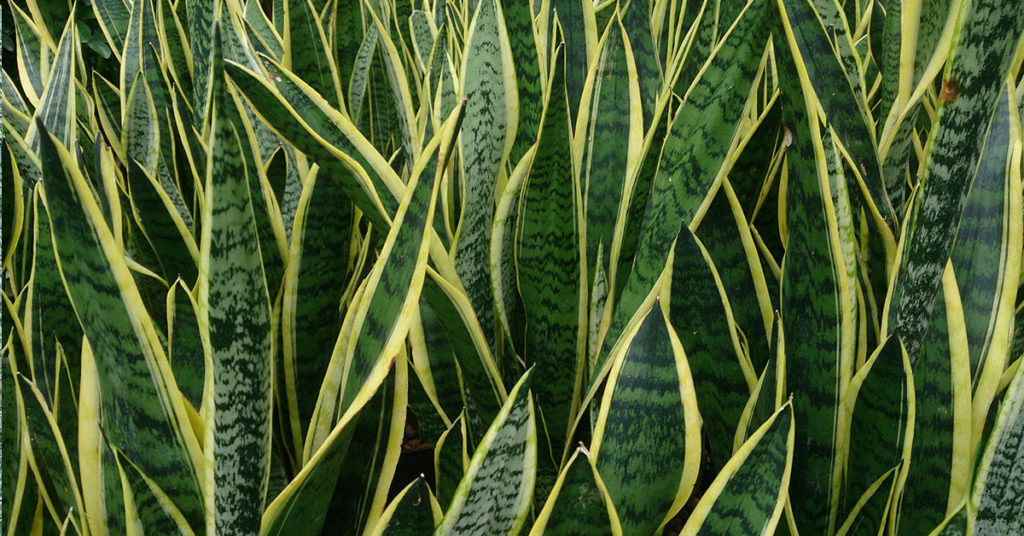
Snake Plant is a timeless indoor classic known for its upright, sword-like leaves and striking architectural form. Native to West Africa, it thrives in a variety of light conditions—even low light—and requires very little water, making it one of the most forgiving plants for beginners! I find its robust nature truly inspiring, as its rigid leaves not only create a modern, clean look but also naturally repel pests while occasionally attracting beneficial insects that appreciate its textured surfaces.
Its non-invasive growth habit and minimal maintenance make Snake Plant a reliable choice for anyone new to indoor gardening. Regular watering is rarely necessary, which means even the busiest plant parent can keep it thriving. With its elegant form and unmatched resilience, the Snake Plant offers both style and practicality—a perfect companion for those just starting out on their green journey!
Peace Lily (Spathiphyllum)
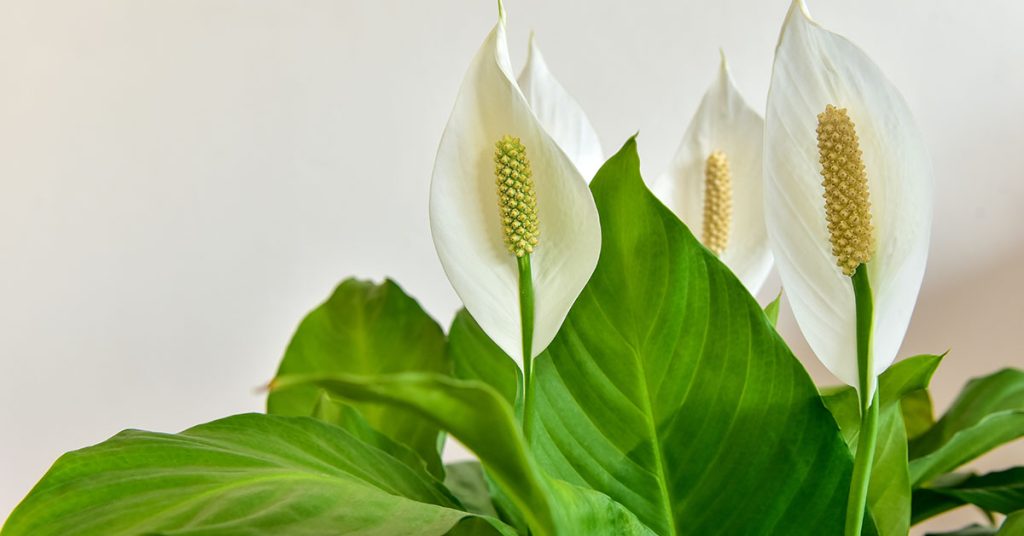
Peace Lily is a graceful indoor plant celebrated for its elegant white blooms and glossy, dark green foliage. Native to tropical regions of the Americas and Southeast Asia, this plant thrives in low to moderate light and moist, well-drained soils, making it ideal for indoor spaces where light may be limited. I’m always captivated by how its serene blossoms attract beneficial insects like bees and hoverflies, some of which even use its dense foliage as a safe haven during cooler moments!
Its non-invasive nature and air-purifying qualities make Peace Lily a beloved choice for first-time plant parents seeking both beauty and function. The plant’s soothing presence helps create a calm, inviting atmosphere that makes every indoor corner feel like a peaceful retreat. With minimal care requirements and a natural ability to cleanse the air, Peace Lily is a wonderful addition to any home aiming for a harmonious, healthy environment!
Dracaena Marginata (Dragon Tree)
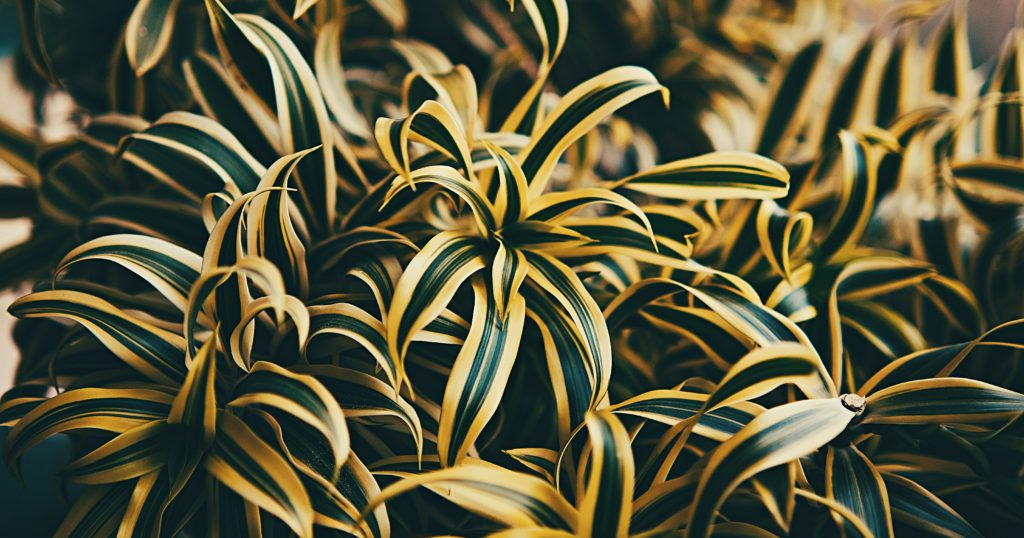
Dracaena Marginata, commonly known as the Dragon Tree, is a striking indoor plant that brings a touch of exotic flair with its slender, arching leaves edged in red. Native to Madagascar, it thrives in bright, indirect light and well-drained soil, echoing the arid, sun-dappled conditions of its natural habitat. I love how its distinctive form not only creates a modern focal point in any room but also attracts small beneficial insects that may find temporary shelter in its airy fronds—adding a unique layer to your indoor ecosystem!
Its low-maintenance and non-invasive nature makes the Dragon Tree an excellent choice for busy first-time plant parents. With only occasional watering and minimal pruning, it remains robust and visually appealing. For those looking to introduce a dash of tropical drama into their living space, Dracaena Marginata offers both bold style and the reassurance of effortless care—a perfect pairing for any indoor oasis!
Rubber Plant (Ficus elastic)
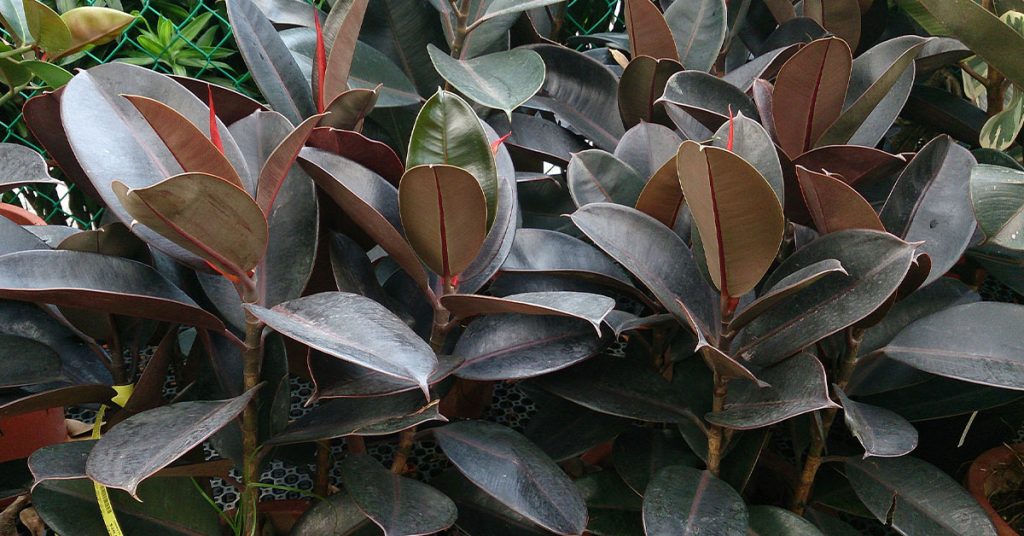
The Rubber Plant is a charismatic indoor evergreen celebrated for its large, glossy leaves and robust presence. Native to India and Southeast Asia, it thrives in bright, indirect light and well-drained soils, making it a natural fit for modern interiors. I’m always struck by how its deep green foliage seems to capture and reflect light, creating an almost sculptural quality that attracts tiny beneficial insects which sometimes explore its smooth surfaces as a mini refuge!
Despite its impressive growth, the Rubber Plant is non-invasive when grown indoors and requires only moderate care, making it ideal for new plant parents. Its air-purifying abilities and stately appearance add both functionality and elegance to any room. For anyone looking to make a bold, yet manageable, statement in their indoor garden, the Rubber Plant is a fantastic, eye-catching option that stands the test of time!
Aloe Vera
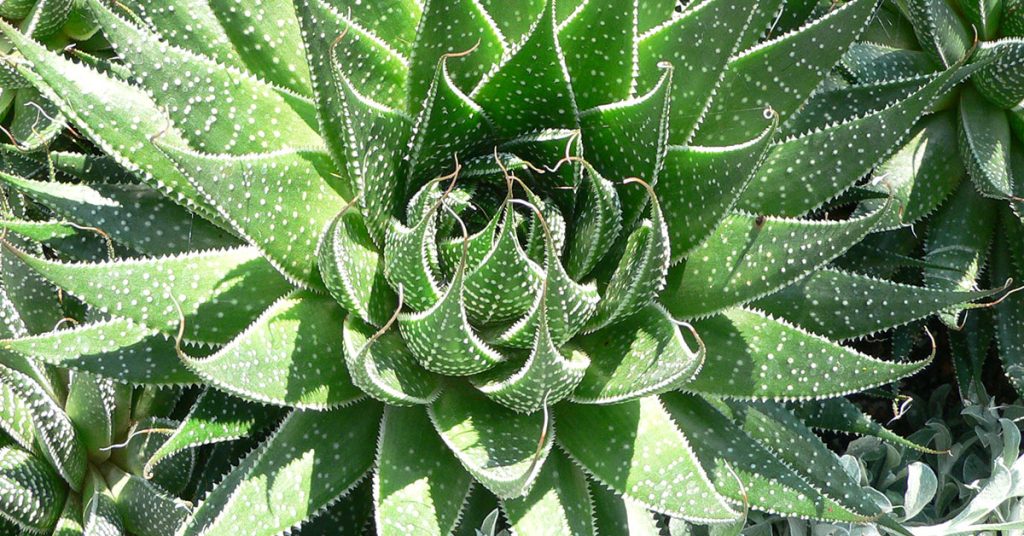
Aloe Vera is a versatile succulent well-loved for its soothing gel and striking, fleshy leaves. Native to the Arabian Peninsula and now grown worldwide, Aloe thrives in bright, indirect light and well-drained soil—conditions that mimic its arid, desert origins. I appreciate how its thick, spiky leaves not only store precious water but also naturally deter pests while occasionally attracting beneficial insects that come to investigate its unique texture. Its medicinal properties add an extra layer of utility that first-time plant parents can truly appreciate!
This resilient plant is non-invasive and low-maintenance, making it an ideal choice for those who are new to indoor gardening. Aloe Vera’s forgiving nature means it can handle a bit of neglect, while still offering a burst of green beauty and health benefits. Whether used for its soothing gel or simply admired for its architectural form, Aloe Vera brings a touch of the desert’s magic right into your home!
Calathea

Calathea is a mesmerizing indoor plant known for its intricately patterned, often vibrant foliage that adds a splash of artistry to any room. Native to tropical regions of the Americas, Calathea thrives in low to moderate light and high humidity, mimicking its forest understory origins. I’m always fascinated by how its leaves seem to dance and shift in the light, occasionally attracting small beneficial insects that find the textured surfaces a perfect spot for a brief pause or even a tiny nesting site!
Its non-invasive growth and dramatic visual appeal make Calathea an excellent choice for first-time plant parents seeking to create an indoor tropical retreat. While it does require a bit more attention to humidity and water levels, the payoff is a living piece of art that transforms your space into a serene, exotic haven. For anyone eager to add a touch of dynamic, natural beauty to their home, Calathea is a standout option that effortlessly combines style with a slice of the tropics!
Jade Plant (Crassula ovata)
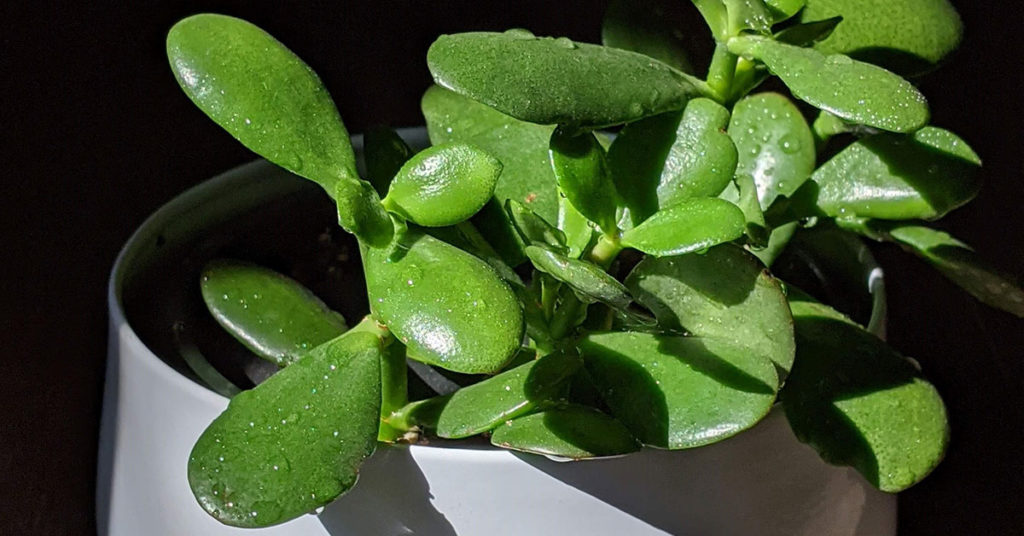
Jade Plant is a beloved succulent known for its thick, glossy leaves and charming, tree-like structure—a favorite among indoor gardeners. Native to South Africa, it thrives in bright light and well-drained soil, conditions that echo its arid origins. I’ve always admired how its robust, fleshy leaves attract beneficial insects like small pollinators that sometimes explore its surfaces for a bit of moisture, creating a mini ecosystem that’s as functional as it is beautiful!
Its low-maintenance and non-invasive nature makes the Jade Plant perfect for new plant parents who are just starting their indoor gardening journey. With minimal watering and a slow, steady growth habit, it offers a sense of calm and reliability, even for those still learning the ropes. Whether used as a centerpiece on a sunny windowsill or as a subtle accent among other greens, the Jade Plant brings both aesthetic appeal and practical ease to any indoor setting!