
I’m so excited you’re ready to cultivate your own lineup of wellness‑boosting herbs and botanicals right in your home garden or on your windowsill! It’s such a relief to know you can snip fresh leaves or flowers for teas, tinctures, and culinary infusions without rushing to the store when sniffles strike. I know how unsettling it is to feel under the weather and realize your medicine cabinet is bare—growing these twelve plants means you’ll always have nature’s remedies at hand.
These species originate from diverse habitats—from the sun‑baked slopes of the Mediterranean to the misty prairies of North America—and none pose an invasive threat when kept in containers or well‑managed beds. Each also supports your garden ecosystem by attracting beneficial insects: think bumblebees nesting in hollow Echinacea stems, hoverflies patrolling chamomile blooms for aphids, and ladybugs seeking refuge in rosemary’s evergreen needles. Let’s dive into these immune‑boosting powerhouses and get your home apothecary growing!
Turmeric (Curcuma longa)
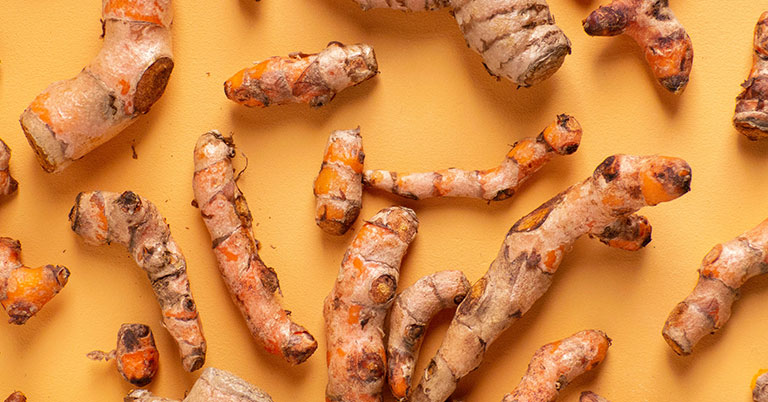
Turmeric is native to the tropical climates of Southeast Asia, thriving in warm, humid conditions where its bright orange rhizomes store health‑promoting curcumin. In container culture, it remains well‑behaved and noninvasive, providing a steady supply of fresh root for teas and golden lattes that combat inflammation and support immune function!
Although flowering indoors is rare, in its native range turmeric’s yellow bracts attract tiny bees and hoverflies that nest in ground cavities and leaf litter. I love growing it near my kitchen door, so I can grab freshly grated rhizome whenever a chill threatens—there’s nothing like that zing of warmth on a frosty morning!
Echinacea (Echinacea purpurea)
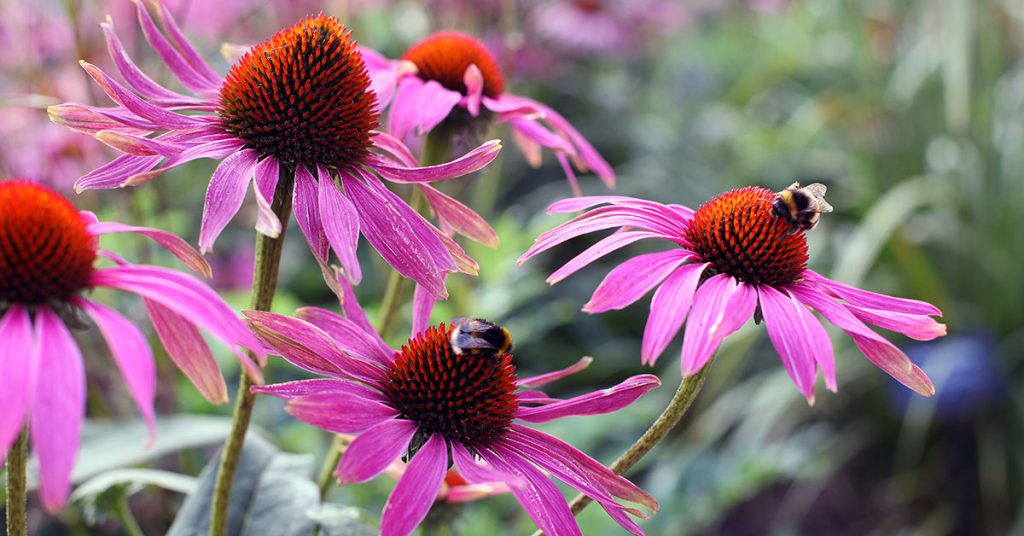
Echinacea hails from the tallgrass prairies of North America and has been used by Indigenous peoples for centuries to bolster immunity. Its sturdy purple‑cone flowers are magnets for bumblebees and solitary bees, many of which nest in bare soil patches at the edges of beds, enhancing pollination throughout your garden!
Harvesting Echinacea petals or roots for tinctures can help shorten the duration of colds and flu. Whenever I stroke those rough, papery petals, I’m reminded how deeply connected plant and insect health are—thriving blooms mean thriving pollinators, and a thriving garden means better remedies for all of us.
Elderberry (Sambucus nigra)
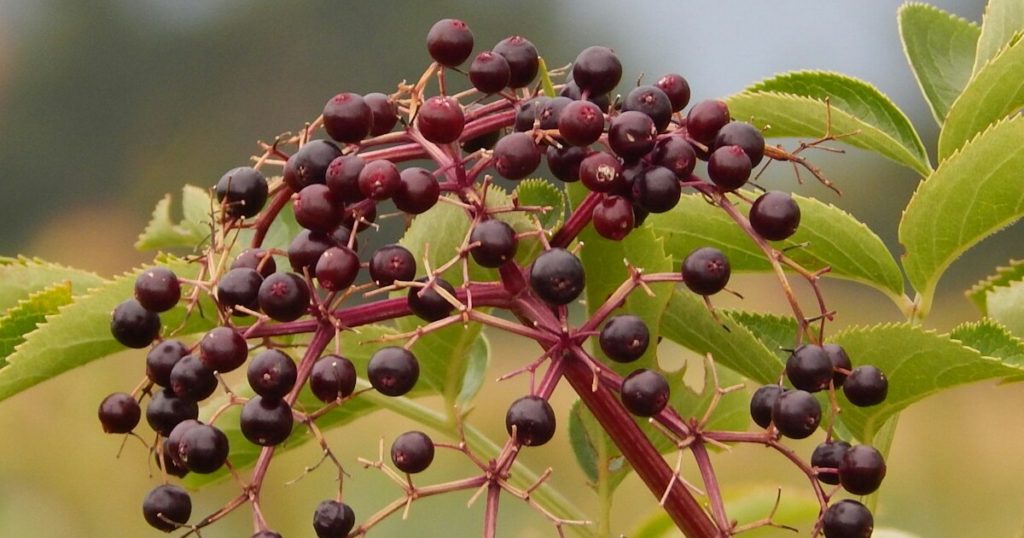
Originating in Europe, elderberry shrubs produce dark, antioxidant‑rich berries that are famed for reducing cold symptoms. They’re well‑behaved in cultivation and don’t escape into wild areas when pruned regularly. Their spring‑time clusters of white flowers are beloved by hoverflies and small solitary bees nesting in hollow elder stems!
I look forward to gathering elderflowers for cordial in spring, then bottling the juicy berries into syrups as autumn falls. There’s a real sense of empowerment in harvesting your own immune‑supportive ingredients, all while helping local pollinators thrive.
Garlic (Allium sativum)
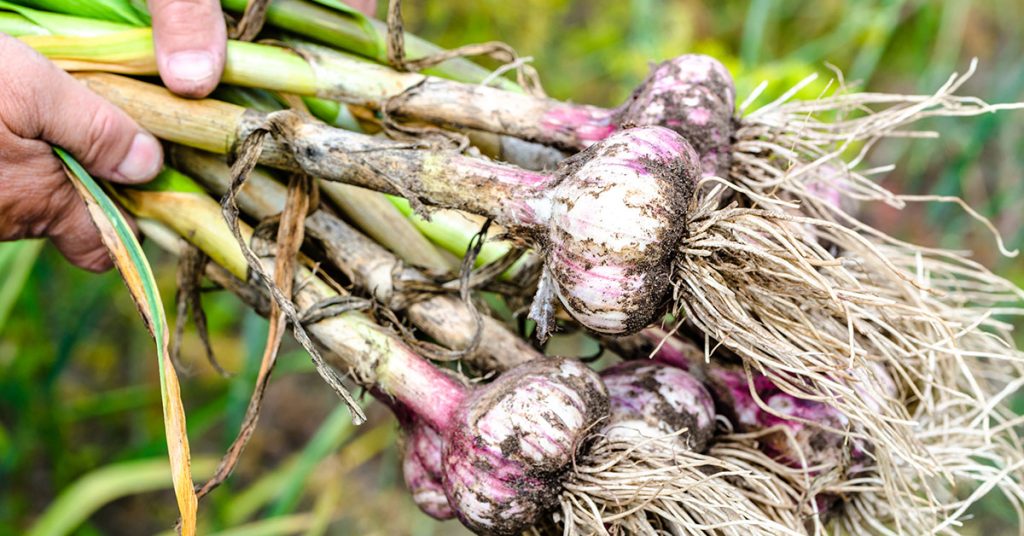
Central Asian in origin, garlic has been a staple medicinal plant for millennia. Its sulfur‑rich allicin demonstrates strong antibacterial and antiviral properties, making it a top choice for home remedies—plus, it’s not invasive when grown in pots or garden beds.
Garlic’s tiny umbels, if allowed to flower, attract parasitic wasps and hoverflies that help control pests. I adore planting garlic between my veggies: it not only wards off fungal diseases in the soil but also builds a mini‑ecosystem of beneficial insects.
Lemon Balm (Melissa officinalis)
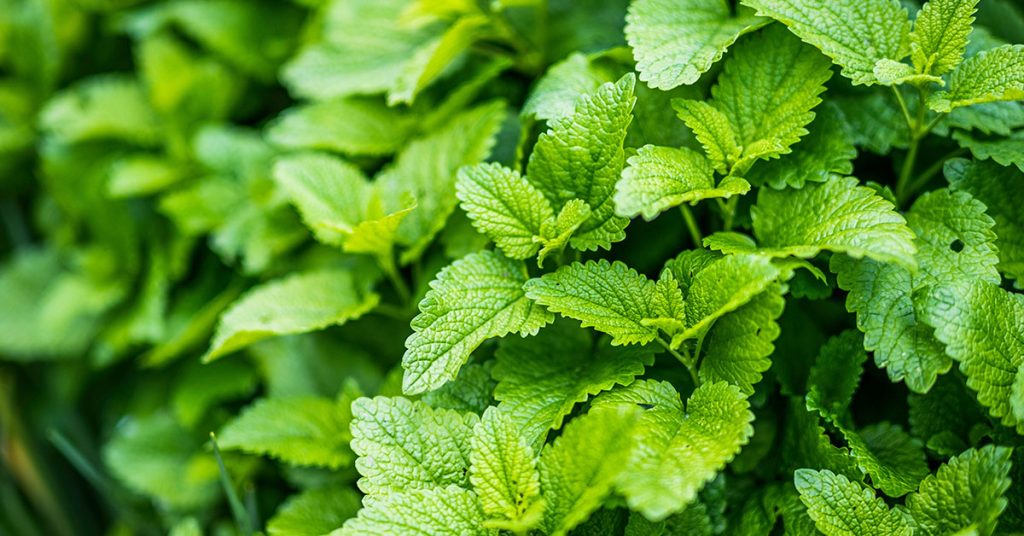
Native to southern Europe and western Asia, lemon balm thrives in containers or garden borders without overtaking its neighbors. Its lemon‑scented leaves are rich in rosmarinic acid, easing stress and supporting antiviral defenses—perfect for calming teas when you need to bolster your immunity!
In summer, its delicate white flowers draw honeybees and hoverflies that nest in nearby soil crevices, providing natural pest control. Pinching a few leaves for a warm cup always lifts my spirits and refreshes my senses—plus, it’s a delightful way to support wellness.
Ginger (Zingiber officinale)
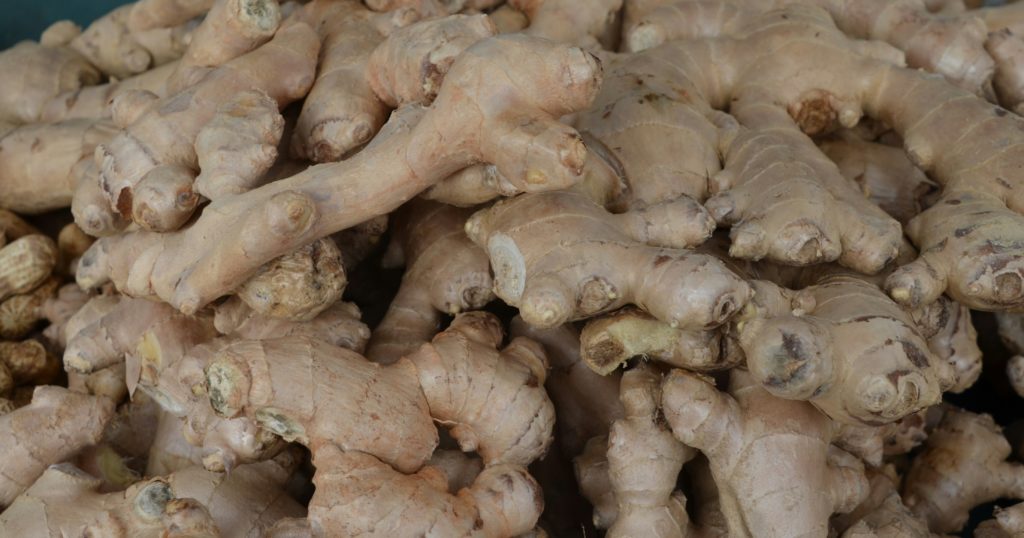
From tropical Asia’s forests, ginger grows happily in large containers indoors or in sheltered outdoor spots without escaping into the wild. Its rhizomes are packed with gingerol, which fights inflammation and aids digestion, making fresh ginger shots a go‑to remedy in my household!
While it rarely flowers at home, in its native environment ginger’s small blooms attract specialized pollinators. I mimic those conditions by planting in rich, well‑draining soil and maintaining humidity—then I harvest plump rhizomes for teas and stir‑fries well into winter.
Chamomile (Matricaria chamomilla)

Chamomile has its roots in Europe and Western Asia and remains a noninvasive delight in containers and garden beds. Its daisy‑like flowers contain apigenin and other calming compounds, perfect for soothing teas that also bolster immune health!
Those blooms lure hoverflies and tiny solitary bees, which nest in soil near the plant base. I love edging my herb garden with chamomile—its gentle flowers not only calm my mind but also feed beneficial insects late into the season.
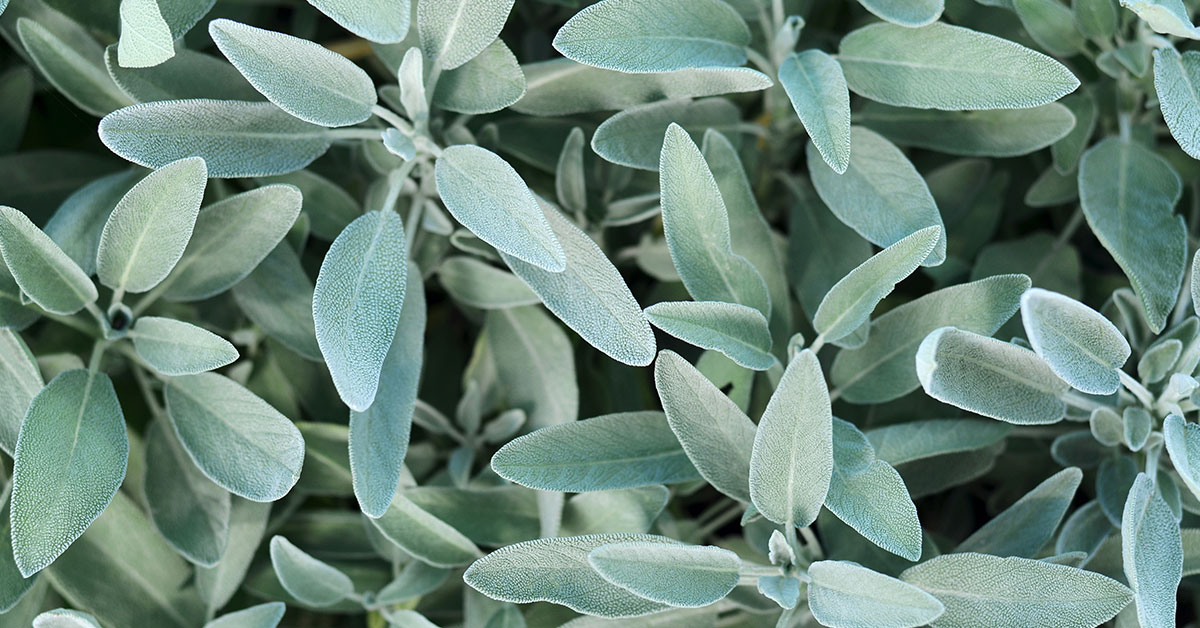
Sage (Salvia officinalis)
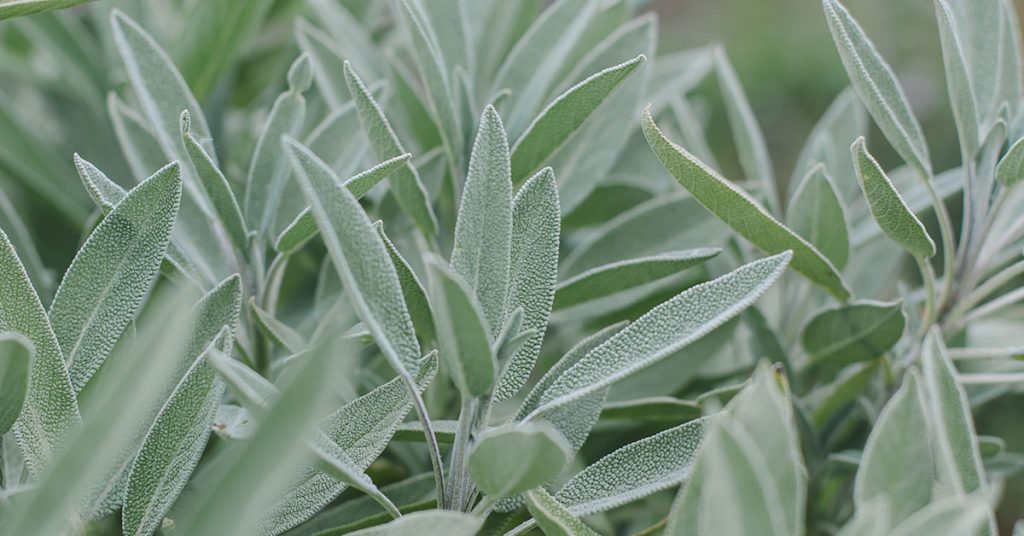
Native to the Mediterranean, sage flourishes in sunny pots or beds and holds its ground without spreading aggressively. Its essential oils, especially rosmarinic acid, contribute to respiratory health and general immune resilience—ideal for infusions and cooking!
Sage’s tubular flowers attract bumblebees and honeybees, which often nest in nearby ground cavities. Snipping fresh sprigs for stews or teas fills my kitchen with that woody, herbal aroma, reminding me how homegrown plants can soothe both body and soul.
Holy Basil (Ocimum tenuiflorum)
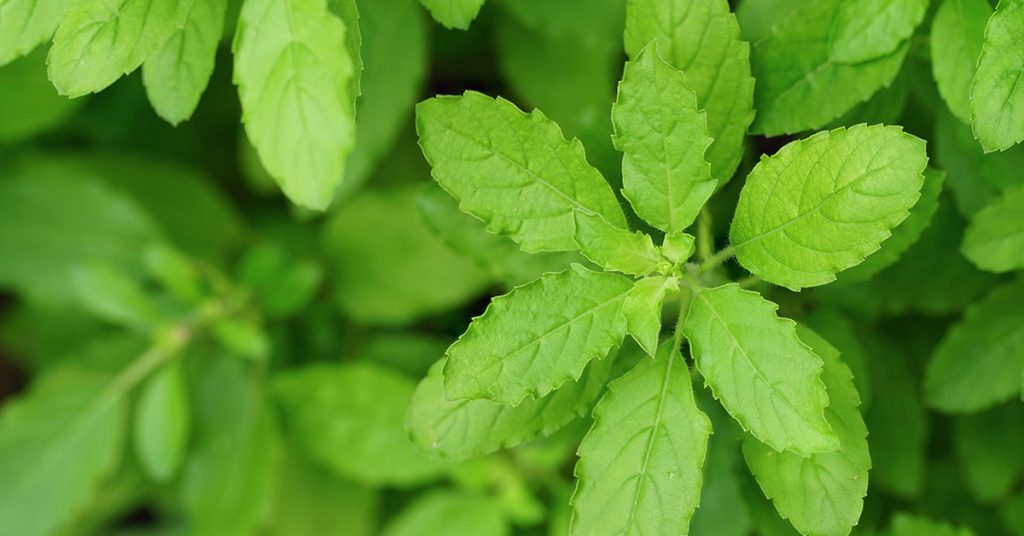
Also known as Tulsi, holy basil is native to the Indian subcontinent and thrives in containers where it won’t naturalize. Its leaves contain eugenol and ursolic acid, compounds that regulate stress responses and strengthen immunity—a staple in Ayurvedic traditions!
Those delicate purple flowers beckon small bees and hoverflies nesting among surrounding pots. Growing Tulsi on my balcony means I can pluck leaves for tea that calms my mind and energizes my body—truly a dual benefit for mind and immune system.
Rosemary (Salvia rosmarinus)
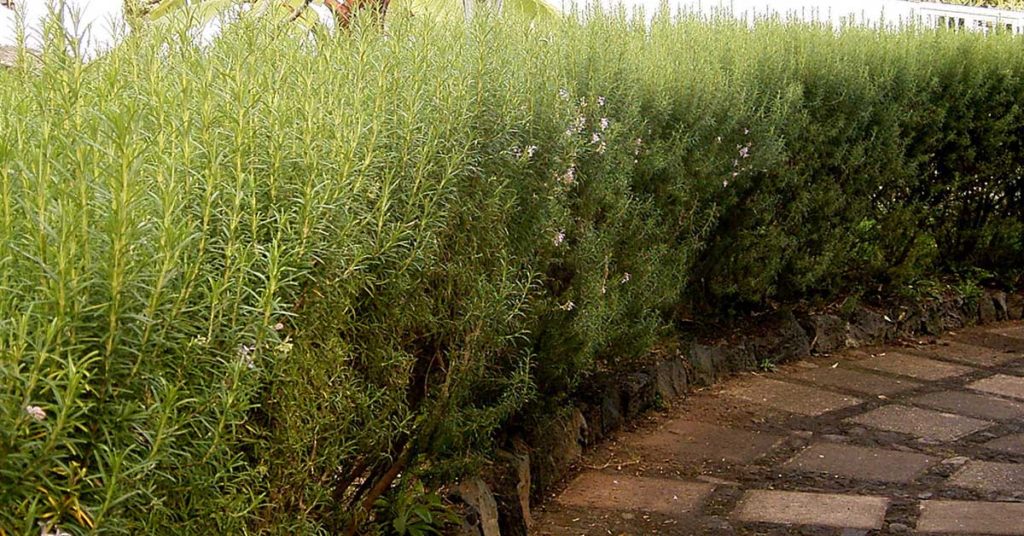
Rosemary hails from the Mediterranean’s rocky hillsides, where it thrives in well‑drained soil and tolerates light frost in containers. Its needle‑like leaves offer cineole and rosmarinic acid, compounds renowned for antibacterial and cognitive‑boosting effects!
In summer, its vibrant blue flowers attract mason bees and honeybees that nest in nearby crevices or soil pockets. I adore having rosemary on my windowsill—brushing against its fragrant foliage releases an invigorating aroma that primes me for robust health.
Elderflower (Sambucus nigra)
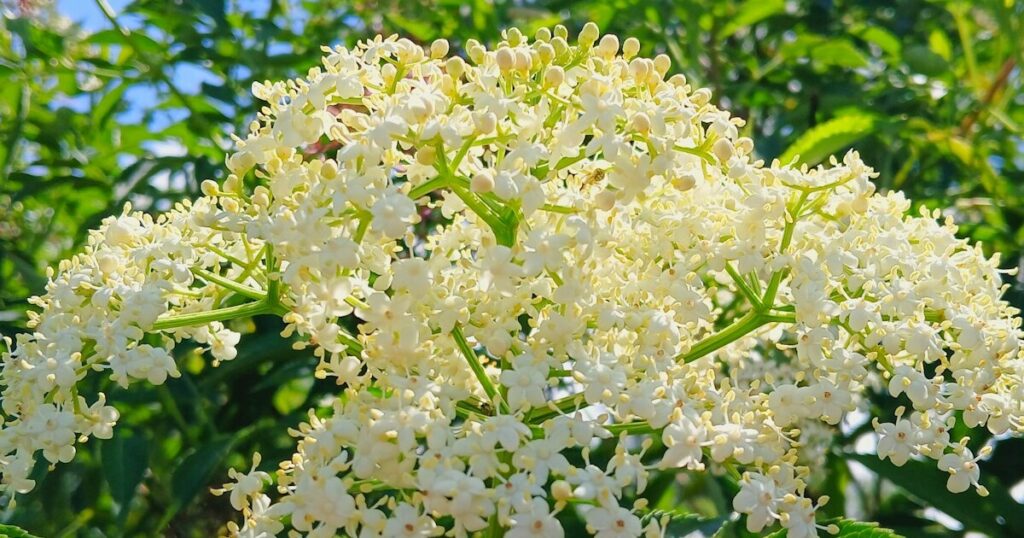
Related to elderberry but prized for its blooms, elderflower originates in Europe and spreads politely in managed beds or containers. The pale, lacy flowers are rich in quercetin and rutin, flavonoids that support vascular health and reduce inflammation—perfect for cordial and tea!
Collecting those blossoms is a ritual I cherish each spring: their sweet scent drifts through the garden, attracting hoverflies and tiny wasps that nest in hollow elder stems. It’s like bottling a bit of sunshine to brighten your immune defenses all year long!