

There’s nothing quite like the thrill of discovering a burst of blooms just as summer winds down—late August can feel like a reward for all your tender care! I know how disheartening it is when your greenery thrives but never flowers, leaving your indoor oasis a little too… green. That’s why I’m so excited to share a dozen houseplants that regularly surprise me with spectacular late-summer blossoms.
We’ll dive into each plant’s native origins, whether it tends to wander beyond its pot (spoiler: most stay perfectly contained!), and the unexpected wildlife interactions you might encourage when you give them a spot on a sunny balcony or bright windowsill. Let’s set your home aglow with color and scent as outdoor gardens start to quiet down!
Amaryllis (Hippeastrum × hybridum)
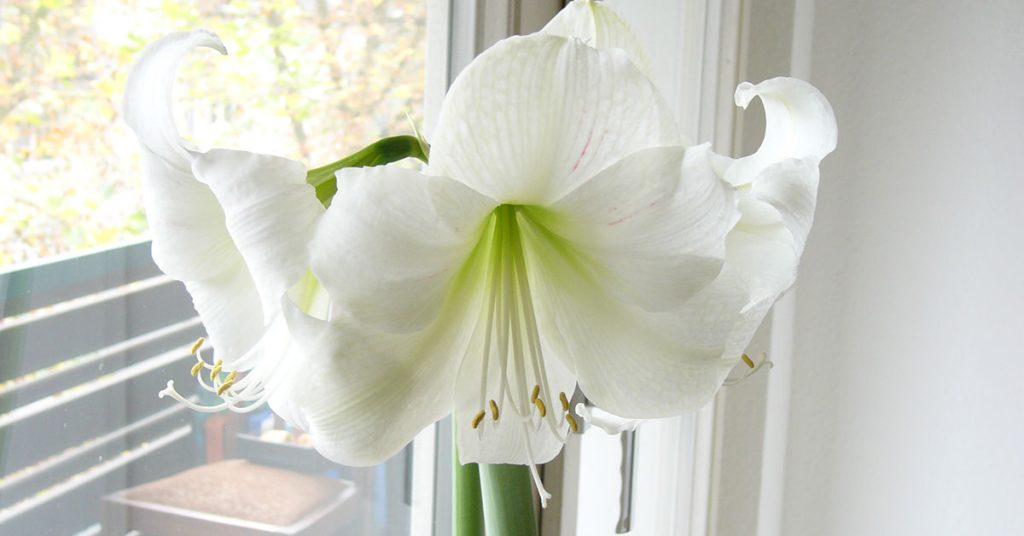
This South African bulb is famed for its dramatic, trumpet-shaped flowers in vibrant oranges and reds—blooming right around the time summer wanes. Amaryllis bulbs are extremely well-behaved in pots, rarely producing offsets unless you’re growing them in frost-free climates outdoors. Their tall stalks rise elegantly from strappy leaves, making a bold statement in any room!
Though primarily indoor stars, placing them outdoors on warm evenings can draw hummingbirds or large sphinx moths to sample their nectar. Indoors, you might notice tiny springtails in the potting mix—harmless detritivores that indicate healthy moisture levels. I love how amaryllis brings instant drama without demanding constant fuss!
Guzmania Bromeliad (Guzmania lingulata)

Hailing from tropical rainforests of Central and South America, guzmanias sport a central rosette topped by a long-lasting bract in fiery reds or oranges. They’re noninvasive epiphytes in pots, thriving on bright, filtered light and regular misting to mimic their jungle origins. The bracts can last two to three months—perfect for late-summer cheer!
Set your bromeliad on a shaded porch and you might spot tiny orchid bees investigating its central cup for moisture. Indoors, that cup holds water that attracts ladybugs and lacewings—nature’s pest patrol—nesting in nearby leaf litter. It’s like having a little ecosystem in your living room!
Kalanchoe (Kalanchoe blossfeldiana)

Madagascar’s gift to houseplant lovers, kalanchoes burst into clusters of small, long-lasting flowers that can bloom again and again. They relish bright light and well-drained soil, making them low-maintenance delights that stay neatly potted without escaping into your garden.
If you move a kalanchoe outside for an afternoon, hoverflies and solitary bees will flock to its nectar-rich tiny blooms. Indoors, keep an eye out for mealybugs—those occasional visitors are easily managed with a quick dip of the affected leaf in rubbing alcohol. Then watch your kalanchoe surprise you with another round of blooms!
Gardenia (Gardenia jasminoides)
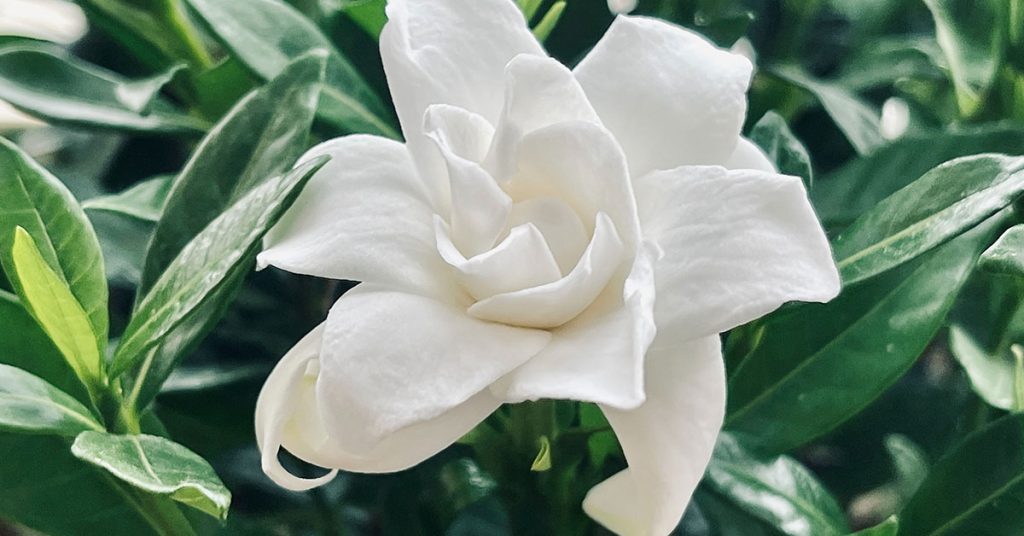
Gardenias, native to subtropical Asia, deliver creamy white blossoms with an intoxicating fragrance that fills a room. They crave high humidity and bright light—perfect for a sunny bathroom windowsill or a humidity tray. In pots, they remain tidy, though in warm climates they can sucker outdoors if planted directly in the ground.
When you set a gardenia on the patio at dusk, you might attract sphinx moths seeking its heady scent. Indoors, small ants sometimes patrol fallen petals—harmless little visitors that help clean debris. Just ensure consistent moisture and quick drainage to keep those blooms coming right through late August!
Tuberous Begonia (Begonia × tuberhybrida)

Tuberous begonias from South America dazzle with waxy, layered flowers in shades from coral to pumpkin. They flourish in bright, indirect light and rich, well-draining mixes in hanging baskets or pots. Since they’re tuberous perennials, they won’t wander beyond their containers.
When moved outdoors to a shaded deck, their blooms attract bumblebees and small butterflies seeking shelter. Indoors, I’ve spotted minute thrips lurking among buds—best controlled with a gentle morning shower. With just a bit of care, tuberous begonias keep their show on through summer’s end!
Phalaenopsis Orchid (Phalaenopsis spp.)
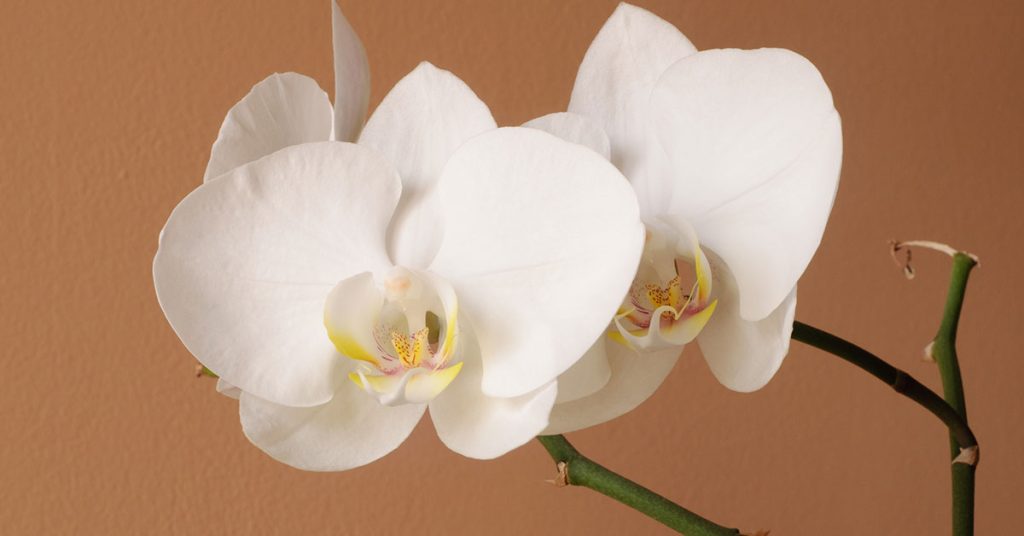
Moth orchids, epiphytes from Southeast Asia and New Guinea, perch on bark and bloom mid-to-late summer with elegant, long-lasting flowers. They prefer bright, indirect light and a chunky orchid bark mix, and they won’t escape their pots—no invasiveness here.
If you place them on a sheltered veranda, hummingbird moths may drift in to sip nectar. Indoors, occasional spider mite appearances remind me to maintain humidity and gently wipe leaves—then those flawless blooms can linger for weeks!
African Violet (Saintpaulia ionantha)
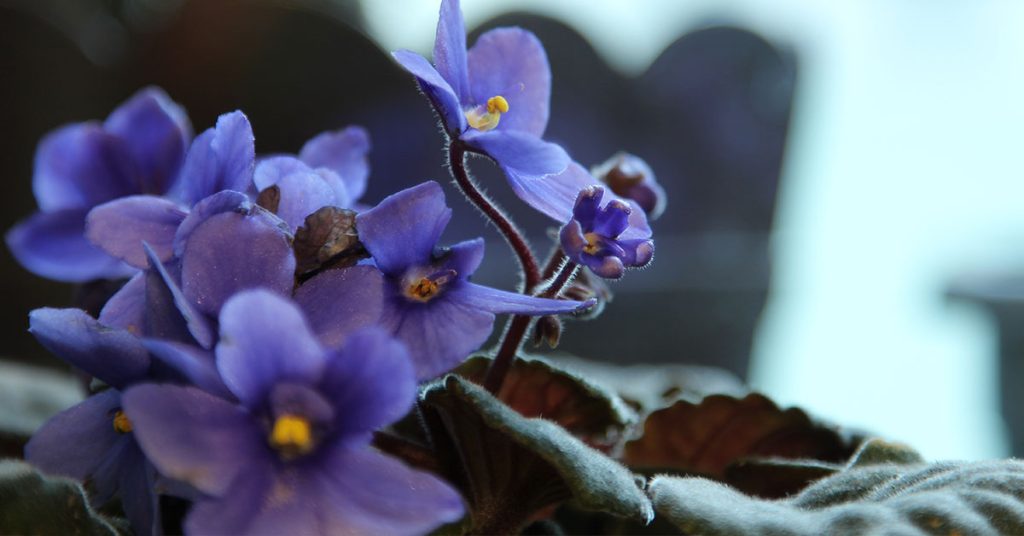
Cloud-forest natives of Tanzania and Kenya, African violets reward consistent moisture and bright, indirect light with sprays of purple, pink, or white flowers. They never become invasive in pots, making them perfect for windowsills. I love how a single rosette can produce flower stalks all month long!
They sometimes attract tiny hoverflies indoors, which help keep me vigilant for aphids. Outdoors on a shaded balcony, bees might even investigate—but indoors, those fuzzy leaves keep pests minimal. Plus, propagation from leaf cuttings means you can share the bloom-love with friends!
Pelargonium (Zonal Geranium, Pelargonium × hortorum)
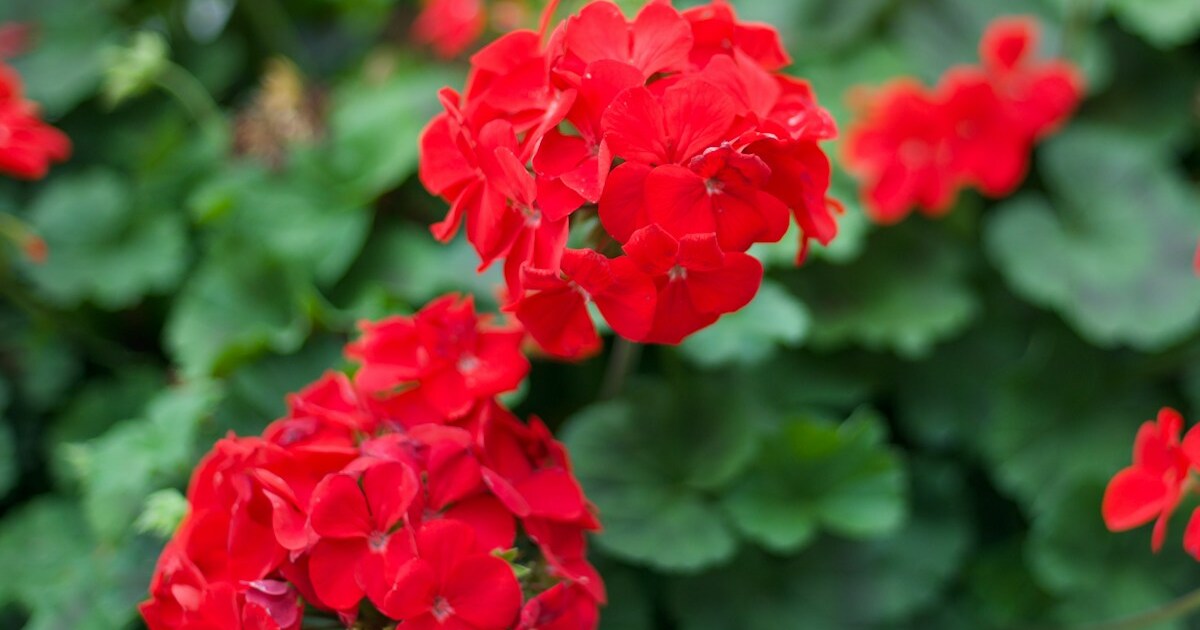
Native to South Africa’s Cape region, zonal geraniums bring clusters of fiery-orange and crimson flowers that endure until night frosts. They relish full sun and well-drained soil in pots, and root-bound containers keep them from spreading invasively.
Outdoors, butterflies and native bees frequently visit their nectar-rich umbels. Indoors, hoverflies patrol for pests, and I’ve often spotted ladybugs wandering among the foliage. Deadheading spent blooms encourages an even longer show into early fall!
Mandevilla (Dipladenia sanderi)
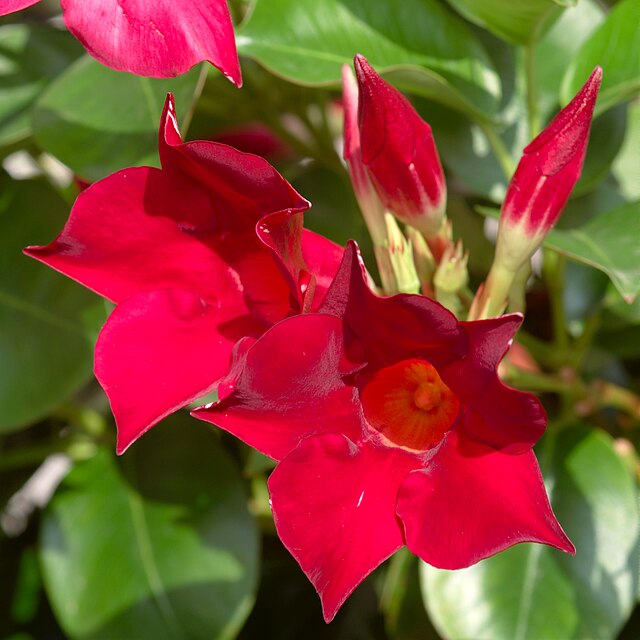
This Brazilian vine unfurls trumpet-shaped blooms in coral, red, or white that singe late-summer humidity with tropical flair. In pots or hanging baskets, mandevilla stays contained, though in frost-free regions it can self-seed at the landscape’s edge.
Placed on a sunny porch, hummingbirds flock to its tubular flowers, and bees sometimes buzz in for a sip. Indoors, be mindful to keep soil evenly moist—those blossoms really pop when their roots feel pampered!
Lipstick Plant (Aeschynanthus radicans)

From the rainforests of Southeast Asia, the lipstick plant earns its name when bright red blossoms push out of dark buds like, well, lipstick. It prefers bright, indirect light and a loose, epiphytic mix in hanging baskets—no invasive worries here!
Set it on a shaded deck and you might spot sunbirds or small hummingbirds sampling the nectar. Indoors, ants sometimes trail along stems—I let them live as curious companions or gently relocate them if they explore too far.
Hibiscus (Hibiscus rosa-sinensis)

East Asia’s tropical hibiscus sports large, floppy flowers in brilliant oranges and corals through late summer. They need bright light, warmth, and rich pots; container culture keeps them from overtaking your yard in frost-free zones.
Their big open blooms are magnets for bees and hummingbirds when outside. Indoors, a watchful eye for whitefly ensures your hibiscus stays lush and flowering into early fall!
Peace Lily (Spathiphyllum spp.)
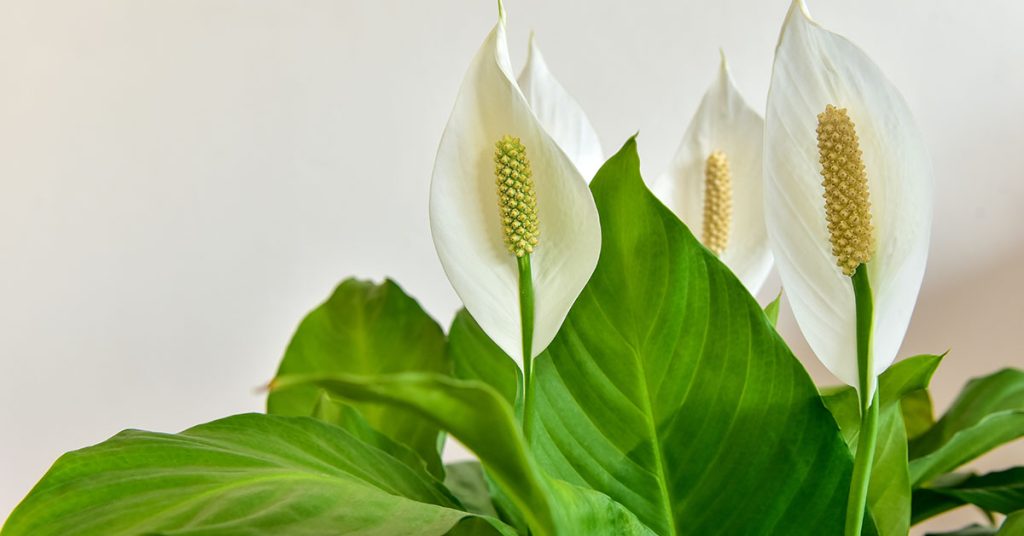
Native to the rainforests of the Americas, peace lilies unfurl pure white spathes even in lower light—perfect for shady corners. They thrive in moist, well-drained mix and never escape their pots.
You might spot springtails in damp soil—a sign of healthy moisture—and though they rarely bloom outdoors, these elegant spathes indoors bring serene floral beauty to late August.