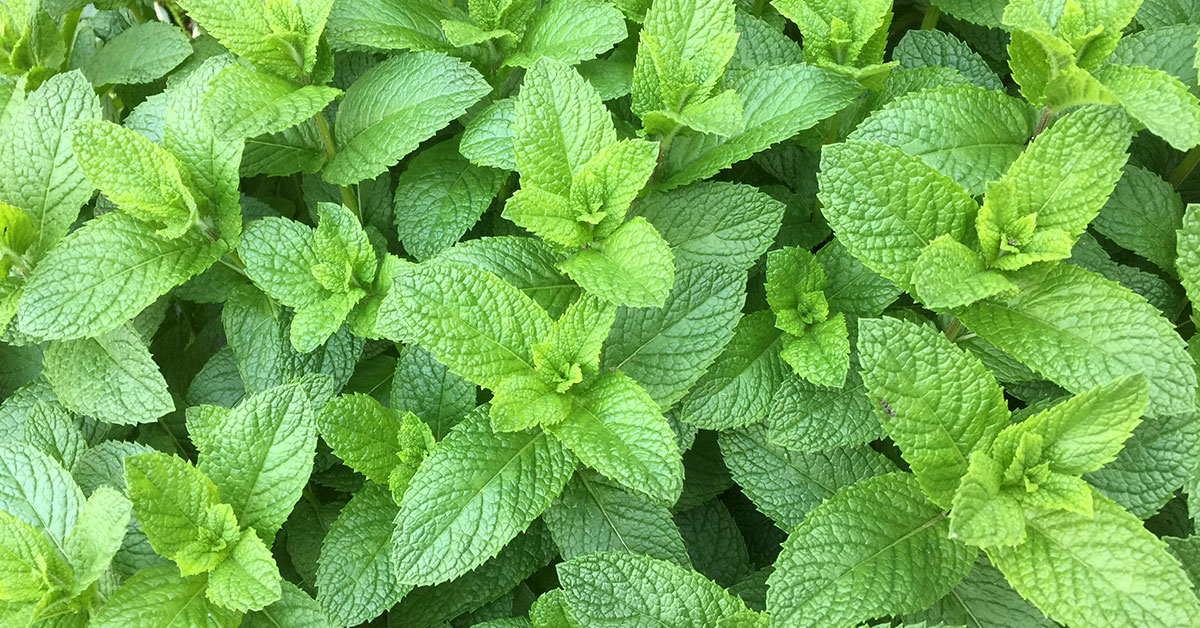

August might seem late to be planting, but for many herbs, it’s actually the perfect time to sow or transplant. Warm soil means quick germination, and the shortening days combined with cooler nights create ideal conditions for robust, flavorful growth. Planting now can give you a fresh supply of kitchen herbs to enjoy well into autumn, and in some cases, even through the first light frosts. With the right selections, you’ll not only fill your garden with fragrance but also give pollinators a boost late in the season.
I know the frustration of looking at bare spots in the garden this time of year—it can feel like wasted space when there’s still growing potential left! Herbs planted in August can be incredibly rewarding, offering harvests in as little as 3–6 weeks. Many also make excellent candidates for pots, so you can move them indoors when the weather turns truly cold. Plus, herbs tend to attract beneficial insects and deter some garden pests, giving your whole garden a little late-season advantage.
Cilantro
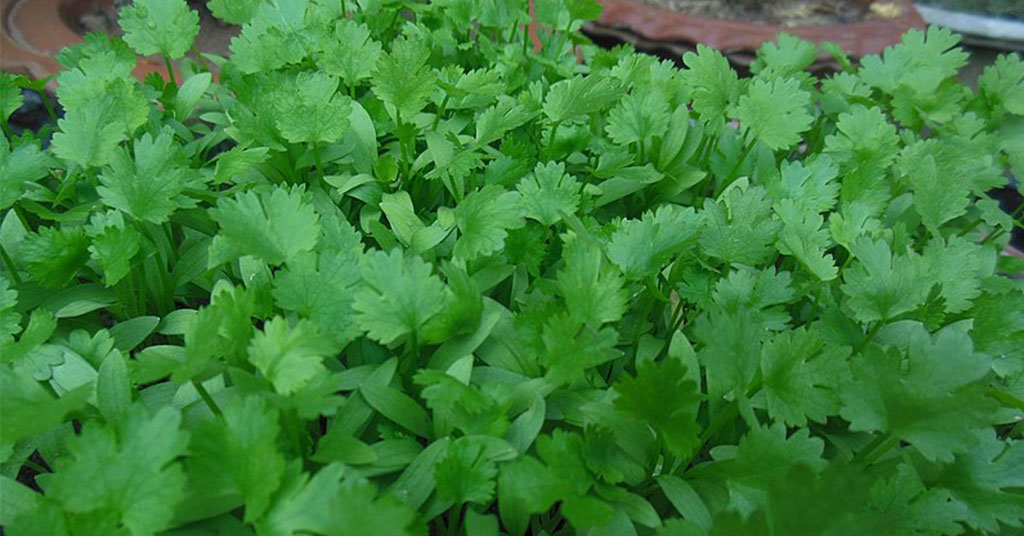
Cilantro, native to the Mediterranean and Middle East, loves the cooler weather of late summer and fall. When planted in August, it grows quickly in the warm soil and avoids bolting as temperatures drop. Leaves can be ready to harvest in just three to four weeks, and the flavor is often more intense in cooler conditions.
Cilantro isn’t invasive, but it will reseed easily if allowed to flower. The delicate white blossoms attract a variety of beneficial insects, including hoverflies and parasitic wasps. Planting it now ensures you get a steady supply for fresh salsas, curries, and salads before winter sets in.
Parsley
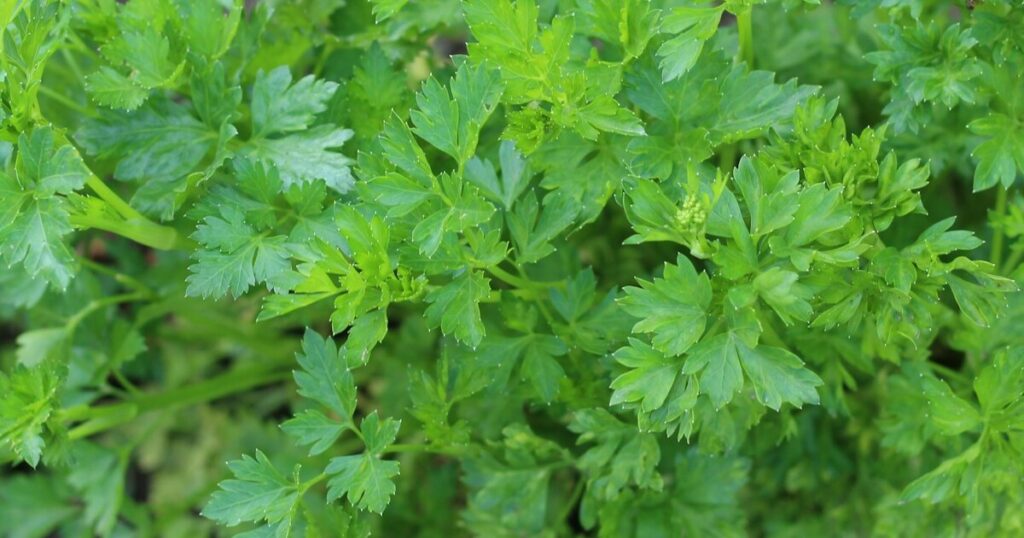
Parsley, originating from the Mediterranean, germinates quickly in warm soil but thrives in the cooler days of early fall. Flat-leaf and curly varieties alike can be harvested within 6–8 weeks of planting in August, giving you fresh sprigs for garnishes, soups, and sauces well into the season.
It’s not invasive, though parsley can overwinter in mild climates and return the next spring. Outdoors, its umbrella-shaped flowers—if allowed to form—are magnets for beneficial insects like swallowtail butterflies, which use parsley as a host plant for their caterpillars.
Dill
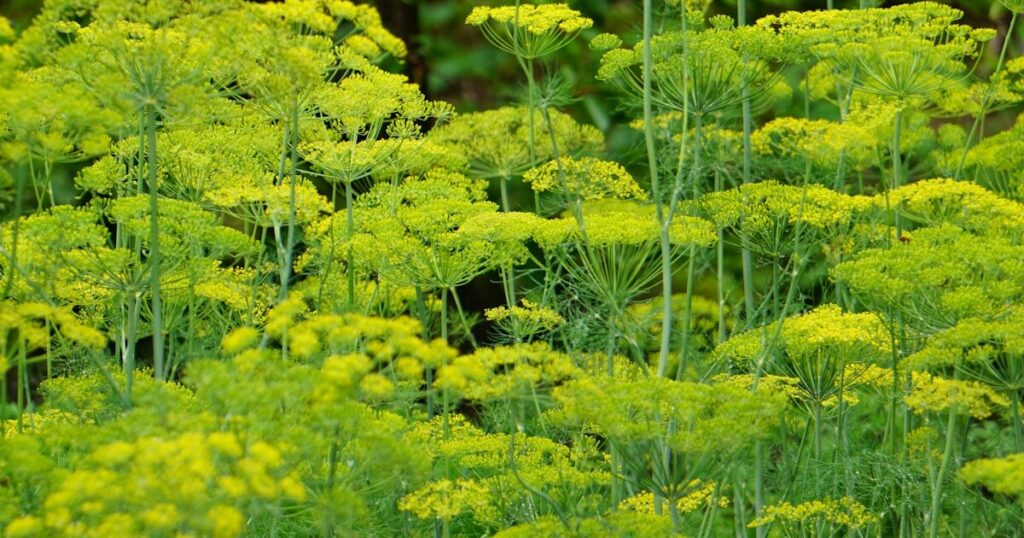
Dill, native to Southwest Asia and the Mediterranean, grows quickly in warm soil and matures fast enough for an August planting to pay off. You can start harvesting fronds within a month, and if the weather stays mild, it will continue producing until frost.
It’s not considered invasive, but dill does reseed readily if allowed to flower. Its airy yellow blossoms are incredibly attractive to pollinators, especially bees and predatory wasps. A late-summer planting is perfect for adding fresh flavor to pickles, salads, and fish dishes.
Chives
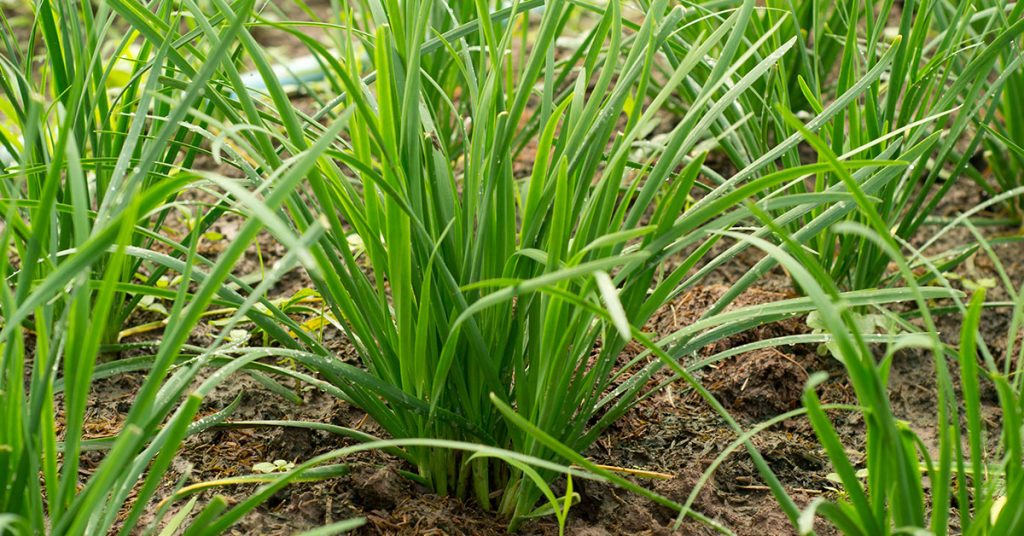
Chives, native to Europe and Asia, are perennial herbs that grow quickly enough to yield harvests within a few weeks of planting in August. They’re cold-tolerant and will keep producing until the first hard freeze, making them a great late-season choice.
They’re not invasive, though they can spread slowly in garden beds over the years. Chive flowers, which appear the following spring, are beloved by bees. Planting now gives you tender, onion-flavored stalks for garnishes and cooking right through autumn.
Mint
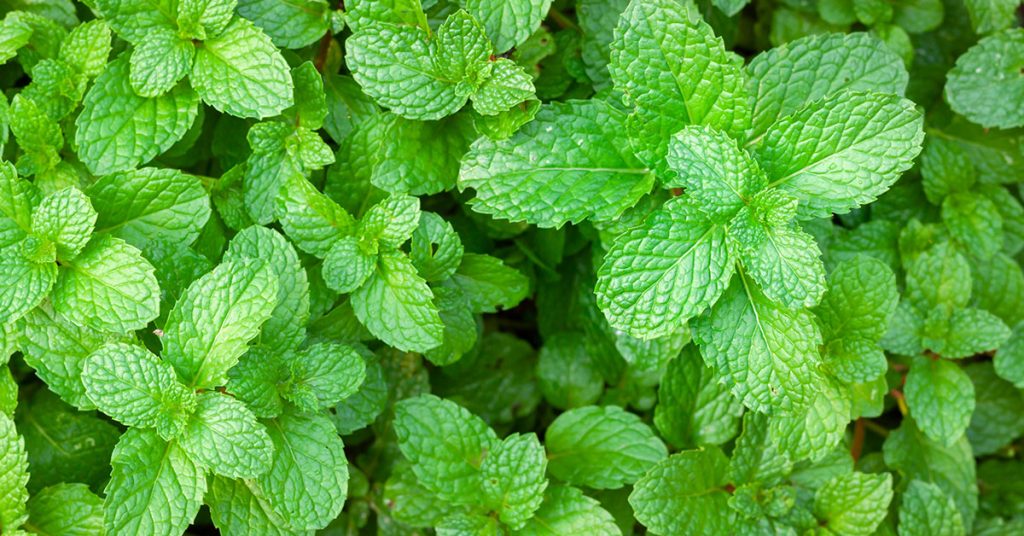
Mint, native to Europe, Asia, and Africa, can establish itself quickly in the warm August soil and provide harvests before winter. Spearmint and peppermint are especially robust, offering aromatic leaves for teas, desserts, and savory dishes in just weeks.
Mint is considered invasive in many regions because of its vigorous spreading habit via underground runners. Growing it in containers prevents it from taking over garden beds. Even in late summer, mint flowers can attract bees, butterflies, and other pollinators to your space.
Basil
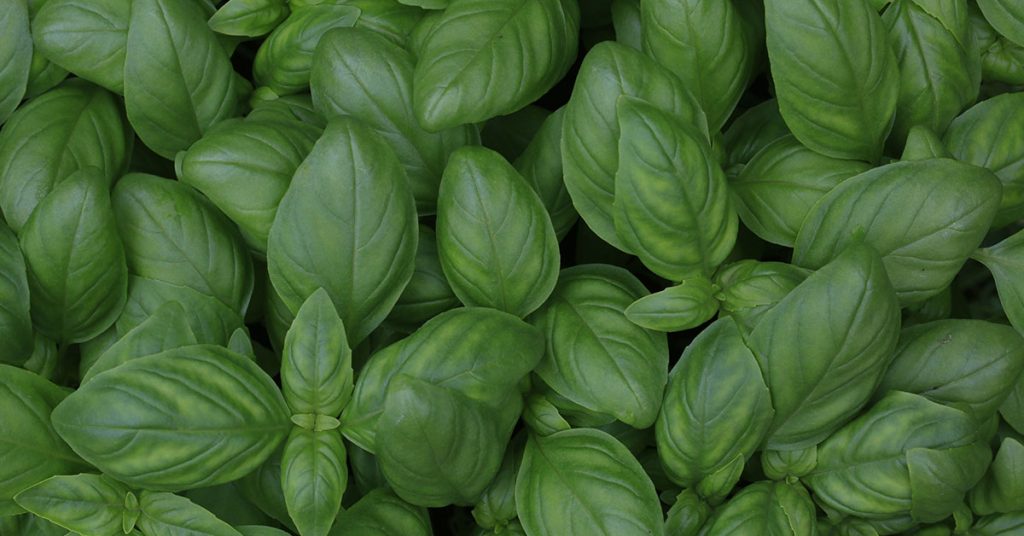
Basil, originating from tropical Asia and Africa, thrives in warm soil and can still produce a quick crop before frost if planted in August. While it’s sensitive to cold, you can extend the harvest by bringing pots indoors once nighttime temperatures dip.
It’s not invasive, but basil flowers, if allowed, are highly attractive to bees. In late summer, the plant’s fragrant oils are at their peak, making it perfect for pestos, salads, and pasta dishes. Harvest regularly to encourage continued leaf production.
Oregano
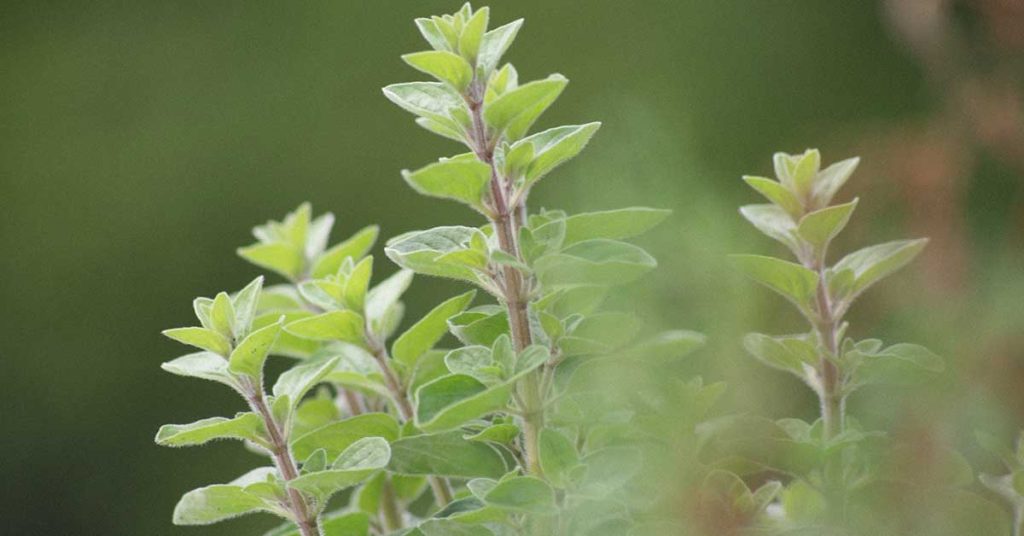
Oregano, native to the Mediterranean, grows well in late summer and can yield flavorful leaves for weeks before frost. Planting in August allows it to establish quickly, and in mild climates, it may even overwinter and return the following spring.
It’s not considered invasive, though it can spread into a low-growing mat in ideal conditions. Oregano flowers are small but nectar-rich, drawing in pollinators like bees and beneficial predatory insects.
Thyme
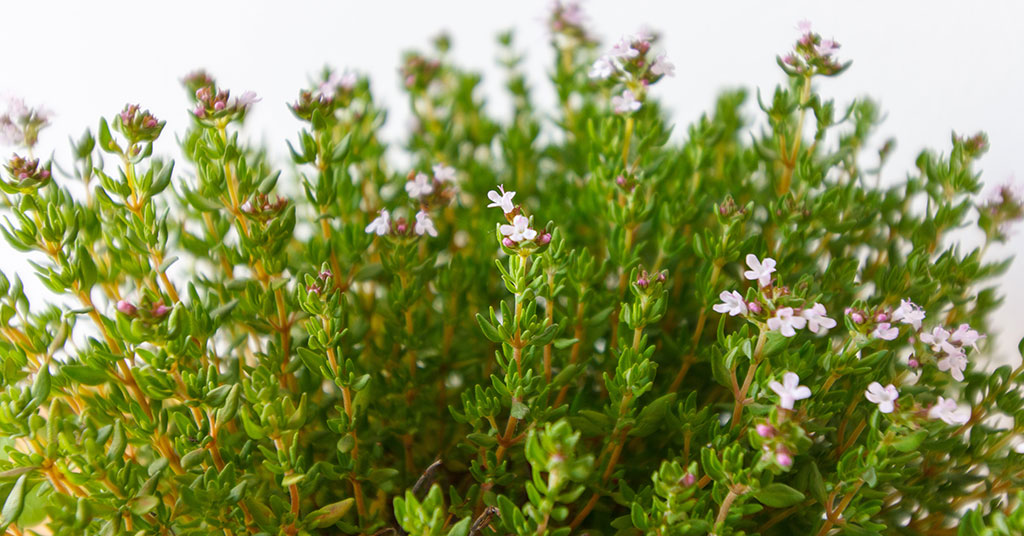
Thyme, also from the Mediterranean, is a low-growing perennial herb that loves warm soil and tolerates cooler weather with ease. By planting in August, you’ll have fresh leaves to harvest before winter, and it’s easy to pot up and bring indoors when frost threatens.
It’s not invasive, but thyme can slowly expand its clumps over time. In bloom, its tiny purple flowers provide valuable nectar to pollinators. Even without flowers, its aromatic foliage can help deter pests in the garden.
Sage
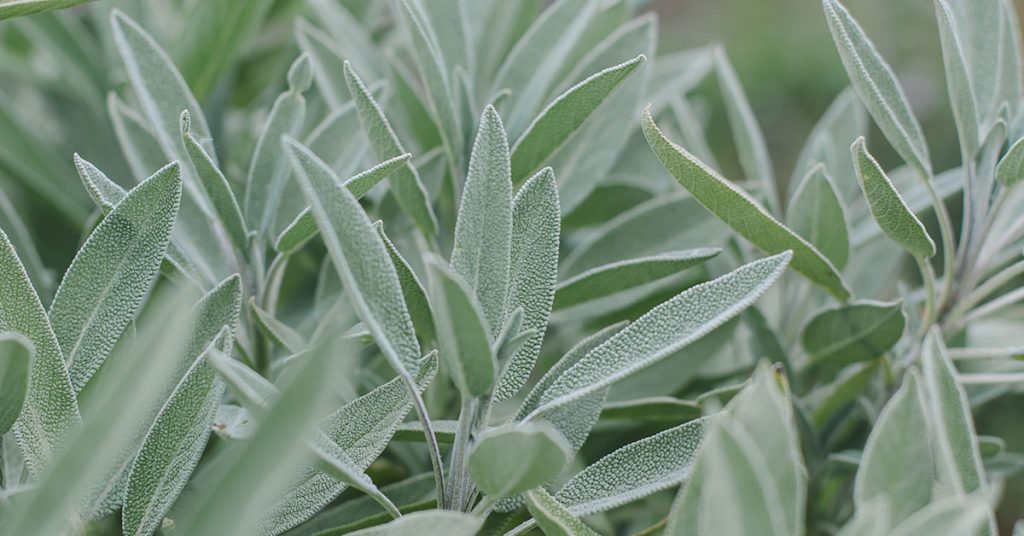
Sage, native to the Mediterranean, is hardy enough to establish well in August and give you a supply of leaves before winter. It thrives in sunny, well-drained soil and develops a stronger flavor as the weather cools.
It’s not invasive, though sage will expand into a small shrub over time if left unpruned. Sage blooms the following year, producing purple flowers that draw in bees and butterflies. Until then, you’ll have aromatic leaves for seasoning roasts, stews, and breads.
Lemon Balm
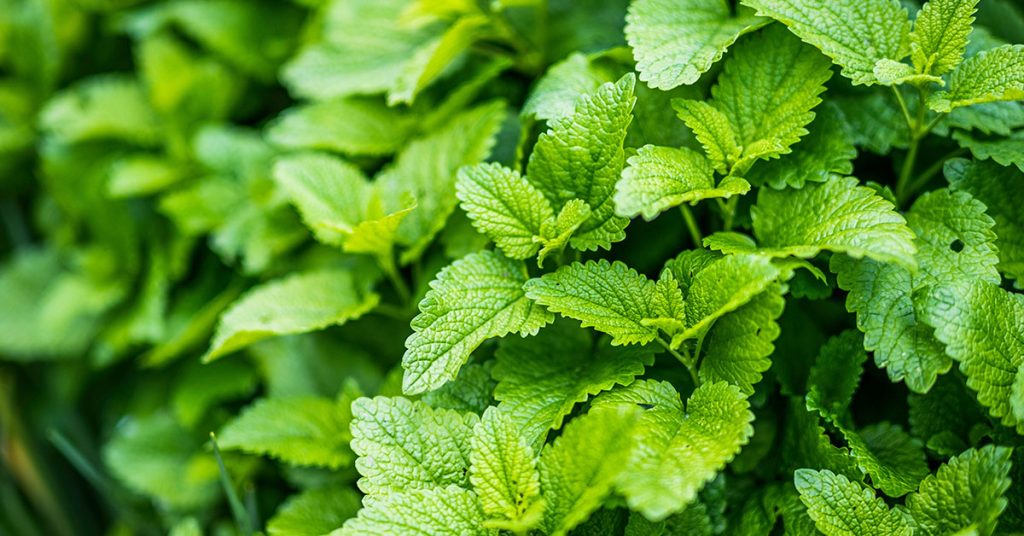
Lemon balm, native to the Mediterranean and Asia, grows quickly in late summer and can be harvested within weeks of planting. Its citrus-scented leaves make it a lovely addition to teas, salads, and desserts.
It is considered invasive in some regions due to its prolific self-seeding, so growing it in containers is wise. Even in August, lemon balm flowers can attract bees, making it a useful late nectar source for pollinators.
Fennel
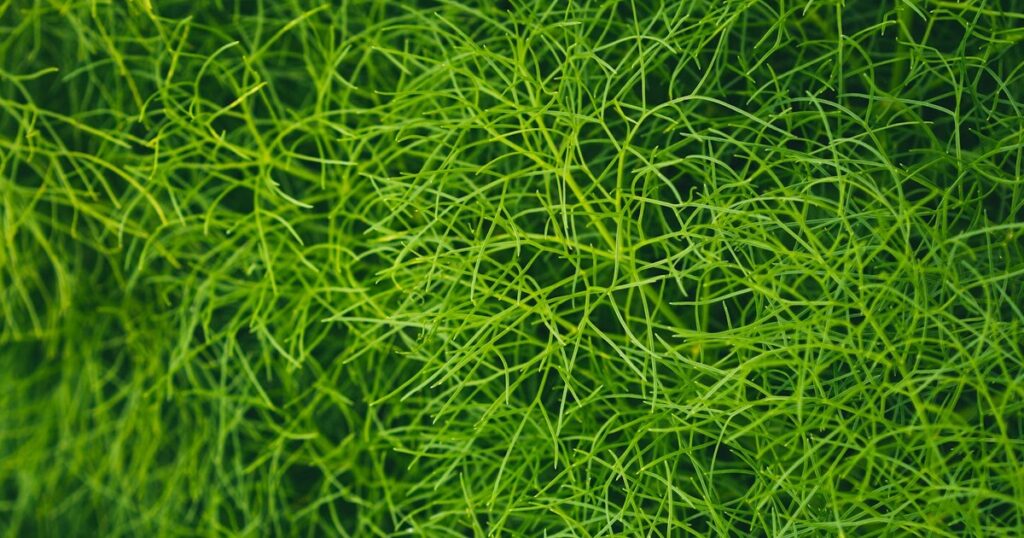
Fennel, native to the Mediterranean, germinates quickly in warm soil and can produce tender fronds and small bulbs before winter if planted in August. The flavor is sweet and anise-like, perfect for salads, roasts, and seafood dishes.
It can be invasive in some areas, especially along coastal regions where it self-seeds aggressively. Its tall, feathery flowers are a pollinator magnet, attracting bees, butterflies, and beneficial wasps.
Tarragon
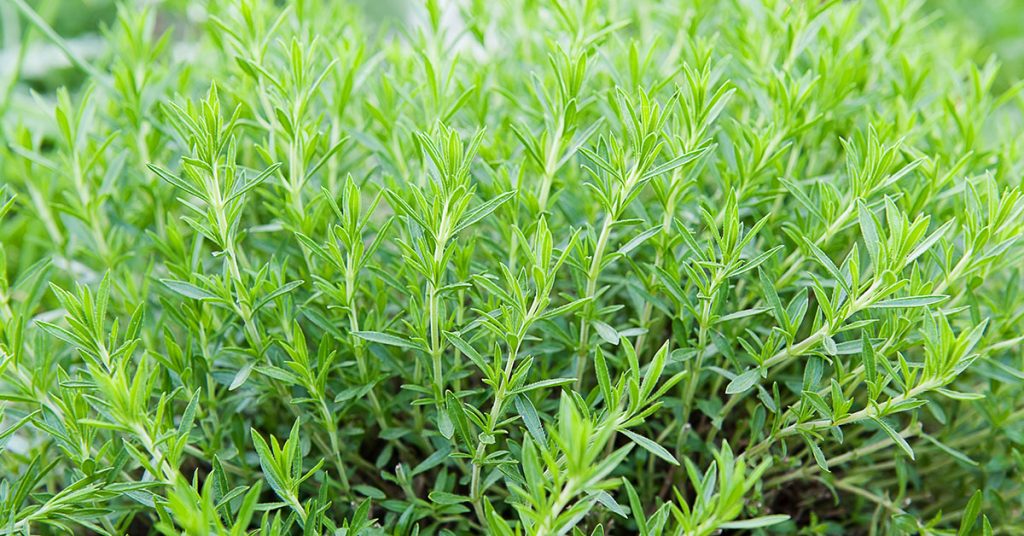
Tarragon, native to Eurasia, is a flavorful herb that grows quickly in late summer and offers leaves for cooking well into fall. French tarragon is best grown from cuttings or transplants, while Russian tarragon can be started from seed in August.
It’s not invasive, though it can spread moderately through underground rhizomes. While tarragon flowers aren’t especially showy, they still offer a small food source for pollinators, and the plant’s aromatic foliage can help deter certain pests from the garden.