

There’s nothing quite as rewarding as tending to a garden filled with healing flowers that not only brighten your outdoor space but also offer natural remedies for everyday ailments! As a passionate gardener who’s navigated the ups and downs of pest invasions, shady patches, and unpredictable weather, I understand the thrill of nurturing plants that soothe both body and soul. In this article, I’m excited to share 12 healing flowers that are easy to grow at home – each with its own fascinating history, native origins, and unique traits that attract beneficial insects, offer cozy nesting spots for tiny critters, and even support a balanced ecosystem!
From calming chamomile teas to the soothing aroma of lavender and the restorative properties of calendula, these botanical wonders bring nature’s pharmacy right into your garden. While some of these flowers are beloved for their therapeutic uses, a few may require extra care to manage their spreading habits. No matter your gardening style, these healing blooms promise to enrich your life with their beauty, fragrance, and natural benefits – making every day a little brighter and healthier!
Calendula

Calendula, often known as pot marigold, is a radiant flower celebrated for its healing properties and vibrant, sunny hues! Native to the Mediterranean region, calendula thrives in full sun and well-drained soils, producing cheerful orange and yellow blooms that are a delight to behold. I’m always thrilled by how these blossoms naturally attract bees and butterflies, contributing to a lively garden ecosystem where even small insects find refuge and nesting spots. Their petals are renowned for soothing skin irritations and promoting wound healing, making them a true botanical treasure.
In my garden, calendula is a low-maintenance superstar that rarely becomes invasive when given proper care. Its self-seeding habit can be charming if you enjoy a natural, wildflower look, yet a little regular thinning keeps it in check. Beyond its medicinal benefits, the flower’s vibrant display adds a burst of color that uplifts the spirit and reminds me of the simple joys found in nature’s bounty – a true healing marvel in every sense!
Echinacea

Echinacea, or coneflower, is a robust perennial prized for its immune-boosting properties and striking daisy-like appearance! Native to North America, this hardy plant flourishes in sunny, well-drained conditions, displaying vivid purple, pink, or white petals around its distinctive central cone. I’ve seen firsthand how its unique form attracts a myriad of pollinators, from bees to butterflies, turning my garden into a bustling haven of beneficial insects that sometimes even find safe perching spots along its sturdy stems.
While echinacea is generally non-invasive, its natural tendency to self-seed can add an extra layer of charm to your garden if managed carefully. Its long history in traditional medicine – used to help fend off colds and boost immunity – makes it a favorite for anyone looking to integrate natural wellness into their gardening routine. Every time I see a cluster of coneflowers swaying in the breeze, I’m reminded that nature has its own way of nurturing health and vitality!
Chamomile
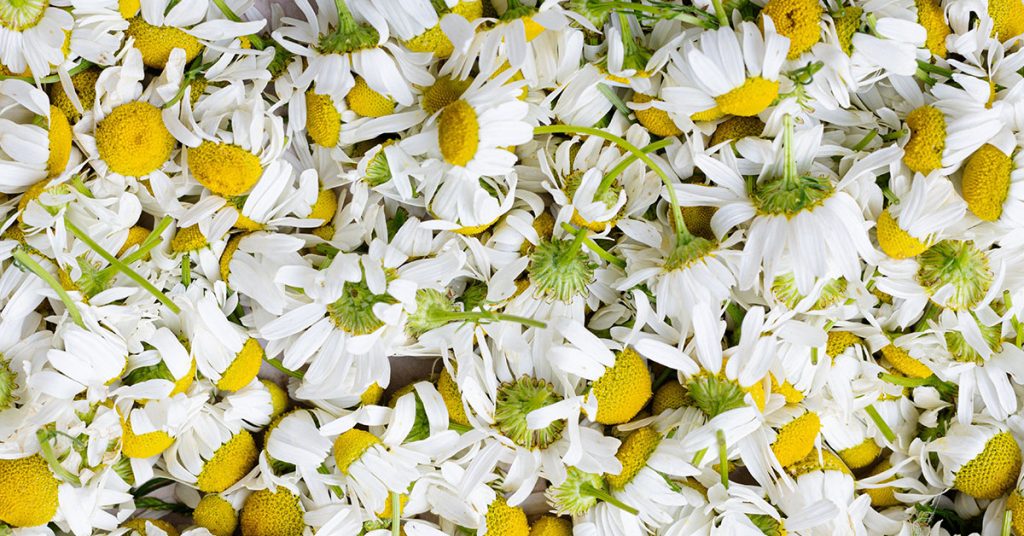
Chamomile is a delicate and soothing flower renowned for its gentle, apple-like fragrance and calming effects in herbal teas! Native to Europe and Western Asia, chamomile thrives in full sun or partial shade and well-drained soils, producing petite white or yellow blossoms that attract tiny bees and beneficial insects. I enjoy how these dainty blooms create a serene, cottage garden feel, inviting not only a relaxing ambiance but also serving as a natural haven for small garden critters seeking a cool retreat.
Despite its modest appearance, chamomile is a robust grower that typically remains non-invasive, making it ideal for home gardeners of all skill levels. Its flowers are widely used in traditional remedies to ease digestive issues and promote relaxation, turning your garden into a natural apothecary. Every sip of chamomile tea reminds me of peaceful summer evenings spent in the garden, where nature’s gentle touch brings comfort and renewal!
Lavender
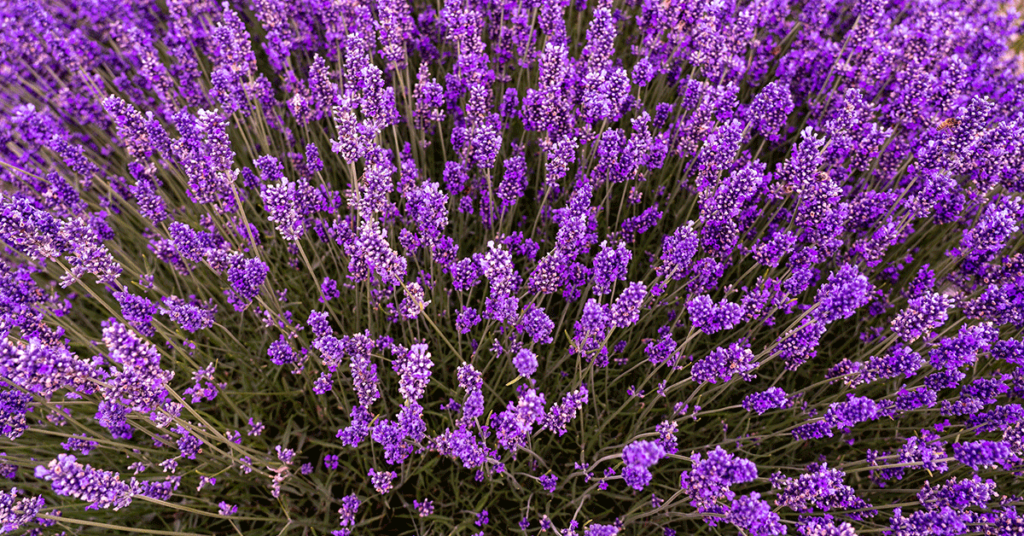
Lavender is an aromatic treasure that infuses any garden with its calming fragrance and vibrant purple blooms, making it a perennial favorite for natural healing! Native to the Mediterranean region, lavender thrives in sunny, well-drained soils and is celebrated for its ability to attract bees, butterflies, and even provide occasional nesting spots for small birds. Its soothing scent not only helps reduce stress but also acts as a natural insect repellent, contributing to a balanced garden ecosystem.
Though lavender is known for its low-maintenance and non-invasive qualities, it does require occasional pruning to maintain its shape and encourage fresh growth. In my garden, I find that the gentle rustling of lavender under a warm breeze creates an atmosphere of tranquility, perfect for unwinding after a busy day. Its timeless appeal and therapeutic benefits truly make lavender a gem that brings both beauty and wellness to any outdoor space!
Rose
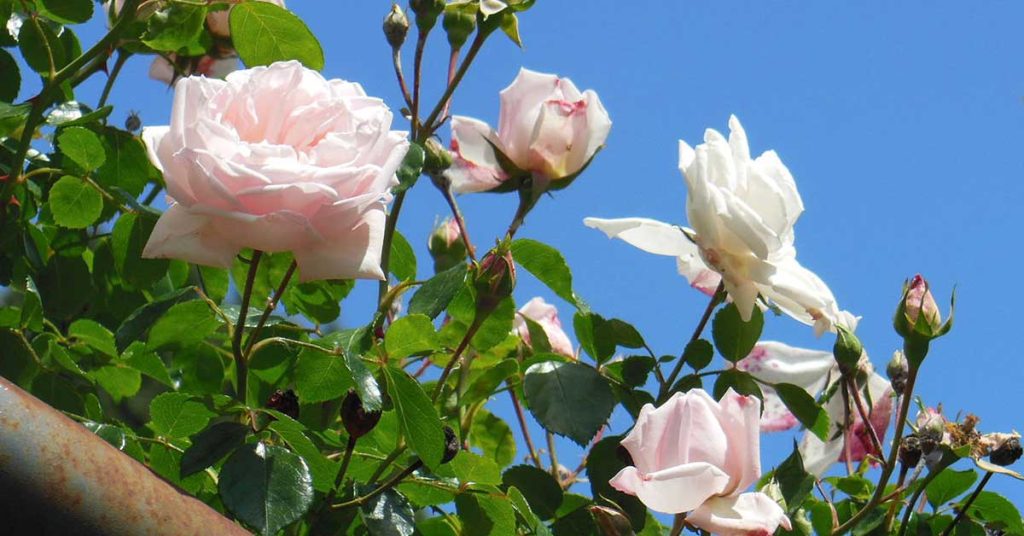
Roses are much more than ornamental delights; many varieties have been cherished for their healing properties and fragrant beauty for centuries! Native to Asia, Europe, and North America, roses thrive in well-drained soils with ample sunlight, offering lush, layered petals that not only create a sensory feast but also attract beneficial pollinators like bees and butterflies. I appreciate how certain rose varieties are used to make restorative rose water and oils that soothe the skin and lift the spirit – a natural remedy straight from the garden!
While some roses can become vigorous and may require regular pruning to prevent overgrowth, most modern cultivars are bred for balance and ease of care. Their rich history in herbal medicine and aromatherapy adds an extra dimension to their appeal, making them a true symbol of beauty and healing. Every time I tend to my rose bushes, I’m filled with gratitude for the timeless elegance they bring to my garden – a daily reminder of nature’s capacity to heal and inspire!
Yarrow
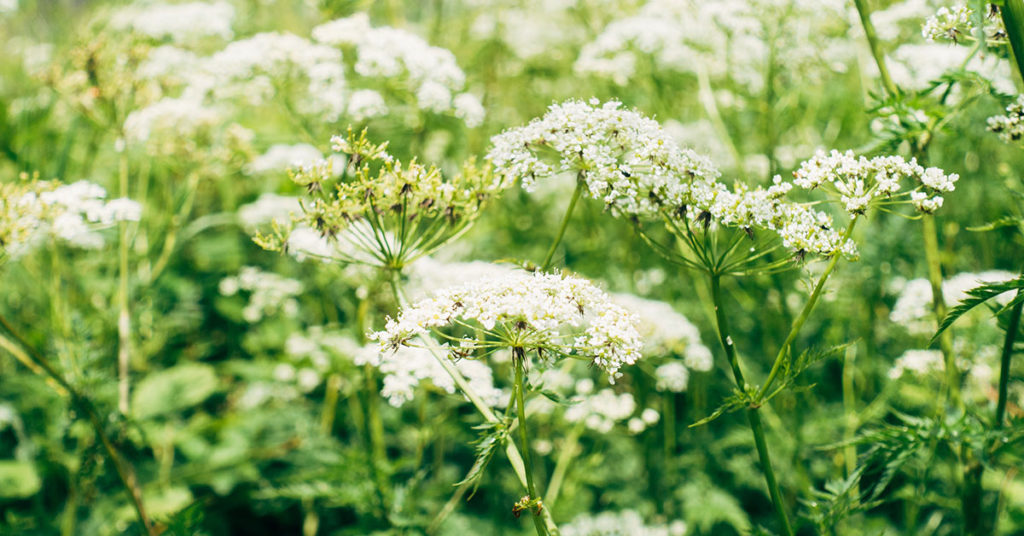
Yarrow is a resilient and versatile herb with clusters of tiny, daisy-like blooms that have been used for centuries as a natural remedy for wounds and fevers! Native to temperate regions of the Northern Hemisphere, yarrow thrives in full sun and well-drained soils, often displaying vibrant shades of yellow, white, or pink. I’m always impressed by how yarrow’s feathery foliage and abundant blooms attract a variety of beneficial insects, including ladybugs and predatory wasps, which help control garden pests and contribute to a balanced ecosystem.
Although yarrow tends to self-seed, it is generally considered non-invasive and can even be used to form natural borders in a garden. Its impressive healing properties, combined with its ability to improve soil fertility when incorporated into compost, make it a favorite among natural remedy enthusiasts. For me, yarrow represents the perfect blend of practicality and beauty, offering both therapeutic benefits and a splash of color that brightens even the busiest garden corners!
St. John’s Wort
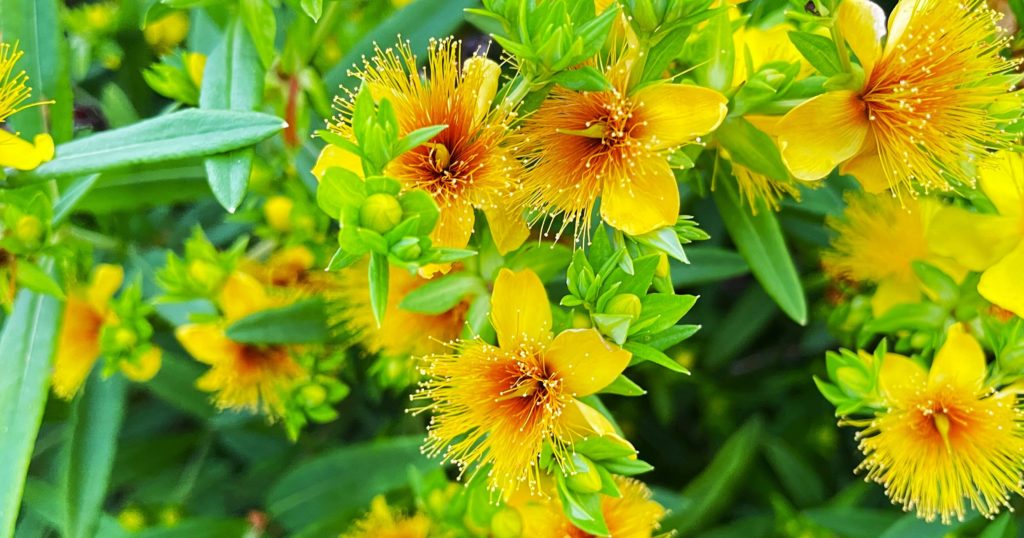
St. John’s Wort is a vibrant, sunny herb celebrated for its mood-enhancing and anti-inflammatory properties, making it a natural ally in home remedies! Native to Europe and now widely naturalized around the world, St. John’s Wort thrives in sunny, well-drained conditions and produces clusters of bright yellow flowers that are as cheerful as they are beneficial. I love how its blossoms attract a host of pollinators like bees and butterflies, adding a lively buzz to the garden while its foliage sometimes offers a cozy perch for small insects.
Though known for its medicinal benefits, St. John’s Wort can be somewhat invasive in favorable climates if not managed properly. Regular pruning and careful placement in garden beds help keep its vigorous growth under control while still allowing you to reap its healing rewards. Its storied history in traditional medicine – used to ease mild depression and promote skin healing – makes St. John’s Wort a fascinating addition to any herb garden that values both beauty and well-being!
Feverfew
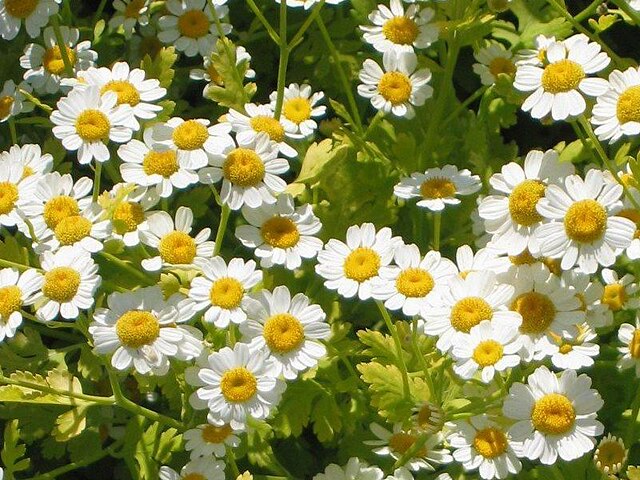
Feverfew is a delicate herb with charming, daisy-like white flowers that have been used for centuries to alleviate headaches and migraines! Native to Southern Europe, feverfew thrives in sunny, well-drained soils and produces subtle blooms that attract beneficial insects such as bees and small butterflies. I find that its gentle fragrance and soft foliage lend a quiet, calming presence to any garden, while its medicinal qualities offer natural relief from seasonal discomforts.
Though feverfew is typically non-invasive, its self-seeding tendencies mean that occasional thinning may be necessary to keep it in balance. In my experience, the plant’s natural ability to provide a cooling effect and reduce inflammation makes it an essential part of any healing garden. Feverfew serves as a reminder that nature’s gentle touch can often offer relief and comfort, making it a cherished herb for those looking to nurture both body and garden!
Comfrey
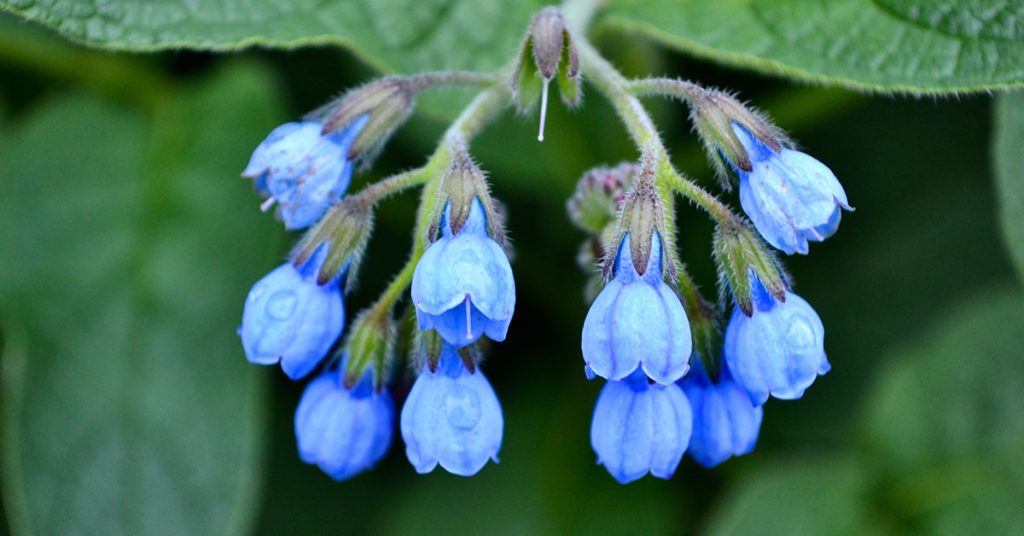
Comfrey is a powerhouse of healing, famed for its deep green leaves and large, bell-shaped flowers that have long been used to promote skin repair and reduce inflammation! Native to Europe and parts of Asia, comfrey thrives in moist, nutrient-rich soils and prefers partial shade, making it an excellent companion for vegetable gardens. I’ve observed that its impressive foliage attracts beneficial insects and sometimes even provides a secure spot for small garden critters, enhancing the overall biodiversity of the space.
While comfrey’s vigorous growth can be a challenge if left unchecked, its ability to enrich the soil and produce organic mulch through fallen leaves is invaluable. Many gardeners use comfrey as a natural fertilizer, steeping the leaves to create a nutrient-rich tea that benefits neighboring plants. Embracing comfrey’s healing powers and understanding its robust nature allows you to integrate this remarkable herb into your garden in a way that supports both natural remedies and sustainable growing practices!
Passionflower
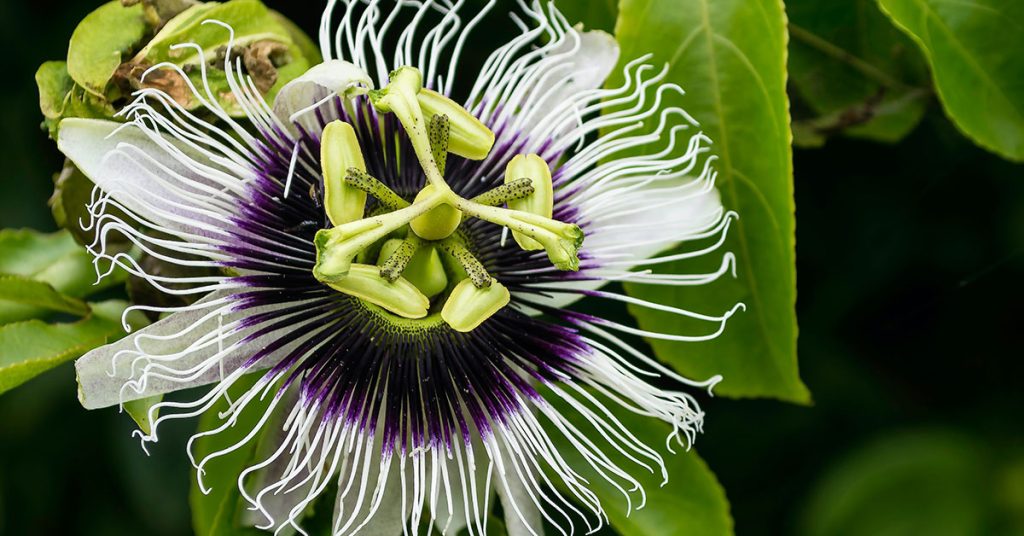
Passionflower is an exotic and enchanting vine known not only for its intricate, otherworldly blooms but also for its calming, sedative properties that have been used in traditional remedies! Native to the Americas, passionflower thrives in warm climates and prefers a sunny spot with well-drained soil, where its sprawling vines can gracefully climb and cascade. I’m always captivated by its complex flowers, which attract a variety of pollinators like bees and butterflies, while occasionally offering nesting spots for small insects that add life to the garden.
Although passionflower can spread quite vigorously if given free rein, it is generally manageable with a little pruning and careful trellising. Its therapeutic benefits, which include promoting relaxation and easing anxiety, make it a delightful addition to any healing garden. For me, passionflower embodies the fusion of beauty and calm – a living symbol of nature’s ability to soothe the mind while adorning your outdoor space with a touch of tropical magic!
Goldenrod
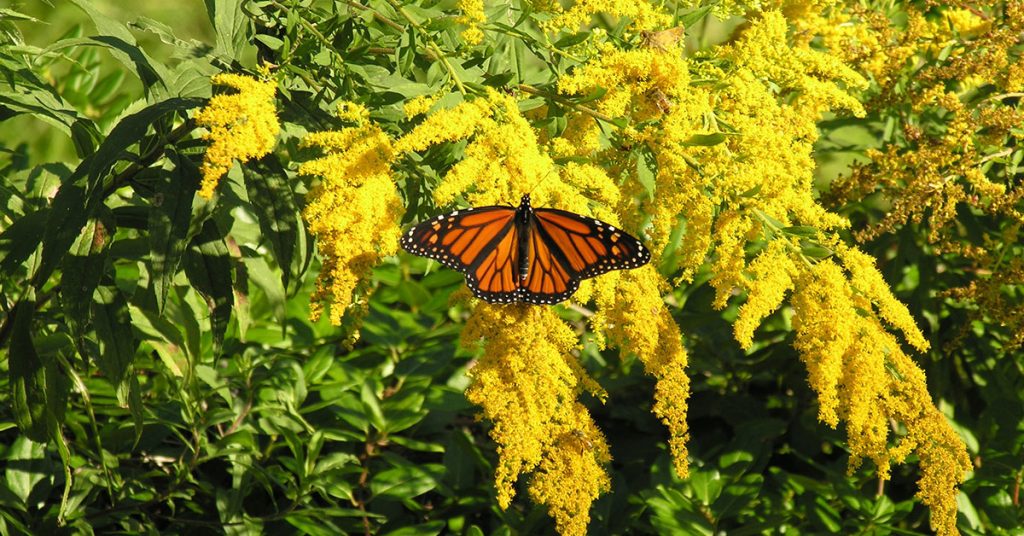
Goldenrod is a radiant perennial celebrated for its profuse, sunny clusters of yellow blooms and its impressive role in traditional herbal remedies! Native to North America, goldenrod flourishes in full sun and well-drained soils, producing vibrant flower clusters that not only add a burst of color to the garden but also attract a wealth of pollinators, including bees and butterflies. I love how these golden blossoms create a natural spectacle, drawing beneficial insects that help pollinate neighboring plants and sometimes offering a gentle resting spot for small birds and insects alike.
While goldenrod is generally non-invasive in a well-managed garden, its ability to self-seed means that occasional thinning might be needed to maintain a balanced landscape. Its historical use in natural remedies for allergies and inflammation makes it both a beautiful and beneficial addition to any home garden. Every time I see goldenrod shining in the sunlight, I’m reminded of how nature’s vibrant palette also carries the promise of healing and well-being!
Milk Thistle
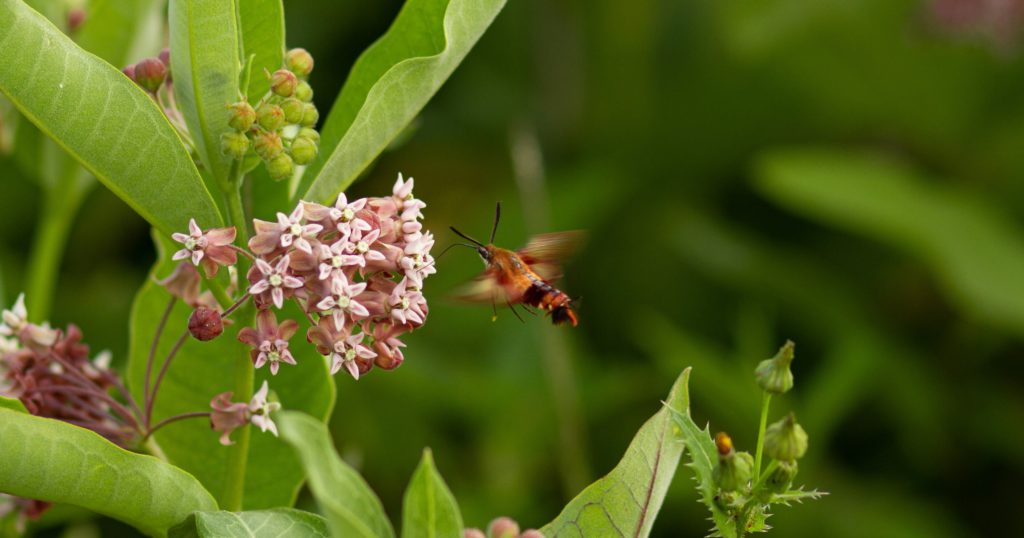
Milk Thistle is a striking, spiky flower known for its distinctive purple and white patterns and celebrated for its liver-protective properties in herbal medicine! Native to the Mediterranean region, milk thistle thrives in full sun and well-drained soils, producing robust, prickly leaves and eye-catching blooms that naturally attract bees and butterflies. I’m always intrigued by how this resilient plant not only offers medicinal benefits but also adds a bold, architectural element to the garden, making it a true conversation starter.
Though milk thistle can be invasive in some regions due to its vigorous self-seeding, careful management and controlled planting areas can keep it in check. Its hardy nature and striking appearance serve as a reminder that even wild, untamed plants have their own unique healing qualities. For any gardener interested in natural remedies and sustainable practices, milk thistle offers a fascinating blend of beauty, resilience, and time-honored health benefits – a living testament to nature’s enduring power to heal!