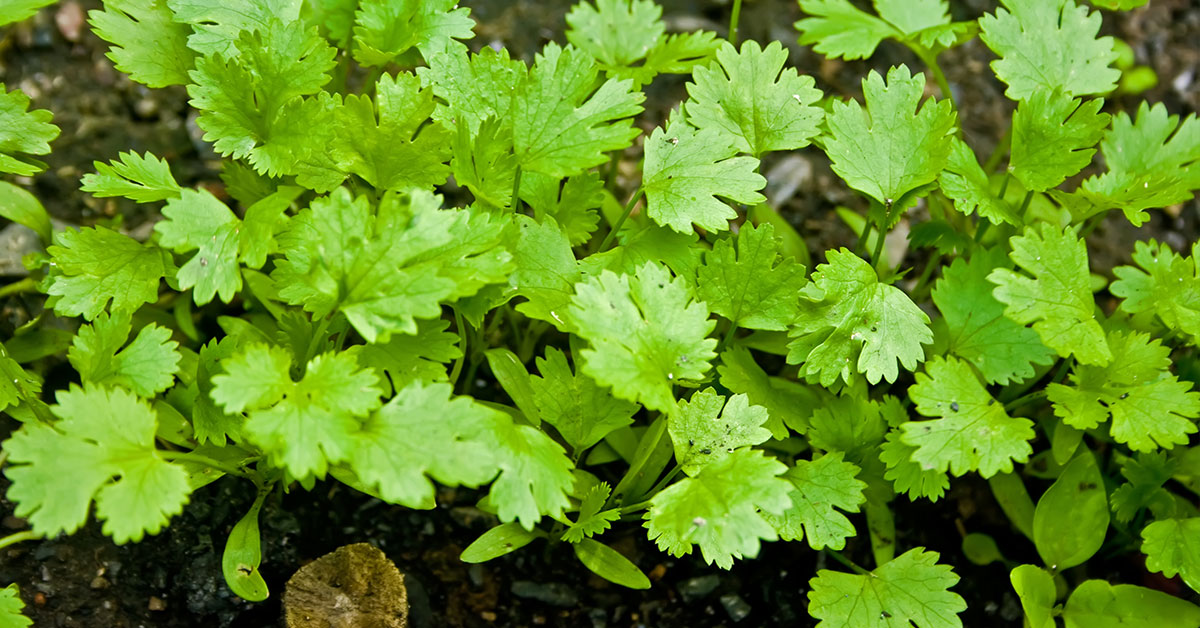

It’s such a bummer when you picture a lush, aromatic patch of cilantro in your garden, only to end up with sparse, leggy plants that bolt before you’ve had your fill! Cilantro (Coriandrum sativum) is native to the Mediterranean and southwestern Asia, where it thrives in cool, moist springs. Yet here at home, even experienced gardeners can struggle with patchy germination, rapid bolting, or disappointing yields. I’ve been there—planting seeds in eager anticipation, only to watch them drift into flowering too soon!
This article shares twelve in-depth tips—presented in a surprise order—to help you cultivate a thriving cilantro garden this spring. We’ll dive into soil prep, watering, feeding, and clever tactics like succession sowing and companion planting. You’ll learn how to harness cilantro’s tendency to attract beneficial insects (hoverflies, lacewings, parasitic wasps nesting nearby!), manage its bolting behavior, and maximize leaf production. Let’s get growing and turn those cilantro woes into aromatic success!
Provide Partial Shade or Time Your Sowing to Avoid Heat

Cilantro dislikes scorching sun once temperatures climb above 75°F—it bolts, producing flowers instead of leaves. In warmer climates, sow seeds in early spring and again in fall, or plant in a spot that gets afternoon shade. I often tuck seed flats beneath tall lettuce or morning-glory vines, giving cilantro cool refuge when midday sun blazes!
By mimicking its native habitat—cool, coastal Mediterranean springs—cilantro stays in vegetative mode longer. Since coriander (the seed) is only produced after flowering, minimizing heat stress keeps plants juicy and leafy. Don’t worry: cilantro isn’t invasive, so you can experiment with shade cloth or strategic sowing without fear of runaway volunteers.
Companion Planting to Attract Beneficial Insects

When cilantro bolts and blooms, its umbrella-like flower clusters become magnets for hoverflies, lacewings, and tiny parasitic wasps that prey on aphids and caterpillars. I interplant cilantro with basil and dill—more umbels for insects to nest under—creating a beneficial insectary right in my herb beds!
These predator insects often overwinter in garden mulch or hollow stems, emerging just when cilantro starts to flower. By encouraging them near your cilantro patch, you reduce pest pressure on other veggies like tomatoes and peppers. Plus, those little wasps and flies help pollinate neighboring plants, giving your entire spring garden a boost!
Pinch Flowers to Promote Leaf Growth
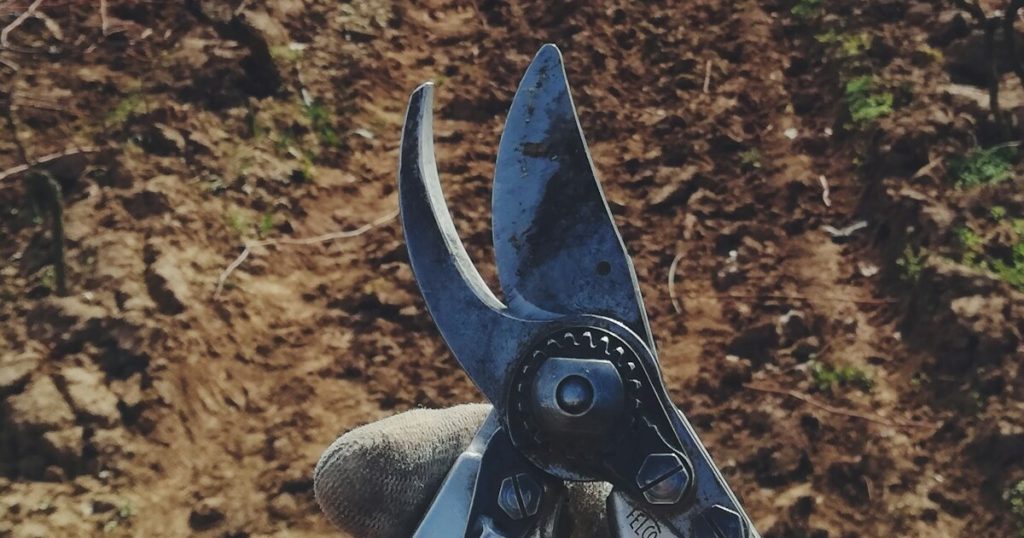
Once cilantro plants begin to form flower heads, it’s tempting to let them bloom for seeds. But if you want dense, leafy growth, pinch off those flower buds as soon as they appear. I use clean scissors to trim just above a pair of leaves—this redirects energy back into foliage production!
Cilantro is a quick biennial, naturally inclined to flower in its second season. By removing buds early, you delay bolting and extend the leaf-harvest window. It’s like telling your plants, “Not yet—keep growing those leaves!” and they happily comply, rewarding you with more trowel-fulls of fresh greens.
Select Bolt-Resistant Varieties
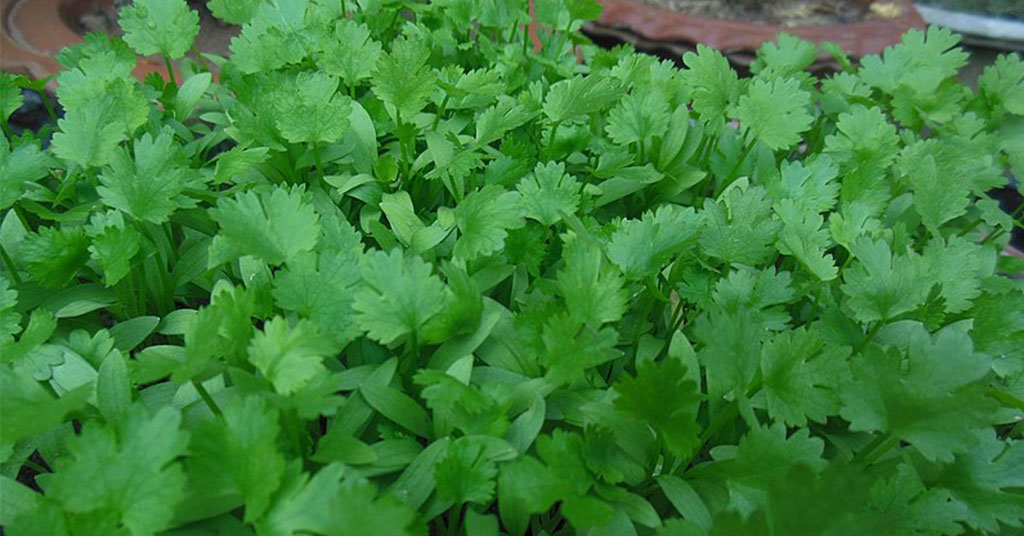
One of my favorite tricks is choosing cilantro cultivars bred for slower bolting—varieties like ‘Santo,’ ‘Calypso,’ and ‘Leisure.’ These types resist heat-triggered flowering and stay lush for weeks longer than standard strains. I always check the seed packet for “slow bolt” or “long-standing” labels before planting!
Originating from regions with sharp temperature fluctuations, cilantro’s native strains adapt by flowering quickly. Modern breeders have selected lines that delay this switch. Planting bolt-resistant varieties gives you more time to harvest leaves, without affecting its non-invasive habit—cilantro still self-seeds only when you let it go to seed.
Mulching for Moisture Retention and Weed Suppression
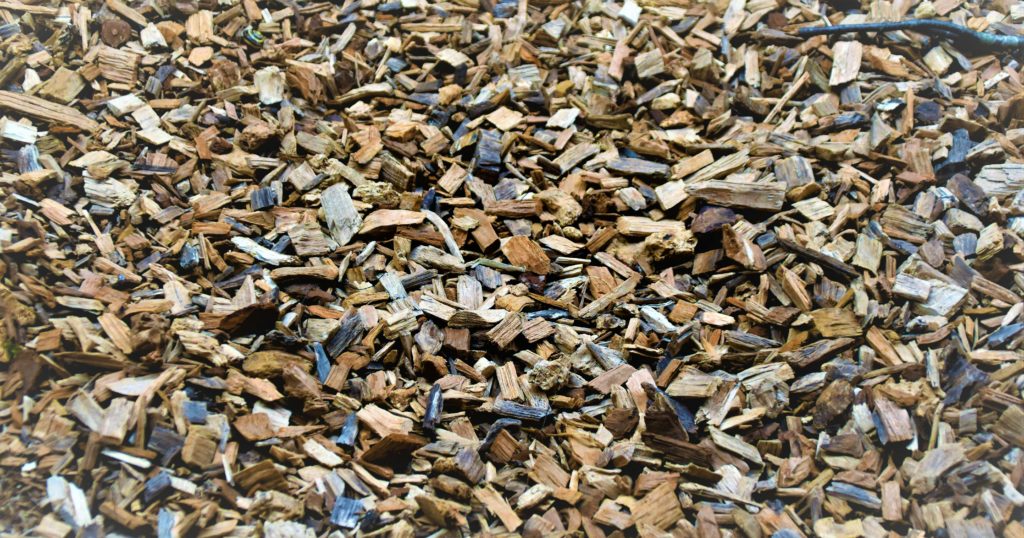
A 1–2 inch layer of straw or shredded leaf mulch around your cilantro beds conserves soil moisture and chokes out competing weeds. Since cilantro has shallow roots, maintaining even moisture is crucial—mulch prevents rapid surface drying, keeping the soil cool and damp!
Mulch also provides shelter for ground-dwelling beneficial insects, like predatory ground beetles and solitary bees that nest in bare patches. As these helpers establish themselves, they help keep slugs and leaf miners at bay, letting your cilantro flourish pest-free.
Direct Seeding vs. Transplanting Seedlings

Cilantro’s taproot is delicate, so direct-sowing seeds into prepared beds often yields better results than transplanting. I sprinkle seeds thinly, cover with a light dusting of soil, and keep them moist. If I must transplant, I handle seedlings by their true leaves, not stems, and plant deeply to encourage root stability!
Direct seeding also mimics cilantro’s wild behavior on Mediterranean fields. Seeds germinate best in cool, moist soil—about 10–14 days for emergence. Since cilantro self-seeds modestly and isn’t invasive, you can sow generously without worrying about overcrowding, then thin for proper spacing once seedlings emerge.
Consistent and Strategic Watering
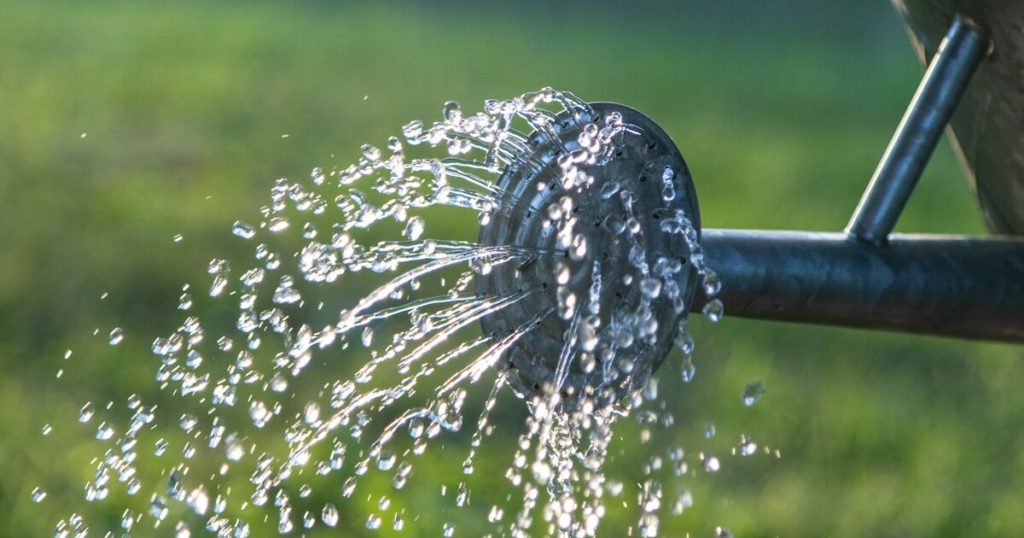
Cilantro thrives on steady moisture but dislikes waterlogging. I water deeply enough to moisten the top 4–6 inches of soil, then wait until the surface begins to dry before the next irrigation. This encourages roots to grow downward and strengthens plants against heat stress!
In its Mediterranean homeland, spring rains are consistent but never swamp the soil. By replicating that pattern—deep, infrequent watering—you avoid issues like root rot and bolting triggered by drought. Healthy roots also support rapid leaf development, so you get big, flavorful leaves for your favorite salsas and pestos!
Succession Sowing for Continuous Harvest
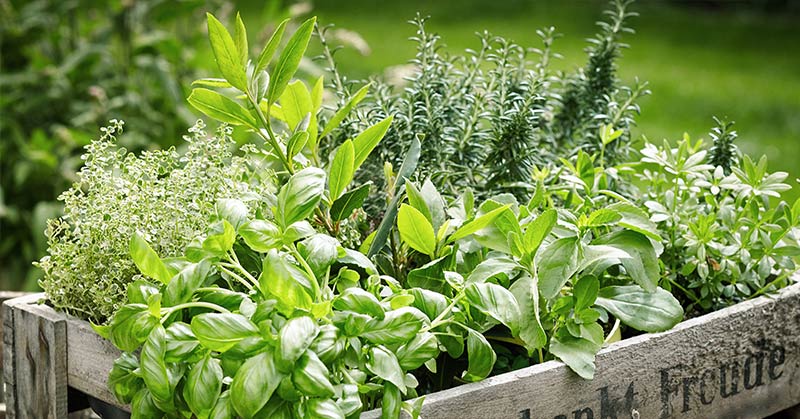
Rather than planting all your cilantro at once, I sow small batches every two to three weeks. As one crop starts to flower, the next wave is ready to pick. This overlapping schedule ensures you always have tender leaves on hand, without long gaps in production!
Cilantro’s rapid growth cycle—about 45–70 days from seed to maturity—makes it an ideal candidate for succession sowing. While it self-seeds lightly, keeping a planned schedule prevents overcrowding and shading, and gives beneficial insects steady forage as they hop from one batch of blooms to the next.
Prepare and Enrich the Soil
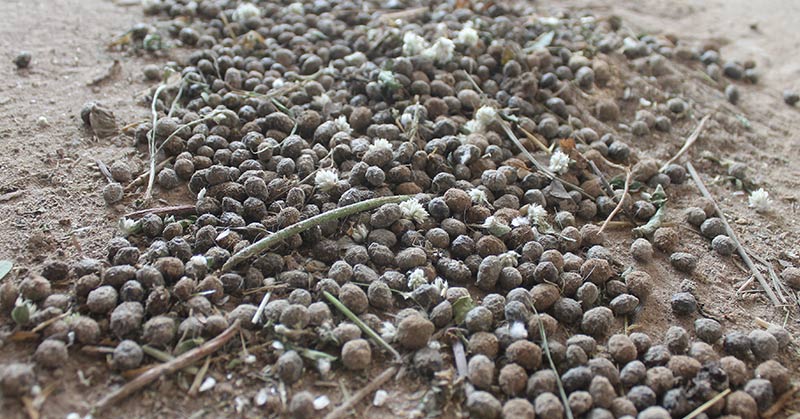
Before sowing, I work 2 inches of well-rotted compost into the top 6 inches of soil to improve fertility and structure. Cilantro isn’t invasive—it thrives in moderately rich soils but can become leggy in overly fertile beds. Compost provides balanced nutrition without excessive nitrogen that promotes foliage at the expense of flavor!
I also add a handful of fine horticultural sand or perlite to heavy clay soils, boosting drainage. Cilantro’s taproot demands free-draining conditions to prevent rot. These amendments replicate its native, gravelly field soils, giving seeds a firm yet airy bed to germinate and spread roots.
Light, Balanced Fertilization

If your cilantro patch shows pale leaves or slow growth, apply a light side-dressing of balanced organic fertilizer—5-5-5 NPK—once seedlings reach 3 inches tall. I sprinkle a small dose around the drip line and gently rake it in, then water to activate the nutrients. Avoid over-fertilizing, which can dull flavor!
In its Mediterranean origins, cilantro grew on soils fed by decaying plant matter. A measured boost in early spring helps maintain steady leaf growth without spurring rapid bolting. Well-fed plants form lush rosettes of foliage, perfect for continual harvesting.
Proper Spacing and Thinning Seedlings

Once seedlings develop true leaves, thin them to 6–8 inches apart—crowding leads to poor airflow and encourages diseases like powdery mildew. I gently snip excess seedlings at soil level rather than pulling, to avoid disturbing neighboring roots. This space allows each plant to develop a robust crown and taproot!
Ample spacing also gives beneficial ground-nesting insects room to burrow between plants. In my garden, I’ve seen mason bees nesting in tiny soil pockets, emerging to pollinate cilantro flowers and nearby veggies. Healthy spacing keeps cilantro vigorous and your spring garden buzzing with natural allies.
Regular Harvesting Techniques
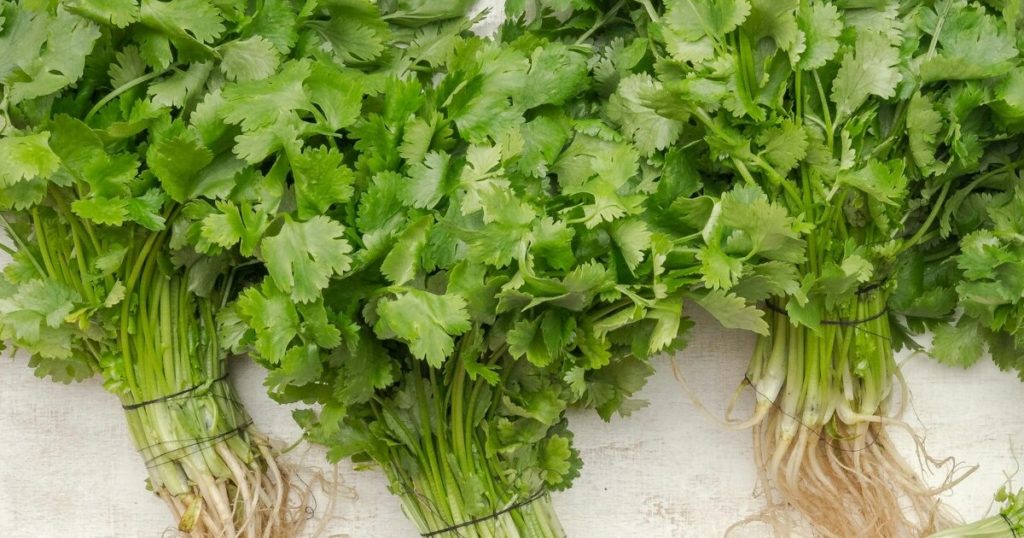
Begin harvesting cilantro leaves when plants reach 4–6 inches tall, snipping outer stems first. This encourages new interior growth. Avoid removing more than one-third of the foliage at once—stagger your harvests for sustained productivity!
Frequent picking acts as a mild “pinch” that delays bolting, keeping the plant in leafy mode. As one of my favorite herbs, cilantro responds eagerly to these gentle cuts, pushing out fresh shoots. Over time, this regular harvesting fills your garden with fragrant, healthy plants all spring long!