

Fennel (Foeniculum vulgare) is one of my favorite plants—its anise-scented fronds brighten up the garden and the kitchen! Native to the Mediterranean coasts, fennel has naturalized across much of Europe, Asia, and North America. While its sweet bulbs, feathery leaves, and aromatic seeds make it a culinary superstar, it can also be a bit of a thug if unchecked. I know how frustrating it is to find vigorous fennel shoots popping up far from your original patch—but with the right strategies, you can enjoy fennel’s beauty and bounty without letting it take over.
Beyond its edible charms, fennel is a magnet for beneficial insects. Its umbrella-like yellow flower heads attract hoverflies, parasitic wasps, and a host of solitary bees that often nest in the loose, sun-warmed soil beneath. Those pollinators don’t just help your fennel set seeds—they spill over into the rest of your garden, boosting fruit and veggie production! Here are 12 tips to help your fennel flourish, entice beneficial insects, and stay happily contained.
Start Seeds Indoors or Direct Sowing at the Right Time
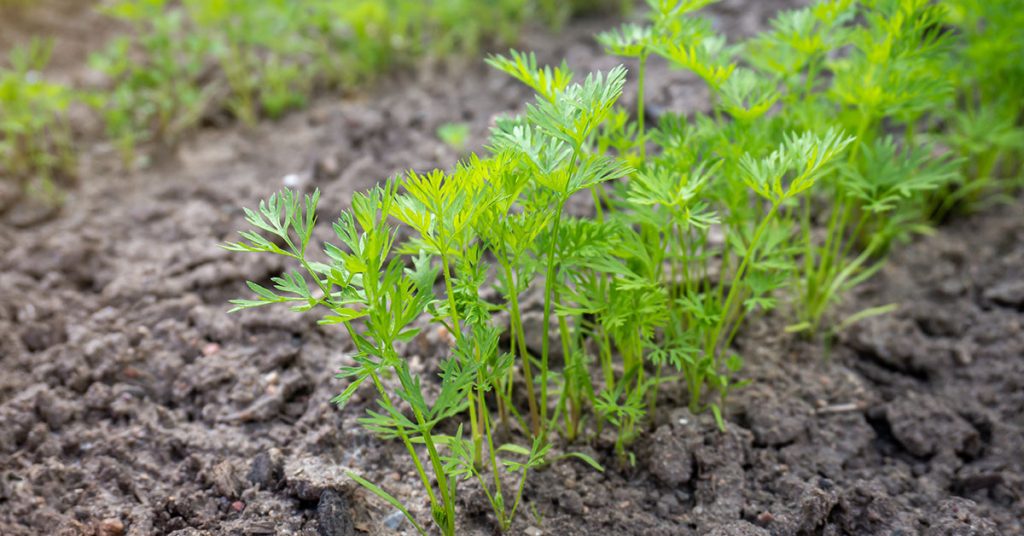
Fennel seeds germinate best when soil temperatures reach at least 60°F (15°C). I like to start them indoors 4–6 weeks before the last frost, using a gentle bottom heat if possible, so I get a jump on the season. Direct sowing works too—just be patient, as fennel sprouts can be a bit slow to emerge compared to other herbs.
When seedlings appear, thin them to about 12 inches apart so each plant has room for its taproot to dive deep. Thinned-out seedlings also reduce competition, ensuring sturdy fronds that attract hoverflies and ground-nesting bees! Seedlings that aren’t crowded develop stronger stems and more abundant flowers later on.
Encourage Beneficial Insects
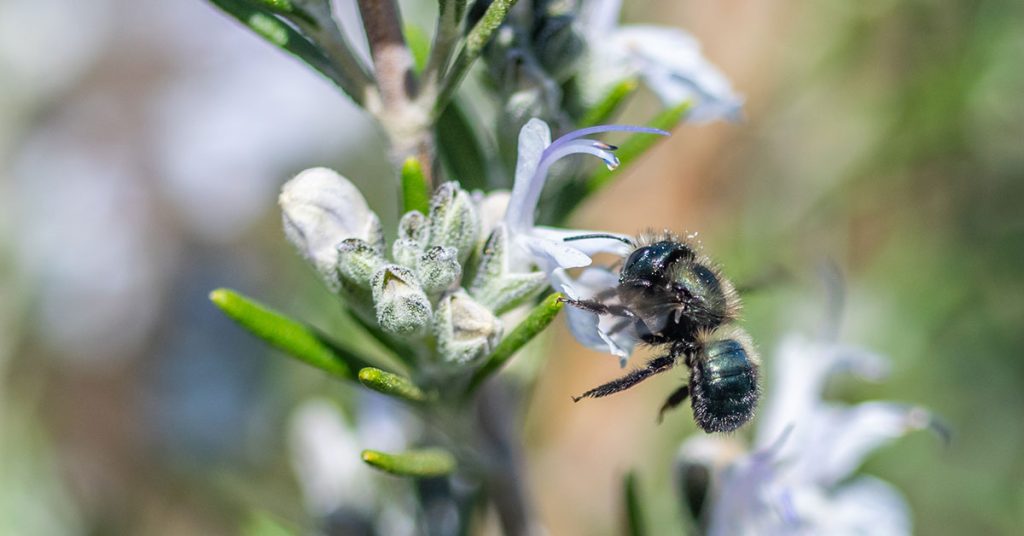
One of the reasons I adore fennel is its umbel flowers, which open a buffet of nectar tiny predators and pollinators can’t resist. Hoverflies lay eggs on nearby aphid-infested plants, while parasitic wasps patrol for caterpillars. Solitary bees, attracted by the sweet nectar, often nest in the loose soil at fennel’s base, creating a thriving micro-ecosystem around your patch!
To boost this activity, avoid broad-spectrum insecticides and provide a shallow water source nearby. Watching those delicate wasps and bees dart among the fennel flowers is such a thrill, and they’ll repay you by helping manage pests in your vegetable beds.
Fertilize Sparingly
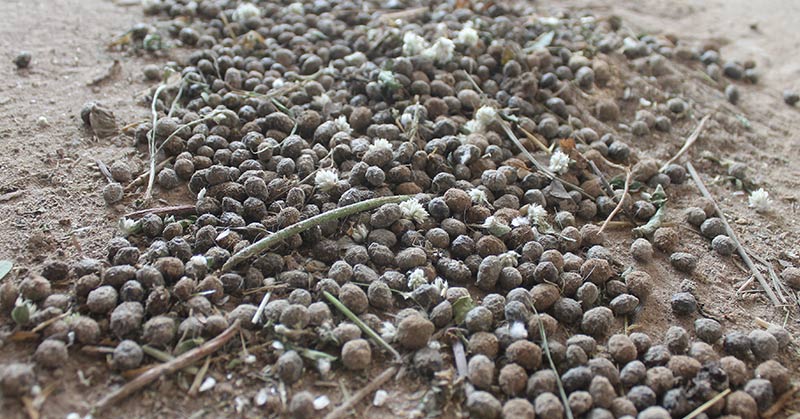
Fennel thrives in average to lean soils—overly rich beds can produce lush foliage at the expense of bulb development. I usually mix in a light dressing of aged compost before planting and skip heavy applications of nitrogen-rich fertilizers. This balanced nutrition encourages both bulb formation and strong flower stalks for your beneficial insects to visit.
If you notice pale leaves or slow growth mid-season, side-dress with a handful of compost tea or balanced organic fertilizer (think a 5-5-5 N-P-K). Gentle feeding keeps fennel vigorous without turning it into a sprawling green jungle that crowds out other plants.
Choose the Right Variety
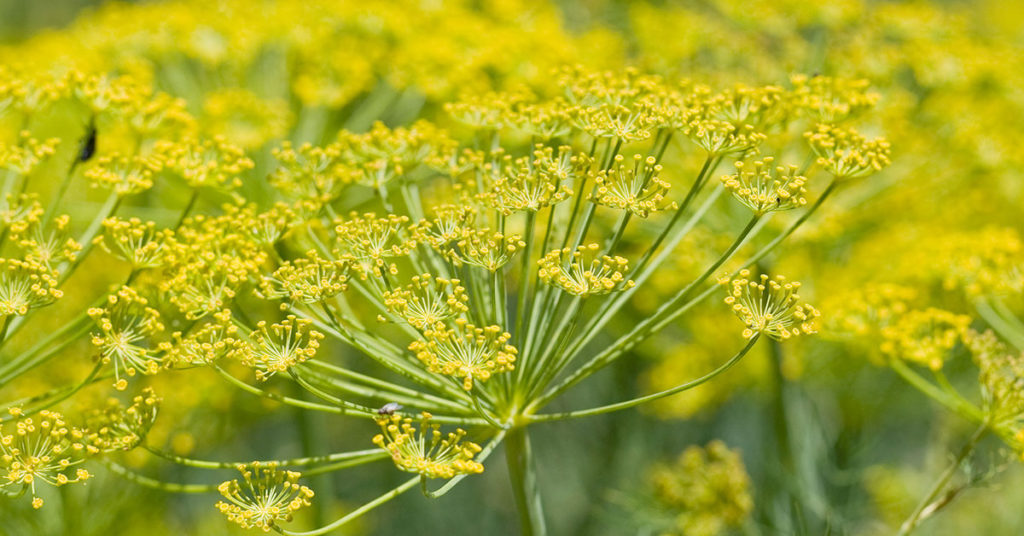
There are two main types of fennel: Florence (or bulb) fennel, prized for its swollen stems, and common (or herb) fennel, grown primarily for foliage and seeds. Florence fennel (Foeniculum vulgare var. azoricum) won’t bolt as quickly, giving you plump, crunchy bulbs. Common fennel, native around the Mediterranean, produces more feathery fronds and delicate seeds for spice racks.
Knowing which variety you’re planting helps manage expectations—and spacing! Bulb fennel needs about 12–18 inches between plants to develop those signature bulbs, while herb fennel can be closer without issue. Both, however, can become invasive if allowed to flower and self-seed unchecked.
Provide Consistent Moisture
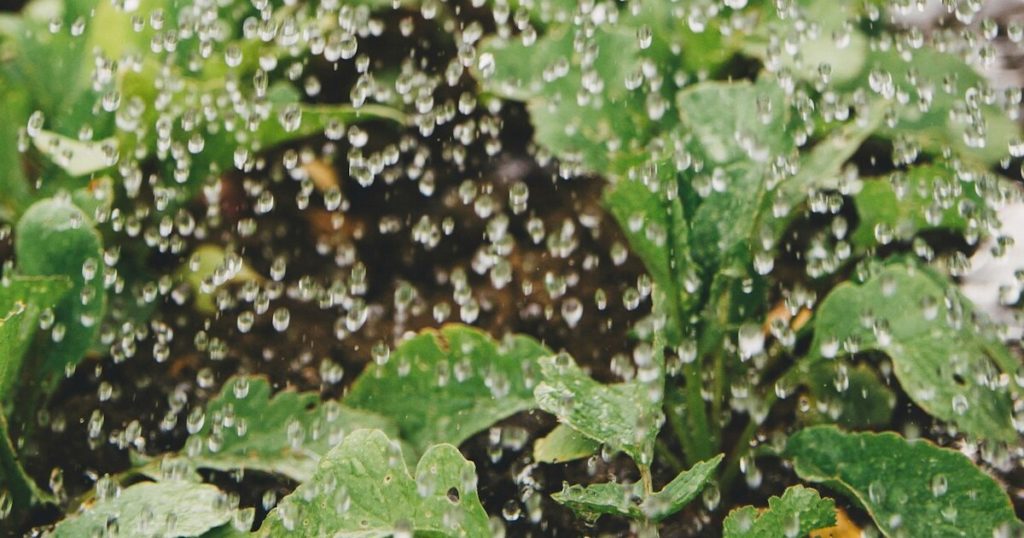
While fennel tolerates some drought, inconsistent watering can lead to tough, woody stems and reduced bulb size. I aim for deep, infrequent watering—about one inch per week—so the taproot grows strong and deep. Mulching around the base helps retain moisture and keep soil cool, which peppers up your harvest with tender bulbs and lush fronds.
Too much water, though, can invite fungal problems like crown rot. If the soil stays soggy, beneficial ground-nesting bees and solitary wasps will steer clear of your patch! Well-drained soil means happy insects and healthy fennel growth.
Control Its Invasive Tendencies
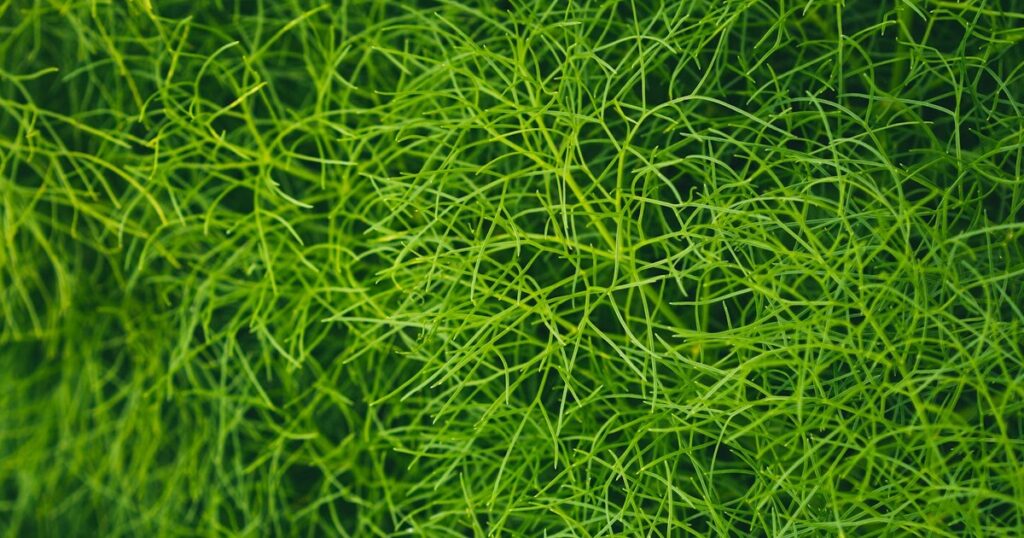
Fennel readily self-seeds, and in some areas—especially coastal or disturbed sites—it can outcompete native plants. To keep it in bounds, pinch off flower stalks before they set seed, or collect the seed heads for your spice jar. If you do let some plants go to seed, sow them only where you want more fennel.
Another tactic is to grow Florence fennel exclusively, as it’s less prone to frivolous self-seeding than wild fennel. I also recommend removing spent umbels as soon as blooms fade, so you avoid surprise seedlings popping up next spring!
Thin Seedlings for Bulb Development
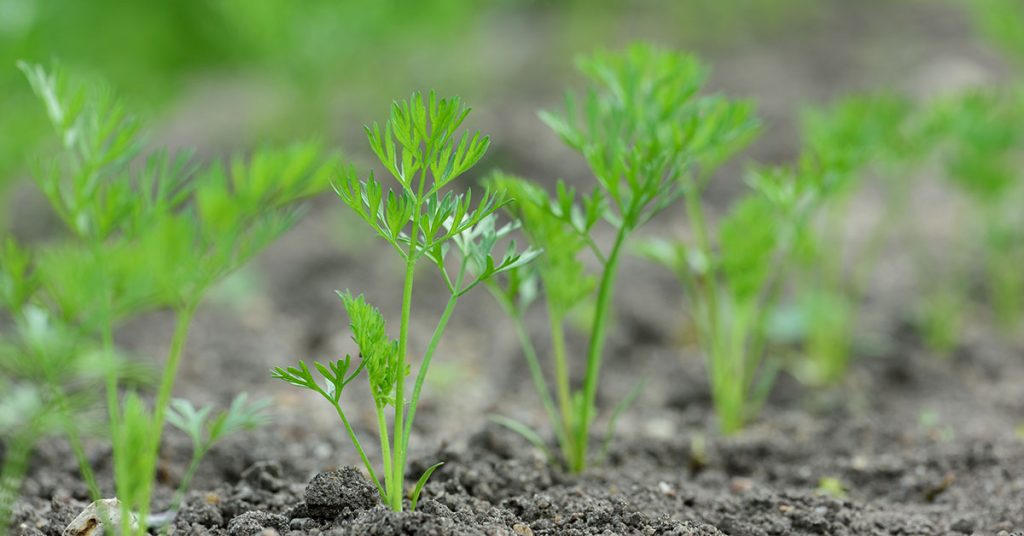
Fennel bulbs need ample space to swell into the crunchy delights you know and love. After germination, thin plants to around 12–18 inches apart, removing weaker seedlings early. I mark the best-looking sprouts and snip the rest at soil level, which keeps those nibbling critters away and avoids root disturbance.
Thinning not only improves bulb size but also keeps foliage open, making it easier for hoverflies and bees to navigate between the feathery fronds. That airflow also reduces disease pressure and encourages more robust flowering later in the season.
Harvest Leaves, Bulbs, and Seeds at Peak Times
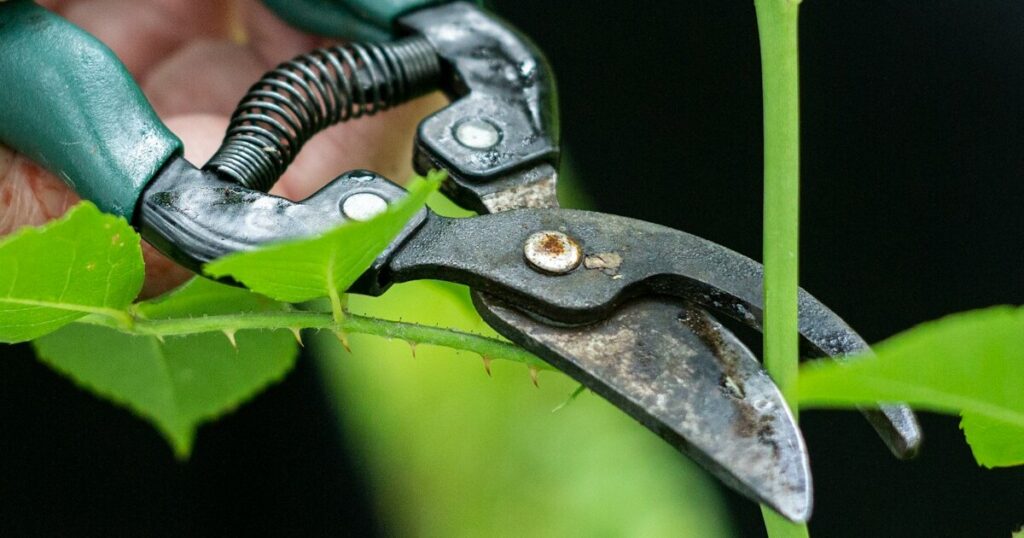
Young fennel fronds are best harvested early in the morning when essential oils are most concentrated—snip leafy tips as needed for salads or garnishes. For bulbs, wait until they reach 2–4 inches in diameter, digging them gently to avoid nicking their skins. Overly mature bulbs can become stringy, so harvesting at the right stage is key!
If you’re after seeds, allow a few plants to flower and form green seed heads. Harvest when half the seeds turn brown, then dry them thoroughly. I know it’s tempting to let every fennel plant bolt, but reserving only a few for seed ensures you don’t end up with a runaway fennel forest!
Plant in Full Sun

Fennel thrives under at least six hours of direct sunlight—shade leads to lanky stems and fewer umbels to attract pollinators. I’ve seen poor, floppy fennel in my shadier beds struggle to flower, drawing almost no insect visitors. Full sun ensures sturdy growth, robust flowering, and prolific seed sets.
If your garden has limited sunny spots, consider containers placed on patios or near south-facing walls. The extra warmth and light boost both bulb size and floral displays, creating a beacon for hoverflies, bees, and beneficial wasps.
Blanch Bulbs for Tender Texture
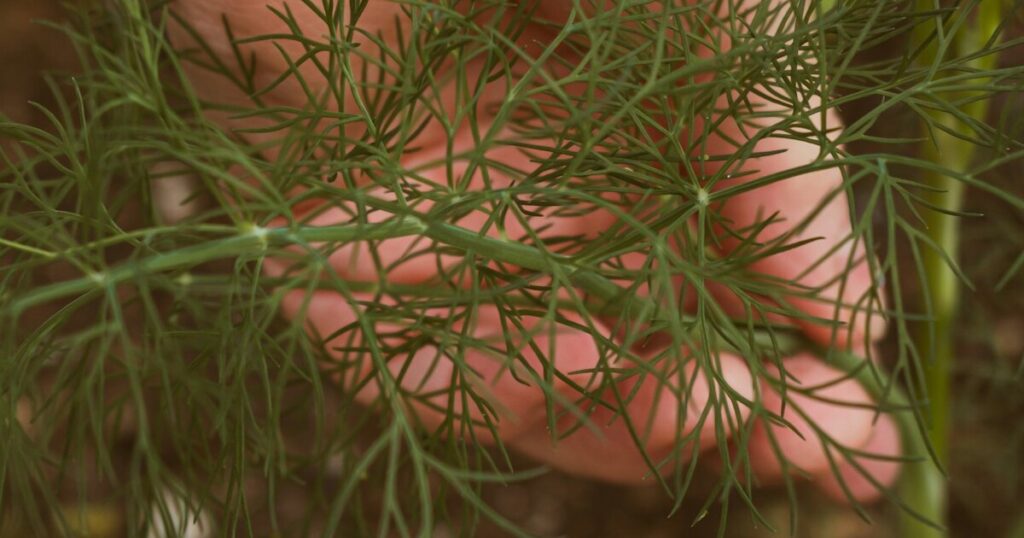
To achieve the pearly-white fennel bulbs you see in gourmet markets, blanch them by hilling soil or straw up around the stems as bulbs expand. This shields developing bulbs from sunlight, preventing chlorophyll formation and bitterness. I mound bark mulch around the base once bulbs are golf-ball size, uncovering them just before harvest for that sweet, crisp flavor we adore!
Blanching also keeps the bulb’s delicate flavor intact, which means every slice in your salad or roast tastes like pure spring sunshine. And guess what? Pollinators still find the upper fronds, so your beneficial insect friends aren’t left out of the party!
Monitor for Pests and Diseases
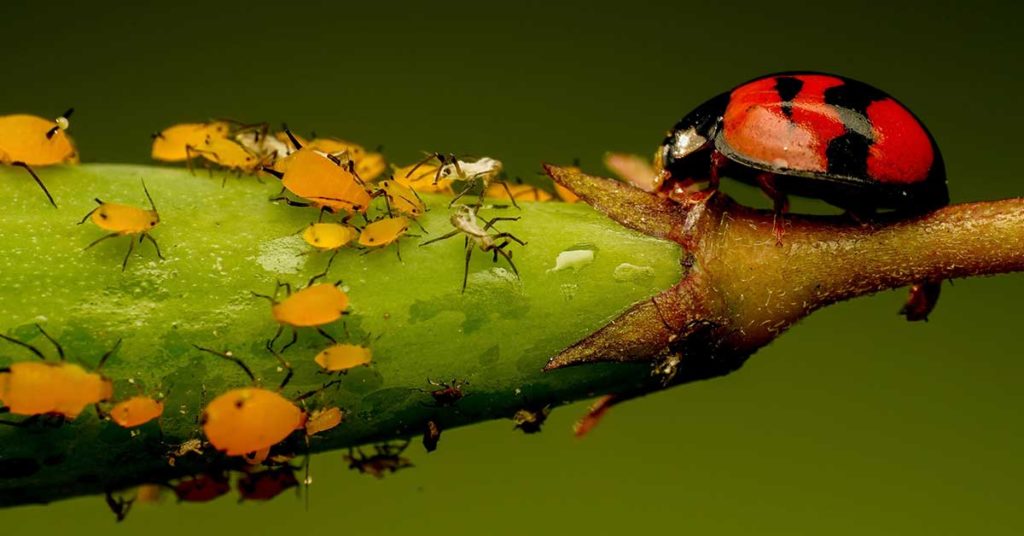
It’s such a bummer when aphids or caterpillars invade your fennel! While fennel repels some pests, it can still host aphids, whiteflies, and occasional fungal spots. Regularly inspect the undersides of leaves and the base of stalks for sticky residue or webbing.
When you spot trouble, blast pests off with a strong jet of water or introduce ladybugs and lacewings to mop up aphid colonies. Good air circulation—achieved by proper spacing and thinning—also keeps fungal issues at bay, ensuring both your fennel and its pollinating allies remain healthy.