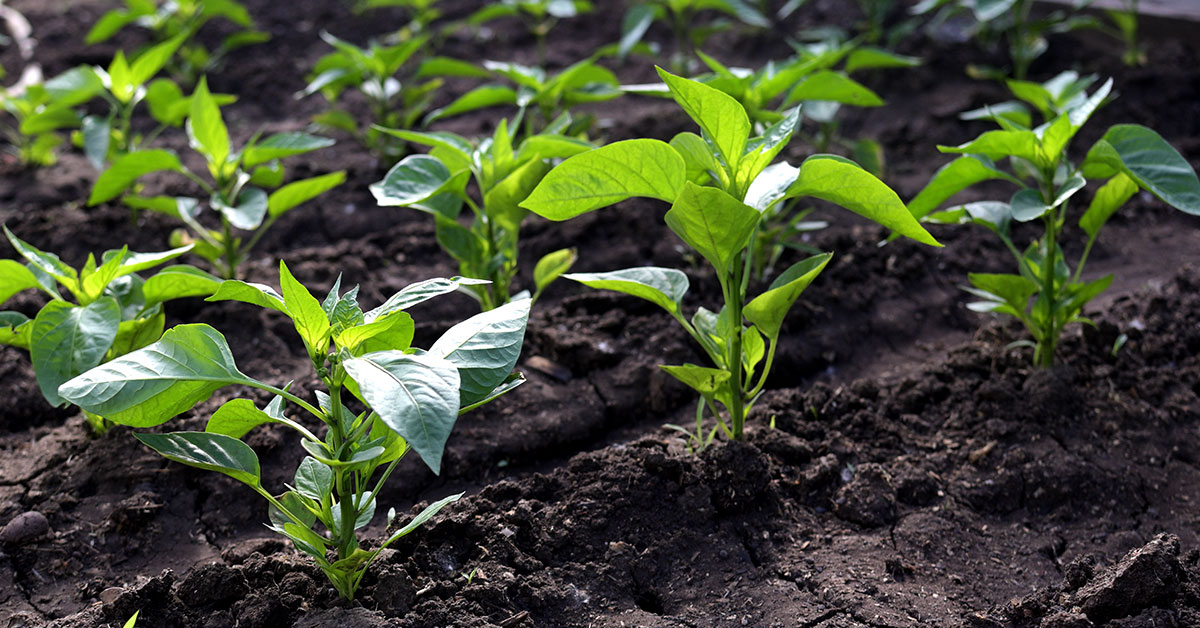

Growing tomatoes and peppers side by side is one of my favorite summer gardening adventures—nothing beats the thrill of harvesting a basket brimming with ripe, sun-warmed fruit for salsa night! Still, it can feel like a juggling act when tomatoes sprawl and peppers sulk, or when pests swoop in under cover of darkness. I know how disheartening it is to see blossom end rot on tomatoes or yellowing pepper leaves halfway through the season. These twelve tips will help you harmonize their needs so both crops flourish together!
Tomatoes (native to western South America) and peppers (originating in Central and South America) share many cultural preferences—warmth, sun, loamy soil—but each has its quirks. From pruning strategies and soil amendments to staking tactics and pollinator friends, we’ll cover everything you need to know. Let’s dive in and turn that corner of your garden into a peppery-tomato paradise!
Prune Suckers on Tomatoes but Leave Pepper Growth Intact
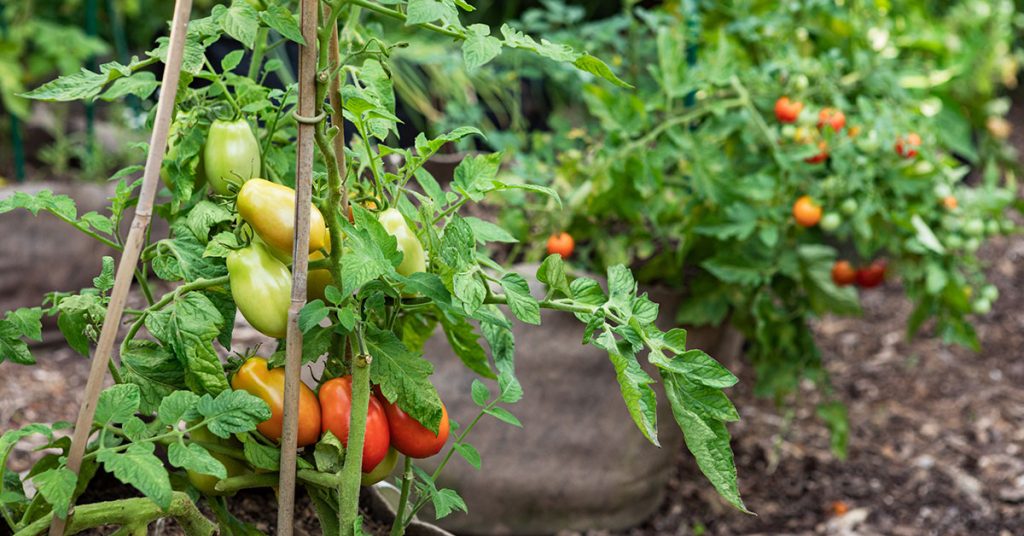
Tomato plants produce “suckers” (the shoots that sprout between stem and branch) which, if left unchecked, divert energy from fruit production. Carefully removing these suckers encourages bigger, juicier tomatoes—but peppers don’t form suckers, so let their side shoots develop naturally.
Without pruning, tomatoes can become a tangled jungle that shades your pepper plants, reducing their fruit set. Peppers benefit from all the foliage they can muster to fuel pepper development. I once neglected tomato suckers and ended up with a thicket so dense I couldn’t spot the peppers hiding beneath!
Amend Soil with Organic Matter and Ensure Drainage

Both tomatoes and peppers thrive in fertile, well-draining loam rich in organic matter. Incorporate plenty of compost or aged manure before planting to boost soil structure and nutrient content. Tomatoes adore the extra calcium from composted eggshells to prevent blossom end rot, while peppers appreciate the slow-release nutrients for steady fruiting.
Avoid heavy clay or waterlogged beds—poor drainage leads to root stress and diseases like Phytophthora blight. If your garden soil is compacted, work in coarse sand or horticultural grit alongside compost so roots can explore freely. Your tomatoes and peppers will reward you with vibrant growth and bountiful harvests!
Provide Consistent Warmth and Frost Protection

Tomatoes and peppers are both heat-loving, frost-sensitive tender perennials in their native ranges. Soil temperatures below 60°F stall root growth, and a late chill can kill young transplants. I always wait until night temperatures reliably exceed 55°F before setting my seedlings out.
For cooler climates, start seeds early indoors and use cloches, row covers, or even empty plastic bottles as mini-greenhouses around young plants. This little boost in warmth can translate to earlier flowering and bigger yields by midsummer!
Mulch to Conserve Moisture and Suppress Weeds
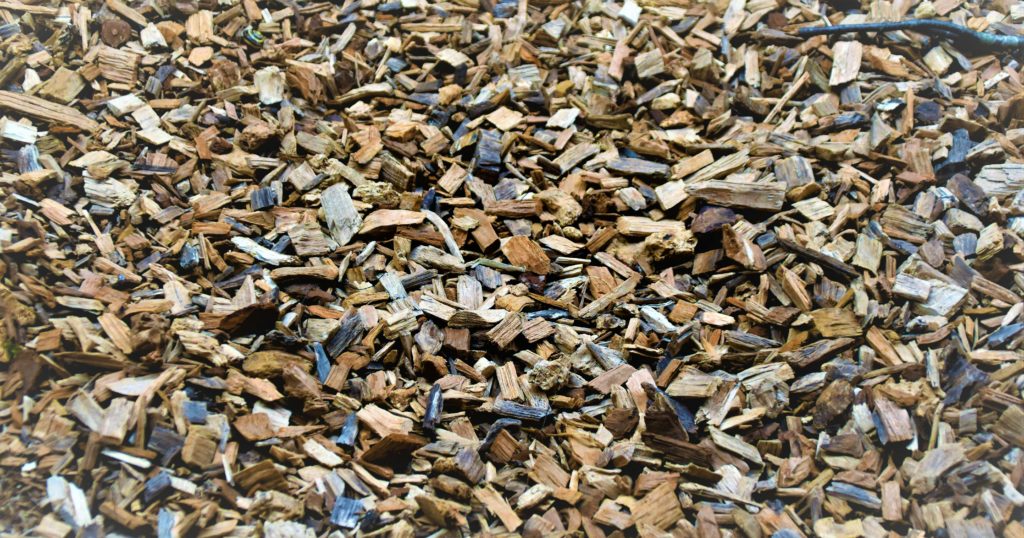
A 2–3 inch layer of straw, shredded leaves, or composted bark helps keep soil evenly moist, which is crucial for preventing tomato blossom end rot and pepper flower drop. Mulch also shades weed seeds, so you spend less time hoeing and more time snipping ripe fruit!
Be careful not to pile mulch against the stems—that can invite collar rot. Leave a small bare circle around each plant’s base. I love how mulch maintains that steady moisture level, even during heatwaves when my garden feels like an oven!
Encourage Pollinators with Companion Flowers
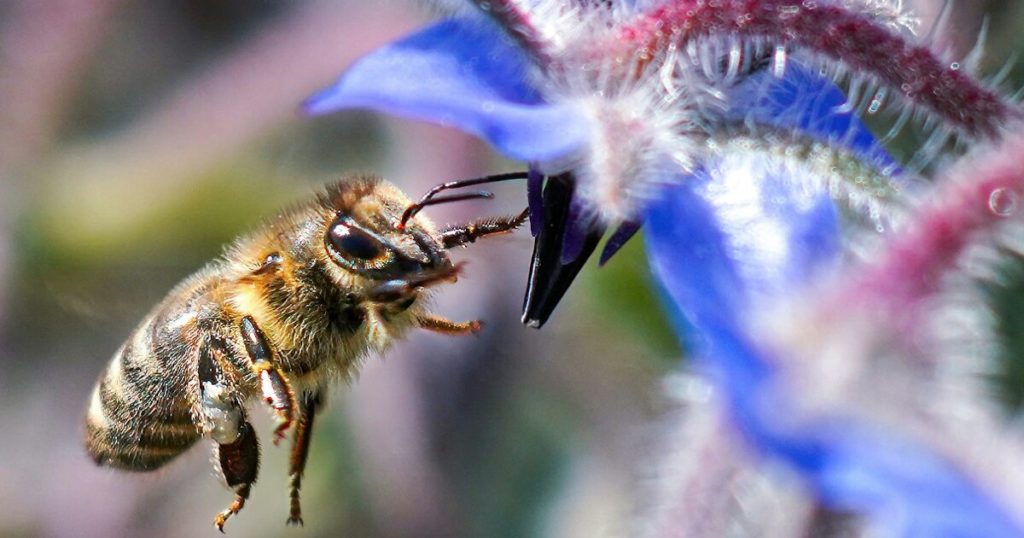
Although tomatoes are primarily self-pollinating, a little buzz from bumblebees and carpenter bees can shake extra yield out of fused blossoms. Peppers, with their more open flowers, also benefit from bee visits. Planting alyssum, borage, or marigolds nearby draws these pollinators in.
One summer, I tucked borage between my tomato cages and watched leafcutter bees nest in the soil nearby—nature’s own gardening assistants! These beneficial insects also prey on aphids and other pests, reducing the need for sprays.
Rotate Crops and Avoid Soil Fatigue
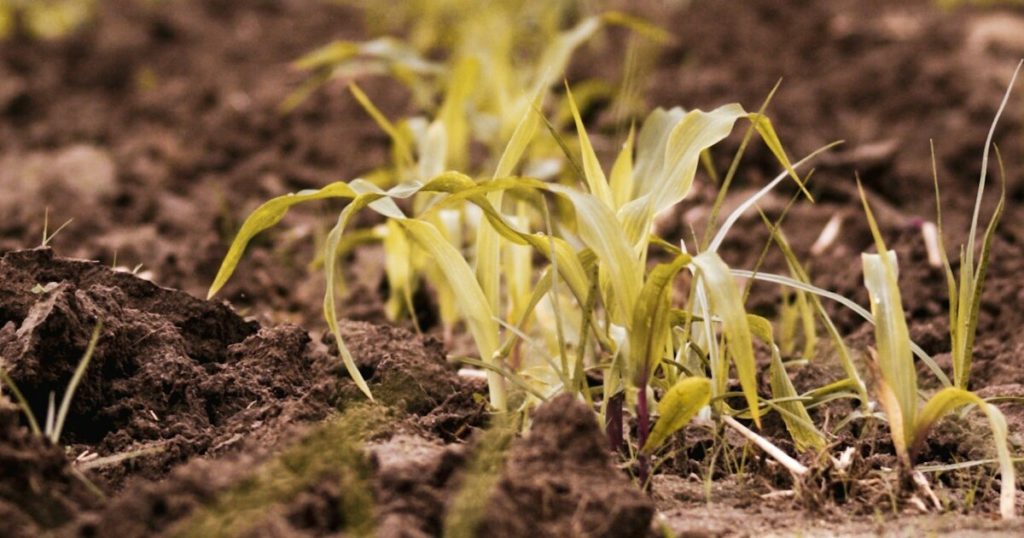
Tomatoes and peppers belong to the Solanaceae family, which means planting them in the same spot each year invites soil-borne diseases like early blight or verticillium wilt. Rotate them to a new bed every 2–3 years to break pest and pathogen cycles.
If limited by space, grow peppers in containers one season and tomatoes in raised beds the next. A healthy rotation keeps soil refreshed and gives those stubborn pathogens nowhere to hide—resulting in healthier, more resilient plants!
Match Watering Needs: Deep, Consistent Moisture
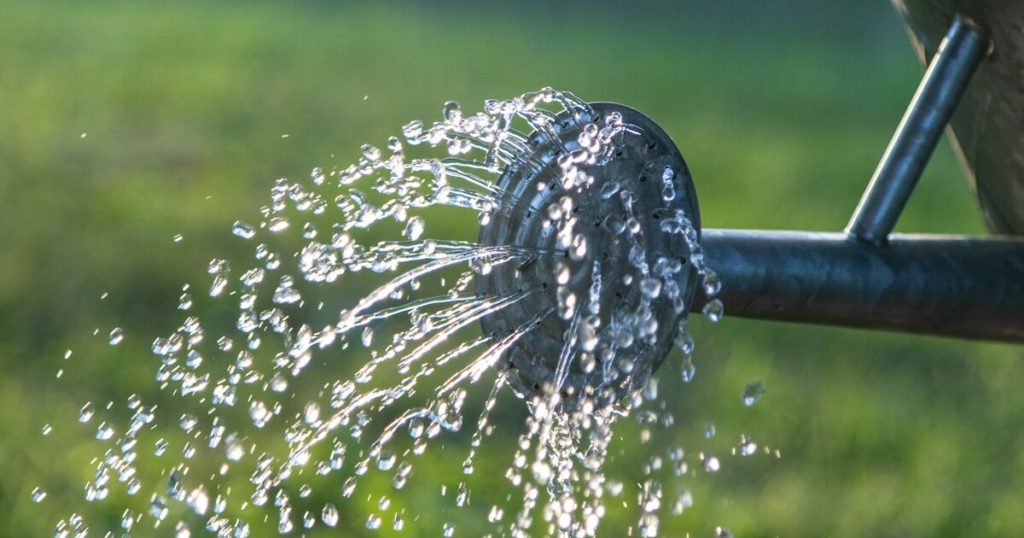
Both crops appreciate evenly moist soil—too little water leads to cracked tomato skins or pepper blossom drop, while too much invites root rot. Aim for a deep watering once or twice a week rather than light daily sprinkles.
I anchor soaker hoses under mulch around each plant, letting water slowly soak in at the roots without wetting the foliage. This reduces leaf diseases and trains roots to grow deeper, making your plants more drought-resistant during peak heat.
Monitor Soil pH and Nutrient Levels

Tomatoes and peppers thrive at a soil pH of 6.0–6.8. If pH dips too low (acidic), plants struggle to absorb calcium and magnesium; too high (alkaline) and iron uptake suffers, leading to yellow leaves. A simple home test kit can guide you.
Adjust pH by adding lime to raise acidity or elemental sulfur to lower it. Conduct a soil test every two seasons and top-dress with worm castings or balanced organic fertilizer to replenish nutrients. Consistent fertility means steady flowering and larger fruits!
Joint Staking or Caging for Support

Tomatoes benefit from sturdy cages or stakes to keep heavy clusters off the soil, and peppers can lean or flop under a full fruit load. Grouping them under the same tomato cage or trellis saves space and simplifies maintenance.
Use wide, sturdy cages or install a T-post with garden twine to support both. Tie main stems loosely to the support as they grow. Once, I combined peppers and tomatoes in a 5-foot cage—and it worked like a charm, with both crops upright and tidy all season!
Monitor for Pests and Diseases Early
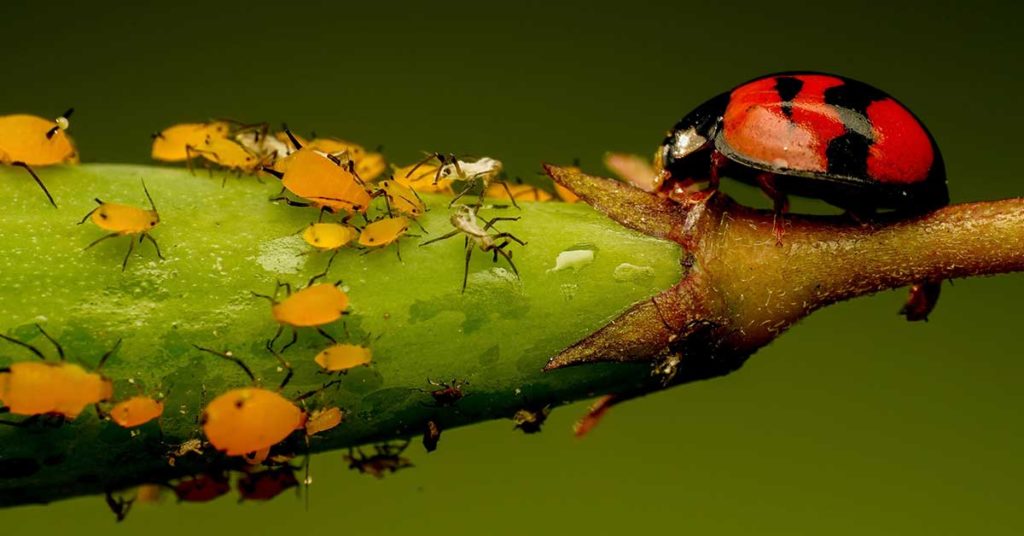
Aphids, hornworms, and whiteflies can devastate both tomatoes and peppers if left unchecked. Checking leaves weekly—especially the undersides—lets you spot pests early. Remove them by hand or use insecticidal soap at the first sign of infestation.
Fungal diseases like early blight often strike when foliage stays damp. Pruning lower tomato leaves for airflow and watering at the soil line helps keep leaves dry. Catching disease spots early means less loss of foliage and fruit!
Maintain Proper Spacing and Air Circulation

Crowding plants increases humidity around foliage, creating a perfect breeding ground for fungal pathogens. Space tomatoes at least 18–24 inches apart and peppers 12–18 inches apart. This gives air room to move and helps sun-drying after morning dew.
Good circulation also makes it easier to inspect plants and harvest fruit. I once planted mine too tightly and spent my afternoons hacking back leaves instead of enjoying fresh salsa!
Fertilize Appropriately with Balanced Feeding

Tomatoes are heavy feeders, especially of phosphorus and potassium for fruiting, while peppers benefit from a balanced feed with slightly less nitrogen to avoid lush foliage at the expense of fruit. Use an organic fertilizer labeled for vegetables, following package rates.
Side-dress with compost or fish emulsion when fruits set to give your plants a nutrient boost just when they need it most. I always feed mine biweekly during peak production—and the increase in fruit size and flavor is astonishing!