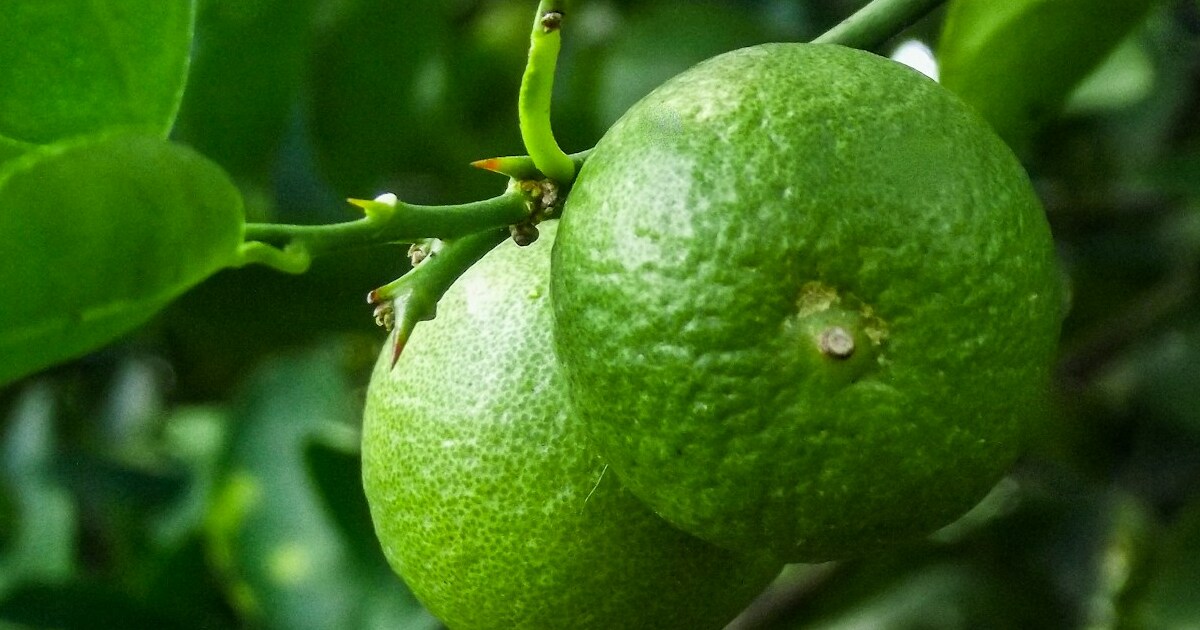

Limes are such a delight in the garden—those zesty fruits fresh off the branch can elevate any dish or cocktail to gourmet status! Yet, I know how frustrating it is when your lime tree flowers profusely but never sets fruit, or when tiny limes drop before they swell. Over the years, I’ve learned that growing the perfect limes means more than just sunshine and water; it requires attention to soil, pests, pollinators, and even how you prune. Let’s dive into twelve essential tips—each with two in-depth paragraphs—to help you achieve bumper harvests of plump, tangy limes this season.
Whether you’re working with a ground‐planted ‘Key’ lime or a potted ‘Bearss’, these tips will guide you through every stage, from selecting the right variety to protecting blossoms from an unexpected cold snap. I’ve mixed up the order to keep you guessing, and sprinkled in notes on limes’ native origins in Southeast Asia, their potential to naturalize in tropical climates, and how to welcome nesting birds and beneficial insects into your grove. Ready to fall in love with lime growing all over again? Let’s go!
Prune for Structure and Airflow
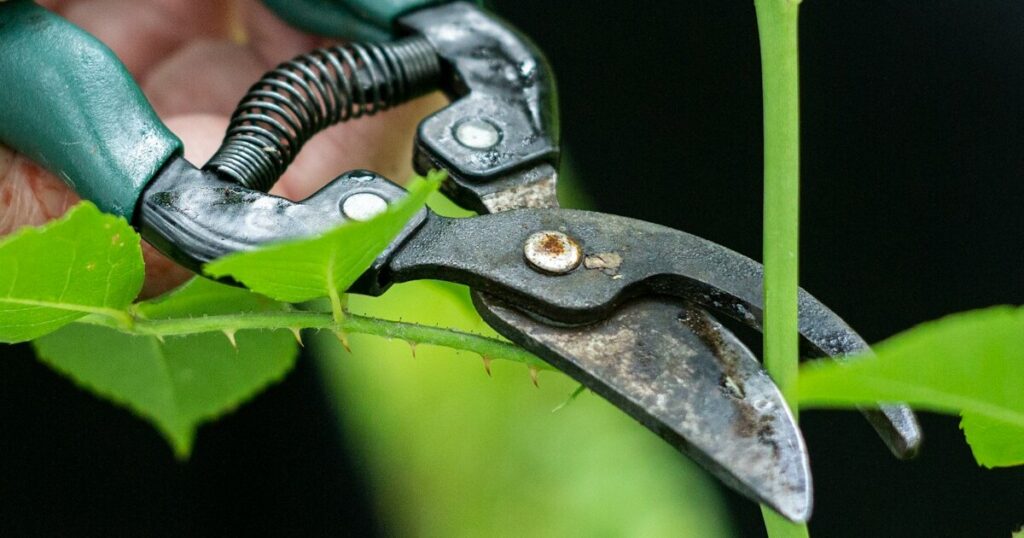
It’s tempting to let your lime tree grow wild, but skipping annual pruning can lead to a tangled canopy where disease thrives and sunlight can’t reach inner branches. I once inherited a sprawling lime that yielded handfuls of undersized fruit until I took my pruning shears to it! Removing deadwood, crossing limbs, and thinning the center each spring not only shapes a sturdy framework but also boosts air circulation—vital for keeping fungal problems like greasy spot at bay.
Pruning time is also a golden opportunity to inspect for nesting sites and welcome beneficial wildlife. Many small birds, like warblers and finches, appreciate the shelter of a well‐pruned canopy for building nests, which in turn helps control pests. By structuring your tree thoughtfully, you create prime real estate for these feathered allies while ensuring every bud and blossom basks in full sun.
Monitor and Control Pests and Diseases
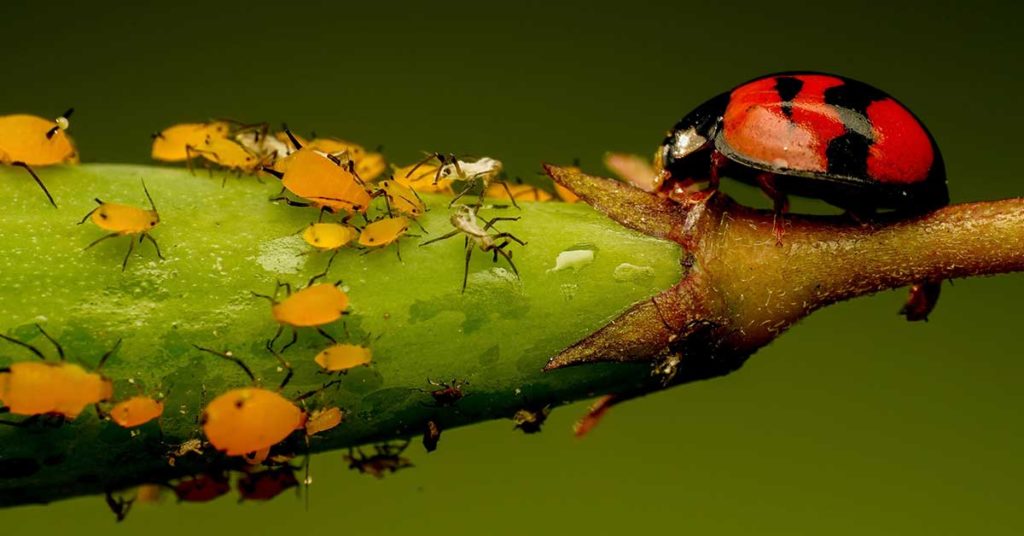
Lime trees can be magnets for aphids, scale insects, and citrus leaf miners, and in humid regions, fungal diseases can take hold rapidly. It’s such a bummer to discover sticky honeydew or distorted leaves—signs that sap‐sucking pests are feasting on your foliage! Weekly scouting—looking under leaves, along stems, and at developing fruit—lets you catch infestations early. Organic treatments, like neem oil or insecticidal soaps, work wonders without harming pollinators.
Because limes (Citrus aurantiifolia) hail from Southeast Asia’s tropical foothills, they lack immunity to some pests common in wetter climates. In places where they naturalize, volunteer seedlings can sprout in neglected corners. Keeping the area clean—removing fallen fruit and pruning debris—reduces breeding grounds for pests and diseases. This vigilance not only safeguards your fruit size but also maintains a healthy ecosystem that supports beneficial insects and soil microbes.
Protect from Temperature Extremes

Limes are notoriously tender when temperatures dip below 50°F, yet too much scorching heat can stress foliage and cause fruit drop. I’ve lost whole blossoms to spring frosts and watched green limes shrivel under unexpected June heatwaves! Cover young trees with frost cloth or move container plants indoors during cold snaps, and use temporary shade cloth or misting systems when temperatures exceed 95°F to prevent sunscald.
In their native range—moist, tropical regions of Southeast Asia—limes never faced hard freezes or desert‐like heat. Mimicking these conditions in your garden means being ready to adapt: mulch heavily before cold spells to insulate roots, and adjust irrigation when heat spikes. By guarding against extremes, you ensure blossoms set and developing limes swell to their full, juicy potential.
Feed with Balanced Fertilization

Lime trees are heavy feeders craving consistent nitrogen for lush foliage and sufficient phosphorus and potassium for blooming and fruit development. I remember one season of patchy, undersized limes until I switched to a citrus‐specific fertilizer with a 6-6-6 ratio plus micronutrients like magnesium and zinc. Applying this feed three times—early spring, midsummer, and early fall—kept my tree vigorous and my limes large.
Organic amendments, such as composted manure or fish emulsion, work in harmony with soil microbes, mimicking the leaf litter environment of their native forests. This living soil approach encourages earthworms and beneficial bacteria that enhance nutrient uptake. By blending granular feeds with foliar sprays, you maintain steady nourishment and avoid nutrient spikes that can lead to leaf burn or blossom drop.
Manage Fruit Thinning and Crop Load
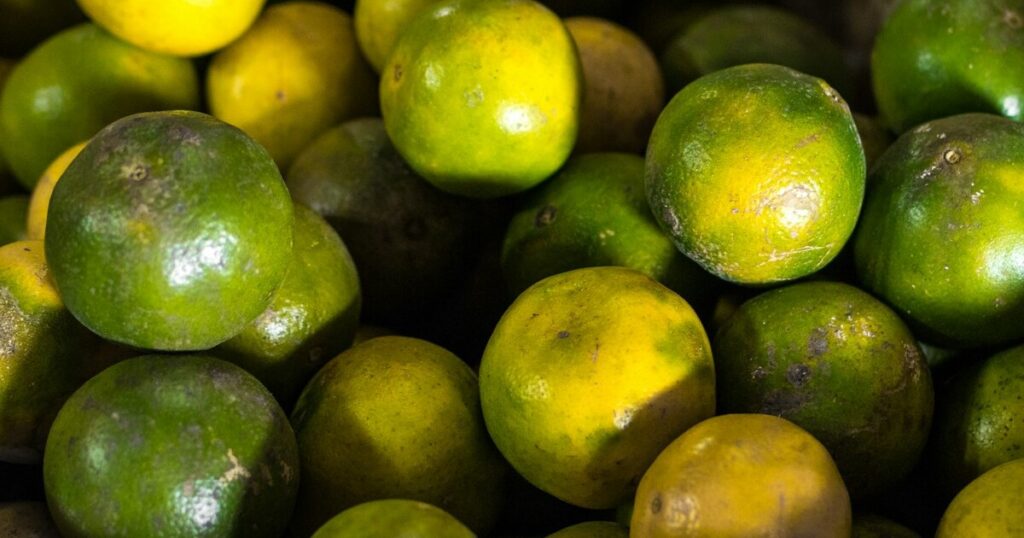
It might seem counterintuitive to remove some young limes, but thinning ensures that remaining fruit grow larger and branches aren’t overloaded. I used to let every blossom set fruit and ended up with dozens of pea‐sized limes that nibbled away my tree’s energy! By thinning when limes are about marble‐sized—keeping one fruit every 3–4 inches—you concentrate resources on fewer targets, resulting in perfectly plump, golf‐ball‐sized limes.
Thinning also reduces the risk of branch breakage and makes it easier for birds to forage without toppling half the harvest. While limes aren’t typically invasive, in tropical zones dropped seeds can sprout volunteers. Removing excess fruit thoughtfully helps you balance crop load, minimize waste, and maintain a tidy garden that invites both beneficial insects and nesting birds.
Encourage Pollinators and Beneficial Insects
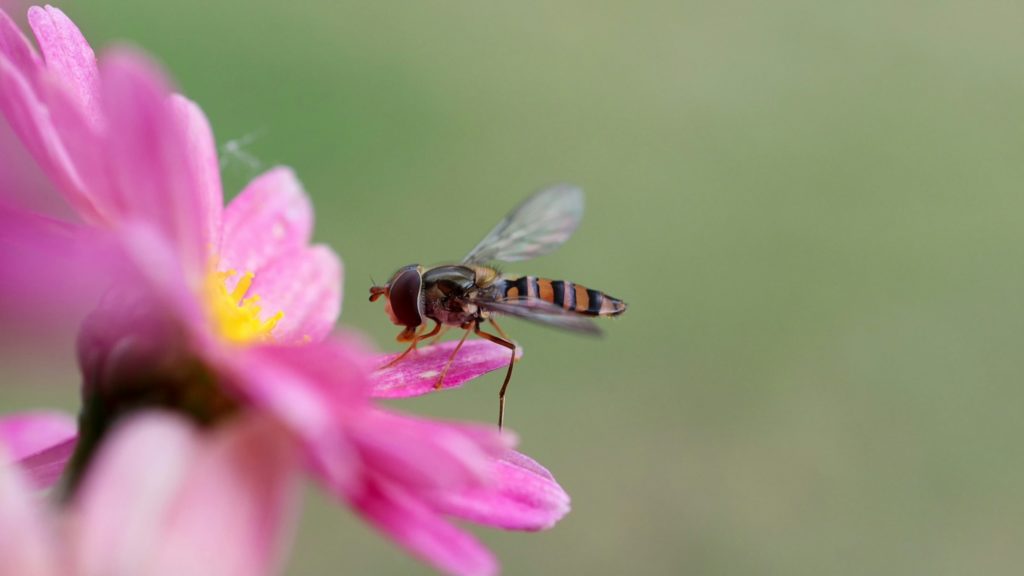
Though many limes can set fruit parthenocarpically, buzzing bees and curious hoverflies significantly boost pollination and yield. I love spotting solitary native bees darting among fragrant blossoms—each visit increases the chance of larger fruit sets! Planting pollinator‐friendly companions like borage, lavender, and native wildflowers provides forage and nesting sites, ensuring these tiny helpers stick around.
Beneficial predatory insects, such as lacewings and parasitic wasps, prey on aphids and mealybugs that plague citrus. Providing shelter—like small piles of twigs or insect hotels—invites these allies to patrol your lime grove. By minimizing broad‐spectrum sprays and fostering insect diversity, you cultivate a balanced ecosystem that protects both foliage and fruit, giving you bigger, healthier limes.
Choose the Right Variety for Your Region
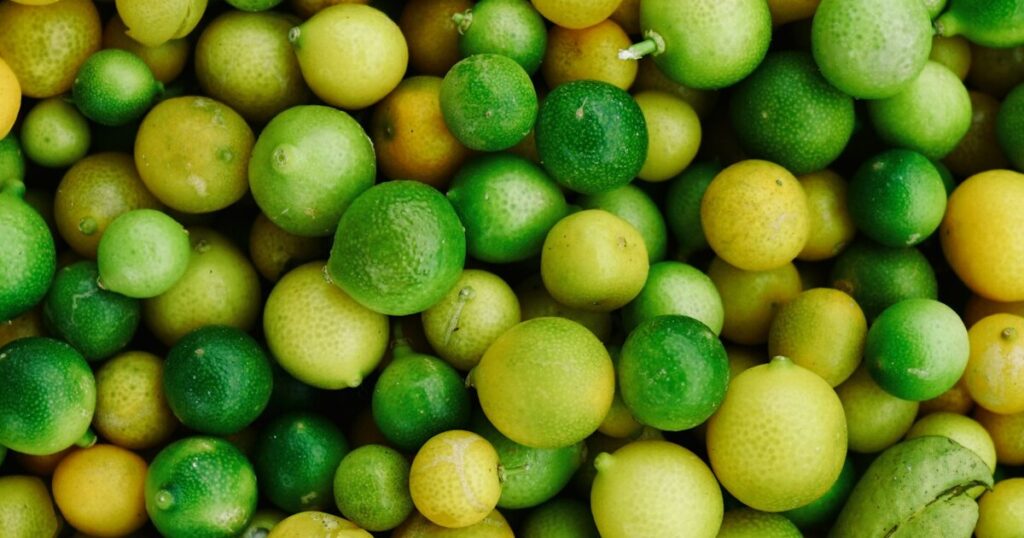
Not all limes thrive everywhere. The common Key lime (C. aurantiifolia) loves frost‐free, tropical or subtropical climates, while the more cold‐tolerant Persian (C. × latifolia) handles light chills better. In cooler zones, container‐grown dwarf varieties—like ‘Bearss’—offer greater flexibility, allowing you to move them indoors when frost threatens. Matching variety to local chill hours and humidity avoids the heartache of blossom drop or frost damage.
In regions where limes can naturalize—such as parts of Florida or Hawaii—volunteer seedlings may pop up around hedgerows. Keep an eye out and remove any unwanted sprouts to prevent overcrowding. Selecting the right cultivar from the start ensures your tree puts energy into burgeoning fruit instead of fighting unsuitable conditions, setting the stage for big, tangy harvests every season.
Site Selection and Sun Exposure

Lime trees need at least six to eight hours of direct sunlight daily to produce flavorful, well‐sized fruit. Planting in partial shade often results in leggy growth and sparse crops. I once positioned a lime under a morning‐sun window and watched its bloom count dwindle; relocating it to a full‐sun spot against a south‐facing fence revived its vigor in no time!
Good airflow is equally important—stagnant, humid pockets invite fungal diseases like greasy spot. Choose a site with gentle breezes and avoid low spots where water pools. While limes aren’t considered aggressively invasive, in prime sun and warmth they can naturalize if unchecked. A sunny, well‐drained site ensures maximum photosynthesis and healthy fruit development.
Prepare and Amend Soil Thoroughly
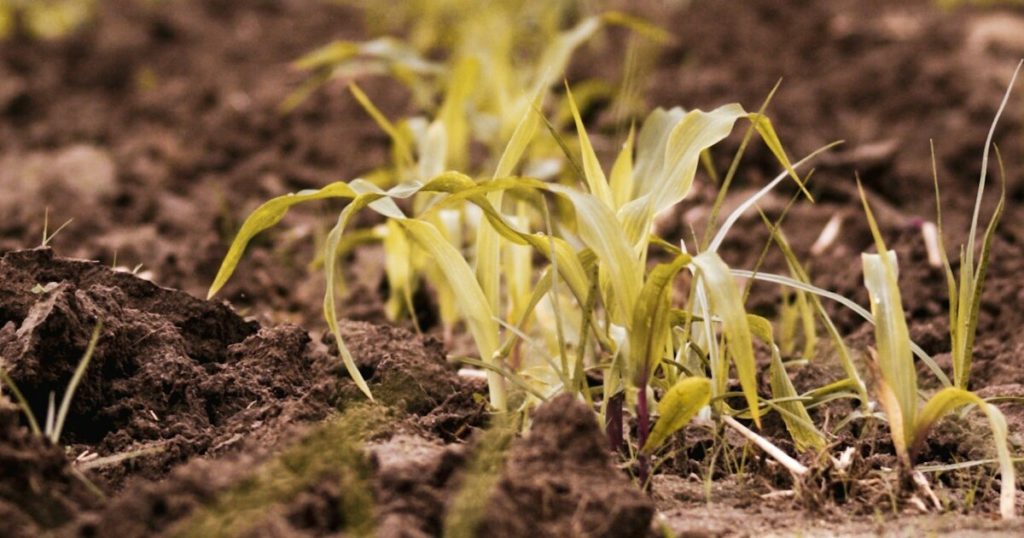
Limes thrive in slightly acidic, loamy soils (pH 6.0–6.5) rich in organic matter—conditions that echo their native tropical forest floors. Before planting, conduct a soil test to check pH and nutrient levels. Amending with compost, well‐rotted manure, or coconut coir improves structure and moisture retention, while coarse sand or perlite enhances drainage to prevent root rot.
Healthy soil is the foundation for root growth and nutrient uptake. In their native environments, lime roots spread through humus‐rich layers teeming with beneficial fungi and bacteria. By enriching your planting hole and surrounding bed, you’ll foster a living soil ecosystem that sustains vigorous growth and big, juicy limes!
Mulch to Conserve Moisture and Suppress Weeds
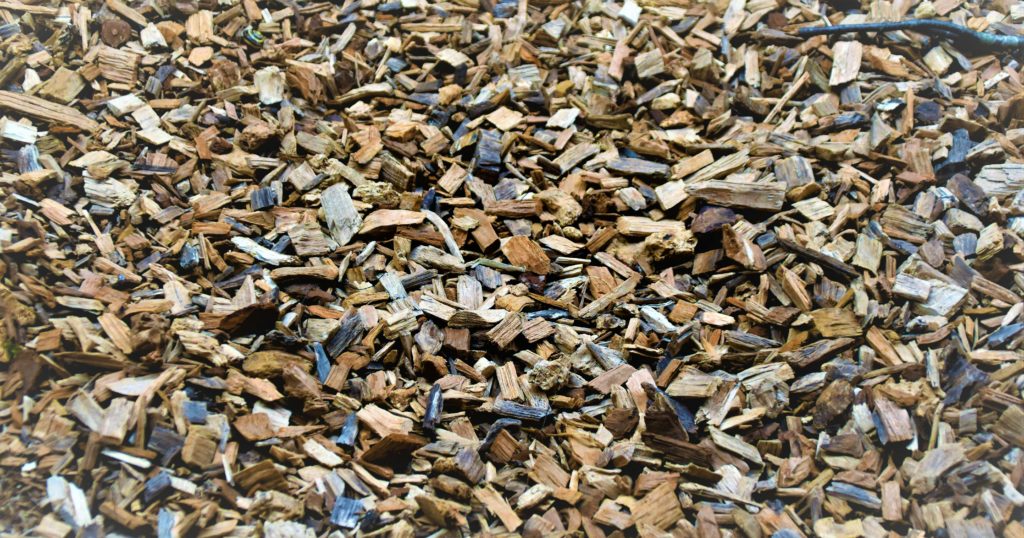
A generous 2–4 inch layer of organic mulch—such as wood chips, straw, or shredded leaves—around your lime tree’s drip line helps retain soil moisture, suppress weeds, and regulate temperature swings. I always leave a small gap at the trunk base to prevent collar rot, then extend the mulch circle to cover the root zone for maximum benefit. As it breaks down, it also feeds soil microbes.
Mulch mimics the leaf‐litter layer of their forest‐floor origins, creating habitat for earthworms and beneficial insects. Ground-nesting bees often tunnel just beneath mulch layers, finding a cozy spot to hive—another win for pollination. By maintaining consistent ground cover, you support both your lime’s water needs and a thriving garden ecosystem!
Water Deeply and Infrequently
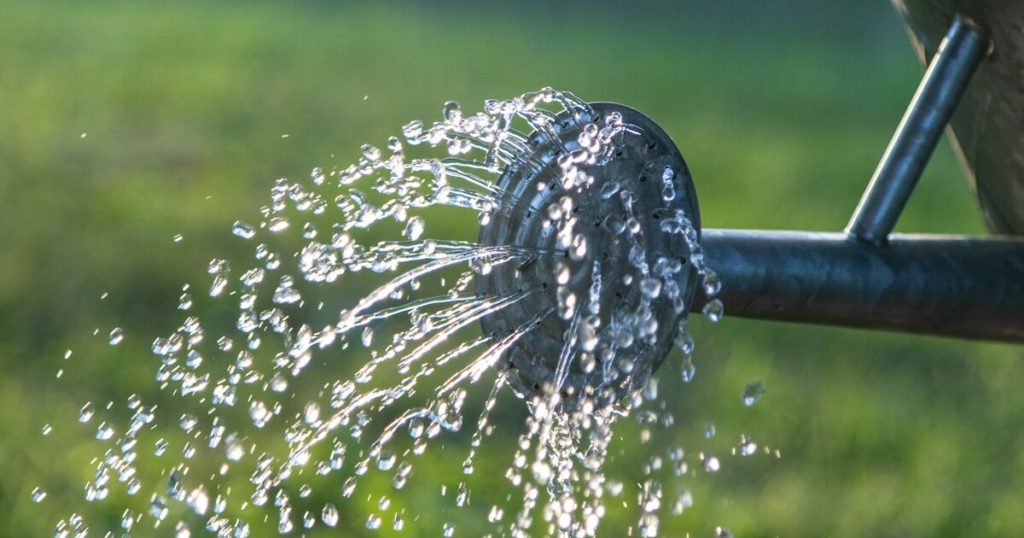
Limes appreciate consistent moisture but dislike sitting in water. Shallow, frequent watering encourages surface roots prone to drought stress, while deep, infrequent soaking—penetrating 12–18 inches—promotes strong, resilient roots. I aim to water once or twice weekly in midsummer, adjusting for rainfall, and use a drip irrigation line to deliver water directly to the root zone.
Overwatering can lead to root rot and nutrient leaching, while underwatering results in small, tough fruit and yellowing leaves. In their native tropical habitats, lime trees experience periods of heavy rain followed by drier spells. By mimicking this pattern—keeping soil evenly moist but never waterlogged—you’ll encourage those plump, flavorful limes you’ve been dreaming of!