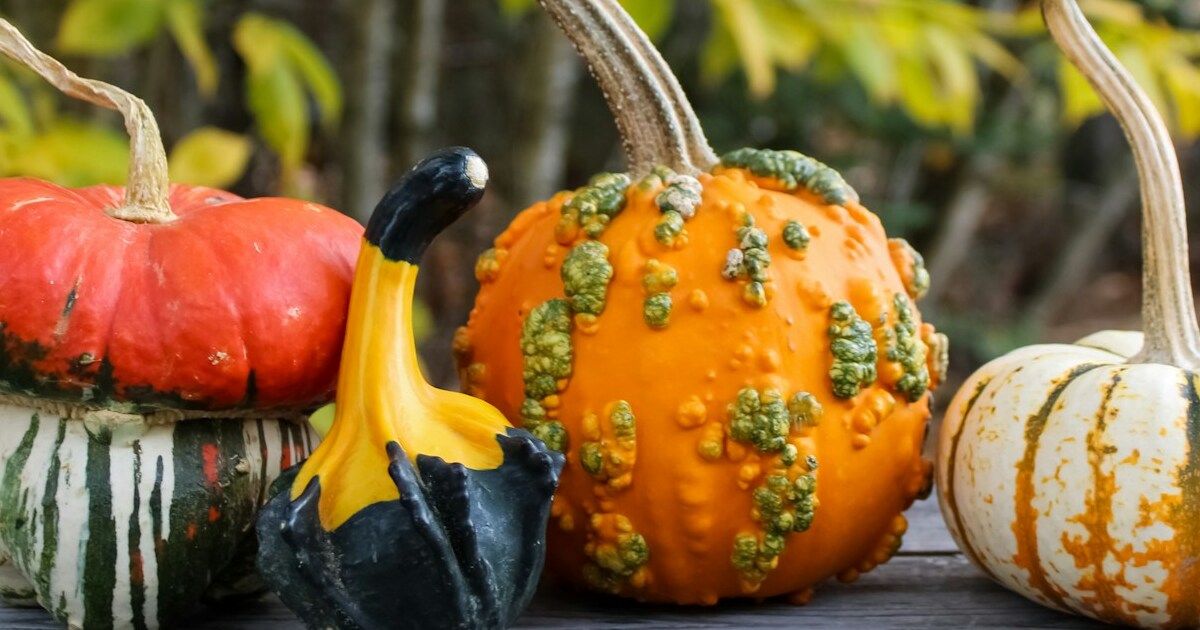

Gardening pumpkins and squash side by side can turn your patch into a bountiful autumnal spectacle! I know how thrilling it is to envision those golden globes ripening on intertwined vines—and equally how frustrating it can be when powdery mildew strikes or vines sprawl out of bounds. But with a few thoughtful strategies, you’ll cultivate a healthy, productive duo that complements each other and delights every pollinator in the neighborhood.
As someone who’s lost more than a few seedlings to late frosts and slug invasions, I get it—growing these heavy-feeders takes patience, flair, and a dash of creativity. Over the next dozen tips, I’ll share everything from soil prep and planting timing to encouraging buzzing bees to make themselves at home. Let’s dive in and turn that garden frustration into green-thumbed triumph!
Provide Ample Spacing and Support
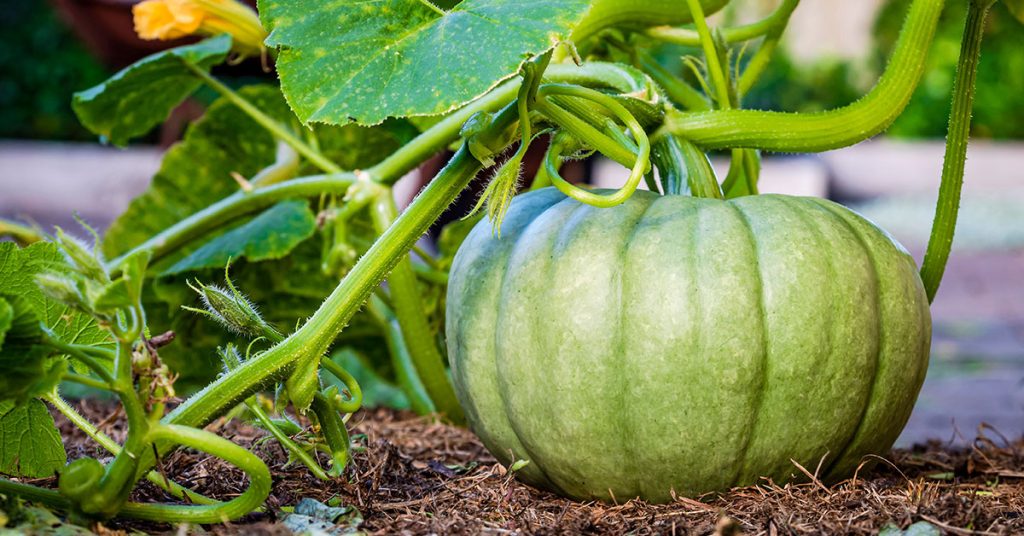
Crowding vines leads to competition for resources and creates shady pockets where pests thrive. Give bush squash at least 2–3 feet between plants, and sprawling pumpkins at least 4–6 feet in every direction. If you’re tight on space, train summer squash up a sturdy trellis—with care, it’ll bear fruit right through the foliage!
Keep in mind that these vines aren’t considered invasive in the wild sense, but they can take over a garden if left unchecked. Designing dedicated lanes for each crop keeps maintenance simpler and makes it easier to weave through for scouting and harvesting.
Mulch to Regulate Soil Temperature and Retain Moisture
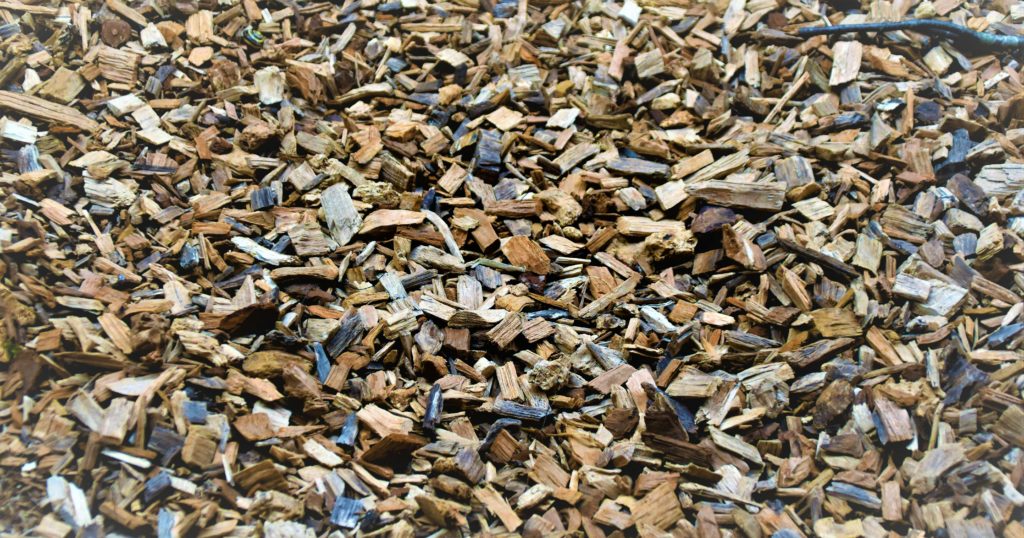
A thick layer of straw or shredded leaves keeps moisture in check and gives fruit a soft resting spot, reducing rot and scarring. It also moderates soil temperatures—cooler roots in the heat of summer, warmer in early spring!
Watch out for mulch piling up against stems; that can invite vine rot. Pull it back a few inches from the crown but keep an insulating blanket over the rest of your patch. Your pumpkins and squash will thank you with bigger, sweeter fruits.
Attract Pollinators and Nurture Nesting Spots
Pumpkins and squash bear separate male and female flowers—without plenty of bee visits, you’ll see abundant blooms yet few fruits! Include patches of bare, well-drained soil or set out a bee hotel to encourage solitary bees to nest nearby. They’ll buzz from bloom to bloom all season long!
I love seeing mason bees tunneling into little tubes—that sight reminds me of pumpkin fields in North America centuries ago, alive with native pollinators. Avoid broad-spectrum sprays and opt for spot treatments so your new buzzworthy neighbors stick around.
Monitor and Control Pests Proactively
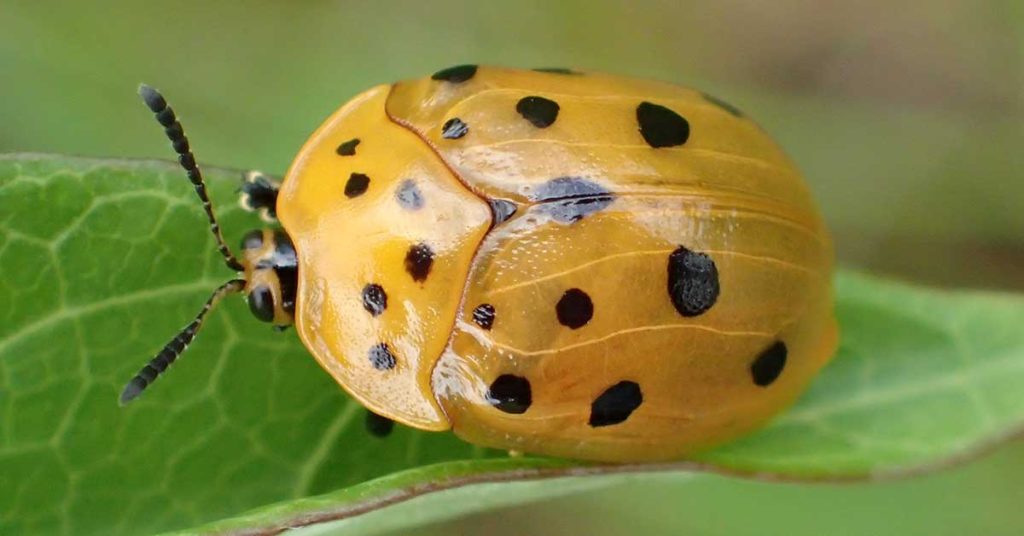
Cucumber beetles, squash vine borers, and vine weevils can decimate your patch before you know it! Check leaves and stems regularly for eggs or damage, and remove by hand when possible. Floating row covers work wonders—just slip them off when blooms appear so pollinators can do their job.
It’s such a bummer when these pests take hold, but early intervention saves a summer of heartache. If you do reach for treatments, choose targeted, plant-safe options such as Bacillus thuringiensis for borers or neem oil for soft-bodied insects—and always follow label instructions!
Harvest and Store with Care

Timing is everything—harvest when pumpkins’ rinds resist a fingernail puncture and squash skins are firm, usually in early to mid-fall before heavy frosts. Use sharp pruners to leave a couple of inches of stem intact; this “handle” reduces the risk of rot during storage.
After cutting, cure your bounty in a warm, dry spot (around 80°F) for two weeks. This hardens the skins, locks in sweetness, and helps wounds seal over. Once cured, store pumpkins at about 50–55°F and 50–70% humidity; you’ll enjoy those beauties well into winter!
Companion Plant with Beneficial Allies
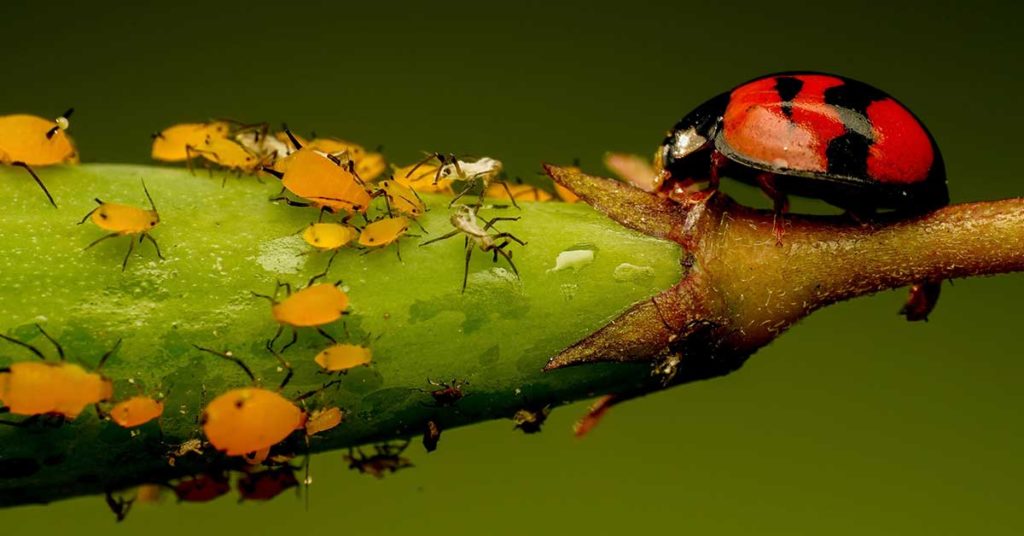
Plant fragrant herbs like thyme or oregano around your squash patch to deter squash vine borer moths, and tuck in marigolds to repel aphids. These companion plants also attract predatory insects—ladybugs, lacewings, and parasitic wasps—that patrol your vines for pests!
Squash and pumpkins are native to North America and evolved alongside a suite of beneficial bugs; by re-creating that ecosystem, you’ll see far fewer pest outbreaks. Plus, those bursts of color enhance the garden’s beauty and give hungry pollinators additional food sources.
Prune Excess Vines for Better Airflow
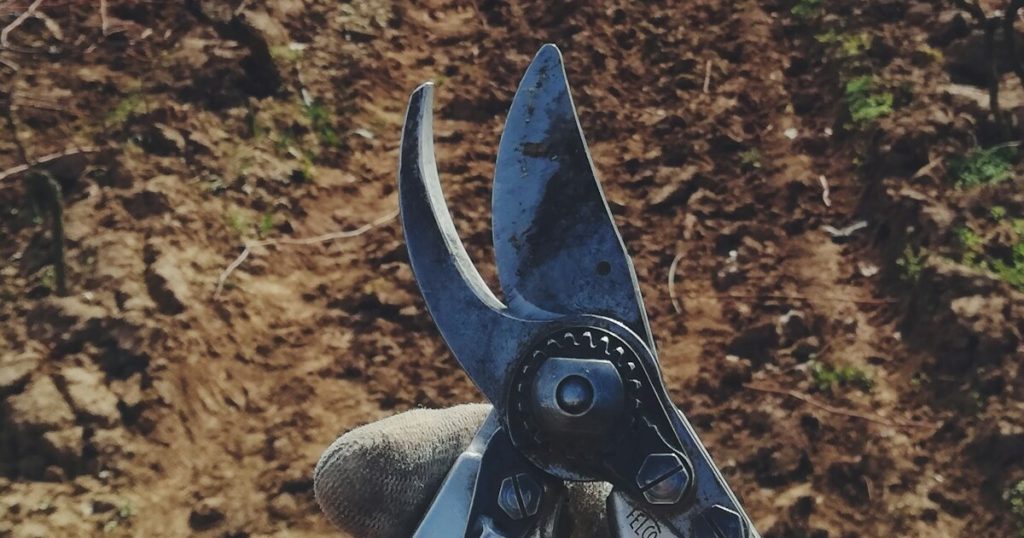
Heavy vines beneath a dense canopy often lead to mildew and rot—as someone who’s wrestled with soggy leaves, I can’t stress enough how good airflow matters! Trim back some of the longer lateral shoots once fruits begin forming to expose leaves and fruit to sunshine and breezes.
These vines aren’t invasive in the wild sense, but left unchecked, they’ll blanket your garden. Pruning redirects the plant’s energy into fruit development and reduces hiding spots for pests like squash bugs to lay eggs.
Manage Water Wisely
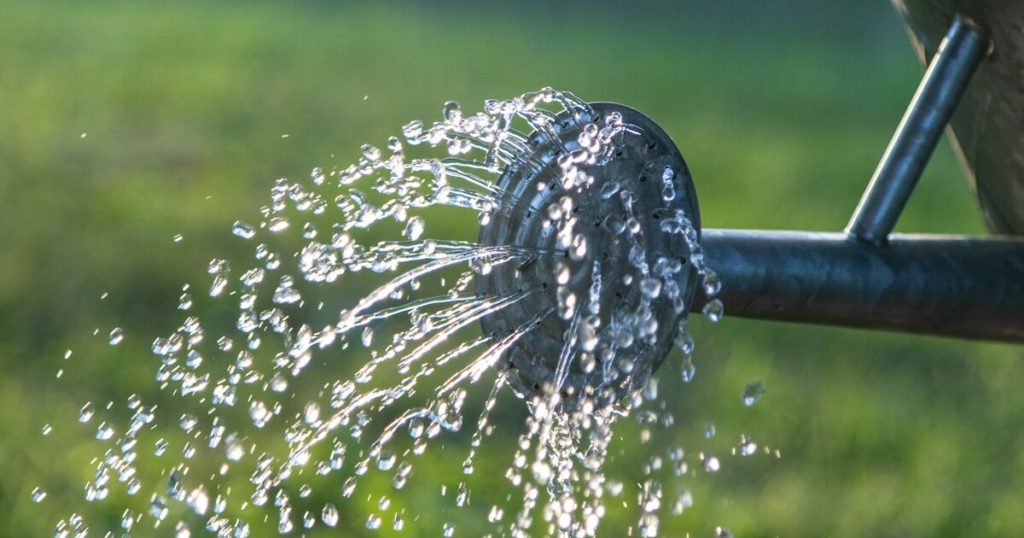
Pumpkins and squash crave consistent moisture but despise soggy roots. Water deeply at the base early in the morning, aiming for about an inch per week—more during heatwaves, less when rain lends a hand! This routine helps keep leaves dry, cutting down on dreaded fungal diseases like powdery mildew.
Did you know these plants hail from the Americas, where summer rains tend to fall in bursts? Mimicking that pattern encourages strong, deep roots. Just be mindful—overwatering can lead to weak stems and invite root rot, especially in cooler climates where water lingers longer in the soil.
Optimize Planting Time
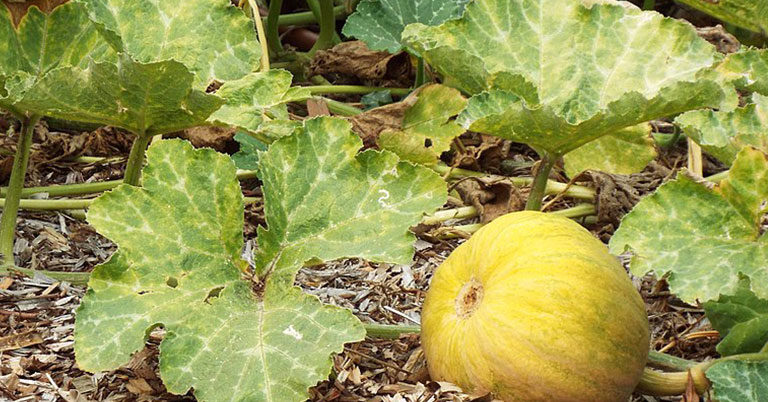
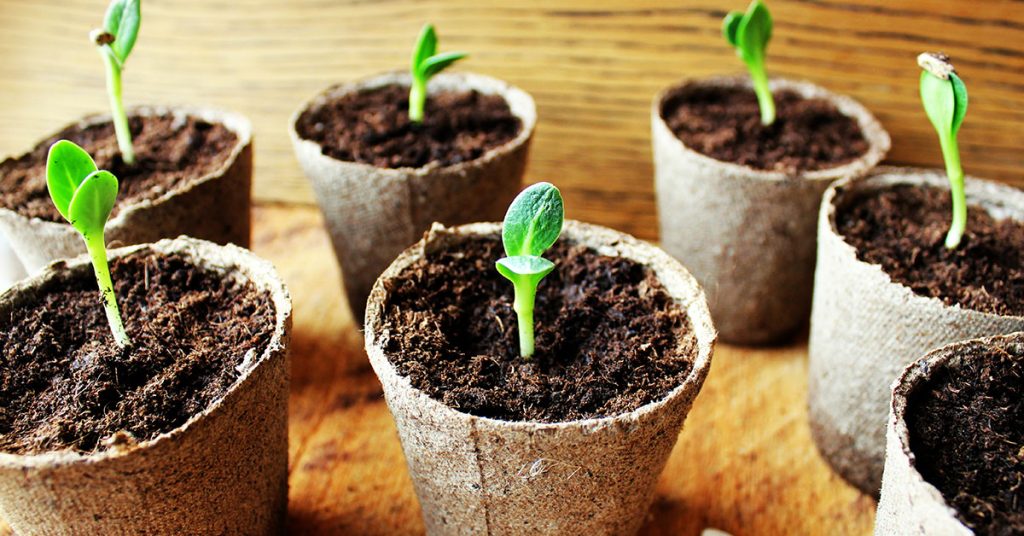
Nothing’s more soul-crushing than a late frost nipping tender vines. Sow seeds outdoors when soil temperatures reach at least 70°F—typically two weeks after your last spring frost. In cooler regions, start seedlings indoors 3–4 weeks earlier to get a head start!
Pumpkins (Cucurbita pepo) and most squash originate from warm parts of the Americas, so they’re wired to burst into growth as soon as warmth arrives. If you’re battling a short season, choose faster-maturing varieties and use black plastic mulch to warm the soil faster in spring!
Prepare Rich, Well-Drained Soil

These heavy-feeding cousins originated in nutrient-rich floodplains of the Americas, where they stretched vines across fertile ground. Before planting, work in plenty of aged compost or well-rotted manure, plus a balanced organic fertilizer high in phosphorus to boost flowering.
Good drainage is equally vital—amend clay soils with coarse sand or fine gravel to prevent water from pooling. When soils stay too wet, roots suffocate and diseases flourish. A crumbly, loamy mix gives your vines the oxygen they crave to send roots deep and wide.
Implement Crop Rotation to Prevent Diseases
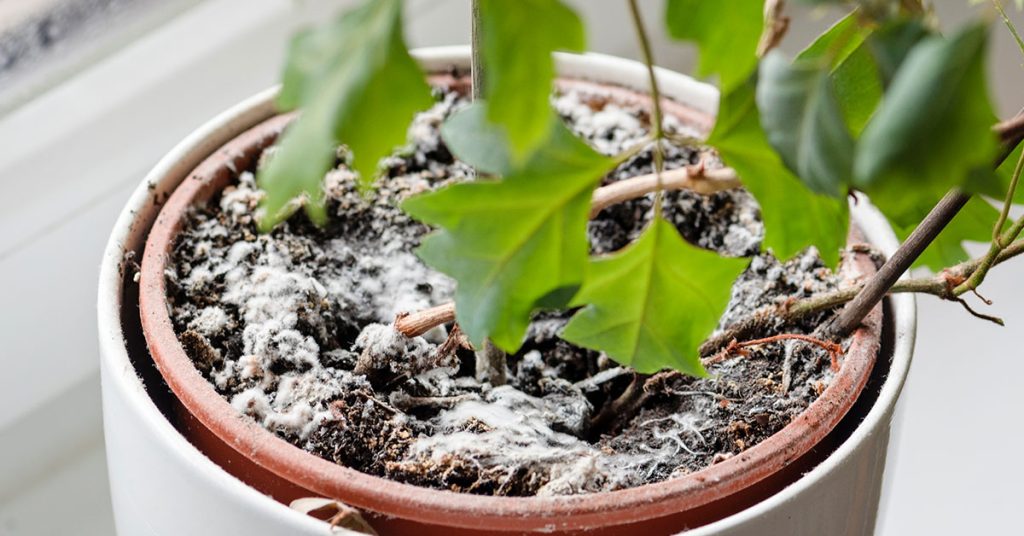
Since pumpkins and squash share pathogens like fusarium and powdery mildew, avoid planting them (or any cucurbits) in the same spot more than once every 3–4 years. I learned this the hard way—my second-year patch was wiped out by wilt!
Rotating to legumes or brassicas breaks disease cycles and restores soil balance. If space is tight, grow your squash in large containers one season, then switch to in-ground beds the next to give the soil a fighting chance.
Choose Complementary Varieties
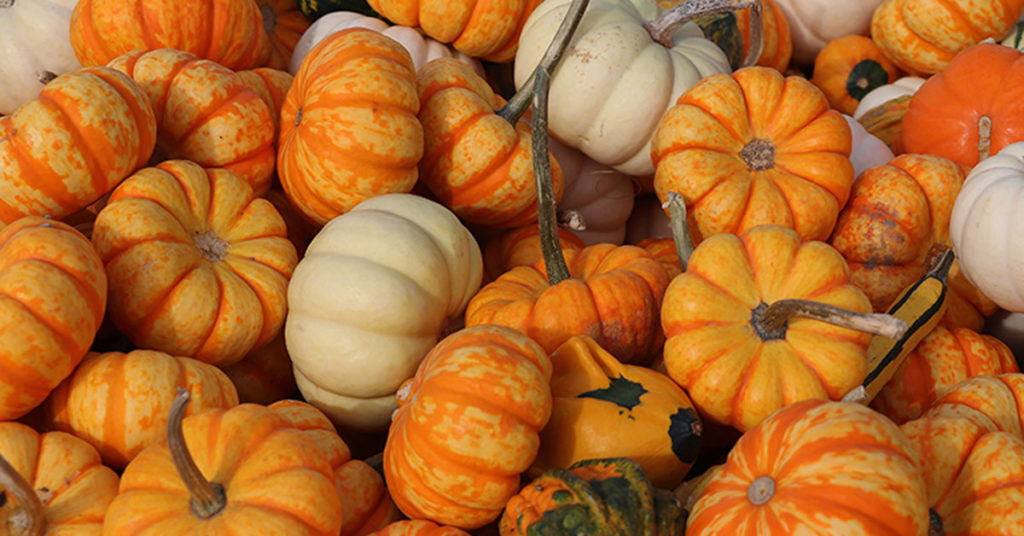
I’m always amazed by the diversity in Cucurbita—bushy summer squash like ‘Pattypan’ mix beautifully with sprawling pumpkins such as ‘Jack-O’-Lantern.’ Pairing different growth habits prevents your patch from becoming one tangled mass!
Since both belong to the same genus, rotation is crucial, but co-planting compatible types can optimize space. Look for varieties with staggered maturity dates so you’re harvesting squash at its peak before pumpkin vines completely take over.