

Cosmos flowers are one of my favorite summer delights—their daisy-like blooms in shades of pink, white, and fiery orange seem to dance on graceful, ferny foliage! Native to the highlands of Mexico, Cosmos bipinnatus (and its cousin C. sulphureus) have naturalized in gardens around the world. While not typically invasive, they’ll happily self-seed if you let spent flowers fall, turning a single planting into a joyful meadow. I know how frustrating it is to nurture seedlings only to see spindly stems or sparse flower displays before the peak of summer!
That’s why I’m thrilled to share twelve essential tips to help your cosmos burst into full bloom, from soil prep to succession sowing and pest management. We’ll dive into attracting pollinators (even encouraging ground-nesting bees to set up shop), managing nutrient levels to prevent leggy growth, and keeping those cheerful blossoms coming from early summer right through fall frost. Grab your gardening gloves—let’s make your cosmos the showstopper of the season!
Deadhead Spent Blooms

Regular deadheading is a game-changer for continuous flowering. As soon as petals start to fade, snip off the spent flower head just above a set of healthy leaves. This signals the plant to channel energy into producing fresh buds instead of setting seed!
Deadheading also keeps your beds looking neat and prevents volunteer seedlings from popping up where you don’t want them. Think of it as giving your cosmos a gentle haircut—trim the old to reveal new beauty, week after week!
Provide Support for Tall Varieties

Some cosmos cultivars can stretch over four feet tall, and heavy flower heads may flop in wind or rain. Early in the season, I stake tall plants with bamboo canes or tuck them into tomato cages, gently tying stems with soft garden twine.
Giving your cosmos a little structural help mimics how they might lean against shrubs or rocks in their native Mexican meadows. Supported stems stay upright, ensuring blooms face the sun and making your garden path easier to navigate!
Thin Seedlings Properly

Sowing cosmos seeds too densely often leads to competition for light and nutrients, resulting in weak, leggy plants. Once seedlings have two sets of true leaves, thin them so they stand about 12–18 inches apart—this spacing encourages branching and robust root development.
Thinning also improves air circulation, reducing fungal risks in humid weather. It may feel counterintuitive to pull young plants, but selecting the healthiest sprouts leaves each survivor poised to flourish and flower prolifically!
Enhance Pollinator Habitat Early

Cosmos are pollinator magnets, drawing butterflies, bees, and hoverflies with their open-faced blooms. To welcome these allies, I interplant early-blooming natives like calendula and alyssum that attract beneficial insects before cosmos even flower.
Leaving small patches of bare, undisturbed soil gives ground-nesting bees a place to nest, while a shallow water dish with pebbles provides a safe drinking spot. A buzzing garden equals better pollination and fuller flower clusters on every stem!
Use Well-Drained, Fertile Soil

Cosmos thrive in moderately fertile, well-drained soil—rich enough to fuel blooms but not so heavy they become waterlogged. I work plenty of compost into my beds and, if drainage is poor, add coarse sand or perlite to lighten the mix.
This approach emulates the loamy, sun-baked soils of their Mexican highlands, where water drains quickly after summer rains. Healthy roots in airy soil support taller plants with more branching and abundant flower production!
Control Nutrient Levels to Avoid Leggy Growth

Too much nitrogen in the soil can send cosmos into a lush, leaf-heavy frenzy with few blooms. I stick to a balanced, low-nitrogen fertilizer (such as 5-10-10 NPK) applied sparingly at planting and midseason for a steady supply of phosphorus and potassium.
This feeding strategy encourages bushier habits and more prolific flowering. Think of it as giving just enough food to fuel the show without overfeeding—your garden’s highlight reel should be those colorful blossoms, not endless foliage!
Succession Sow for Continuous Bloom

Cosmos mature in just 8–10 weeks, and a single sowing won’t carry you through the entire season. I plant small batches every three to four weeks from late spring to mid-summer to ensure blooms keep coming without significant gaps.
Succession sowing mirrors wild populations, where staggered germination spreads flowering over the season. It’s a simple way to guarantee fresh-cut bouquets all summer long and keep your borders brimming with color until frost!
Protect from Late Frost

While cosmos love heat, early growth can be nipped by unexpected late frosts. I wait until all danger of frost has passed before sowing outdoors or keep young transplants covered with frost cloth on chilly nights.
Position stakes in advance so cloth doesn’t crush tender shoots, removing covers at first light to prevent overheating. This small extra step saves you the heartbreak of frost-damaged foliage and ensures a vigorous start!
Space Plants Adequately

Crowding cosmos plants can lead to poor air circulation, mildew problems, and reduced branching. I plant most varieties 12–18 inches apart, giving each ample room to spread its feathery foliage and develop multiple flowering stems.
Adequate spacing also makes layering mulch and inspecting for pests easier. Your cosmos beds will look like a well-composed tapestry of color rather than a tangled green carpet waiting for disease to strike!
Manage Pests and Diseases Proactively
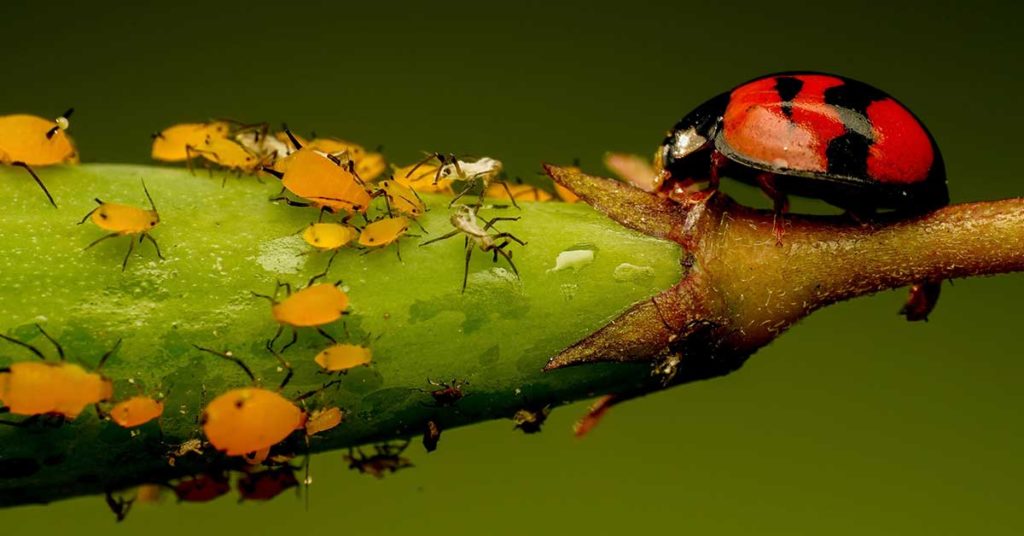
Although cosmos are generally hardy, they can attract aphids, spider mites, or suffer from powdery mildew in humid conditions. I inspect foliage weekly, blasting off aphids with a strong water spray or applying insecticidal soap at the first sign of infestation.
For powdery mildew, improving air flow through proper spacing and removing infected leaves keeps the fungus at bay. Early action prevents small issues from ballooning into crop-dashing disasters—stay vigilant and your cosmos will reward you with healthy, vibrant blooms!
Consistent Watering Without Waterlogging

Cosmos tolerate short dry spells but appreciate steady moisture when establishing. I water deeply once a week, ensuring the top two inches of soil remain slightly moist without letting puddles form.
Overwatering leads to shallow roots and flopping stems, while drought stress can reduce flower size. Aim for regular, moderate watering that mimics the natural rhythm of summer showers in cosmos’s native range!
Rotate Crops and Monitor Self-Seeding

Because cosmos readily self-seed, beds can become crowded with volunteer plants year after year. I rotate planting locations annually and deadhead spent flowers if I don’t want volunteers popping up.
Rotation also helps break pest and disease cycles in the soil. By managing where and when cosmos grow, you’ll maintain tidy beds of strong, flowering plants and prevent unwanted spread into other garden areas.