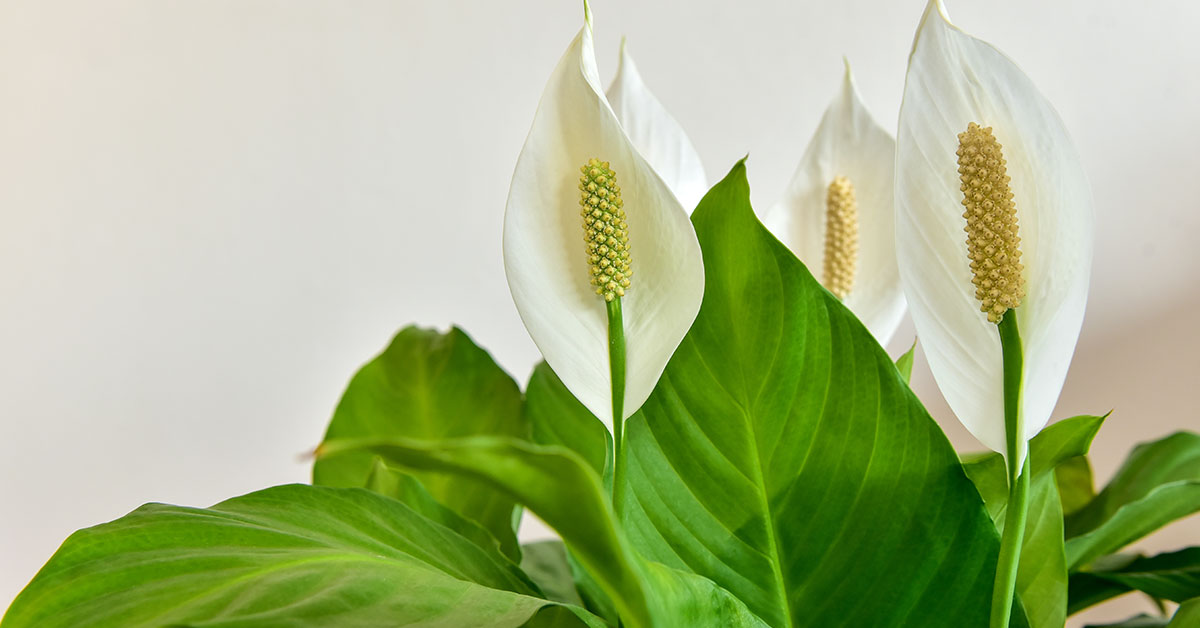

Peace lilies (Spathiphyllum spp.) are celebrated for their glossy, dark green foliage and elegant white spathes that light up any room. Native to the tropical rainforests of Central and South America, these perennials thrive under a canopy of dappled light, where humidity is high and competition for pollinators is fierce. It can be so disheartening when your plant seems healthy yet never sets a single bloom—I’ve been there! With the right care, you’ll be rewarded with those signature white flowers that once dotted the forest floor, enticing tiny pollinators like gnats and small flies.
I’m thrilled to share these 12 essential tips to encourage your peace lilies to burst into bloom. From mimicking rainforest humidity to keeping pests at bay, each step focuses on nurturing a plant that feels at home in your care. Let’s dive right in and transform those lush leaves into a stunning floral display!
Boost Humidity Levels

Peace lilies come from the steamy understory of tropical forests, where air moisture often hovers above 70%. In our heated homes, low humidity can lead to brown tips and suppressed flowering. To recreate that perfect climate, group your houseplants together—this creates a shared micro-habitat that holds moisture—and consider using a small humidifier nearby. Even a simple pebble tray filled with water can elevate humidity right around the pot!
Regular misting is another trick I love: a light spray on the foliage not only helps keep leaves clean but signals to your lily that it’s in a supportive environment. When your peace lily senses the moisture it craves, it can focus energy on developing those gorgeous spathes instead of just keeping its leaves alive!
Provide Bright, Indirect Light

While peace lilies tolerate deep shade, most won’t bloom without a boost of bright, filtered light. East- or north-facing windows are ideal—sunlight should be bright yet diffused through sheer curtains. I once moved my lily just a few feet closer to a curtain-draped window, and within weeks, bud stalks appeared almost overnight!
Avoid harsh direct afternoon sun, which can scorch leaves and derail budding. By striking that balance—enough light to fuel photosynthesis but gentle enough to prevent stress—you’ll see a notable uptick in flowering.
Inspect for Common Pests

Though generally tough, peace lilies can attract sap-sucking pests like spider mites and mealybugs in dry indoor air. Those little webbing lines or cottony deposits on undersides of leaves are telltale signs! Catching infestations early means you can simply wipe them away with a damp cloth or use a mild insecticidal soap before they drain your plant’s strength.
Regular check-ins also help you spot tiny bud damage before it ruins a budding flower. Peace lilies in their native habitat rely on a delicate balance of humidity and shade; pest stress diverts precious energy from bloom production to self-defense. Don’t let a few mites rob you of a spectacular floral show!
Trim Spent Blooms Regularly
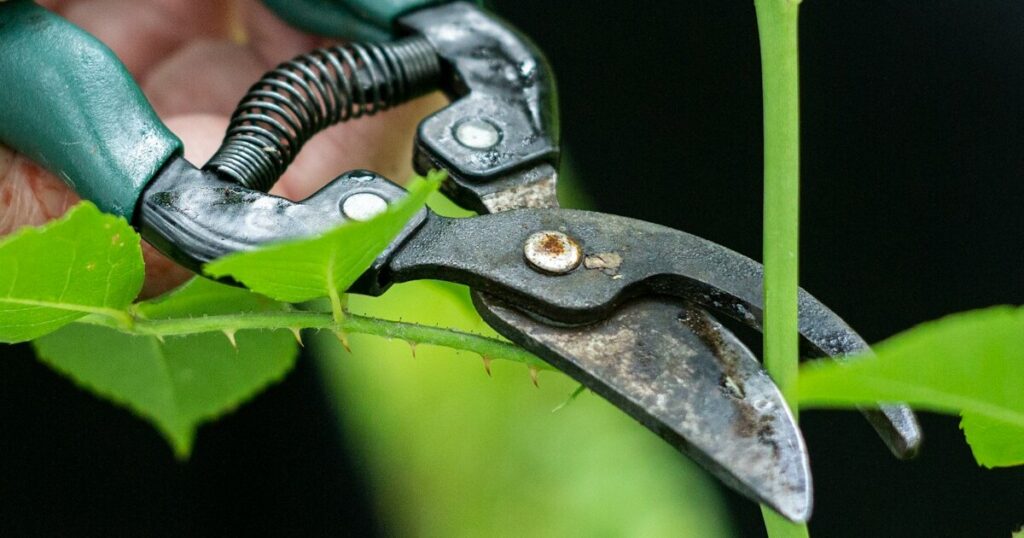
When a spathe yellows and fades, cutting it off at the base frees your plant to channel energy into forming fresh flowers. I know it can feel like saying goodbye to a favorite friend, but pruning spent blooms is like clearing the stage for the next act!
Think of it as mimicking the forest floor, where fallen blossoms decompose and enrich the soil. By keeping your lily tidy, you’re essentially inviting it to roll out new spathes—watch closely, and you’ll catch the first emerging bud like a bonus encore!
Use Well-Draining, Nutrient-Rich Soil

In the wild, peace lilies put down roots in loose, humus-rich leaf litter—never soggy clay. For potted plants, a mix of peat moss, perlite, and a handful of orchid bark provides the perfect balance of moisture retention and aeration. One of my favorite blends even adds composted bark for extra nutrients—your lily will respond with stronger stems and more prolific blooms!
Avoid dense potting soils that hold water like a sponge; soggy roots lead to rot, which will stall flower production entirely. A well-designed mix mimics the airy, organic rainforest floor and sets the stage for those trademark white flowers.
Propagate to Refresh Your Collection

Dividing peace lilies when repotting gives you fresh plants and can invigorate the mother plant to bloom more vigorously. Each division of healthy shoots often flowers sooner than you’d expect, as they focus on establishing themselves in new soil rather than just expanding existing roots.
Propagation also keeps your collection dynamic—young divisions reflect the plant’s natural behavior of spreading under the forest canopy. Every new pot you create is a chance to see blooms sooner and share leafy joy with friends!
Keep Temperatures Steady

Peace lilies thrive in the warm, stable temperatures of their native tropics—ideally between 65°F and 80°F (18°C–27°C). Sudden chills below 60°F (15°C) or exposure to drafts can shock the plant, causing leaf damage and halted flowering. I always move my lilies away from drafty doors and windows in cooler months.
Conversely, avoid placing them too close to blazing heaters, which can spike temperatures above 85°F (29°C) and stress the plant. Creating a consistently cozy environment is like giving your lily its own little rainforest pocket—perfect for flower development!
Feed with Balanced Fertilizer

While peace lilies aren’t heavy feeders, a monthly dose of a balanced, water-soluble fertilizer (for example, a 10-10-10 N-P-K) during spring and summer can make a world of difference. Dilute to half the recommended strength and apply after watering to avoid root burn. I’ve watched shy lilies surprise me with a flurry of spathes after just one season of gentle feeding!
Fertilizer mimics the nutrient-rich detritus layer of the forest floor, encouraging both lush foliage and abundant flowers. Skip this step, and your plant may look green—but its flowering potential will stay locked away.
Wipe Leaves to Encourage Photosynthesis
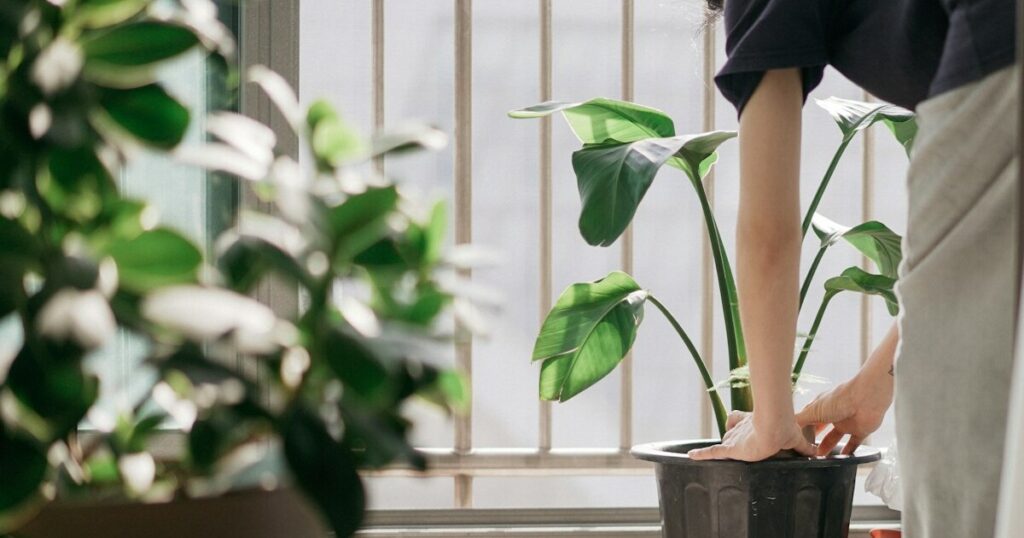
Dust accumulation on leaves acts like a tiny sunscreen, blocking precious light. Gently wiping each leaf with a soft, damp cloth maximizes photosynthesis and keeps your plant looking its glossy best. It’s like cleaning your sunglasses so you can see the world more clearly—your lily will be able to do the same!
This regular tidying also doubles as a chance to inspect for early pest or disease signs. Clean, clear leaves mean more energy for those beautiful white spathes.
Maintain Consistent Moisture

Peace lilies prefer a reliably moist substrate—never bone dry, but not waterlogged either. I stick to watering when the top 1–2 inches of soil feel just slightly dry, using my finger as a moisture sensor. This prevents the dreaded “droop drama” where thirsty lilies wilt dramatically!
Consistent moisture supports steady bud development, so your plant isn’t caught in a cycle of stress-recovery-stress. Think of it as a gentle river flow—steady enough to nourish without flooding the banks.
Avoid Overwatering to Prevent Root Rot
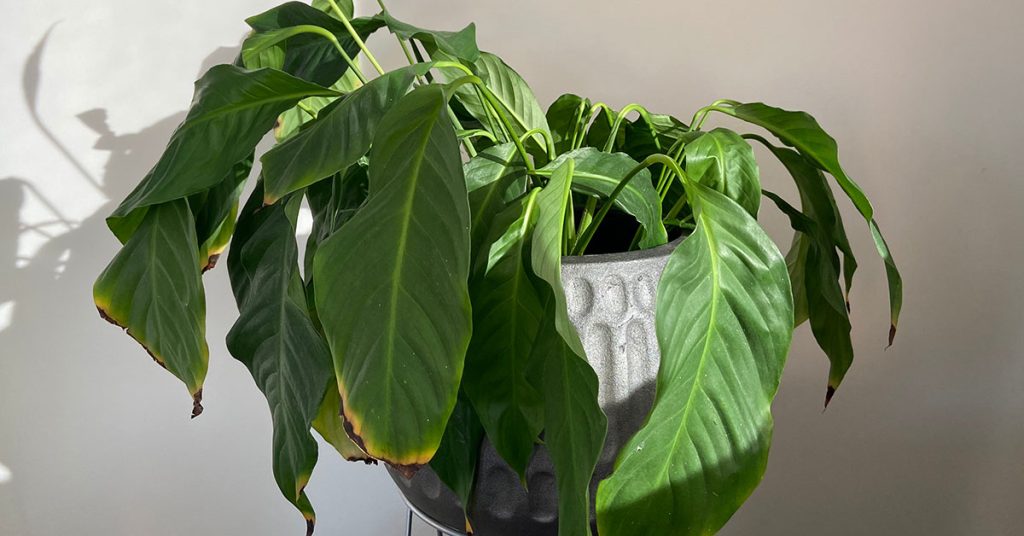
Standing water is the enemy of peace lilies—roots deprived of oxygen will rot, and flower production grinds to a halt. Always ensure excess water drains freely from the pot, and never let the saucer fill up. After watering, I tip out any remaining in the tray to keep roots happy and healthy!
If you spot any soft, brown roots when repotting, trim them away and refresh the potting mix. It’s a quick reset that sends a clear message: “Focus on flowering, not fighting rot!”
Repot When Root-Bound
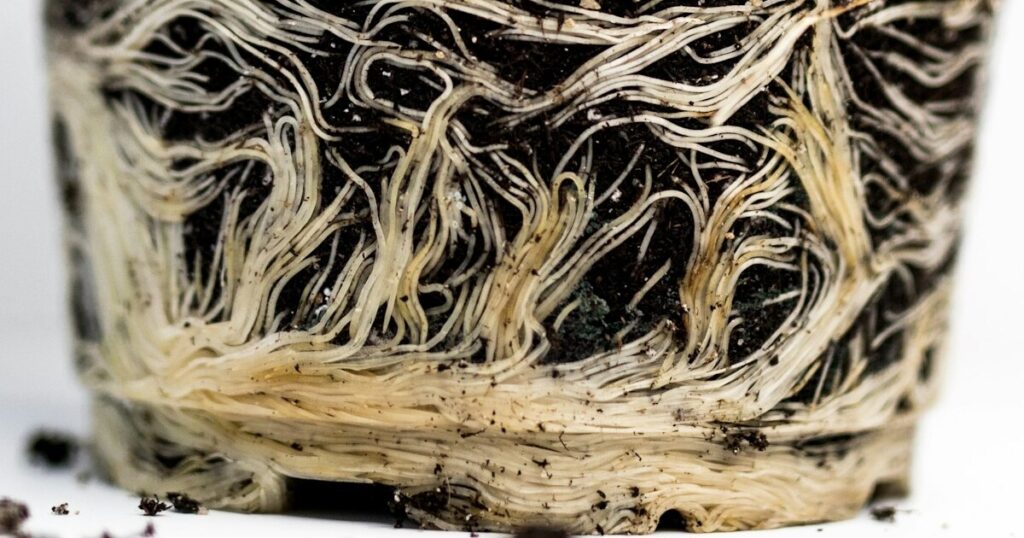
A pot-bound peace lily devotes energy to expanding cramped roots instead of generating blooms. Every spring, I gently remove my lily from its container—if the roots are tightly circling the soil ball, it’s time to upsize by just one pot size. Fresh soil rejuvenates the root zone and provides new nutrients for budding!
By repotting thoughtfully, you’re giving your peace lily the breathing room it needs to flourish and reward you with those elegant white spathes you’ve been eagerly waiting for!