
Growing cucumbers can feel like unlocking a green-thumb superpower—until one misstep turns those crisp, crunchy delights into bitter, sparse letdowns. I’ve been there: peering at drooping vines, wondering where I went wrong, and vowing to never repeat that season’s blunders! In this guide, we’ll tackle twelve of the most common cucumber-growing mistakes, so you can enjoy an abundance of straight, delicious cukes without the headache.
As a gardener who’s coaxed countless vines up trellises and coaxed seeds from stubborn soil, I know how small oversights can derail your harvest. Each section below dives deep into the why and how—touching on cucumbers’ native roots in the warm plains of India, their pollinator-attracting behaviors, and tips to prevent invasiveness—so you’ll be armed with knowledge every step of the way. Let’s get those vines thriving!
Improper Pruning Practices
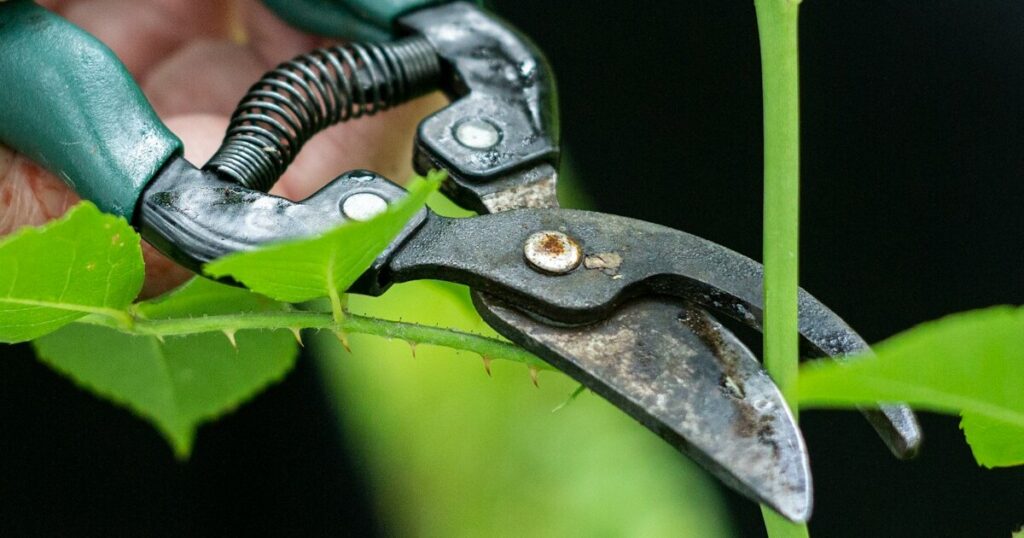
It’s tempting to shear away leaf after leaf in hopes of “helping” your cucumbers focus, but too much pruning can backfire. Cucumbers naturally climb and need a balance of foliage to shade developing fruits. Over-pruning stresses the plant, leading to reduced vigor and fewer blooms—something I learned after spending an afternoon untangling an overzealous vine that had nowhere left to grow!
Instead, remove only obviously diseased or yellowing leaves, and thin the densest parts of the canopy to boost air circulation. This gentle approach respects the cucumber’s climbing behavior, helps prevent nesting spots for pests, and keeps your fruits clean and straight as they mature.
Over-Fertilizing Nitrogen
Watching vines surge skyward after a heavy nitrogen dose is thrilling, but it often comes at the expense of fruit set. Excessive foliage crowds out blossoms, and I’ve learned the hard way that a jungle of green leaves doesn’t guarantee a bounty of cucumbers!
Aim for a balanced feeding: moderate nitrogen for leaf growth, ample phosphorus for blossoms, and enough potassium to support fruit development. Organic, slow-release fertilizers prevent sudden nutrient spikes, encouraging vines to focus on nesting fruitful blossoms rather than just foliage.
Underwatering and Resulting Bitter Fruit

Cucumbers betray you quickly when thirsty—yielding tough, bitter fruits that taste more like regret than refreshment. I once ignored a hot week with parched soil and ended up with a disappointing harvest of tiny, flavorless cukes!
Keep soil consistently moist—around an inch of water per week—and mulch heavily to retain moisture and cool roots. This mimics the plant’s native tropical understory habitat and ensures your cucumbers stay sweet, juicy, and ready for every salad bowl.
Planting Too Early in Cool Soil
Early-spring enthusiasm is hard to contain, but cool, wet soil invites rot and stunts cucumber growth. In my own garden, I watched seeds sprout sluggishly in 55°F earth, only to succumb to damping-off disease on chilly nights.
Wait until soil temperatures hit at least 60°F and nighttime lows stay above 50°F. A simple soil thermometer can save you from weeks of wasted effort and ensure that your vines get off to a fiery start—just as they would in their native Indian plains.
Skipping Soil Testing and Amendments

Guessing at soil fertility is like driving blindfolded. My garden once revealed a phosphorus deficiency mid-season—so my vines produced plenty of leaves but few flowers!
Test pH (aiming for 6.0–7.0) and nutrient levels with an affordable home kit. Then amend heavy clay with compost or sand, adjust acidity if needed, and add balanced organic fertilizer before planting. Healthy, well-fed roots explore deeply, anchor firmly, and lead to sturdier vines and more plentiful fruits.
Ignoring Trellising and Support

Letting cucumber vines sprawl on the ground seems easy, but it invites pests, mildew, and misshapen fruit. I’ve harvested cucumbers half-buried in soil, dotted with gnat damage and mildew—utterly avoidable with a simple support!
In their native habitat, cucumbers naturally climb. Give them a sturdy trellis—bamboo poles, wire mesh, or garden netting—and watch vines latch on with tendrils. Vertical growth improves air circulation, keeps fruits clean, and makes harvesting feel like plucking jewels from a green tapestry!
Neglecting Companion Plants and Pollinators

Cucumbers thrive when surrounded by pollinator magnets like marigolds, nasturtiums, or dill. These companions attract bees, hoverflies, and other beneficial insects whose nesting and foraging behaviors ensure blossoms set fruit reliably. Ignoring these allies can lead to sparse yields and frustrated gardeners!
As a gardener, I’ve seen how a pollinator-friendly cohort keeps pests at bay and prevents cucumber vines from self-seeding invasively. Healthy pollination means fewer volunteer seedlings and more straight, well-formed fruits ready for the table.
Harvesting Too Late or Too Early
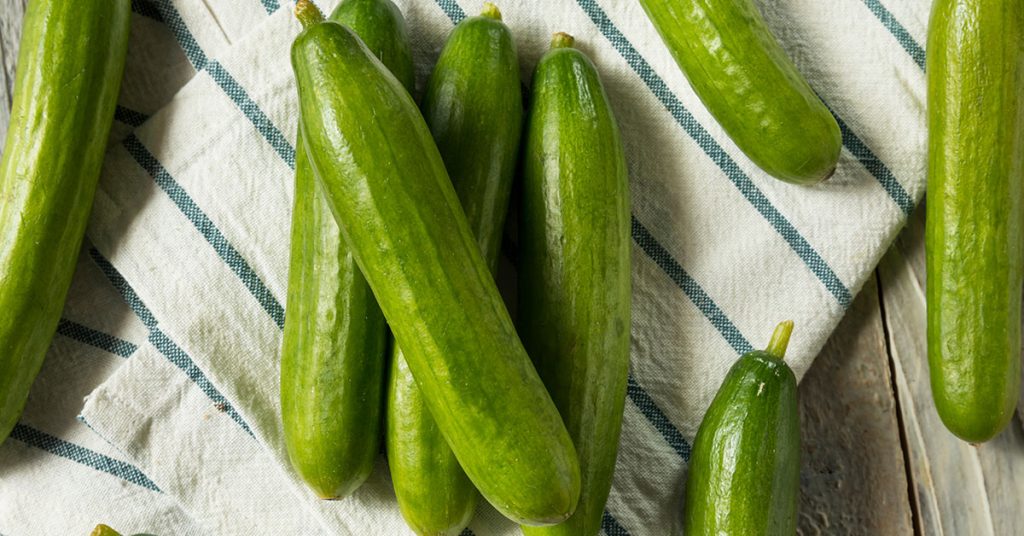
Nothing feels worse than discovering a giant, pithy cucumber that’s past its prime—or a puny, underdeveloped fruit. I used to agonize over the “perfect” moment, only to learn that consistent harvesting is the real secret.
Pick cucumbers at about 6–8 inches long, firm, and bright green. Regular picking signals the plant to keep producing blossoms and fruits. Letting cukes over-ripen sends energy into seed maturation, slowing overall yield—and nobody wants that!
Overcrowding Seedlings

Sowing seeds thickly “just in case” often backfires. Overcrowded seedlings compete for light, water, and nutrients, producing spindly, weak vines and inviting powdery mildew to nestle in damp, shaded pockets.
Thin to one plant every 12–18 inches to give each vine breathing room. This spacing honors cucumbers’ tropical origins, where they’d naturally spread under forest canopies, and prevents the humidity build-up that so many fungal diseases love!
Failing to Rotate Crops

Planting cucumbers in the same spot year after year is like rolling out the welcome mat for soil-borne diseases and root-knot nematodes. I once watched a once-vibrant bed collapse under pest pressure after two seasons of back-to-back cucumbers.
Rotate with legumes, brassicas, or leafy greens to disrupt pests’ life cycles and rejuvenate soil biology. This mimics natural ecosystem shifts and keeps your cucumbers healthier and more vigorous each season!
Ignoring Pest and Disease Signs

Turning a blind eye to early aphid infestations, cucumber beetles, or powdery mildew can sink your crop overnight. I once dismissed tiny yellow spots and ended up with wilting vines in days!
Scout daily for chewed leaves, sticky residue, or discoloration. Intervene early with organic sprays, row covers, or mindful removal. Because cucumbers attract a mix of beneficial and harmful insects, staying proactive stops small nesting problems from becoming garden-wide catastrophes.