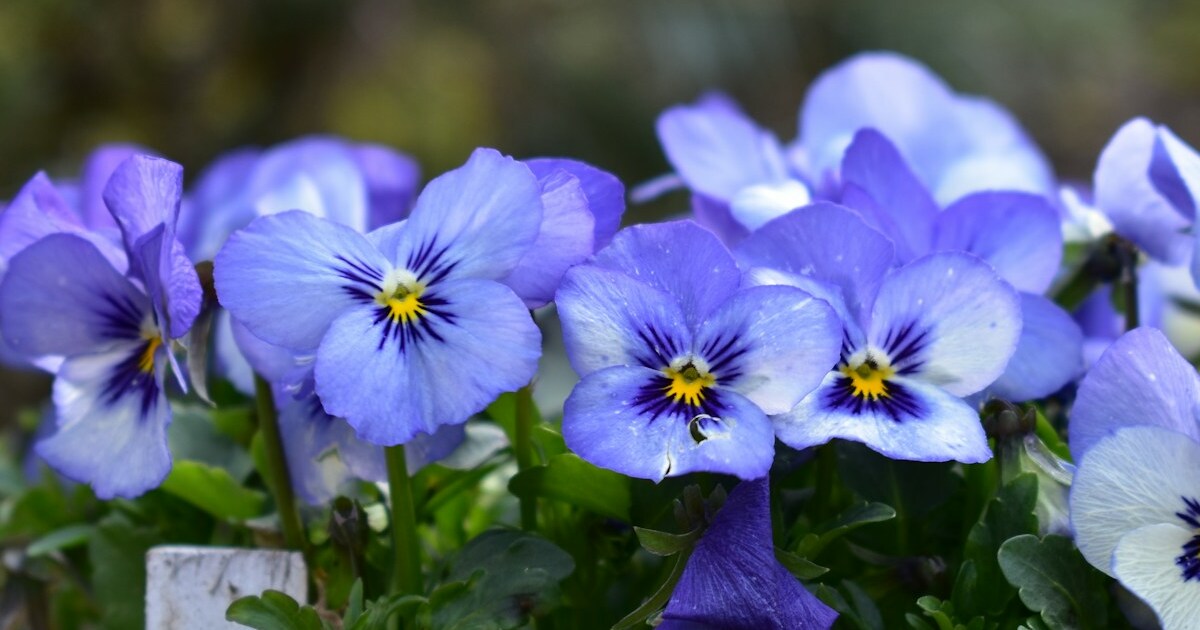

Pansies (Viola × wittrockiana) trace their lineage back to hardy violets native to Europe, cherished for their cool-season blooms and “face-like” petals. Although these hybrids rarely naturalize beyond cultivated beds, neglecting their specific cultural needs can leave you with leggy growth, sparse flowering, or yellowing leaves. If you’ve ever felt the sting of pulling limp pansy stems after a frost or sighed at empty spots where vibrant blooms once stood, you’re in good company—these temperamental little charmers demand just the right balance of light, water, and care!
I know how frustrating it is to invest time and hope into a pansy display only to see it falter beneath the summer sun or succumb to damp rot. Over the years, I’ve learned that avoiding common pitfalls—like ignoring drainage, skipping deadheading, or crowding plants too tightly—can transform your beds into a riot of multicolored petals. Plus, when you welcome beneficial insects such as ladybugs, hoverflies, and ground beetles to nest among the foliage, you build natural defenses that keep pests at bay and encourage robust growth. Let’s dive into a dozen mistakes to steer clear of, ensuring your pansies shine from early spring through the first frost!
Ignoring Proper Site Selection

Planting pansies in deep shade or relentless afternoon sun almost guarantees disappointment. Too much shade leads to sparse blooms, while unfiltered sun scorches delicate petals and wilts foliage. I once tucked a cheerful mix under a dense maple, only to watch the colors fade within days of transplanting!
Instead, choose a location with morning sun and light afternoon shade. This mimics their cool-season European origins and creates a balanced microclimate where predatory insects like lacewings can nest in the dappled light, helping control aphids and other sap-sucking pests.
Overwatering or Poor Drainage
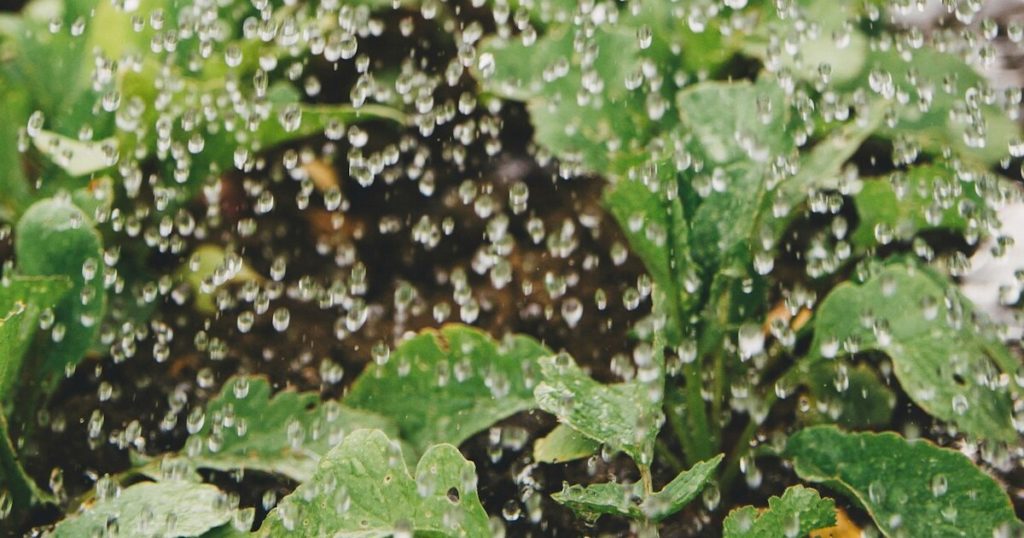
Soggy soil invites root rot and yellowed leaves faster than you can say “Viola.” If your pansies sit in puddles after each rain, the roots suffocate and become breeding grounds for fungal pathogens. I learned this the hard way when a heavy clay bed kept my pansy patch underwater for days!
To avoid saturation, amend the soil with compost and coarse sand or perlite for a light, friable texture. Raised beds or mounded rows improve runoff, and earthworms quickly nest in these aerated channels—naturally enhancing drainage and soil health.
Underwatering During Heat Spikes

While pansies dislike waterlogged roots, they still require consistent moisture—especially when temperatures climb above 70°F. Letting soil dry out completely causes blossoms to abort and leaves to crisp. I once traveled through July’s heatwave and returned to a garden of shriveled pansies!
Install a soaker hose or drip irrigation to deliver slow, steady hydration. Mulch around the crown with shredded leaves or bark to lock in moisture and create nesting pockets for springtails and ground beetles, which help tidy fallen debris and maintain a healthy bed.
Crowding Plants Too Closely
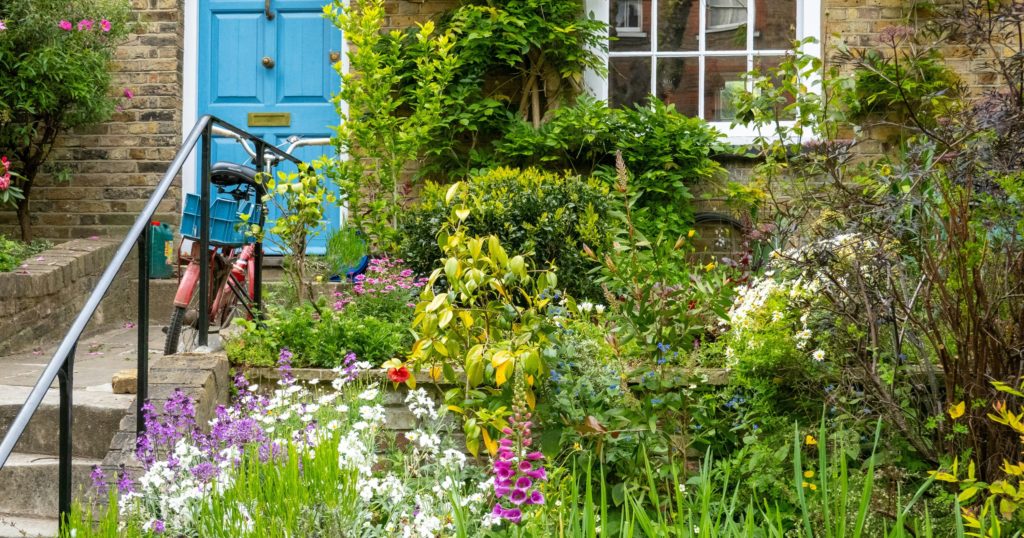
A tight cluster of pansies may look efficient, but overcrowding stifles airflow and invites disease. Each plant needs about 6–8 inches to unfurl its leaves fully and host beneficial insects. I used to cram a dozen into a small pot—within weeks, powdery mildew swept through my display!
Give pansies room to breathe. Well-spaced rows allow hoverflies and parasitic wasps to nest among the stems, preying on aphids before they become a problem. Plus, you’ll enjoy larger, longer-lasting blooms when roots aren’t competing for nutrients.
Planting Too Late in the Season

Waiting until the soil warms can doom pansies to summer scorch. Ideally, set plants out in early spring or early autumn—when cool nights and mild days promote steady growth. I once delayed fall planting until November, only to have trays freeze solid before establishing roots!
By timing correctly, pansies develop robust root systems before extreme temperatures arrive. Early planting also synchronizes bloom cycles with pollinators like bees, which soon nest in bare patches of soil, boosting overall garden fertility.
Neglecting Deadheading
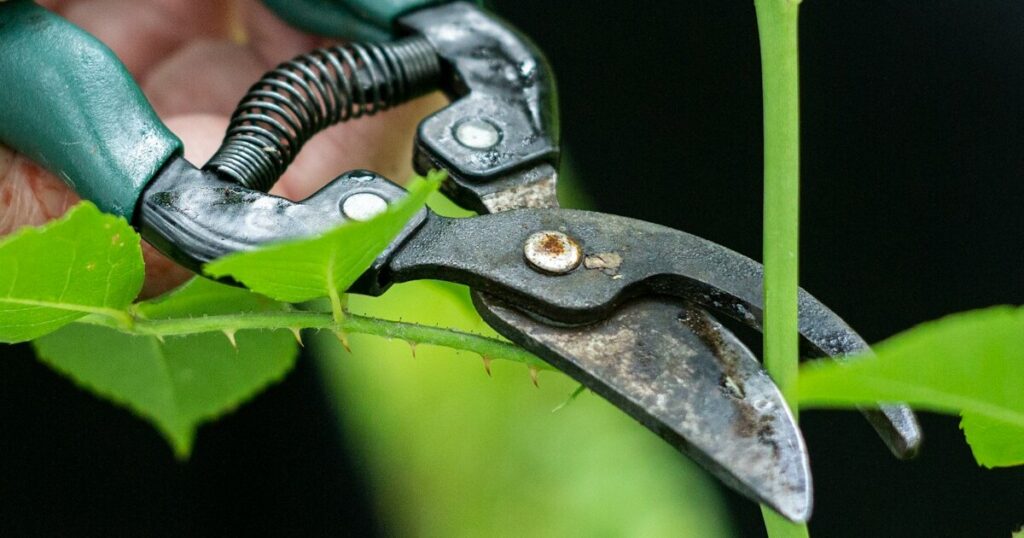
Allowing faded blossoms to linger diverts energy into seed production rather than new blooms. Regularly snipping spent flowers keeps your pansies prolific and compact. I make it part of my morning routine—deadheading feels like giving each plant a little pep talk!
Deadheading also opens space for air circulation around the crowns, reducing humidity pockets that favor fungal spores. Beneficial mites then find ideal nesting crevices along the stems, helping patrol and suppress disease outbreaks.
Using Inadequate Fertilizer Regimen
Pansies need balanced nutrients to sustain color and foliage. Too little fertilizer results in small blooms; too much nitrogen encourages lush leaves but few flowers. I once overloaded a bed with high-nitrogen feed and ended up with chartreuse leaves and barren stems!
Opt for a slow-release, balanced 10-10-10 formula at planting and side-dress lightly midseason. Incorporating compost tea introduces friendly microbes that nest in the root zone, improving nutrient uptake and plant resilience.
Failing to Monitor Pests and Diseases

Ignoring early signs of slugs, snails, or aphids often leads to widespread damage. I used to overlook small slug trails until entire patches were devoured overnight! A weekly inspection—especially under leaves—lets you spot trouble early.
Deploy beer traps for slugs and handpick snails at dusk. Encourage ground beetles and lacewings by leaving small brush piles at bed edges—these predators nest there and help control soft-bodied pests without chemicals.
Allowing Spent Blooms to Remain
Beyond deadheading, old flowers left on the plant can harbor fungal spores and sap-sucking insects. Removing entire seed pods ensures no hidden crevices shield pests. I learned this after discovering tiny aphids clustered inside old blossom cups!
After trimming, clean up fallen petals and pods from the soil surface. This not only improves garden aesthetics but also limits debris that can trap moisture and foster rot, keeping beneficial soil invertebrates active and happy.
Neglecting Cold Protection

Though pansies withstand light frost, a hard freeze can collapse tender stems. In colder zones, a light mulch of straw or frost cloth over beds adds a few degrees of protection. I once lost an entire row to a surprise April frost—now I cover on chilly nights without fail!
Cold protection also preserves the nests of beneficial insects like solitary bees overwintering in bare ground or mulch. By shielding your beds, you safeguard both your pansies and next season’s pollinators.
Planting in Shady or Compacted Areas

Compacted soil restricts root growth, while deep shade stunts bloom production. I had a lovely border beneath a large juniper—until I realized the soil was rock-hard and the light nonexistent! Those pansies never stood a chance.
Break up compacted zones by aerating or double-digging and mixing in organic compost. If shade is unavoidable, choose a lighter canopy or shift pansies to a brighter site. Well-aerated, lightly shaded beds become prime habitat for earthworms and soil microbes, further improving structure and fertility.