

Zinnias are one of the most joyful flowers you can grow—those brilliant, daisy-like blooms in every hue imaginable truly brighten a summer garden! Native to Mexico and Central America, Zinnia elegans and its relatives have been delighting gardeners since pre-Columbian times. While they aren’t considered invasive in most regions, they can self-seed vigorously if spent blossoms aren’t deadheaded. I know how disappointing it feels to plant a row of promising seedlings only to see ragged plants overtaken by pests or mildew before they even reach their full potential.
That’s why I’m excited to share twelve common mistakes to avoid this season, so your zinnias can shine from the first bud to the last frost. From soil prep and spacing to deadheading and pollinator support, each tip draws on zinnia’s native habits, its appeal to beneficial insects (even the little ground-nesting bees that sometimes hollow out nearby soil!), and strategies to keep your borders bursting with long-lasting color. Let’s get growing and ensure your garden is dazzled with zinnia magic all summer long!
Overlooking Pollinator and Beneficial Insect Attraction
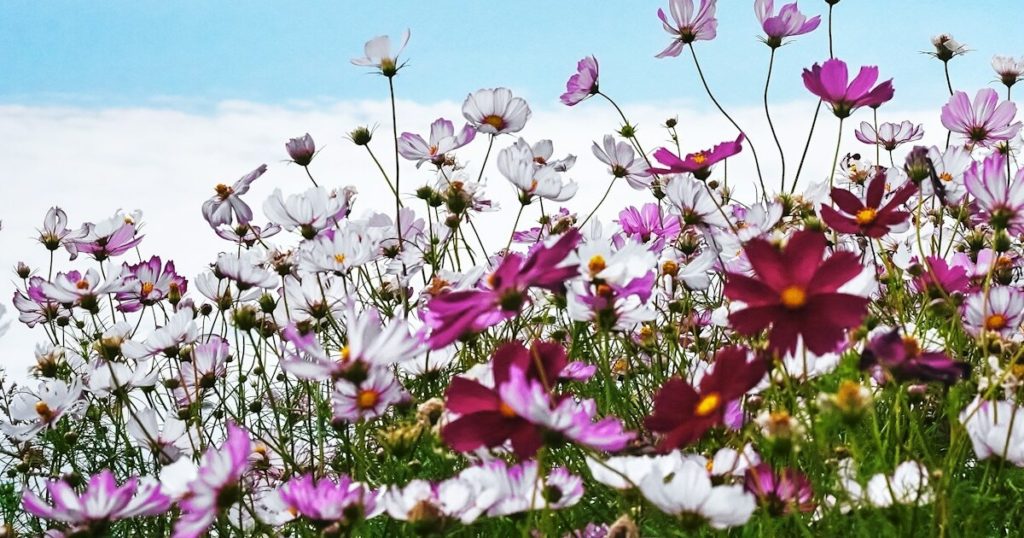
Zinnias are magnets for butterflies, bees, and hoverflies, but they need a welcoming habitat to draw them in. Neglecting to plant companion flowers like calendula, cosmos, or alyssum means missing out on those early-season visitors that jumpstart pollination and help control aphids. Creating small patches of bare, undisturbed soil invites ground-nesting solitary bees to set up home right under your blooms!
Providing a shallow dish of water with pebbles offers thirsty insects a safe landing pad, while a few logs or flat stones give ladybugs and lacewings a place to shelter. These simple additions mimic the diverse ecosystems of zinnia’s native range, ensuring each flower is visited frequently and setting the stage for abundant, robust blooms.
Starting Seeds or Transplants Too Early

Though warm-season lovers, zinnias don’t appreciate chilly soil. Planting seeds or tender transplants before nighttime temperatures stay above 55°F can stunt their growth or invite damping-off fungus. I once rushed to sow in early April only to see seedlings languish in pale desperation!
Wait until mid-spring when both air and soil have warmed, or use a cold-frame to gently harden off young plants. This respects zinnia’s Central American heritage, where springtime warmth encourages vigorous germination and sturdy initial growth.
Neglecting Soil Preparation

Zinnias thrive in rich, well-draining soil with plenty of organic matter. Ignoring soil tests and planting directly into heavy clay often results in poor root development and leaning stems. I recommend digging in compost or well-aged manure, along with a handful of coarse sand to improve drainage—just as zinnias evolved in loamy, sun-baked soils.
Amendments not only boost fertility but also foster beneficial soil organisms—earthworms, fungi, and bacteria—that enhance nutrient availability. A little upfront effort yields sturdier plants that resist drought stress and produce more flushes of colorful blooms.
Overcrowding and Poor Spacing
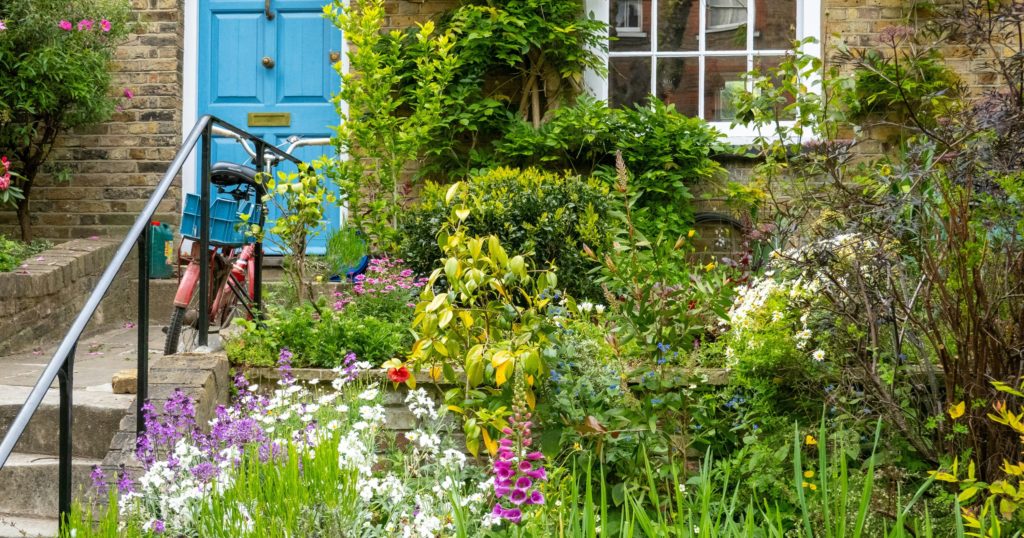
Cramming zinnias too close together may look efficient, but it invites fungal diseases and weak, spindly growth. Proper spacing—generally 8–12 inches for most varieties and up to 18 inches for taller types—ensures each plant has room to branch out and develop multiple flowering shoots.
Good airflow between plants dries the foliage quickly after rain, reducing powdery mildew risk, and allows pollinators to move freely among blossoms. Think of each zinnia clump as its own little coral reef—give it space, and it will flourish in all directions!
Planting in Too Much Shade

While zinnias tolerate partial shade, they perform best in full sun—six to eight hours of direct light daily. In too much shade, stems elongate in search of light, leaving fewer side branches and fewer blooms. I once tucked mine behind taller shrubs and wondered why they looked more like thin spindles than vibrant mounds of color!
If your garden lacks full sun, reflect light with pale mulch or nearby light-colored walls. Even small adjustments can mimic the sun-drenched open fields of their native habitat, encouraging compact growth and prolific flowering.
Failing to Thin Seedlings or Sow Too Densely
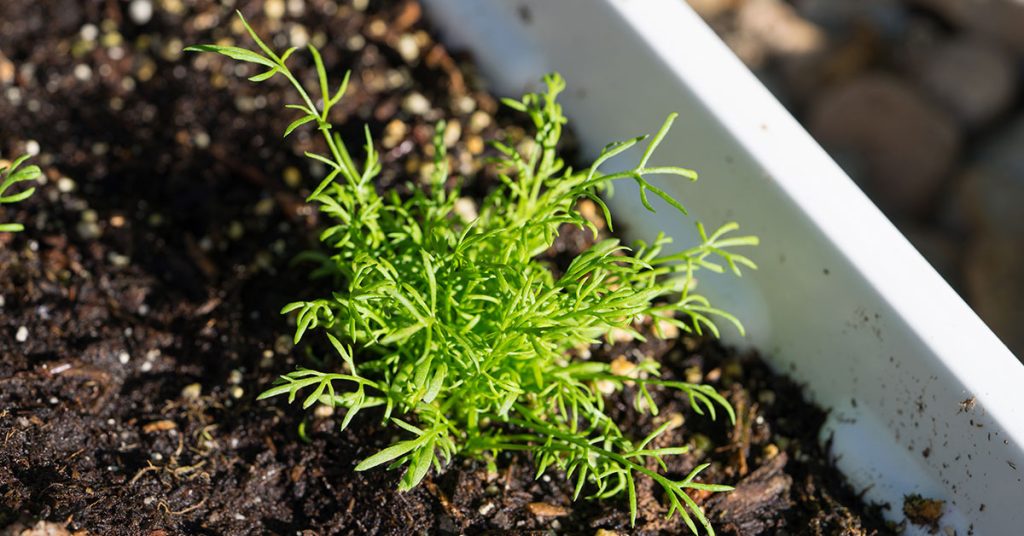
Radical thinning may feel counterintuitive, but allowing every seedling to remain leads to intense competition for nutrients and water. When seedlings reach two inches tall, pluck out the weaker ones so survivors have about 4–6 inches between them.
This early pruning step fosters robust branching from the base and prevents overcrowded roots that struggle in summer heat. Thinned zinnias mature faster, producing larger flowers with stronger stems—and fewer disappointments at harvest time!
Overwatering or Underwatering

Inconsistent moisture stresses zinnias: too much water invites root rot, too little leaves flowers and foliage wilting. I aim to water deeply once or twice a week, letting the top two inches of soil dry out between sessions. This balance mirrors their native seasonality of occasional downpours followed by dry spells.
Mulching helps maintain even soil moisture and cuts down on evaporation, but be sure not to pile it against stems to prevent rot. Steady moisture means sturdier stems, fewer brown leaf edges, and a longer season of bloom!
Overfertilizing with High Nitrogen
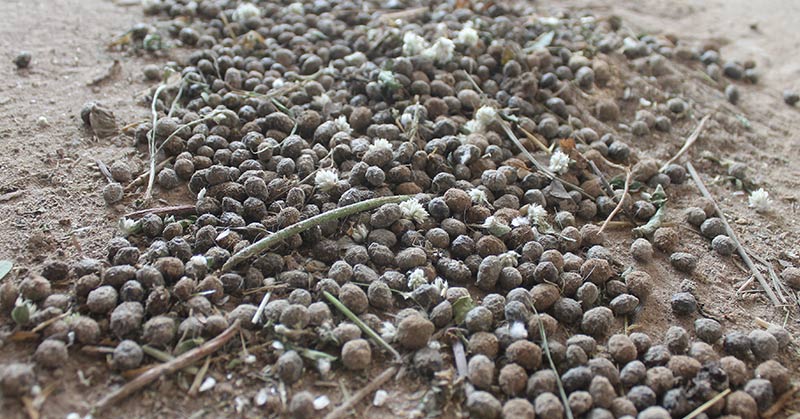
It’s tempting to feed zinnias a heavy nitrogen boost for lush green growth, but too much nitrogen pulls energy away from flowering. Instead, use a balanced fertilizer (like 5-10-10 NPK) applied sparingly at planting and midseason for sustained blooms.
Excess nitrogen can also leach into groundwater and harm local ecosystems. By feeding modestly, you encourage compact growth and prolific flowering—just as the wild zinnias of Mexico flourish in moderately fertile soils.
Skipping Deadheading Spent Blooms
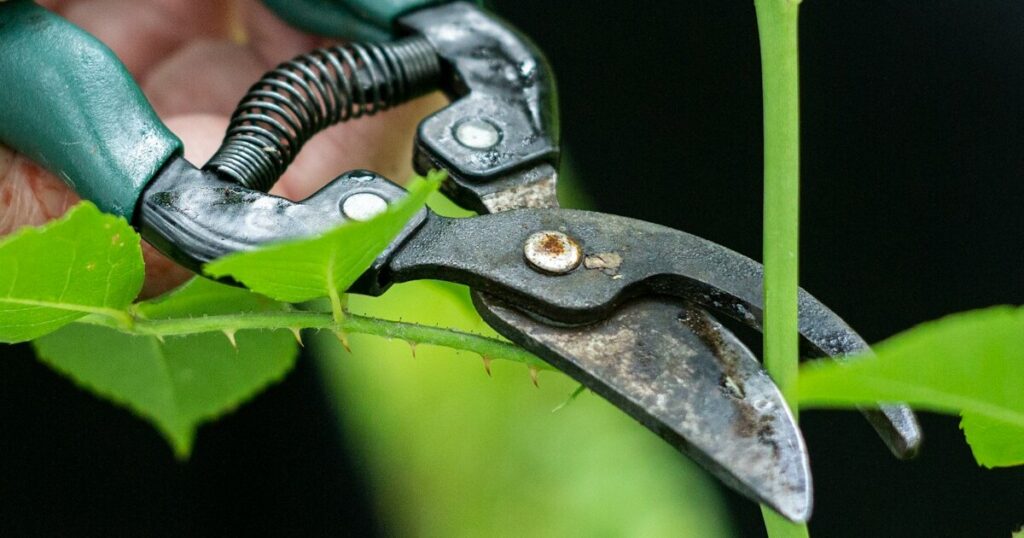
Leaving faded flower heads on zinnias signals the plant to set seed rather than produce new blooms. I’ve learned to clip spent flowers the moment petals start to droop, snipping just above the next set of healthy leaves or lateral bud. It’s such a simple chore, yet it extends the flowering period by weeks!
Deadheading also curbs unwanted self-seeding—many zinnia cultivars can naturalize where glossed-over flower heads drop seed. By staying on top of it, you maintain neat beds and continuous color without volunteer volunteers popping up in every crack!
Not Supporting Tall Varieties
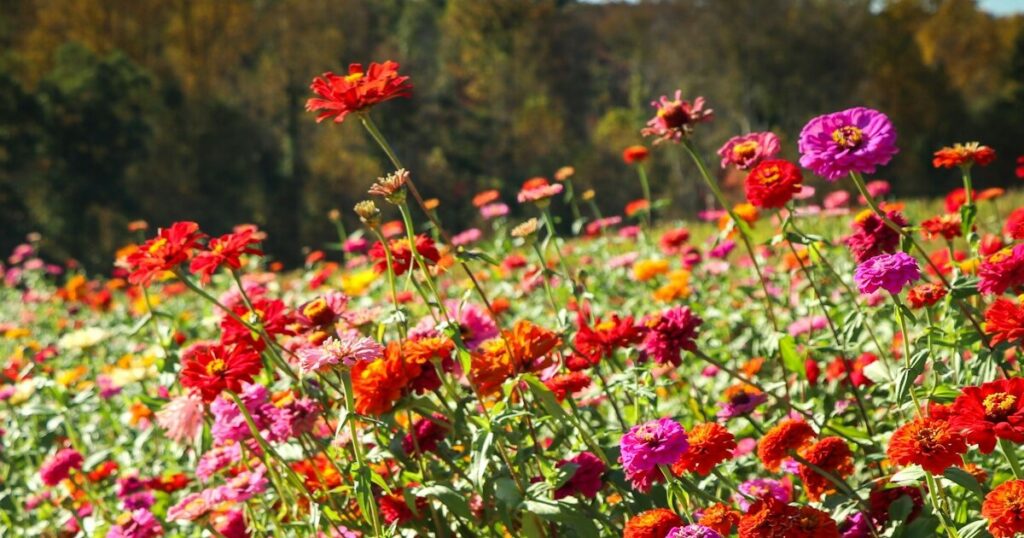
Giant zinnias, like “Magellan” or “Benary’s Giants,” can tower over two feet, and heavy flower heads sometimes flop in wind or rain. Neglecting to stake or cage these specimens often leads to broken stems and wasted blooms. I secure each plant early with a simple bamboo stake or tomato cage—no more flattened giants after storms!
Providing support not only protects blossoms but also improves air circulation around the base, reducing disease pressure. And let’s face it, standing tall under their own weight makes these dramatic blooms even more showstopper-worthy!
Ignoring Pest and Disease Management
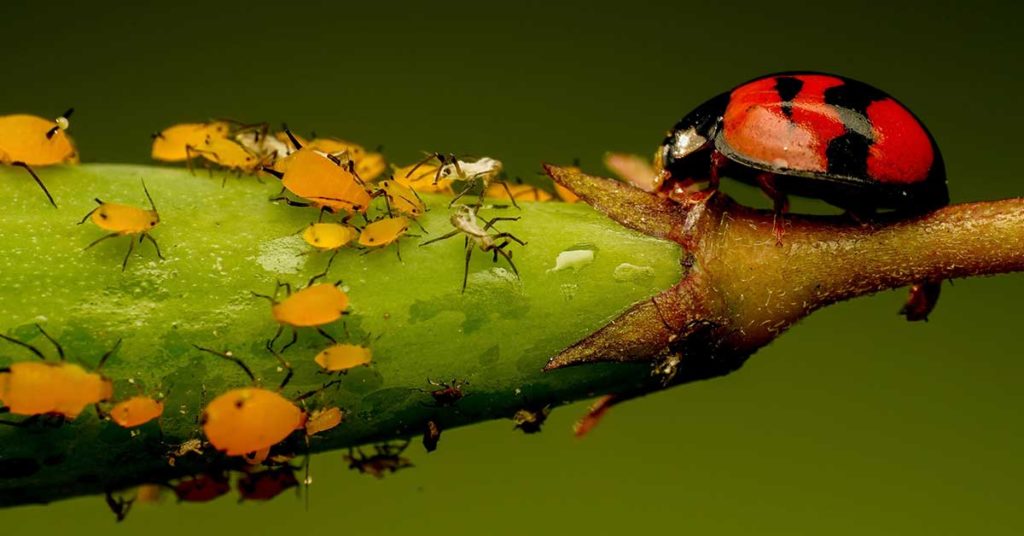
Zinnias can attract aphids, spider mites, and caterpillars, while powdery mildew and leaf spot lurk when conditions are humid. I inspect foliage weekly, shaking out aphids by hand or using insecticidal soap at the first sign of trouble. For mildew, a homemade spray of baking soda and water applied on dry evenings often halts its advance!
Removing diseased leaves immediately and rotating planting sites each year disrupts pest and pathogen cycles. Prompt action keeps your zinnias looking fresh and minimizes reliance on stronger chemical treatments—your garden ecosystem will thank you!
Forgetting to Rotate and Refresh Beds Annually
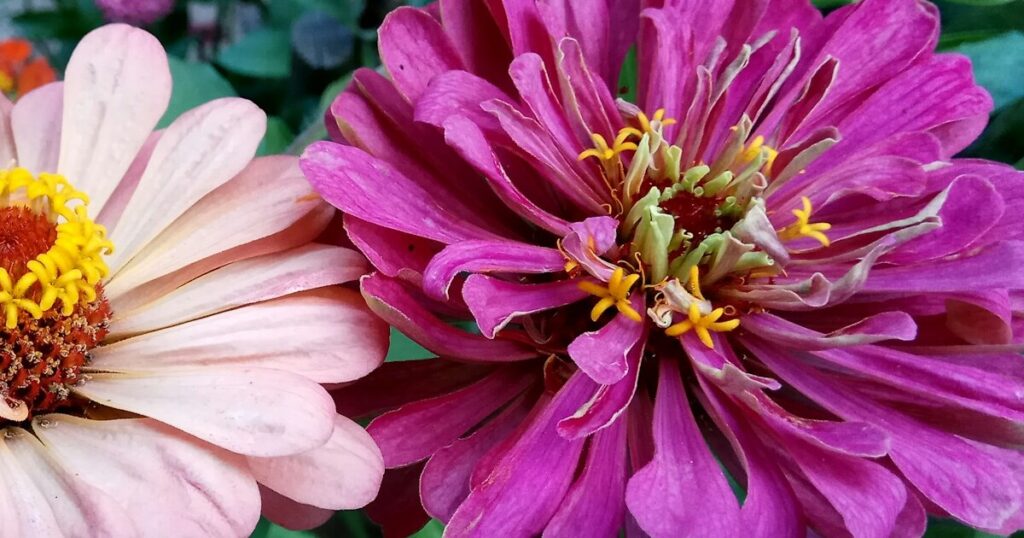
Planting zinnias in the same spot every year lets soil-borne pathogens build up and depletes key nutrients. I rotate zinnia beds with crops like legumes or herbs each season, allowing the soil to recover and break pest cycles naturally.
Fall is the best time to top-dress beds with compost and a light layer of green manure cover crop, restoring organic matter and tilth. A rejuvenated bed means zinnias come back stronger, with richer blooms and fewer headaches for you!