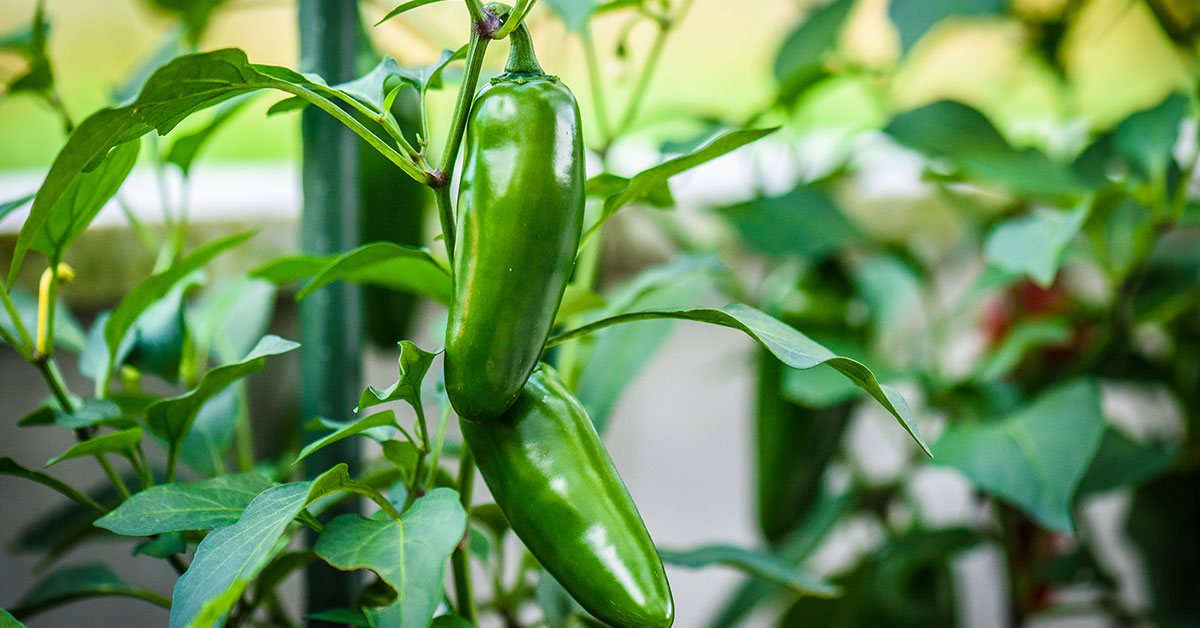

Growing jalapeño peppers can be incredibly rewarding—those crisp, spicy fruits fresh from the garden add a punch to salsas, stir-fries, and more! Native to the highlands of Mexico, Capsicum annuum has been cultivated for thousands of years, delighting gardeners with its vibrant fruit and ornamental foliage. However, it’s such a bummer when your pepper patch falters—yellowing leaves, blossom drop, or sparse fruit can leave you scratching your head.
I know how frustrating it is to pour effort into seedlings only to watch them struggle. That’s why I’ve compiled twelve key mistakes to avoid this season, each paired with tips to keep your jalapeños thriving. From soil prep to pest management and pollinator support (even encouraging those solitary ground-nesting bees!), these insights will help you cultivate peppers that are plump, fiery, and abundant. Let’s jump right in and transform your garden into a jalapeño powerhouse!
Ignoring Pest and Disease Management

One of the biggest downfalls I’ve seen is gardeners waiting too long to scout for common pepper pests—aphids, spider mites, and tomato hornworms can strip foliage overnight if left unchecked! Early morning inspections help you catch these invaders before they overwhelm your plants. A quick blast with a hose or a gentle neem-oil spray can keep populations under control without harming beneficial pollinators or ground-nesting solitary bees.
Diseases like bacterial spot and blossom end rot often follow stress or untreated pest damage. Removing and discarding infected leaves, maintaining good spacing for airflow, and practicing crop rotation can break disease cycles. Trust me, nothing stings more than months of care undone by a single outbreak—stay vigilant and your peppers will reward you with healthier, heavier yields!
Overfertilizing with Nitrogen-Heavy Feeds
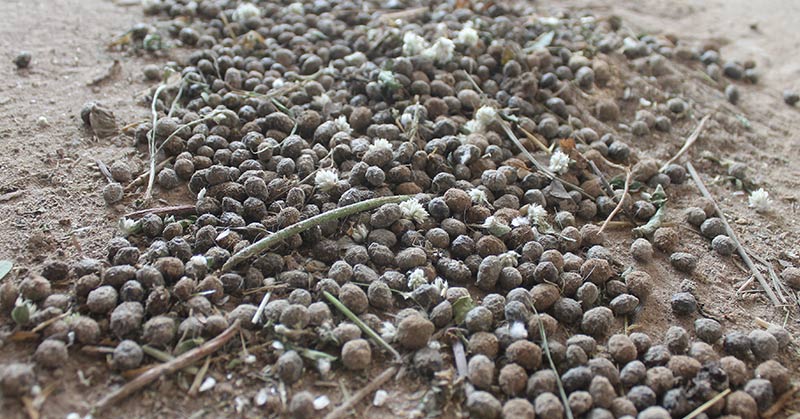
It’s tempting to give your peppers a big nutrient boost, but too much nitrogen encourages lush green foliage at the expense of flowers and fruit. I once inundated my plot with high-nitrogen compost tea and ended up with towering plants that produced only a handful of peppers! Aim for a balanced fertilizer (such as a 5-10-10 NPK) that supports strong root development and abundant blooms.
Too much fertilization can also lead to salt buildup in the soil, which scorches roots and disrupts water uptake. Regular soil tests help you fine-tune feeding schedules, ensuring your jalapeños get what they need—no more, no less. A well-fed but not overfed pepper plant is like a perfectly spiced dish: balanced, full-flavored, and never overpowering!
Planting Seedlings Before the Soil Warms

Jalapeños thrive in warm soil (65–75°F), and planting too early in cool, damp ground can stunt root growth or invite root rot. I remember eagerly setting out my transplants on a chilly spring morning—only to watch them sulk for weeks! Instead, wait until nighttime lows consistently stay above 55°F and the soil has warmed.
Using black plastic mulch or row covers can speed warming, letting you plant a bit earlier without risking your seedlings. This mimics their native Mexican highlands’ warm conditions, giving roots the cozy environment they need to spread and take hold before the real heat of summer arrives.
Crowding Plants Too Closely

I get it—space is precious in a home garden, and squeezing more plants into a bed feels efficient! But jalapeños need room to branch and for air to circulate, especially since dense foliage can harbor fungal diseases. Planting at least 18–24 inches apart ensures each pepper bush gets enough sunlight and airflow for healthy growth.
Good spacing also makes it easier to mulch, water, and scout for pests. I’ve found that well-spaced plants develop stronger stems and produce more evenly ripened fruit. Think of each jalapeño bush as its own little ecosystem—give it room to breathe, and it will flourish on its own terms!
Failing to Harden Off Seedlings
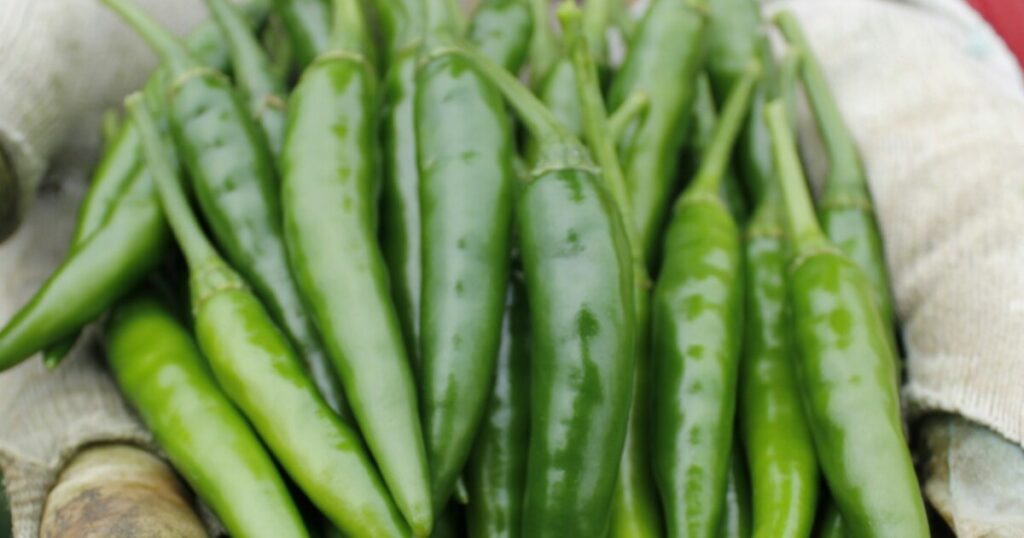
One of the simplest mistakes is skipping the hardening-off process. Seedlings grown indoors need time to adapt to wind, sun, and temperature swings; transplanting them directly outside can shock them into stunted growth or drop their delicate flower buds. I always spend a week gradually increasing their outdoor time—starting with a few hours in the shade and ending with full sun exposure.
This transition period mimics the natural emergence of pepper sprouts in their native habitats, where they slowly acclimate to changing weather. Hardened-off plants develop thicker leaves and sturdier stems, setting the stage for robust branching and heavier pepper yields!
Overwatering Young Plants
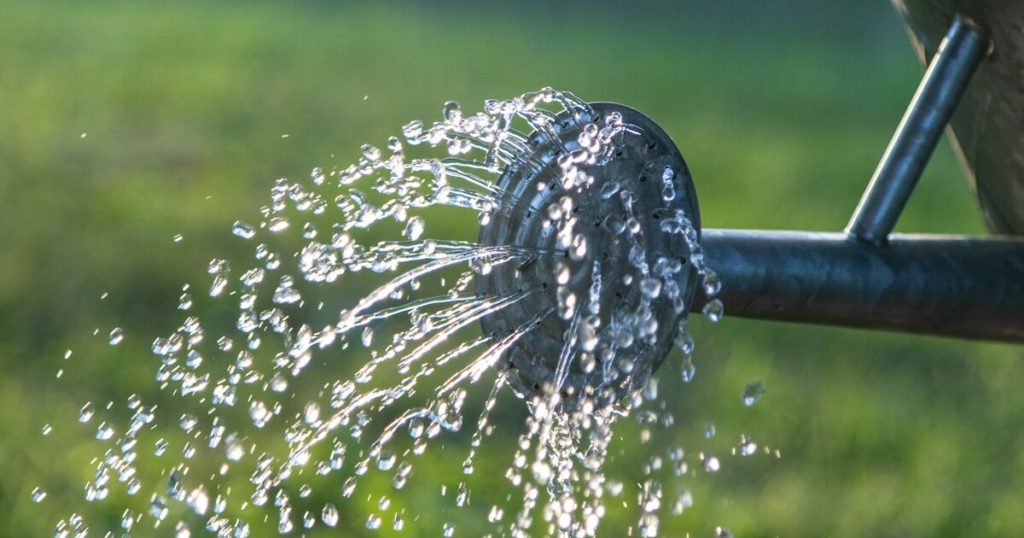
Jalapeño roots need oxygen as much as water—keeping the soil constantly soggy suffocates roots and invites diseases like damping-off. I once overzealously watered daily and ended up rescuing half my seedlings! Instead, water deeply but infrequently, allowing the top inch of soil to dry before the next soak.
Installing a drip-irrigation or soaker hose helps deliver moisture directly to the root zone without wetting foliage—reducing disease risk. It also simulates the occasional heavy summer showers of the plant’s native range, encouraging roots to dive deep in search of water rather than staying shallow and vulnerable.
Underwatering During Fruiting
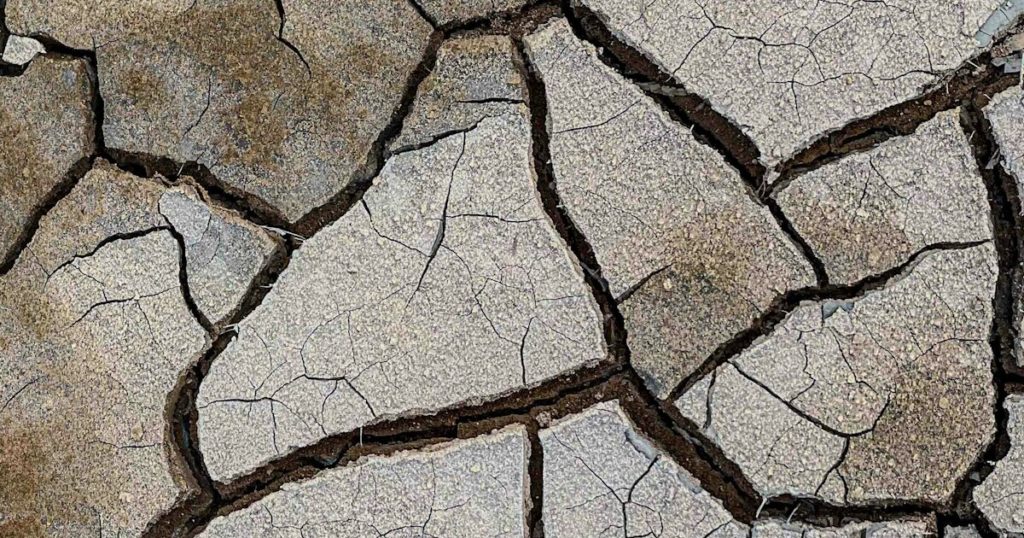
Once peppers set fruit, their water demands spike. Inconsistent moisture leads to blossom end rot—a rotten spot on the bottom of the pepper caused by calcium deficiency and water stress. I always increase watering frequency as peppers develop, ensuring a steady supply of moisture for healthy cell growth.
Mulching around the base further evens out soil moisture levels, preventing the boom-and-bust cycles that stress the plants. Think of it as giving your jalapeños a reliable hydration routine: consistent sips rather than sporadic gulps, so each pepper matures firm and full.
Skipping Crop Rotation

Planting peppers (and other solanaceous crops like tomatoes and eggplants) in the same spot year after year invites a buildup of soil-borne diseases and pests. I learned this the hard way when a once-productive bed became plagued by verticillium wilt! Rotate peppers to a new bed every 3–4 years, and in between, grow legumes or brassicas to help reset soil health.
Crop rotation also supports beneficial insects by diversifying habitats. This practice mirrors the mosaic of plant communities in wild ecosystems, breaking pest and disease cycles naturally. A bit of planning now means healthier soil and happier jalapeños later!
Ignoring Soil Fertility and pH

Jalapeños prefer slightly acidic to neutral soil (pH 6.0–7.0) rich in organic matter. Planting directly into depleted or improperly balanced soil can lead to nutrient deficiencies that stunt growth or reduce fruit set. I recommend a pre-plant soil test—then amend with lime to raise pH or elemental sulfur to lower it, plus plenty of compost for structure.
Healthy soil feeds more than your peppers; it nourishes the microorganisms that help unlock nutrients and fend off diseases. When you mimic the pepper’s native volcanic soils—loamy, well-drained, and nutrient-rich—your plants reward you with vigorous growth and plate-fulls of spicy peppers!
Planting in Too Much Shade

Jalapeños love sun—at least six to eight hours of direct light daily. I once tucked mine behind a trellis for “partial shade,” only to see leggy stems and few blooms! If full sun isn’t possible, consider reflective mulch or light-colored borders to amplify available light.
More sun means more photosynthesis, leading to stronger stems, more flowers, and larger peppers. Plus, sunnier sites dry out foliage faster after rain, reducing the likelihood of fungal issues. Giving your plants prime sun exposure is one of the simplest yet most impactful steps you can take!
Neglecting Pollinator Attraction
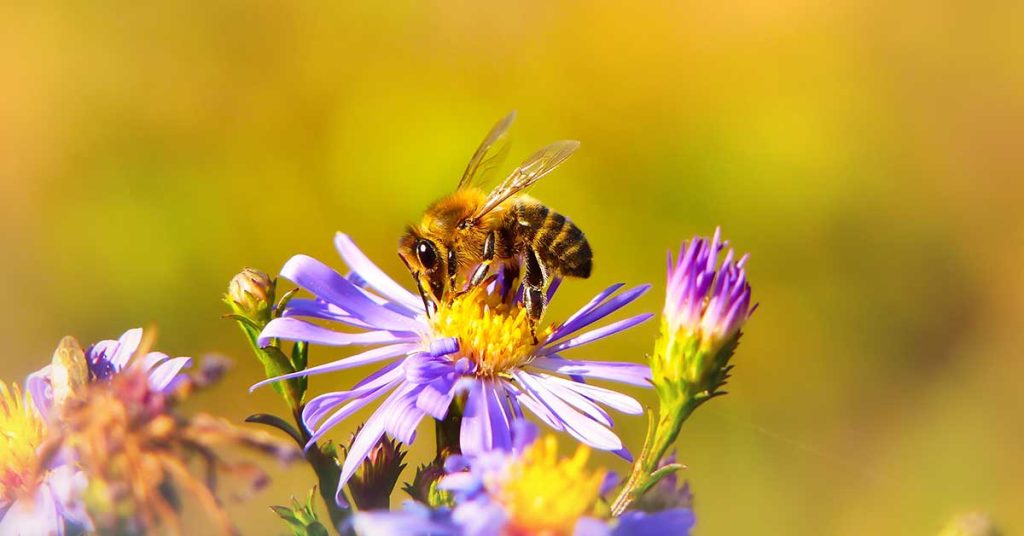
Pepper blossoms are small but eagerly visited by native bees—especially solitary ground-nesting species that explore tiny blooms. Unfortunately, many gardeners overlook creating pollinator habitat, leading to poor fruit set. I scatter native wildflower seeds near my pepper rows and leave small bare soil patches for ground bees to nest!
Adding a shallow dish of water with pebbles nearby helps thirsty pollinators recharge. Encouraging these buzzing allies ensures each flower has the best chance to develop into a perfect jalapeño. A thriving pollinator community is the secret ingredient to a bountiful pepper harvest!
Not Supporting Plants as They Grow
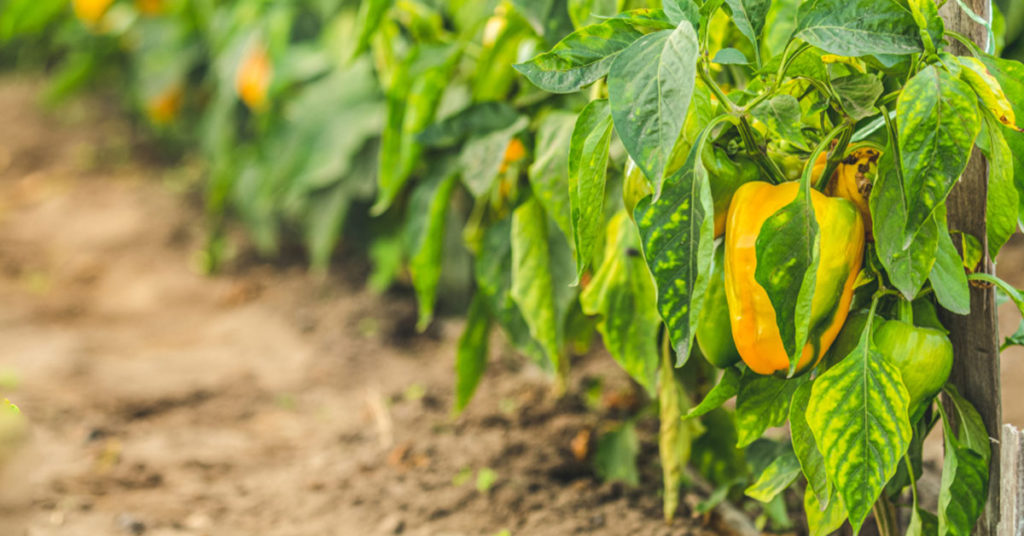
Tall jalapeño varieties can become top-heavy when laden with peppers, causing branches to sag or break. I learned to stake or cage my plants early in the season, gently tying main stems and heavy branches to keep them upright. This simple support prevents snapped limbs and improves airflow around the foliage.
Open architecture not only reduces disease risk but also makes harvesting easier—no more poking through a tangle to find hidden peppers! With a little structural help, your jalapeños will stand tall under the weight of their spicy bounty.