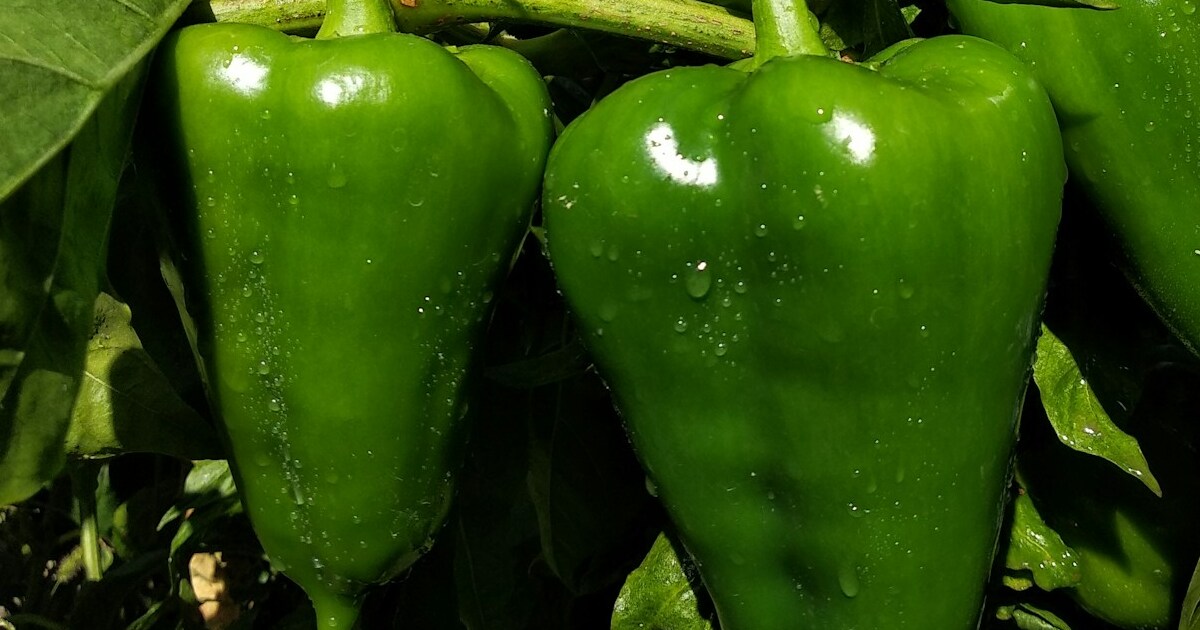

Growing Anaheim peppers (Capsicum annuum var. annuum) can be incredibly rewarding—the crisp, mildly spicy pods are perfect roasted, stuffed, or transformed into salsas! Native to the Pueblo region of New Mexico, these peppers have become a garden staple across warm climates. But I know how frustrating it is when those promising green shoots fizzle out or your plants limp along with few peppers. Let’s dive into 12 common missteps gardeners often make with Anaheims, so you can sidestep the pitfalls and enjoy a bountiful harvest of these charming, mild-hot fruits!
Anaheim blossoms beckon bees, hoverflies, and even hummingbird moths, many of which nest in the loose, sun-warmed soil around your beds. When flowers go unvisited—because they’re weak, crowded, or overwatered—you miss out on healthy fruit set. I’m excited to share practical tips, empathetic insights, and a sprinkle of pepper-grower passion to help your plants thrive from seedling to harvest!
Not Providing Adequate Support
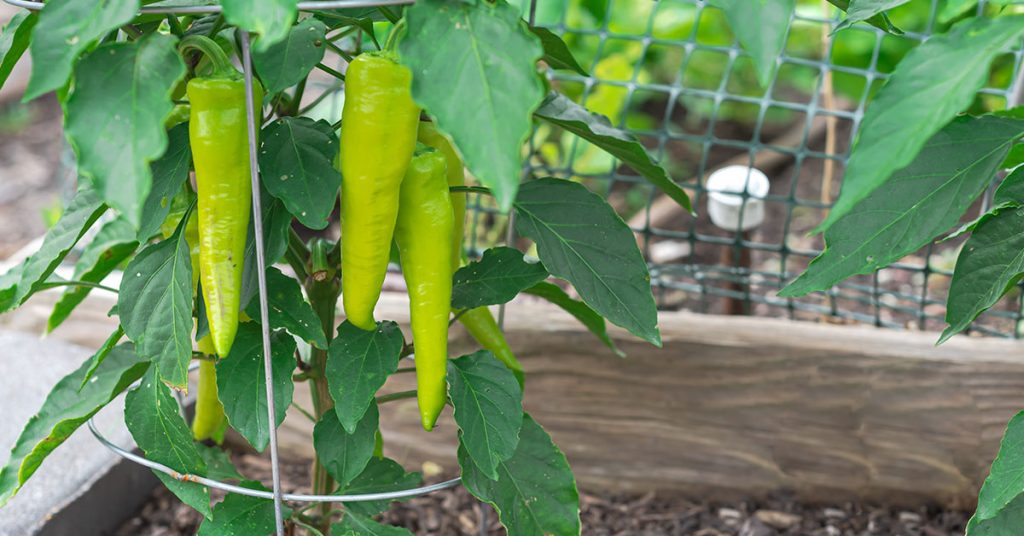
Pepper plants may start upright, but as Anaheims set clusters of heavy pods, branches can droop or break. I’ve lost more than one harvest when a strong wind snapped unprotected limbs, leaving peppers hidden in the soil and vulnerable to rot!
Using stakes, cages, or bamboo canes keeps stems upright and blossoms well-exposed. Tie branches loosely with soft garden twine to avoid girdling, and position supports early so roots aren’t disturbed. Well-supported plants not only reduce fruit damage but also make it easier for pollinators to access blooms and ensure even sun exposure for ripening pods!
Skipping Mulch
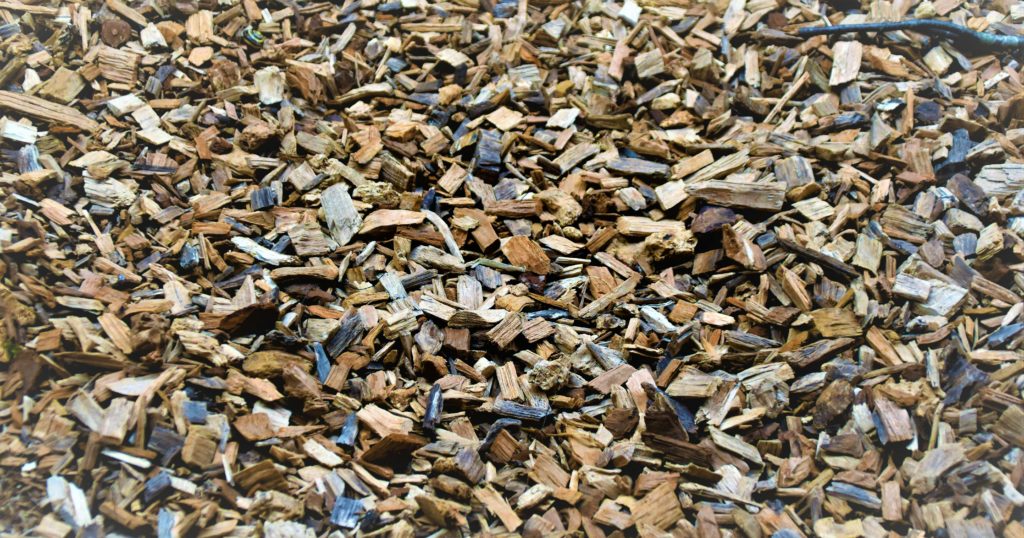
Freshly planted seedlings look neat, but bare soil quickly dries and heats up, stressing peppers. Mulch—straw, shredded leaves, or compost—regulates moisture, suppresses weeds, and keeps soil temperatures stable. I know how tempting it is to skip this “extra step,” but dry soil and rampant weeds can sap your plant’s energy and distract pollinators from the delicate flowers!
Applying a 2–3-inch layer of organic mulch around each plant also creates habitat for beneficial ground-nesting bees and predatory insects like ground beetles. A healthy mulch bed fosters a lively underground ecosystem, encouraging pollination and natural pest control!
Harvesting at the Wrong Time
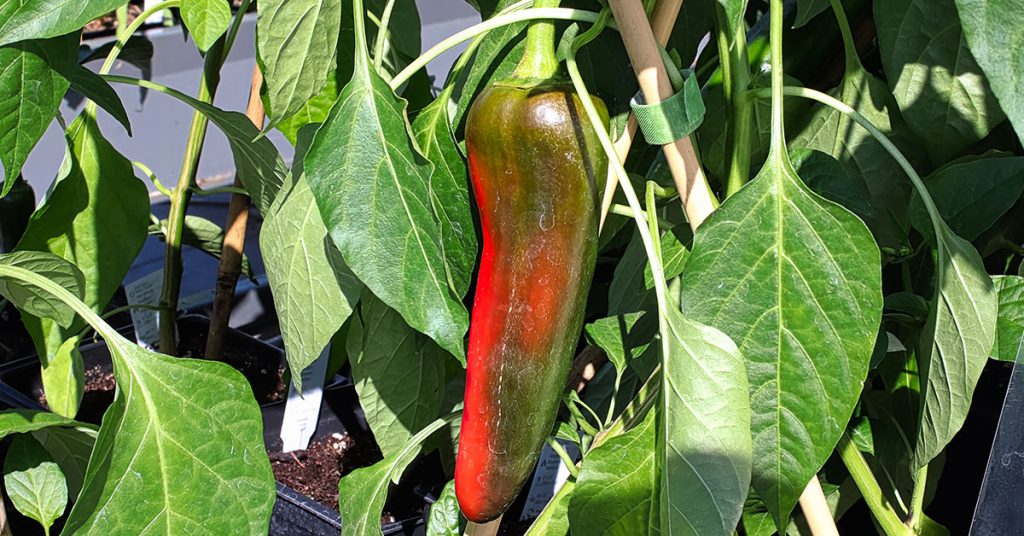
Anaheim peppers taste best when they’re firm, glossy green or allowed to mature to vibrant red. Picking too early yields underdeveloped flavor and heat, while waiting too long can compromise texture and risk sunscald. I once snipped off pods at the first sign of color—only to regret the lackluster taste later!
Look for uniform color and a crisp snap when you bend the pepper. Use clean shears to snip the stem just above the fruit, avoiding twisting that can damage the plant. Timing your harvest ensures you and visiting bees—drawn by nectar at peak flowering—get the best of each stage!
Planting Too Early

Anaheims originate from warm New Mexican summers, and planting seedlings before nighttime temperatures consistently exceed 55°F invites cold shock and blossom drop. I’ve felt your disappointment waking to drooping leaves after an unexpected frost!
Wait until all danger of frost has passed and soil temperatures reach at least 60°F. Harden off transplants by gradually exposing them to cooler nights and breezy days over 7–10 days. Proper timing builds strong, weather-hardy plants that reward you with abundant peppers and healthy flower visits from bumblebees and solitary bees.
Neglecting Soil Fertility

Poor soil is like an empty pantry—your plants simply can’t thrive. Anaheims flourish in rich, loamy soil loaded with organic matter. Skipping a soil test or neglecting compost additions leads to nutrient imbalances, stunted growth, and blossom drop. It’s such a bummer when you see pale leaves and few flowers despite daily watering!
Before planting, amend beds with well-aged compost and a balanced organic fertilizer (look for a 5-10-10 N-P-K to boost fruiting). Mid-season side-dressings of compost tea or fish emulsion keep nutrients flowing. Healthy, nutrient-rich soil supports robust foliage, prolific flowering, and nourishes pollinators nesting underground!
Crowding Plants Too Closely

I get it—garden space feels precious, and squeezing in extra seedlings seems smart. Yet pepper plants need at least 18–24 inches between them to allow good air circulation and root expansion. When crowded, foliage stays damp, inviting powdery mildew, and flowers hide in dense leaf mass where pollinators struggle to find them.
Use a planting grid or stakes to map out spacing before you transplant. That little extra elbow room pays off: fewer diseases, stronger stems, and more open blooms for bees, hoverflies, and hummingbird moths to pollinate!
Overwatering the Peppers
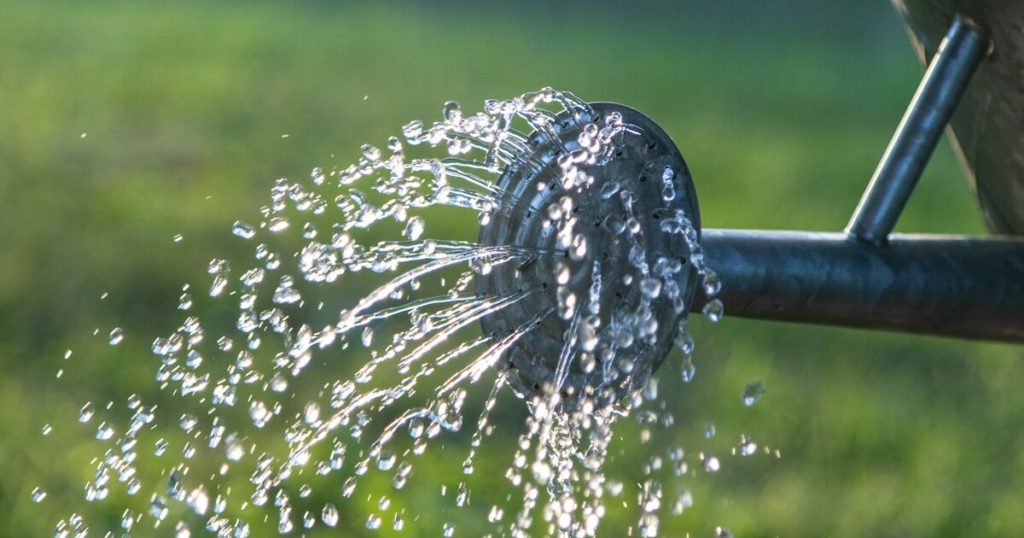
Anaheims like moisture, but waterlogged roots lead to fungal issues, yellow leaves, and poor fruit set. I’ve felt your frustration when every morning reveals soggy soil and wilting plants—pools around your peppers can drown them more than drought will!
Aim for deep, infrequent watering that lets the top inch of soil dry between sessions. Mulch helps retain moisture and prevents soil compaction. Consistent moisture levels keep blossoms turgid, enticing pollinators instead of dripping wet flowers that bees will bypass!
Failing to Rotate Crops

Planting peppers in the same spot year after year is a surefire way to accumulate soil-borne diseases like Verticillium wilt and root nematodes. Your Anaheim patch can become a breeding ground, weakening new plants and discouraging pollinators from returning if the bed is infested.
Rotate peppers to a new location every 2–3 years, alternating with heavy feeders such as corn or beans. This simple practice rejuvenates soil health, interrupts pest life cycles, and ensures your garden stays vibrant and welcoming to beneficial insects!
Ignoring Pest and Disease Signs
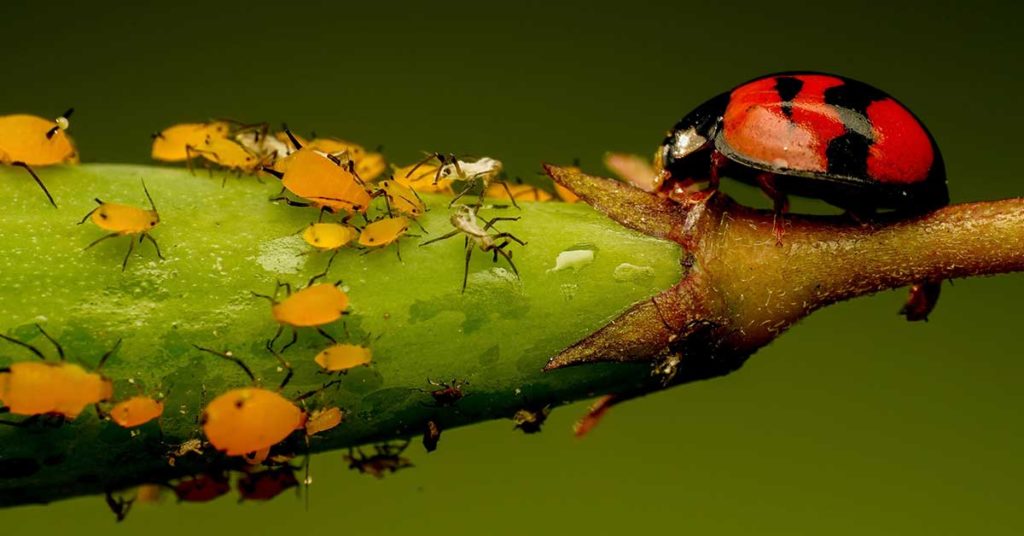
It’s a bummer when aphids crowd new shoots or pepper weevils chew tender pods! Anaheims can attract aphids, spider mites, and fungal leaf spots. Overlooking early symptoms—sticky residue, mottled leaves, or small holes—lets infestations spiral and flowers go unpollinated.
Inspect plants twice weekly, turning over leaves to check undersides. Encourage ladybugs and lacewings for aphid control, and treat fungal spots with neem oil or copper sprays at the first sign. Healthy, pest-free foliage invites pollinators to linger longer on your pepper blooms!
Insufficient Sunlight

Anaheims need at least 6–8 hours of direct sun daily. Shadows cast by taller neighbors or structures stunt growth, reduce flowering, and lower pepper heat levels. Pollinators favor sun-warmed flowers, so shaded blossoms often go unnoticed—and unpollinated.
Scout your garden’s sun patterns before planting. If full sun isn’t available, use reflective surfaces like light-colored walls or plant in movable containers that can chase the sun. Brighter conditions energize your peppers and attract a buzz of pollinator activity!
Neglecting to Harden Off Seedlings
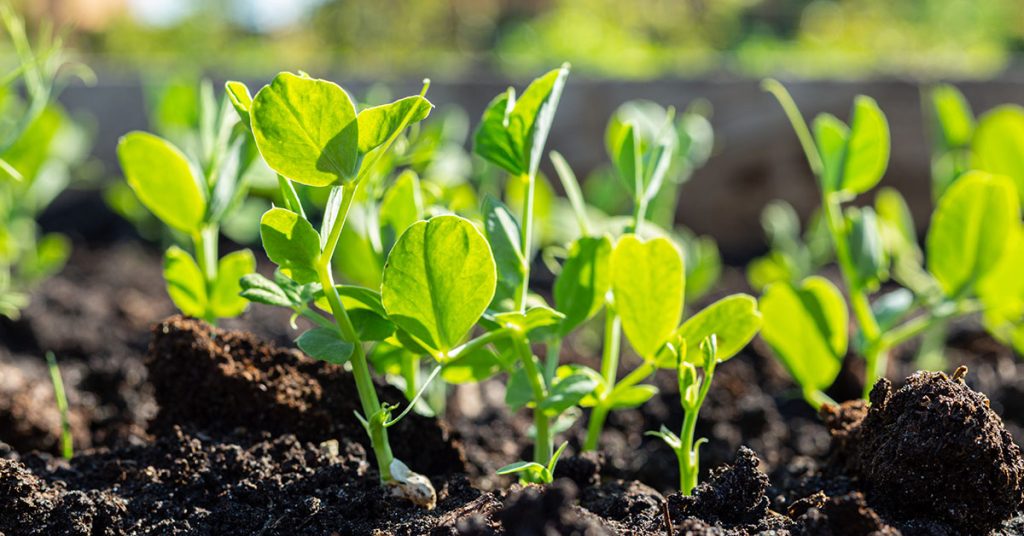
I know how eager you are to see those pepper plants thrive, but skipping the hardening-off step is a common downfall. Seedlings straight from a warm greenhouse or window sill can suffer transplant shock—droopy leaves, stunted growth, and delayed flowering.
Gradually acclimate young plants by exposing them to outdoor conditions for increasing time each day over a week. Start in shady, protected spots, then move into full sun and breeze. Hardened-off plants develop stronger stems and roots, produce more flowers, and charm pollinators with vigorous blooms!