

Hello, fellow gardeners! As the chill sets in and frost begins to kiss our gardens, I know all too well the struggle of finding plants that not only survive but flourish in the cold. It’s such a bummer when the harsh winter weather seems to steal the life from our green spaces. That’s why I’m thrilled to share a curated list of 12 incredibly frost tolerant plants that bring vibrant color, texture, and even a bit of natural charm when it’s cold outside. These resilient beauties have been tried and tested in frosty conditions, and they offer everything from early blooms to interesting foliage that attracts beneficial insects—even in the frost!
I completely understand how frustrating it is to work hard on your garden only to have your efforts thwarted by unexpected cold snaps or frost damage. Trust me, I’ve had my share of disappointments with delicate plants that simply couldn’t handle the winter chill. In this article, I’ll introduce you to 12 plants that have proven their mettle against frost, complete with details on their native origins, care requirements, and even notes on whether they have a tendency to spread. Get ready to transform your winter garden into a thriving, frost-defying oasis full of life and color!
Ornamental Kale and Cabbage

Ornamental Kale and Cabbage are show-stopping cold-weather plants that add dramatic texture and brilliant color to your winter garden! Originally cultivated from varieties of Brassica oleracea, these plants are celebrated for their ruffled, vibrant leaves that intensify in color as the temperature drops. I’m always excited to see how their deep purples, fiery oranges, and crisp greens stand out against the muted winter landscape. Their robust nature means they can handle frost with grace, and they often attract a few early season pollinators, which can be a pleasant surprise in colder months.
These frost-hardy vegetables aren’t just visually appealing—they also help create a microhabitat that encourages beneficial insects to visit. While ornamental kale and cabbage are not considered invasive, their vigorous growth does mean you might need to thin them out to prevent overcrowding. I appreciate how they not only brighten up garden borders and containers but also offer an interesting contrast to more delicate winter blooms. They truly are a testament to nature’s ability to put on a show even when the mercury drops!
Hellebore
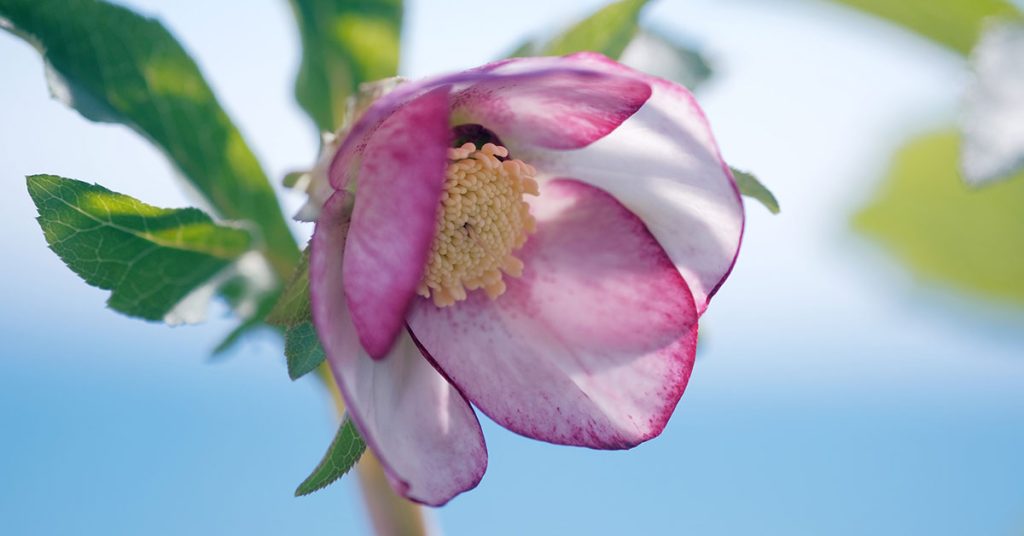
Hellebores, often known as Lenten Roses, are a winter marvel that bravely bloom amid frost and snow! Native to parts of Europe and Asia, these perennials are renowned for their stunning, cup-shaped blooms that appear in shades ranging from creamy whites to deep, velvety purples—even in the coldest conditions. I’m always impressed by how Hellebores seem to herald the arrival of spring by pushing through the frost, offering early nectar to hardy bees and other emerging pollinators. Their elegant foliage and striking blossoms make them a standout feature in any winter garden.
Beyond their undeniable beauty, Hellebores are celebrated for their resilience and low-maintenance nature. They tend not to be invasive, preferring to settle into a defined space where they can slowly multiply over the years. I find it particularly fascinating how their structure provides tiny nooks for beneficial insects to shelter, contributing to a balanced ecosystem even in the dead of winter. With just a bit of well-drained soil and protection from harsh direct sun, these plants will continue to charm you year after year!
Russian Sage
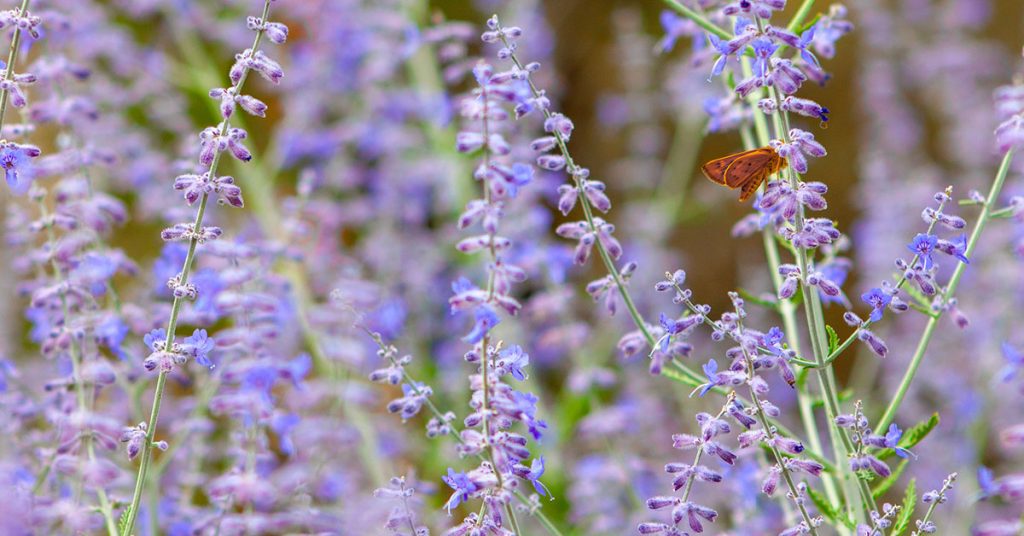
Russian Sage (Perovskia atriplicifolia) is a robust perennial that brings a splash of silvery, aromatic foliage and delicate spikes of lavender-orange flowers to even the frostiest gardens! Native to the arid steppes of central Asia, this plant has adapted remarkably well to cold conditions while retaining its ethereal charm. I’ve been amazed at how its airy, spiky inflorescences catch the winter light, creating a dynamic interplay of shadow and color that attracts bees and butterflies even in cooler weather. Its drought-resistant nature and ability to withstand frost make it a prized addition to a winter garden.
Not only does Russian Sage thrive in low temperatures, but it also offers a subtle, refreshing fragrance that can enliven any outdoor space. It is non-invasive and tends to maintain a neat, bushy form when pruned regularly, ensuring that it doesn’t crowd out its neighbors. I love that it provides a natural nesting ground for some small beneficial insects, which further enhances the biodiversity of your garden. With its combination of hardiness and understated elegance, Russian Sage is truly a winter warrior that uplifts any garden with its timeless appeal!
Creeping Thyme
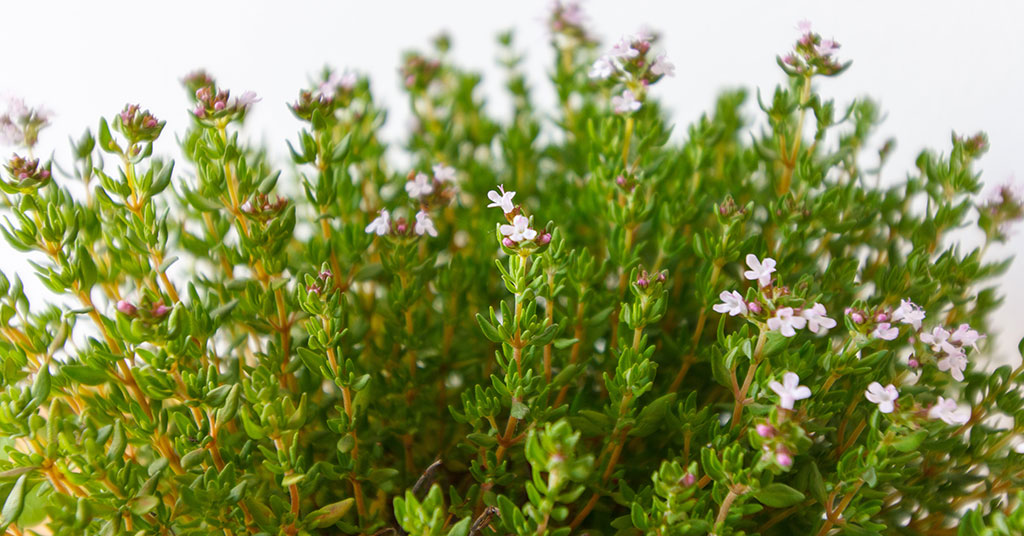
Creeping Thyme is a delightful groundcover that not only endures frost but also releases a wonderful, herbaceous fragrance when stepped on! Native to the Mediterranean, this low-growing perennial is a gardener’s dream for filling in cracks, rock gardens, or between pavers in winter landscapes. I’m always thrilled by its tiny, aromatic leaves and the soft, cushion-like mat it forms—perfect for attracting busy little bees and other pollinators that appreciate its nectar, even on chilly days. Its resilience to frost and drought makes it an ideal choice for those hard-to-reach areas where few plants dare to grow.
Despite its diminutive size, Creeping Thyme plays a big role in creating a dynamic and inviting garden microhabitat. It’s non-invasive when kept in check by occasional trimming, and its dense growth can even help suppress weeds in the cold season. I’ve found that its ability to withstand harsh conditions without losing its vibrant green color adds a refreshing contrast to more dramatic, frost-tolerant blooms. With every gentle step that releases its spicy aroma, Creeping Thyme reminds me that sometimes the smallest plants can have the most enchanting impact!
Sedum (Stonecrop)
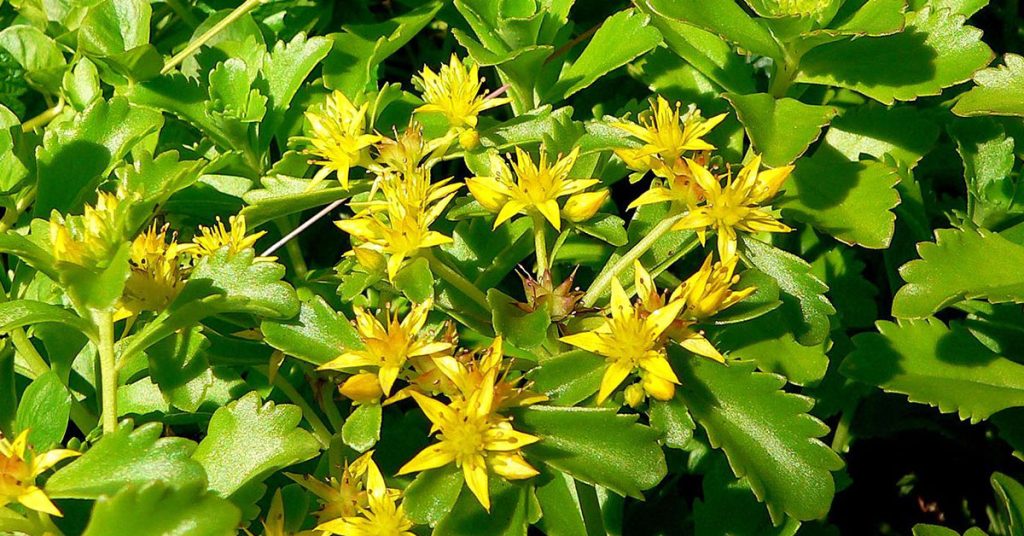
Sedum, commonly known as Stonecrop, is a succulent wonder that stands out in winter with its clusters of star-shaped flowers and fleshy, water-storing leaves! Native to various regions across Europe and Asia, Sedum varieties like ‘Autumn Joy’ are celebrated for their extraordinary frost tolerance and low-maintenance appeal. I’m consistently impressed by how these plants flourish in rocky, well-drained soils, even when temperatures dip well below freezing. Their ability to attract bees and butterflies with their abundant nectar is an added bonus, as it helps sustain local pollinator populations during colder months.
What I particularly appreciate about Sedum is its robust nature and adaptability; it rarely requires much care once established and does not spread aggressively, keeping your garden design neat and intentional. These plants create lovely textural contrasts with their succulent leaves against more delicate perennials and can even serve as a natural mulch for adjacent plants by retaining moisture. Whether planted in a rock garden or used as ground cover in a frost-prone border, Sedum is a reliable choice that transforms even the most inhospitable winter landscape into a canvas of enduring beauty!
Snowdrops
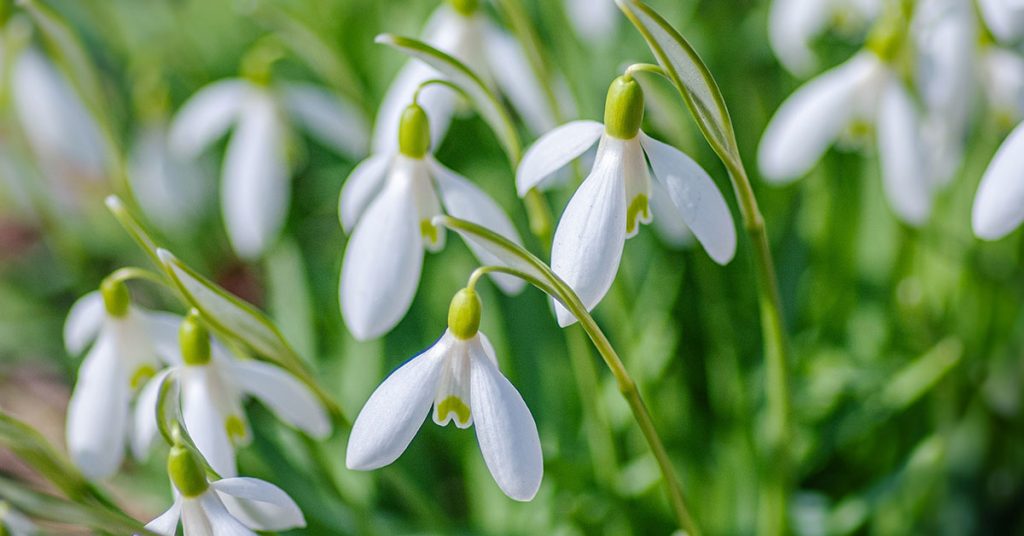
Snowdrops (Galanthus nivalis) are the quintessential heralds of spring, bravely emerging through the snow and frost to signal warmer days ahead! Native to parts of Europe, these delicate bulbs produce slender, nodding white blossoms that seem to glow against a wintry backdrop. I’ve always been enchanted by the way Snowdrops appear almost magically, attracting early pollinators like solitary bees that are drawn to their modest yet sweet nectar. Their frost tolerance is legendary, making them one of the most dependable and hopeful signs of nature’s resilience during the cold season.
Despite their fragile appearance, Snowdrops are hardy and non-invasive, preferring to naturalize slowly in shady, moist areas where they can form charming clusters over time. They require little more than well-drained soil and a bit of patience, and in return, they reward you with one of the first displays of floral beauty after winter’s harsh grip. Their understated elegance and the promise of spring make them a true gem for any garden enthusiast looking to celebrate life even in the frost!
Dianthus (Pinks)
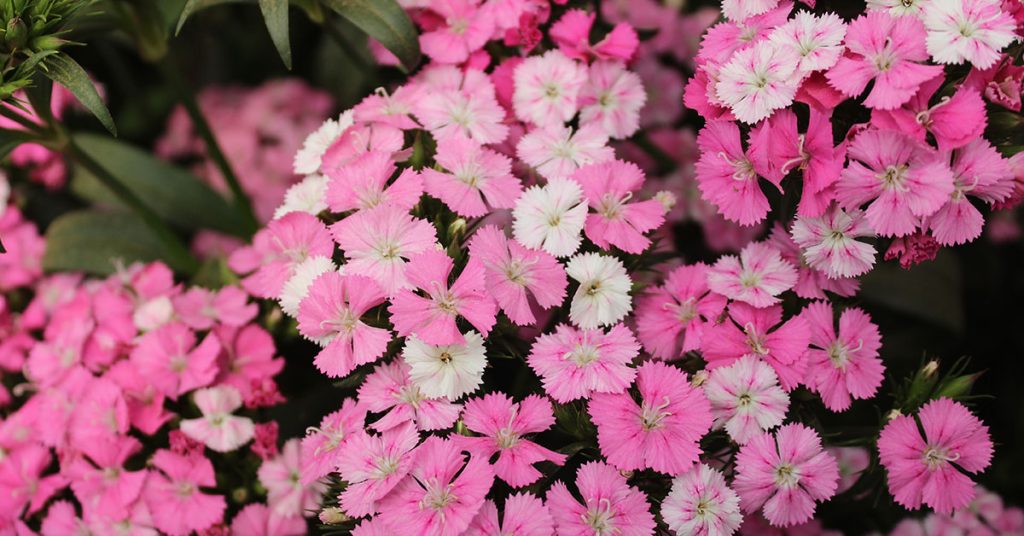
Dianthus, affectionately known as Pinks, are delightfully fragrant perennials that add a splash of delicate color to frost-prone gardens! Native to Europe and parts of Asia, these charming plants are prized for their fringed petals and spicy scent that intensifies in cool weather. I find their compact form and vibrant hues—ranging from soft pastels to bold reds—an excellent complement to other winter-hardy species, providing both visual appeal and an aromatic experience that attracts small bees and butterflies. Their resilience to frost makes them a fantastic choice for gardeners who want beauty without constant fuss.
These hardy perennials are low-maintenance and non-invasive, meaning they will stay neatly contained while adding character to your garden beds or containers. Regular deadheading encourages continuous blooming throughout the colder months, and their unique texture often invites close-up admiration. Every time I see a border lined with Dianthus, I’m reminded that even in the cold, nature has a way of expressing warmth and elegance through its simplest creations. Their enduring charm and robust nature truly make them a must-have for any winter garden!
Pansies
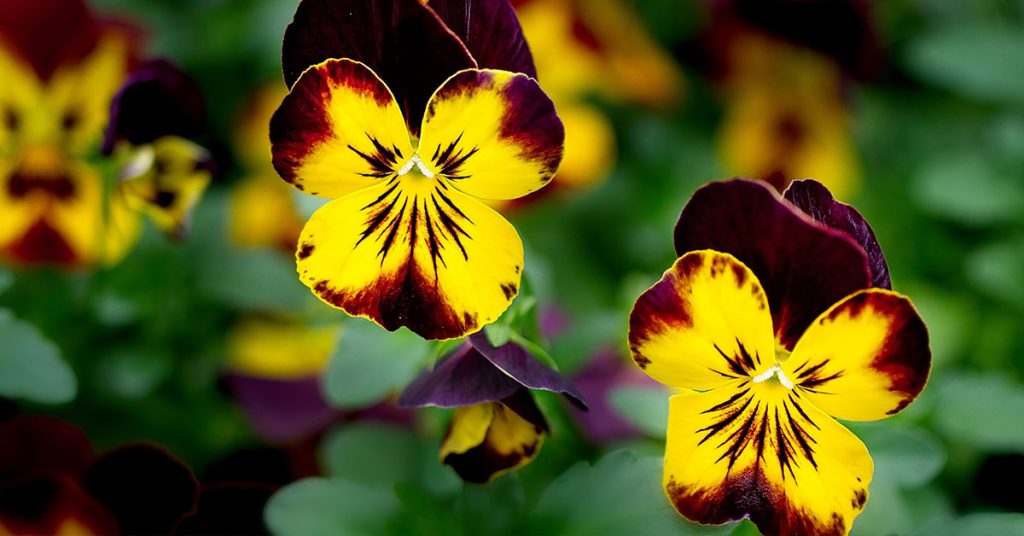
Pansies are a classic choice for winter gardens, known for their cheerful faces and remarkable frost tolerance that brings color to even the chilliest days! Originating from Europe, these hardy annuals (often treated as perennials in mild climates) come in a dazzling array of colors, with many varieties showcasing deep purples, yellows, and even vibrant oranges. I love how pansies can transform a dull winter landscape into a lively tapestry, attracting early pollinators like bees and small butterflies that find shelter in their soft, velvety petals. Their resilience to frost is truly impressive and makes them a staple for gardeners facing cold climates.
In addition to their striking beauty, pansies are relatively low-maintenance and rarely become invasive when grown in containers or well-managed beds. Regular watering and occasional fertilization help them maintain their vivid colors throughout the cold season, ensuring a continuous burst of life even when most plants lie dormant. I always find it uplifting to see these hardy blooms smiling back at me after a frosty morning—they’re a gentle reminder that beauty can persist against all odds! Pansies not only brighten up your garden but also serve as a symbol of hope and renewal during winter’s toughest days.
Primrose
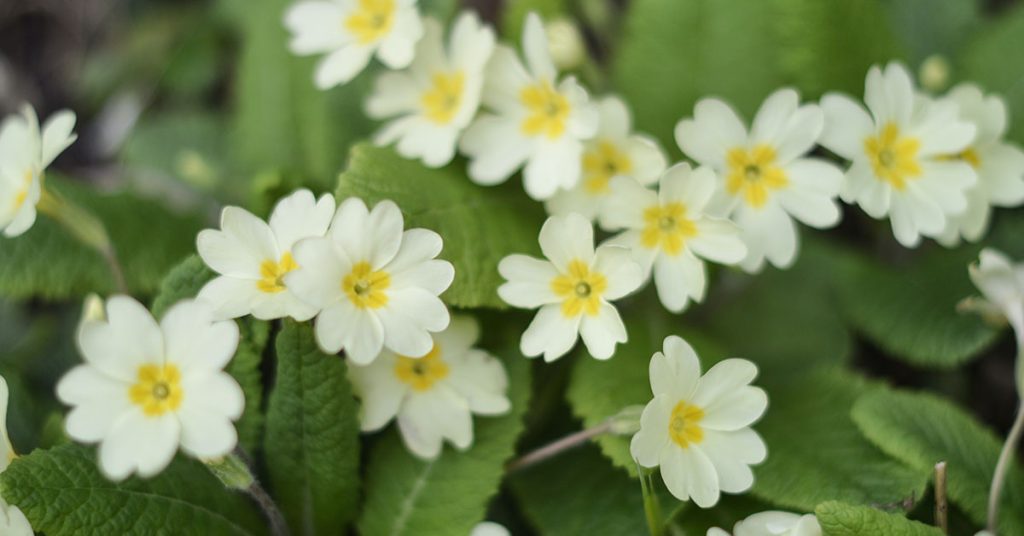
Primroses are among the first flowers to brave the chill, offering delicate bursts of color and a promise of warmer days to come! Native to various regions across Europe, Primula species are well-known for their vibrant, cup-shaped blooms that emerge in early spring—even when frost still lingers. I’m always delighted by their ability to attract early pollinators like solitary bees and hoverflies, which are drawn to their sweet, subtle nectar. Their resilience in cool conditions makes them an excellent choice for gardeners looking to extend the flowering season into the colder months.
These hardy perennials are not only frost tolerant but also remarkably adaptable to different soil conditions, thriving best in moist, well-drained environments. Primroses tend to naturalize slowly and are not considered invasive, which allows you to enjoy their cheerful displays without the worry of overgrowth. Their tender, pastel petals and the gentle aroma they exude bring a touch of softness to winter landscapes, reminding us that beauty often flourishes when nature is at its most challenging. With a bit of care and the promise of early blooms, primroses offer an inspiring start to any garden’s seasonal cycle!
Coral Bells (Heuchera)
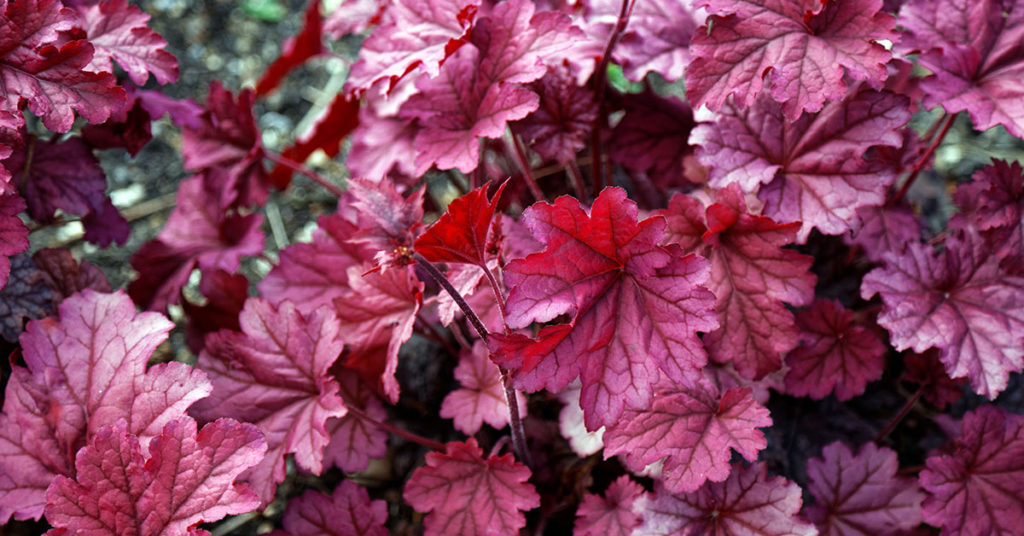
Coral Bells, or Heuchera, are a perennial favorite that not only add a splash of color with their delicate blooms but also boast richly variegated foliage that withstands frost with grace! Native to North America, these plants are celebrated for their striking leaf textures and hues that range from silvery greens to deep burgundies—colors that become even more pronounced in cooler temperatures. I’m fascinated by how Coral Bells attract tiny pollinators like solitary bees and sometimes even serve as a resting spot for small beneficial insects, contributing to a thriving garden ecosystem even during the cold months. Their resilience and ornamental appeal make them a standout addition to any winter garden.
Despite their lush appearance, Coral Bells are low-maintenance and non-invasive, making them ideal for borders, containers, or as accent pieces in mixed perennial gardens. They prefer well-drained soil and partial shade, which helps maintain their vibrant colors without succumbing to frost damage. Regular care, including light pruning of spent blooms, ensures that these beauties continue to dazzle year after year. For anyone looking to add a touch of refined elegance and lasting color to their cold-weather garden, Coral Bells are a superb choice that truly stands the test of winter!
Coneflower (Echinacea)

Coneflowers, commonly known as Echinacea, are robust perennials that boast striking daisy-like blooms and impressive frost tolerance that thrives in chilly weather! Native to North America, these iconic plants are renowned not only for their vibrant, cone-shaped centers and petal arrays in shades of purple, pink, and even orange but also for their ability to attract a myriad of pollinators—from buzzing bees to fluttering butterflies. I’ve always admired how Echinacea stands tall in winter gardens, offering both medicinal value and a resilient burst of color that signals nature’s determination to flourish against all odds.
In addition to their visual appeal, Coneflowers are remarkably low-maintenance and non-invasive, ensuring that they spread gracefully without overwhelming other species. They thrive in full sun and well-drained soils, making them a dependable choice for gardeners dealing with frosty conditions. Regular deadheading can promote extended blooming, and their robust seed heads often provide shelter for small birds and beneficial insects. Echinacea’s enduring beauty and hardiness serve as an inspiring reminder that even in the face of frost, life continues to bloom vibrantly!
Blue Fescue

Blue Fescue is a charming ornamental grass that offers a cool, silvery-blue hue to the garden and thrives even in frost-laden conditions! Native to parts of Europe, this clump-forming grass is admired for its fine, delicate blades that create a striking contrast against darker, more robust plants. I’m continually impressed by Blue Fescue’s ability to withstand freezing temperatures while adding texture and movement to the landscape. Its soft, tufted appearance not only looks stunning in rock gardens and borders but also provides a subtle habitat for tiny beneficial insects that find refuge among its slender leaves.
This low-maintenance grass is non-invasive, meaning it stays neatly contained and never overwhelms other plantings, making it an ideal candidate for winter gardens and container displays alike. Blue Fescue thrives in full sun and well-drained soil, and its frost-resistant nature ensures that its cool colors remain vibrant even during harsh winters. I love how its architectural form brings a sense of calm sophistication and visual interest to any garden setting—truly a winter favorite for adding a touch of serene beauty amidst the cold!