

Gardening has always been my way of reconnecting with nature, and there’s something especially uplifting about cultivating flowers that represent hope and optimism. I know how challenging it can be when life feels overwhelming or when the garden seems to mirror our struggles with its overgrown corners and pest invasions. That’s why I’ve dedicated time to growing a selection of blooms that not only brighten my garden but also serve as living symbols of renewal and positivity. These 12 flowers have become my little beacons of light, inspiring me to keep going even on the toughest days!
I’m excited to share with you these remarkable plants, each carrying its own unique story and cultural significance. Whether it’s the gentle cheer of a daffodil or the bold statement of a sunflower, these flowers are native to various regions around the world and are celebrated for their enduring beauty. Most are non-invasive when given the right care, ensuring that your garden remains a balanced ecosystem that attracts beneficial insects and even provides nesting spots for tiny critters. Let’s dive in and explore these symbols of hope and optimism, and maybe find a few new favorites along the way!
Daffodil
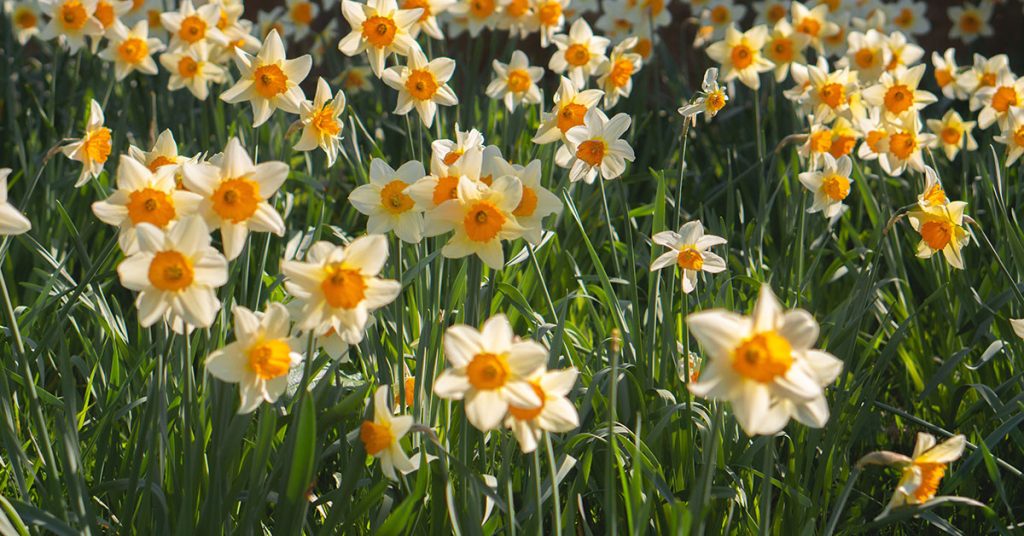
Daffodils, native to meadows and woodlands in Europe and North Africa, are timeless symbols of renewal and fresh beginnings. Their vibrant yellow or white blooms herald the arrival of spring, instilling a sense of hope after the long, cold winter months. I always find daffodils uplifting—they’re like nature’s own little burst of sunshine that helps chase away gloomy days. Their cheerful appearance also attracts bees and butterflies that buzz around, adding an extra touch of life to the garden!
In my own experience, daffodils are low-maintenance and non-invasive when planted in well-drained soil. Their graceful, trumpet-shaped flowers sometimes serve as natural markers for beneficial insects that help maintain a balanced ecosystem. Watching them sway gently in the breeze reminds me that even the simplest blooms can signify a fresh start and a positive outlook on life!
Cherry Blossom

Cherry blossoms, originally native to East Asia, are cherished worldwide as emblems of ephemeral beauty and new beginnings. These delicate pink or white flowers burst into bloom for just a short period, creating breathtaking displays that fill the air with a light, floral fragrance. I find the fleeting nature of cherry blossoms to be incredibly poignant—it’s a reminder that beauty is often found in moments, no matter how brief!
Although cherry blossoms typically grow on trees that require specific climates, they are non-invasive when properly cared for in designated areas. In my garden, the soft cascade of cherry blossoms attracts a myriad of pollinators, including bees and butterflies, which sometimes even build temporary nests in the tree branches. Their transient beauty is a daily inspiration, symbolizing the hope that every ending makes way for a new beginning!
Sunflower
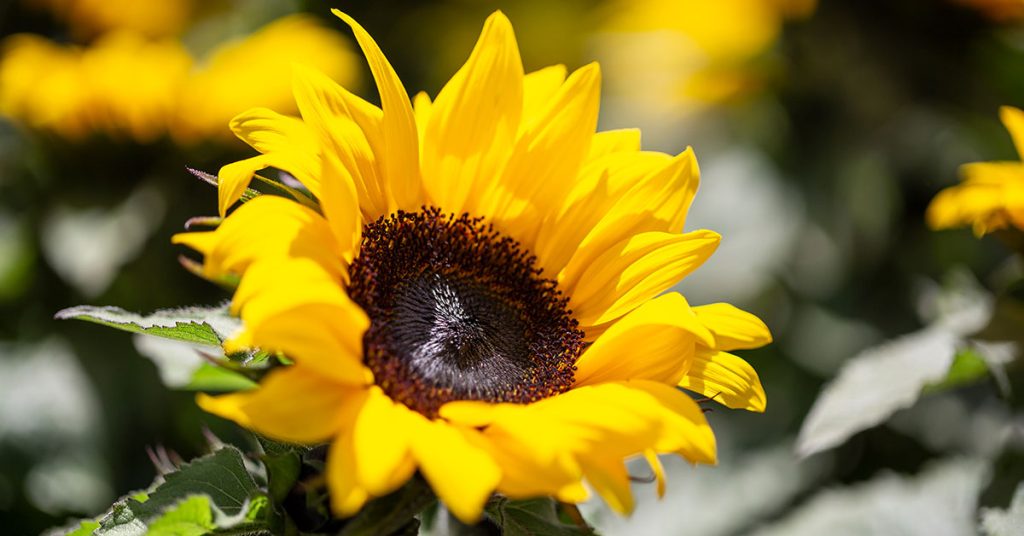
Sunflowers, native to the Americas, radiate energy and optimism with their bright, towering blooms that seem to follow the sun. These robust flowers are not only a visual delight but also a powerful reminder of resilience and positivity. I always feel a surge of hope when I see a field of sunflowers, as their golden heads create a natural beacon that draws in pollinators and even provides a perch for small birds looking for a sunny spot to nest!
In addition to their uplifting appearance, sunflowers are remarkably easy to grow and non-invasive in most garden settings. Their large, seed-filled centers often attract beneficial insects like bees and butterflies, which contribute to a thriving ecosystem. Whether you’re looking to add height to your garden or simply enjoy the warmth they exude, sunflowers are a brilliant symbol of hope that can transform any outdoor space!
Forget-Me-Not
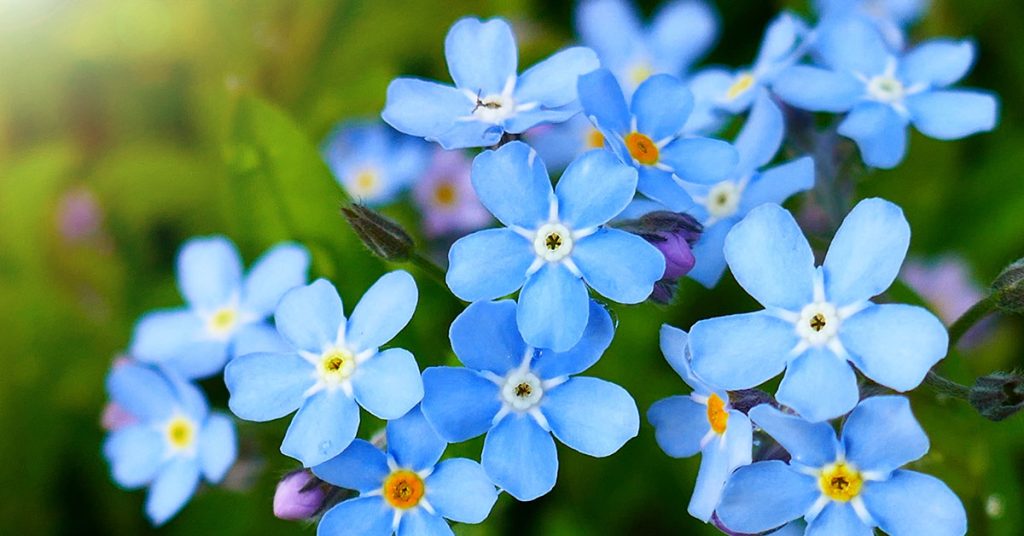
Forget-Me-Nots, native to Europe and parts of Asia, are delicate blue flowers that carry a heartfelt message of remembrance and enduring hope. Their gentle, sky-blue petals evoke feelings of nostalgia and a promise that love and optimism persist, even in the smallest of blossoms. In my garden, these tiny wonders create a soft, carpet-like display that is both soothing and inspiring—a reminder not to forget the good moments in life!
These charming blooms are non-invasive and thrive in moist, well-drained soil, often forming dense mats that attract beneficial insects such as small bees and hoverflies. I’ve found that forget-me-nots lend a serene, almost fairy-tale quality to my garden, encouraging quiet moments of reflection and gratitude. Their enduring presence in the landscape is a subtle yet powerful symbol of hope, urging us to cherish every memory and remain optimistic for the future!
Tulip
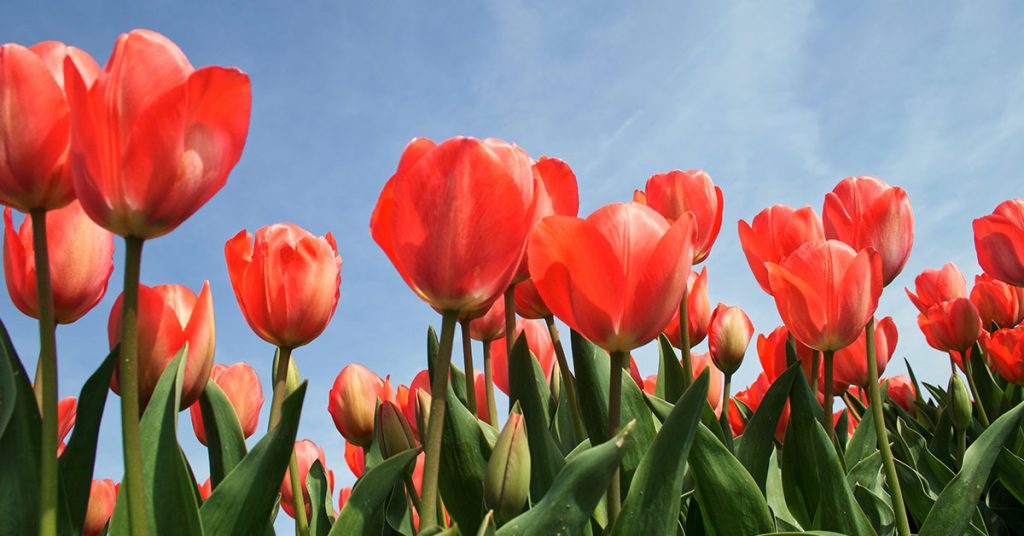
Tulips, with their elegant, cup-shaped blooms, are native to Central Asia and have long been celebrated as symbols of perfect love and hopeful renewal. Their vivid colors—from fiery reds to soft pastels—bring a burst of optimism to any garden, signifying the arrival of spring and the promise of a new season. I always find tulips incredibly uplifting; each blossom seems to whisper a gentle reminder that after hardship, beauty inevitably emerges!
Despite their glamorous appearance, tulips are generally non-invasive and flourish when planted in well-drained soil with plenty of sunlight. In my garden, tulips attract a variety of pollinators such as bees, which play a critical role in sustaining a healthy ecosystem. Their presence not only brightens the landscape but also infuses it with a sense of hope and possibility—transforming any garden into a vivid celebration of life and renewal!
Iris
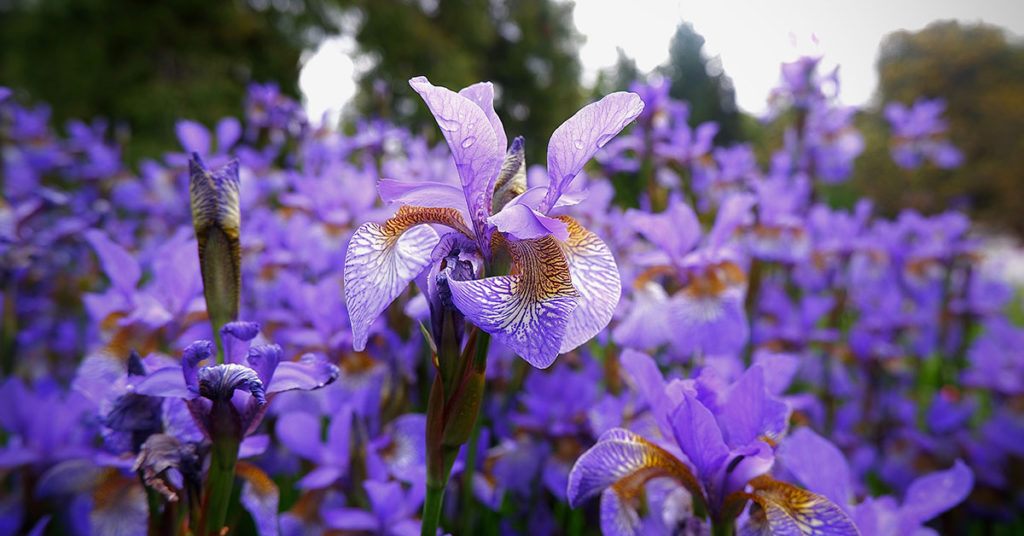
Iris, native to the Mediterranean region and parts of Asia, is celebrated for its intricate, sword-like foliage and striking, colorful blooms that range from deep purples to brilliant yellows. Symbolizing hope and wisdom, these flowers add an air of elegance and strength to any garden. I find that irises not only captivate with their bold colors but also attract a host of pollinators, including bees and butterflies, which sometimes seek out the shelter provided by their sturdy leaves!
Known for their non-invasive nature when cultivated in the right conditions, irises thrive in well-drained soil and full sunlight. In my own garden, they have become a symbol of resilience—a testament to the idea that even in the face of adversity, beauty and hope can flourish. Their graceful structure and vibrant hues remind me every day that nature’s wonders are a constant source of inspiration and optimism!
Peony
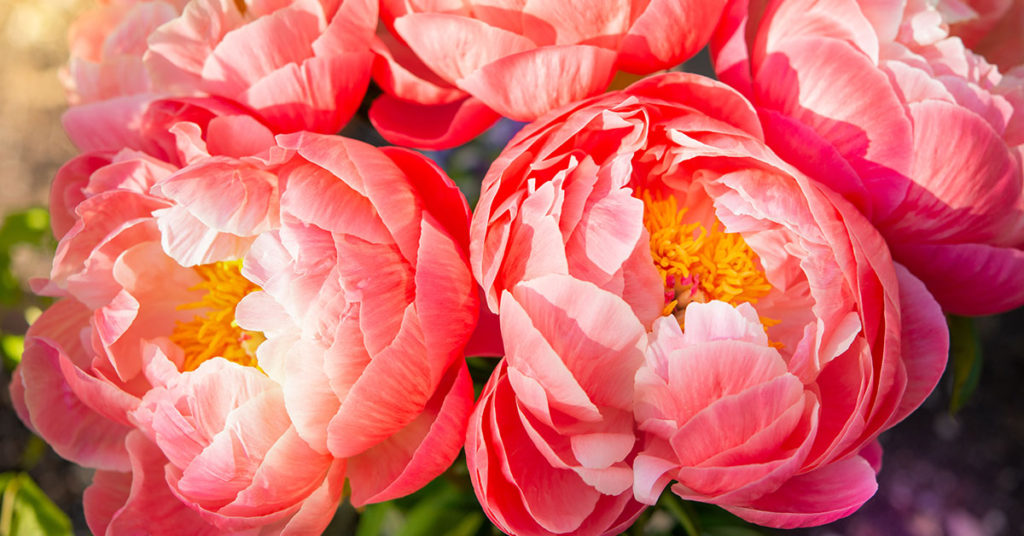
Peonies, with their lush, full blossoms and rich, velvety petals, are native to Asia and Europe and have long been symbols of prosperity, hope, and a bright future. Their romantic, often pastel-colored flowers fill the garden with a gentle, uplifting fragrance that attracts bees, butterflies, and even small birds looking for safe nesting spots amid their dense foliage. I’ve always admired peonies for their timeless beauty, which seems to evoke feelings of warmth and renewed optimism with every bloom!
These perennial beauties are non-invasive when given proper space and care, and they reward gardeners with spectacular displays year after year. In my garden, peonies are more than just a pretty face—they’re a constant reminder that with patience and care, hope and beauty can blossom in abundance. Their majestic presence inspires me to nurture my garden with a heart full of optimism and a commitment to celebrating nature’s enduring gifts!
Lavender
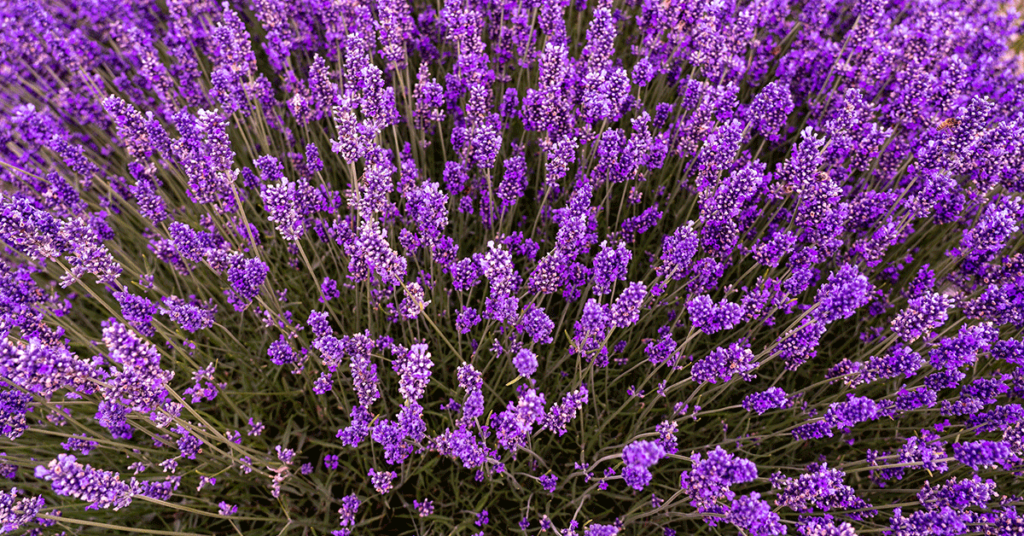
Lavender, native to the Mediterranean, is renowned for its soothing scent and striking purple blooms that have long been associated with calm and hope. Its aromatic presence not only transforms the garden into a fragrant oasis but also attracts beneficial pollinators like bees and butterflies that sometimes use its aromatic stalks for shelter and nesting. I find that lavender’s gentle, uplifting aroma has a magical way of easing stress and inviting a sense of tranquility and optimism into any space!
With its non-invasive nature and hardy growth in well-drained soil, lavender is a favorite among gardeners seeking both beauty and practical benefits. In my own garden, I often rely on lavender to create a serene, restful corner where the worries of the day simply melt away. Its timeless elegance and comforting fragrance are constant reminders that hope can be cultivated just as beautifully as any flower in bloom!
Rose

The rose, perhaps the most iconic of all flowers, is native to Asia and has spread across the world as a symbol of love, hope, and new beginnings. With a rich variety of colors—from gentle pinks to bold reds—roses have the power to evoke deep emotions and inspire optimism. I’ve always been fascinated by how roses can transform a garden into a sanctuary of beauty, with their layered petals and captivating fragrance drawing in pollinators such as bees and even small butterflies that occasionally find cozy spots within their thickets!
Despite their reputation for needing a bit of extra care, many modern rose varieties are non-invasive and well-adapted to different climates. In my garden, I take pride in nurturing roses that not only uplift my spirits but also serve as a symbol of resilience and enduring hope. Their timeless allure and ability to thrive even in challenging conditions remind me that beauty and optimism can flourish against all odds!
Bluebell
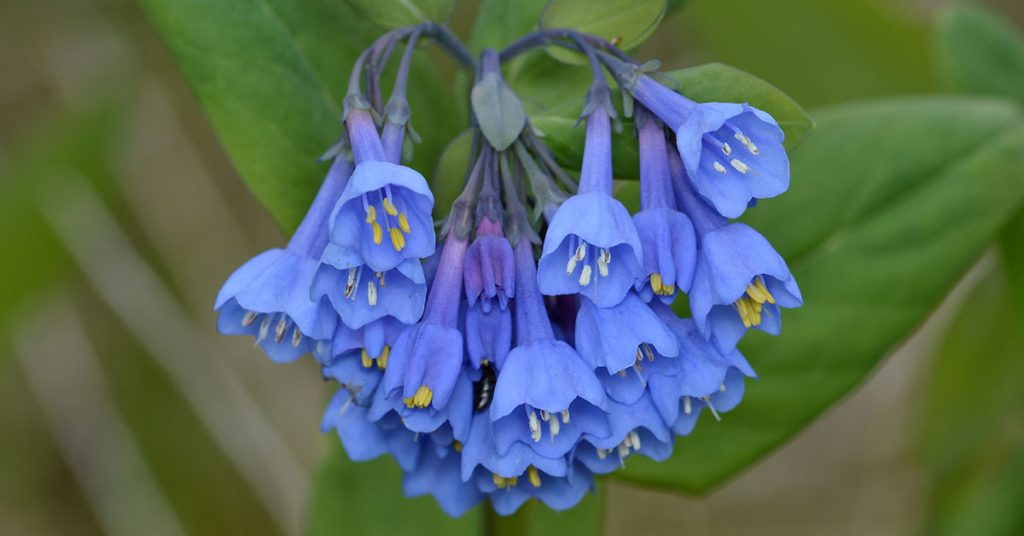
Bluebells, native to the woodlands of Europe, are delicate, bell-shaped flowers that epitomize hope and the promise of renewal. Their soft, enchanting blue hue creates a magical carpet in shaded areas, drawing in an array of pollinators, including bees and small butterflies that use the clusters as safe resting spots. I find bluebells absolutely mesmerizing—each bloom seems to whisper a secret of nature’s resilience and an invitation to embrace a brighter tomorrow!
These charming flowers are non-invasive in their native habitats and thrive in well-drained, woodland soils, making them ideal for adding a touch of tranquility to shaded garden areas. In my own garden, bluebells provide a subtle yet powerful reminder that even in the quietest corners, hope can be found and nurtured. Their gentle presence fills me with a sense of peace and optimism, making every visit to the garden feel like a small celebration of life’s simple joys!
Lily of the Valley
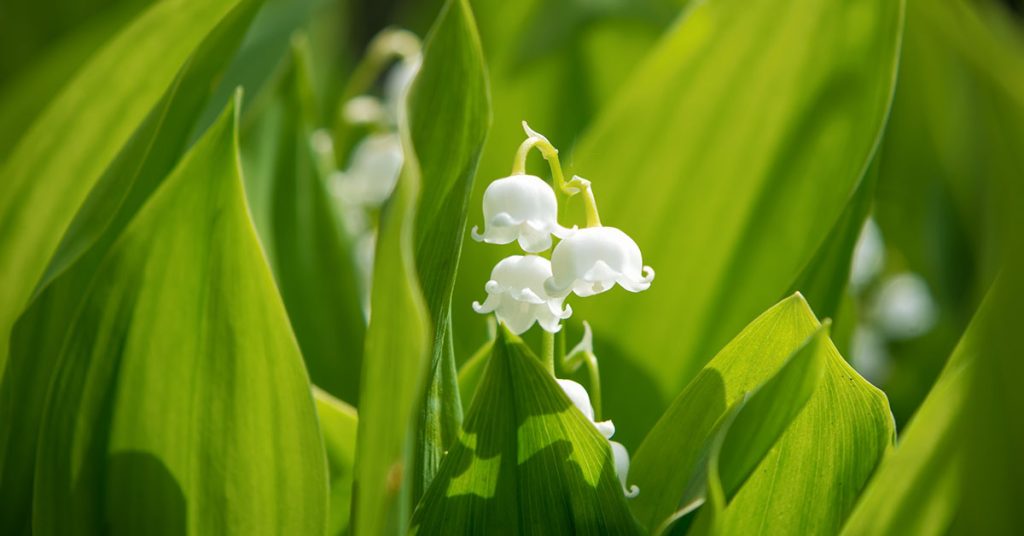
Lily of the Valley, native to Europe and parts of Asia, is a delicate perennial known for its sweet fragrance and dainty, bell-shaped white flowers. Traditionally, it symbolizes hope and the return of happiness after a long period of darkness. In my garden, this enchanting plant creates an atmosphere of serene optimism—its subtle aroma attracts small pollinators, such as bees and tiny flies, that sometimes use the sheltered clumps as a temporary nesting ground!
Although Lily of the Valley can spread gradually, it remains non-invasive when managed in contained garden beds. I love how its understated beauty and gentle scent add a layer of elegance and promise to my outdoor space. Every time I see these fragile blooms in early spring, I’m reminded that hope often comes in the quietest, most unassuming forms—an enduring lesson that nature imparts with every tender blossom!
Camellia
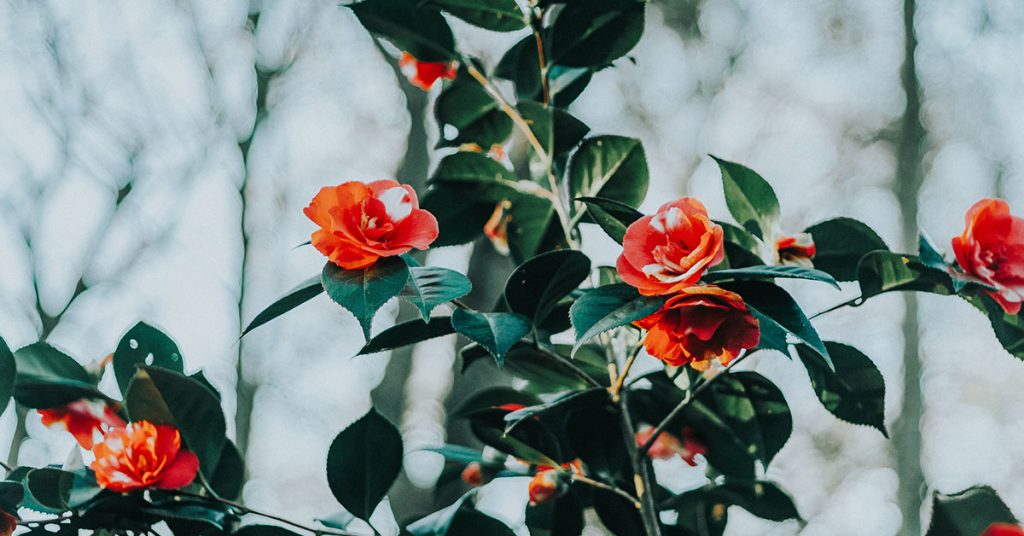
Camellias, native to eastern and southern Asia, are lush, glossy evergreens that burst into brilliant blooms during the cooler months, symbolizing hope and the promise of better times. Their stunning, often red or pink flowers not only brighten up a garden but also attract beneficial insects such as bees and butterflies that occasionally find refuge in their dense, vibrant clusters. I’ve always found camellias to be a beacon of optimism, offering a striking contrast to winter’s stark landscapes and heralding the arrival of a more vibrant season!
Known for their graceful form and non-invasive nature when cultivated properly, camellias thrive in acidic soils and partial shade. In my garden, they serve as living reminders that beauty can flourish even in the coldest of times, and that hope endures through every season. Their elegant blooms and rich cultural history inspire me to nurture my garden with resilience and a deep-seated belief in renewal—proof that even the toughest winters are followed by brighter, hopeful springs!