

There’s nothing more gratifying than watching your garden burst into life, welcoming a wide array of pollinators and beneficial critters that create a balanced, thriving ecosystem! As an avid gardener who’s experienced both the struggles of pest infestations and the joy of a vibrant, biodiverse landscape, I know how essential it is to choose flowers that attract the right mix of insects, birds, and even small mammals. When your garden becomes a living tapestry of colors, textures, and interactions, every visit feels like stepping into a natural wonderland. I’m excited to share 12 exceptional flowers that not only enhance your garden’s visual appeal but also boost its biodiversity, ensuring that your outdoor space is as ecologically resilient as it is beautiful.
I’ll dive into each plant’s native origins, its behaviors—such as attracting pollinators and providing nesting sites—and its potential invasiveness. I understand the frustrations of battling one-dimensional gardens that struggle to support wildlife, and I’m here to offer practical insights and personal anecdotes that can help you transform your yard into a sanctuary of life and color. Let’s explore these unique blooms and discover how they can play a vital role in creating a harmonious, diverse garden ecosystem!
Milkweed
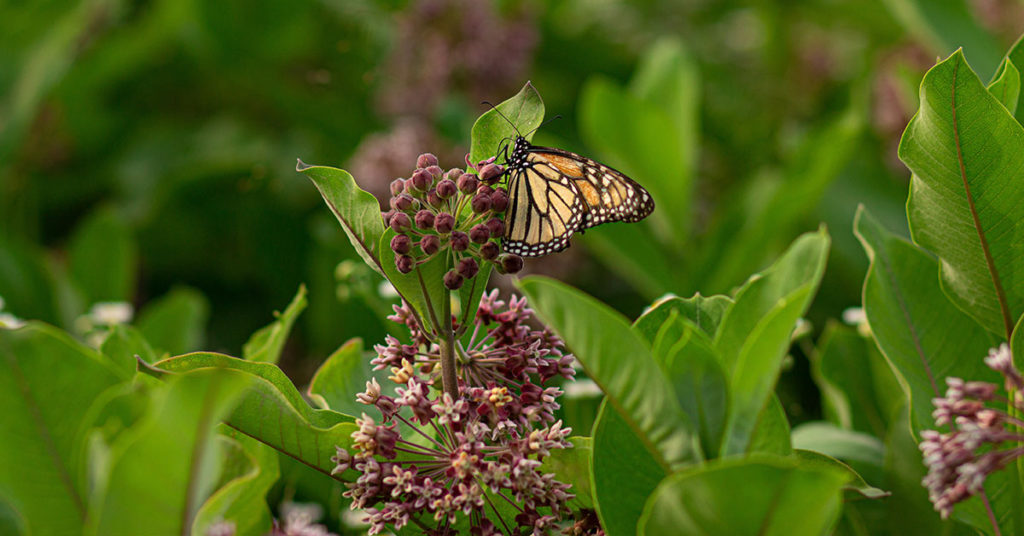
Milkweed, native to North America, is a cornerstone plant for supporting biodiversity, especially for the magnificent monarch butterflies. Its clusters of fragrant, pastel blooms provide an essential nectar source for pollinators and also serve as the sole food for monarch caterpillars. I’ve found that planting milkweed in my garden not only creates a stunning display but also transforms the space into a vital haven for these iconic insects. Its broad, green leaves are perfect for monarchs to lay their eggs, ensuring the continuation of these incredible species!
Beyond its role in supporting monarchs, milkweed attracts a variety of other beneficial insects, including bees and wasps, which sometimes use its thick stems and dense foliage as temporary nesting sites. Although milkweed is non-invasive when maintained properly, it does require a bit of attention to ensure that it doesn’t overwhelm smaller, native understory plants. Embracing milkweed in your garden is a true act of stewardship, creating an environment where wildlife thrives and nature’s balance is maintained!
Black-Eyed Susan
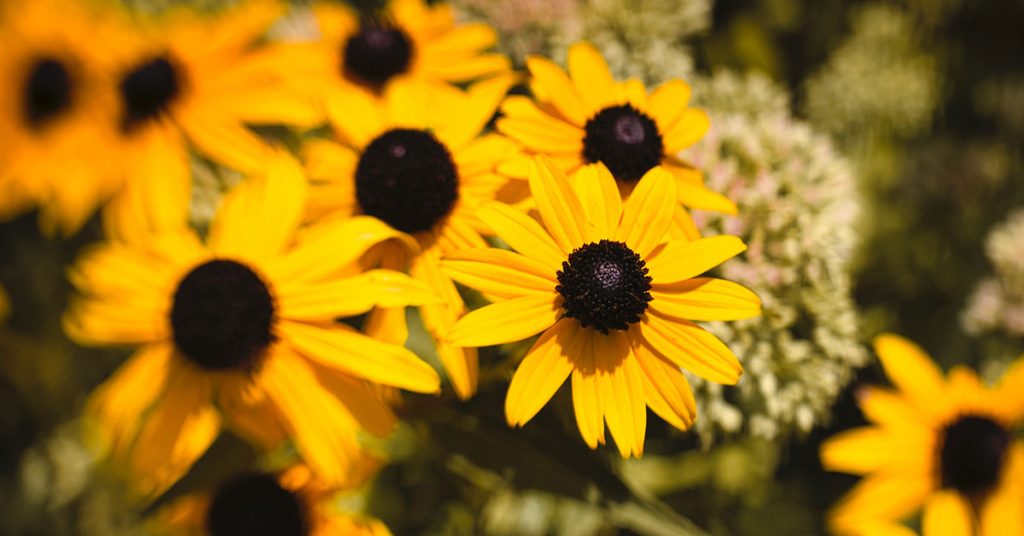
Black-Eyed Susan (Rudbeckia hirta) is a cheerful perennial native to the prairies of North America, renowned for its radiant yellow petals and contrasting dark centers. This robust flower is a magnet for bees, butterflies, and even small beetles, which play a critical role in pollinating nearby plants. I always appreciate how these vibrant blooms bring a burst of sunshine to my garden while also serving as a vital food source for a host of beneficial insects. Their easy-care nature makes them an ideal choice for gardeners looking to boost biodiversity effortlessly!
In addition to their striking appearance, Black-Eyed Susans create microhabitats within their clumps, offering excellent shelter and occasional nesting spots for tiny, beneficial critters. While these plants are generally non-invasive, their ability to self-seed under optimal conditions can enhance the natural spread of native flora if managed carefully. With regular deadheading and occasional thinning, Black-Eyed Susans can help maintain a balanced ecosystem that’s as supportive of wildlife as it is visually appealing!
Bee Balm

Bee Balm (Monarda didyma) is an absolute jewel in any garden, boasting vibrant red, pink, or purple blossoms that are irresistible to hummingbirds, bees, and butterflies. Native to North America, Bee Balm not only adds a burst of color but also offers a delightful fragrance that permeates the garden. I’ve found that its uniquely ruffled, bell-shaped flowers create the perfect landing pad for pollinators, ensuring that your garden becomes a buzzing haven of activity. Its dynamic presence always brings a smile to my face, reminding me of nature’s endless wonders!
What’s particularly fascinating about Bee Balm is its tendency to create natural nesting spots among its dense clusters, where beneficial insects can find refuge and continue their vital work of pollination. Although Bee Balm is non-invasive when cared for properly, its exuberant growth can sometimes require occasional pruning to prevent overcrowding. By integrating Bee Balm into your landscape, you’re not only enhancing your garden’s beauty but also contributing to a robust ecosystem that supports a diverse range of species!
Lavender

Lavender is a perennial favorite with its fragrant, purple flower spikes that seem to dance in the breeze, exuding calm and serenity. Native to the Mediterranean, this resilient herb thrives in sunny, well-drained areas and has long been celebrated for its ability to attract bees, butterflies, and even beneficial predatory insects. I’m always delighted by the soothing aroma of lavender, which fills my garden and creates a tranquil retreat that’s perfect for both relaxation and wildlife support!
Beyond its sensory appeal, lavender’s dense, silvery foliage and well-structured growth provide ideal microhabitats for certain beneficial insects, some of which may even use the gaps between the blooms as nesting sites. While lavender is non-invasive and relatively easy to care for, it does require occasional pruning to maintain its shape and promote continuous flowering. Embracing lavender in your garden not only elevates its aesthetic charm but also plays a crucial role in enhancing biodiversity and supporting a healthy, balanced ecosystem!
Echinacea

Echinacea, commonly known as coneflower, is a stalwart of wildflower gardens, native to the prairies of North America. Its bold, daisy-like appearance—with striking purple petals surrounding a spiky, seed-filled center—serves as a beacon for pollinators such as bees and butterflies. I’ve always been fascinated by how Echinacea can transform a garden into a vibrant, natural haven, drawing in beneficial insects that help maintain the delicate balance of the ecosystem. Its robust nature makes it a must-have for gardeners aiming to boost both beauty and biodiversity!
Not only does Echinacea attract pollinators, but its structure also provides unexpected shelter for small insects that contribute to natural pest control. While this plant is non-invasive and prized for its medicinal properties, it can self-seed under the right conditions, adding a natural spread that enhances native plant communities. With a little care and proper spacing, Echinacea becomes a centerpiece in your garden that supports wildlife, fosters ecological resilience, and delights the senses with every bloom!
Coreopsis
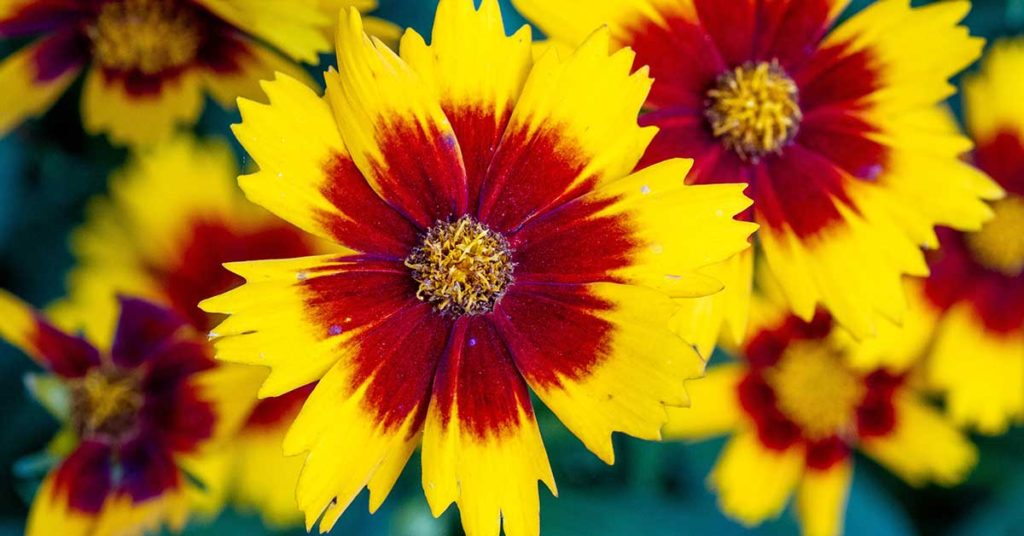
Coreopsis, also known as tickseed, is a vibrant perennial native to North America that delivers a dazzling display of golden or bi-colored blossoms from spring through fall. Its daisy-like flowers not only add a burst of sunshine to your garden but also attract an array of pollinators, including bees, butterflies, and hoverflies. I’m always impressed by how Coreopsis enlivens a garden space with its bright, cheerful colors and simple elegance—it’s like nature’s own burst of confetti!
The plant’s open, airy structure creates ideal conditions for beneficial insects to visit and even occasionally nest, contributing to a richer garden ecosystem. Coreopsis is non-invasive and low-maintenance, making it a popular choice among gardeners who want to encourage biodiversity without the hassle of constant care. With its continuous bloom and resilient nature, Coreopsis is a delightful way to infuse your garden with life and vibrancy, ensuring that every corner is buzzing with activity and natural beauty!
Salvia
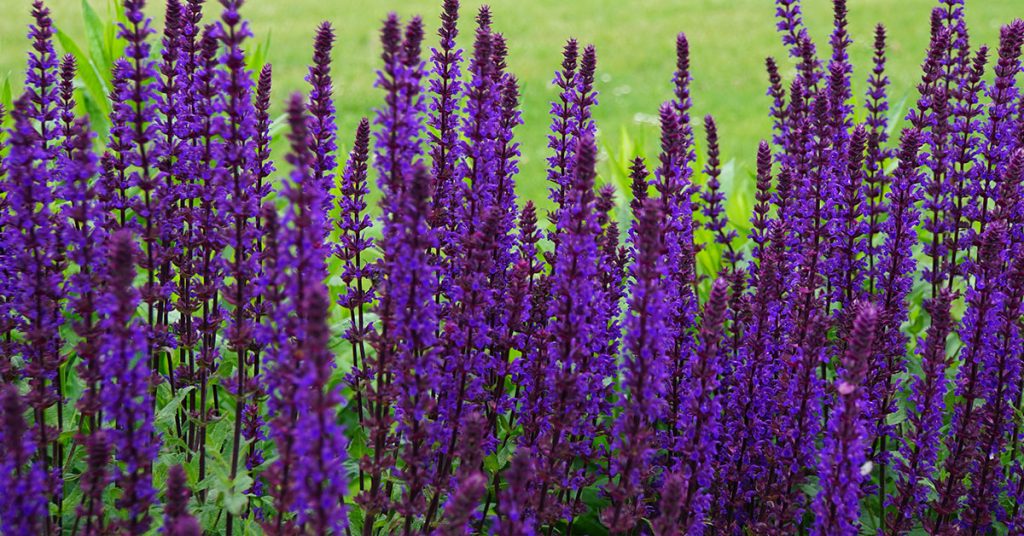
Salvia is a dynamic and versatile perennial that offers a striking array of colors and forms, drawing pollinators from far and wide with its nectar-rich flower spikes. Native to regions such as Central and South America, as well as the Mediterranean, salvia has been a gardener’s delight for centuries. I find that its tall, architectural blooms provide a dramatic focal point in any garden, while also serving as an important food source for bees, butterflies, and hummingbirds—each visit adding to the garden’s vibrant energy!
In addition to its ornamental and ecological benefits, salvia’s structured growth creates small crevices that some beneficial insects may use as nesting sites. This natural behavior contributes to a balanced ecosystem where pest control is often managed by these tiny allies. Salvia is typically non-invasive when maintained with regular deadheading and occasional pruning, making it a reliable, low-fuss choice for enhancing your garden’s biodiversity. Its bold, resilient presence is sure to captivate both you and the creatures that call your garden home!
Wild Lupine
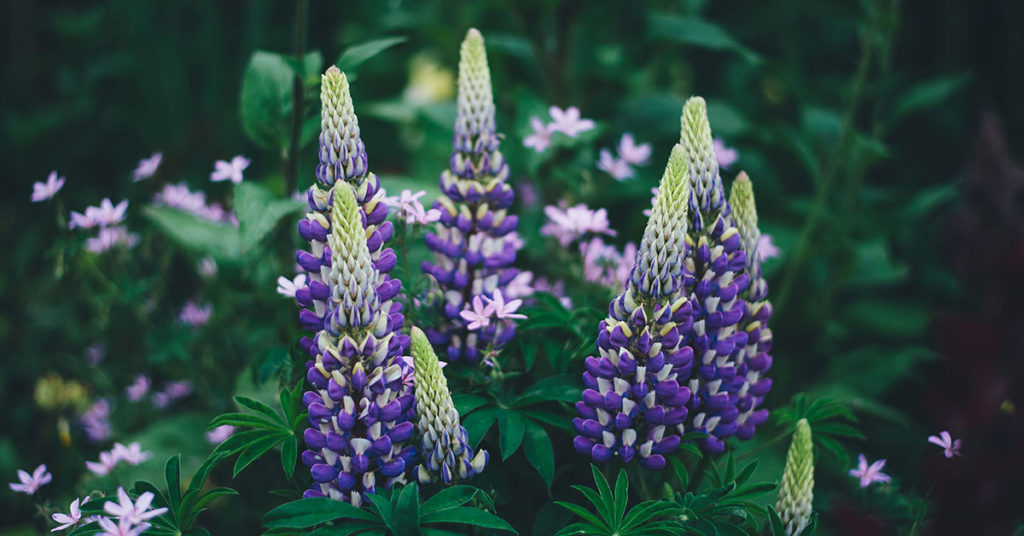
Wild Lupine is a captivating perennial native to North America, celebrated for its tall spikes of vibrant blue, purple, or even yellow flowers. This plant not only adds a dramatic splash of color to your garden but also plays a vital role in enriching the soil with nitrogen through its symbiotic relationship with bacteria. I’ve always been amazed by how Wild Lupine transforms a barren patch into a lively, thriving ecosystem, drawing in beneficial pollinators and even providing shelter for small insects that might use its base for nesting!
While Wild Lupine is generally non-invasive and essential for maintaining healthy soil in its native habitats, it can sometimes spread more than desired if not properly managed. Its unique structure and vivid blooms make it a magnet for bees and butterflies, ensuring that your garden remains dynamic and full of life. With regular monitoring and thoughtful placement, Wild Lupine is a fantastic addition to any garden aiming to boost biodiversity and create a sustainable, natural landscape!
Butterfly Weed
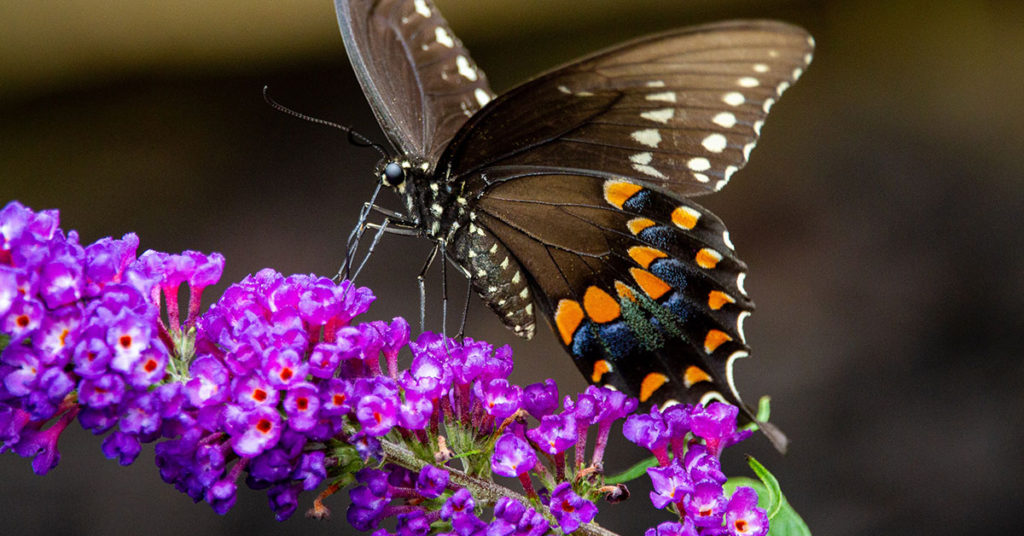
Butterfly Weed (Asclepias tuberosa) is a striking perennial that is indispensable for its role in supporting pollinator populations, especially the beloved monarch butterfly. Native to North America, this bright orange wildflower is a powerful attractant for butterflies, bees, and even hummingbirds, thanks to its abundant nectar. I always find it thrilling to see monarchs fluttering around Butterfly Weed, turning my garden into a lively sanctuary of color and natural wonder!
Its unique, upright growth and vivid blooms also provide microhabitats that can sometimes serve as temporary nesting sites for beneficial insects, further enhancing the garden’s biodiversity. Although Butterfly Weed is non-invasive and a champion for conservation efforts, it does require well-drained soil and full sun to truly flourish. Embracing Butterfly Weed in your garden not only beautifies your landscape but also plays a critical role in preserving vital pollinator populations and fostering a balanced, thriving ecosystem!
Blanket Flower
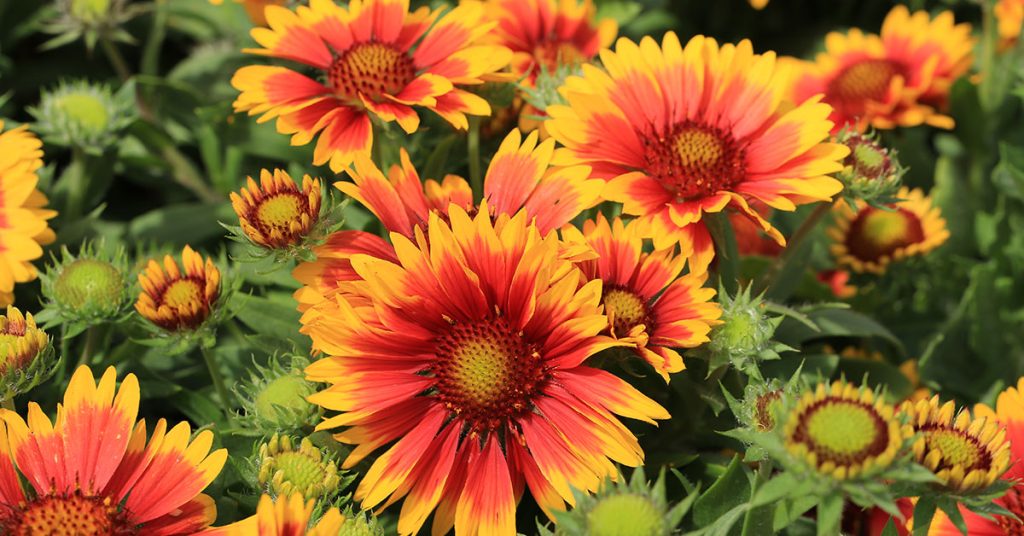
Blanket Flower (Gaillardia) is a resilient and vibrant perennial native to the prairies of North America, known for its bold, fiery display of red and yellow blooms. This eye-catching flower is a magnet for bees and butterflies, attracting a wealth of pollinators that help maintain a rich, biodiverse garden. I’ve always admired how Blanket Flower brings a splash of energy to my garden, its dynamic colors evoking the warmth and spirit of a sunlit prairie!
Beyond its stunning aesthetics, Blanket Flower’s robust, spreading habit creates pockets of shelter where beneficial insects can nest and thrive. While it is non-invasive when properly managed, its self-seeding nature can enhance the natural diversity of your landscape if left in check. Regular maintenance and thoughtful placement ensure that Blanket Flower contributes positively to your garden’s ecosystem, offering both a visual feast and a functional habitat for a variety of pollinators and natural allies!
Shasta Daisy
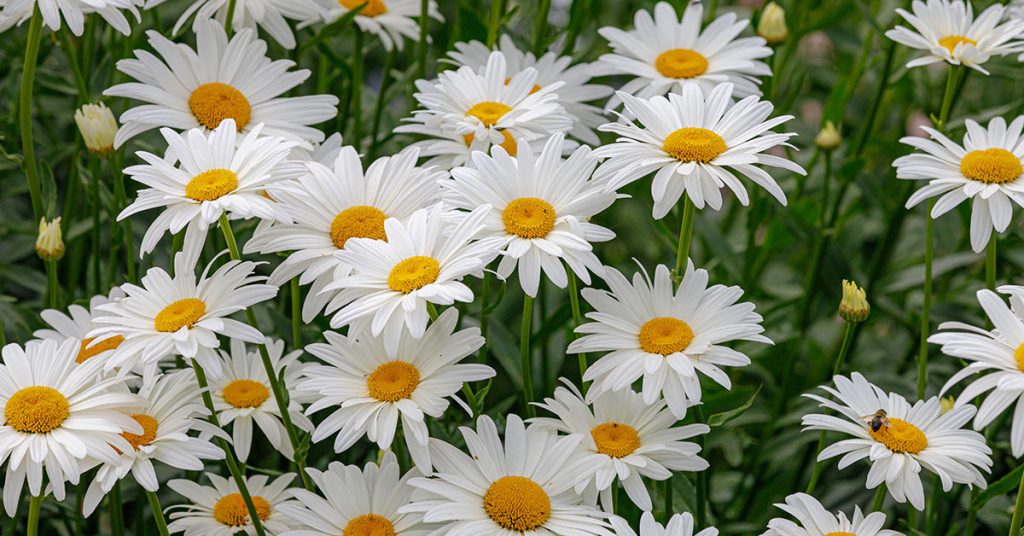
Shasta Daisy (Leucanthemum × superbum) is a timeless perennial that exudes classic beauty with its crisp white petals and sunny yellow centers. Native to Europe, this beloved flower has been a staple in gardens for generations, admired not only for its aesthetic appeal but also for its ability to attract a wide array of pollinators. I always find that Shasta Daisies lend a sense of cheerful simplicity to any garden, their timeless design inviting bees and butterflies to come and enjoy their nectar-rich centers!
The open structure of Shasta Daisies also creates inviting microhabitats for beneficial insects, providing them with ideal spots to rest and even nest. While they are non-invasive and easy to care for, regular deadheading can help extend their blooming period and maintain their pristine appearance. With their enduring charm and proven ability to boost garden biodiversity, Shasta Daisies are a must-have for anyone looking to cultivate a balanced, vibrant outdoor space that thrives from season to season!
Zinnia
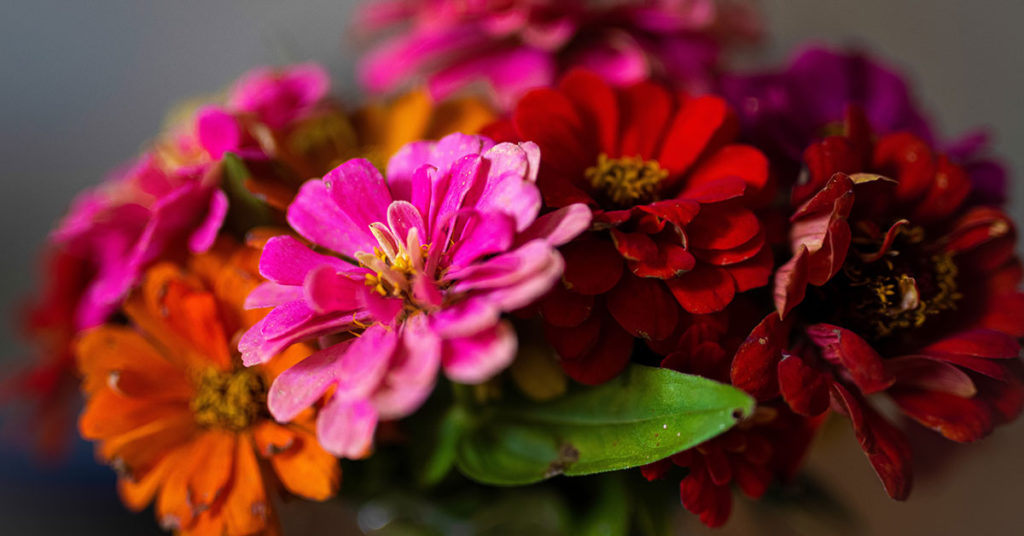
Zinnia is a dynamic annual that, despite its relatively short lifespan compared to perennials, plays a significant role in enhancing garden biodiversity during its vibrant bloom period. Native to Mexico, zinnias burst into brilliant hues of red, orange, pink, and yellow, drawing in bees, butterflies, and even hummingbirds with their abundant nectar. I love how zinnias transform garden beds into lively mosaics of color, sparking joy and attracting a myriad of beneficial pollinators that contribute to a thriving ecosystem!
The compact, daisy-like flowers of zinnia not only captivate with their radiant colors but also offer small crevices where certain insects can briefly take refuge, promoting a transient yet valuable nesting behavior. Although zinnias are annuals and self-seed under optimal conditions, they are not considered invasive when cultivated with care. Their rapid growth and continuous bloom period make zinnias an exciting addition to any garden, ensuring that even a temporary splash of color can have a lasting impact on biodiversity and overall garden health!