
As a gardener who lives for the joyful hum of wings flitting among blossoms, I know how disheartening it is to see empty flower beds when spring arrives! Planting flowering herbs is one of the simplest ways to fill your garden with sustenance for native bees, butterflies, hoverflies, and even hummingbird moths. These aromatic powerhouses not only flavor your culinary creations but also serve as vital nectar and pollen sources during key foraging windows.
In the sections that follow, we’ll explore twelve herbs that have proven wildlife magnets in my own garden. I’ll share each plant’s native origin, note if it tends to self-sow or run wild beyond its borders, and celebrate the fascinating nesting and feeding behaviors these herbs encourage—from ground-nesting mason bees to leafcutter bees harvesting petals. Let’s dive in and make your garden a springtime haven for pollinators!
Borage (Borago officinalis)

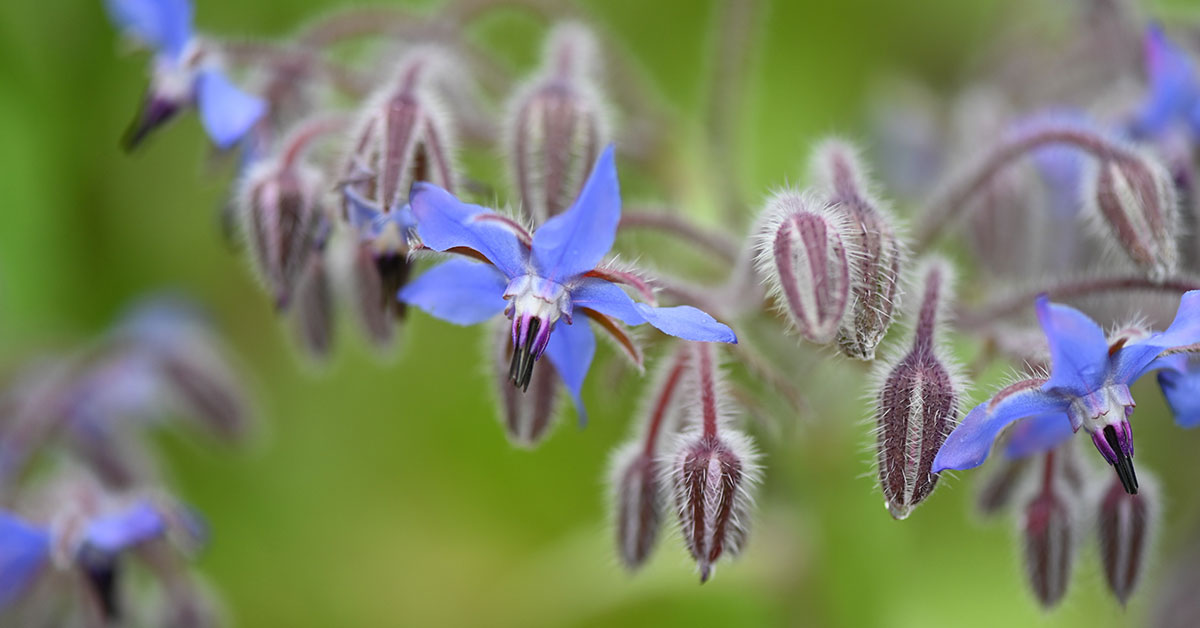
Borage hails from the Mediterranean region, where its sky-blue, star-shaped flowers carpet sunlit fields. Though it self-seeds prolifically, it’s not classified as invasive in most climates; just a few plants will scatter enough offspring to last seasons. Its rough, hairy leaves channel rainwater to the roots, creating little micro-puddles that delight thirsty insects.
One of my favorite sights is the flutter of honeybees waltzing among borage blooms, their legs dusted with vibrant pollen! Solitary bees, like Osmia species, often nest in nearby hollow stems, racing back and forth with bright blue-streaked bodies. If you’ve ever felt frustrated by sluggish bee activity, adding borage is like installing a nectar ATM in your garden!
Lemon Balm (Melissa officinalis)
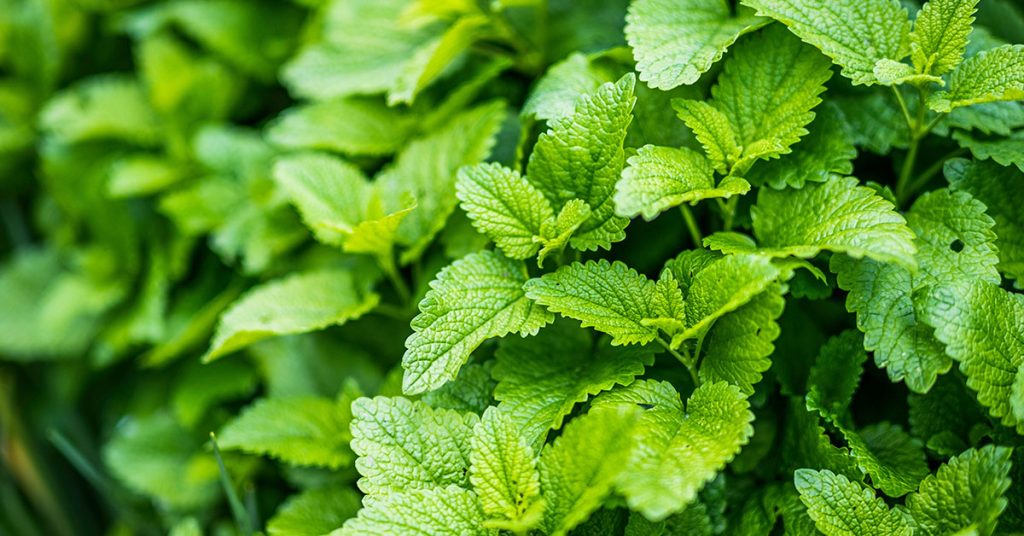
Native to southern Europe and parts of Asia, lemon balm exudes a citrusy aroma that pleases both gardeners and pollinators alike. While it’s not overtly invasive, it can form dense patches if you let runners take over—contain it in raised beds or trim aggressively to maintain control. Its clusters of tiny white flowers appear in late spring, just as many early solitary bees emerge from winter dormancy.
Watching small sweat bees (Halictidae) burrow in adjacent sandy soil to create brood cells is endlessly captivating! These bees gather copious lemon balm nectar, fueling their rapid springtime reproduction. If you’ve ever struggled to lure ground-nesters, letting a corner of your plot remain undisturbed next to lemon balm works wonders!
Chives (Allium schoenoprasum)
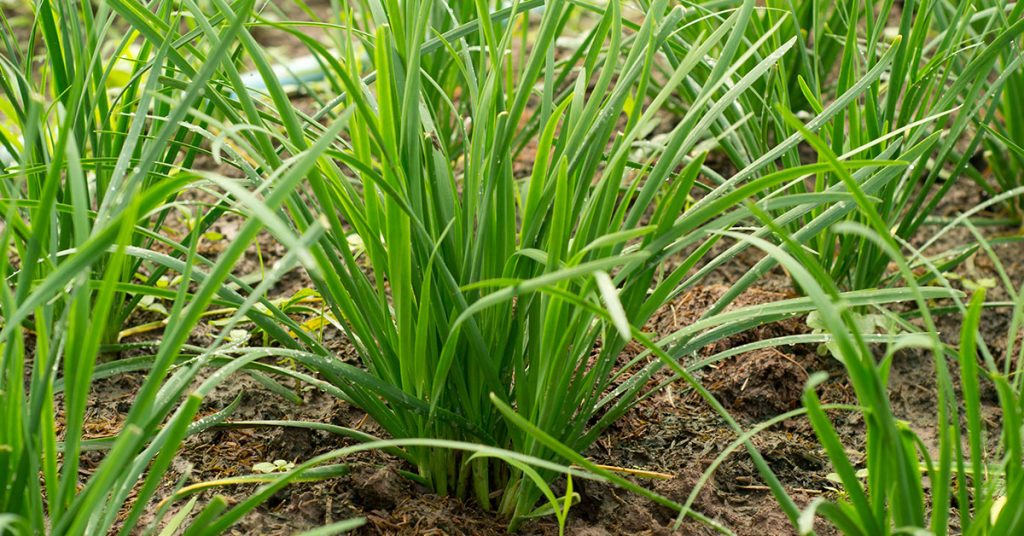
Chives originate from Europe and temperate Asia, thriving in sunny, well-drained spots without showing any invasive tendencies. Their lavender pom-pom blooms sway delicately on slender stalks, attracting hoverflies, bumblebees, and tiny Mason bees. A sprinkle of chive flowers atop a fresh salad feels like inviting pollinators and flavor into your kitchen in one go!
Bees often nest in crevices of stone borders near chive clumps, using the aromatic foliage for camouflage. I know how frustrating it is when beneficial insects don’t show up—but once your chives bloom, you’ll witness an instant uptick in buzzing activity, especially on cooler mornings when the scent seems to call them out of hiding!
Sage (Salvia officinalis)
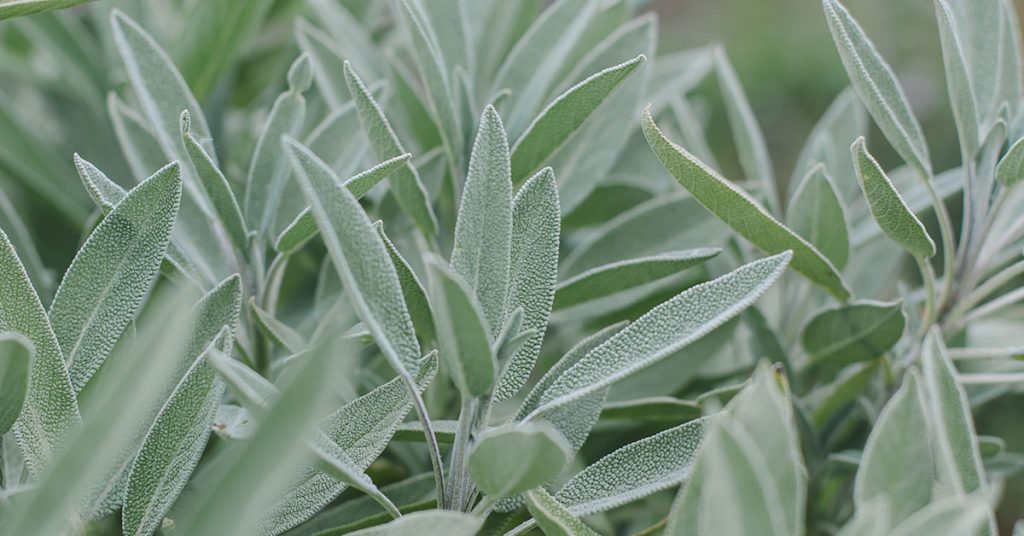
European sage brings silvery foliage and spires of purple flowers to sun-drenched herb gardens. It seldom escapes cultivation, providing predictable beauty year after year. Pollinators with long tongues—like bumblebees and hummingbird moths—delight in probing the curved corollas for nectar, often hovering in midair like tiny helicopters!
I often spot carpenter bees clinging to sage blossoms, drilling into dead wood nearby to excavate nesting tunnels. If you’ve ever wished for more pollinator diversity in your garden, sage’s tubular flowers act like VIP entrances for specialized species, turning your herb patch into a microcosm of ecological intrigue!
Dill (Anethum graveolens)
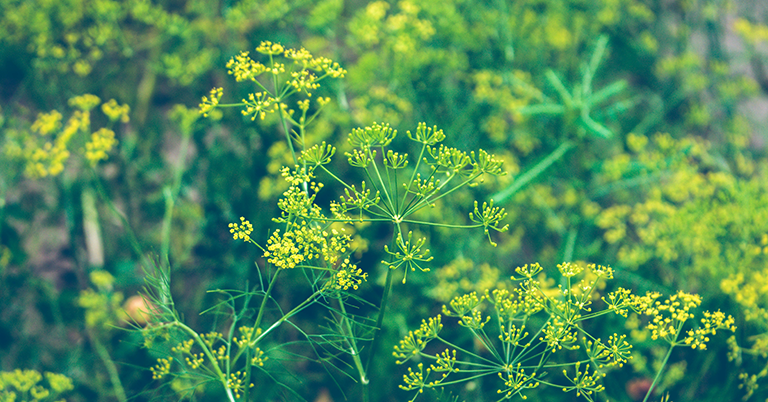
Dill’s delicate, feathery fronds and yellow umbrella-like umbels are native to the Mediterranean and southwestern Asia. The plant self-sows readily but rarely dominates a bed—just let a few seed heads fall where you want new seedlings next season! Its flowers bloom mid- to late summer, offering pollen to hoverflies that hunt aphids and bees alike.
One of my favorite summer spectacles is watching ladybird beetles and lacewings converge on dill blooms to snack on pests, indirectly safeguarding other crops. Meanwhile, solitary wasps use the hollow stems to lay eggs, creating discreet nesting sites that keep local ecosystems in balance. Dill truly proves that beauty, flavor, and function can flourish together!
Oregano (Origanum vulgare)
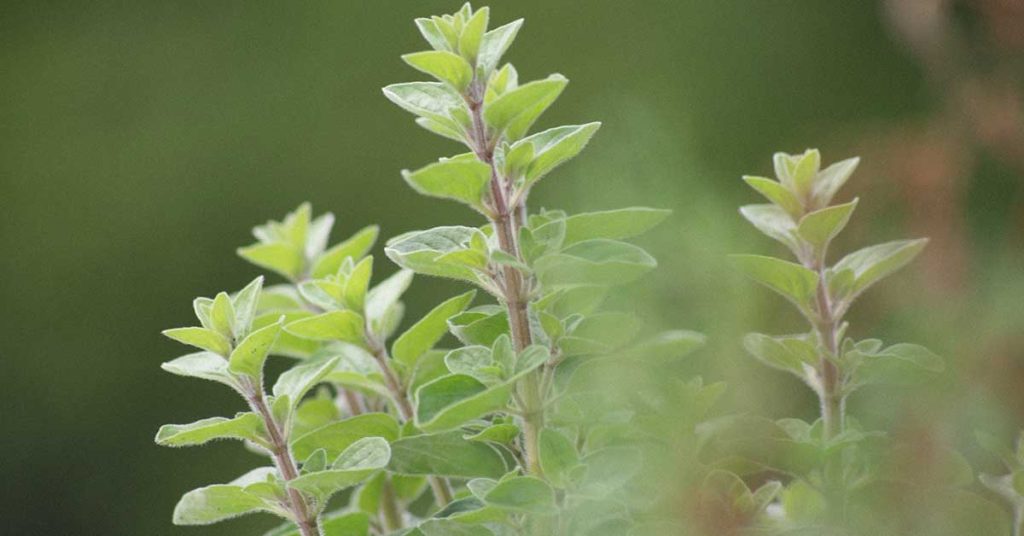
Oregano, native to the Mediterranean and parts of Eurasia, forms compact mounds of aromatic leaves that burst into pinkish flower clusters in summer. It’s a diligent self-seeder but seldom classified as invasive—just deadhead selectively if you want to limit volunteers. Bees of all sizes swarm oregano blossoms, particularly Halictid and Andrena species, seeking both nectar and pollen.
As the sun warms the petals, you’ll notice solitary bees carrying back sticky loads of orange pollen to nest in soil cracks. I know how dispiriting it can be when your culinary herbs don’t earn their keep—but oregano practically demands to be pollinated, making it one of my top go-to herbs for any wildlife-friendly garden!
Lavender (Lavandula angustifolia)
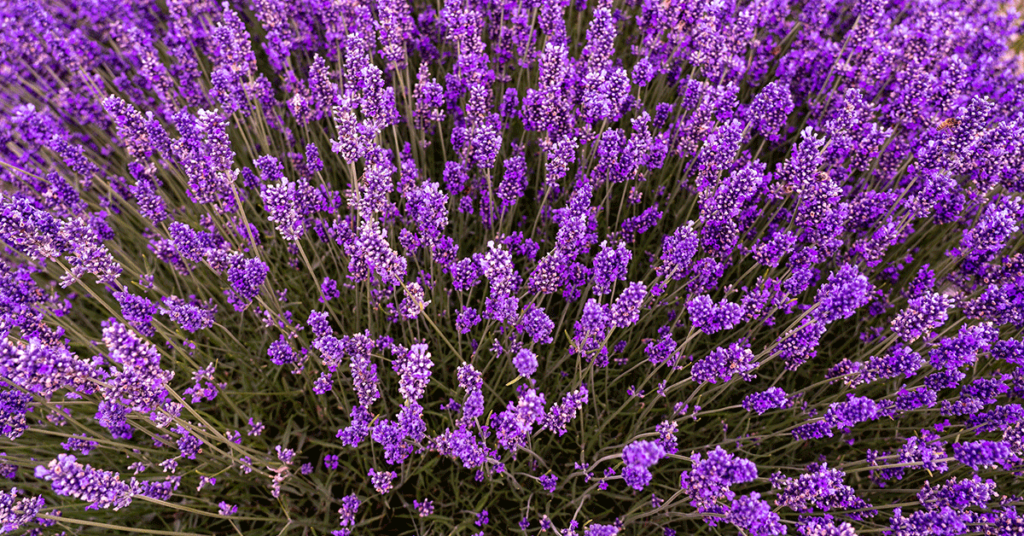
Lavender hails from the high-altitude regions of southern Europe and is not known to escape beyond ornamental borders. Its fragrant spikes of purple flowers create a magnet for honeybees, bumblebees, and solitary bees. I can’t tell you how thrilling it is to see fat honeybees rolling in pollen, then trundling off to distant hives, all drawn by lavender’s heady scent!
Some carpenter bees carve out nesting sites in soft wooden fencing near lavender patches, often provisioning brood cells with a mix of lavender pollen and nectar. If you’ve ever wrestled with fickle pollinators, planting lavender will have you hearing small buzzy choirs every time the breeze carries its fragrance!
Basil (Ocimum basilicum)
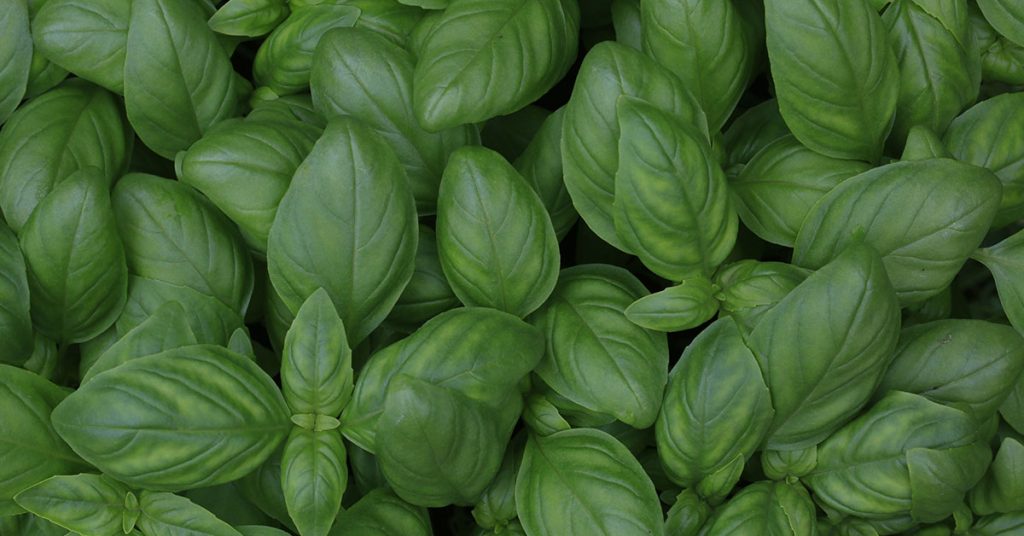
Originally from tropical Asia, basil has become a staple in herb gardens worldwide and generally keeps itself well-behaved. When allowed to flower, its small clusters of white or pink blossoms become beehives of activity, attracting honeybees and native bumblebees alike. Watching these pollinators zip from basil bloom to bloom is like witnessing a high-speed network of nectar highways!
Solitary bees often nest in the warm soil at the base of basil plants, digging shallow burrows to raise their young. I know how frustrating it is to prune all flower buds for pesto, but leaving a few to bloom rewards you with a flush of pollinator visits—an irresistible trade-off for any committed grower!
Mint (Mentha spicata)

Spearmint, native to Europe and temperate Asia, can quickly spread via underground rhizomes, so I recommend containing it in pots or dedicated beds. Once it flowers, the tiny lilac blooms are irresistible to bees—especially sweat bees—and fluttering butterflies often pause on mint for a quick sip of nectar.
I love how mint flowers create a buzzing cloud in midsummer, as countless insects seem to descend at once! Hummingbird moths, too, have been known to grace my mint when other blooms fade, adding an enchanting glow to twilight hours. If you struggle to keep mint in bounds, remember: its pollinator payoff is well worth the extra effort!
Thyme (Thymus vulgaris)
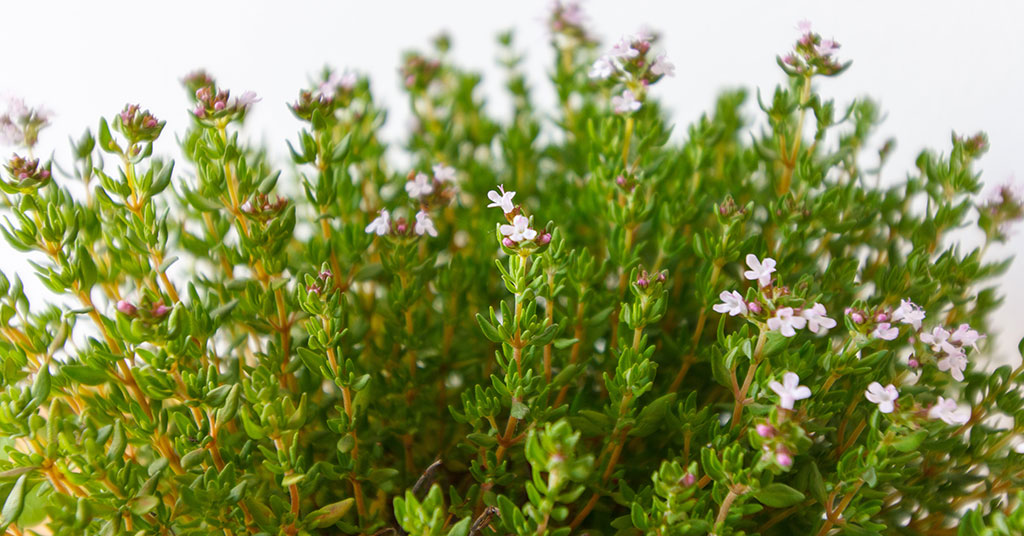
Thyme comes from the Mediterranean basin and rarely becomes invasive, making it a low-maintenance choice for sun-soaked borders. Its petite pink or purple flower clusters attract a surprising array of pollinators, from tiny mason bees to honeybees, all seeking the high-energy nectar hidden in the flowers’ narrow tubes.
One morning, I watched a wilted-winged leafcutter bee nest in a crevice beneath a thyme-covered stone, diligently cutting little discs from the leaves to line her brood cells! By letting thyme blanket your pathways or rock walls, you provide both nectar and habitat, a dual benefit that leaves your garden feeling positively alive.
Catnip (Nepeta cataria)
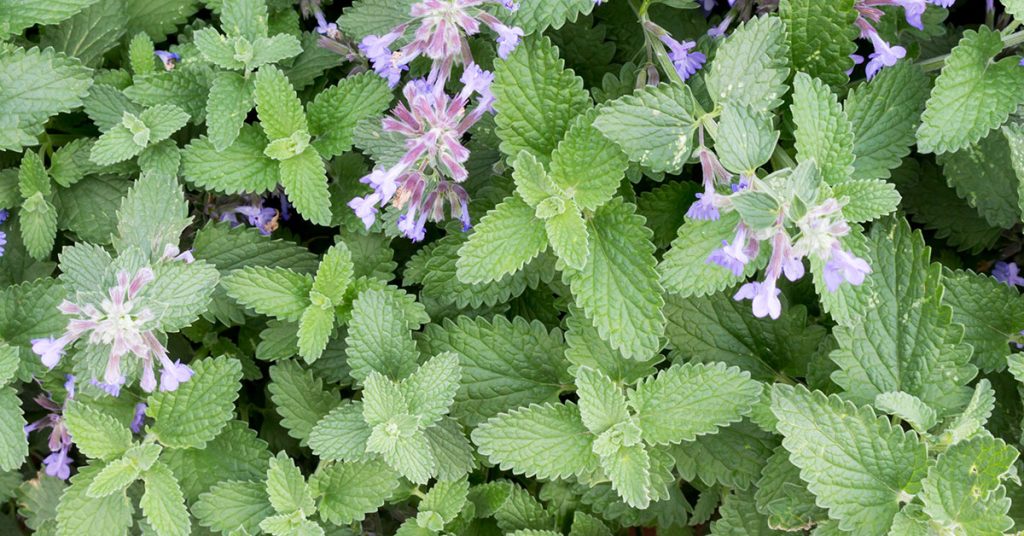
Native to Europe and Asia, catnip self-seeds readily but typically remains confined to cultivated areas unless conditions are perfect. Its spikes of lilac flowers bloom all summer, offering a late-season feast for bumblebees and butterfly species like Painted Ladies. The mint-like aroma seems to beckon pollinators from afar!
Leafcutter bees often snip perfect circles from catnip leaves to use in their nest construction—an adorable demonstration of nature’s resourcefulness. If you’ve ever felt disappointed by a summer lull in pollinator visits, catnip’s extended bloom period can plug that gap, keeping wings flitting through your garden well into autumn!
Fennel (Foeniculum vulgare)
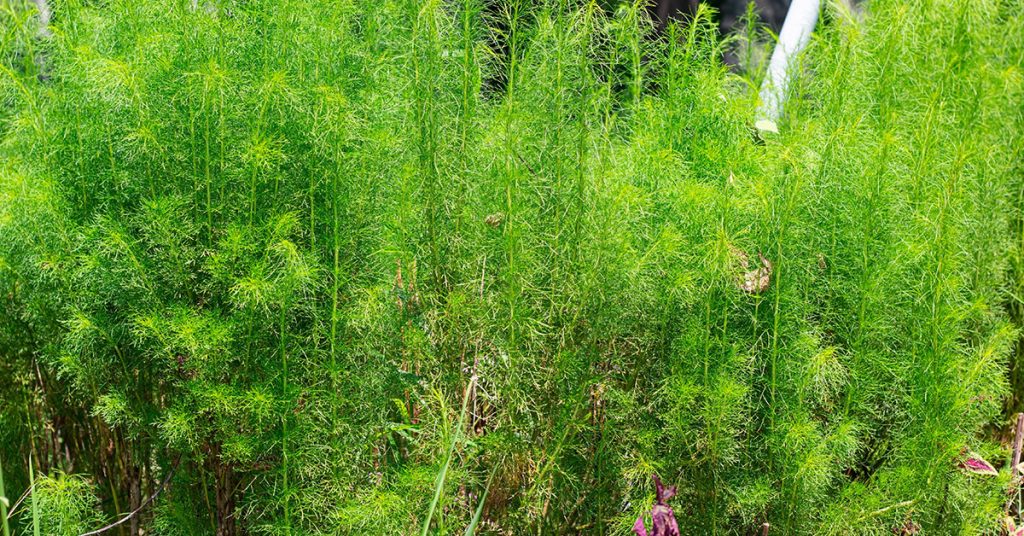
Fennel, native to the Mediterranean, can naturalize in some regions and is considered invasive in parts of North America—plant it thoughtfully and deadhead seed heads if you wish to limit spread. In return, you’ll get flat umbels of yellow flowers that become bus stops for hoverflies, soldier beetles, and black swallowtail butterflies.
Watching caterpillars of the swallowtail munch fennel leaves is a thrill—and then seeing the adults sip fennel nectar completes the life cycle right in your backyard! The plant’s hollow stems also invite mason bee nesting, turning your fennel patch into a multi-tiered pollinator habitat that’s as practical as it is poetic.