
Gardening with kids is an adventure filled with curiosity, laughter, and a whole lot of learning, and what better way to bond than by growing your very own vegetables! I understand how frustrating it can be when pests take over your garden or when your little ones lose interest, so I’m here to share 12 easy vegetables that not only thrive in a home garden but are also perfect for teaching your kids the wonders of nature. These vegetables are fun to grow, yield tasty treats, and often invite helpful insects and even provide little nesting spots for tiny critters in your backyard!
Each vegetable featured here comes with its own fascinating backstory—from its native origins to insights on whether it might become invasive. I’ve been gardening for years, and I’m excited to reveal some practical tips and fun facts that have helped me create a vibrant, educational garden space. Whether you’re a seasoned gardener or just starting out, these plants will inspire you to create a colorful, kid-friendly garden that bursts with life and flavor!
Green Beans

Green Beans are a true garden delight that never fails to amaze my little helpers with their rapid growth and vibrant, climbing vines! Native to Central and South America, these beans thrive in warm climates and are celebrated for their ease of cultivation in both garden beds and containers. I love watching the green tendrils twirl around supports as they attract beneficial insects, and sometimes even serve as a hideout for tiny beetles that help keep garden pests in check.
In my experience, green beans rarely become invasive if planted with a little care, and they tend to self-regulate naturally in a managed garden. Their fast-growing nature is a perfect way to teach kids about the life cycle of a plant, from tiny blossoms to crisp, edible pods! The hands-on experience of picking fresh green beans and adding them to a family meal is always a joyful highlight in our gardening adventures.
Radishes

Radishes are one of the quickest and most fun vegetables to grow with kids, offering a speedy reward that keeps young gardeners engaged and excited! Originally native to the Mediterranean region, radishes thrive in cooler weather and require minimal space, making them ideal for small garden plots or even container gardening. Their crisp, peppery taste and striking colors never fail to spark conversation and curiosity among budding gardeners, and their rapid germination is simply magical to watch.
Despite their quick growth, radishes are known for being well-behaved in the garden—rarely invasive and perfectly suited for educational planting sessions. I love how the tiny radish seedlings seem to pop up overnight, and the plants often attract beneficial insects that help pollinate neighboring flowers. The dynamic nature of radish growth makes it a fantastic project for kids who are eager to learn about the importance of timing and care in gardening!
Tomatoes

Tomatoes are a perennial favorite that brings endless excitement and learning opportunities for kids and adults alike! Native to the western regions of South America, tomatoes flourish in sunny, warm environments and are a staple in gardens around the globe. I always enjoy watching the transformation from tiny green fruits to plump, juicy red tomatoes, and their vibrant presence often attracts buzzing bees and even provides a safe landing spot for small butterflies.
Although tomatoes can sometimes self-seed, they’re generally well-behaved in a garden and rarely considered invasive when given proper support and care. Their versatility makes them a superb teaching tool for kids, from understanding pollination to discovering the nutritional benefits of homegrown produce. The hands-on experience of harvesting and tasting a sun-ripened tomato is simply unforgettable – a real treat that makes all the gardening challenges worthwhile!
Spinach
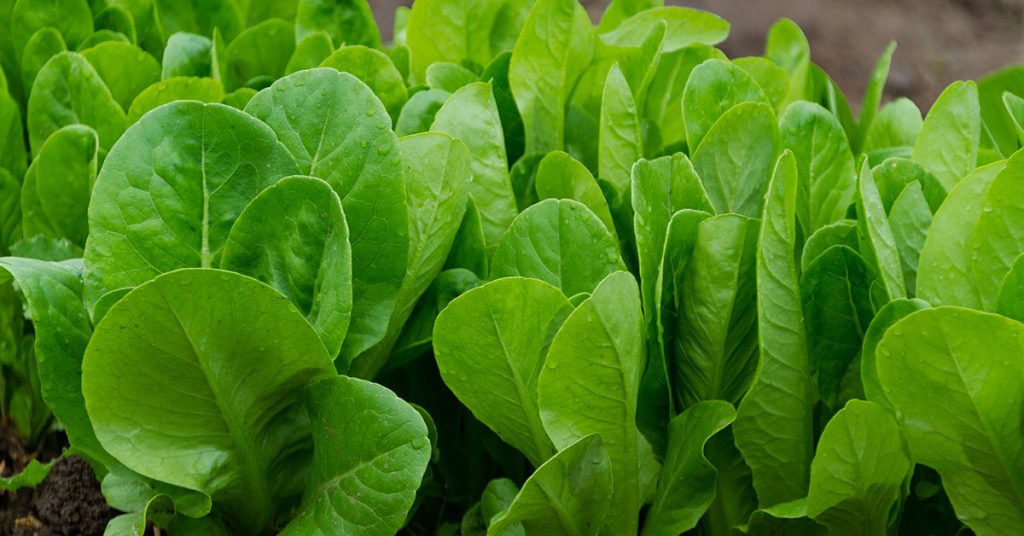
Spinach is a nutritious and speedy-growing vegetable that brings a burst of green to any garden, making it a fantastic project for kids to get involved with! Native to Persia, spinach thrives in cool weather and rich, well-drained soil, offering tender leaves that are as educational as they are delicious. I always love watching the delicate foliage attract a variety of beneficial insects, and sometimes even notice small, ground-dwelling critters making use of the leafy cover as a safe hideaway.
This leafy green is not only easy to grow but also rarely invasive, making it an ideal candidate for teaching children about sustainable gardening practices. Its rapid growth rate means that even impatient young gardeners can witness the magic of nature as the seedlings quickly burst into lush, edible leaves! With each harvest, spinach reminds us of the joy and simplicity of gardening – a process that is both nourishing and wonderfully rewarding.
Cucumbers
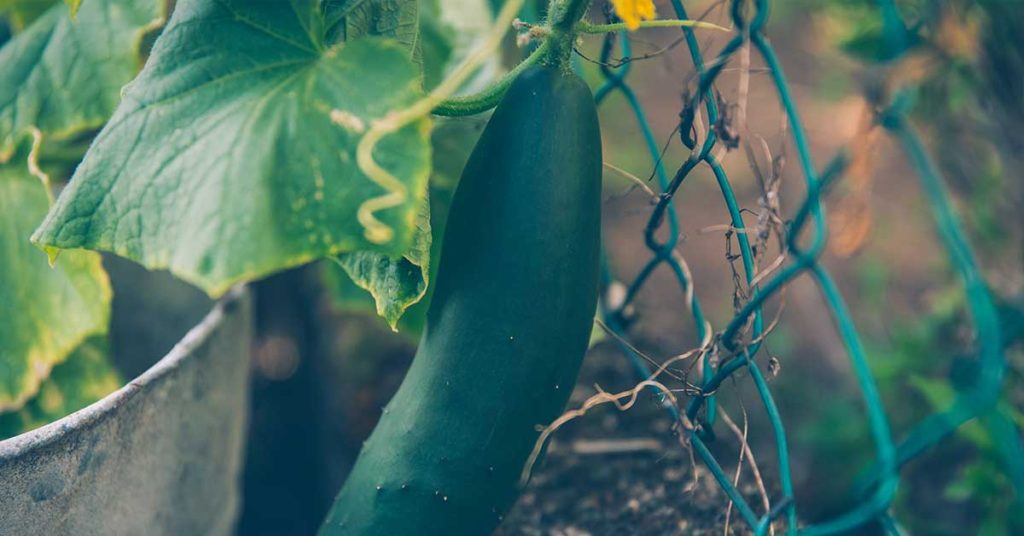
Cucumbers are a refreshing and engaging vegetable that add both flavor and fun to a family garden! Originally hailing from India, cucumbers flourish in warm climates and thrive on trellises, which makes them an exciting vertical gardening project for kids. I adore how their long, winding vines attract pollinators like bees and even provide natural shelters for small insects, making the garden a lively ecosystem full of buzzing energy and movement.
In my garden, cucumbers are well-mannered and easy to manage, rarely turning invasive when given the right support. Their crisp texture and cool, hydrating taste make them a hit in salads and snacks, and the experience of watching them grow from tiny seeds into sprawling vines is an absolute delight for children. Cucumbers offer a perfect blend of visual appeal, practicality, and nutritious goodness – a real win-win for any family garden!
Eggplant
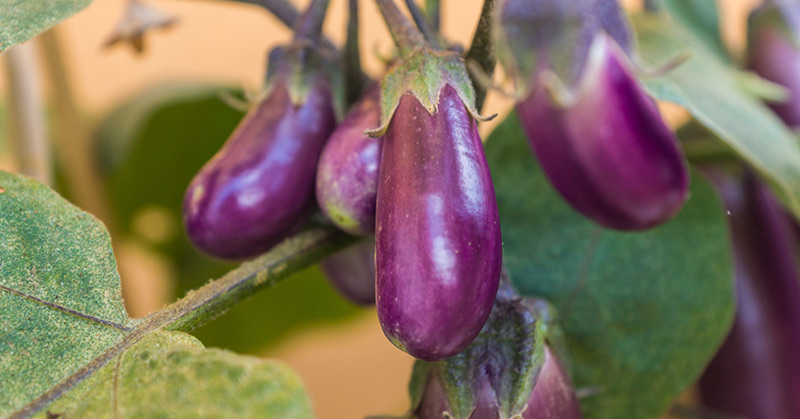
Eggplant is a fascinating vegetable that brings a burst of color and a touch of culinary magic to the garden, perfect for inspiring young minds! Native to South Asia, eggplant thrives in warm, sunny conditions and offers glossy, deep purple fruits that captivate both the eyes and the taste buds. I always enjoy how its lush foliage and striking flowers attract pollinators, and sometimes even notice small insects finding refuge among its broad leaves, contributing to a thriving garden habitat.
Although eggplant can self-seed under ideal conditions, it is typically well-contained and does not pose an invasive threat when properly managed. The rich, vibrant hues of eggplant make it a fantastic conversation starter with kids, sparking discussions about plant diversity and the benefits of homegrown produce. Growing eggplant with children not only teaches them about responsibility and care but also rewards them with a delightful ingredient for family meals!
Lettuce
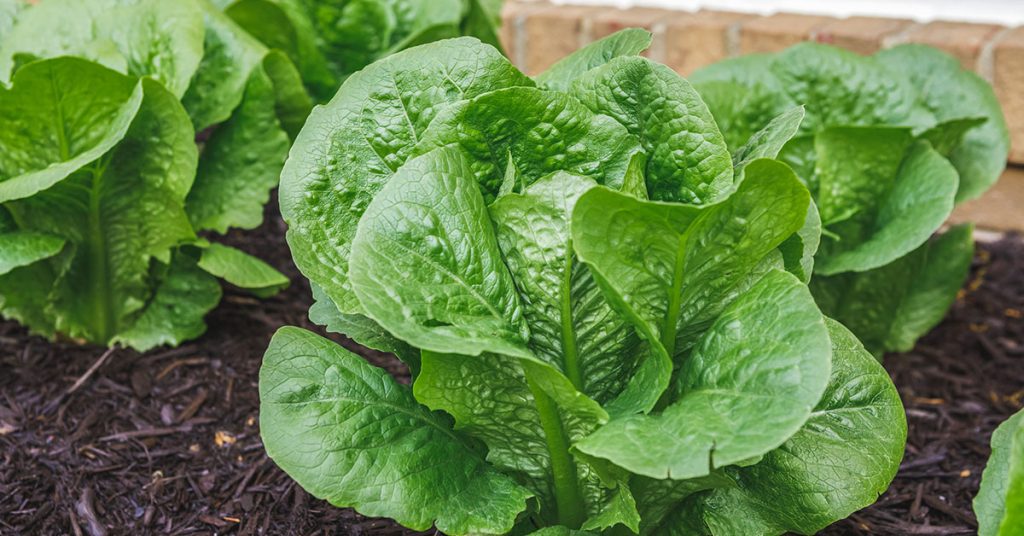
Lettuce is an essential and kid-friendly vegetable that’s as fun to grow as it is to eat, offering crisp leaves that make every salad a little more exciting! Native to the Mediterranean region, lettuce thrives in cool weather and requires just the right balance of moisture and sunlight, making it a perfect candidate for beginner gardeners. I love how its tender leaves provide a soft landing for beneficial insects, and sometimes even serve as a temporary nesting ground for tiny beetles that help keep pests at bay.
While lettuce is generally well-behaved and non-invasive, its rapid growth and tendency to self-sow can sometimes lead to delightful surprises in your garden. Watching a patch of lettuce flourish and spill over the edge of its bed is a real treat, especially when you can share that bounty with your kids! The fun of harvesting crisp, fresh lettuce directly from the garden not only instills healthy eating habits but also creates a lasting memory of family time spent in nature.
Carrots

Carrots are a classic favorite that bring a touch of sweetness and a splash of color to any garden, making them an exciting choice for gardening with kids! Originally native to Central Asia, carrots thrive in loose, well-drained soil and require minimal space, which makes them ideal for teaching children about proper soil preparation and planting techniques. I find it fascinating how their vibrant orange roots develop beneath the surface, while their feathery green tops attract a variety of pollinators and even offer cozy spots for small insects.
Though carrots are typically non-invasive and easy to manage, they do benefit from a little care to ensure that they grow straight and true. The thrill of unearthing a freshly grown carrot and savoring its crisp, sweet flavor is an experience that every young gardener can cherish. Carrots not only make for a delicious snack but also serve as a wonderful educational tool, demonstrating the hidden wonders of what happens beneath the soil!
Peas
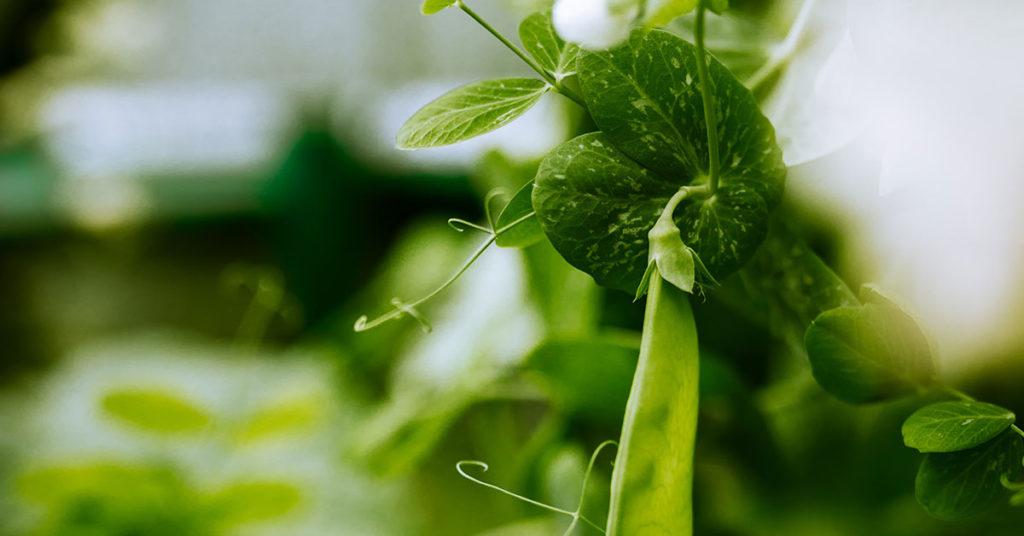
Peas are an incredibly fun and interactive vegetable to grow with your kids, offering a delicious treat along with a playful gardening experience! Native to the Mediterranean and parts of Asia, peas thrive in cool climates and benefit from vertical supports, which provide a great opportunity for kids to build mini trellises. I love watching the tendrils wrap around supports and noticing how the pea flowers attract buzzing bees and small insects that help pollinate other nearby plants, adding life to the garden.
Peas are known for being easy to manage and rarely invasive, which makes them a reliable choice for a family garden project. The delight of snapping fresh, sweet peas straight off the vine is unmatched – it’s a simple pleasure that brings smiles to both young and old! Growing peas teaches children patience and care, as well as the satisfaction of nurturing a plant from seed to harvest, making every moment in the garden a rewarding adventure.
Zucchini
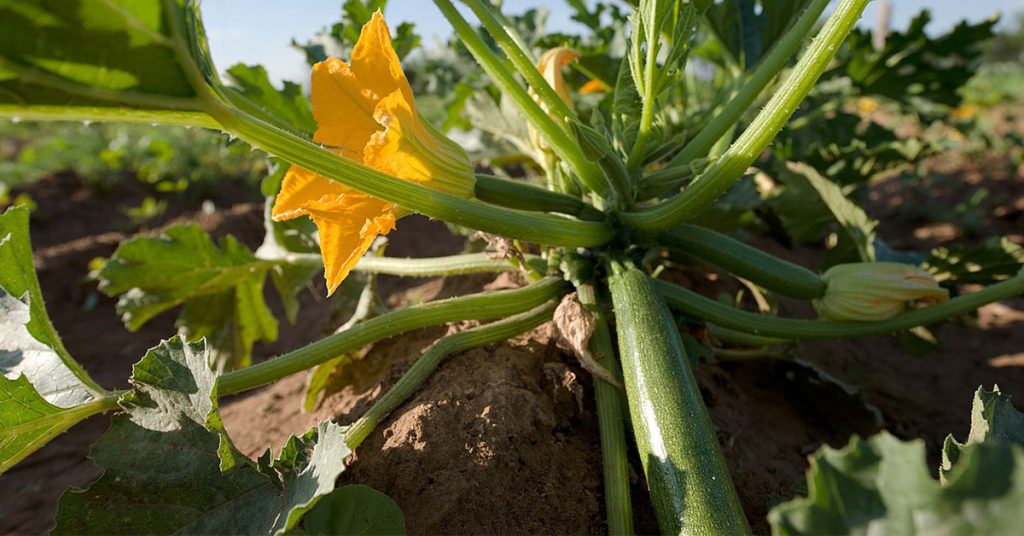
Zucchini is a powerhouse vegetable that grows abundantly and is incredibly satisfying to harvest, making it a stellar choice for gardening with kids! Native to the Americas, zucchini thrives in warm weather and rich, well-drained soil, and its vigorous vines often create a lush, green canopy that invites a host of beneficial insects. I enjoy watching these sprawling plants in action as they produce glossy, tender fruits that are perfect for summer dishes and provide natural shade that attracts small garden dwellers.
Despite its vigorous nature, zucchini rarely becomes invasive when managed properly in a home garden. Its prolific yield is not only a treat for the taste buds but also an excellent way to teach kids about the benefits of sustainable gardening and crop rotation. The experience of growing zucchini from seed to harvest is filled with excitement and learning – every squash picked is a celebration of nature’s bounty and a reminder of the fun found in cultivating your own food!
Bell Peppers
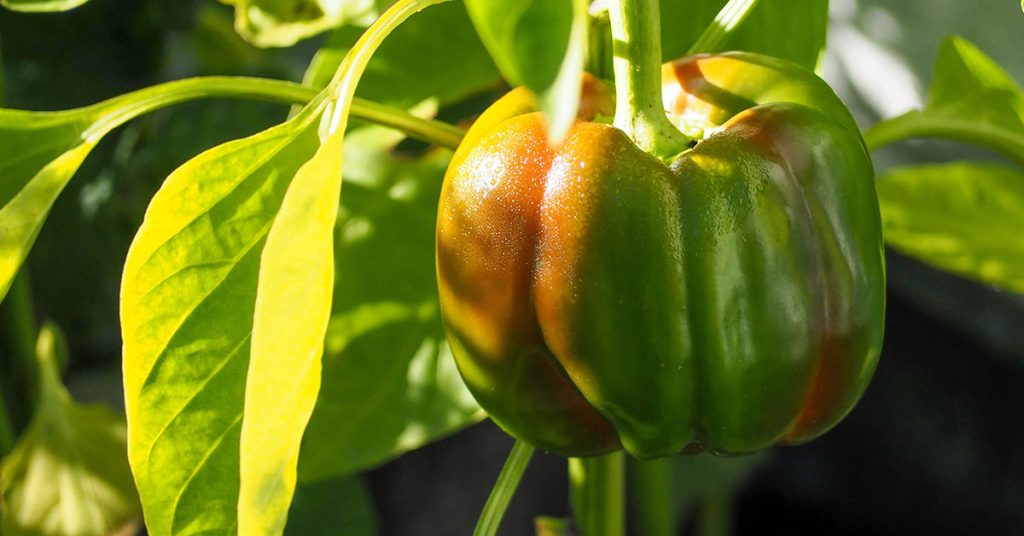
Bell Peppers are a colorful and versatile vegetable that add a pop of vibrancy to the garden, making them a favorite among both novice and experienced gardeners! Native to Central and South America, bell peppers thrive in sunny conditions and well-drained soil, producing an array of fruits that vary in color from green to red, yellow, and even purple. I find their striking appearance and sweet, crisp flavor to be incredibly engaging, and the plant’s blossoms often attract a range of pollinators, contributing to a lively garden atmosphere where small insects find safe places to perch and rest.
While bell peppers are typically non-invasive and easy to care for, they do require a bit of attention to thrive in cooler climates. Growing these peppers with your kids offers a fantastic opportunity to discuss plant biology, the importance of pollination, and even the culinary arts as you harvest and prepare them for meals! Their delightful flavors and cheerful colors serve as a constant reminder that gardening can be both a fun and educational experience for the whole family.
Broccoli
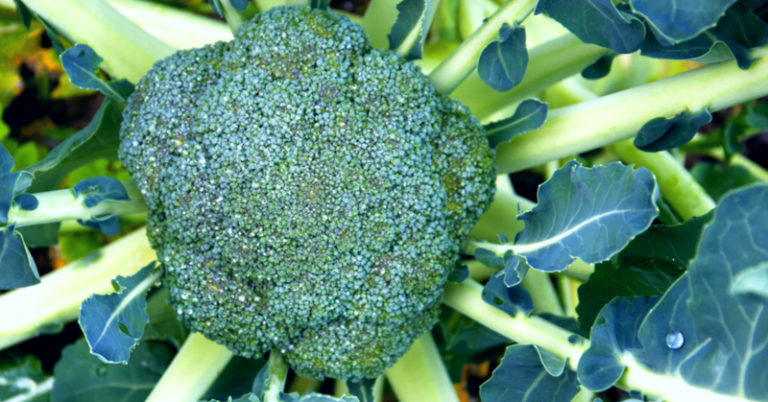
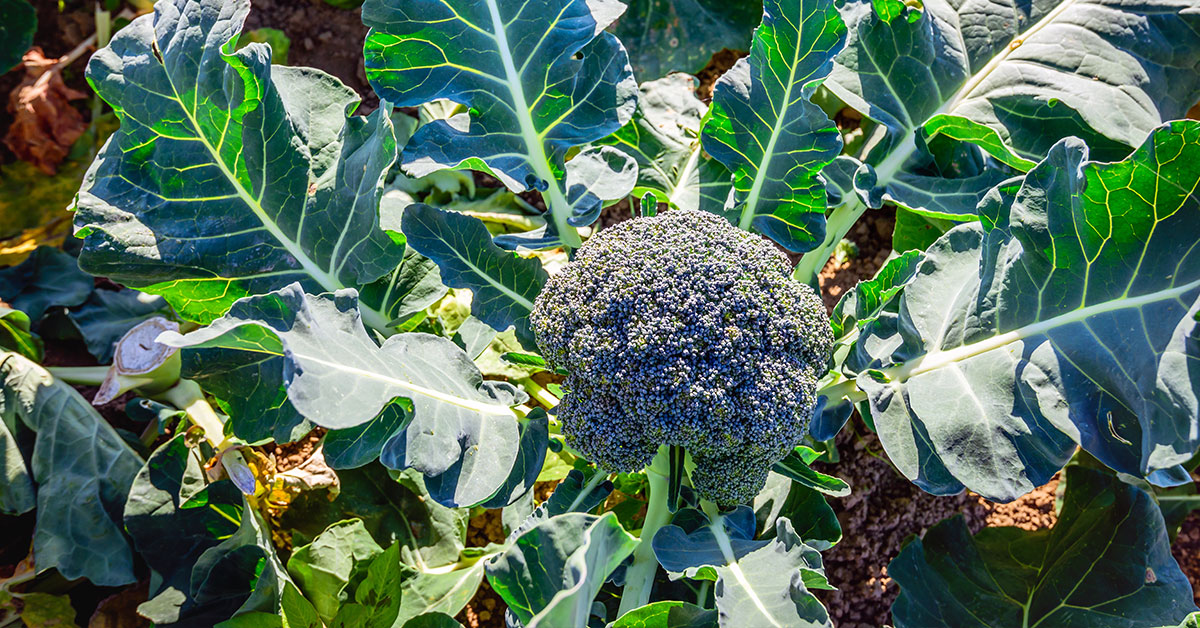
Broccoli is a nutrient-packed vegetable that transforms the garden into a learning lab, making it a fantastic plant to grow with your kids! Native to the Mediterranean region, broccoli thrives in cool weather and nutrient-rich soil, and its dense, green clusters are a joy to behold as they slowly form in the garden. I love how its large leaves provide shelter for beneficial insects, sometimes even offering a snug space for small critters, and its periodic blooming can add unexpected splashes of color to the garden scene.
Although broccoli isn’t known for being invasive, it does benefit from regular care and maintenance to ensure that it doesn’t overcrowd other plants. Watching a head of broccoli mature over the weeks is a practical lesson in patience and the beauty of nature’s slow processes, and it’s a delight to share that experience with curious little gardeners. The combination of health benefits, visual appeal, and hands-on learning makes broccoli a stellar addition to any family garden, where every harvest is a step toward healthier living and endless discovery!