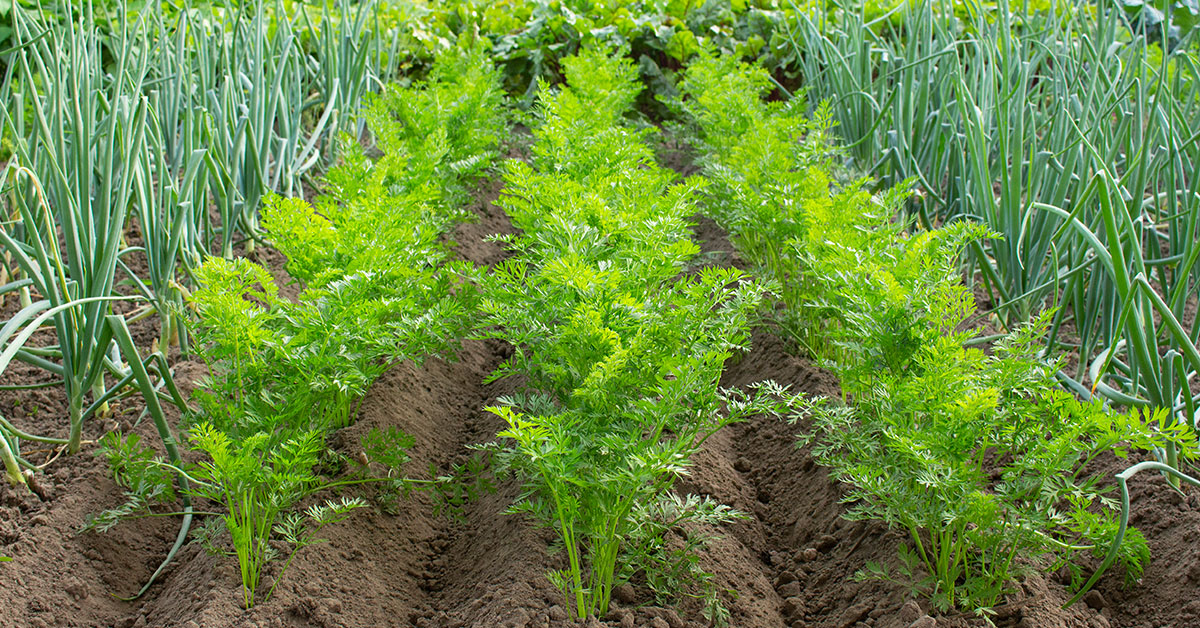

While many people think the prime planting season ends in spring, there are plenty of crops you can start mid-summer and harvest before the first frost. Whether you’re extending your growing season or just getting started, these fast-growing, cold-tolerant vegetables will keep your garden productive well into the fall.
In this article, I’ll share twelve fantastic crops that thrive when planted in July. These selections mature quickly and can withstand the cooler temperatures that come as summer transitions to autumn. Let’s dive in and discover how you can enjoy a fruitful harvest even with a late start!
Radishes
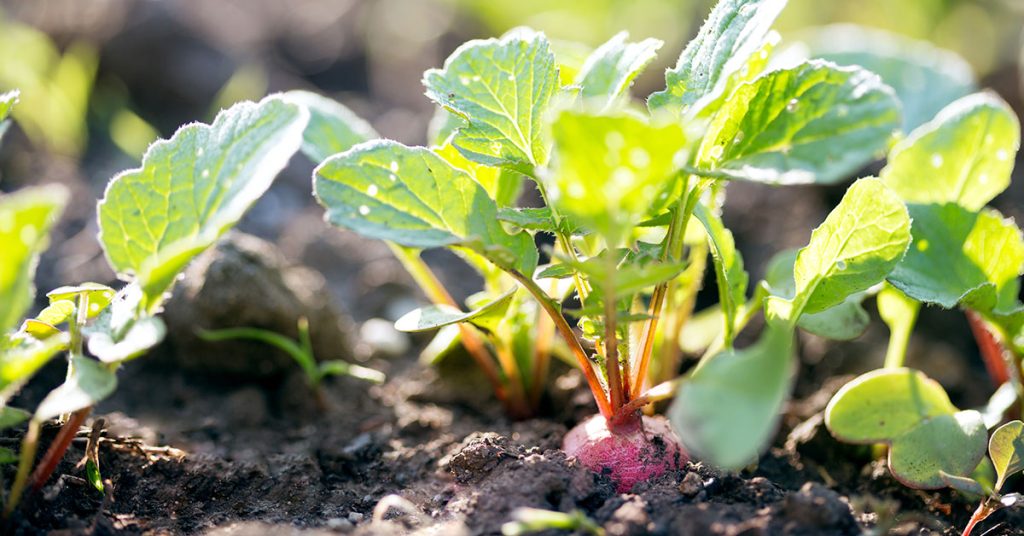
Radishes are one of the fastest-growing vegetables, making them perfect for a July planting. They can mature in as little as 25 to 30 days, allowing you to enjoy fresh, crisp radishes before the first frost. Radishes thrive in cool weather, which helps maintain their crunchy texture and spicy flavor.
I love growing radishes because they’re so easy and rewarding. They don’t take up much space, and you can plant them in succession every few weeks for a continuous harvest. Plus, their bright red color adds a splash of beauty to the garden, and they’re perfect for salads, sandwiches, and snacking.
Spinach
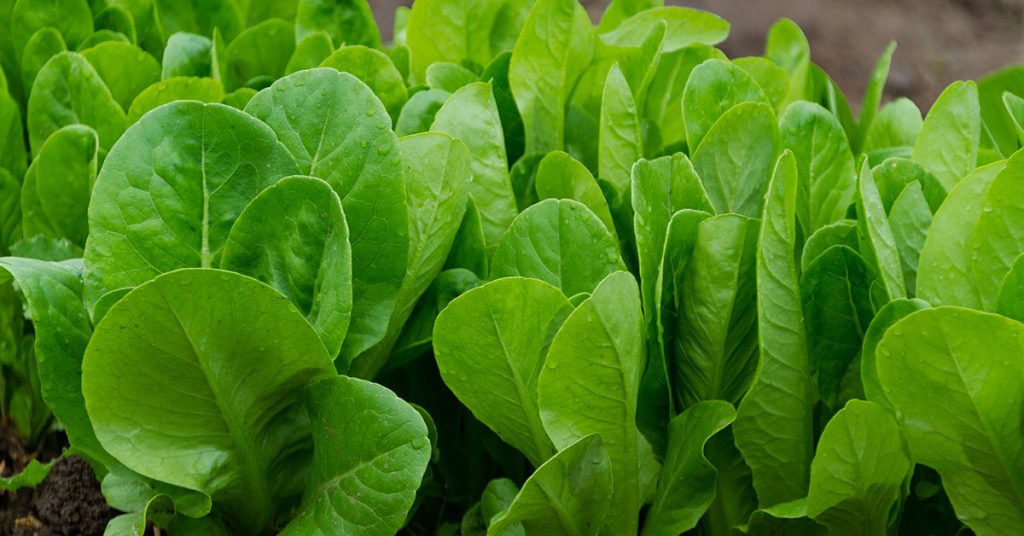
Spinach is a fantastic crop to start in July for a fall harvest. This leafy green matures in about 40 to 50 days and thrives in cooler temperatures, making it an ideal choice for late-season planting. Spinach can handle light frosts, extending your harvest well into the fall.
One of the things I love about spinach is its versatility in the kitchen. It’s packed with nutrients and can be used in salads, smoothies, sautés, and soups. Spinach is relatively easy to grow and doesn’t require much space, so it’s perfect for gardeners with limited room. Plus, you can enjoy multiple harvests by picking the outer leaves as the plant grows.
Bush Beans
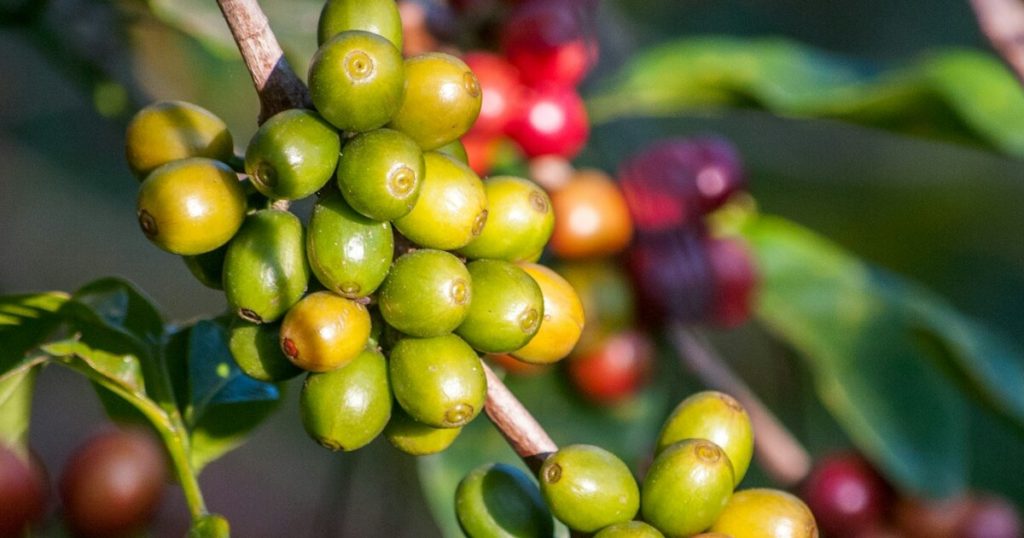
Bush beans are a great crop to plant in July, maturing in just 50 to 60 days. These beans thrive in the warm summer soil and continue to produce until the first frost. Bush beans are compact and don’t require staking, making them easy to grow in any garden space.
I enjoy growing bush beans for their productivity and ease of care. Once they start producing, you’ll have fresh beans almost daily! They’re great for fresh eating, canning, or freezing, ensuring you have a supply of beans long after the growing season ends. Plus, they enrich the soil by fixing nitrogen, benefiting other plants in your garden.
Beets
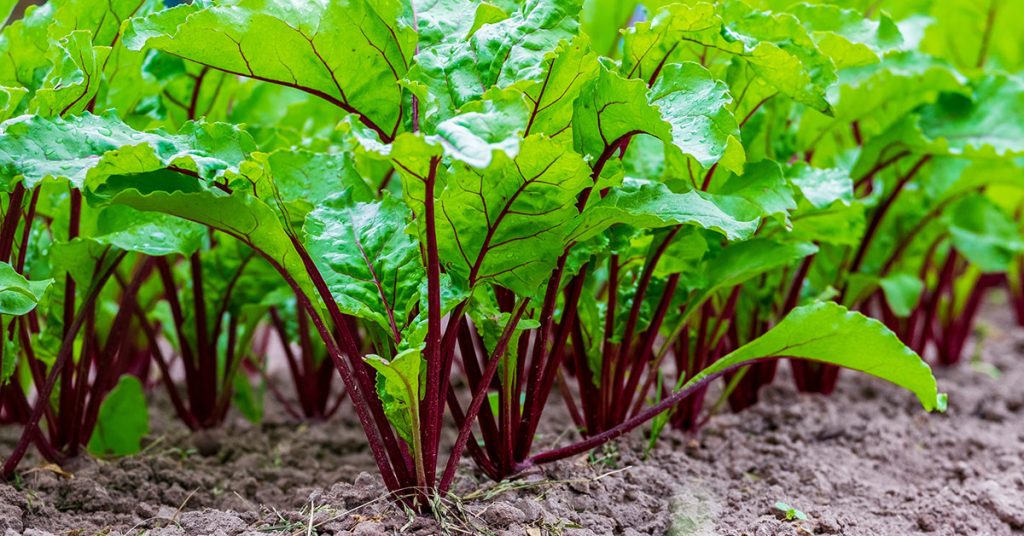
Beets are another excellent vegetable to start in July. They mature in about 50 to 60 days, and you can also harvest the greens for added nutrition. Beets grow well in cooler weather, making them suitable for late summer and fall planting.
I love beets for their earthy flavor and vibrant color. They’re delicious roasted, pickled, or added to salads. The greens are equally tasty and nutritious, perfect for sautéing or adding to smoothies. Beets are relatively easy to grow and can tolerate a range of soil conditions, making them a versatile addition to any garden.
Swiss Chard
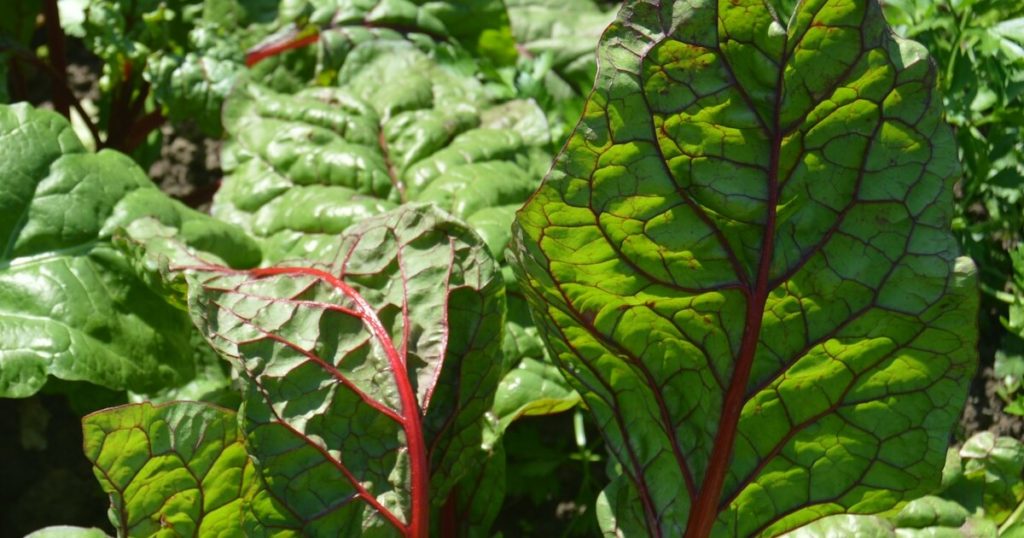
Swiss chard is a vibrant and nutritious green that’s ideal for planting in July. It can be harvested as baby greens in about 30 days or left to mature for 50 to 60 days. Swiss chard is quite hardy and can tolerate both cool and warm weather.
I enjoy growing Swiss chard because of its striking colors and versatility. The leaves and stems come in a rainbow of hues, adding visual interest to your garden and plate. Swiss chard is delicious in salads, sautés, and soups, and it continues to produce throughout the season with regular harvesting. It’s a resilient and rewarding crop that’s perfect for quick harvests.
Turnips
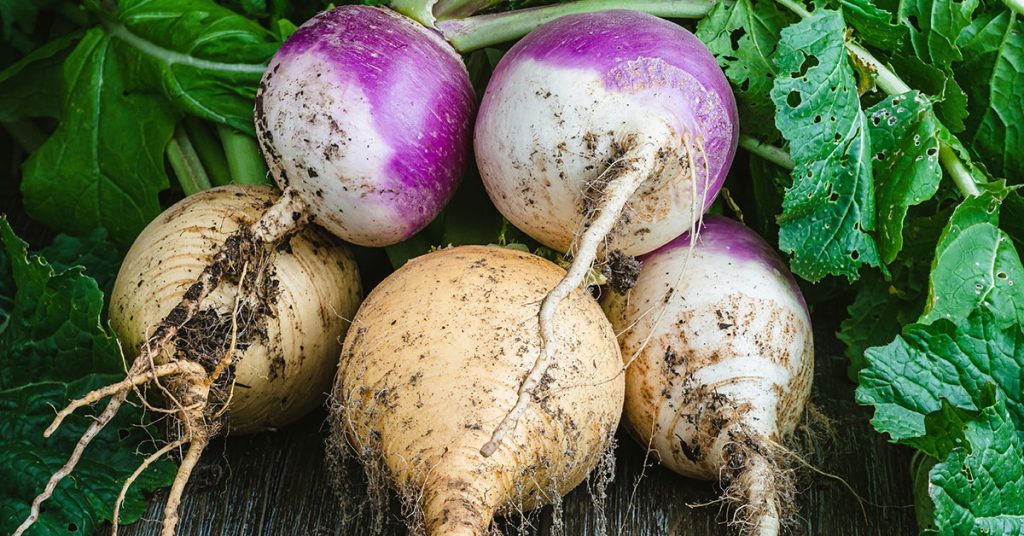
Turnips are a versatile root vegetable that thrives when planted in July. They can mature in about 30 to 60 days, depending on the variety. Turnips grow well in cool weather, making them ideal for late summer and fall planting.
I appreciate turnips for their dual-purpose nature – you can eat both the roots and the greens. The roots are delicious roasted, mashed, or added to soups, while the greens can be sautéed or used in salads. Turnips are relatively pest-resistant and easy to grow, making them a reliable choice for quick harvests.
Lettuce
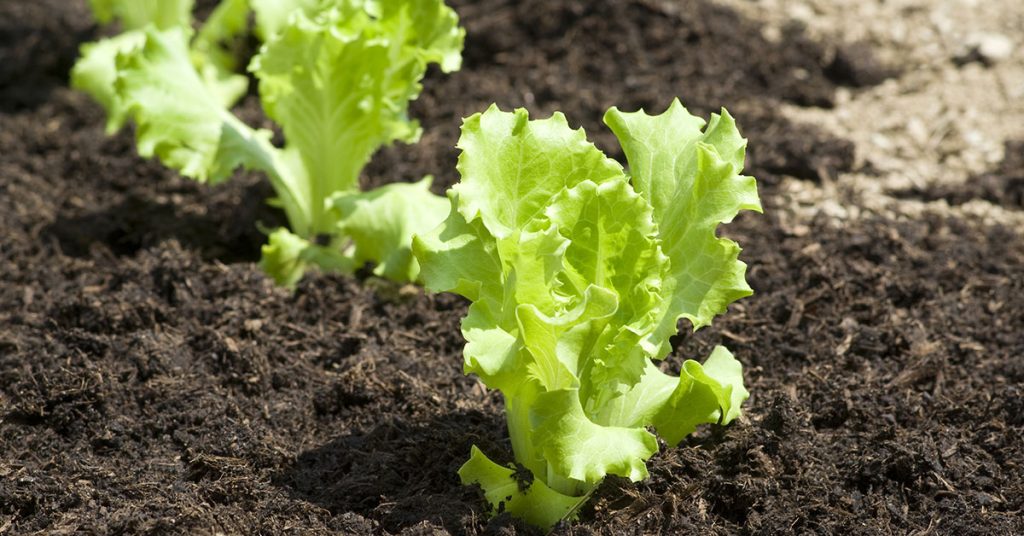
Lettuce is a staple in my garden because it grows so quickly and provides a steady supply of fresh greens. Depending on the variety, lettuce can be ready to harvest in just 30 to 60 days. It prefers cooler weather, so planting in July allows it to mature as temperatures begin to drop.
One of my favorite things about lettuce is the variety of types you can grow, from crisp romaine to tender butterhead and colorful leaf lettuces. This diversity not only makes for beautiful salads but also ensures you have a range of textures and flavors. Lettuce is relatively easy to grow and can even be cultivated in containers for those with limited space.
Bok Choy
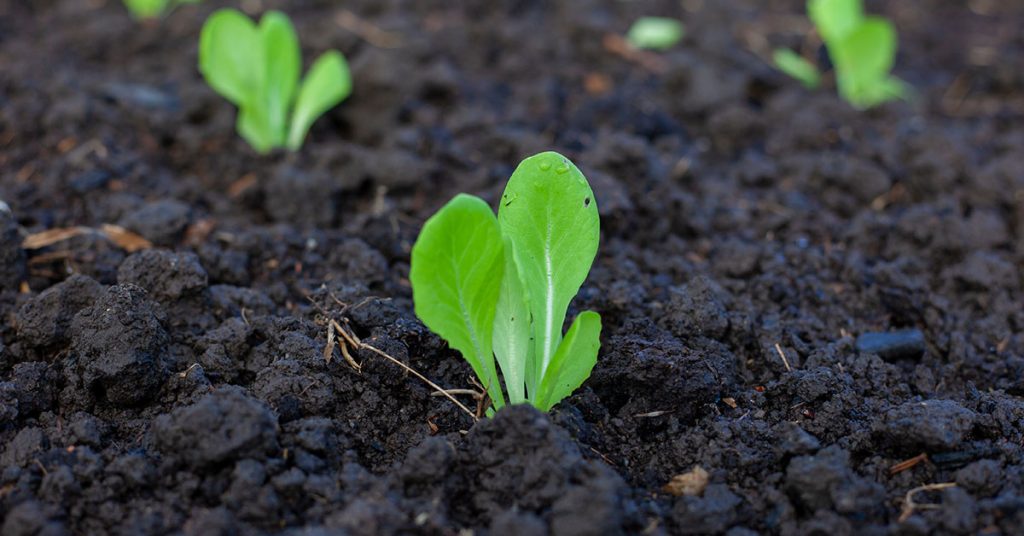
Bok choy, also known as Chinese cabbage, is an excellent vegetable to start in July for a fall harvest. It can mature in as little as 45 days, making it a quick and rewarding crop. Bok choy thrives in cooler weather, making it perfect for early autumn.
I appreciate bok choy for its crisp texture and mild flavor. It’s a staple in many Asian dishes and is delicious in stir-fries, soups, and salads. Bok choy is relatively easy to grow and can tolerate some shade, making it a versatile addition to any garden. Its quick growth and multiple harvests make it a fantastic choice for maximizing your growing season.
Kale
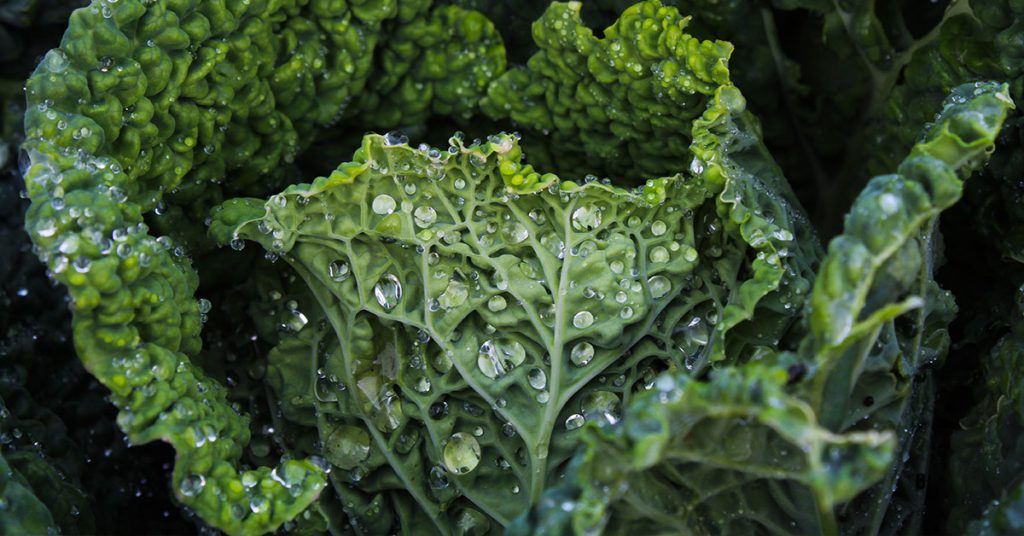
Kale is a hardy green that’s perfect for planting in July. It can be harvested as baby greens in just 25 days or left to mature for 50 to 60 days. Kale thrives in cooler temperatures and can even withstand light frosts, extending your harvest well into the fall.
One of the reasons I love growing kale is its nutritional powerhouse status. It’s packed with vitamins, minerals, and antioxidants, making it a great addition to a healthy diet. Kale is versatile in the kitchen, perfect for salads, smoothies, soups, and sautés. Plus, it’s relatively pest-resistant and easy to grow, making it a reliable crop.
Arugula
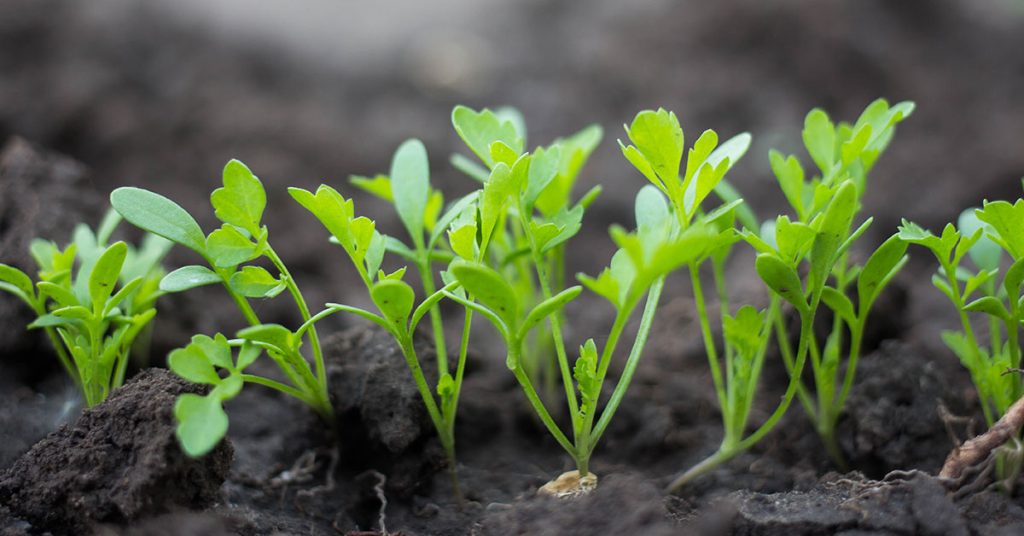
Arugula is a fast-growing green that’s perfect for July planting. It can mature in just 20 to 40 days, allowing you to enjoy fresh, peppery leaves before the first frost. Arugula thrives in cooler temperatures, which helps maintain its sharp, distinctive flavor.
I love growing arugula because it adds a zesty kick to salads and sandwiches. It’s also great for pesto or as a pizza topping. Arugula is easy to grow and doesn’t require much space, making it ideal for small gardens or container planting. Its quick growth and spicy flavor make it a must-have for late-season gardening.
Peas
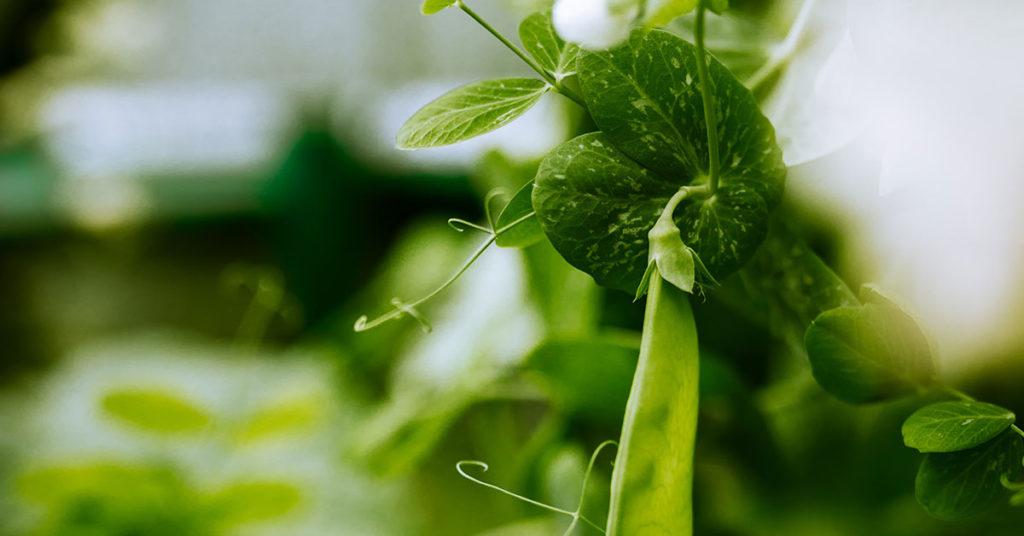
Peas are a delightful addition to any late-season garden. These cool-weather crops can be harvested in as little as 60 days, making them perfect for planting in July. Peas are also quite versatile, with varieties like snap, snow, and shelling peas offering different textures and flavors.
I love growing peas because they’re not only delicious but also great for the garden. Peas fix nitrogen in the soil, improving fertility for future crops. They’re easy to grow, and kids especially enjoy picking and eating them fresh off the vine. Peas can be grown on trellises or supports, saving valuable garden space and making harvesting a breeze.
Carrots
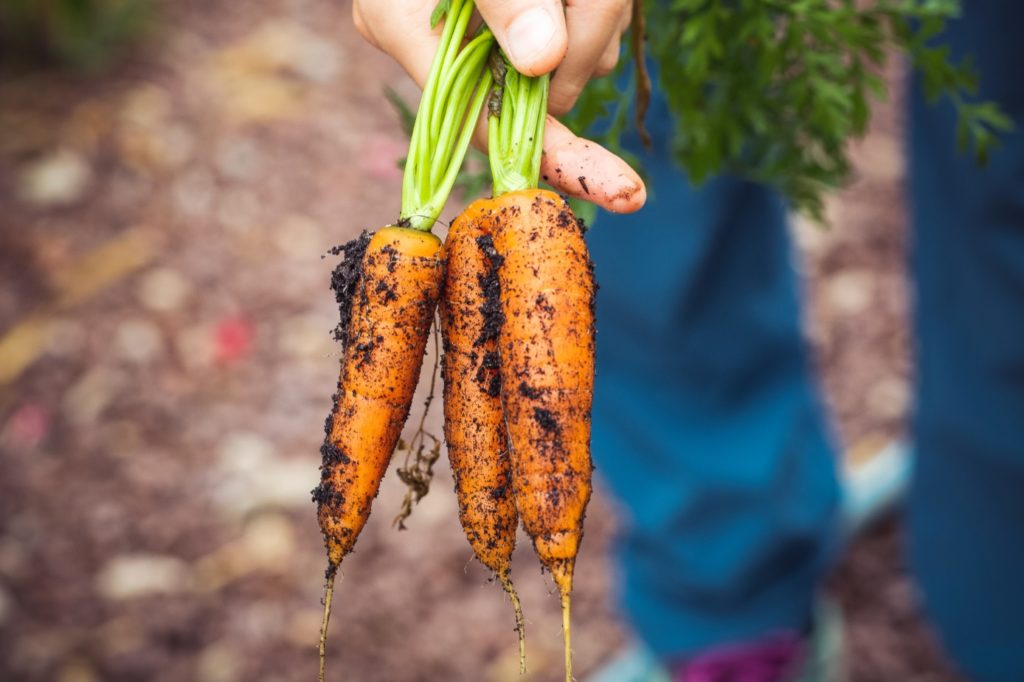
Carrots are another excellent vegetable to start in July. They can mature in about 60 to 80 days, making them suitable for a late summer planting. Carrots grow well in cooler weather, and their flavor is often improved by a light frost.
I enjoy growing carrots for their sweet, crunchy flavor and vibrant color. They’re versatile in the kitchen, perfect for snacking, salads, soups, and stews. Carrots are relatively easy to grow and can tolerate a range of soil conditions, making them a great choice for extending your harvest season.