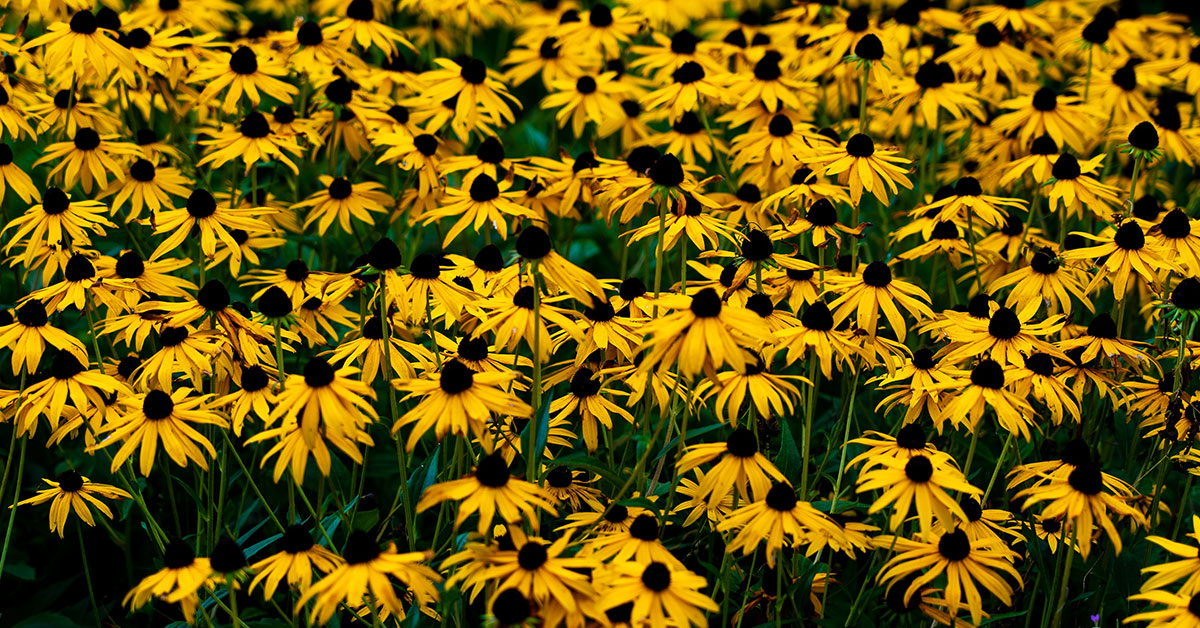

Planting a swath of Black-Eyed Susans (Rudbeckia hirta) can light up your garden with golden blooms and a flurry of pollinators! But pairing them with the right companions not only enhances visual interest—think varied textures, heights, and bloom times—but also bolsters ecosystem health. I know how frustrating it is to plant something beautiful only to see it fade while neighboring flowers thrive; choosing partners with similar needs prevents that disappointment and keeps your garden humming.
In this article, we’ll explore twelve fabulous plants—randomized to keep things interesting—that flourish alongside Black-Eyed Susans in full sun and well-drained soil. You’ll learn about each plant’s native origins, potential invasiveness, and its wildlife-friendly behaviors like pollinator and nesting insect attraction. Let’s dive in and build a vibrant, resilient garden tapestry that delights all season long!
Purple Coneflower (Echinacea purpurea)
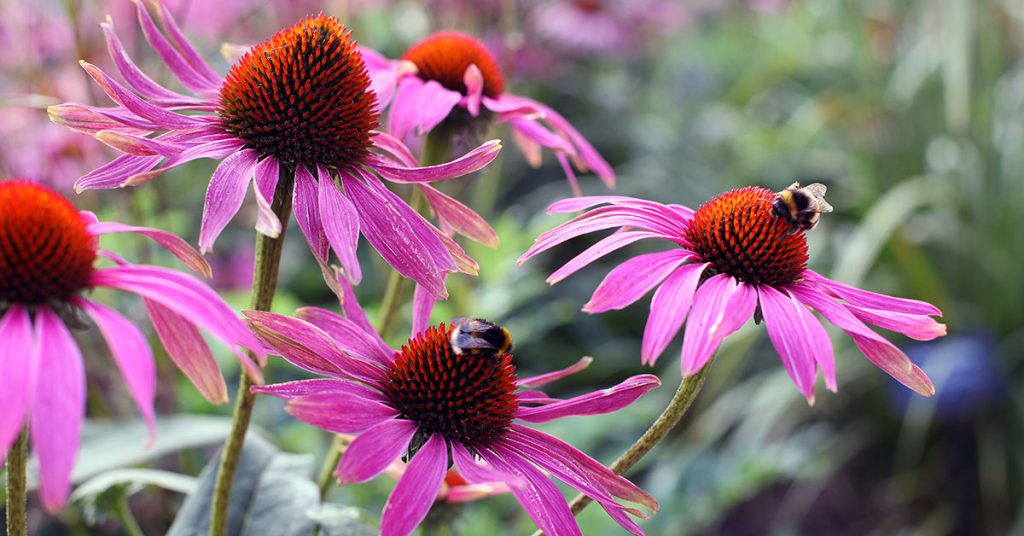
Purple Coneflower’s stout, daisy-like heads complement Black-Eyed Susans’ golden petals with striking magenta rays. Native to eastern North America, Echinacea thrives in the same dry to medium moisture, full-sun sites—no mysterious watering rituals required. I love how these two bloomers stand tall together, creating a pollinator magnet that buzzes with honeybees and bumblebees!
Beyond nectar, the spent cone flowers feed goldfinches and sparrows throughout fall. Their sturdy stems provide nesting perches for small solitaires and hoverflies, while the fibrous root systems help improve soil structure without spreading invasively.
Blazing Star (Liatris spicata)

Blazing Star’s vertical spikes of purple flowers add architectural drama among mounds of Black-Eyed Susans. Native to eastern prairies, Liatris tolerates drought once established and rarely escapes cultivation. One of my favorite plants, it brings hummingbirds and long-tongued bees to your garden, offering a different flower shape for diverse pollinator support!
After bloom, Liatris seedheads remain upright, sheltering ground-nesting bees and over-wintering butterflies. The deep corms anchor soil in wind-prone areas, keeping both companions upright and healthy.
Coreopsis (Coreopsis verticillata)
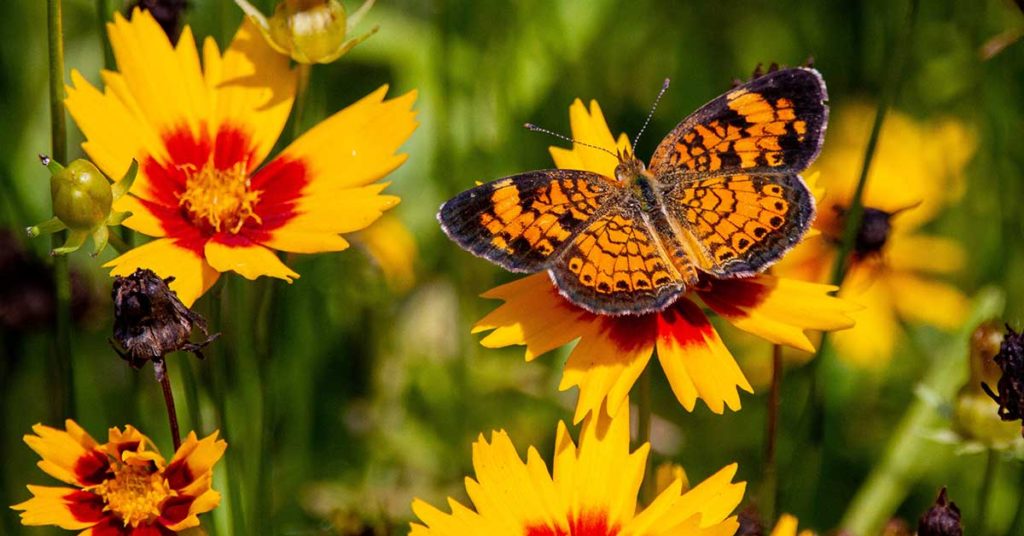
Coreopsis, with its fine foliage and buttery-yellow blooms, blends seamlessly with Black-Eyed Susans for a luminous golden palette. Native to North American prairies and woodlands, Coreopsis loves poor soils and full sun, rarely demanding extra fertilizer. I planted them together and was thrilled to see a continuous wave of yellow from midsummer into fall!
These cheerful daisy-likes attract small butterflies and beneficial hoverflies that patrol the blooms for aphids. Plus, they form dense clumps that suppress weeds, making maintenance a breeze!
Russian Sage (Perovskia atriplicifolia)
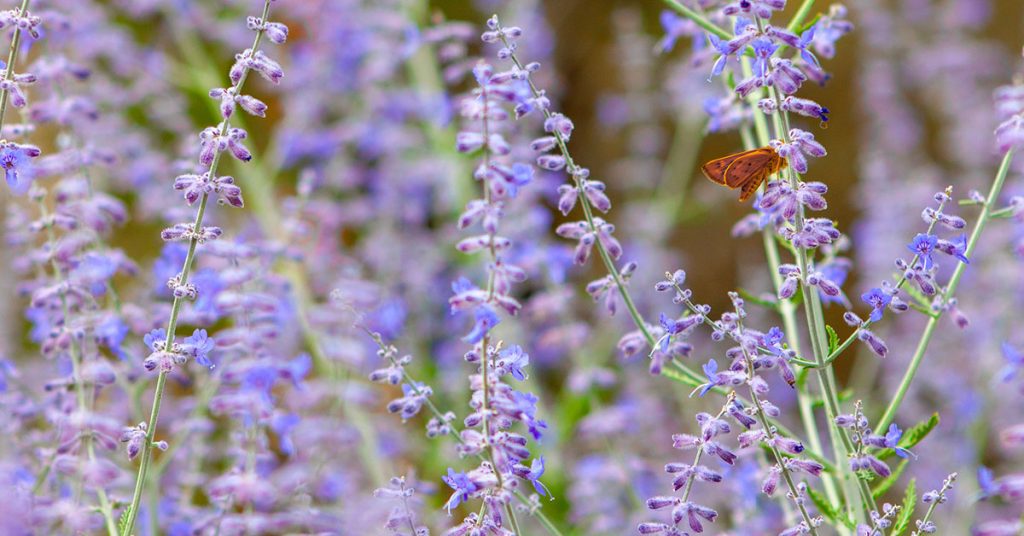
Russian Sage’s silvery foliage and spikes of lavender-blue flowers offer cool contrast against warm-toned Black-Eyed Susans. Originating in Central Asia, it tolerates heat, drought, and sand-like soils—truly low-maintenance! Bees adore its nectar-rich blooms, buzzing among the airy flowers even on the hottest days.
The woody base and arching stems create shady ground pockets where beneficial ground beetles nest and overwinter. Russian Sage seldom self-seeds, so it coexists peacefully without becoming invasive.
Yarrow (Achillea millefolium)
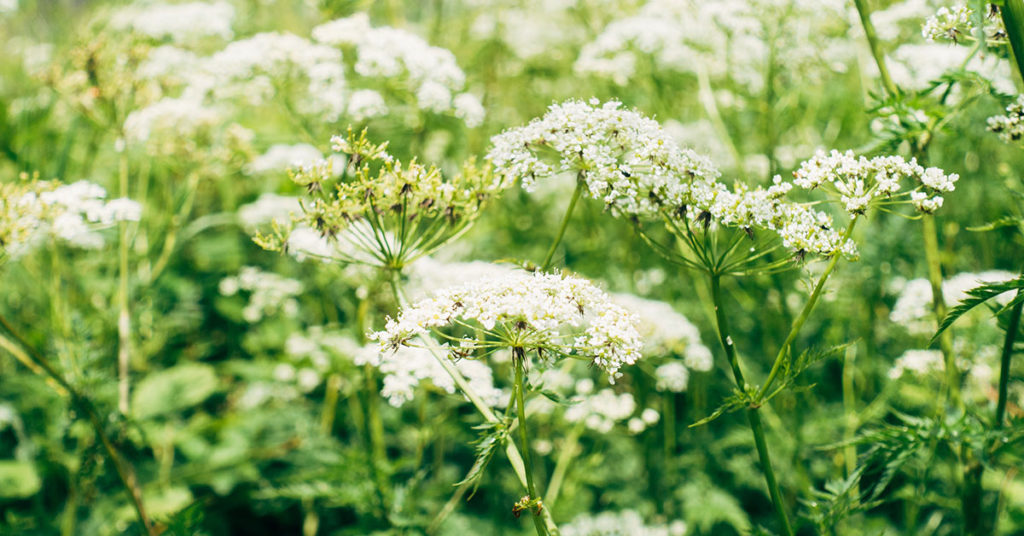
Yarrow’s flat clusters of white, pink, or red flowers pair beautifully with the domed heads of Rudbeckia. A native of Eurasia and North America, Achillea thrives in lean soils and full sun. I love how it extends the bloom season—yarrow flowers appear just as some Black-Eyed Susans start to fade!
Yarrow’s nectar-packed blooms attract lacewings and parasitic wasps, natural predators of garden pests. Its feathery foliage also provides habitat for tiny spiders and ground nesting insects.
Salvia (Salvia nemorosa)
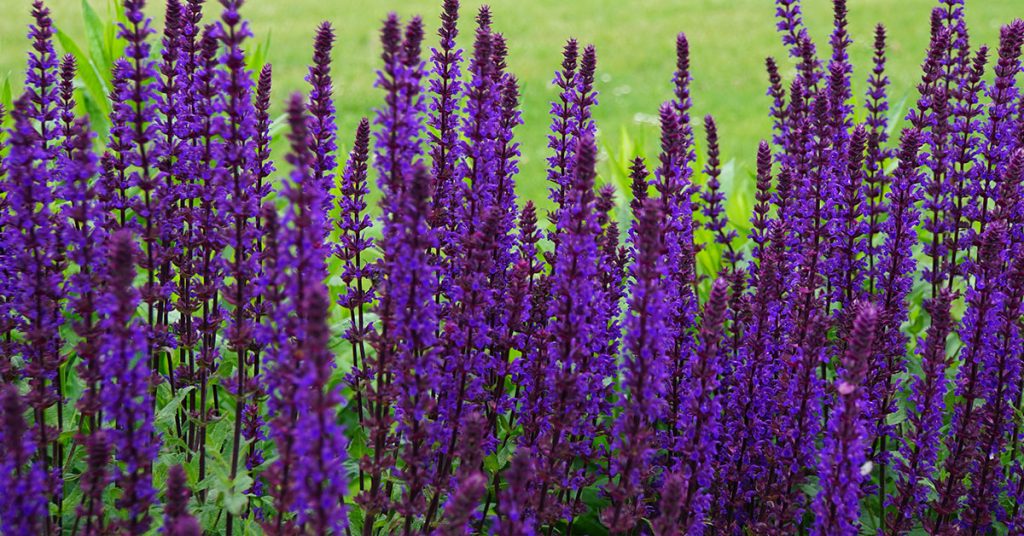
Salvia’s vertical flower spikes in shades of violet, pink, or white stand out against the round Rudbeckia heads. Native to Europe and western Asia, it prefers well-drained soils and plenty of sun. When I interplanted these two, hummingbirds and bumblebees danced between the tubular salvia blossoms and open daisies!
Salvia rarely spreads aggressively, and its woody roots help stabilize soil. The dense flower clusters also offer perching sites for pollinators and beneficial syrphid flies.
Ornamental Grasses (e.g., Calamagrostis x acutiflora)

Ornamental grasses like Feather Reed Grass (Calamagrostis) add movement and texture, their tall plumes swaying above Rudbeckia’s cheerful blooms. These grasses, hardy in many climates, need little water once established. I adore watching grasses rustle in the breeze, creating a living backdrop that makes Susans pop!
Their seedheads also attract small finches and provide shelter for beneficial predatory insects at ground level, enhancing your garden’s ecological resilience.
Gaillardia (Gaillardia pulchella)
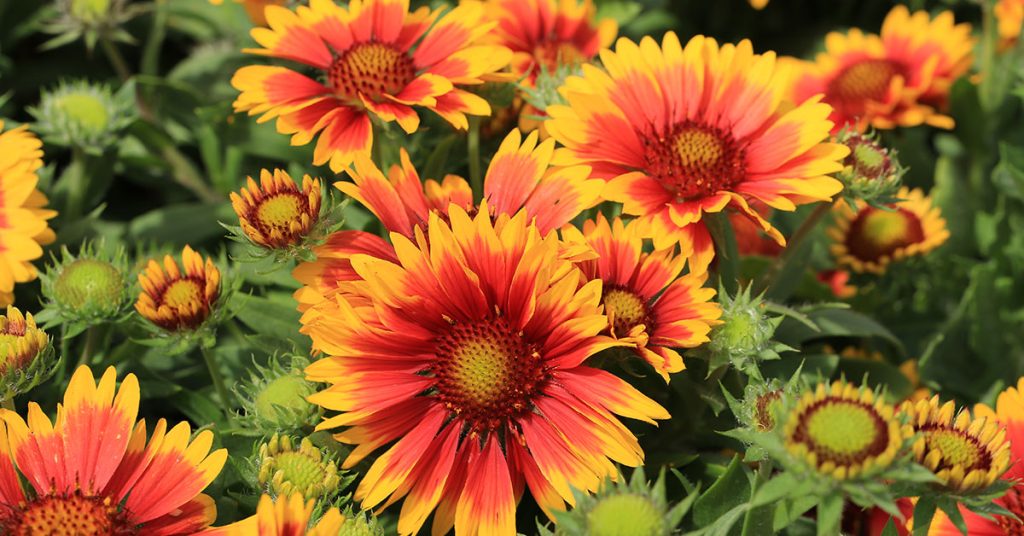
Blanket Flower’s warm red-and-yellow blooms echo the hues of Black-Eyed Susans, creating a fiery tapestry. Native to North America, it thrives in hot, dry soils and full sun—no extra fuss needed! When I combined these two, I saw an explosion of color that endured through droughts.
Blanket Flowers attract bees, butterflies, and even soldier beetles, which patrol the petals for aphids. Their low-growing habit prevents weeds from overtaking the base of taller Rudbeckia stems.
Buttonbush (Cephalanthus occidentalis)

Planting Buttonbush nearby can extend your garden’s season into late summer with its spherical white blooms. Native to wetland edges in North America, it tolerates moist soils that might be too rich for Rudbeckia alone. I’ve found Buttonbush to be a magnet for honeybees and moths at dusk!
These dense, globe-shaped flowers also provide perches for small birds, and the shrub’s structure offers nesting sites for wrens and warblers. Though not a ground cover, it enhances vertical interest and wildlife value.
Bee Balm (Monarda didyma)

Bee Balm’s shaggy red or pink blossoms are irresistible to hummingbirds and bees, who flit between Monarda and Rudbeckia blooms in search of nectar. Native to eastern North America, it prefers slightly moist soils and full sun to part shade. I always plant them together to support a rainbow of pollinators!
Their aromatic foliage repels some pests like mosquitoes, and the hollow stems provide nesting tunnels for native bees—boosting your garden’s health and fragrance simultaneously.
Catmint (Nepeta faassenii)
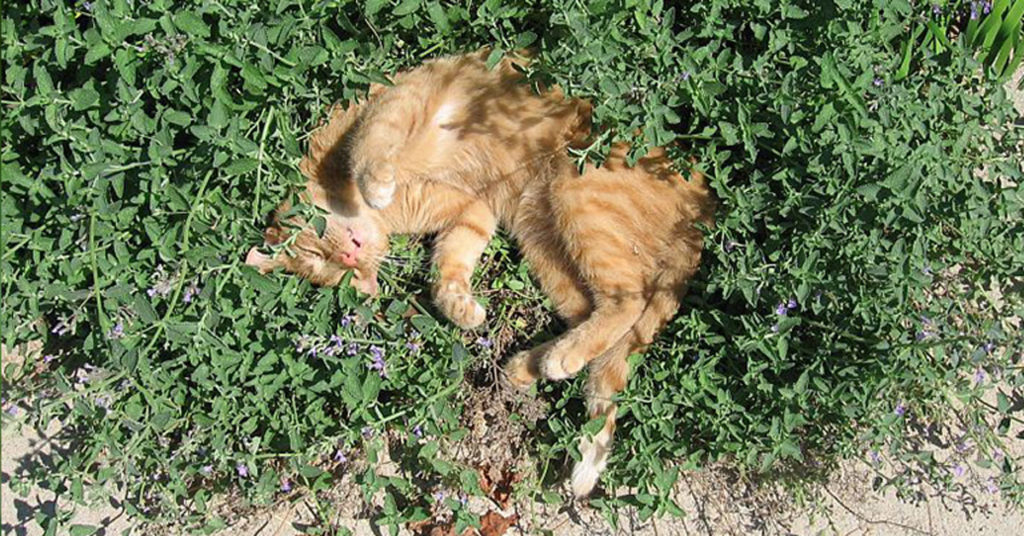
Catmint’s gray-green foliage and violet-blue blossoms form a frothy carpet at the feet of Black-Eyed Susans. Native to the Balkans, it loves full sun and lean soils. I planted it along a Rudbeckia border and found it blooms prolifically with little water, brightening the golden flowers above!
Catmint attracts bees and butterflies and, true to its name, delights felines! Its non-invasive stolons can be managed easily, and it helps deter unwanted pests like aphids when planted as a living edge.
Sedum (Sedum spectabile)
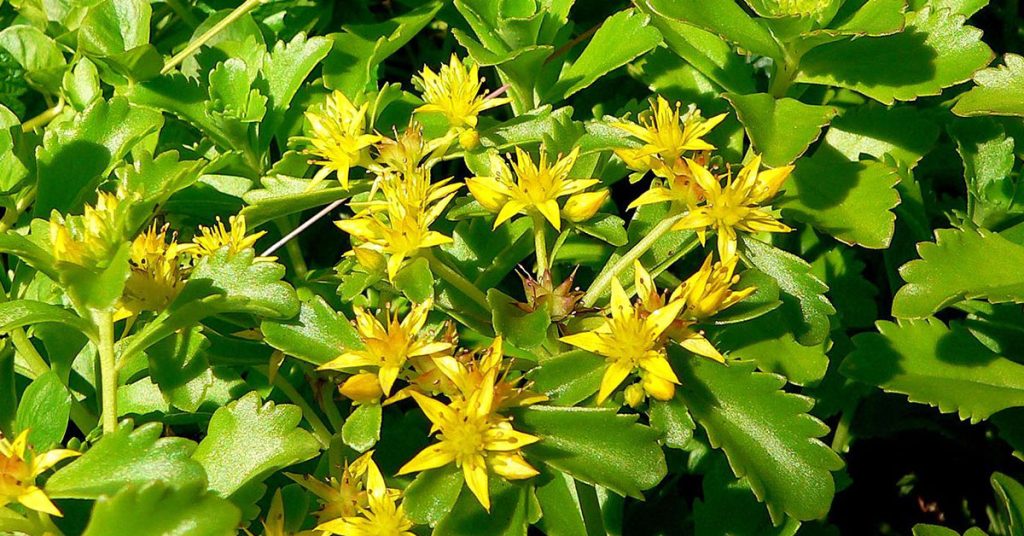
Stonecrop’s succulent leaves and pink-tinted flower clusters shine in late season, bridging to fall when Rudbeckia still blooms. Native to Asia, Sedum spectabile thrives in hot, dry conditions and poor soils—perfect for a low-maintenance pairing! I admire how these two support pollinators well into October.
Sedum’s fleshy stems offer perching points for bees collecting nectar, while old stems provide nesting habitat for overwintering insects. Their combined drought tolerance makes them an unbeatable duo in challenging summer climates!