

Gardening in raised beds is a game-changer—it transforms your outdoor space into a productive, organized oasis where even the most challenging vegetables thrive! As a gardener who’s experienced both the thrill of abundant harvests and the frustration when pests take over your precious plants, I know that the secret often lies in choosing the right vegetables for your raised bed. Over the years, I’ve experimented with various crops and discovered that raised beds offer better drainage, improved soil quality, and easier maintenance. This means that even in compact spaces, you can enjoy fresh, nutrient-packed produce all season long!
I’m excited to share my top 12 vegetables that have consistently delivered robust yields in raised beds. Each selection comes with a story about where the plant is native, its growth habits, and even how it attracts beneficial insects or provides nesting spots for little critters—adding natural life to your garden. Whether you’re working with a modest balcony or a sprawling backyard, these vegetables are non-invasive, low-maintenance, and perfect for creating a vibrant, bountiful garden. Let’s dive into this randomized collection and explore how each of these veggies can transform your raised bed into a thriving, sustainable food haven!
Carrots

Carrots, originally from Central Asia, are a classic root crop that thrives in raised beds thanks to their need for deep, loose soil. In my garden, I’ve found that carrots develop a beautifully uniform shape when grown in raised beds, as the well-drained, nutrient-rich soil allows their roots to penetrate deeply. Their bright orange hues add a burst of color to the garden, while the delicate green tops attract a few beneficial insects, such as ladybugs, that help keep pests in check.
These non-invasive vegetables require minimal care beyond regular watering and occasional thinning to prevent overcrowding. Carrots are ideal for raised beds because they grow quickly and can be harvested continuously throughout the season. Every time I pull a perfectly shaped carrot from the soil, I’m reminded that even the simplest vegetables can bring tremendous satisfaction and vibrant flavor to your table!
Tomatoes

Tomatoes, native to South America, are a perennial favorite that flourish in raised beds with proper support and nutrient-rich soil. In my raised bed garden, tomatoes produce an abundance of juicy, flavorful fruits that attract bees and even small, beneficial wasps which aid in pollination. Their sprawling vines can be trained using cages or trellises, turning your raised bed into a vertical tapestry of red, pink, or even yellow tomatoes, each a promise of summer’s bounty!
Despite their vigorous growth, tomatoes are non-invasive when pruned regularly and given sufficient space in a raised bed. Their ability to continuously produce fruit with a little extra care makes them a dependable choice for gardeners who love fresh, homegrown produce. Every time I taste a sun-ripened tomato, it’s a delightful reminder of how raised beds can maximize flavor, yield, and the joy of gardening!
Green Beans

Green Beans, originally from Central and South America, are a high-yielding vegetable that thrives in raised beds by climbing vertical supports or growing as bush varieties. In my garden, green beans produce a prolific harvest of crisp, tender pods that attract a host of pollinators, including bees and small butterflies, which help maintain a healthy garden ecosystem. Their vibrant green pods provide a wonderful textural contrast when added to salads or stir-fries, making them both delicious and visually appealing.
Non-invasive and easy to grow, green beans require minimal maintenance beyond regular watering and occasional staking for climbing varieties. They thrive in the rich, well-drained soil of raised beds, ensuring a continuous, abundant yield throughout the growing season. Every time I snap a fresh bean from the vine, I’m reminded that some of the best flavors in life come from plants that are nurtured in well-tended, dedicated spaces!
Spinach
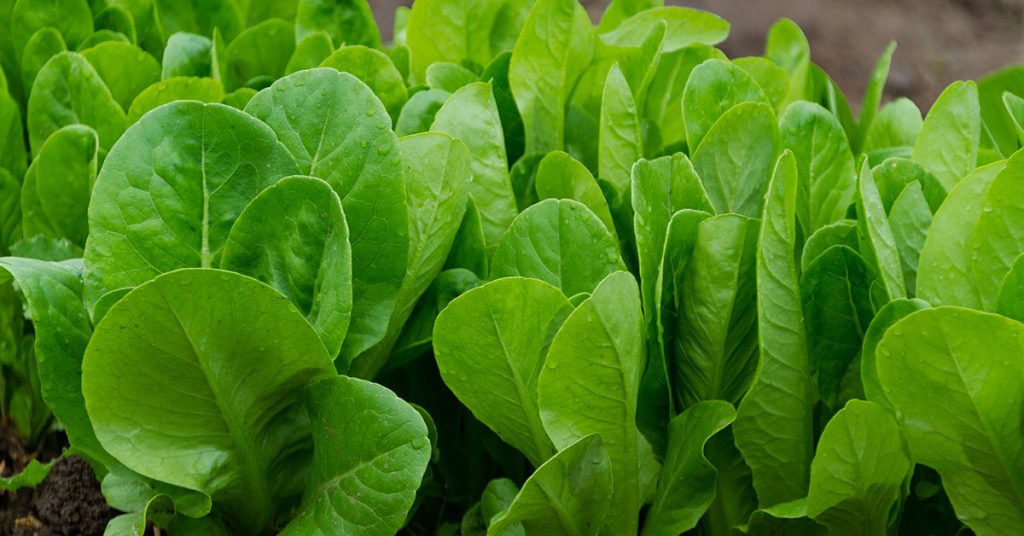
Spinach, native to Persia, is a nutrient-packed leafy green that flourishes in the cool, well-aerated conditions of a raised bed. In my garden, spinach grows rapidly in the enriched, well-drained soil, and its tender leaves attract small pollinators like bees that contribute to a balanced indoor ecosystem. Its mild, slightly sweet flavor makes it a versatile addition to salads, smoothies, and sautés, providing a healthy boost in every harvest.
Spinach is non-invasive and thrives with regular watering and a bit of organic compost, ensuring a continuous supply throughout the season. Raised beds allow for optimal soil conditions that help spinach develop fully, even in cooler climates. Every time I harvest a bundle of spinach, I’m filled with joy and the satisfaction that comes from nurturing a superfood in a carefully managed garden space!
Peppers

Peppers, native to Central and South America, are a versatile vegetable that adapts beautifully to raised beds, where they benefit from excellent drainage and controlled soil conditions. In my raised bed garden, peppers—ranging from sweet bell varieties to spicy chili types—attract a flurry of beneficial insects such as bees and small wasps, which help with pollination. Their bright, glossy fruits not only add vibrant color but also a burst of flavor to countless dishes, making them a prized addition to any garden.
These non-invasive plants thrive with consistent watering and occasional feeding, making them relatively easy to maintain even for beginner gardeners. With proper support and regular pruning, peppers produce a continuous yield that turns your raised bed into a mini-farm of flavor. Every time I pick a ripe pepper, it feels like a little celebration of the benefits of raised bed gardening—vibrant, abundant, and delicious!
Cucumbers
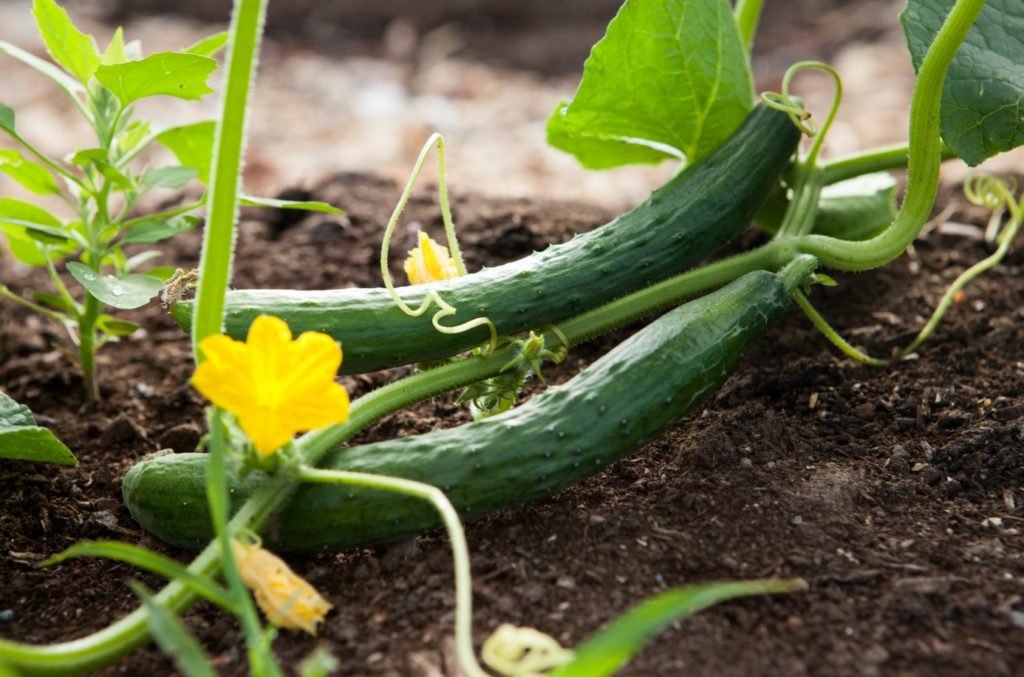
Cucumbers are a refreshing, fast-growing vegetable native to South Asia that perform exceptionally well in raised beds, where they can be trained to climb on trellises. In my garden, cucumbers create a cascade of green vines that produce crisp, juicy fruits and attract a host of pollinators, including bees and even small, beneficial wasps. Their delicate, waxy skin and mild flavor make them a popular choice for salads, pickling, and even fresh summer snacks.
Non-invasive and easy to manage, cucumbers thrive in the warm, nutrient-rich soil of raised beds, where proper spacing and vertical training ensure a continuous harvest throughout the season. Every time I slice into a freshly picked cucumber, I’m reminded of how raised beds can transform a simple vegetable into a symbol of summer’s bounty and vibrant health. It’s a refreshing reminder that nature’s simplest gifts often bring the greatest satisfaction!
Radishes

Radishes, native to regions spanning Asia and the Mediterranean, are a quick-growing, crisp root vegetable that are perfect for raised beds. In my garden, radishes emerge in just a few weeks, offering a burst of color from bright reds, pinks, and whites that contrast beautifully with the green foliage. Their rapid growth attracts small beneficial insects, including tiny bees and hoverflies, which help pollinate the area and keep the garden ecosystem lively.
These non-invasive vegetables are incredibly low-maintenance, thriving in well-drained soil with regular watering. Radishes are ideal for gardeners who crave immediate results—each harvest is a quick reward that enriches salads, sandwiches, and even pickles. Every time I pull a radish from the soil, it’s a small triumph that reminds me of the joys of gardening in raised beds—fast, fruitful, and full of flavor!
Eggplant
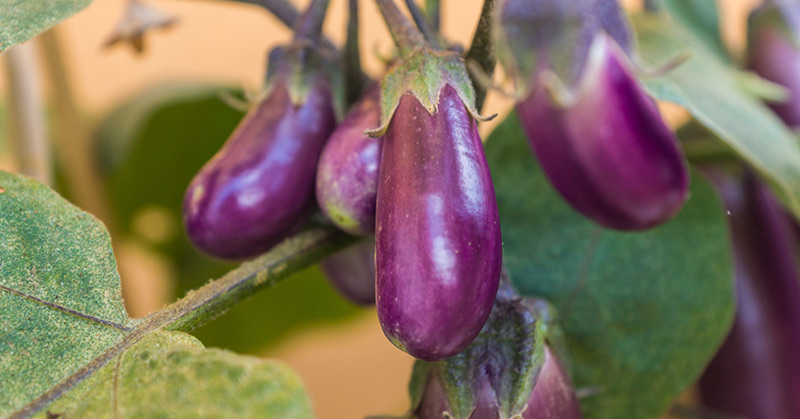
Eggplant, native to the Indian subcontinent, is a warm-weather vegetable that adapts well to the controlled environment of raised beds. In my garden, eggplants produce glossy, deep purple fruits that attract bees and butterflies with their subtle, sweet blossoms. Their lush foliage and striking color add a dramatic flair to any raised bed, turning an ordinary space into a vibrant, edible display that’s as visually appealing as it is delicious.
Although eggplant can be somewhat vigorous, it remains non-invasive when grown in a confined raised bed, where regular care ensures a continuous, bountiful harvest. With consistent watering and well-amended soil, eggplant flourishes, offering a robust yield that enhances everything from ratatouille to grilled dishes. Every time I slice into a glossy eggplant, I’m filled with a sense of accomplishment—a reminder that raised bed gardening can transform your culinary experience!
Lettuce
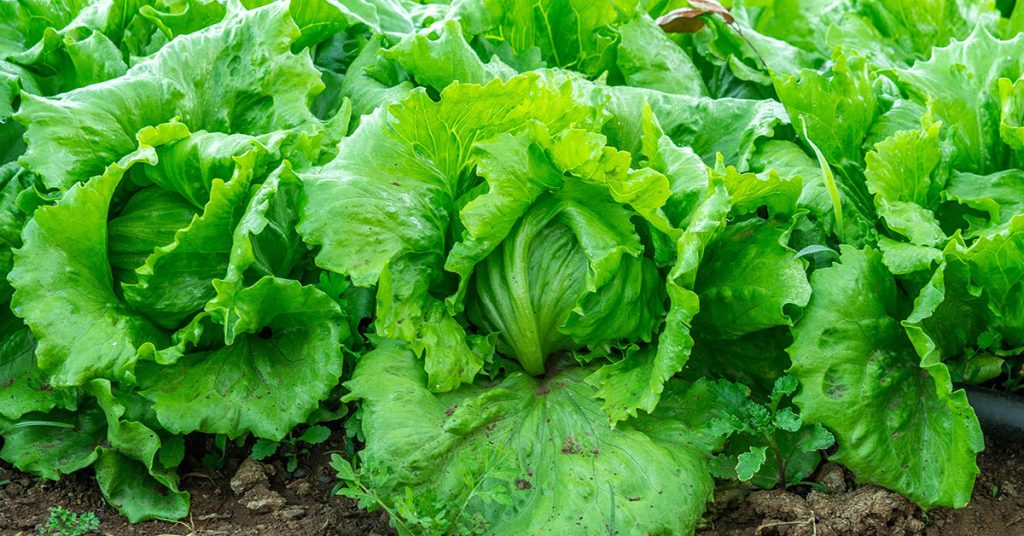
Lettuce is a cool-weather leafy green native to the Mediterranean that thrives in the controlled conditions of raised beds. In my container garden, lettuce forms crisp, tender heads that attract small beneficial insects like tiny bees and hoverflies, contributing to a lively, balanced ecosystem. Its varied textures and flavors make it a staple in salads, wraps, and even smoothies, offering a refreshing crunch with every bite.
Non-invasive and fast-growing, lettuce flourishes in well-drained, nutrient-rich soil with regular watering and partial sunlight, making it an ideal choice for beginners. Every time I harvest a head of lettuce, it feels like a small victory—proof that even the simplest vegetable can flourish when nurtured in a well-tended raised bed. Its continual return year after year is a testament to the benefits of proper soil management and thoughtful garden planning!
Zucchini
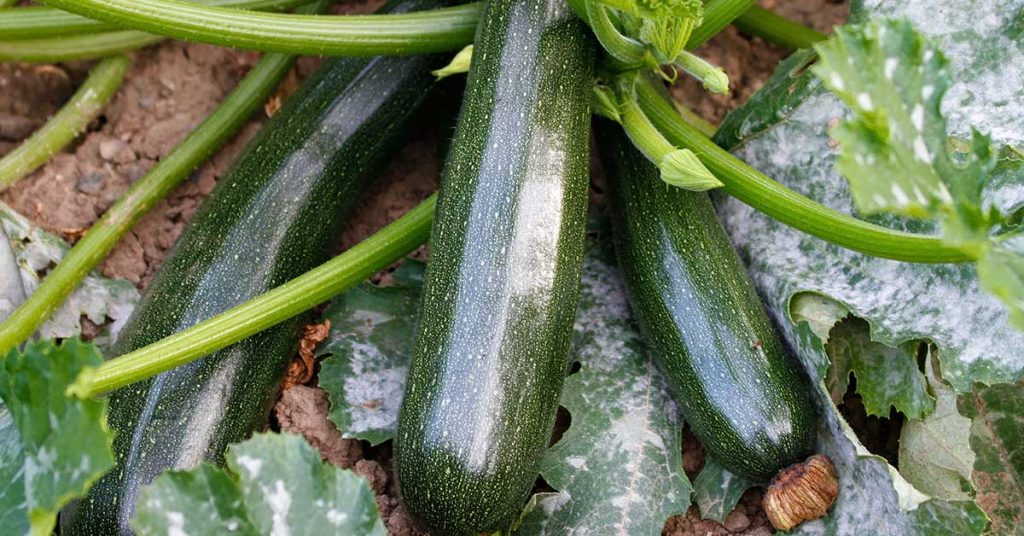
Zucchini is a prolific summer squash native to the Americas that thrives in the sun-soaked environment of raised beds. In my garden, zucchini plants produce an abundance of tender, flavorful fruits that attract a host of beneficial insects, including bees and small wasps, which help pollinate the blossoms. Their vigorous growth and bright green, glossy appearance add a dynamic, lush quality to the raised bed, making them a favorite for both culinary and decorative purposes.
Despite their rapid, non-invasive growth, zucchini requires ample space and regular maintenance to ensure a continuous harvest. With proper watering and periodic thinning, zucchini yields a bountiful crop that enhances everything from stir-fries to grilled dishes. Every time I see a row of plump zucchinis, I’m filled with the joy of knowing that raised bed gardening can transform a simple vegetable into a vibrant symbol of summer abundance!
Broccoli
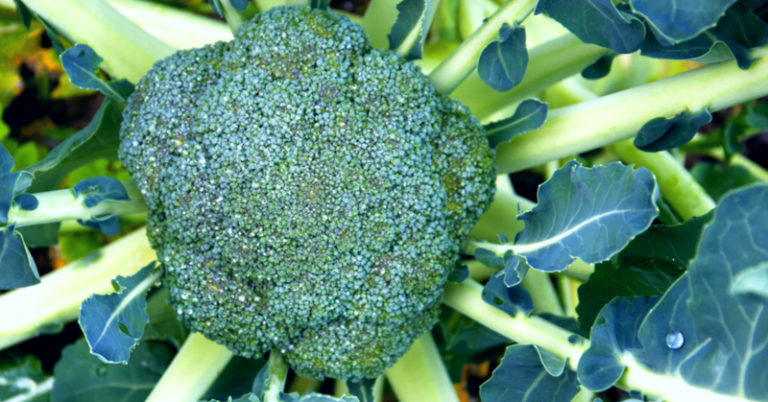
Broccoli is a nutrient-dense vegetable native to the Mediterranean that thrives in the well-managed soil of raised beds, even in cooler climates. In my garden, broccoli’s dense, tree-like heads attract bees and other beneficial insects that help pollinate the area, creating a vibrant, healthy ecosystem. Its robust, green florets add both nutritional value and visual appeal to your raised bed, making it a standout crop for both home gardeners and culinary enthusiasts.
Non-invasive and easy to maintain, broccoli requires consistent watering and rich, organic soil to produce a continuous harvest throughout the growing season. With proper care, it returns reliably each year, providing a substantial yield that enhances everything from stir-fries to hearty casseroles. Every time I harvest a head of broccoli, it’s a satisfying reminder of the rewards of raised bed gardening—a delicious, nutrient-packed treat that comes straight from the earth!
Potatoes
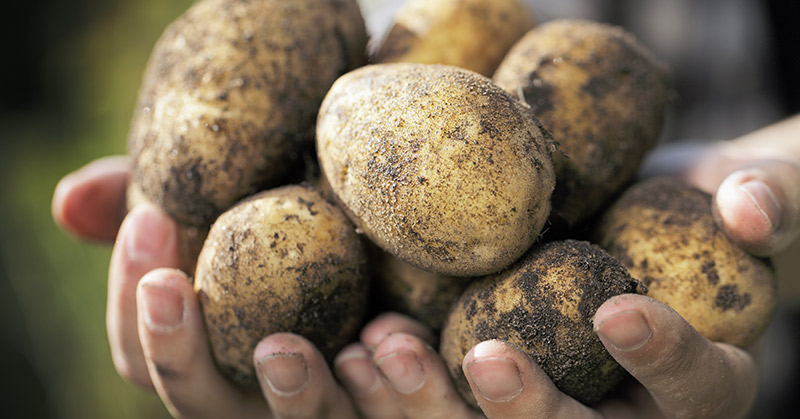
Potatoes are a versatile, hearty vegetable native to the Andean regions of South America that thrive in raised beds due to their need for loose, well-drained soil. In my raised bed garden, potatoes form beneath the surface, producing a hidden treasure trove of tubers that attract beneficial soil organisms and even provide shelter for small, foraging critters. Their rustic, earthy appeal adds a touch of pastoral charm to the garden, making them a favorite for hearty, homegrown meals.
Non-invasive and relatively easy to grow, potatoes flourish with minimal maintenance—just regular watering and occasional hilling to encourage tuber development. The joy of digging up a mound of freshly grown potatoes is a constant reminder of the enduring rewards of raised bed gardening. Every time I harvest potatoes, I’m filled with the satisfaction of nurturing a reliable, nutritious crop that stands the test of time!