

There’s a mysterious magic that unfolds when dusk falls and the garden awakens in a different light. As a passionate gardener, I’m continually fascinated by the enchanting world of nocturnal blooms that light up the dark with their gentle glow and intoxicating fragrances. I understand how challenging it can be to find plants that not only add beauty to your garden but also transform it into a serene nighttime sanctuary—especially when pests and harsh conditions seem to take over during the day! This article is a celebration of 12 stunning flowers that come alive at night, each with its own fascinating story, native origins, and unique benefits for your garden ecosystem.
I know the frustration of battling a sleepy garden that struggles to impress when the sun goes down. That’s why I’ve spent years researching and nurturing these delightful night bloomers that attract beneficial pollinators and sometimes even serve as nesting havens for nature’s tiny helpers. From the sweet scent of flowering tobacco to the dramatic allure of the bat flower, each of these plants offers a special kind of nighttime charm. Let’s explore these 12 beautiful flowers and discover how they can turn your garden into a nocturnal paradise!
Datura
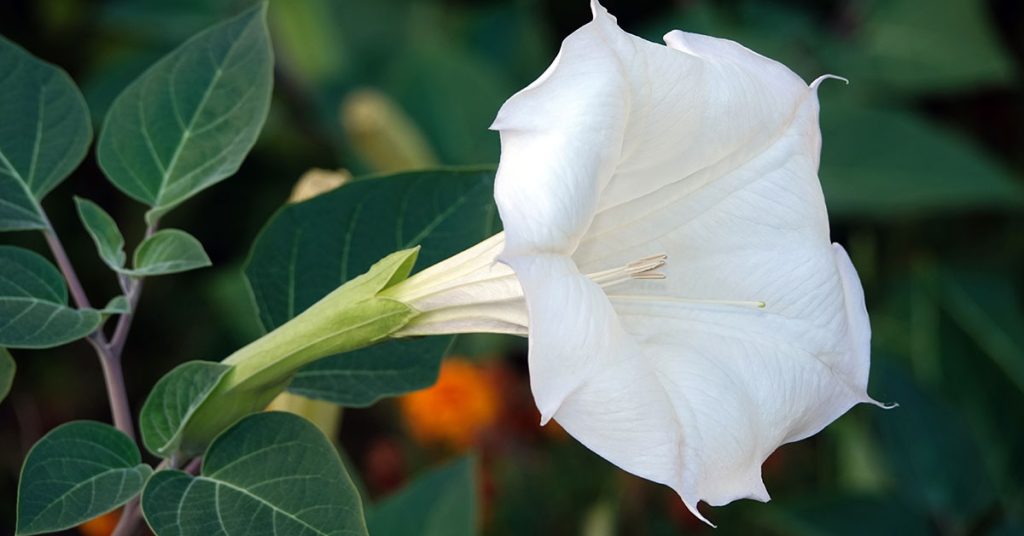
Datura, native to tropical and subtropical regions around the world, is a striking plant that boasts large, trumpet-shaped flowers opening at dusk. Its dramatic, often white or purple blooms release an intoxicating fragrance that fills the evening air and attracts moths and nocturnal pollinators. In my garden, I’ve found that Datura’s bold presence not only adds visual drama but also serves as a natural magnet for beneficial insects that help keep pest populations in check!
However, while Datura’s beauty is undeniable, it’s important to note that all parts of the plant are toxic if ingested and it can sometimes spread aggressively if conditions are favorable. With careful management and proper placement in a controlled bed, though, Datura can be an incredible addition to your nighttime landscape. Its allure in the twilight hours never fails to impress me and reminds me how nature can be both stunning and powerful!
Night Blooming Water Lily
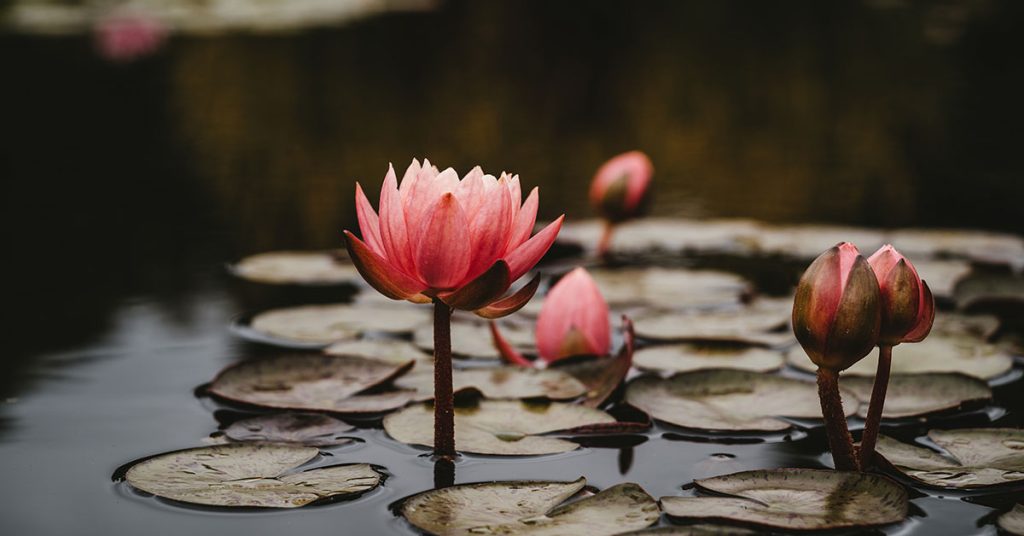
The Night Blooming Water Lily (Nymphaea lotus) is a serene aquatic flower that opens its delicate petals under the moonlight. Native to parts of Africa and Asia, these ethereal blooms float gracefully on still water, casting a soft glow that transforms any pond or water garden into a tranquil retreat. I’ve witnessed how its gentle fragrance and luminous appearance attract a variety of nighttime pollinators, including moths and even small nocturnal beetles, creating a peaceful symphony of life on the water’s surface!
This exquisite water lily is non-invasive when grown in a properly contained pond environment and adds a unique, calming element to your garden. Its presence not only enhances the aesthetic appeal but also helps maintain the natural balance by providing shelter and nesting sites for aquatic creatures. Every time I see its petals unfurl under the stars, I’m reminded of the quiet wonders that nature offers when the world sleeps!
Bat Flower

The Bat Flower (Tacca chantrieri) is perhaps one of the most unusual and captivating nocturnal blooms you can add to your garden. Native to the tropical regions of Southeast Asia, its dark, almost otherworldly petals and long, whisker-like filaments create a dramatic silhouette against the night sky. I’ve always been enchanted by its mysterious charm, which seems to invite nocturnal pollinators such as bats and moths to explore its intricate structure—sometimes even offering them a safe haven for brief resting moments!
Despite its exotic appearance, the Bat Flower is non-invasive when grown in a controlled, humid environment and can become the centerpiece of your nighttime garden. Its unique form and dramatic presence bring an element of the wild, reminding us that beauty comes in many unexpected forms. For me, the Bat Flower is a conversation starter and a living reminder that nature’s creativity has no bounds—even when darkness falls!
Night-Scented Stock
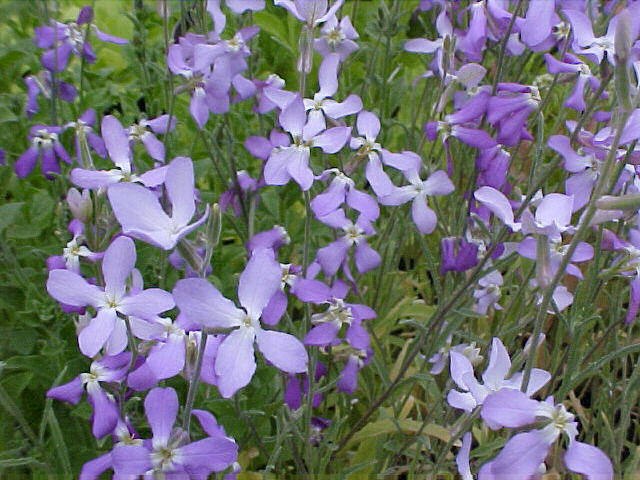
Night-Scented Stock (Matthiola longipetala) is a delightful annual known for its powerful, sweet fragrance that intensifies after sunset. Native to the Mediterranean region, this flower has been admired for generations not only for its aromatic properties but also for its ability to attract beneficial nocturnal pollinators like moths and even small bees that are active during cooler evening hours. In my garden, night-scented stock always fills the air with an enchanting perfume that calms the senses and sets the stage for a peaceful night!
This hardy plant is non-invasive and adapts well to a variety of soil conditions, making it an ideal choice for container gardens or mixed borders. Its delicate petals and strong scent work together to create a natural ambiance that is both soothing and inviting. I find that the presence of night-scented stock adds a layer of sensory delight to the garden, transforming ordinary evenings into moments of quiet reflection and joy!
Moonflower
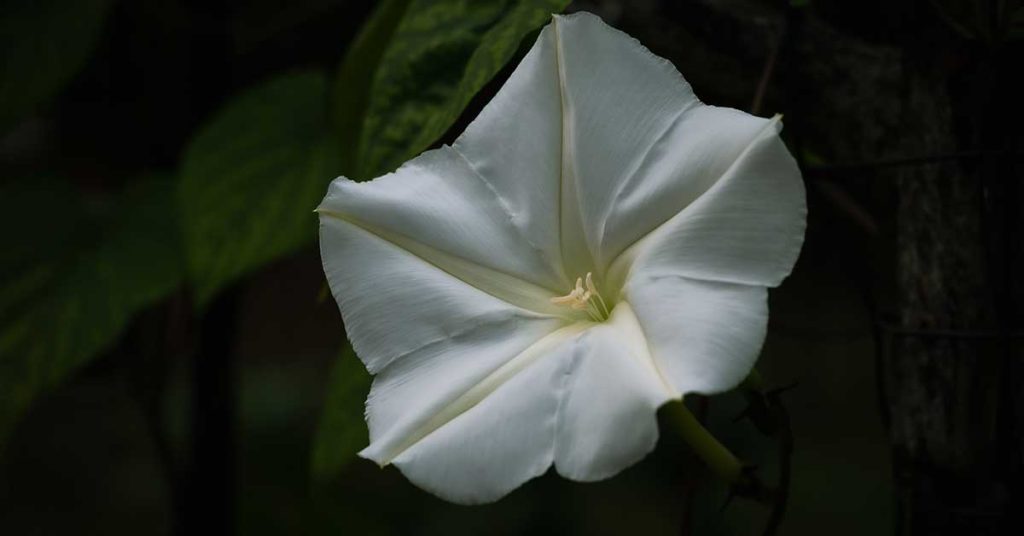
Moonflower (Ipomoea alba) is a true nocturnal wonder with its large, trumpet-shaped white blooms that open fully under the cover of darkness. Native to tropical regions of the Americas, this vine climbs gracefully and spreads out like a soft cascade of luminescence that mirrors the light of the moon. I’ve witnessed countless evenings where moonflowers not only captivate the eye but also attract a host of night-flying moths and other beneficial insects that flutter among the blossoms—almost as if drawn by an invisible, soothing force!
Despite its vigorous growth habit, moonflower is generally non-invasive when managed with proper support structures such as trellises or pergolas. Its natural charm and ethereal beauty bring a magical quality to the garden that is hard to resist. Every time I see these delicate blooms open up in the twilight, I’m reminded of the endless wonders that nature can unveil when we take the time to appreciate the beauty of the night!
Flowering Tobacco
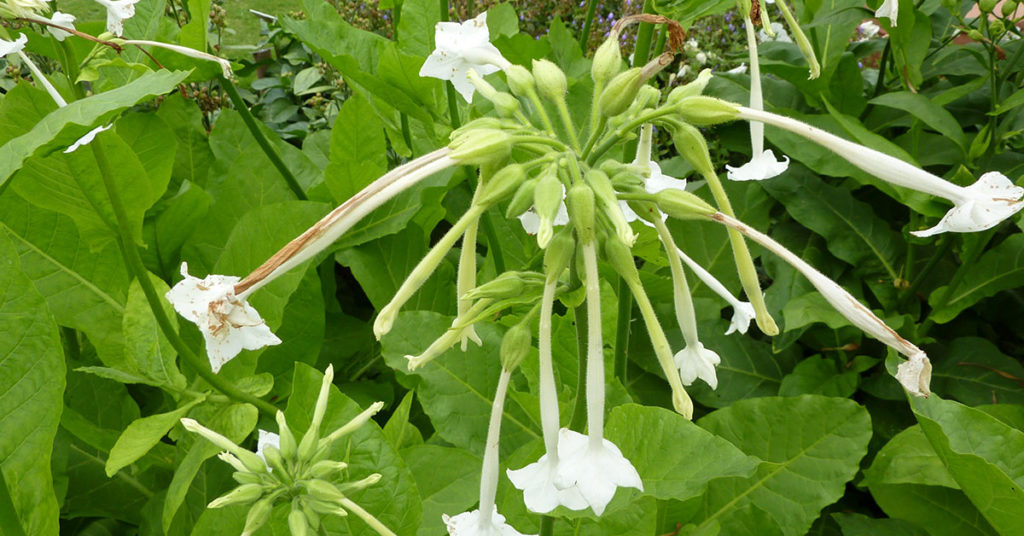
Flowering Tobacco (Nicotiana alata) is a stunning and fragrant annual that blooms magnificently under the stars. Native to South America, this elegant plant produces tubular, often white or pink flowers that emit a sweet, soothing aroma once the sun sets. In my garden, I adore how flowering tobacco attracts nocturnal pollinators like moths and even some butterflies that enjoy the cool evening air, contributing to a thriving, balanced ecosystem that buzzes with quiet activity after dark!
Not only is flowering tobacco visually appealing, but it also plays a practical role in natural pest management by deterring certain insects with its distinctive scent. Its non-invasive nature and ease of cultivation make it a wonderful addition to any garden looking to enhance both beauty and ecological balance. Every night, as the flowers open and release their delicate perfume, I’m reminded of the subtle yet powerful ways nature works to create a serene, harmonious space!
Queen of the Night

Queen of the Night (Epiphyllum oxypetalum), often known as the night-blooming cereus, is a breathtaking cactus that reveals its stunning blooms only for a few hours under the moonlight. Native to the tropical regions of Central and South America, this plant’s large, fragrant white flowers emerge unexpectedly in the dark, lighting up the night with an ethereal glow. I’ve experienced the sheer joy of witnessing its fleeting beauty, as it not only attracts moths and other nocturnal pollinators but also creates an atmosphere of wonder and surprise in my garden!
While the Queen of the Night is celebrated for its rarity and stunning display, it remains non-invasive and is best grown in protected areas or containers where its delicate nature can be carefully managed. Its transient blossoms serve as a reminder that beauty is often ephemeral and should be cherished with every passing moment. For me, this plant embodies the magic of the night—a secret treasure that transforms ordinary evenings into extraordinary experiences!
Tuberose

Tuberose (Polianthes tuberosa) is a fragrant perennial revered for its intensely aromatic, star-shaped blooms that open in the evening. Native to Mexico, this exotic plant is cherished not only for its role in perfumery but also for its ability to lure beneficial nocturnal pollinators like moths and butterflies that pause to sip its sweet nectar. In my garden, the heady scent of tuberose fills the air, creating a romantic and enchanting atmosphere that’s perfect for relaxing evenings under the stars!
Despite its vigorous growth, tuberose is non-invasive when grown under proper conditions, making it a popular choice for gardeners seeking to infuse their space with both beauty and a soothing fragrance. Its lush, creamy-white flowers and intoxicating aroma never fail to impress me, evoking memories of warm summer nights and secret garden hideaways. Tuberose is a true celebration of nature’s ability to awaken the senses and invite serenity into our lives!
Four O’Clock
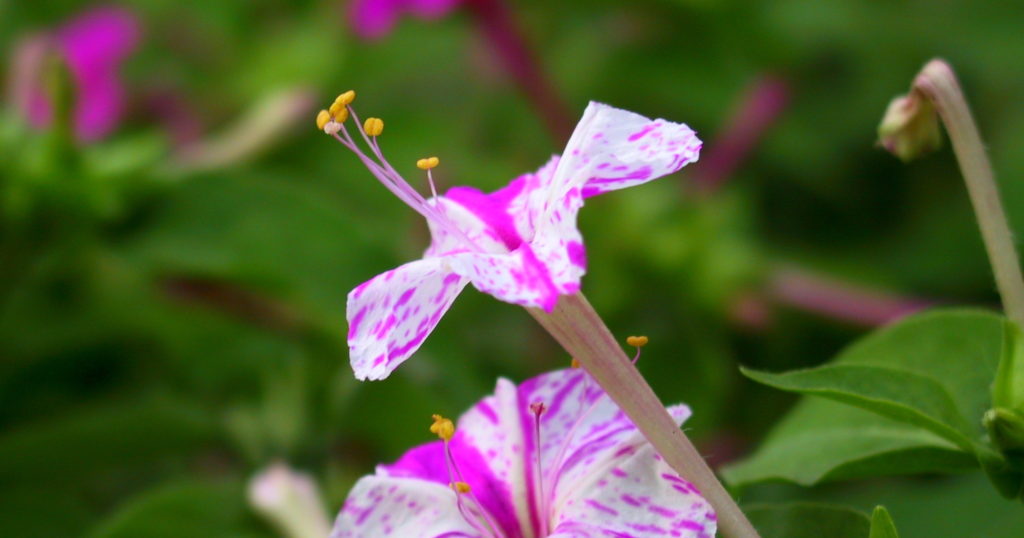
Four O’Clock (Mirabilis jalapa) is a cheerful annual that lives up to its name by opening its vibrant blooms in the late afternoon and continuing well into the night. Native to the tropical regions of North America, this resilient plant offers a spectrum of colors—from deep magentas to brilliant yellows—that become even more captivating as dusk falls. I’ve found that its long-lasting blossoms attract a diverse array of pollinators, including moths and even some nocturnal beetles, which appreciate its inviting scent and bright hues as a resting spot!
The charm of Four O’Clock extends beyond its visual appeal; it’s non-invasive and easy to grow in a variety of climates, making it a favorite among gardeners looking to add a playful touch to their night garden. Its ability to bloom continuously into the evening creates a dynamic display that transforms the garden into a festive nocturnal celebration. Every time I see these flowers open at dusk, I’m reminded of the simple joys of nature and the delightful surprises that come with every sunset!
Night Phlox

Night Phlox (Zaluzianskya capensis) is a delicate annual native to South Africa that captivates the senses with its soft, starry blossoms and enchanting fragrance under the moonlight. These pale, often white or pink, flowers open during the cooler evening hours, releasing a sweet scent that attracts moths and other nighttime pollinators. In my own garden, night phlox creates an ethereal, almost magical atmosphere that contrasts beautifully with the deepening twilight—a real treat for anyone who loves the gentle symphony of nocturnal nature!
Despite its subtle beauty, night phlox is robust and non-invasive when cultivated with care, making it a practical choice for gardeners in a variety of settings. Its soft, airy blooms not only add a touch of elegance but also contribute to a balanced ecosystem by inviting beneficial insects to settle in and help manage any pest issues. I find that the presence of night phlox always brings a sense of calm and wonder, reminding me how the simplest flowers can transform the darkest hours into moments of serene beauty!
Evening Primrose
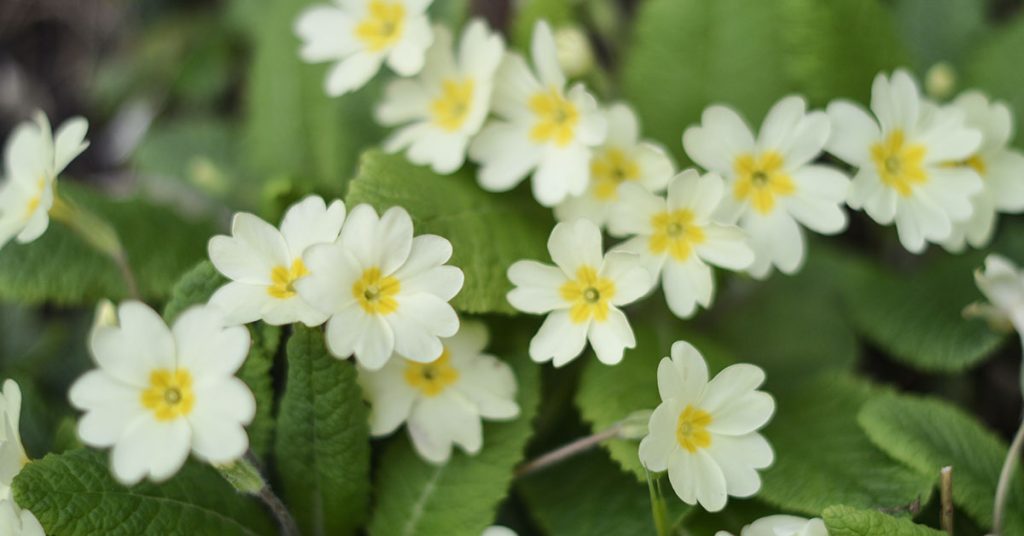
Evening Primrose (Oenothera biennis) is a charming wildflower native to North America that blooms gracefully at dusk, filling the garden with its delicate, pale-yellow blossoms and subtle fragrance. This hardy perennial has long been celebrated for its natural ability to attract nocturnal pollinators, including moths and even small bees, which are drawn to its soothing aroma and gentle hues. In my garden, evening primrose creates an inviting retreat from the hustle and bustle of the day, offering a peaceful space where nature takes center stage as the sun sets!
Known for its non-invasive nature, evening primrose adapts well to a variety of soil types and is a welcome addition to any sustainable garden design. Its soft, ephemeral blooms add a layer of natural elegance while also supporting beneficial insect populations that help maintain a balanced ecosystem. Every time evening primrose opens its petals at twilight, I’m reminded of the quiet beauty that comes with nightfall—a serene moment that invites us to slow down and appreciate nature’s subtle rhythms!
Night-Blooming Jasmine

Night-Blooming Jasmine (Cestrum nocturnum) is an alluring shrub native to tropical regions of Asia and the Americas that enchants with its intensely fragrant white flowers. True to its name, this plant releases a heady aroma after dusk that fills the garden with a rich, intoxicating perfume. I’ve always been captivated by how night-blooming jasmine not only creates a sensory delight but also attracts a host of nocturnal pollinators, including moths that come to feast on its nectar and sometimes even use its dense foliage as a shelter for nesting!
Despite its vigorous fragrance and widespread appeal, night-blooming jasmine is generally non-invasive when grown in the right conditions, making it a reliable and low-maintenance addition to any garden. Its lush, evergreen foliage and captivating nighttime display offer a perfect complement to other evening bloomers, creating a layered, dynamic landscape that feels almost magical under the stars. For any gardener looking to add a touch of mystery and allure to their outdoor space, night-blooming jasmine is a must-have that transforms every twilight into a fragrant celebration!