
It’s such a delight to see a garden bursting with color from early summer right through to the first hint of frost! Annual flowers that keep putting on a show all season not only add nonstop visual magic, they also nurture beneficial insects, provide forage and nesting spots, and fill in gaps when perennials take a breather. By choosing varieties known for their heat tolerance, deadheading spent blooms, and giving them the right care, you’ll create a tapestry of color that hums with pollinator activity from June until September—and sometimes beyond!
I know how disappointing it can be when mid-summer arrives and your once-vibrant blooms start to fade—that’s why I’m thrilled to share 12 of my very favorite annuals that really go the distance. Each one is easy to grow from seed or starts, non-invasive in most home gardens, and rewards you with weeks of blooms, wildlife visits, and countless “wow!” moments. Let’s dive in and explore these summer superstars!
Marigold
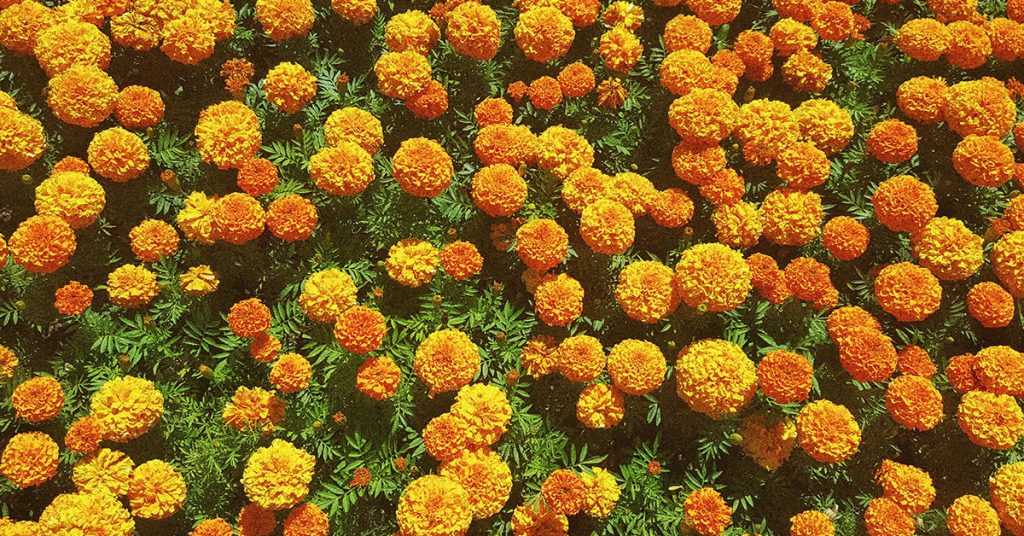
Tagetes spp., native to the Americas, includes both compact French marigolds and taller African varieties. They’re well-behaved in the garden—occasional volunteers pop up if you let seedheads dry, but they don’t take over. Their sunny pom-pom and daisy-like flowers light up borders and containers from June through frost.
Marigolds also offer organic pest control: their root exudates suppress certain nematodes, making them perfect companions for tomatoes and peppers! The bright blooms attract hoverflies, ladybugs, and solitary bees, and their dense foliage provides shelter for predatory insects on pest patrol. It’s such a win-win to tuck them among veggies and ornamentals alike!
Impatiens
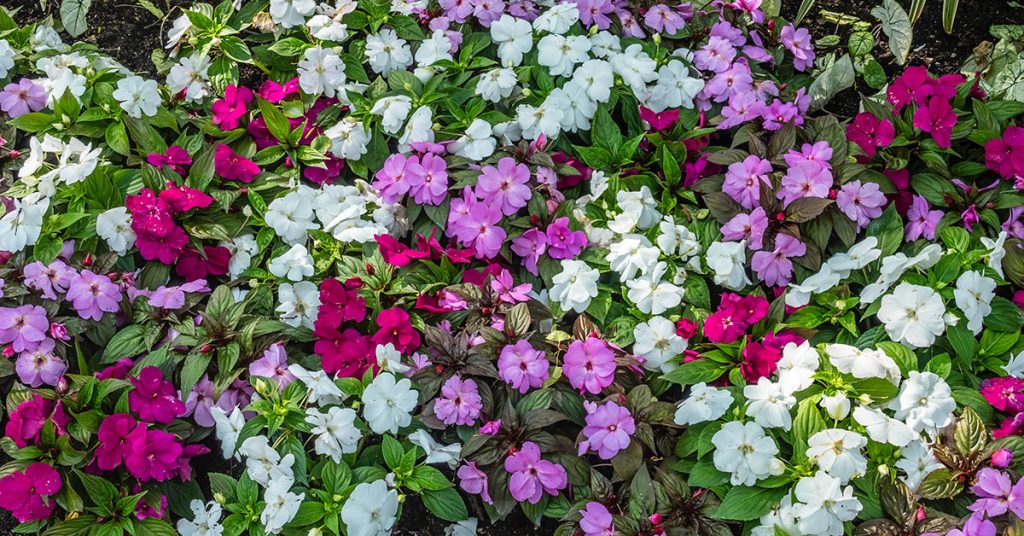
Impatiens walleriana, hailing from East Africa, is the go-to for shady spots where many annuals sulk. Non-invasive in temperate zones, they’ll quietly reseed in mild climates but stay contained otherwise. Their cheerful red, pink, white, and bicolor blooms cover the plants nonstop when you keep them evenly moist and pinch out a few seed pods.
Those clustered flowers serve as miniature landing pads for tiny bees and syrphid flies seeking nectar in dim corners—one of the sweetest garden surprises! Plus, impatiens foliage provides cool, damp resting spots where lacewings and spiders hide, helping to keep aphids in check. I love pairing them with ferns and hostas for a tropical shade vignette.
Cosmos
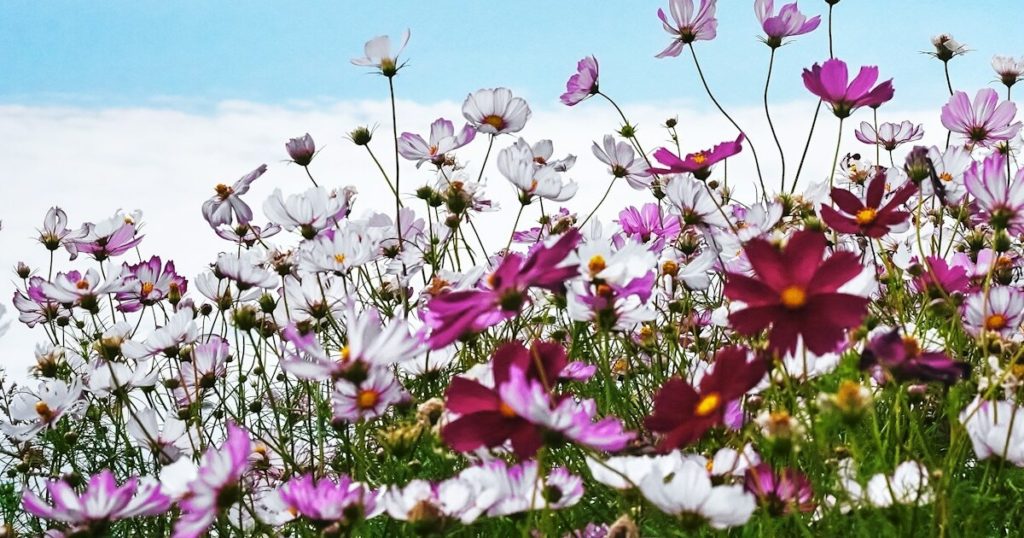
Cosmos bipinnatus, originally from Mexico and Central America, offers feathery foliage and daisy-like blooms in shades of pink, white, and deep rose. It’s not invasive in most regions but volunteers can arise; simply pull unwanted seedlings or transplant them elsewhere. Cosmos thrives in lean soil and full sun—too much fertility and you’ll get lush leaves at the expense of flowers.
Its open-faced blooms attract an army of beneficials: hoverflies, lacewings, ladybugs, and even predatory wasps all drop by to hunt aphids! I leave a few cosmos at the back of my border to create a mini insectary—watching those delicate petals sway and shelter insects makes me feel like I’ve built a tiny wildlife refuge in my yard.
Nicotiana (Flowering Tobacco)
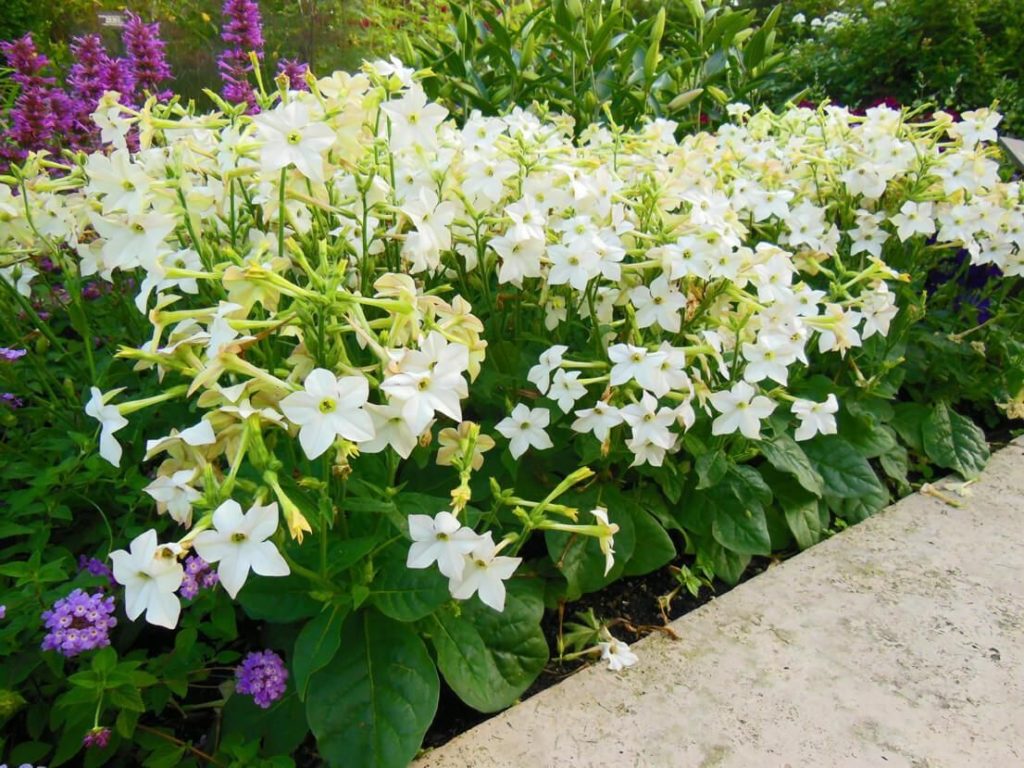
Nicotiana alata, native to South America, fills evening gardens with elegant, fragrant tubular blossoms that open as dusk falls. Though it can self-seed in mild climates, most gardeners won’t face invasiveness issues. Plant in enriched soil with part shade, and you’ll enjoy its perfumed blooms from midsummer until frost.
While nocturnal moths flock to those evening bouquets, daytime bees—including tiny sweat bees—explore the tubes for nectar. I’ve watched them crawl right inside the flowers, turning each blossom into a bustling micro-world! Regular removal of spent blooms prevents seeding and encourages fresh flower production every week or two.
Verbena
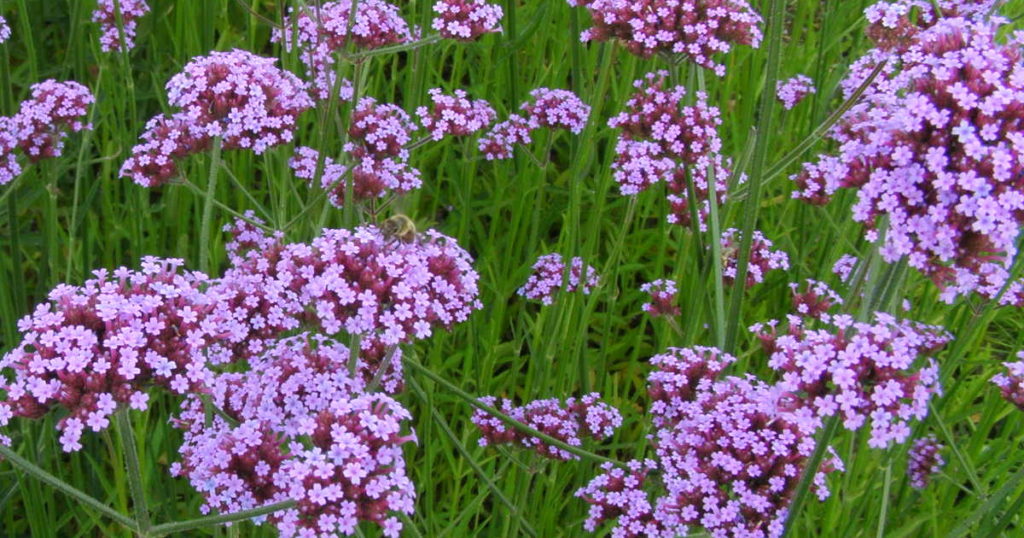
Verbena hybrida, a South American native, forms low, sprawling mats of dark-green foliage topped with clusters of tiny flowers in purple, pink, red, or white. It’s well-mannered in temperate gardens—self-seeding lightly at most. Shearing off spent clusters keeps the blossoms coming, effectively carpet-bombing your garden with continuous color.
Beyond looks, verbena’s dense groundcover suppresses weeds and creates humid microclimates where beneficial insects like parasitic wasps and ladybugs thrive. The flat-topped flower clusters also serve as convenient landing platforms for larger butterflies. Every time I pass my verbena patch, a new butterfly or loveable hoverfly awaits!
Celosia (Cockscomb)

Celosia cristata, native to tropical Africa and Asia, dazzles with velvety crests or feathery plumes in fiery reds, oranges, and yellows. Not invasive, but vigorous—deadhead to prevent volunteers if you’d like stricter control. These sculptural blooms thrive in heat and sun, standing tall from June until frost.
Their plumes also attract small bees and butterflies, and I’ve even spotted hummingbird moths sampling their nectar on warm afternoons! The compact root zone beneath can house ground-nesting bees, which appreciate the warm, bare soil. A bit of compost and consistent watering during dry spells keeps those flower spikes upright and spectacular.
Zinnia
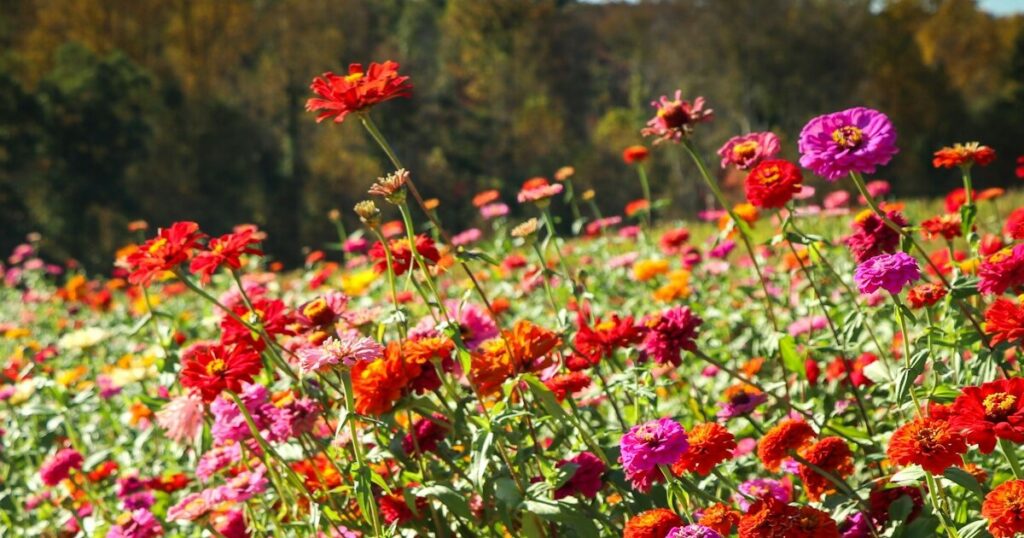
Zinnia elegans, originating in Mexico, is beloved for its vast color palette and long bloom time. It won’t escape cultivation, though volunteers appear if you allow seedheads to mature—deadheading focuses the plant on fresh flowers! Zinnias prefer rich, well-drained soil and full sun, rewarding you with endless daisies, pompoms, and cactus-form blooms.
They’re power-houses for pollinators: monarchs, swallowtails, and tiny native bees all flock to their nectar. I can’t help but grin when I see hummingbirds darting through a zinnia patch. Their sturdy stems also make fabulous cut flowers, so you can bring a bit of the garden’s sunshine indoors.
Lantana

Lantana camara, native to tropical America and Southeast Asia, can be invasive in frost-free zones; however, annual cultivars remain contained in most home gardens. The clustered flowers shift color as they age—often from golden yellow to deep pink—creating a living rainbow that blooms continuously without much fuss.
Those vibrant clusters are butterfly magnets—painted ladies, monarchs, and swallowtails all flock to the nectar-rich florets! I’ve also seen mason bees nesting in nearby crevices, taking advantage of the gentle shelter provided by the coarse lantana foliage. It’s like having a butterfly conservatory right on your patio.
Petunia
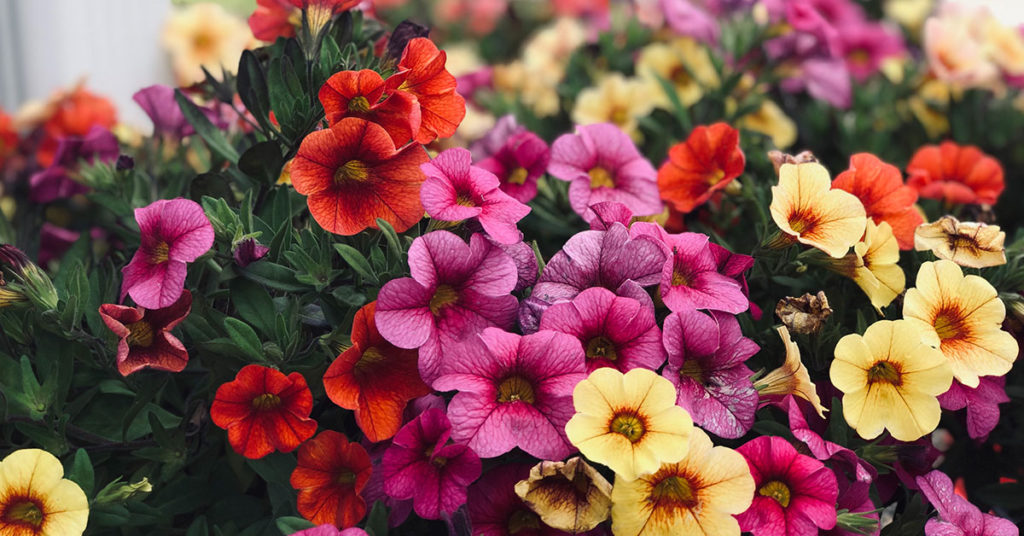
Petunia hybrida, from South America, has been hybridized into everything from trailing basket drippers to upright bedding heroes. Not invasive, though sowing seedheads produces volunteers the next season. Their trumpet-shaped blooms open in countless hues—and many release a sweet fragrance at night!
Petunias draw hummingbirds, bumblebees, and even nocturnal moths—one of my favorite summer memories is sipping iced tea at dusk and inhaling those fragrant blossoms! Small mining bees also nest in the warm soil around the containers. A light feeding every few weeks and regular deadheading ensures bloom after bloom.
Cleome (Spider Flower)
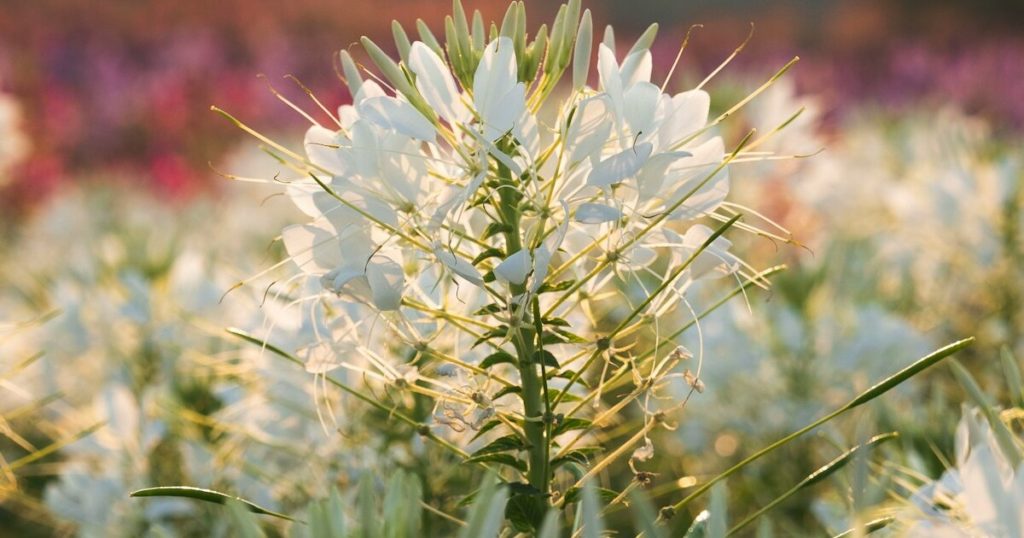
Cleome hassleriana, native to South America, produces tall, airy spires adorned with whiskery stamens—like some fantastical spider couture! It’s not invasive in most areas, though self-seeders can appear; deadhead to keep it tidy. Full sun and lean soil are all it asks, and those four- to five-foot spikes bloom continuously from midsummer until frost.
The elongated flowers are irresistible to hummingbirds, butterflies, and bumblebees, which hover and dart among the petals! I love watching ruby-throated hummingbirds work their way up each stalk, pausing at every bloom. Cleome transforms any border into a dramatic, wildlife-rich spectacle.
Salvia (Annual Salvia)
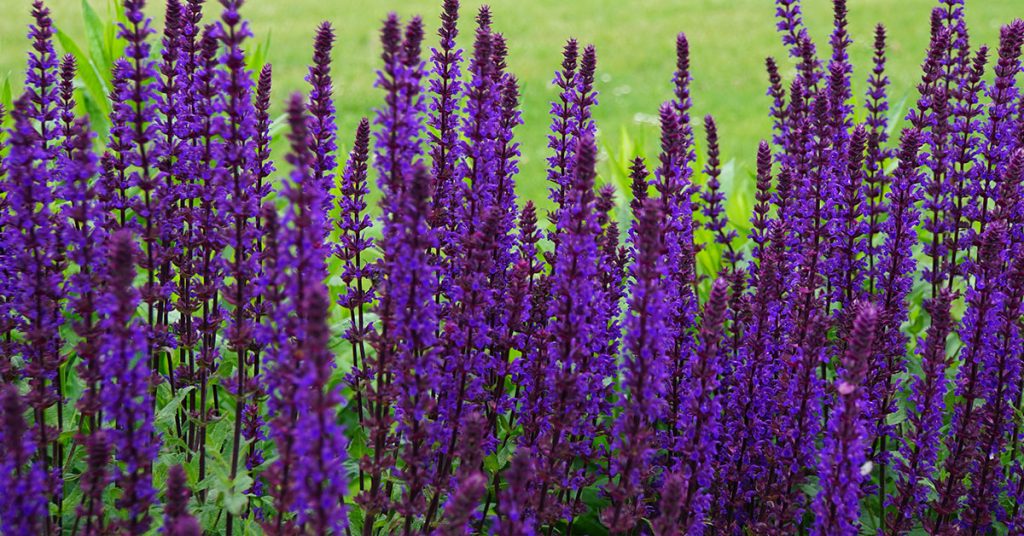
Salvia splendens, known as scarlet sage, hails from Brazil and thrives in heat and humidity without running wild. Its upright spikes of tubular red, purple, or blue flowers bloom nonstop from June until frost. I’ve seen entire hummingbird populations descend on a single salvias planting—those blooms are a true nectar highway!
These salvias also host nesting carpenter bees and other solitary bees that carve tunnels in nearby wood or soil. Watching those bees emerge and forage along the flower spikes is a daily reminder of why I garden—to foster these wonderful interactions! Pinch back spent tips after the first flush for exuberant side-shoot blooms.
Portulaca (Moss Rose)

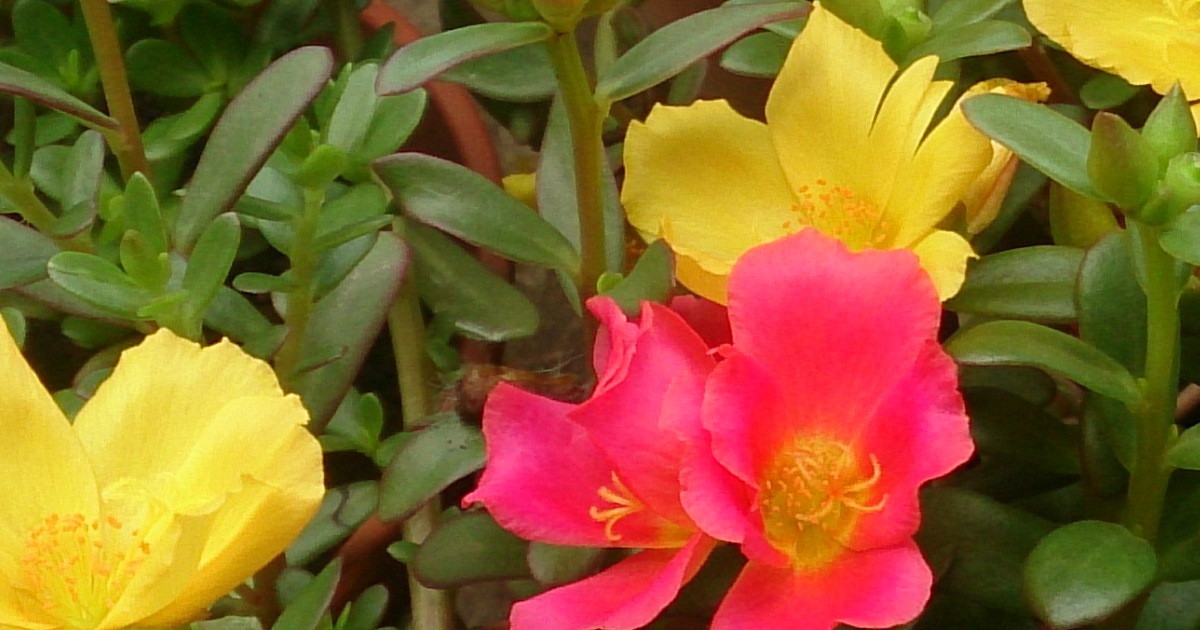
Portulaca grandiflora, native to South America, thrives in hot, dry conditions where other annuals might wilt. Its succulent leaves store water, and the rose-like blooms open in blazing sun and close on cloudy days—a daily surprise of color! It self-seeds only sparingly, so it’s well-behaved in beds and containers.
The mat-forming habit creates living mulch that suppresses weeds, and those vibrant blooms are magnets for native bees and small butterflies seeking nectar. I often spot little sweat bees nesting in bare soil nearby, taking advantage of the shelter under the foliage. I pinch spent flowers sometimes, but I also love the dried-flower interest they provide!