

Creating a vibrant patch of annuals that hums with the flutter of tiny wings is such a thrill! Hummingbirds are drawn to bright, tubular blooms loaded with nectar, and by choosing the right flowers you’ll enjoy their acrobatic visits all season long. I know how disappointing it feels when your garden looks lovely but the hummers just zoom right past—let’s make your yard irresistible!
In this guide, we’ll explore 12 standout annuals—each in a randomized order—detailing how they entice hummingbirds, their native origins, any invasive tendencies, and even how they support other beneficial wildlife like pollinators or nesting insects. Grab your trowel and let’s plant a hummingbird haven!
Lobelia (Lobelia erinus)
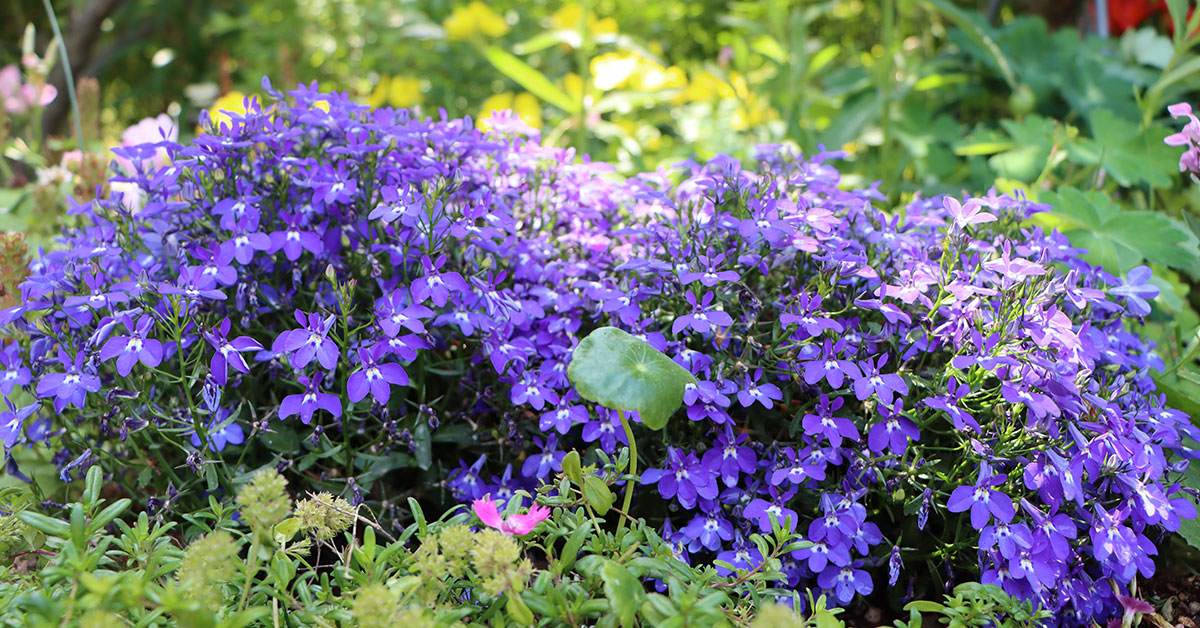
Lobelia’s delicate, cobalt-blue blossoms form dense carpets of tubular flowers that hummingbirds can’t resist! I love sowing lobelia around the edges of containers or hanging baskets—each tiny bloom creates a buffet of nectar for hovering hummingbirds, and its cool hue provides a stunning contrast to warmer reds and oranges.
Native to southern Africa and parts of Europe, Lobelia erinus isn’t considered invasive but flourishes in moist, well‑drained soils with partial shade. Beyond hummers, its rich flowers attract bees and small butterflies, while ground‑nesting pollinators often find shelter in the low, leafy mats. If your summer garden needs a pop of color and a hummingbird magnet, lobelia is a perfect choice!
Cosmos (Cosmos bipinnatus)
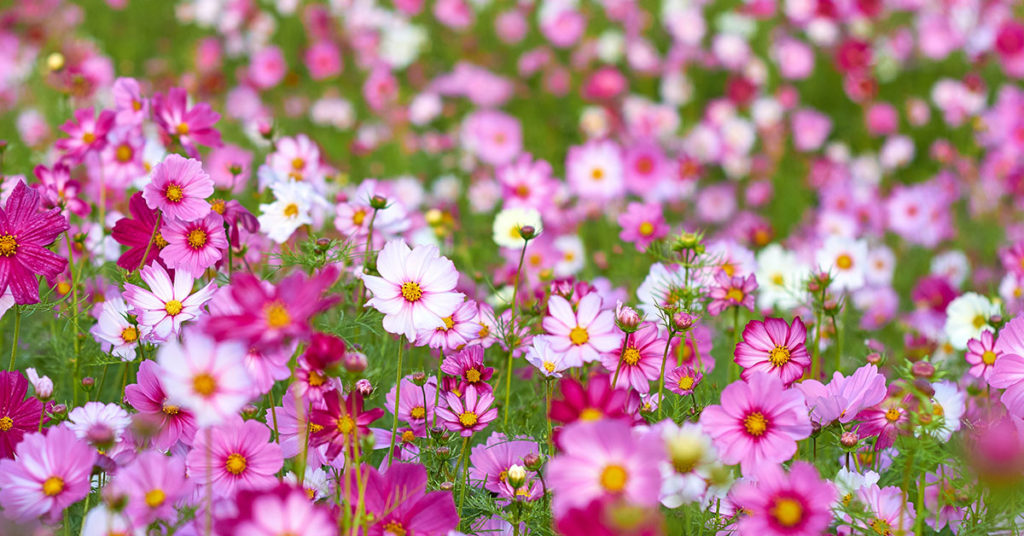
Cosmos’s open, daisy‑like flowers might seem simple, but those wide, nectar‑rich centers are hummingbird favorites! Planting cosmos in beds and borders creates vertical interest—with tall, airy stems that allow hummers to dart among the blossoms, sipping deep into the nectary tubes.
Originating from Mexico, cosmos is not invasive but self‑sows readily if you let the spent flowers go to seed. That’s a bonus if you love volunteers popping up next year! Bees, syrphid flies, and even ladybugs are drawn to cosmos, and the loose soil beneath mature clumps provides ideal nesting ground for solitary bees and beetles. For a carefree, hummingbird‑friendly showstopper, cosmos can’t be beaten!
Scarlet Sage (Salvia splendens)

One of my favorite annuals for hummingbirds, Scarlet Sage bursts into bloom with upright spikes of fiery red flowers. These tubular blooms are tailor‑made for a hummingbird’s bill, and watching them hover at each spike, wings a blur, always makes me grin!
Native to Brazil, Salvia splendens isn’t invasive in most climates, though it thrives in heat and sun. Pollinators like bees and butterflies also visit the blooms, and the sturdy stems offer perching sites for small birds. I plant sages in groups of three or more to create dazzling “hummingbird highways” through the garden—nothing beats that rush of activity on a sunny afternoon!
Fuchsia (Fuchsia × hybrida)

Fuchsia’s drooping, lantern‑shaped blossoms are practically designed for hummingbirds! I love tucking fuchsias in shaded containers or hanging baskets—those pendulous flowers sway gently in the breeze, beckoning hummers to slip inside each bloom for a sweet treat.
Though many fuchsia varieties are tender perennials in their native Central and South America, we grow them as annuals in cooler areas. They’re not invasive, but they need rich, moist soil and filtered light to flourish. Beyond hummingbirds, flower flies and even small wasps visit for nectar, while the dense foliage gives shelter to beneficial predatory insects that help keep aphids in check.
Celosia (Celosia plumosa)

Celosia’s flame‑like plumes in red, orange, and gold are impossible to ignore—and neither are the hummingbirds they attract! Those feathery blooms are packed with tiny nectaries, and I often spot hummers weaving through a celosia patch like miniature golden dancers.
Native to tropical Africa, celosia isn’t invasive but prefers full sun and well‑drained soils. Its airy structure allows airflow to ward off fungal issues, and when the flowers dry in autumn, they continue to feed seed‑eaters like finches. Ground‑nesting bees also utilize the bare spots between plants, making celosia a multitasking marvel in any annual display!
Impatiens (Impatiens walleriana)
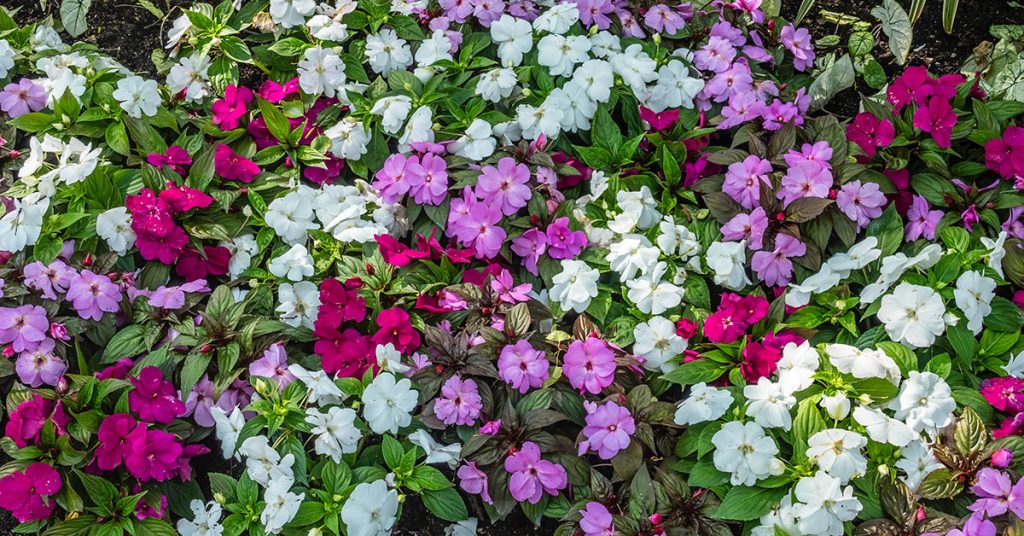
In shady corners where many hummingbird‑attracting plants struggle, Impatiens walleriana shines! Its bright, funnel‑shaped flowers in reds and pinks offer easy nectar access, and I adore lining cool, damp garden beds with impatiens to welcome hummers that flock to shade gardens.
Originally from East Africa, impatiens aren’t invasive but can succumb to downy mildew in overly wet conditions—good drainage is key. Beyond hummingbirds, they support butterflies and hoverflies, and the thick foliage provides habitat for ground‑dwelling insects and occasional froglets seeking cover. If your garden has shady nooks, impatiens are a must for hummingbird hospitality!
Morning Glory (Ipomoea purpurea)
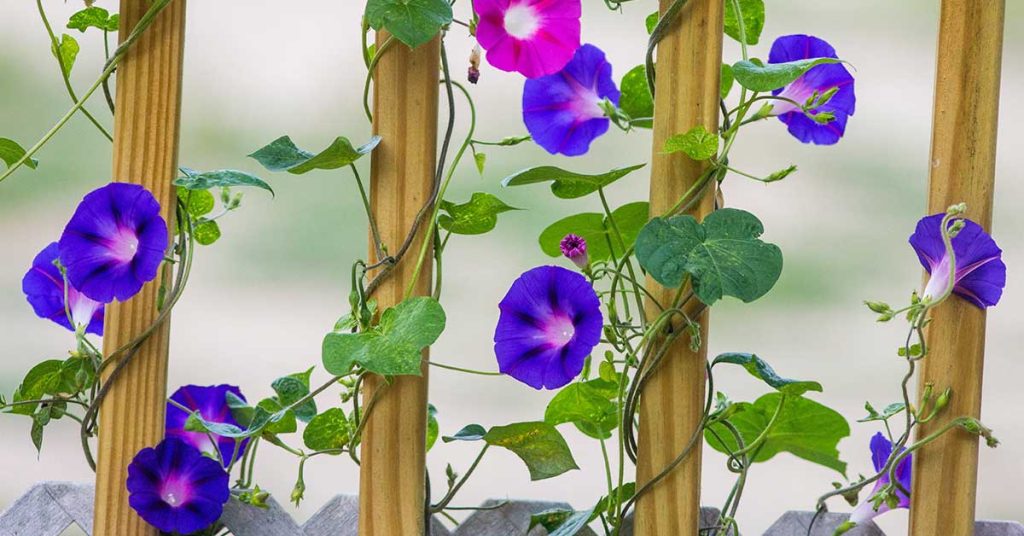
Few annual vines capture the sunrise like Morning Glory, with trumpet‑shaped blooms that open at dawn—perfect for early‑rising hummingbirds! Plant them on trellises or fences, and you’ll enjoy a living wall of pinks, purples, and whites, each flower offering a fresh nectar well for visiting hummers.
Native to Central America, Morning Glory can self‑seed prolifically and become weedy, so pinch off spent vines if you want to prevent volunteers. Its twining stems also attract bees and hummingbird moths, and the leaves can provide shade and nesting support for small songbirds. One of my favorite morning rituals is sipping coffee while watching the first flowers unfurl with hummingbirds darting among them!
Cuphea (Cuphea ignea)
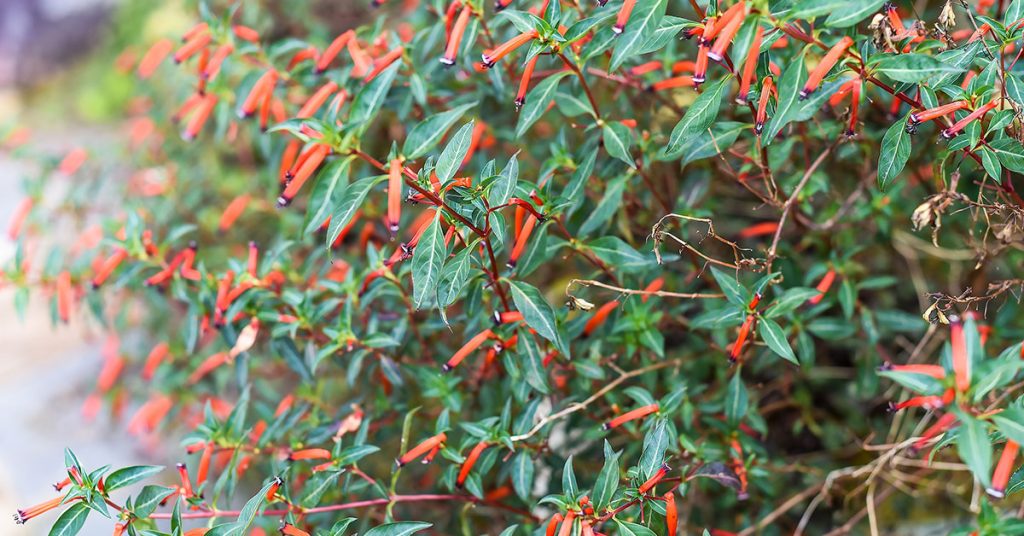
Commonly called the Cigar Plant, Cuphea ignea sports tubular, orange‑red blooms that hummingbirds treat like tiny fuel stations. I love using cuphea as a low hedge or bedding plant—its 6–12‑inch height stamps a neat border that pulses with hummingbird activity all summer!
Native to Mexico and Cuba, cuphea isn’t considered invasive but appreciates well‑drained soil and full sun to partial shade. Bees visit the flowers too, and the plant’s compact form offers shelter for beneficial insects like ladybugs and lacewings. For a charming, hummingbird‑friendly edging, cuphea fits the bill beautifully!
Snapdragon (Antirrhinum majus)
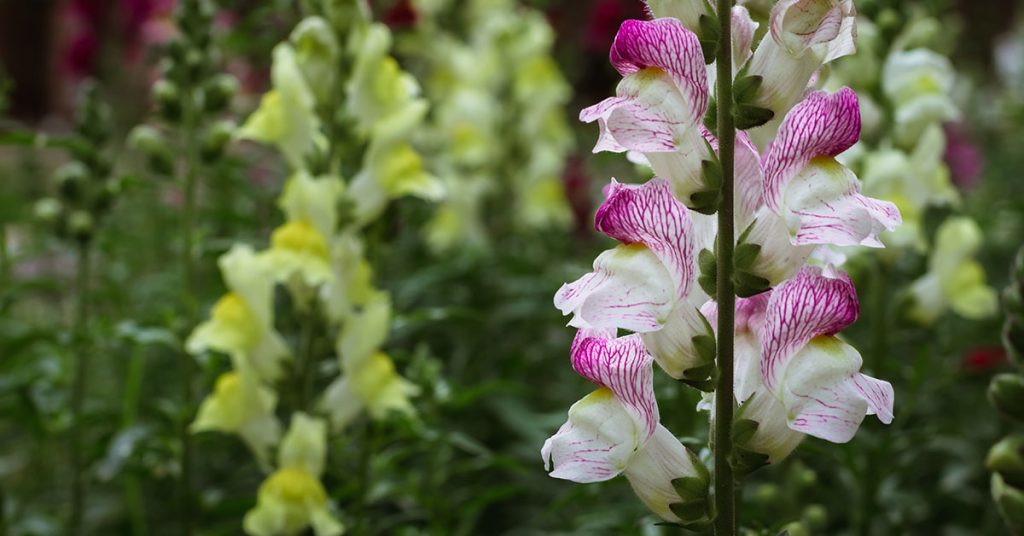
Snapdragons aren’t just whimsical—those dragon‑mouth flowers are perfect for mid‑season hummingbird snacks! I scatter snapdragons in mixed beds, and hummingbirds love probing the keel‑shaped blooms, especially in vibrant reds, oranges, and pinks.
Native to rocky areas of the Mediterranean and Middle East, snapdragons self‑sow if you allow spent blossoms to mature. They’re not invasive but prefer cool temperatures and moist, fertile soil. Aside from hummingbirds, bees of all sizes frequent snapdragons, and small butterflies occasionally rest in the tubular blooms—snapdragons truly enliven a garden!
Zinnia (Zinnia elegans)
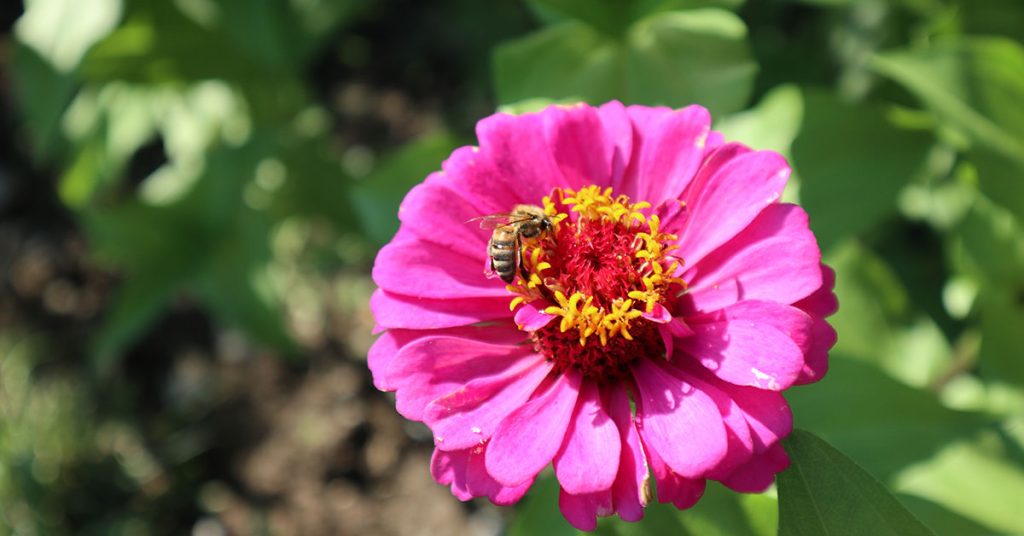
Zinnias are crowd‑pleasers for both gardeners and hummingbirds with their bold, daisy‑like blooms in every hue. I plant extra‑tall zinnias in the back of beds to create “hummingbird highways,” where they can zip from flower to flower in a darting display of aerial gymnastics!
Originating from Mexico, zinnias aren’t invasive but can self‑seed freely, giving you bonus plants next season. Their open faces attract butterflies, bees, and even predatory insects like assassin bugs— all of which contribute to a balanced garden ecosystem. Zinnias’ long bloom time means your hummingbird show can last from summer right into fall!
Petunia (Petunia × hybrida)
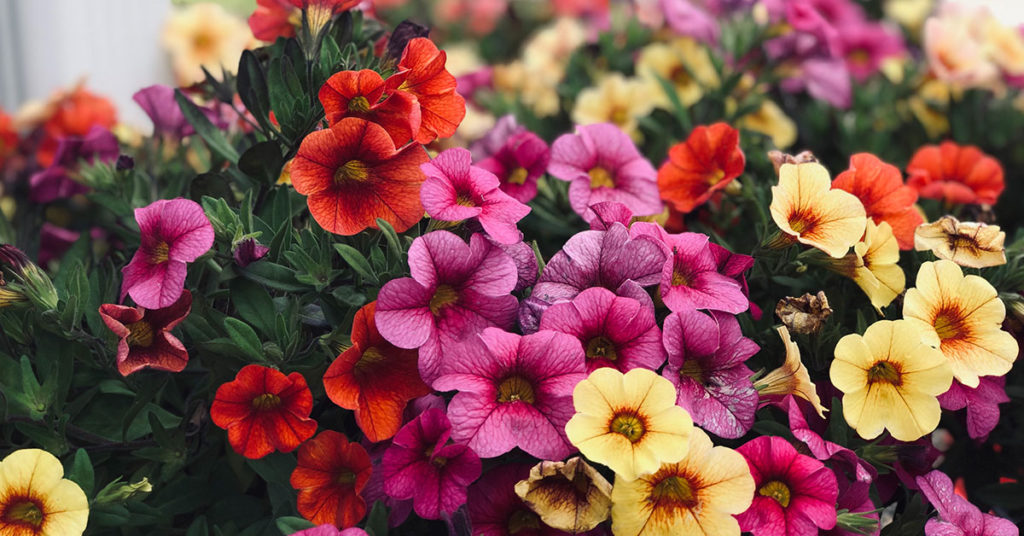
Petunias’ wide, trumpet‑shaped flowers are magnets for hummingbirds seeking sweet nectar—and they bloom nonstop in rich reds and purples! I often fill window boxes with cascading petunias, creating a colorful highway that hummers can’t help but follow.
A hybrid of South American wild species, petunias aren’t invasive but thrive in full sun and well‑drained soil. They also draw butterflies and bees, and the dense foliage offers hiding spots for beneficial ground beetles. Petunias’ versatility—bedding, containers, hanging baskets—makes them a top choice for flutter‑filled gardens!
Flowering Tobacco (Nicotiana alata)
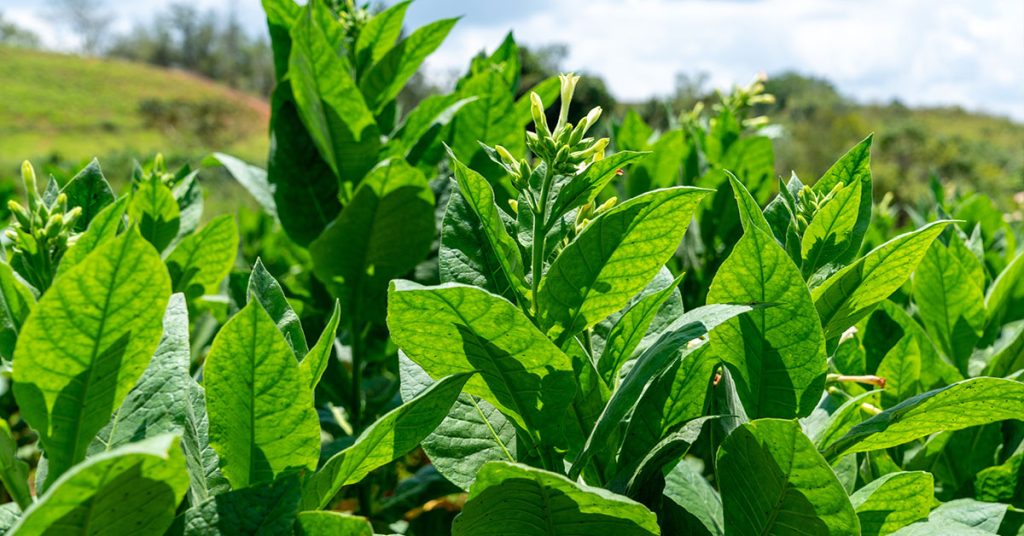
Nicotiana alata’s tubular, fragrant blooms open in late afternoon and release a sweet scent that beckons night‑feeding hummingbird moths as well as daytime hummers. Plant these tall annuals near walkways or porch lights for a magical twilight display of sipping visitors.
Native to South America, Nicotiana alata self‑sows lightly but isn’t invasive. It prefers rich, moist soil and partial shade in hotter regions. Beyond hummingbirds, sphinx moths are frequent guests, and the foliage provides cover for toads and small ground‑dwelling pollinators. Flowering tobacco adds both fragrance and ornithological delight to any garden!