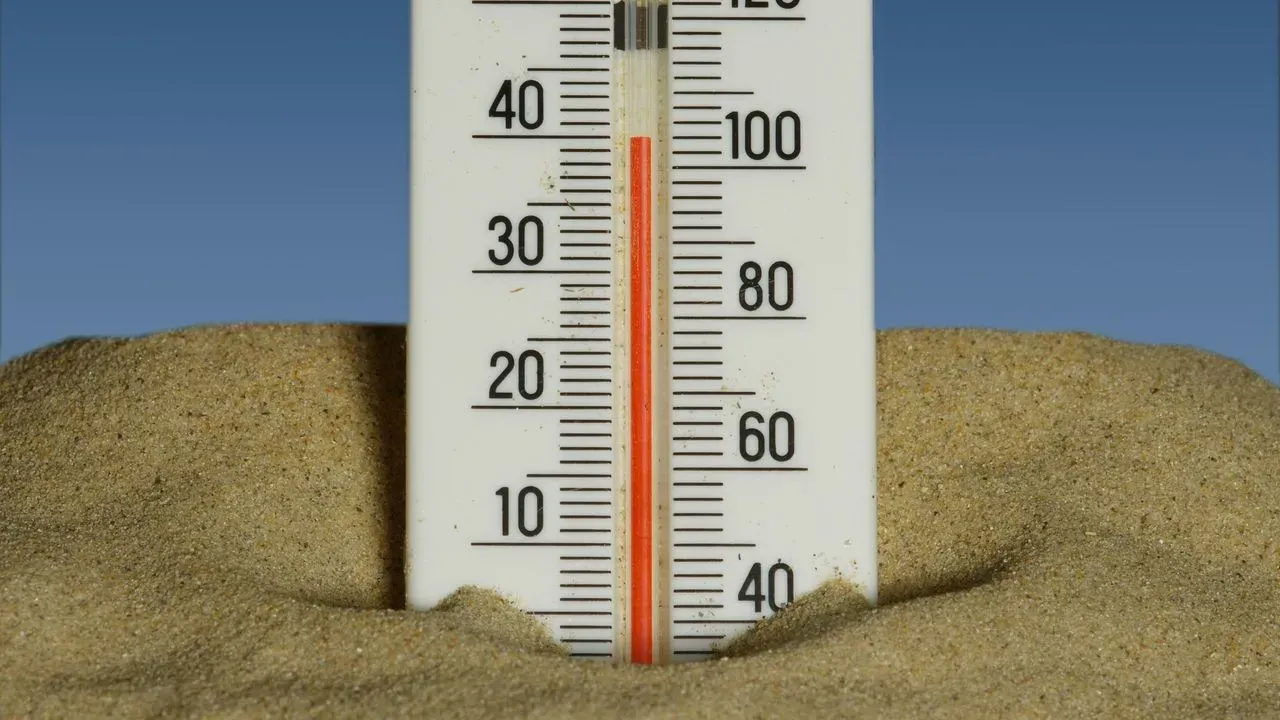

Las Vegas Valley – The National Weather Service has issued an extreme heat warning for Southern Nevada that begins Thursday and runs through Sunday, with daytime highs forecast to hit 110 degrees across the Las Vegas Valley. This stretch marks a return of sustained high temperatures that can stress even well-adapted desert landscapes. Gardeners face immediate questions about how their plants, soil, and outdoor spaces will hold up under such conditions.
Understanding the Warning Timeline
The alert covers a four-day period when overnight lows may offer little relief, keeping plants under continuous thermal pressure. Forecasters note that the combination of intense daytime heat and limited cooling at night increases the risk of cumulative damage. Residents who maintain gardens, lawns, or container plantings will need to adjust routines quickly to limit stress on vegetation.
Effects on Desert Plants and Soil
At these temperatures, many plants experience accelerated water loss through leaves and stems, even when roots have access to moisture. Soil surfaces can dry and crust rapidly, reducing the ability of water to reach deeper root zones. Established desert species may show leaf scorch or wilting by midweek, while younger or recently planted specimens face higher risks of root damage if irrigation cannot keep pace. Soil microbes that support plant health also slow their activity, potentially affecting nutrient availability in the days that follow.
Practical Steps Gardeners Should Take
Watering schedules require adjustment to early morning or late evening applications that minimize evaporation. Deep, infrequent soakings help encourage roots to draw from lower soil layers rather than surface moisture that disappears quickly. Mulch layers around the base of plants can reduce soil temperature and retain humidity near the roots.
– Move potted plants to shaded areas or provide temporary shade cloth during peak afternoon hours.
– Avoid fertilizing or pruning, as these activities can add further stress when plants are already conserving energy.
– Monitor for signs of heat stress such as drooping or browning leaf edges and respond with targeted watering rather than blanket applications.
Looking Ahead After the Heat Passes
Once temperatures moderate, gardeners can assess recovery by checking soil moisture at several inches below the surface and observing new growth. Some plants may rebound within days, while others could require supplemental care through the remainder of the season. Continued attention to consistent watering and protection from additional heat spikes will support long-term resilience in Southern Nevada landscapes.
AI Disclaimer: This article was created with the assistance of AI tools and reviewed by a human editor.