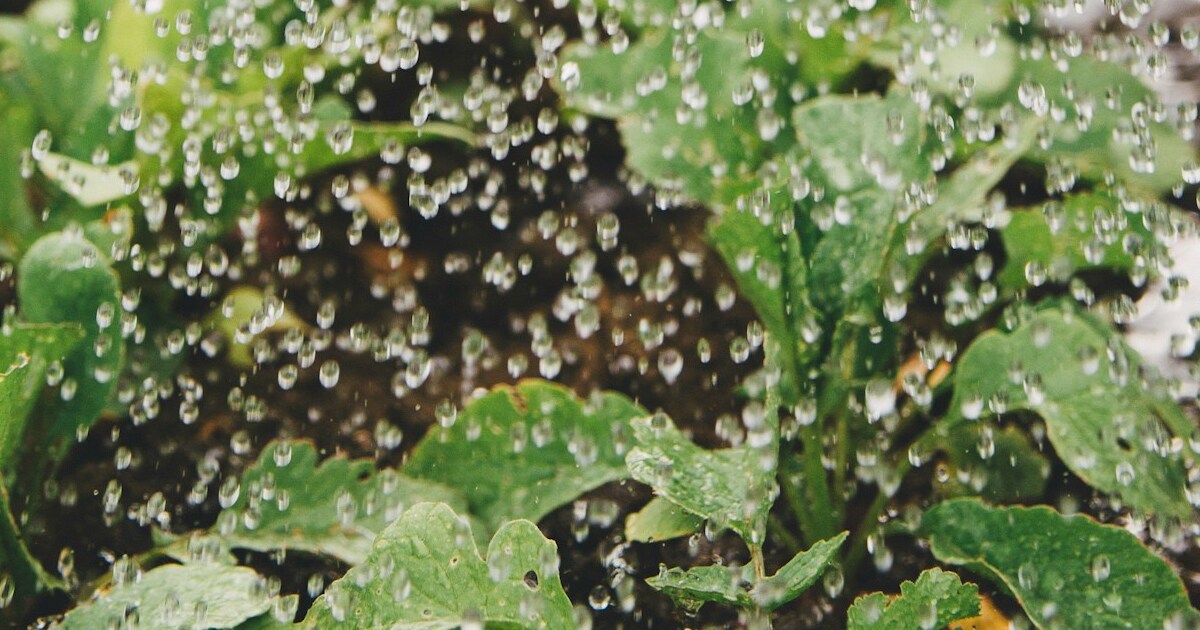

Rain is nature’s most generous gift to gardeners, delivering free, soft water that nourishes roots, washes away dust, and replenishes the soil’s moisture reserves. I know how frustrating it is when you haul hoses around only to realize that a light shower just did the job! By embracing and directing rainfall, you can reduce your water bills, boost plant health, and even create vibrant microhabitats for beneficial wildlife.
Whether you’re dealing with a deluge or a gentle mist, there are countless strategies to capture, channel, and leverage every drop. From installing rain barrels to planting moisture-loving natives, each approach comes with its own ecological perks—like attracting frogs that snack on slugs or inviting hoverflies that prey on aphids. Ready to turn rainy days into garden wins? Let’s dive into a eleven actionable ways to make the most of the showers!
Encourage Amphibians and Beneficial Wildlife

Creating small, shallow puddles or a mini-pond where rainwater collects invites frogs, toads, and dragonflies into your garden. Frogs (e.g., the native American bullfrog) love to nest near water, and their tadpoles help keep mosquito larvae in check. By shaping a low point in your yard or sinking a waterproof container into the soil, you foster a living pest-control team that thrives on rainy days!
One of my favorite weekend projects is carving out a shallow basin and lining it with pond-safe clay—no plastic! As rain fills the basin, you’ll spot darting damselflies and hear the evening chorus of tree frogs. It’s such a treat to watch these amphibians take up residence, and knowing they’re munching garden pests makes every rainfall feel like a win.
Build a Rain Garden

A rain garden is a shallow depression planted with water-tolerant species that soak up runoff from roofs and driveways. By selecting native plants like swamp milkweed (Asclepias incarnata), which hails from North America’s wetlands and isn’t invasive, you create a vibrant, living filter that slows erosion and purifies water. The deep roots of these plants help rain soak into the ground rather than rushing away!
I once transformed a soggy corner of my yard into a thriving rain garden, and within weeks I spotted nesting bees among the pickerelweed (Pontederia cordata), another native powerhouse. It’s amazing how quickly wildlife discovers these mini-wetlands, turning what was once a mucky spot into a buzzing habitat of beneficial insects and birds.
Harvest Rainwater with Barrels and Cisterns

Installing rain barrels beneath your downspouts is a classic method of capturing soft, chlorine-free water for your plants. A 55-gallon drum can supply dozens of waterings after a heavy shower. I like to place mine near my herb beds so I don’t have to lug heavy watering cans—one twist of the spigot and basil, parsley, and oregano get a refreshing drink!
For larger gardens, consider a cistern or multi-barrel system. Divert excess water into these storage units, and you’ll have reserves through summer droughts. And bonus: a gentle trickle into the barrel attracts house sparrows and goldfinches, which often bathe in the overflow tray—a charming spectacle and free pest patrol.
Mulch to Retain Moisture

After a good rain, spread a two- to three-inch layer of organic mulch—like shredded bark or leaf mold—around your plants. Mulch slows evaporation, locks in moisture from that rainfall, and regulates soil temperature. I love the earthy smell of pine bark after a light drizzle; it feels like the forest is helping me nurture my veggies!
Beyond moisture retention, mulch offers hiding places for ground beetles and spiders that feast on slugs and cutworms. These predators often set up nesting sites beneath the mulch, patrolling your garden beds and turning rainy nights into prime hunting grounds.
Create Swales for Irrigation

Swales are shallow, level-bottomed ditches that follow the land’s contour, channeling rainwater slowly through your landscape. By digging a swale across a gentle slope and planting along its edges, you allow water to seep into the soil rather than rushing downhill. Swales can be lined with native sedges like Carex vulpinoidea, which naturally thrives in North American wet meadows and is non-invasive.
I installed my first swale after watching a heavy storm carve gullies in my flower beds—what a revelation! Now, instead of erosion, I have a self-watering berm lined with moisture-loving flowers like swamp aster, and even nesting frogs have taken up residence in the damp soil.
Direct Seed After Showers

Soft, rain-saturated soil is the perfect medium for direct seeding hardy annuals and native wildflowers. Grab a mix of California poppies (Eschscholzia californica), native to, well, California and known for not spreading uncontrollably, and scatter them over damp ground. The seeds settle nicely and germinate quickly without extra watering!
I remember tossing seeds of blanket flower into my damp bed one spring—within a week, tiny green sprouts appeared, and by summer I was marveling at hummingbirds diving into those bright blooms. It’s such an easy way to turn rain into a cascade of blossoms.
Flush Soil Salts Naturally
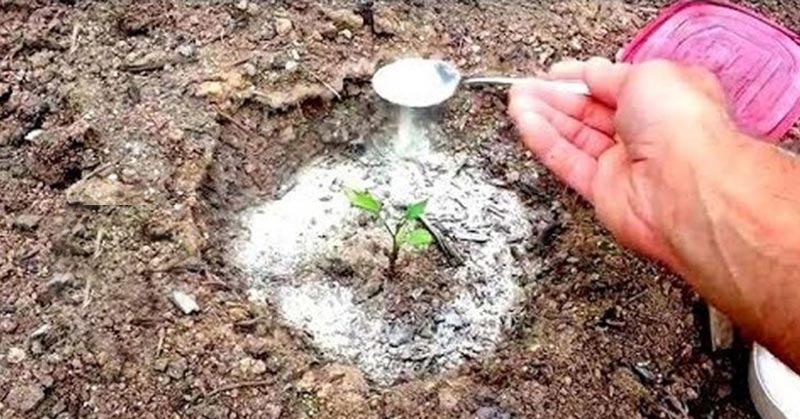
If you live in an area with hard tap water, salts can accumulate in the soil, hindering plant growth. A heavy rainfall acts like a natural leaching event, washing excess salts below the root zone. After the rain stops, resist the urge to water immediately; let the soil finish its flushing process, then top-dress with compost to lock in moisture and nutrients.
I once battled yellowed tomato leaves from saline buildup—then a week of steady rain revived them without a drop from my hose! Those rescued plants went on to produce some of the juiciest fruits I’ve tasted.
Brew Nutrient-Rich Compost Tea

Collect rainwater in a bucket, then use it to brew compost tea. The mild acidity and microbial richness of rainwater boost beneficial bacteria and fungi extracted from compost. Aerate the mixture for 24–48 hours, strain, and apply as a foliar spray or soil drench. Your soil food web will thank you!
It’s such a joy to water my seedlings with this golden-brown elixir, knowing they’re getting a microbial feast. Plus, rainwater prevents chlorine from disrupting the delicate tea culture, leading to a stronger, healthier brew.
Channel Downspouts into Planter Beds
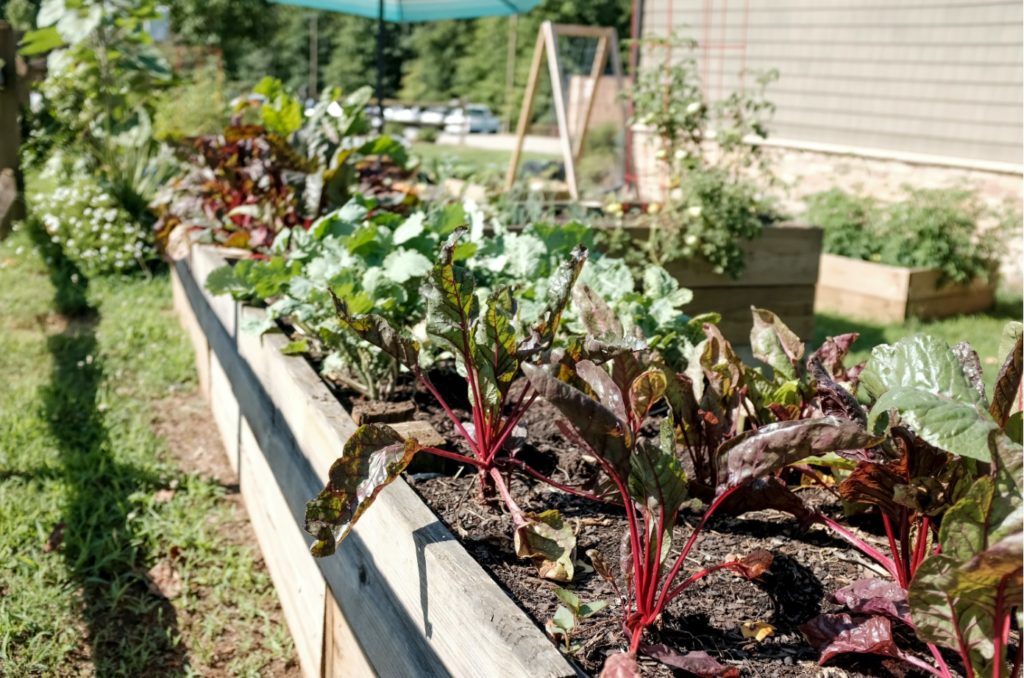
Instead of dumping roof runoff onto your lawn, redirect downspouts into your raised beds or container gardens. This trick ensures your edibles get a steady supply of fresh rainwater, rich in nitrogen and low in salts. A simple elbow joint and gravel-filled trench can carry water directly to thirsty roots.
One of my favorite late-spring rains soaked my strawberry patch for free—no hose required! The plants perked up overnight, and within days I spotted tiny harvests peeping through their glossy leaves.
Use Rain Chains as Decorative Funnels

Rain chains replace plain gutters with a series of interconnected cups or links, creating a graceful water feature. As rain cascades down, it’s fun to listen to the tinkling sound and watch the flow guide water into decorative basins or barrels. Japanese-inspired copper rain chains, though not native here, add an elegant touch without risk of invasion!
I installed a bamboo-style chain last year, and guests always pause to admire the performance. Meanwhile, I count the gallons collected and dream of how I’ll use that soft water on my rosemary and sage.
Install French Drains for Excess Water

In areas prone to waterlogging, a French drain—a gravel-filled trench with a perforated pipe—can whisk away surplus rainwater to a soakaway or dry well. This prevents root suffocation in heavy soils and keeps pathways from turning into mud baths. Surround the drain outlet with hardy groundcovers like creeping thyme (native to the Mediterranean and non-invasive in most climates) to soften its appearance.
After a torrential spring storm threatened to drown my blueberry patch, I dug in a French drain. Now, even drenching rains run off neatly, and I still enjoy the sight of bees nesting among those tiny thyme flowers at the drain’s edge.