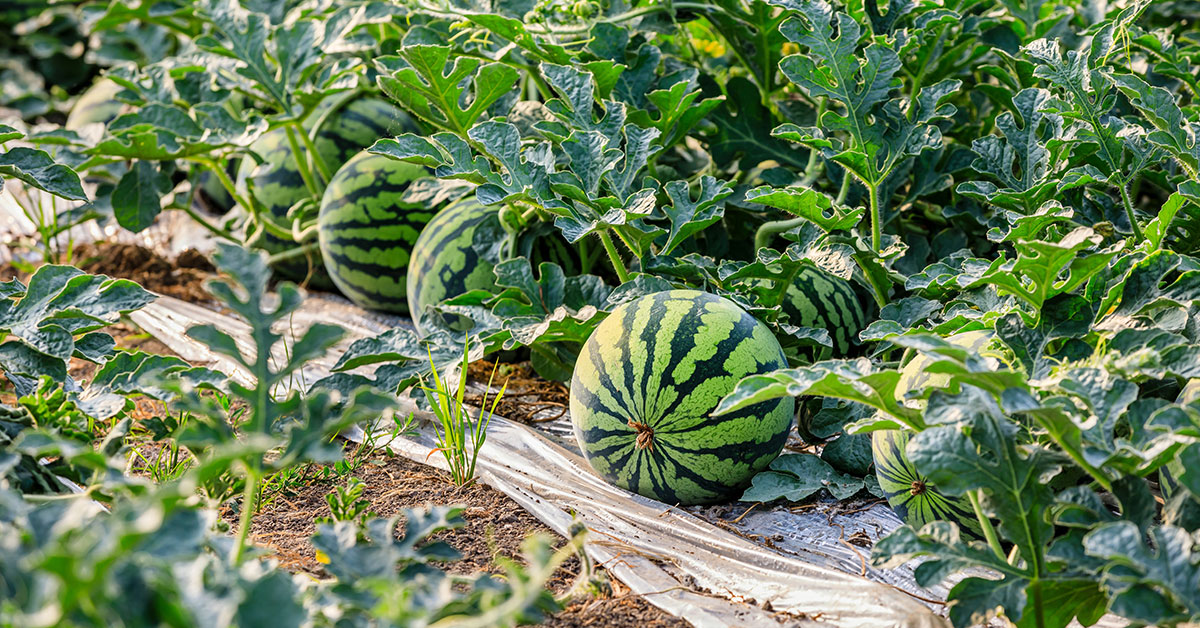

There’s nothing quite like the thrill of growing your very own giant watermelons—those massive, juicy fruits that become the centerpiece of summer barbecues and family gatherings! As a dedicated gardener, I know how frustrating it is when pests invade your garden or when space limitations and unpredictable weather hinder your harvest dreams. Over the years, I’ve learned that achieving an abundant, impressive watermelon crop requires a blend of careful planning, proper techniques, and a touch of nature’s magic. In this article, I’m excited to share 11 practical tips that will help you build a thriving giant watermelon garden this year!
From selecting the right variety and preparing rich soil to employing effective trellising and natural pest management, these tips have been tried and tested in my own garden. I love the way each step not only boosts plant health but also attracts beneficial insects and even provides little nesting spots for tiny critters, adding to the vibrancy of your garden ecosystem! Whether you’re an experienced green thumb or just getting started, these strategies promise to transform your gardening experience and deliver a bountiful harvest of giant watermelons that will impress friends and family alike!
Choose the Right Watermelon Variety
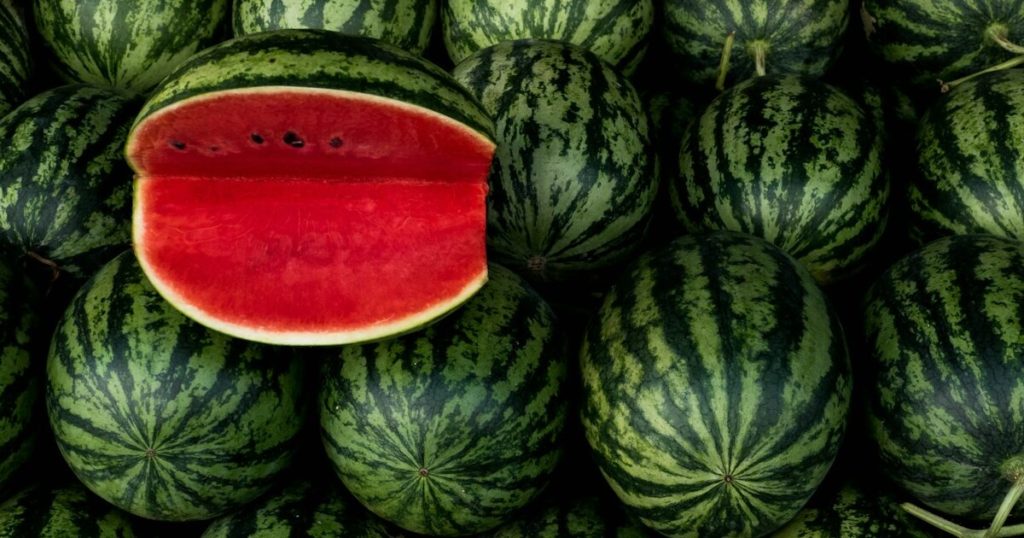
Selecting the right watermelon variety is the foundation of a successful harvest. For giant watermelons, look for cultivars specifically bred for size and robust growth—varieties that have been developed in warm regions of Africa and South America. These watermelons are non-invasive in a managed garden setting and thrive in expansive, nutrient-rich soil, giving you the best chance to achieve those hefty fruits. When starting with quality seeds or transplants, you set the stage for a vigorous garden that can withstand occasional cold spells or unexpected pests.
In my own garden, choosing the right variety made all the difference! The vigorous growth and lush foliage of my giant watermelon cultivars not only create a natural spectacle but also attract beneficial pollinators like bees and even small butterflies. I’ve seen these pollinators alight on the flowers, supporting the plant’s reproduction process and naturally enhancing the fruit set. Opting for the ideal variety is a critical first step toward nurturing a garden that yields impressive, picture-perfect watermelons.
Start Seeds Indoors Early
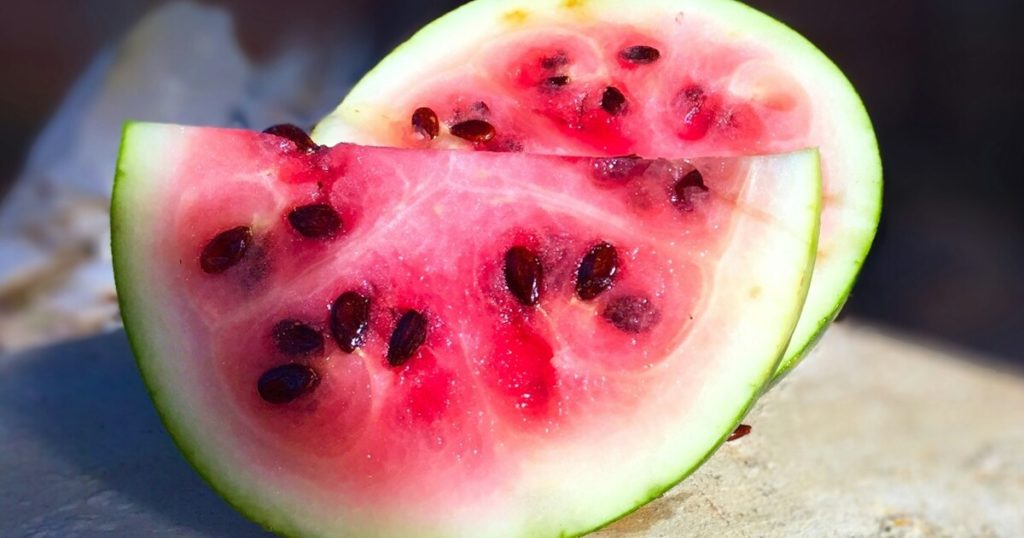
Starting your seeds indoors gives your watermelon plants a head start and ensures they have a longer growing season—a key factor for achieving giant fruits. Watermelons are native to warm climates, so providing a controlled environment with plenty of light and warmth mimics their ideal conditions, helping the seedlings develop strong, healthy roots. This controlled start means you can transplant robust vines into your garden when the danger of frost has passed, setting the stage for an explosive growth spurt outdoors.
I’ve found that indoor seed starting not only boosts overall plant vigor but also improves the garden’s natural ecosystem. When the seedlings are finally transplanted, their established root systems attract a variety of beneficial insects—small bees and hoverflies are often seen buzzing around the early blooms. This initial boost creates a thriving microhabitat and promotes better pollination in the field. Starting seeds indoors is an investment in a robust harvest that truly pays off as those giant watermelons begin to form!
Prepare Deep, Nutrient-Rich Soil

Watermelon plants are heavy feeders, and preparing deep, nutrient-rich soil is essential for supporting their rapid growth and enormous fruit production. Watermelons, native to tropical regions of Africa and South America, thrive in loose, well-aerated soil that’s rich in organic matter. Before planting, work in plenty of compost and well-rotted manure to create a fertile foundation that encourages deep root penetration and maximum yield. This non-invasive, natural approach not only improves soil structure but also ensures your garden remains sustainable and vibrant.
In my own garden, taking the time to prepare the soil has had a dramatic impact on my watermelon harvest. Healthy, nutrient-dense soil attracts beneficial microorganisms and earthworms, which naturally aerate the earth and enrich the nutrient cycle. These tiny allies not only foster strong root growth but also create a balanced ecosystem that supports overall plant health. A deep, rich soil bed is like a nutritious meal for your watermelons—it sets them up for explosive growth and unprecedented fruit size!
Provide Adequate Space and Structure

Giant watermelons need room to sprawl, so providing ample space and robust support structures is key. As a member of the Cucurbitaceae family, watermelons are native to wide-open fields in tropical regions and require sprawling vines to reach their full potential. To accommodate this, ensure your garden has plenty of room—or use innovative vertical gardening methods where vines can cascade from trellises. Proper spacing prevents overcrowding and promotes healthy air circulation, which is crucial for minimizing diseases such as powdery mildew.
In my garden, creating dedicated spaces for watermelon vines has been a revelation. I’ve constructed sturdy trellises and horizontal supports that allow the vines to climb and cascade gracefully, thereby saving ground space while optimizing growth. This setup not only provides structural support to prevent the vines from tangling but also creates natural channels for beneficial insects, such as bees, that help pollinate the blossoms. Adequate space and effective support can truly make a big difference in achieving those colossal watermelons you’ve been dreaming about!
Optimize Sunlight Exposure

Sunlight is the lifeblood of any plant, and watermelons require as much direct sunlight as possible to thrive. Originating from sun-drenched regions of Africa and South America, these warm-weather plants need at least 8 to 10 hours of intense, direct sunlight each day to develop the sugars and pigments responsible for their sweet flavor and vivid color. When planning your garden, choose a sunny location or use reflective surfaces to maximize light exposure for your watermelon vines.
In my own experience, ensuring optimal sunlight exposure has been the secret to healthy, vigorous growth. The extra light not only accelerates vine development but also attracts a steady stream of pollinators like bees and butterflies, which can be observed happily buzzing around the flowers. The interplay of sunlight and natural pollinator activity creates an energetic, thriving environment where each plant reaches its full potential. Remember, without plenty of sunlight, even the most promising watermelon garden might fall short of achieving those giant, juicy fruits!
Consistent Watering and Mulching

Water is essential for the colossal growth of giant watermelons, but it must be carefully managed. Watermelons are native to warm climates that boast consistent moisture; thus, they crave steady, deep watering to maintain lush foliage and substantial fruit development. In your garden, adopt a watering regime that ensures even moisture distribution without waterlogging, such as drip irrigation systems, which prevent fungal diseases like root rot that can compromise your harvest.
I’ve found that mulching around my watermelon plants not only helps retain moisture but also stabilizes soil temperature and suppresses weeds that may compete for nutrients. In my own garden, a thick layer of organic mulch creates a natural habitat that attracts beneficial soil organisms and insects, adding an extra layer of vitality to the ecosystem. These tiny helpers enhance nutrient cycling and contribute to robust, healthy plant growth. With consistent watering and a good mulch layer, your watermelons are far more likely to reach that coveted giant size!
Fertilize With Care
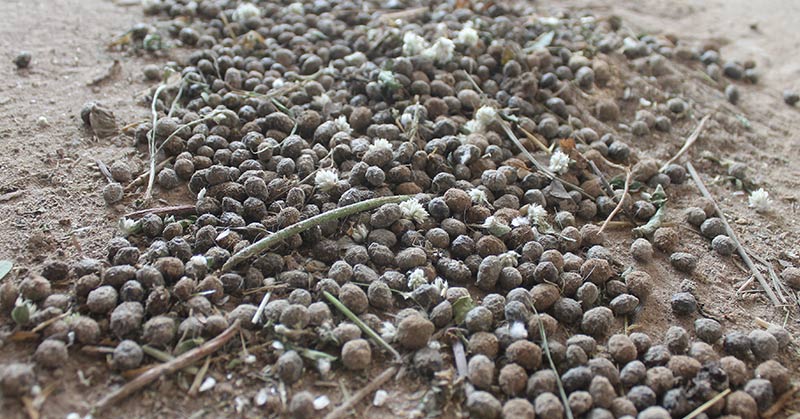
Fertilizing correctly is a critical step in achieving a huge watermelon harvest, as these plants are heavy feeders that require a balanced supply of nutrients to produce large, juicy fruits. Originating from nutrient-rich soils in tropical regions, watermelons thrive when provided with a combination of organic matter and balanced fertilizers rich in nitrogen, phosphorus, and potassium. Be cautious, however, as over-fertilization can lead to excessive leafy growth at the expense of fruit formation—a delicate balance is key!
In my own garden, I’ve fine-tuned my fertilization routine to enhance both root health and fruit yield. I begin with a well-composted soil mix and add periodic applications of organic fertilizer as the plants mature, which not only feeds the watermelons but also attracts beneficial microorganisms. These microbes help break down nutrients into accessible forms and even attract tiny soil insects, which further aerate the earth. A smart, careful fertilization plan is like a gourmet meal for your plants—it encourages them to grow strong, resilient, and ready to produce a bounty of giant, delectable fruits!
Natural Pest and Disease Management
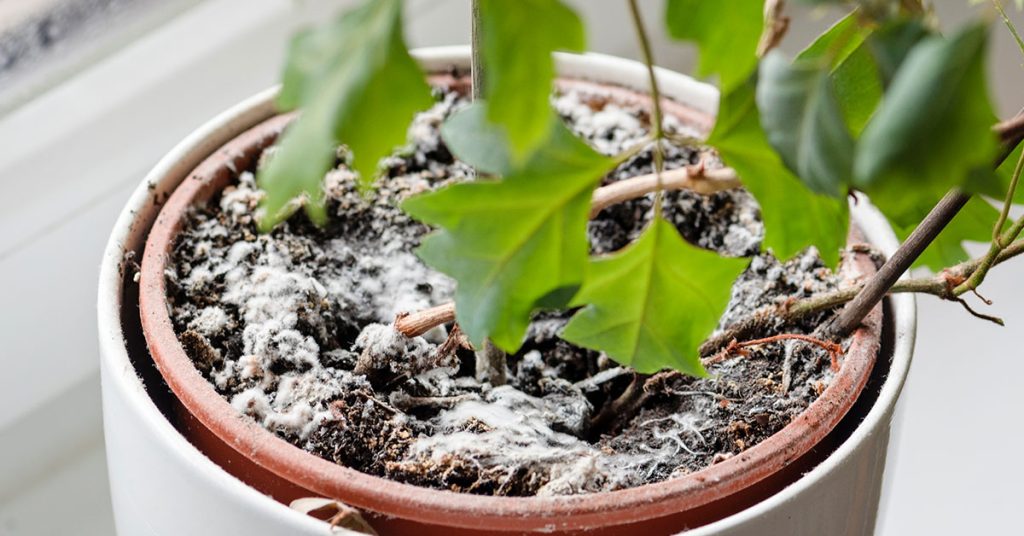
Dealing with pests and diseases is often the bane of every gardener’s existence, but employing natural, eco-friendly methods can make a huge difference for your watermelon garden. Watermelons are susceptible to various challenges, from aphids to fungal infections like powdery mildew. Instead of resorting to harsh chemicals, encourage beneficial predators such as ladybugs, lacewings, and parasitic wasps, which are native to the same warm regions as watermelons and help maintain a balanced ecosystem. This approach not only protects your plants but also fosters a vibrant garden full of life!
In my own experience, creating a natural pest-management system has transformed my garden into a self-sustaining haven. I’ve learned that interplanting watermelons with companion plants like marigolds and basil not only deters pests but also attracts beneficial insects that help pollinate the blossoms. I love seeing bees and butterflies frequenting the area, often taking refuge in nearby foliage—sometimes even nesting for a short while in the verdant surroundings. By embracing natural pest control, you ensure that your watermelons grow healthy and robust, ready to deliver an incredible harvest!
Prune and Train Vines

Properly pruning and training your watermelon vines is crucial in maximizing both space and fruit production, especially when working with giant watermelons. These sprawling plants, native to the warm regions of Africa and South America, benefit immensely from a structured growing approach that directs energy toward fruit development. Use supportive trellises or ground supports to guide the vines along a defined path, ensuring that the plant’s resources are efficiently used without unnecessary sprawling or entanglement.
In my own garden, I’ve learned that regular pruning not only improves airflow and reduces the risk of fungal diseases like powdery mildew but also enhances the natural movement of beneficial insects. As the vines are guided along support structures, bees and butterflies are more easily attracted to the exposed blossoms, which can sometimes be used as temporary nesting sites. The controlled training of vines results in a tidy, productive layout where every inch of space counts—ensuring that your watermelons have the best chance to grow into huge, impressive fruits!
Crop Rotation and Companion Planting
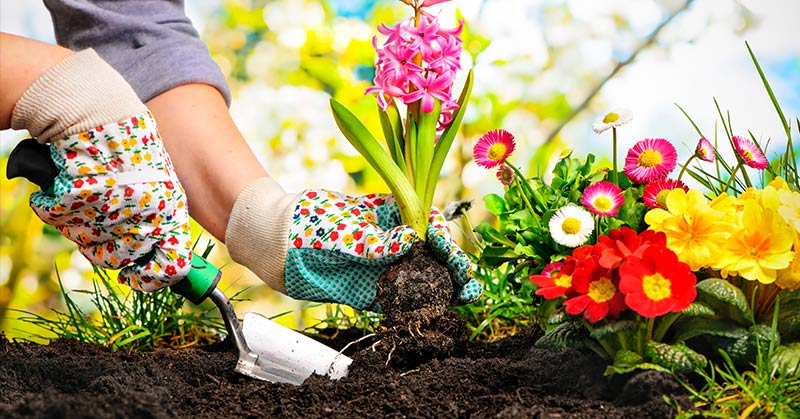
Practicing crop rotation and companion planting in your watermelon garden is a strategic move that supports long-term soil health and continuous productivity. Watermelons, like many other heavy-feeding plants native to lush tropical regions, thrive on nutrient-rich, well-balanced soil. Rotating crops prevents nutrient depletion and disrupts pest cycles, while planting companion species such as basil, marigold, or even pumpkin can enhance pollination and deter harmful insects. This natural method of plant synergy not only boosts fruit yield but also keeps your garden ecosystem robust and disease-resistant!
In my own gardening routine, crop rotation has been a game changer—it not only rejuvenates the soil but also attracts a diverse range of beneficial insects that help pollinate watermelon flowers. Companion planting creates a mini-habitat where these little helpers thrive, sometimes even finding temporary nesting spots among the leaves and stems of the plants. Together, these practices ensure a balanced, harmonious garden that supports healthy plant growth and maximizes harvest potential—a true win for any gardener determined to produce giant, delicious watermelons!
Monitor and Encourage Pollinators

Ensuring an abundant pollinator presence in your watermelon garden is vital to achieving a bountiful harvest. Native to warm, sunlit regions of Africa and South America, watermelons rely on a steady stream of bees and butterflies to transfer pollen and set fruit. Create a welcoming environment by planting companion flowers around your watermelons, such as marigolds and zinnias, which naturally attract these essential pollinators. These additional blooms not only enhance visual appeal but also establish a thriving ecosystem that benefits your main crop.
In my own garden, I find that monitoring pollinator activity has led to significant improvements in fruit set—tiny bees and fluttering butterflies are often seen busily visiting the blossoms, sometimes even using the spacious vines as temporary resting places. Encouraging these natural allies is one of the simplest yet most effective tips for enhancing yield. Their presence creates a ripple effect of productivity and vitality, ensuring that every watermelon plant reaches its full potential. When nature and horticulture work in harmony, the results are nothing short of spectacular!