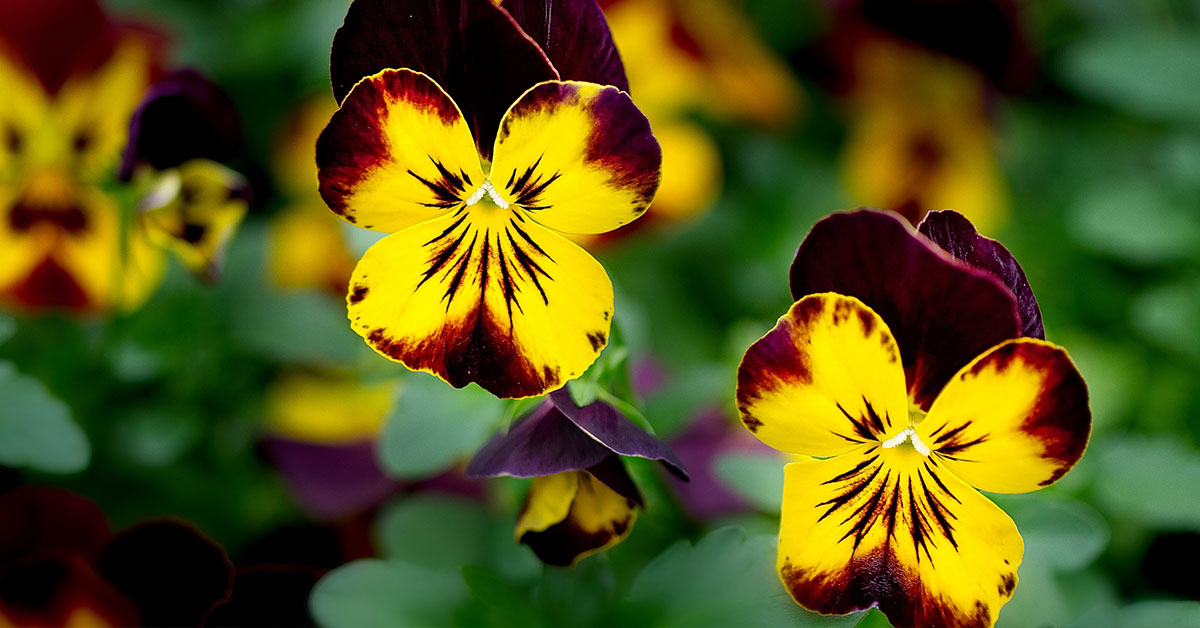

It’s such a bummer when you envision a sprawling sea of cheerful pansy faces but end up with just a few scraggly blooms struggling for space! I know how frustrating it is to invest time prepping beds and selecting vibrant color mixes, only to see your pansies fade out or fail to fill in fully. Creating a truly abundant pansy garden takes more than just planting—they need the right soil, light, care, and even a bit of ecological teamwork to flourish.
In this guide, I’m sharing eleven in-depth tips—presented in a surprise order—to help you cultivate a lush pansy paradise. We’ll cover everything from choosing cold-hardy cultivars to succession sowing for months of color, discuss pansies’ native European heritage and their non-invasive nature, and explore how to invite pollinators and ground-nesting bees to nest among your borders. Let’s dig in and turn that patch into a giant canvas of pansy brilliance!
Succession Planting for Continuous Color
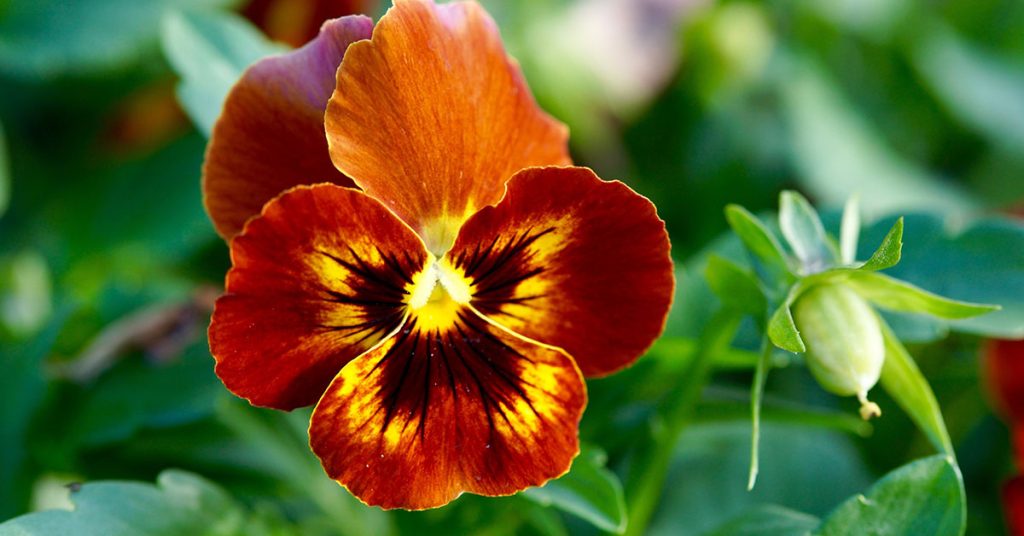
Staggering sowing or transplanting every four to six weeks ensures your pansy beds never thin out. I start seeds indoors about eight weeks before the last frost, transplant the first wave into beds, then sow a second and third wave directly outdoors. This way, as early blooms fade in warming weather, fresh seedlings take their place—creating an uninterrupted display!
Pansies ( Viola × wittrockiana ) derive from wild violas native to cool European climates, where they often reseeded naturally in open fields. Though they’re not invasive here, this rapid reseeding habit means young plants readily fill vacant spots. Succession planting mimics their native cycle, giving you a vibrant garden from early spring well into summer’s warmest days.
Prepare Light, Well-Draining Soil

Pansies prefer rich, loamy soil that drains freely to prevent root rot. Before planting, I work in generous amounts of aged compost—about 2 inches—to boost fertility and structure, and then mix in coarse horticultural sand or fine gravel to guarantee swift drainage. This blend replicates the lightly textured soils of their Alpine origins!
These European wild ancestors thrived on rocky slopes and meadow edges, where soil was never waterlogged. By providing a similar medium, you give roots room to spread and access air, while discouraging pests like slugs and soil-borne fungal pathogens. A well-prepared bed means healthier plants and fuller coverage as they expand.
Choose Cold-Tolerant and Compact Varieties
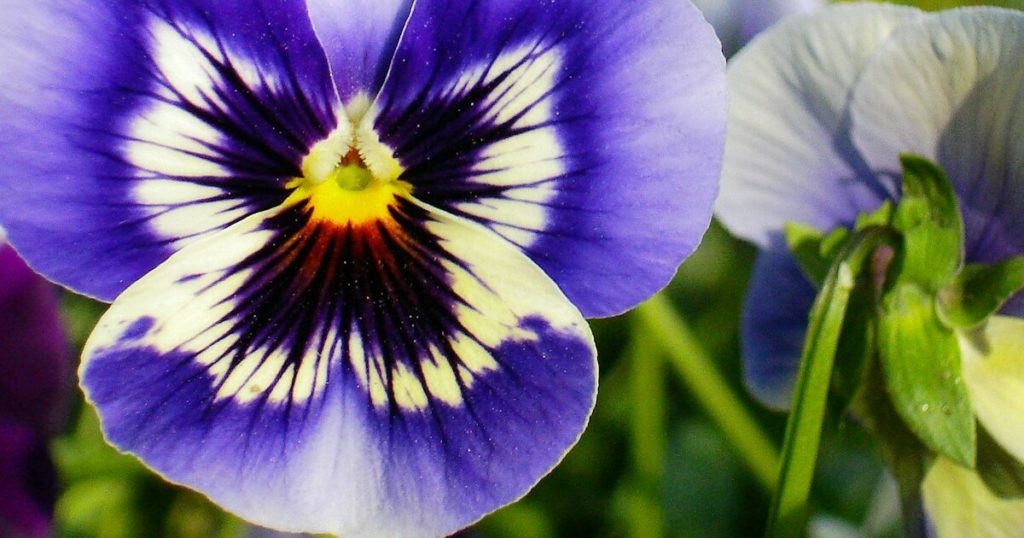
Many modern pansy cultivars—such as ‘Matrix’, ‘Ultima’, and ‘Cool Wave’ series—are bred for outstanding cold tolerance and vigorous spreading habits. I look for varieties rated to USDA Zone 4 or 5, guaranteeing they withstand frosts and continue blooming in early spring chill!
Pansies descend from hardy European and Mediterranean violas, adapted to cool mountain summers. None are considered invasive, but selecting vigorous, spreading types gives you a quick filler that blankets the ground. These compact plants also resist leggy growth, maintaining a neat, uniform carpet of flowers.
Deadhead Spent Blossoms Regularly

Removing faded flowers—called deadheading—redirects the plant’s energy into producing more blooms instead of setting seed. I pinch or snip off the old heads just above the next pair of leaves, ensuring no stalk stubs remain. This simple routine can double your bloom span!
Wild violas in their native habitats often flushed multiple times per season, shedding spent blooms naturally. By mimicking this process, you encourage continuous blossoming. Plus, fewer spent flowers reduce hiding spots for slugs and reduce disease-harboring debris in your beds.
Provide Consistent Moisture Without Waterlogging

Pansies have shallow roots and need even moisture, especially during establishment and flowering. I water early in the day—about 1 inch per week—avoid overhead sprinklers that wet foliage, and use a soaker hose or drip line to deliver water directly to the root zone. This approach prevents fungal issues on the leaves!
These hybrids evolved from wild species accustomed to regular mountain rains and well-drained soils. Overhead moisture can cause crown rot, so targeted irrigation keeps plants healthy and expansive. Consistent watering also encourages roots to spread widely, filling beds quickly.
Fertilize with Balanced, Slow-Release Nutrients
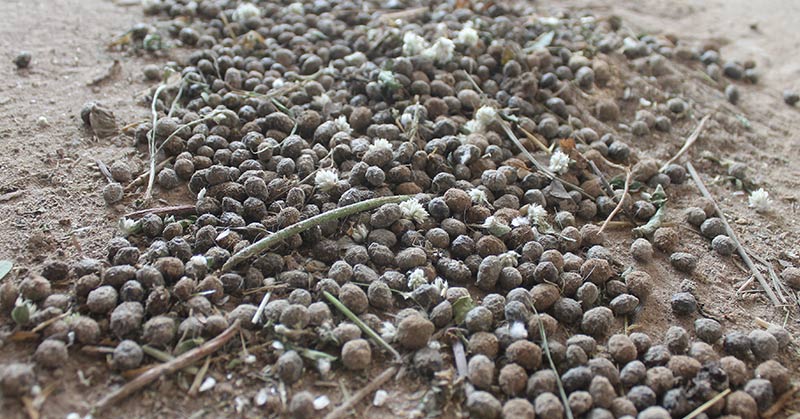
After the first flush of blooms, I apply a balanced granular fertilizer—such as a 10-10-10 NPK—around the drip line, then again mid-season. Alternatively, side-dress with worm castings for a gentle, slow-release boost. This feeding regimen supports steady leaf and flower production!
In their native range, wild violas relied on periodic nutrient pulses from decaying alpine flora. A light, measured feeding mimics those conditions without overstimulating foliage at the expense of blooms. Well-fed pansies reward you with larger flowers and bushier growth, quickly covering any bare soil.
Offer Partial Shade in Hot Climates

While pansies appreciate full sun in cooler regions, in warm summer zones they benefit from afternoon shade. I plant taller companions—like calibrachoa or ornamental grasses—to cast dappled shade as temperatures rise. This protective cover prevents petal scorch and extends flowering into the hottest months!
Your garden won’t be overrun—their wild ancestors lived at high altitudes where sun was intense but temperatures stayed cool. Partial shade in peak heat replicates that environment, keeping plants from bolting. The result is a resilient display with minimal downtime between flushes.
Mulch to Suppress Weeds and Conserve Water
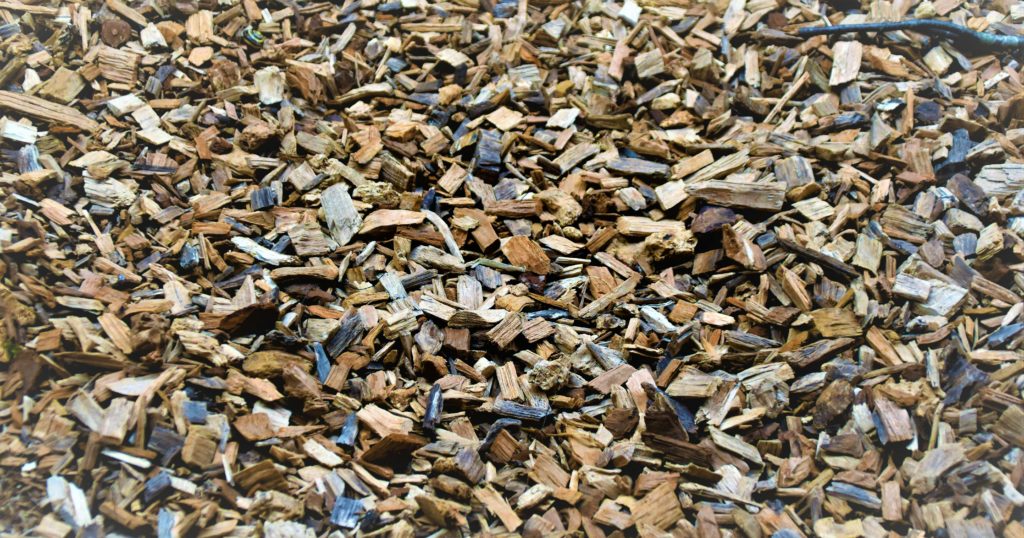
A 1- to 2-inch layer of fine bark mulch or shredded leaf mold around pansy beds helps retain soil moisture, suppress competing weeds, and regulate soil temperature. I refresh mulch each early spring, taking care not to bury crowns, and topping off as needed during the season!
Mulch replicates the natural leaf litter of forest edges where wild violas thrived. It also provides habitat for beneficial ground beetles and solitary bees that nest under the soil surface—these insects patrol your garden, helping control pests and pollinate blooms.
Guard Against Pests and Diseases Organically

Aphids, slugs, and powdery mildew can hamper pansy vigor. I regularly inspect undersides of leaves for aphids, blasting them off with water or treating with insecticidal soap. To deter slugs, I spread diatomaceous earth or beer traps at night. For powdery mildew, I improve air circulation and apply neem oil at the first sign of infection!
Pansies aren’t invasive and generally resist most pathogens, but crowded, damp conditions invite trouble. Organic controls—and a bit of vigilance—keep your garden healthy without harming beneficial insects nesting in the mulch or pollinating neighboring blooms.
Succulent Soil Amendments for Root Health
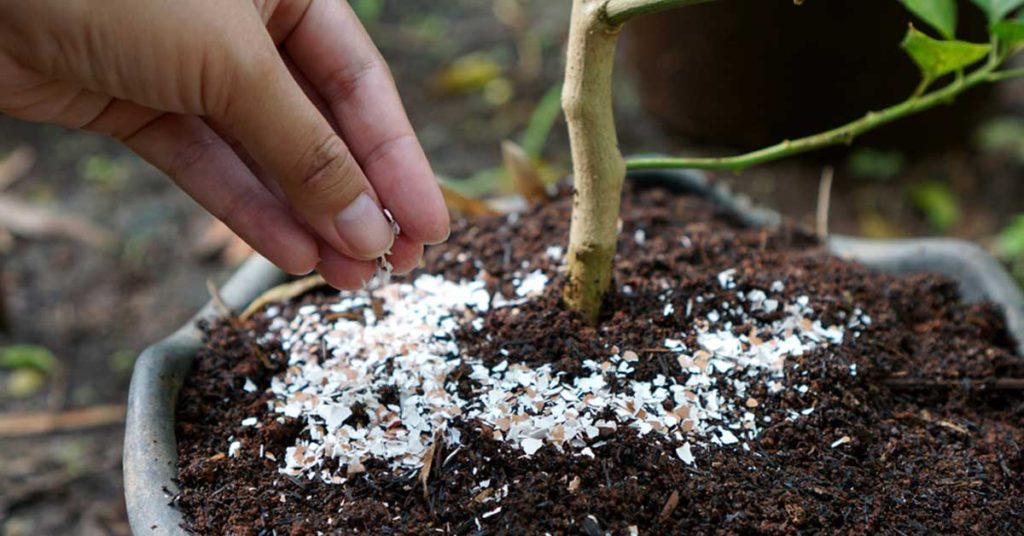
Incorporating crushed oyster shell or rock dust into planting holes gives pansies trace minerals—like calcium and magnesium—that strengthen cell walls and reduce petal drop. I mix a handful per plant, then backfill with amended soil so nutrients are right where roots need them!
These amendments echo the mineral-rich soils of Mediterranean pansy ancestors. Calcium-rich substrates also discourage blossom end rot and improve overall plant sturdiness. Over time, mineral supplements foster robust root systems that support sprawling growth and abundant flower sets.
Attract Pollinators and Nesting Bees
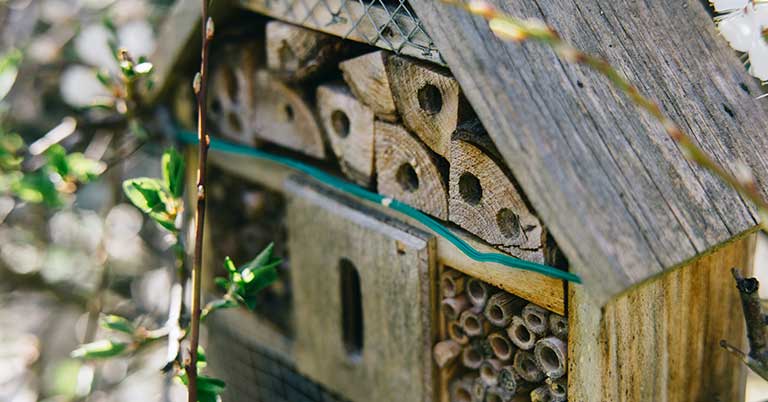
Pansy blooms lure early-season pollinators like bumblebees and hoverflies with their nectar guides. To encourage nesting, I leave small patches of bare, undisturbed soil or set up bee hotels nearby. The increased pollinator activity not only benefits pansies’ seed set but improves pollination for adjacent fruit and vegetable crops!
In their European homelands, wild violas formed key nectar sources for ground-nesting bees preparing brood chambers. By replicating those nesting habitats, you turn your giant pansy garden into a hub of pollinator activity—watch the lively dance of bees flitting among the flowers!