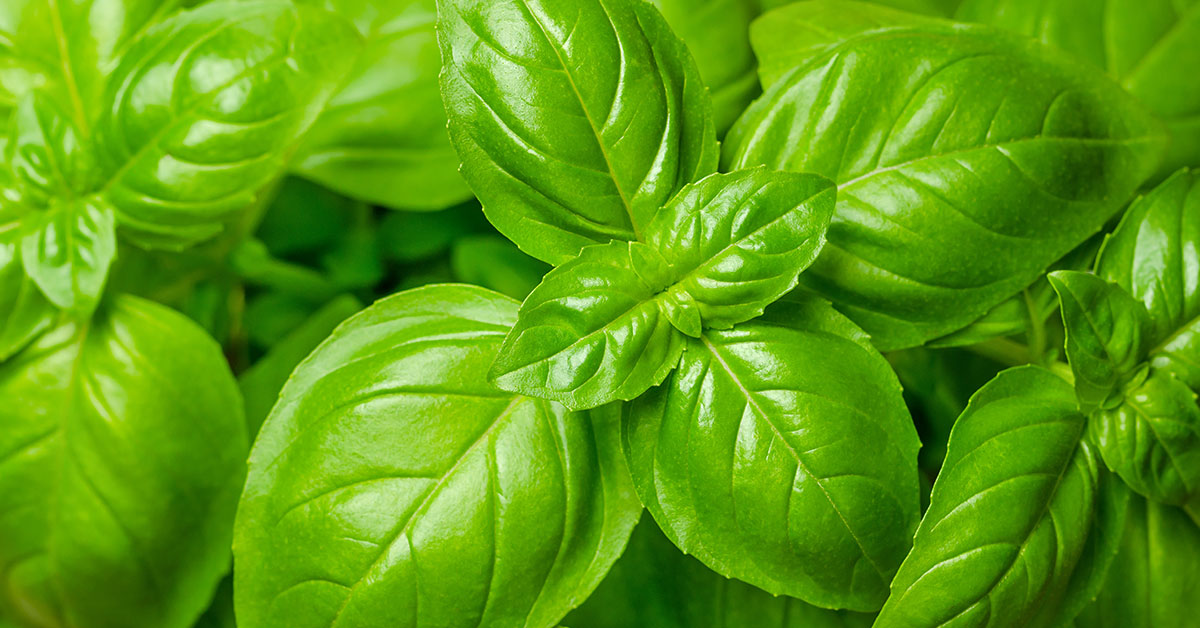

There’s nothing quite like the aroma of fresh basil wafting through your garden on a warm summer morning. As a gardener, I’ve found that growing a lush basil patch not only elevates every pasta dish and caprese salad but also brings a sense of satisfaction that only thriving herbs can deliver! Basil (Ocimum basilicum) hails from India and other tropical regions of Asia, where it’s been cultivated for millennia, and with the right approach, you can recreate those verdant fields in your own backyard—or even on a sunny balcony.
I know how frustrating it is to sow seeds eagerly, only to see a handful of weak sprouts struggle in heavy soil or wilt in the first heat wave. Over the years, I’ve experimented with dozens of techniques—some flopped, others flourished—and I’m thrilled to share 11 tried-and-true methods that will help you grow a big, healthy basil garden this year. From timing your sowing to choosing the perfect companions, let’s dive into these strategies and get those green leaves multiplying!
Pinch Flower Buds to Prevent Bolting
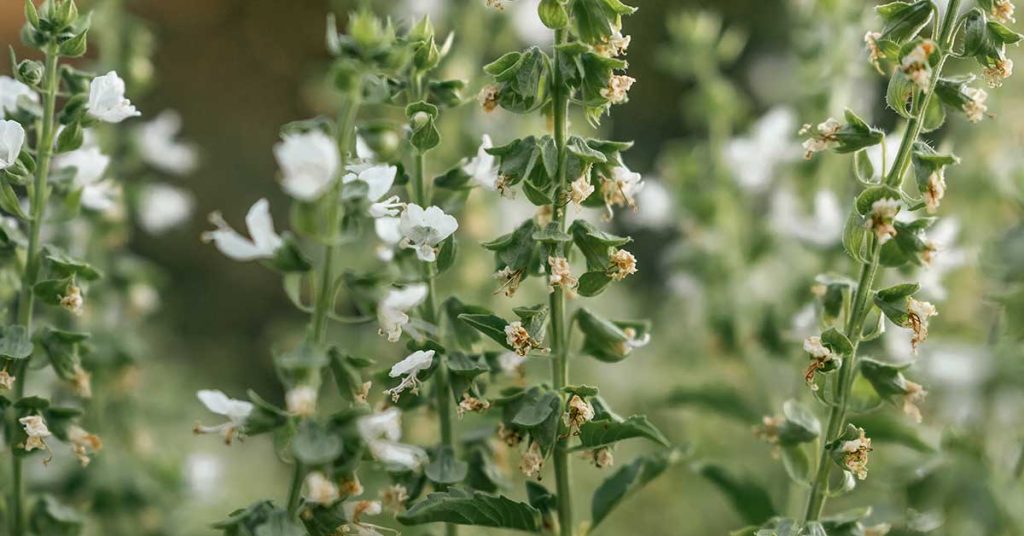
One of my favorite techniques for encouraging bushy growth is to pinch off flower buds as soon as they appear. In its native tropical environment, basil naturally bolts—sending up flower spikes to set seed—which signals the plant to shift energy away from foliage production. By removing those early blooms, you trick basil into keeping its focus on leaf growth, resulting in a denser, more productive plant!
This practice also extends the harvest season, as each pinch delays the onset of flowering. If bolting does eventually occur in hot weather, simply cut back the plant to a pair of leaves and water well; you’ll often see fresh side shoots emerge. While basil isn’t considered invasive in most climates, neglected bolting plants can scatter seeds—so regular bud removal helps maintain control and keeps your garden looking tidy.
Provide Full Sun Exposure

Basil thrives in full sun—ideally six to eight hours of direct light each day—mimicking the bright, tropical conditions of its native habitat. Insufficient sunlight leads to leggy, weak stems and pale leaves that lack the robust oils responsible for that signature flavor. Planting basil in a sunny spot ensures vigorous growth and higher essential oil concentration for more aromatic, tasty leaves!
If you’re working with containers, move pots to follow the sun or consider a south-facing balcony railing. I remember the difference in a batch of sweet Genovese basil two years ago: one group grew tall and lush in a sun-drenched corner, while the shade-bound tray next to it barely produced a handful of leaves. Even in humid regions where afternoon sun can scorch tender foliage, a few hours of morning sun will more than compensate and keep your basil thriving.
Use Containers and Raised Beds
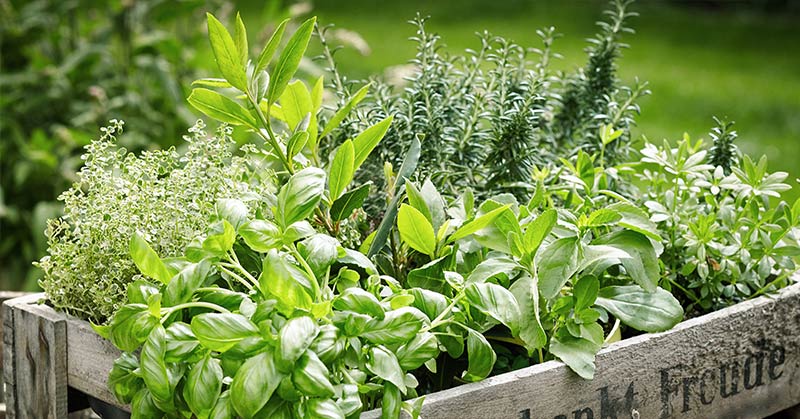
When space is limited or your native soil is heavy clay, containers and raised beds offer perfect control over growing conditions. A well-draining potting mix mimics the loose, fertile soils where basil originated, and raised beds warm up faster in spring, giving you an early start. I’ve filled wooden troughs with a custom mix of compost, perlite, and coconut coir to create an ideal home for basil, and the results have been spectacular!
Containers also allow you to cluster multiple pots, creating microclimates that retain humidity and repel wind damage. If you’re concerned about invasiveness, especially in tropical climates where volunteer basil can pop up, containers keep runners contained. Plus, you can bring pots indoors or under cover at the first sign of frost, extending your harvest well into autumn.
Start Basil Seeds Indoors Early

Sowing basil seeds indoors 6–8 weeks before your last spring frost gives seedlings a head start, especially in cooler climates where soil temperatures lag. I use small cells filled with sterile seed-starting mix, keeping them under a bright grow light to prevent stretching. Once the first true leaves unfurl, thinning out weaker sprouts ensures you plant only the strongest survivors outdoors!
Transplant hardened-off seedlings into your garden after night temperatures consistently stay above 50°F (10°C). Starting seeds indoors also lets you experiment with unusual varieties—like lemon or Thai basil—that might not be available as transplants. I empathize with anyone who’s tried direct sowing only to see snails or slugs feast on tender seedlings; indoor starts bypass those early threats entirely.
Succession Planting

If you sow all your basil at once, you’ll enjoy a bumper crop for a couple of weeks before it tapers off. Succession planting—sowing small batches every two to three weeks—creates a continuous supply of fresh leaves. I mark my calendar and sprinkle a few seeds in each bed or pot on those intervals, ensuring that just as one set of plants wanes, another is coming up strong!
This method also reduces the shock of overwhelming harvests; instead of wrestling with bucketloads of basil at once, you get manageable bunches that you can use immediately. Succession planting works beautifully whether you’re using garden rows or containers—just make sure each sowing spot gets the same enriched soil and sun exposure for uniform growth.
Companion Planting
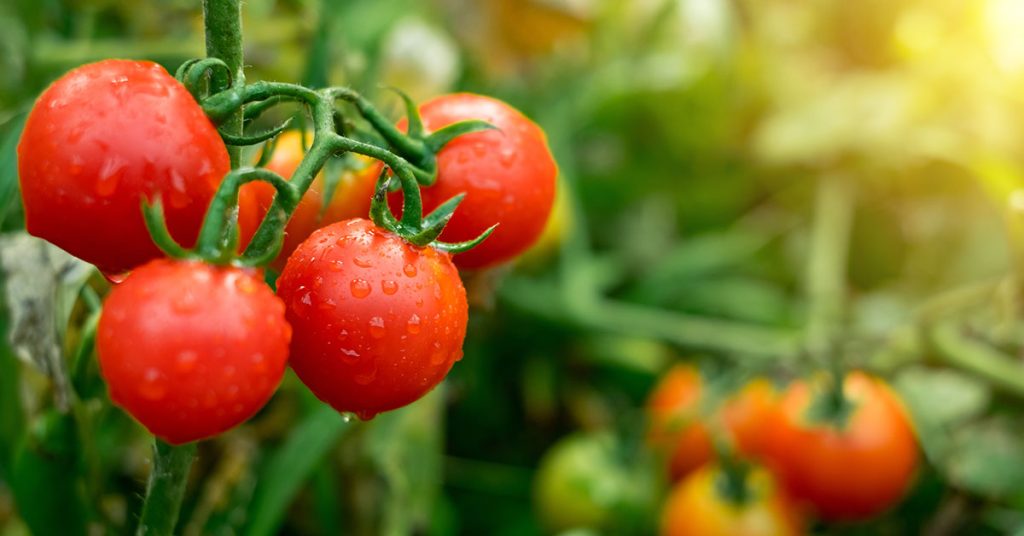
Basil isn’t just tasty—it’s a natural pest deterrent! In its native range of India and Iran, its pungent oils repel flies, mosquitoes, and even some harmful caterpillars. Interplanting basil with tomatoes, peppers, or strawberries can enhance the flavor of those crops and reduce pest pressure. One season, I tucked basil between my tomato stakes and noticed fewer aphids and a remarkable boost in tomato fragrance!
Marigolds, borage, and nasturtiums are also fantastic neighbors, attracting beneficial pollinators and predatory insects like ladybugs and lacewings. While basil itself isn’t invasive, these companion plants help create a mini-ecosystem that discourages unwanted visitors—turning your garden into a balanced, flourishing community rather than a monocrop vulnerable to outbreaks.
Fertilize with Organic Amendments
Although basil doesn’t demand heavy feeding, a weekly side-dressing of compost tea or diluted fish emulsion gives plants the nutrients they need to keep producing lush foliage. In tropical soils where basil evolved, a steady supply of organic matter is the norm; replicating that environment promotes healthy growth and stronger stems. I make my own compost tea by steeping rich compost in water for 24 hours—my basil plants practically greedily slurp it up!
Be cautious with high-nitrogen synthetic fertilizers, which can encourage soft, disease-prone growth. Organic amendments release nutrients gradually, matching basil’s natural uptake and preserving soil structure. Overly rich or salty soils can stunt young plants, so stick to balanced, gentle feeds that complement your regular mulching and watering routine.
Regular Harvesting and Pruning
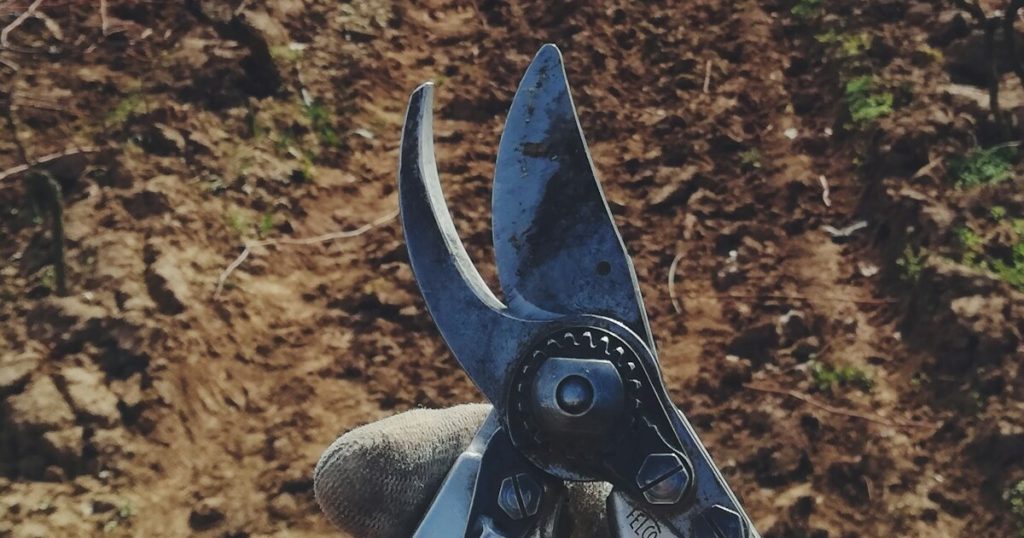
Harvesting basil isn’t just about gathering leaves—it’s a growth technique in itself! Each time you clip a stem just above a leaf node, you stimulate two side shoots to emerge, creating a fuller, more productive plant. I harvest stems early in the morning when oil concentration is highest, and I always leave at least two sets of leaves on each stem to keep the plant energized.
If you let basil linger unharvested, it can become leggy and weak, just as it would in its native tropical forests if shaded out by competing vegetation. Regular pruning mimics herbivores nibbling in the wild, encouraging basil to thicken and spread rather than shoot up for sunlight. It’s such a simple practice, yet it transforms sparse rows into densely packed beds of fragrant greenery!
Use Well-Draining, Fertile Soil
Basil loathes sitting in soggy roots. In its homeland of India’s monsoon climates, it thrives in soils that drain rapidly after heavy rains. A loose mix of garden loam, compost, and coarse sand or perlite ensures roots get the oxygen they need. I once tried planting in unamended clay, and within days the seedlings wilted—after switching to a light, well-draining blend, they rebounded spectacularly!
Soil fertility also matters: a bit of aged manure or leaf mold worked into the top few inches provides a steady nutrient release. Avoid overworking the soil by tilling—no-till beds maintain structure and microbial health, creating the crumbly texture basil roots adore. Rich, airy soil is the foundation of every big basil garden, so invest in creating the right environment before you plant.
Manage Pests Naturally

Basil can attract aphids, whiteflies, and slugs—pests that sense its tender new growth. Instead of reaching for harsh chemicals, introduce gentle controls: a spray of neem oil disrupts insect hormones, and a hand-pick of slugs at dusk keeps numbers low. I also release predatory ladybugs into my basil beds, and they devour aphids with gusto—nature’s own pest management team!
Floating row covers help young seedlings establish without becoming buffet fare, while companion plants like marigolds mask basil’s scent from hungry insects. If you spot mildew on aging leaves—a symptom of high humidity—thin the canopy by pruning to improve air circulation. Keeping an eye on your plants and responding promptly saves you the heartbreak of crop loss midway through the season.
Space Plants Appropriately
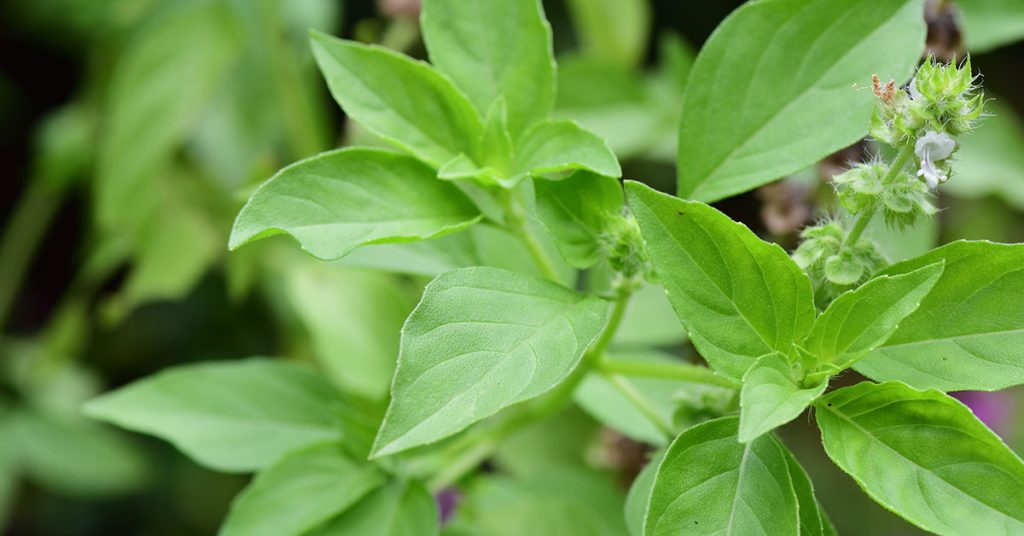
Crowding basil might look lush initially, but cramped roots compete for nutrients, and poor air flow can encourage disease. In its native fields, basil plants often grow with 12–18 inches between them, allowing each plant room to branch out. I space my transplants at roughly one foot apart in rows or pots, then thin weaklings to focus energy on the strongest specimens.
Proper spacing also simplifies harvesting—no more wrestling to reach inner stems without trampling others! When plants become too dense, I lift and divide them, setting extras into new containers or partner beds. An open, airy layout helps basil mimic its wild growth patterns and maximizes leaf production across your garden.