

Spring’s light frosts can be both a challenge and an opportunity for gardeners like me who love the resilient charm of cool-weather crops! It’s such a bummer when unexpected chills threaten our garden plans, but I’ve discovered that many vegetables not only endure a light frost but actually thrive in its crisp conditions. In this article, I’ll share 11 vegetables that can stand up to those early spring frosts, explaining where they’re originally from, their growth habits, and even some fun insights on how they help support local beneficial insects and garden life.
Over the years, I’ve learned that nature has a wonderful way of rewarding us when we experiment with frost-tolerant plants. Whether you’re an experienced gardener or just starting out, understanding which vegetables can handle a light frost will give you confidence and a little extra warmth during those chilly spring mornings! So grab your gardening gloves and a cup of hot tea, and let’s dive into the delightful world of frost-hardy vegetables that bring both beauty and nourishment to our gardens.
Kale
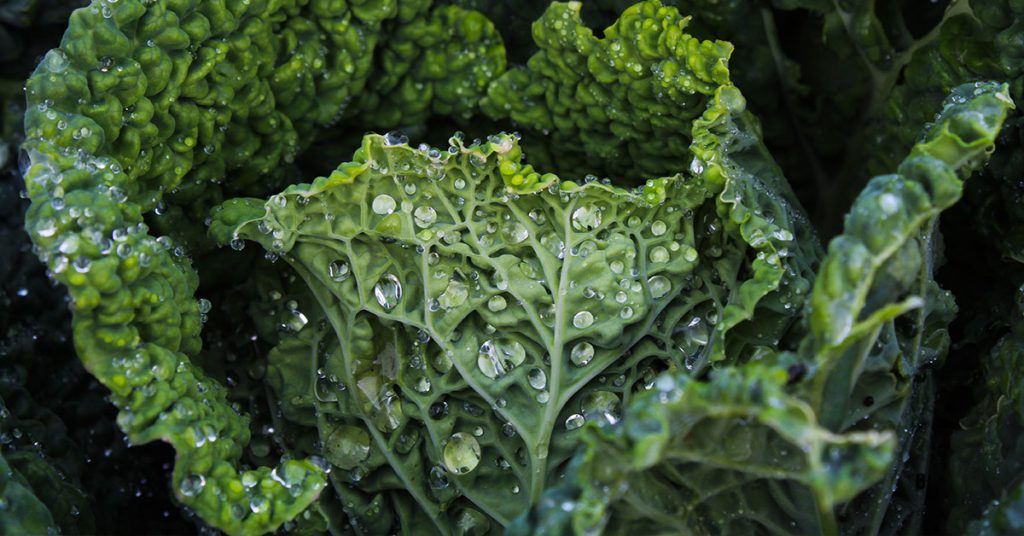
Kale is one of my all-time favorites when it comes to hardy, frost-tolerant vegetables! Originally native to the Eastern Mediterranean and Asia Minor, kale has been cultivated for centuries and is renowned for its ability to thrive in cooler conditions. Although it’s a staple in many gardens around the world, kale is not considered invasive; instead, it’s cherished for its nutritional value and robust nature. Its dark, curly leaves can handle light frosts with ease, even improving in flavor after a chill!
In my garden, kale not only serves as a hearty green but also attracts a variety of beneficial insects that love its sturdy foliage. I’ve noticed that small pollinators and ground-nesting bees often visit kale beds, adding a lively dynamic to the ecosystem. Its resilience makes kale an excellent choice for early spring planting, offering both beauty and a subtle, earthy flavor that grows more complex as the frost works its magic!
Radishes

Radishes are an absolute delight, especially when they surprise you with their rapid growth even in a frosty spring garden! Native to regions in Southeast Asia and the Mediterranean, these crisp and peppery vegetables have a rich history in culinary traditions around the world. Radishes are not known to be invasive; rather, they are prized for their quick maturation and ability to withstand cooler temperatures, making them perfect for early harvests after a light frost.
I love how radishes bring a burst of color and energy to my garden beds, attracting beneficial insects like ladybugs and ground beetles that help keep pests in check. Their bright red or white roots and feathery green tops create a vibrant contrast that enhances any planting scheme. Watching radishes thrive even on chilly mornings gives me a sense of reassurance that nature always finds a way to surprise and delight us in the garden!
Spinach
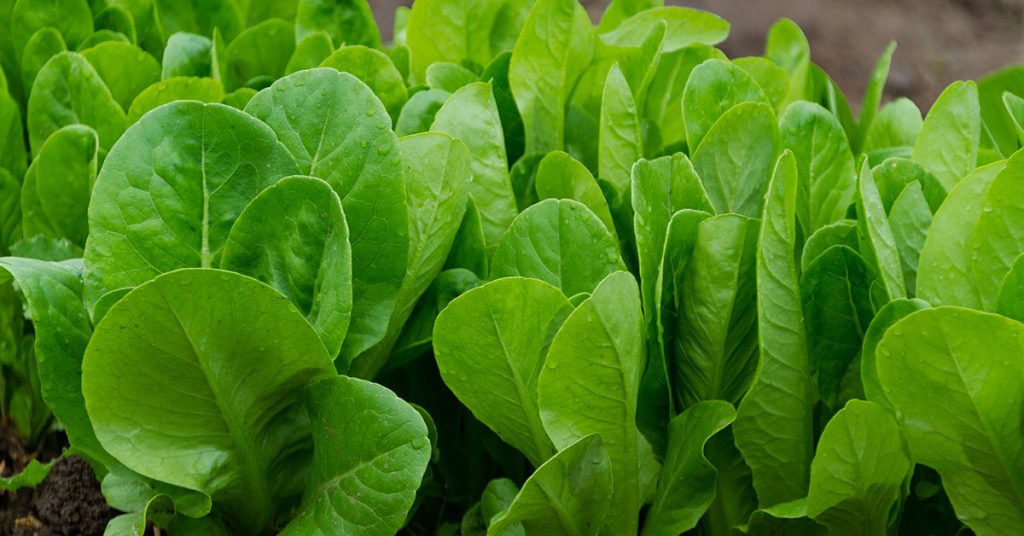
Spinach is a cool-weather champion, thriving in conditions that might challenge less hardy greens. Native to central and southwestern Asia, spinach has long been celebrated for its tender leaves and remarkable nutritional benefits. Though not invasive, spinach is widely grown in gardens worldwide for its ease of cultivation and resilience to light frost, which often lends the leaves an extra dose of sweetness and texture!
In my garden, spinach attracts a host of tiny pollinators and beneficial insects that help maintain a balanced ecosystem. I’m always excited to see how the delicate foliage creates microhabitats for ground-dwelling critters, while its robust growth provides a lush, vibrant backdrop to the other plants. Spinach is a true testament to nature’s ability to flourish in cool conditions, and it never fails to brighten up even the frostiest of spring mornings!
Brussels Sprouts
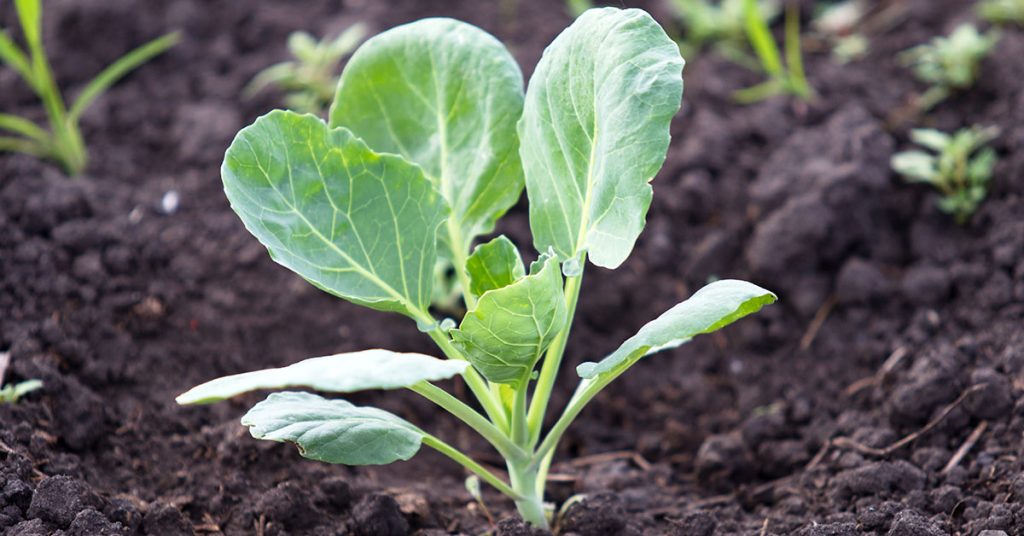
Brussels sprouts might not be everyone’s first choice when it comes to frost-tolerant vegetables, but they are a true marvel in the garden! Originating from the Mediterranean region and later refined in Belgium, these miniature cabbages are renowned for their ability to survive and even thrive in cooler temperatures. While Brussels sprouts aren’t invasive, they do require a bit of careful spacing and attention to soil nutrients, particularly when a light frost graces your garden.
What excites me most about Brussels sprouts is how their tight, compact heads not only add texture to garden beds but also invite a host of beneficial insects. I’ve noticed that tiny wasps and pollinators are often drawn to the small, budding clusters, enhancing the natural pest control in my garden. Their frost-hardy nature makes Brussels sprouts a wonderful choice for early spring planting, ensuring a bountiful and flavorful harvest that’s as resilient as it is delicious!
Broccoli
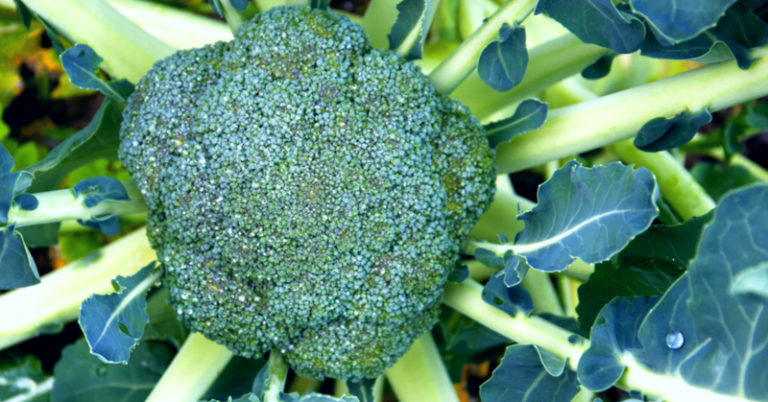
Broccoli is a true testament to the strength and adaptability of cool-weather vegetables! Native to the Mediterranean region, this versatile crop has been a favorite for centuries due to its impressive nutritional profile and robust flavor. Although broccoli is cultivated worldwide and is not invasive, it does benefit greatly from the slight stress of a light frost, which can sometimes enhance its sweetness and texture.
In my garden, broccoli becomes a focal point not only for its culinary appeal but also for the way it supports local wildlife. I’ve seen an array of small bees and beneficial insects buzzing around the dense clusters of florets, using them as sites for temporary shelter and even nesting! The interplay of robust green stalks and tender, frost-hardened heads creates a visual and ecological delight that makes tending to broccoli a truly rewarding experience!
Turnips
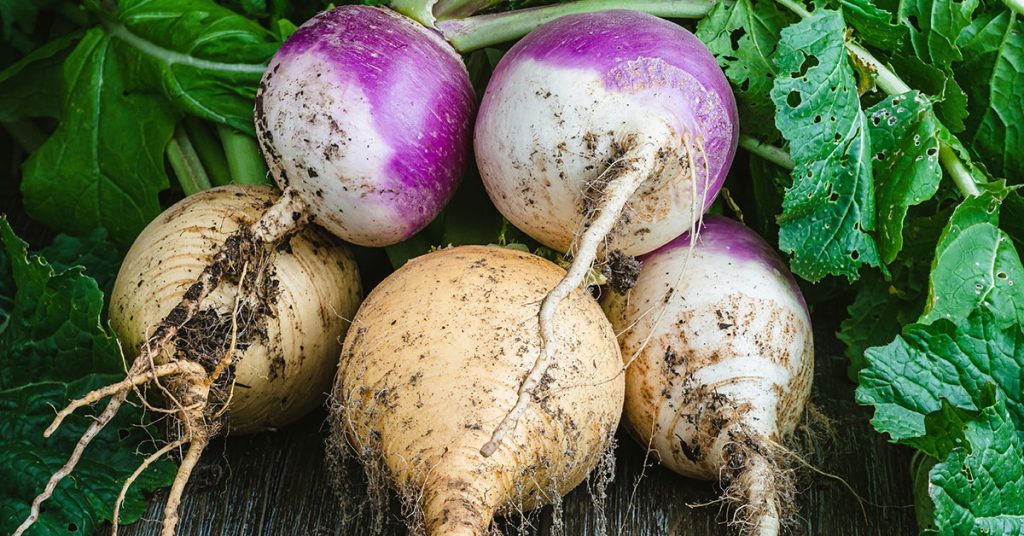
Turnips are another fabulous addition to a frost-tolerant garden, thriving even when the air carries a chill! With origins tracing back to Europe and parts of Asia, turnips have been a staple in traditional gardens for their versatility and hearty nature. They are not regarded as invasive and are appreciated for their ability to grow rapidly in cooler temperatures, making them a perfect choice for early spring planting after a light frost has passed through.
In my own garden, turnips bring a rustic charm that complements both ornamental and edible landscapes. Their vibrant roots and leafy greens attract a variety of beneficial insects, such as ground beetles and small pollinators, which help maintain a balanced ecosystem. Watching turnips develop under the gentle kiss of a spring frost fills me with a sense of excitement and anticipation for the rich flavors and textures they bring to every meal!
Peas
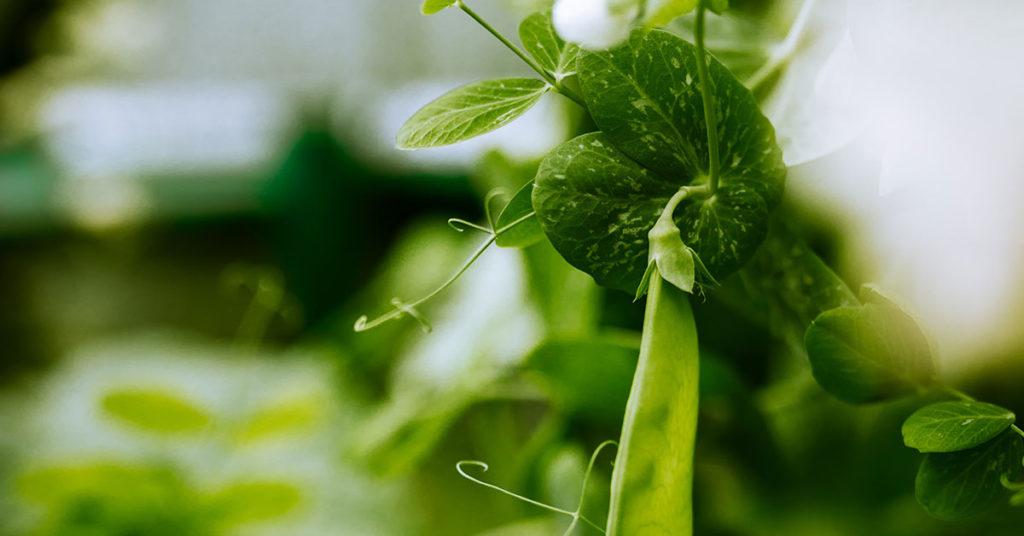
Peas are a delightful and versatile vegetable that can handle the unpredictable nature of a light frost in early spring! Native to regions in the Mediterranean and Southwest Asia, peas have been cultivated for thousands of years and continue to be beloved for their sweet, tender pods and crisp snap. They are not considered invasive; rather, they are celebrated for their ability to fix nitrogen in the soil and enrich the garden, making them a valuable companion plant to many other vegetables.
I always enjoy the lively scene that peas create in my garden, where climbing vines twist and turn around supports, inviting bees and other small pollinators to explore. Their delicate blossoms not only add beauty but also contribute to the overall health of the garden ecosystem by attracting beneficial insects that may even use nearby plants for nesting! Growing peas in a frosty spring environment reminds me that nature’s timing is perfect, and even a little chill can bring out the best in these wonderful plants!
Cabbage
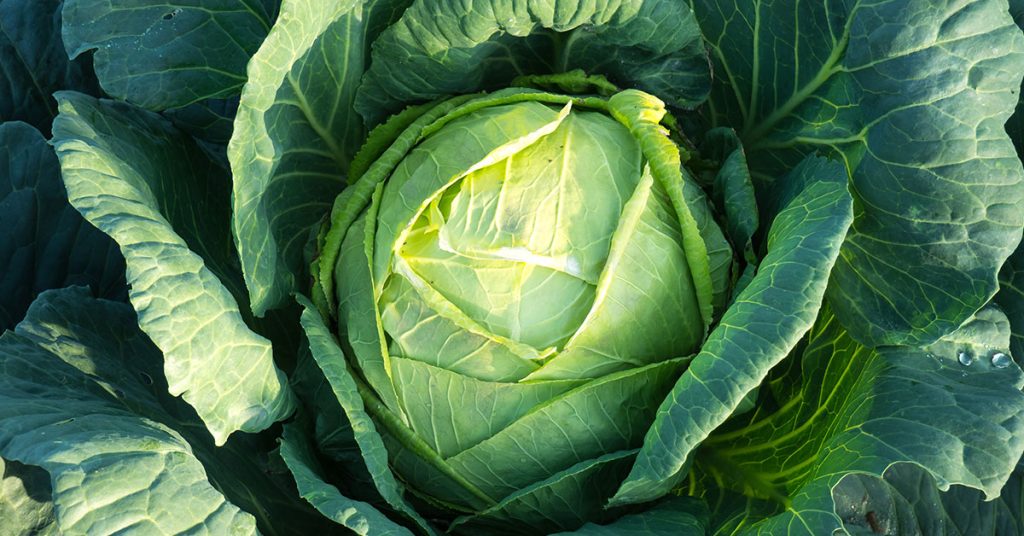
Cabbage is a robust vegetable that gracefully endures the challenges of early spring frosts while adding a touch of elegance to the garden! Native to the Mediterranean and parts of Europe, cabbage has a long history of cultivation and remains a reliable crop in cooler climates. It is not considered invasive; instead, cabbage is revered for its versatility and nutritional benefits, often developing a slightly sweeter flavor after exposure to light frost.
In my garden, cabbage stands out not only for its culinary potential but also for its ecological contributions. Its dense head creates microhabitats that attract small pollinators and ground-dwelling beneficial insects, which sometimes find shelter in the lush, layered leaves. I find that cabbage adds both visual and practical value to the garden, proving that even under the delicate touch of a spring frost, this vegetable remains a resilient and charming component of a thriving ecosystem!
Carrots

Carrots are a beloved root vegetable known for their vibrant color and delightful crunch, and they hold their ground even when faced with a light frost in spring! Native to regions of Persia and later adopted by Mediterranean cultures, carrots have a storied past that contributes to their global appeal. They are not classified as invasive and are typically grown with care to yield a harvest that is both sweet and full of character, even when a frost gently kisses the soil.
In my garden, carrots perform like little treasures hidden in the earth, attracting a host of beneficial creatures as they grow. I’ve observed that ground beetles and other small insects, which play a role in aerating the soil and controlling pests, are drawn to the rich, nourishing environment that carrots help create. Their ability to endure a light frost and continue developing strong, colorful roots makes carrots a true gem for gardeners who embrace the unpredictable beauty of spring!
Swiss Chard
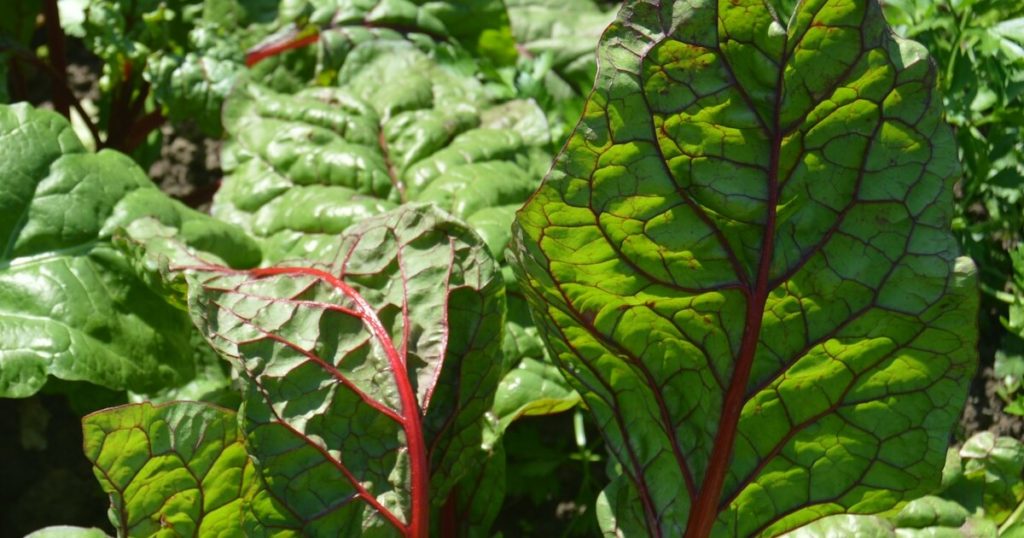
Swiss chard is an exceptionally vibrant vegetable that stands out in any garden, even when the weather takes a chilly turn! Native to the Mediterranean region, Swiss chard has been a culinary and decorative favorite for centuries due to its striking stalks and tender leaves. It is not considered invasive and is prized for its ability to tolerate a light frost, which often enhances its flavor and texture, giving it a delightful, slightly earthy sweetness.
In my garden, Swiss chard is more than just a leafy green—it’s a magnet for beneficial insects and small pollinators that contribute to a harmonious ecosystem. The colorful stems and leaves create a dynamic visual display while also providing shelter for ground-dwelling bees and other tiny critters that help pollinate nearby plants. Its resilience in the face of a light frost reminds me that sometimes, nature’s challenges only bring out the best in our favorite vegetables, creating a garden that’s as nutritious as it is beautiful!
Beets
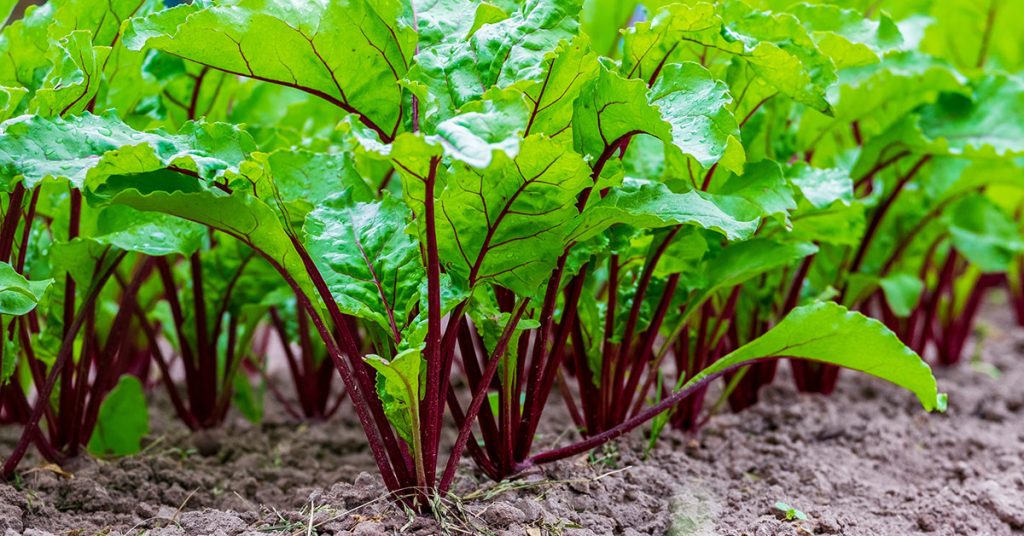
Beets are an extraordinary root vegetable that flourish even in the crisp air of a light spring frost! With origins in the Mediterranean and Western Asia, beets have long been cherished for their rich, earthy flavor and striking deep red color. They are not considered invasive and are widely grown in home gardens and farms alike, thanks to their remarkable ability to thrive in cooler temperatures and even improve in taste after a mild frost.
In my own garden, beets create an enchanting contrast between the vibrant foliage above ground and the colorful, nutrient-packed roots below. I’ve noticed that their leafy tops attract various beneficial insects, such as ladybugs and small pollinators, which help maintain a balanced ecosystem while possibly using the shelter provided by the broad leaves for nesting! Cultivating beets in a frosty spring environment is a rewarding experience, as these hardy vegetables not only add culinary value but also contribute to the natural beauty and resilience of the garden.