
It’s such a bummer when your once-lush garden bed starts to falter just as summer is peeking around the corner. By the end of May, those cool-season favorites that thrived through chilly mornings can begin to sulk in the heat, bolt prematurely, or become more susceptible to pests and disease. As a gardener who’s watched countless heads of lettuce go bitter under the sun, I totally get the frustration of seeing your hard work struggle when you’re itching for fresh salads and stir-fries!
But don’t worry—we can outsmart May’s warming trends by knowing which veggies are most likely to sulk and why. With a little foresight—think timely succession planting or strategic shade—you’ll keep your garden productive through these transitional weeks. Let’s dive into eleven vegetables that often start to struggle at the end of May, so you can plan accordingly and keep those harvests coming!
Broccoli
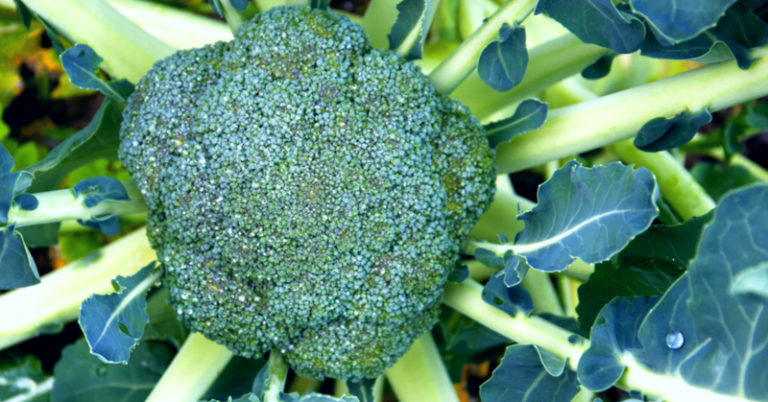
Broccoli (Brassica oleracea var. italica) hails from the Mediterranean—Cyprus, Italy, and Sicily—where it evolved as a cool-season crop with tight, tender heads. It’s not considered invasive, but it does attract beneficial hoverflies, whose larvae relish aphids that might otherwise colonize your plants. Those vibrant green florets are a joy to harvest, but high heat can quickly turn them yellow and loose.
When temperatures creep above 75°F by late May, broccoli halts head development and “bolts to seed,” sending up flowering stalks instead of forming tight crowns. I’ve learned the hard way that shading young broccoli with a light row cover during midday sun can stretch its window of productivity—definitely worth trying before surrendering to summer’s heat!
Carrots

Carrots (Daucus carota subsp. sativus) trace their ancestry to wild carrots in Afghanistan, where their ancestors still thrive. Modern cultivars are non-invasive and often benefit from ground-beetle predators that feast on carrot rust fly larvae. Carrots prefer cool soil—ideally between 55°F and 70°F—for steady, straight root growth.
Late-May heat can cause carrots to fork or crack as the soil dries unevenly, giving you split roots instead of those smooth spears. Carrot fly larvae rear their heads in warming weather, tunneling into the roots. I know how disappointing it is to tug up a prized carrot only to find it riddled with holes! Heavy mulching to conserve soil moisture and shading young seedings can help preserve your harvest until the heat truly sets in.
Bok Choy
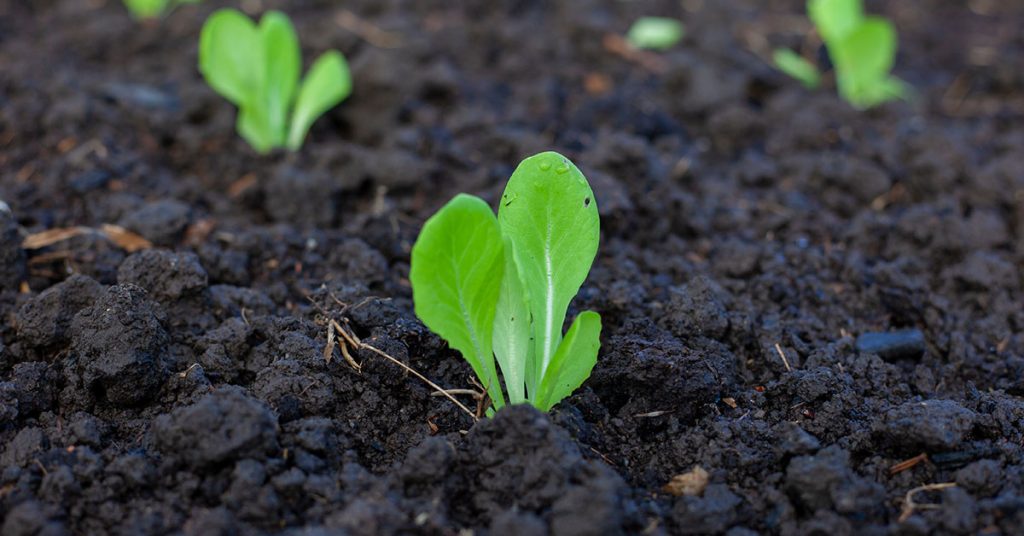
Bok choy (Brassica rapa subsp. chinensis) originates from China’s Yangtze River Delta and has been cultivated for millennia. It’s non-invasive yet attracts syrphid (hover) flies, whose larvae prey on aphids. Those spoon-shaped leaves form tight clusters perfect for crisp salads and stir-fries.
By the end of May, when daytime highs hover above 75°F, bok choy often bolts, shooting up a tall flower stalk and leaving you with bitter, fibrous leaves. One week you have glorious harvests; the next, a spike of yellow blooms! Planting in partial shade or succession sowing every couple of weeks can stretch your window, giving you tender leaves longer into the season.
Cauliflower
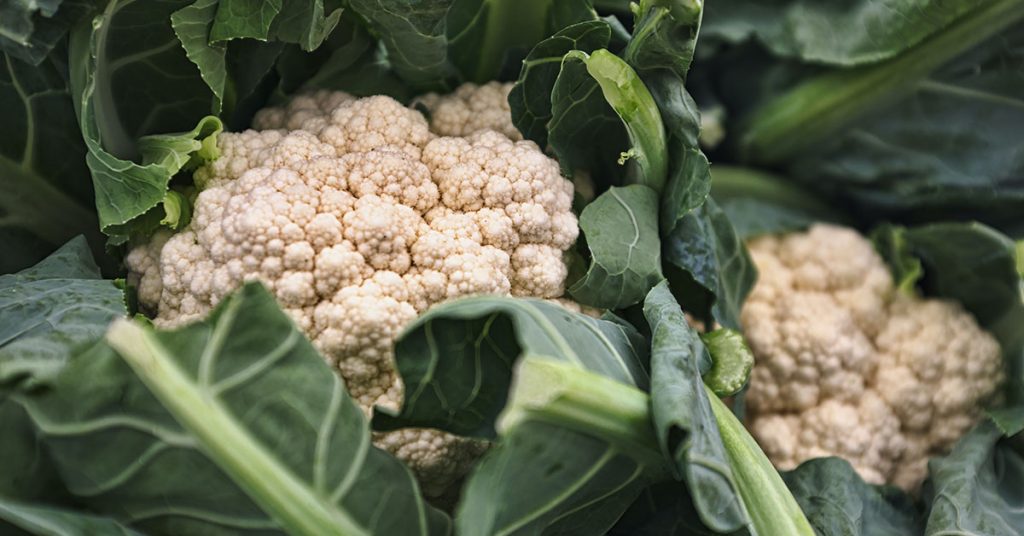
Cauliflower (Brassica oleracea var. botrytis) likely originated on Cyprus or in Western Europe. It isn’t invasive and can host ladybugs and lacewings that keep aphid populations in check. Those dense, white curds are a springtime delight—until heat hits.
As May warms, cauliflower curds may “rice out,” developing a loose, grainy texture instead of compact heads. Excessive sun can scorch the developing curd, turning it yellow or brown. I once used garden twine to blanch a head—tying leaves over the curd—to keep it white, but that technique won’t stop the bolt when temperatures stay high. Shade cloth and consistent moisture are your best bets to push cauliflower into warmer days.
Spinach
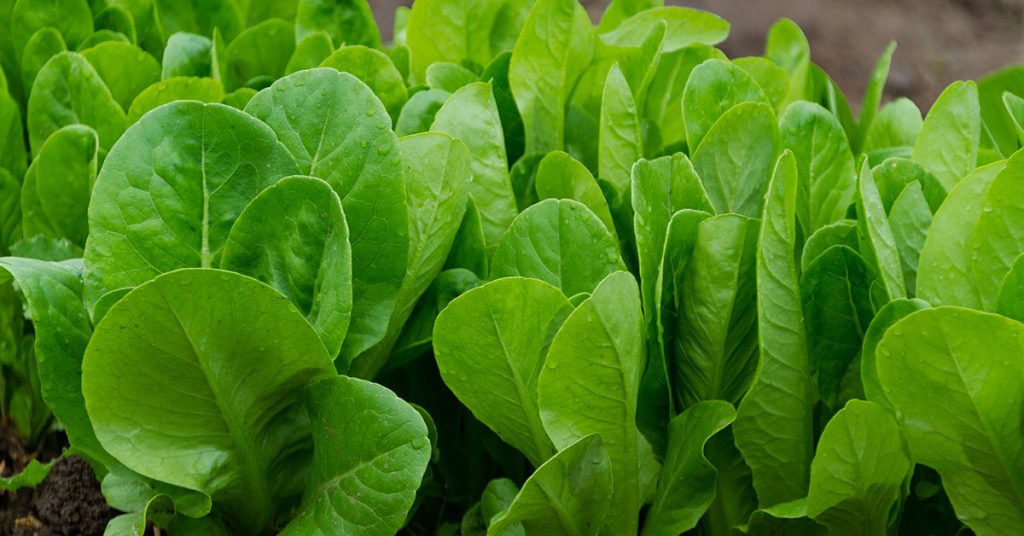
Spinach (Spinacia oleracea) hails from ancient Persia and Central Asia, where it thrived in cool, wet conditions. It’s not invasive but, when it bolts, its inconspicuous flowers attract lady beetles. Early spring brings lush rosettes of tender foliage, perfect for salads.
By late May, however, spinach often bolts and turns bitter, sending up a tall seed stalk instead of producing leaves. Warm soil accelerates flowering, dashing those dreams of endless baby-spinach salads! I know how heartbreaking it is to watch a bed of spinach suddenly shoot skyward, totally inedible. Shade, mulch, and frequent small plantings every couple of weeks can help you squeeze more harvests before summer takes over.
Radishes

Radishes (Raphanus sativus) probably originated in Southeast Asia and have since spread worldwide. They’re generally non-invasive and, once they flower, attract ground-foraging birds eager for their seeds. Radishes mature in as little as 25 days, offering quick, crisp roots.
But late-May heat can make radishes woody or prompt them to bolt, producing seed pods and leaving roots pithy and hollow. Flea beetles and root maggots also thrive in warmer weather, pockmarking your radishes’ surfaces. I once harvested an entire row only to find empty shells instead of roots! Succession sowing every fortnight and rotating with warm-season crops keeps radish plantings fresh and productive.
Cabbage
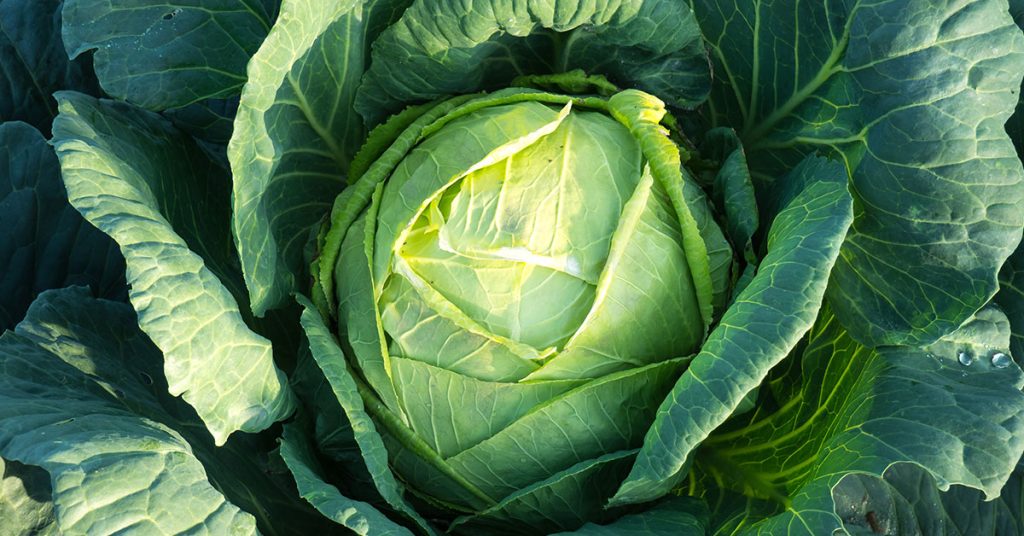
Cabbage (Brassica oleracea var. capitata) comes from Europe and the Mediterranean. It isn’t invasive and can host parasitic wasps that help control caterpillars. Those tight, round heads are a classic cool-season vegetable.
By May’s end, heavy cabbage heads may split from alternating rain and heat, and warmer temperatures can trigger flowering, resulting in loose, ragged heads. Cabbage loopers and aphids also swarm in the warmth, nibbling away at the leaves. I remember watching green caterpillars turn my cabbages into lace! Early use of floating row covers prevents many pests, and choosing heat-tolerant varieties can push your cabbage harvest a bit later.
Cilantro
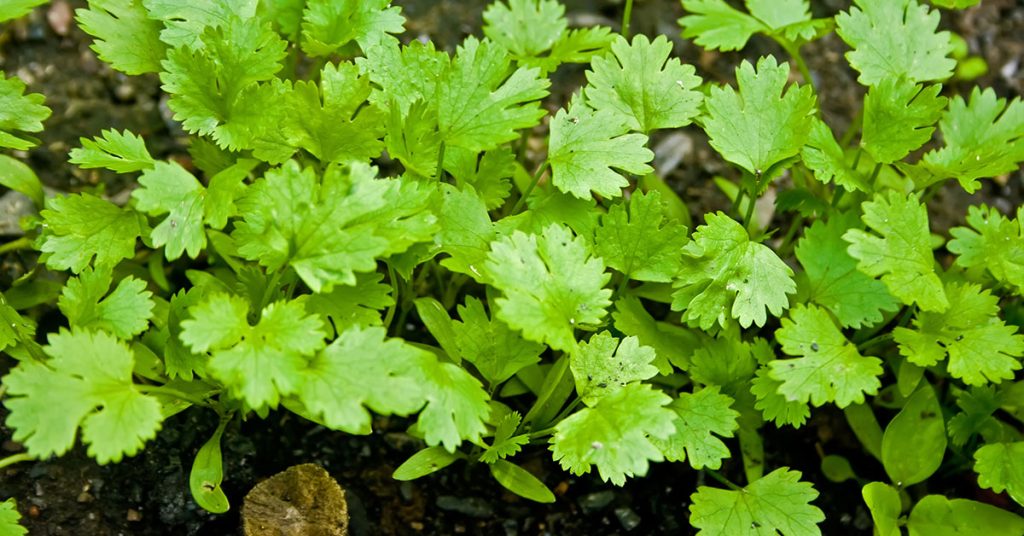
Cilantro (Coriandrum sativum) is native to Southern Europe and Western Asia; it spreads readily by seed but isn’t usually invasive in home gardens. Its white, umbrella-shaped flowers are magnets for beneficial wasps and hoverflies—alas, that means the edible leaf stage is over once it blooms!
When days lengthen and temperatures climb above 75°F, cilantro bolts and develops a soapy, bitter taste. I’ve tried partial shade and shade cloth to slow bolting, but succession sowing every couple of weeks is my go-to trick to keep fresh cilantro flowing for taco nights!
Kale
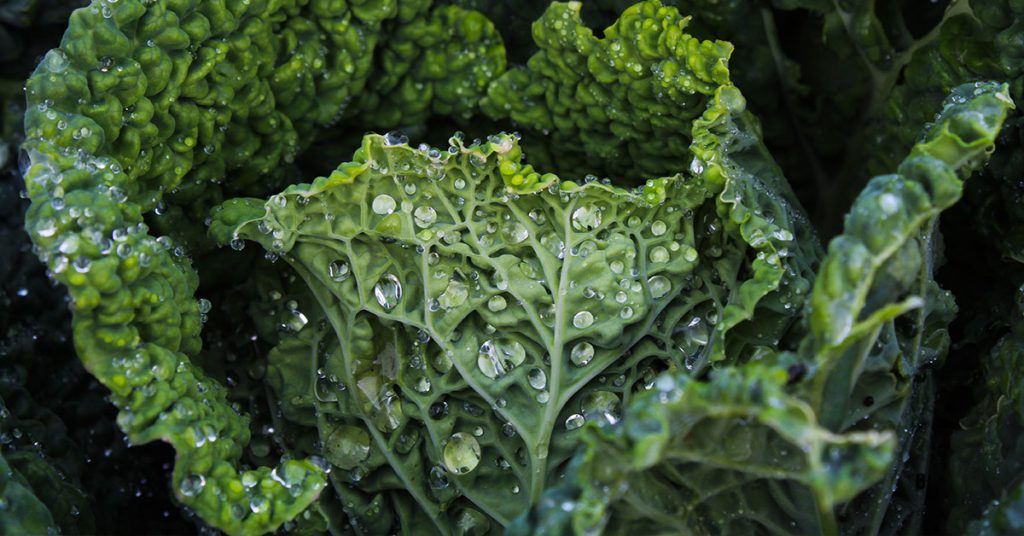
Kale (Brassica oleracea var. sabellica) likely originated in the eastern Mediterranean as a winter green. It’s non-invasive and attracts predatory insects that overwinter in its foliage. Its textured leaves and robust stems make it a standout—until the heat arrives.
By late May, kale can toughen and develop a bitter edge after a stretch of hot, dry days. Warm weather also brings flea beetles, which pepper leaves with tiny holes. I once had a patch look like Swiss cheese under hot skies! For tender, mild leaves, plant kale for fall or provide afternoon shade when May starts heating up.
Kohlrabi

Kohlrabi (Brassica oleracea var. gongylodes) was developed in Northern Europe; its swollen stem “bulb” isn’t invasive and can host lacewings that prey on soft-bodied pests. The crunchy, mildly sweet globes are a fun brassica twist.
But heat makes kohlrabi woody and pithy—bulbs can crack if soil moisture swings wildly in late May’s unpredictable weather. Cabbage worms also chew on its broad leaves, diverting energy away from bulb formation. I’ve been disappointed by what should have been perfect harvests, only to find oversized, spongy bulbs! Keeping soil evenly moist and harvesting promptly at 2–3 inches in diameter helps avoid that “woody disappointment.”
Peas

Garden peas (Pisum sativum) trace back to the Mediterranean and Southwest Asia. They’re non-invasive climbers that attract ladybugs to their delicate tendrils. Those sweet, crunchy pods are a springtime highlight.
However, peas despise hot weather—by the end of May, flowers wither and pods turn starchy. Warm soil invites root rot and encourages aphid colonies on tender shoots. I’ve lost entire trellises of peas to sudden heatwaves! For a longer haul, plant early, choose heat-tolerant varieties, and consider shade cloth when a late-May heat spike is forecast.