
Gardening is full of surprises, and one of the most delightful experiences is discovering unique flowers that resemble delicate bells swaying in the breeze! Over the years, I’ve encountered an array of stunning blooms that add a touch of elegance and whimsy to my garden. From soft, pastel hues to deep, vivid tones, these bell-like flowers not only enhance the visual appeal of any landscape but also invite a host of beneficial pollinators and sometimes even offer cozy nesting spots for tiny insects. I understand the frustration of battling pests or watching less-than-ideal blooms fade away too quickly, so I’m excited to share with you 11 exceptional bell-shaped flowers that are as enchanting as they are resilient.
We’ll explore the fascinating origins, growth habits, and sometimes surprising behaviors of these unique blooms. Whether you’re drawn to the classic charm of bluebells or the exotic allure of fuchsias, each section delves into details like where these plants are native, whether they might become invasive in your garden, and how they contribute to a thriving ecosystem.
Fuchsia

Fuchsia flowers are renowned for their pendulous, bell-like blooms that dangle gracefully from slender stems. Native to Central and South America, Fuchsia magellanica and its relatives offer an exotic flair to any garden setting. I’m always thrilled by how their vibrant pinks, purples, and reds create a striking contrast against green foliage, inviting hummingbirds and butterflies to feast on their nectar. Their unique bell shape not only captures the eye but also gives the impression of a delicate, handcrafted ornament hanging in the garden!
Interestingly, while Fuchsias are prized for their ornamental beauty, they can sometimes attract a variety of insects that may take advantage of the blooms’ sheltered spaces for nesting. Although these plants are non-invasive and generally well-behaved in container gardens, their cascading growth habit means they require regular pruning and care. I find that maintaining a tidy, well-managed Fuchsia display not only ensures continuous blooming but also supports a balanced ecosystem where beneficial critters play a vital role in pollination!
English Bluebells
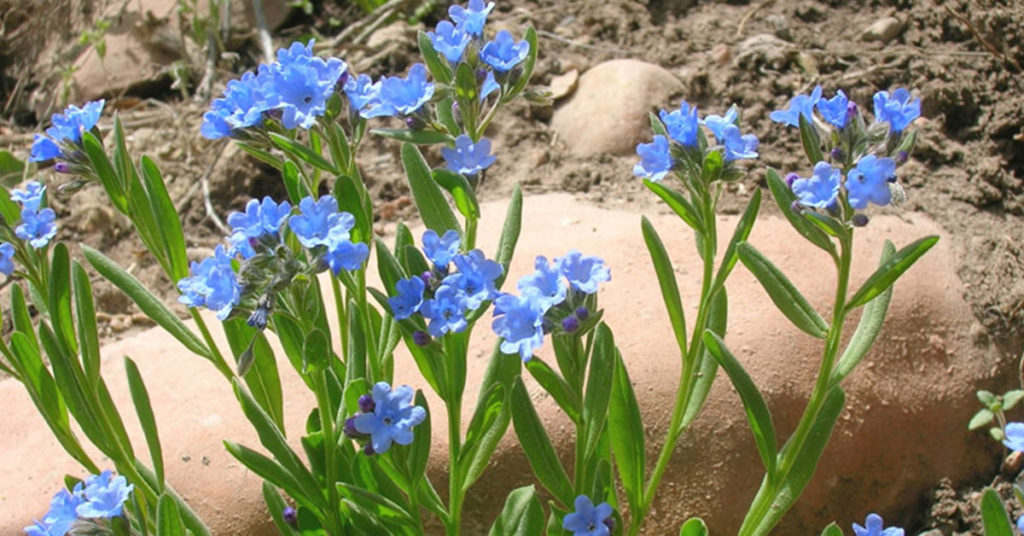
English Bluebells (Hyacinthoides non-scripta) evoke the charm of ancient woodlands with their enchanting, nodding bell-shaped flowers. Native to the United Kingdom and parts of mainland Europe, these iconic blue blooms create a magical carpet under deciduous trees in the spring. I’ve always been captivated by their soft, violet-blue hues and the gentle, almost otherworldly way they sway in the breeze, inviting a sense of tranquility into any garden setting!
Bluebells are not only a visual delight but also attract an array of pollinators such as bees, which sometimes use the dense clumps of foliage as convenient nesting spots. Despite their captivating beauty, it’s important to note that in some regions, English Bluebells can be outcompeted by invasive relatives, so sourcing authentic specimens is key. When cared for properly, they remain non-invasive and continue to bring joy and a touch of fairy-tale magic to your garden year after year!
Foxglove
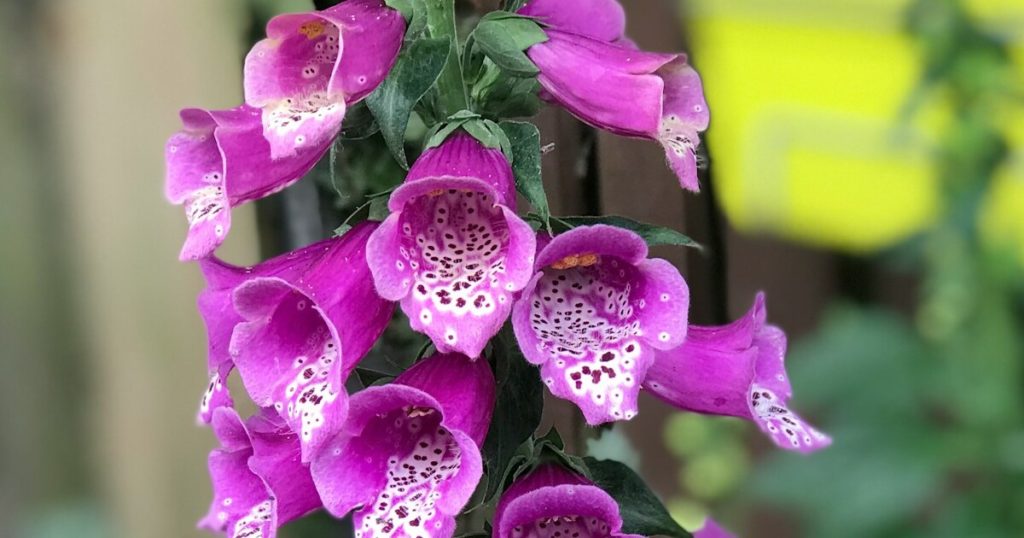
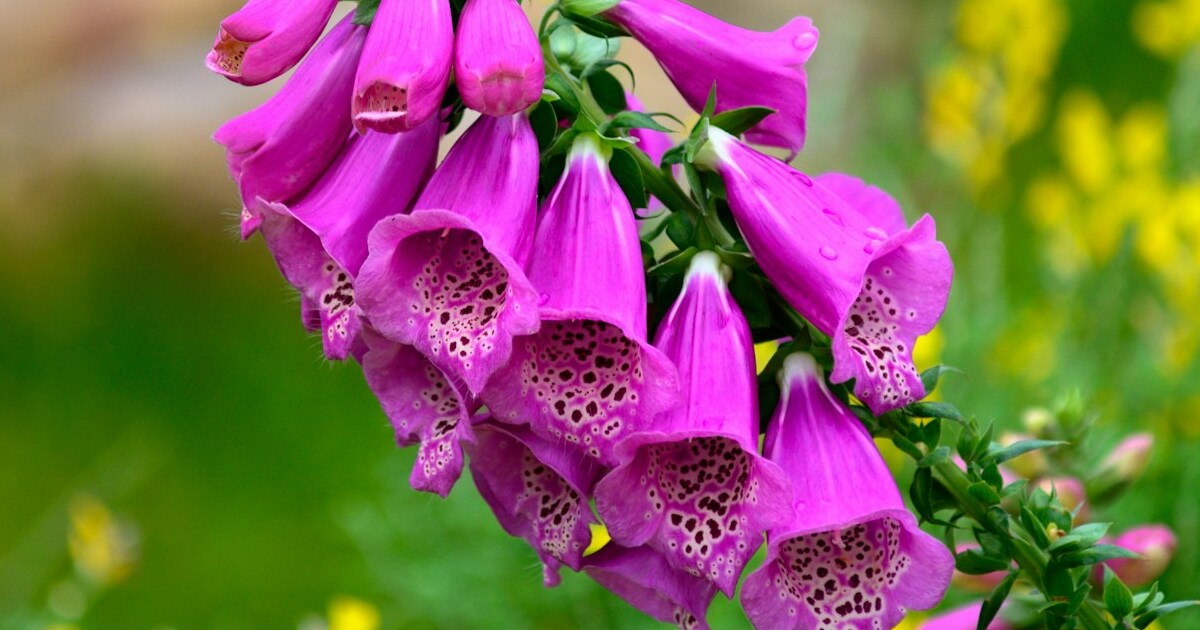
Foxglove (Digitalis purpurea) stands out with its tall, tubular, bell-shaped flowers that hang elegantly along a spire of foliage. Native to Europe, this biennial or short-lived perennial has been a garden staple for centuries due to its dramatic presence and historical medicinal uses. I’ve always been impressed by how Foxglove transforms an ordinary garden bed into a vertical display of natural architecture, its bells gently swaying and catching the light with every breeze!
However, Foxglove’s allure also attracts certain pest species, as its nectar-rich blooms can become a popular destination for bees and other pollinators. While these insects are generally beneficial, an overabundance can sometimes lead to unwanted infestations if the balance is disrupted. Despite this, Foxglove is not considered invasive when grown in a controlled garden setting, and with proper management, its stunning, magical quality remains the star of the show. It’s a bittersweet reminder that even the most beautiful plants require a careful balance to thrive!
Dwarf Bellflower
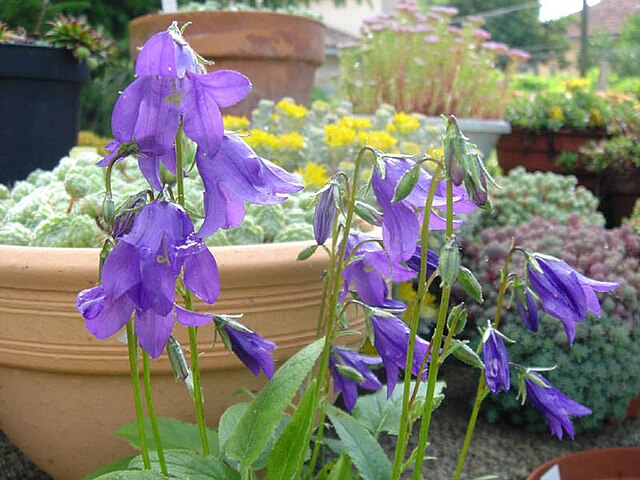
Dwarf Bellflower (Campanula portenschlagiana) is a petite marvel that packs an impressive display of bell-shaped blooms in shades of blue and violet. Native to the mountainous regions of Europe, this compact perennial is perfect for rock gardens and borders where space is at a premium. I love how its delicate, chime-like flowers seem to capture the essence of a gentle breeze, creating a soothing melody in the garden that feels both refreshing and uplifting!
Despite its diminutive size, Dwarf Bellflower has a charming way of attracting beneficial insects like bees and small butterflies, which sometimes take refuge among its tightly clustered blossoms. This non-invasive plant is a joy to grow, provided it is given well-drained soil and a sunny to partially shaded spot. Its continuous blooming from late spring to early summer ensures that your garden remains vibrant, making it a delightful choice for gardeners looking to add a touch of refined elegance to their outdoor spaces!
Canterbury Bells

Canterbury Bells (Campanula medium) are a timeless favorite, celebrated for their classic, cup-shaped blooms that dangle from arching stems. Native to the Mediterranean region, these elegant perennials have long been prized for their ability to add a stately charm to cottage gardens and formal landscapes alike. I’m always enchanted by the way Canterbury Bells display a range of colors from soft pastels to deep blues, creating a natural cascade of bells that seem to sing with every gentle gust of wind!
Their distinctive bell-shaped flowers attract a variety of pollinators, including bees and butterflies, which are drawn to the vibrant colors and sweet nectar. While Canterbury Bells are generally non-invasive when given the right conditions, they do require regular deadheading to maintain continuous blooming and to prevent self-seeding in an uncontrolled manner. With attentive care, these delightful flowers not only enhance the beauty of your garden but also contribute to a balanced ecosystem where natural pollination is encouraged and celebrated!
Creeping Bellflower
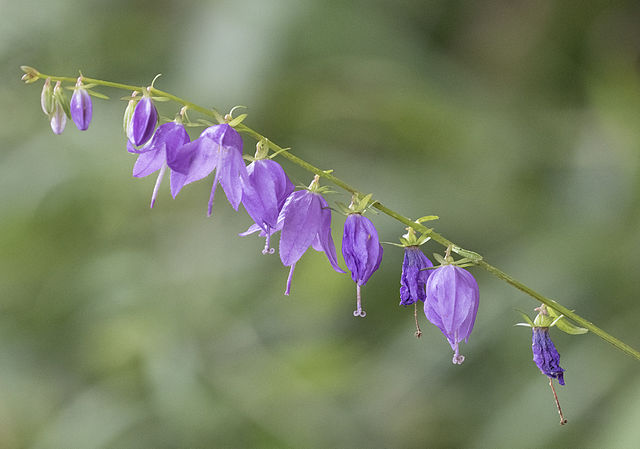
Creeping Bellflower (Campanula rapunculoides) is a fast-spreading perennial with charming, nodding bell-shaped blossoms that create a cascading effect across garden beds. Native to Europe, this species has a reputation for its vigorous growth and ability to form dense mats that can smother other plants if left unchecked. I’ve witnessed firsthand how this plant’s attractive blue-violet bells can quickly turn into a garden nuisance, overshadowing more delicate native flora with its relentless spread!
While the beauty of Creeping Bellflower’s blooms might initially captivate you, its invasive tendencies make it a serious concern for gardeners who value biodiversity. The plant’s dense network of roots and sprawling vines not only monopolizes space but can also alter soil conditions, making it difficult for beneficial insects to establish their own nesting sites. Managing this species requires vigilance and prompt removal to ensure that your garden remains a haven for native plants and a balanced, thriving ecosystem!
Lily of the Valley
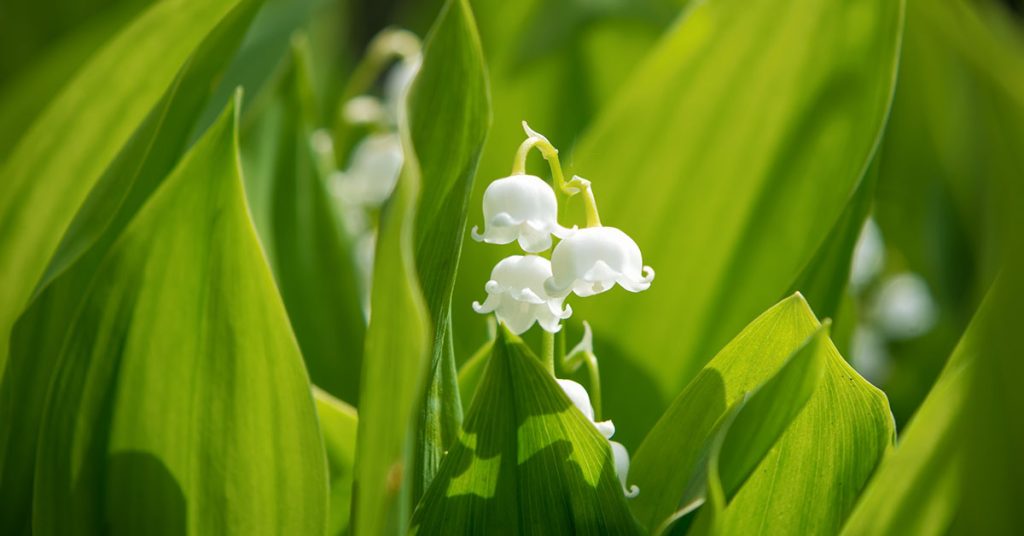
Lily of the Valley (Convallaria majalis) enchants with its delicate, nodding white bells that exude a sweet, intoxicating fragrance. Native to Europe and parts of Asia, this shade-loving perennial has long been admired for its subtle beauty and medicinal properties. I’ve always found Lily of the Valley to be a gentle reminder of spring’s arrival, its tiny, bell-shaped flowers creating an ethereal carpet beneath trees and along woodland paths!
Despite its charming appearance, Lily of the Valley can become invasive in some regions, spreading rapidly through underground rhizomes and outcompeting native plants. Its lush, green foliage offers inviting microhabitats for beneficial insects, yet the same traits can lead to uncontrollable growth if not properly managed. Regular division and careful cultivation are essential to keeping this plant in check, allowing you to enjoy its sweet fragrance and timeless beauty without the downsides of overgrowth!
Harebell
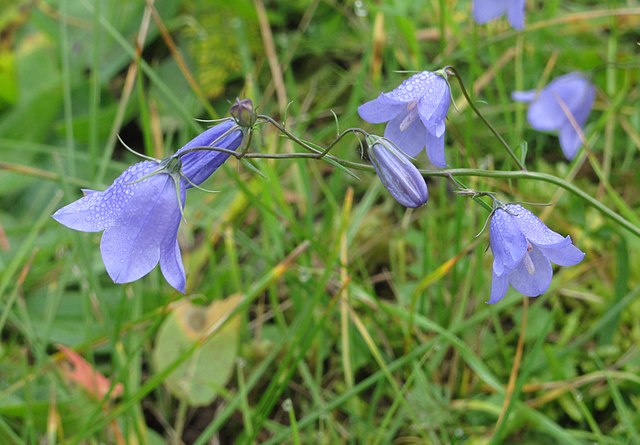
Harebell (Campanula rotundifolia) is a delicate, graceful flower that earns its name from the way its slender, bell-shaped blooms seem to dance in the breeze. Native to northern Europe and parts of North America, Harebells thrive in well-drained, rocky soils and add a touch of wild beauty to meadows and alpine gardens. I’m always delighted by their soft, pastel blue tones and the gentle, tinkling effect they create—like nature’s very own wind chimes swaying in harmony!
Their dainty bells attract a variety of pollinators, such as bees and butterflies, which may even find safe nesting spots among the plant’s airy foliage. Harebells are non-invasive and easy to care for, provided they are given plenty of light and well-drained soil, making them an excellent choice for adding a refined touch to any garden. Their extended blooming period and ethereal charm truly make them a favorite for gardeners who appreciate the subtle, musical beauty of nature!
Balloon Flower
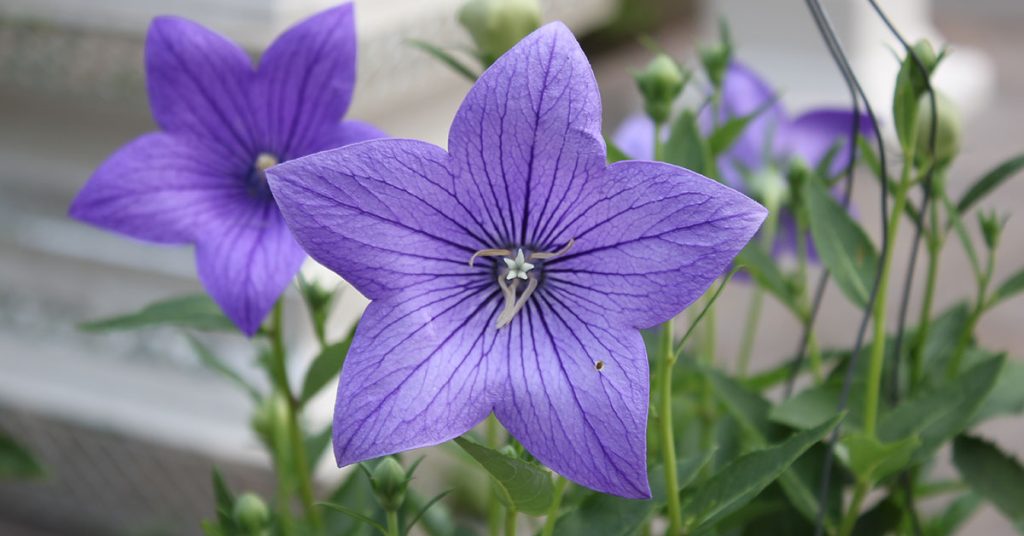
Balloon Flower (Platycodon grandiflorus) gets its common name from the unique way its buds swell like little balloons before unfurling into star-shaped, bell-like blossoms. Native to East Asia, this perennial is cherished for its striking blue flowers that seem to defy gravity as they burst open in midsummer. I’m always fascinated by the transformation from balloon to bell—it’s like witnessing a tiny miracle in the garden that never fails to spark joy and admiration!
The Balloon Flower not only captivates with its visual appeal but also attracts beneficial pollinators such as bees and butterflies, which appreciate its abundant nectar. Although it is generally non-invasive, it can sometimes spread in favorable conditions, so regular division is recommended to maintain its compact form. Its unusual blooming process and resilient nature make Balloon Flower a standout choice for gardeners seeking to add a touch of quirky elegance and lasting beauty to their outdoor spaces!
Tall Bellflower

Tall Bellflower (Campanula persicifolia) is a majestic perennial that commands attention with its striking, bell-shaped flowers and towering growth habit. Native to Europe, this species displays a beautiful array of blue and purple blooms that cascade gracefully along long, arching stems. I’ve always been amazed by the regal presence of Tall Bellflower in the garden—it brings a sense of drama and splendor that can transform even the simplest landscape into a living work of art!
The open, bell-like structure of its flowers makes them irresistible to a variety of pollinators, including bees and butterflies, which may even use the plant’s dense foliage as a nesting ground. While Tall Bellflower is generally non-invasive, its vigorous growth requires careful maintenance and occasional pruning to keep it in check. Embracing this impressive perennial means welcoming a touch of elegance and natural majesty that endures throughout the growing season!
Clustered Bellflower
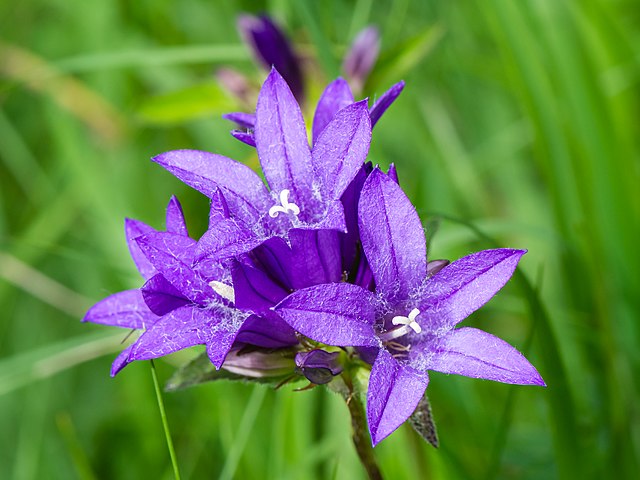
Clustered Bellflower (Campanula glomerata) delights with its abundant, tightly packed clusters of bell-shaped blossoms that create a stunning, textured display in the garden. Native to Europe, this perennial is known for its charming combination of delicate blue and violet hues that stand out beautifully against a backdrop of lush green foliage. I find that the clustered arrangement gives the plant an almost ethereal quality, as if tiny bells are ringing softly in unison with each gentle breeze—an enchanting sight that never fails to lift my spirits!
The compact clusters of flowers not only add a visual feast to any garden but also serve as a magnet for beneficial insects such as bees and small butterflies. These insects often find the tight spaces between the blooms perfect for temporary nesting or simply for gathering nectar. While Clustered Bellflower is typically non-invasive, its prolific blooming habit means regular deadheading can help prolong its display and keep the plant looking its best. It’s a true testament to nature’s artistry, combining beauty, resilience, and a harmonious role in the garden’s ecosystem!