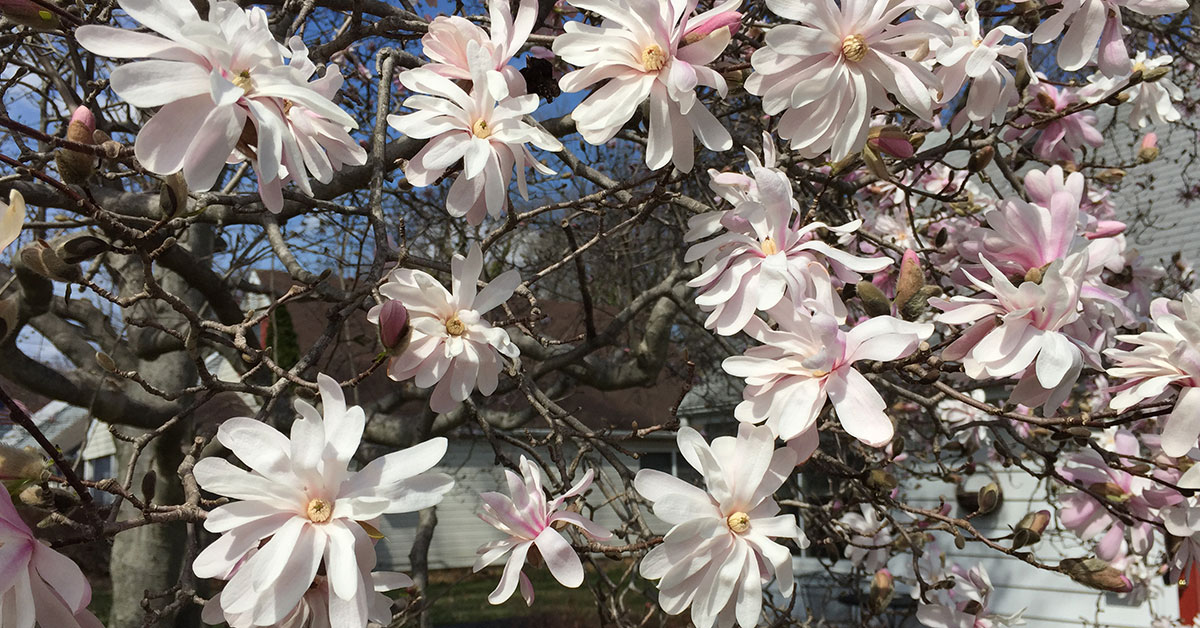

Magnolia trees are among my favorite garden showstoppers—those enormous, fragrant blooms unfolding like creamy cups against glossy foliage never fail to take my breath away! Native to East Asia and the Americas, these ancient beauties have graced our landscapes for millions of years, attracting hummingbirds, bees, and even nesting cardinals in their sturdy branches. Yet it’s such a bummer when your magnolia sulks, refusing to flower or developing sparse, leggy growth. I totally understand the frustration of watching your dream magnolia look more like a scraggly hedge than a majestic specimen.
That’s why I’m excited to share eleven of my top tips for helping your magnolia thrive—from selecting the perfect species to troubleshooting common pests! Each tip digs into magnolia’s native habits, soil preferences, and how to create a haven for pollinators and nesting wildlife. Let’s dive in and turn your garden into a magnolia paradise!
Encourage Pollinators and Nesting Birds

One of the most delightful aspects of magnolias is how they beckon early pollinators—native bees often buzz inside those tulip-shaped blossoms before many other trees have awakened. I like planting spring-blooming bulbs nearby to lure them in early; watching their fuzzy bodies dusted with pollen is one of my favorite garden moments!
Beyond insects, mature magnolias create ideal nesting sites for songbirds like cardinals and orioles. By avoiding harsh pesticides and leaving a few twigs and leaves beneath the canopy, you’ll encourage these birds to forage and nest right in your yard—adding charming morning choruses to your magnolia display.
Select the Right Magnolia Species
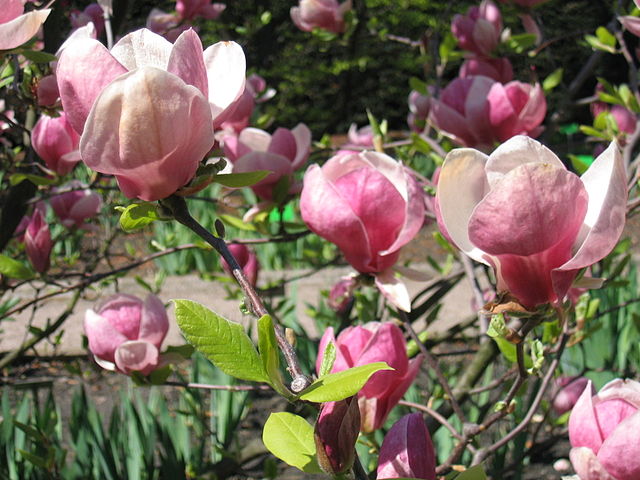
Magnolias range from the towering Southern magnolia (Magnolia grandiflora) native to the southeastern United States to the smaller star magnolia (M. stellata) hailing from Japan. When choosing, think about your USDA zone, mature height, and bloom season. I once planted a grandiflora in a tiny courtyard—oops!—and learned the hard way to match species to space.
Don’t forget some wild quince-leafed or cucumber magnolias can be borderline invasive in certain regions, spreading by suckers. Research local recommendations to avoid plants that might escape containment. By picking the right species, you set yourself up for manageable growth and reliable flowering.
Provide Consistent Moisture
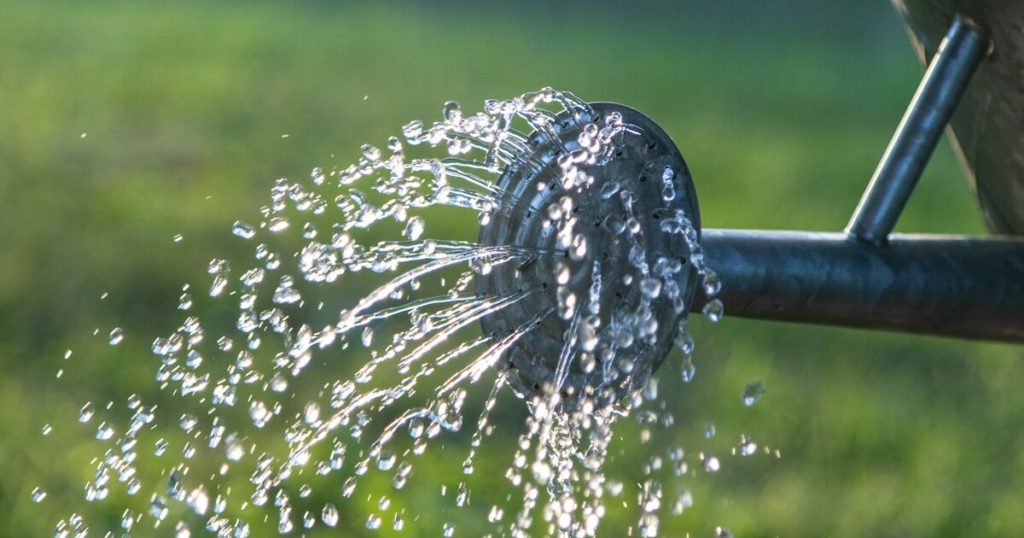
Magnolias appreciate evenly moist soil, especially in their first few years. I water deeply once or twice a week during dry spells, aiming to keep the top foot of soil damp without turning your planting area into a swamp. Those deep watering sessions encourage robust root systems that support heavy blooms!
Avoid letting the soil dry out completely—stressed magnolias can drop their precious buds or suffer leaf scorch. A simple moisture meter can help you monitor soil moisture levels, ensuring you meet your tree’s needs without overdoing it.
Mulch to Maintain Soil Temperature
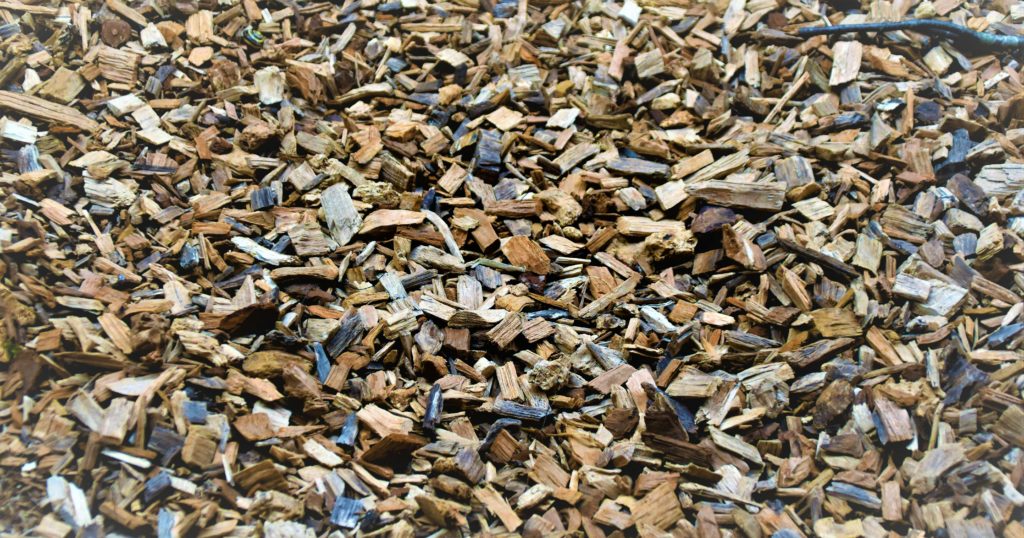
A generous two- to three-inch layer of organic mulch around the drip line does wonders for magnolia health. It keeps soil temperatures steady, conserves moisture, and suppresses weeds that compete for nutrients. I refresh my mulch ring each spring, leaving a small gap around the trunk to prevent rot!
In nature, magnolias thrive under a carpet of leaf litter in their native woodlands. By mimicking that organic layer, you support beneficial soil organisms—earthworms and fungi—that help break down nutrients, giving your magnolia a steady food source for richer blooms.
Prune After Flowering
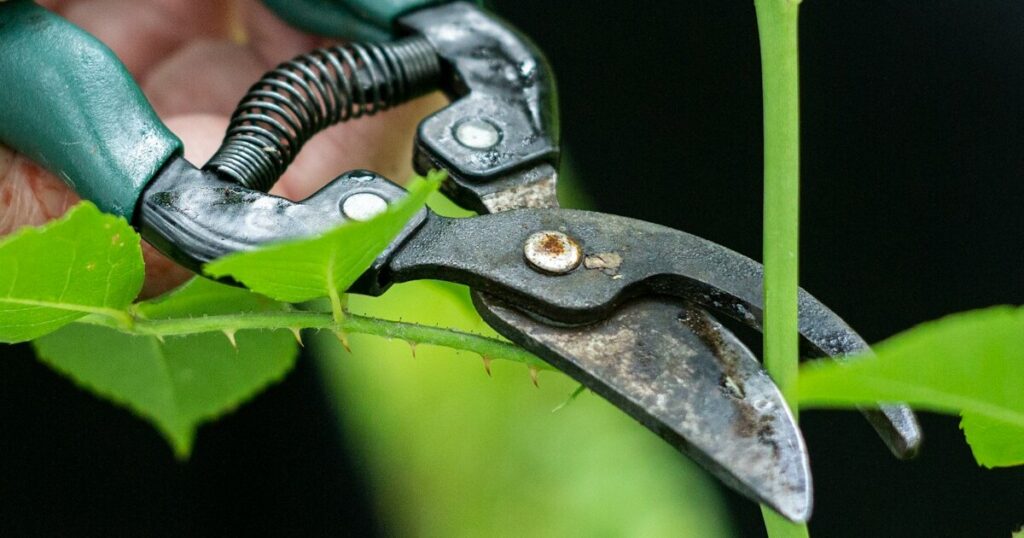
While it can be tempting to trim stray branches anytime, magnolias bloom on old wood, so I wait until after flowering to prune. Carefully remove dead or crossing limbs to keep the canopy open and air circulating. This prevents the bummer of fungal diseases and encourages healthier growth.
For Southern magnolias, I selectively thin rather than shearing to maintain their natural shape. In smaller species, light topping can promote a denser habit, but remember: less is more when pruning magnolias—overcutting can reduce next year’s floral show!
Ensure Well-Drained, Slightly Acidic Soil
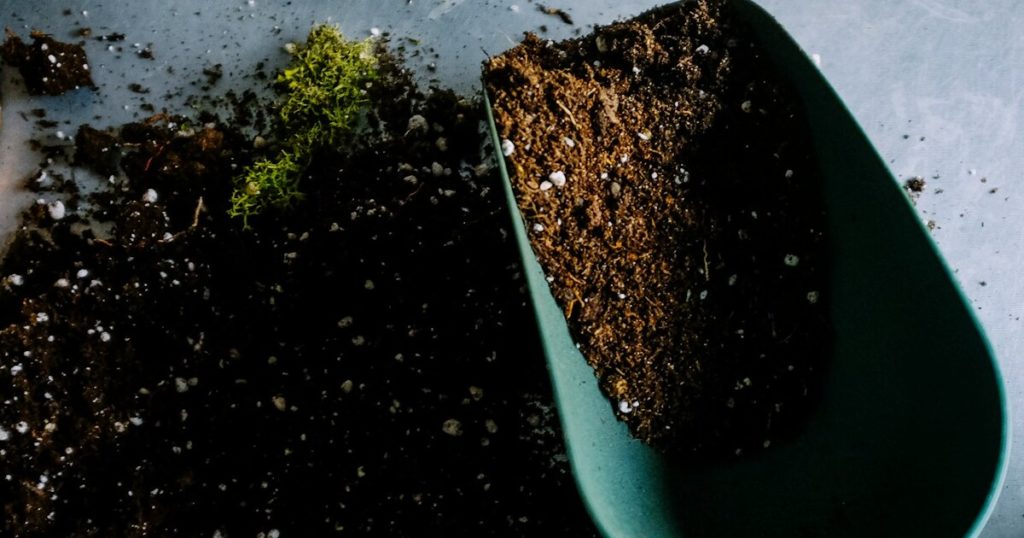
Magnolias thrive in loamy, well-drained soil with a pH between 5.5 and 6.5. If your garden soil is heavy clay or too alkaline, I mix in composted pine bark or peat moss at planting time to improve drainage and acidity. This replicates the acidic forest floors where they evolved!
Roots sitting in waterlogged soil often lead to root rot, while overly alkaline conditions can cause nutrient deficiencies and sparse foliage. A simple soil test can guide your amendments, giving your magnolia the perfect foundation for vigorous growth.
Protect from Late Frost

Delicate spring blooms can be nipped by unexpected frosts, leaving you disheartened. Keep frost cloth or floating row covers handy to drape over young buds on cold nights. I’ve carefully lifted frozen covers at dawn to find those creamy petals unharmed—such a relief!
Position lightweight stakes in advance so fabric doesn’t crush branches. Removing covers during the day prevents overheating, ensuring your magnolia stays cozy but doesn’t cook under the sun’s warmth.
Feed with Balanced Fertilizer

In early spring, I apply a slow-release, balanced fertilizer (such as 12-6-6) around the root zone—never piling it against the trunk. This feeds developing buds and supports healthy leaf growth without encouraging overly soft wood that’s prone to breakage.
Magnolia leaves are prone to iron chlorosis in highly alkaline soils, so if you spot yellowing with green veins, an iron chelate application can restore vibrancy. Think of feeding as giving just enough nutrients to fuel those spectacular blooms without overwhelming your tree!
Watch for Pests and Diseases

While magnolias are generally hardy, they can attract pests like scale insects or suffer from leaf spot. Early summer is prime scouting time—look under leaves for tiny scale insects and rub infested areas with a soft cloth dipped in soapy water. It’s such a relief to catch them before they spread!
For fungal spots, clear fallen debris and improve air circulation by pruning crowded limbs. A light spray of horticultural oil in late winter can suffocate overwintering eggs, protecting your magnolia without harming beneficial insects nesting nearby.
Use Hardwood Cuttings or Grafting for Propagation

One of my favorite propagation methods is grafting prized magnolia cultivars onto vigorous rootstocks. It guarantees true-to-type blooms and often accelerates flowering compared to seed-grown trees! If you prefer a hands-on approach, hardwood cuttings taken in winter can root well with a rooting hormone and bottom heat.
Propagating magnolias lets you share these beauties with friends and family. Just be patient—magnolias can be slow to root, but the satisfaction of growing a new tree from your parent plant is unbeatable!
Monitor Sun Exposure

Most magnolias prefer full sun to partial shade. However, in very hot climates, afternoon shade can protect leaves and blooms from scorch. I’ve repositioned young saplings under a light canopy of oak to give them that sweet reprieve from the afternoon sun—results were dramatic!
Observe your magnolia’s performance: sunburned leaves or faded blooms signal too much heat, while sparse flowering might indicate inadequate light. Fine-tuning exposure ensures your tree’s health and keeps those spectacular blossoms coming year after year.