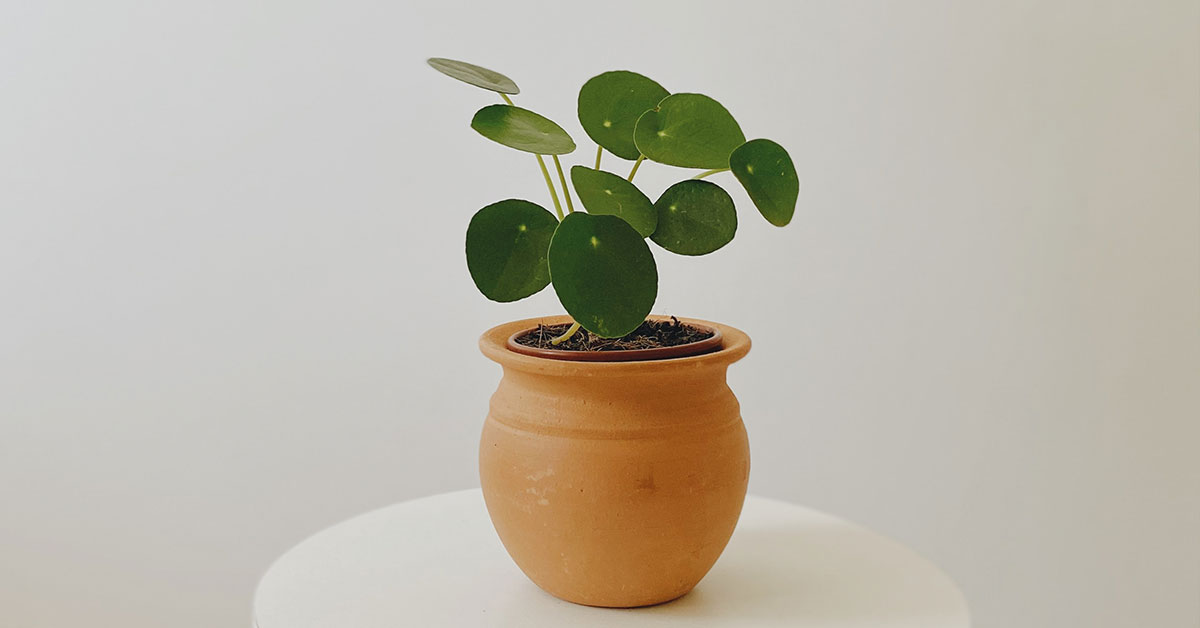

The charming Chinese Money Plant (Pilea peperomioides), native to the Yunnan province of southern China, has won hearts worldwide with its pancake-shaped leaves and easy-going nature. While it isn’t considered invasive, its prolific production of baby “pup” offsets makes it feel like it could take over a shelf or two! I remember the first time my little Pilea sent out a dozen pups—I couldn’t believe how quickly it multiplied.
It’s such a bummer when you spot yellowing leaves or leggy stems after weeks of hopeful care. Whether yours sits on a bright windowsill or under grow lights, these 11 tips—covering everything from light and watering to pest patrol and propagation—will help your Pilea thrive, delighting you with healthy foliage and maybe even delicate umbels of tiny, fly-attracting blooms!
Optimize Light Exposure

Chinese Money Plants crave bright, indirect light—think the dappled shade beneath a forest canopy, rather than scorching midday sun. Too little light leads to lanky stems and wan leaves, while harsh direct rays can scorch those round leaves in an instant!
Position your Pilea near an east- or north-facing window, or one filtered by a sheer curtain. In their native understory, Pilea flowers release minute nectar that draws small flies—so giving yours enough light could encourage those rare indoor blooms and a touch of mini-wildlife.
Establish a Consistent Watering Rhythm
Underwatering causes leaves to curl and drop, while overwatering leads to root rot—the most common killer of Pilea. I once let my plant sit dry so long, then drenched it trying to catch up, only to watch its base soften!
Allow the top inch of soil to dry before watering, then water thoroughly until it drains freely. This mimics the tropical monsoon-dry cycle Pilea evolved with, and helps keep fungus gnats—looking for constantly damp soil—at bay.
Choose a Well-Draining Soil Mix
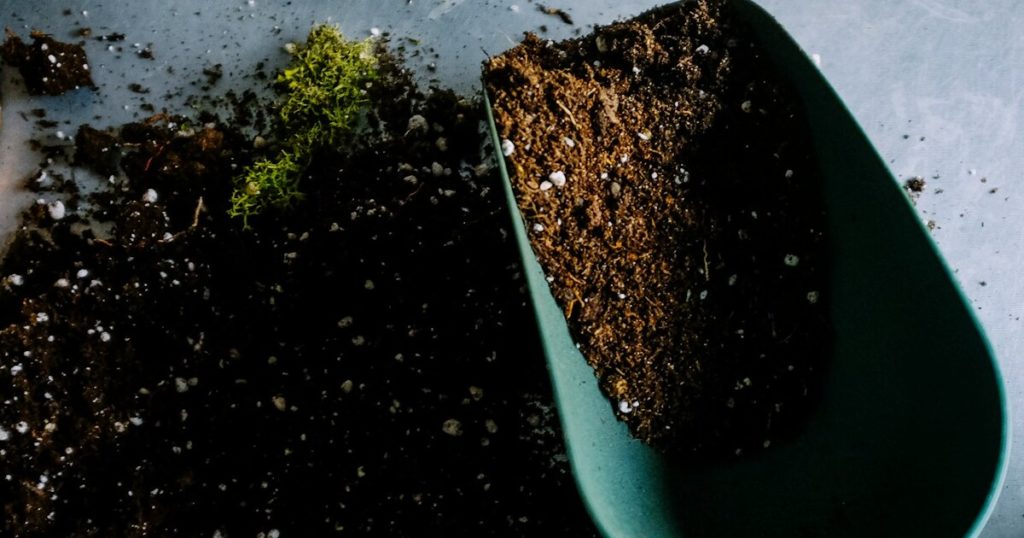
In the wild, Pilea grows in loose, humus-rich forest floors. Standard potting mix can hold too much moisture, so amend it with perlite or coarse sand for better drainage. I reused an old mix once and regretted the soggy mess that followed!
A chunky blend also creates tiny air pockets where beneficial springtails can thrive, breaking down organic debris and keeping your soil healthy without harming your plant.
Provide Proper Humidity
Hailing from subtropical forests, Pilea appreciates humidity around 50–60%. Dry indoor air often causes brown leaf edges and slowed growth. I rescued mine by grouping it with other houseplants and adding a small humidifier!
Higher humidity also encourages micro-ecosystems on the soil surface—tiny mites and springtails—that help recycle nutrients naturally, so your plant gets both moisture and a little microbial love.
Maintain Stable Temperatures

Pilea thrives between 65–75 °F (18–24 °C). Sudden dips or drafts can shock the plant, causing droopy leaves or leaf drop. My first winter, an open window left my Pilea shivering overnight—lesson learned to keep it away from cold drafts!
Consistent warmth mimics its native forest understory and keeps metabolism steady, encouraging occasional clusters of tiny, greenish flowers that can attract small pollinating flies.
Fertilize Moderately During Growing Season

Feed your Money Plant monthly in spring and summer with a balanced, water-soluble fertilizer diluted to half strength. Overfertilizing can burn roots and encourage leggy, weak growth—I once followed the label too closely and watched my Pilea sulk!
Light feeding supports lush leaf production and healthy pups, while avoiding excess salts that accumulate and stress the plant.
Repot Every One to Two Years

As Pilea pups develop, the soil depletes and roots fill the pot. If your plant looks crowded or dries out too quickly, it’s time to repot. I procrastinated once and ended up with a root ball so dense it wouldn’t absorb water!
Choose a pot only one size larger, refresh the soil mix, and gently tease out circling roots. This gives both mother and pups fresh nutrients and room to grow strong.
Keep Leaves Clean and Dust-Free
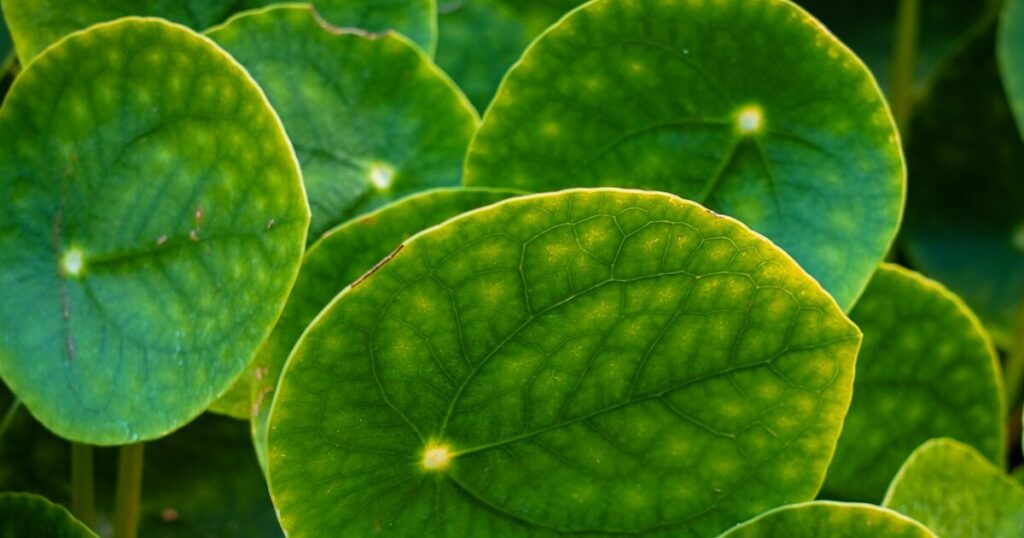
Dusty leaves block light and invite spider mites. Gently wipe each leaf with a soft, damp cloth every few weeks—one of my favorite plant-care rituals!
Clean foliage not only looks gorgeous but also lets any beneficial predatory mites find their prey if pests appear, keeping your Pilea’s micro-habitat in balance.
Inspect and Treat Pests Promptly

Pilea can occasionally host aphids, mealybugs, or spider mites. Early detection makes treatment easy—spray with insecticidal soap or wipe with a cotton swab dipped in rubbing alcohol. I once found a cluster of mealybugs hiding under a leaf and nipped the problem in the bud!
Encourage beneficial insects—ladybugs or predatory mites—by maintaining humidity and planting nearby flowering houseplants. They’ll help keep pests under control naturally.
Propagate and Remove Pups for Health

One of the joys of Pilea is its easy propagation: simply snip pup offsets at the base and root them in water or soil. Removing some pups from the mother plant reduces competition for resources, helping both plants thrive!
I love trading rooted pups with friends—seeing them establish new micro-habitats of soil microbes and tiny springtails gives you a living legacy of your care.
Ensure Proper Pot Drainage
A pot without drainage holes is a recipe for disaster. Always use containers with ample drainage, and place a saucer or tray underneath to catch excess. I’ve lost more than one Pilea to waterlogged roots in a pretty but hole-less pot!
Good drainage prevents root rot and discourages fungus gnats from nesting in perpetually damp soil, giving your Chinese Money Plant the airy, well-drained home it deserves.