

Gardening with succulents is such a delight—those plump leaves, architectural forms, and unexpected blooms can transform any space into a desert oasis! Yet it’s such a bummer when the summer sun and heat arrive and your succulents shrivel, stretch, or even rot. I know how frustrating it is to invest in these hardy plants only to see them decline just as the season heats up.
In this article, we’ll explore eleven essentials your succulents need before summer truly kicks in. From fine-tuning their soil mix to acclimating them to bright light, we’ll cover everything you can do now to set your rosettes and trailing sedums up for success. Let’s dive in and make sure your succulents stay vibrant, plump, and ready to bloom under the summer sun!
Well-Draining Soil Mix

Succulents evolved in arid regions—think deserts of Mexico and South Africa—where water drains quickly through sandy or rocky soil. Planting them in heavy, moisture-retentive potting mixes is a fast track to root rot and yellowing leaves. I once used a standard houseplant mix and watched my echeverias suffer mushy stems within weeks!
Before summer arrives, repot your succulents into a blend of coarse sand or pumice, perlite, and a small amount of organic compost. This recipe mimics their native substrates and ensures excess water flows away swiftly. Those gritty particles also create tiny crevices where solitary bees can nest, supporting both plant health and local pollinator populations!
Gradual Light Acclimation

Sudden exposure to intense summer sun can scorch succulent leaves, leading to unsightly brown patches. If your plants have spent spring in filtered light or indoors, they need a gentle introduction to full sun. I learned this the hard way when I placed my aloe outdoors overnight and returned to bleached leaves!
Start by placing your succulents in morning sun—two to three hours daily—then gradually increase exposure over two weeks. This mimics natural seasonal shifts and helps the plants produce protective pigments. Healthy, acclimated succulents also provide steady nectar sources for hummingbirds and butterflies seeking moisture in petals or leaf axils.
Inspect and Treat Pests

Warm summer weather often brings pests like mealybugs, scale, and spider mites looking for succulent juiciness. Left unchecked, these critters can cause yellowing, leaf drop, and stunted growth. I once found a hidden cluster of mealybugs on my jade plant—such a heart-sinker!
Conduct a close inspection of leaves, rosettes, and stem joints before the heat intensifies. Treat any infestations with isopropyl alcohol swabs or insecticidal soaps. Maintaining plant health also attracts beneficial predators like ladybugs and lacewings, which patrol the succulent surfaces for snack-sized pests!
Protective Mulch Layer
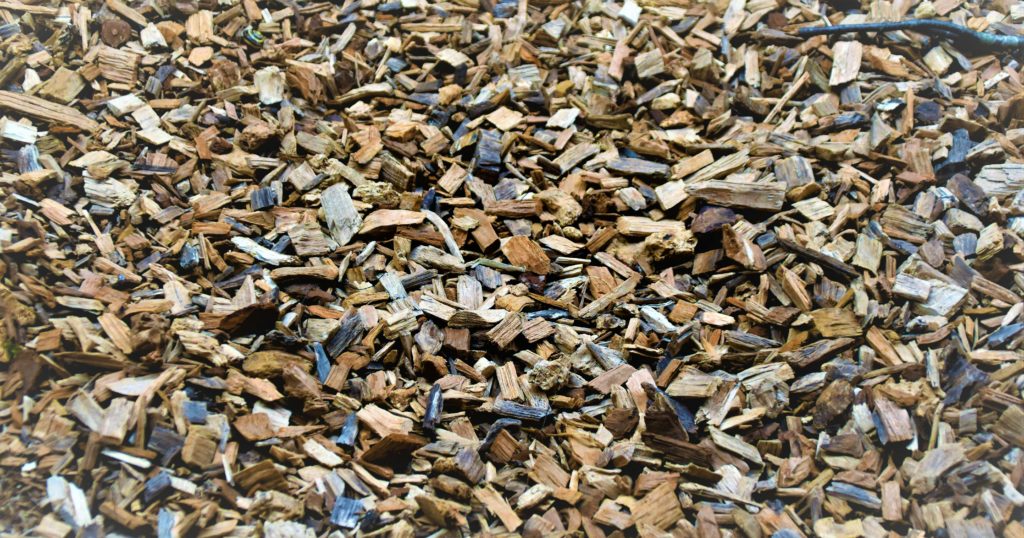
Applying a thin layer of fine gravel or crushed lava rock around outdoor succulents helps regulate soil temperature and moisture. This mimics the rocky expanses these plants evolved in, preventing soil from overheating in direct sun. I’m always amazed at how well my hens-and-chicks thrive under a 1-inch gravel layer!
The gravel also deters slugs and snails from reaching tender leaves and provides landing spots for pollinating insects. Insects like native bees use stable surfaces to nest or perch while foraging succulent blooms, enriching biodiversity in your garden!
Adjusted Watering Schedule
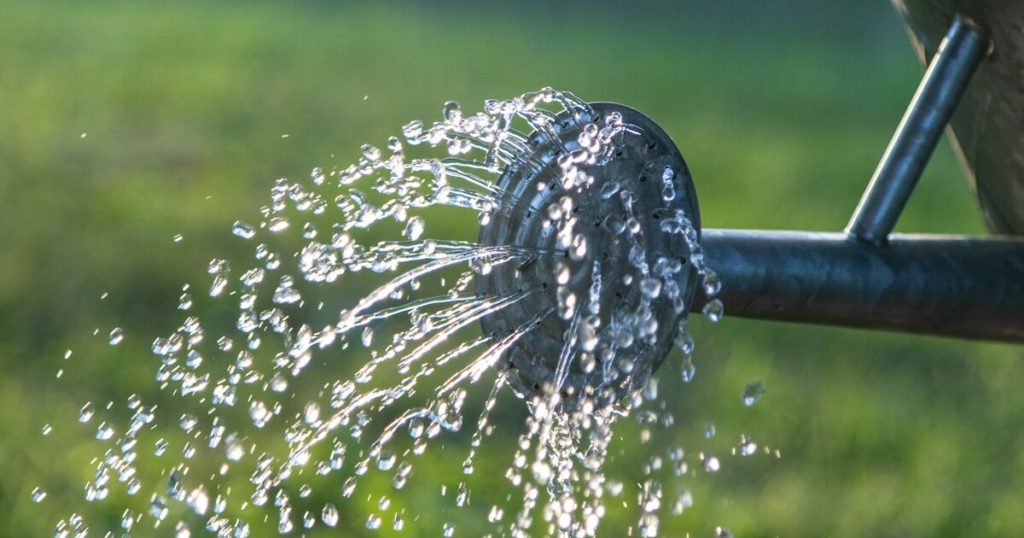
Succulents need less frequent watering in summer’s high heat, but when you do water, deliver deeply. Shallow, frequent dousing encourages weak, surface-only roots. I switched to a once-every-two-week soak in midsummer, and my agaves developed impressively deep roots!
Allow the soil to dry completely between waterings—the “soak and dry” method encourages roots to seek moisture deeper underground. That strategy aligns with the plants’ drought-adapted behaviors and supports beneficial subterranean insects like ground beetles that help aerate the soil.
Fertilizer Boost

Though hardy, succulents benefit from a light feeding before their summer growth surge. A balanced, diluted fertilizer—something like a 10-10-10 formula at quarter strength—provides the nutrients needed for robust leaf production and potential flowering. I always notice fuller, richer-colored rosettes after a mid-spring feeding!
Avoid high-nitrogen fertilizers that encourage overly lush foliage prone to rot. A gentle nutrient boost supports the plant’s native strategy of storing water and attracting pollinators when they do flower, which is especially delightful for succulents that bloom spectacularly in summer!
Adequate Airflow

Stagnant summer air can invite fungal issues and slow drying after rainfall. Ensuring good airflow around each succulent minimizes these risks. I rearranged my outdoor display last year, giving each pot a few extra inches of space, and fungal spots became a thing of the past!
Air movement also helps disperse heat, creating microclimates that mimic the breezy habitats of many succulents. The improved circulation encourages beneficial hoverflies and small wasps to patrol for pests, further protecting your plants.
Temperature Monitoring

Although succulents tolerate heat, sudden temperature spikes above 100°F can stress them. Using shade cloth to reduce direct midday sun or moving containers into partial shade during heatwaves helps. I once protected my potted succulents with a simple shade sail—and they thrived through a record-breaker!
Tracking your garden’s microclimates enables you to place succulents in spots that balance warmth with protection, replicating their native edge-of-desert habitats. Cooler night temperatures, when possible, also mimic natural conditions and encourage metabolic rest for healthier growth cycles.
Rotate for Even Growth

Sunlight direction changes through summer, and succulents can lean toward the brightest side, causing uneven growth. Rotating pots weekly ensures balanced light exposure, keeping rosettes symmetrical and compact. I use a simple lazy Susan tray for potted plants—no more lopsided Aeoniums!
Even growth also maximizes photosynthesis across the entire plant surface, supporting vigorous summer resilience and consistent nectar production for pollinators that appreciate succulent flowers.
Regular Inspection for Rot

High humidity or accidental overwatering can lead to soft, translucent spots indicating rot. Inspect stems and leaf bases frequently, removing any affected parts immediately. I once saved a prized Sansevieria from total loss by cutting out a small rot spot early!
Prompt removal prevents rot from spreading and lets healthy tissue continue storing water. A clean cut surface dries quickly, reducing infection risk—just like natural breaks in desert habitats where damaged flesh seals over to protect the plant.
Plan for Winter Dormancy

While succulents thrive in summer, they require a cooler, drier rest in winter. Use late summer to prepare by tapering off water and holding fertilizer. I begin this process in late August, and by fall my succulents enter dormancy seamlessly—ready to conserve energy until spring!
Anticipating dormancy also aligns with natural cycles, ensuring succulents stay happy and healthy year-round. Their seasonal pause reminds us that even the toughest plants need rest before the next growth season arrives!